Do Not Ignore This White Coating On Your Pennsylvania Black-Eyed Susans In June
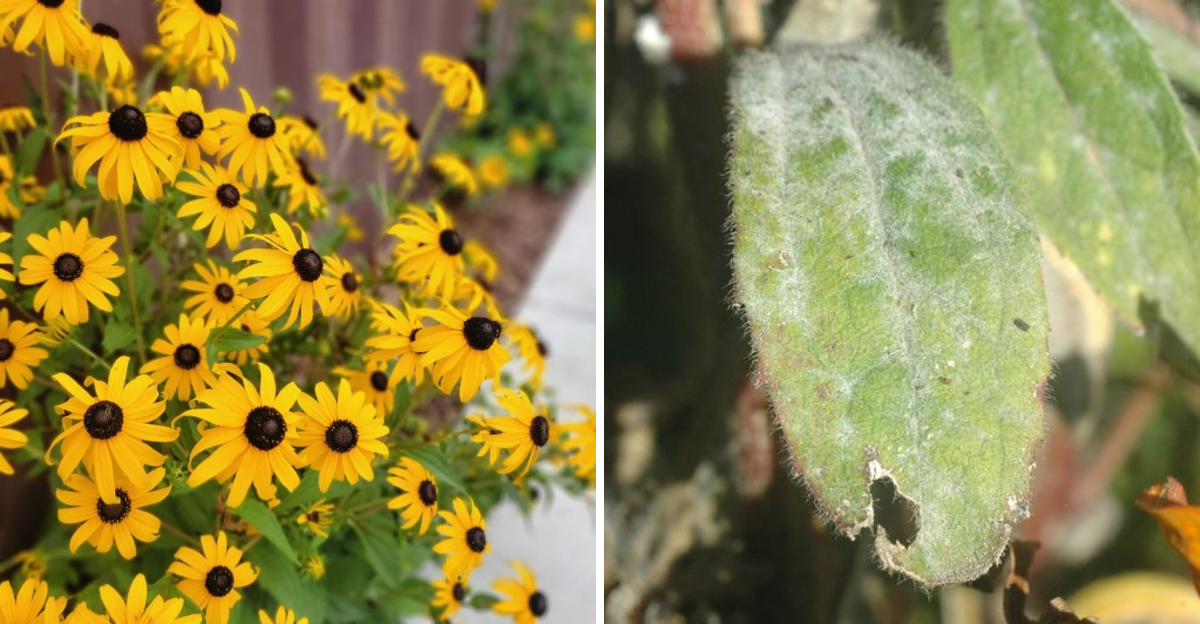
Black-eyed Susans are supposed to be one of the easier wins in a Pennsylvania garden, and most of the time they deliver on that promise without much fuss.
When a white coating starts showing up on the leaves in June, a lot of gardeners notice it, decide it does not look that serious, and move on.
That reaction is understandable but worth reconsidering. What looks like a cosmetic issue at first can spread quickly through a planting and weaken plants at exactly the point in the season when they should be building toward their strongest performance.
Pennsylvania’s June humidity creates ideal conditions for this problem to take hold and move fast, and the gap between early signs and significant damage can close surprisingly quickly when the weather cooperates with the spread.
Knowing what you are actually looking at, why it is happening now, and what to do about it before it gets ahead of you makes a real difference in how your black-eyed Susans look and perform through the rest of the season.
1. The White Coating You Might Be Seeing Is Powdery Mildew

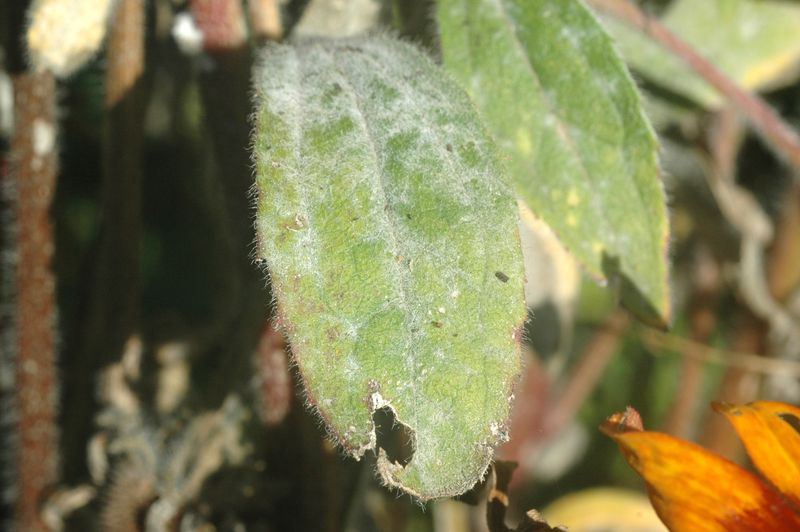
Walk through almost any Pennsylvania garden in June, and you might spot something odd on your Black-Eyed Susans. A white, chalky powder coats the leaves and sometimes the stems, almost like someone dusted them with flour.
That is powdery mildew, a very common fungal infection that targets many flowering plants, including the beloved Rudbeckia hirta.
Powdery mildew is caused by a group of fungi that thrive in warm, humid conditions. Unlike many other fungal problems, powdery mildew does not need wet leaves to spread.
It actually grows best when days are warm and nights are cool, which describes Pennsylvania’s June weather almost perfectly. The spores float through the air and land on plant surfaces, taking hold quickly when conditions are right.
Black-Eyed Susans have been a staple of Pennsylvania landscapes for generations. Gardeners love them because they are low-maintenance, attract pollinators, and bloom for months.
But their popularity does not make them immune to problems. Powdery mildew is one of the most common issues these plants face each season.
Here is the good news: powdery mildew rarely causes permanent damage on its own. Plants can survive it.
However, ignoring it allows the fungus to spread rapidly, weakening stems, reducing blooms, and making your garden look tired and unhealthy. Catching it early gives you the best chance of keeping your plants looking vibrant.
Once you know what you are looking for, spotting powdery mildew becomes second nature, and tackling it early is much easier than trying to manage a full-blown outbreak later in the season.
2. Why Black-Eyed Susans Are Susceptible To Powdery Mildew
Blame it partly on the weather. Pennsylvania summers bring warm temperatures and high humidity, especially in June when everything is growing fast and thick.
Powdery mildew fungi absolutely love these conditions. They spread through airborne spores that travel easily from plant to plant, especially when gardens are crowded and air cannot move freely between stems and leaves.
Your Pennsylvania Garden Changes Every Week. Your Plan Should Too.
Gardening in Pennsylvania changes quickly throughout the season. Every Friday you’ll receive a simple weekly plan showing exactly what to plant, prune, fertilize, harvest, and protect so you never miss the right timing.
Dense foliage is another big reason Black-Eyed Susans struggle with mildew. As the season progresses, these plants grow full and bushy.
When plants are packed too close together, moisture gets trapped around the leaves and stems.
That trapped humidity creates the perfect environment for fungal spores to settle in and start spreading. Even a small patch of mildew can quickly multiply into a much larger problem.
Some varieties of Rudbeckia are more prone to powdery mildew than others. Older heirloom varieties tend to be more vulnerable, while some newer cultivars have been bred with improved resistance.
If you are consistently battling mildew season after season, the variety you are growing could be part of the reason.
Soil health also plays a role. Plants growing in nutrient-poor or overly compacted soil may be weaker overall, making them less able to fight off fungal pressures.
A stressed plant is always more vulnerable than a healthy one. Knowing these risk factors helps you understand why powdery mildew keeps showing up and what changes you can make to reduce its impact.
Taking a proactive approach based on understanding your garden’s unique conditions is always smarter than reacting after a problem has already taken over.
3. How Powdery Mildew Affects Your Plants Over Time
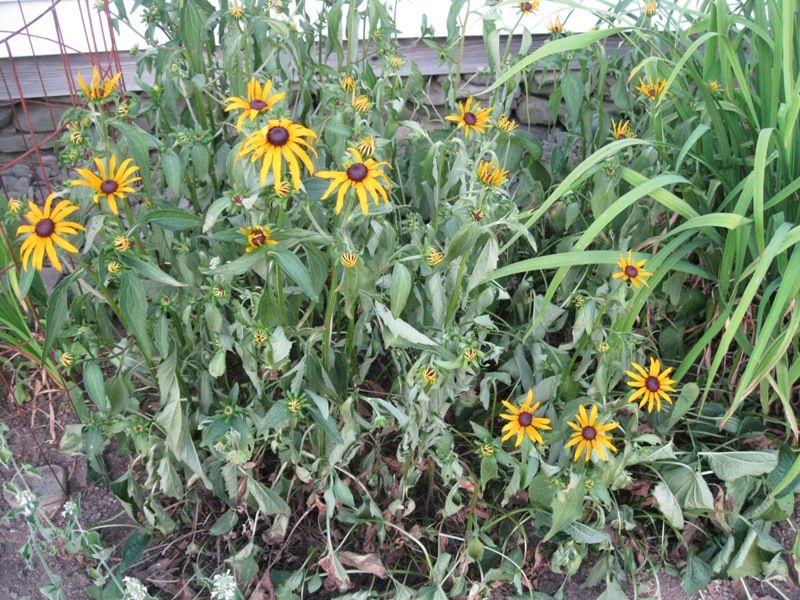
At first, powdery mildew might look like a minor cosmetic issue. A few white patches here and there on the lower leaves do not seem like a big deal.
But if you leave it alone, the fungus spreads steadily upward, coating more leaves and stems as the weeks go by. What starts as a small problem can turn into a garden-wide outbreak surprisingly fast.
As the mildew takes hold, the affected leaves start to show more serious symptoms. They may turn yellow or develop a brownish tint around the edges.
Some leaves curl or become distorted. In more advanced cases, leaves drop off the plant entirely before their time.
Each lost leaf means less surface area for the plant to absorb sunlight and produce the energy it needs to grow and bloom.
Flowering is where gardeners really notice the impact. Black-Eyed Susans that are fighting off powdery mildew often produce fewer blooms.
The ones that do open may be smaller or less vibrant than usual. A plant that should be covered in cheerful golden flowers ends up looking sparse and tired instead. That is a real disappointment after months of anticipation.
Repeated mildew infections season after season can gradually weaken a plant over time. The root system may suffer as the plant struggles to recover.
Young plants or newly established transplants are especially vulnerable and may not bounce back as easily as mature specimens.
Recognizing the progression of powdery mildew early, from those first white patches to the yellowing and leaf drop, is the key to stepping in before the damage becomes too widespread to manage effectively.
4. Treatment And Prevention Tips That Actually Work
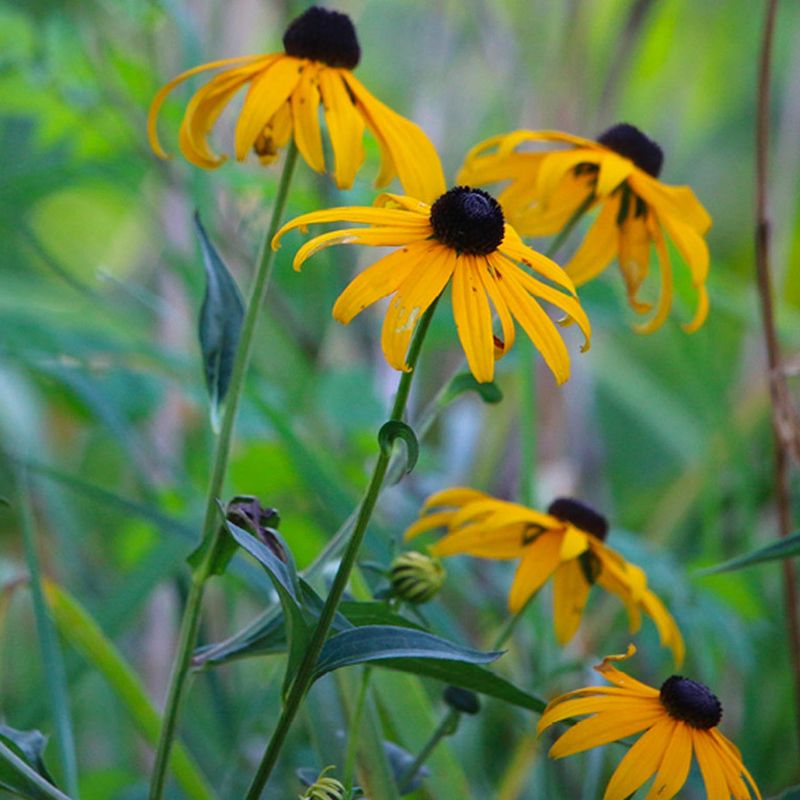
Good news for gardeners who like practical solutions: powdery mildew is very manageable when you act early and use the right approach.
The first step is always cultural control, which means changing how you care for your plants to make the environment less friendly to fungus.
Start by spacing your Black-Eyed Susans properly. Plants need room to breathe, so give each one at least 18 to 24 inches of space on all sides.
Watering habits matter more than most gardeners realize. Always water at the base of the plant, not from overhead.
Overhead watering wets the foliage and creates exactly the kind of moist surface that mildew spores love. Drip irrigation or a simple soaker hose keeps water where it belongs, at the roots, without splashing moisture onto the leaves and stems.
Remove any visibly affected leaves as soon as you spot them. Do not toss them in your compost pile, because the spores can survive and spread from there.
Bag the leaves and put them in the trash instead. This simple step can slow the spread significantly.
If cultural changes are not enough, organic fungicides can help. Neem oil, potassium bicarbonate, and diluted baking soda sprays are all popular options that are safe for pollinators when used correctly.
For more serious infections, look for chemical fungicides specifically labeled for use on Rudbeckia or ornamental perennials. Always follow the label directions carefully.
The earlier you start treatment, the better your results will be. Healthy, well-cared-for plants respond faster and recover more completely than neglected ones.
5. Long-Term Care For Healthy Black-Eyed Susans Season After Season

Preventing powdery mildew from coming back year after year starts with making smart choices before you even put a plant in the ground. When shopping for new Black-Eyed Susans, look for varieties that are labeled as mildew-resistant.
Cultivars like ‘Goldsturm’ have a strong reputation, though even they can show some susceptibility in very humid conditions.
Newer breeding programs have produced options with even better resistance, so ask at your local Pennsylvania nursery for recommendations suited to your region.
Soil health is the foundation of a disease-resistant garden. Black-Eyed Susans prefer well-drained soil that is rich in organic matter.
Adding compost each spring improves soil structure, feeds beneficial microorganisms, and helps plants build stronger natural defenses. Healthy soil grows healthy plants, and healthy plants are simply better at resisting fungal pressure on their own.
Consistent monitoring is one of the most valuable habits a gardener can build. Walk through your garden regularly, especially during June and July when conditions favor mildew.
Catching early signs means you can act before the problem spreads. Flip leaves over occasionally, because mildew sometimes starts on the undersides before moving to the top surface.
Cut plants back in late fall after they finish blooming. Remove and dispose of old stems and leaves rather than leaving them to decompose in the bed.
Overwintering plant debris can harbor fungal spores that reinfect your garden the following spring. A clean garden bed going into winter gives you a much healthier starting point in the new growing season.
With consistent care and attention, your Black-Eyed Susans can thrive beautifully year after year.
6. Bonus Tip: Companion Planting To Reduce Fungal Pressure

Here is a strategy that many experienced gardeners swear by: use companion planting to naturally lower the risk of powdery mildew. The idea is simple.
By surrounding your Black-Eyed Susans with the right neighboring plants, you can improve airflow, reduce trapped humidity, and create a garden environment that is naturally less welcoming to fungal spores.
Ornamental grasses are some of the best companions for Black-Eyed Susans. Varieties like Karl Foerster feather reed grass or little bluestem grow upright and airy, allowing breezes to pass through the garden bed freely.
They do not block sunlight, they add beautiful texture, and they help break up the dense, humid pockets that mildew loves. Planting a few ornamental grasses between or around your Rudbeckia clumps can make a noticeable difference.
Other upright perennials work well too. Coneflowers, salvia, and Russian sage are all great choices that complement Black-Eyed Susans visually while helping open up the garden structure.
Avoid low-growing, spreading plants that press up against the base of your Susans and block airflow at ground level where moisture tends to collect.
Thinking about layout matters as much as plant selection. Arrange taller companions on the north side of your bed so they do not shade the Susans from the south.
Use a zigzag or staggered pattern rather than planting in straight rows, which tends to trap air in columns. A thoughtfully designed garden bed does more than look beautiful.
It actively works to keep your plants healthier throughout the entire growing season, naturally reducing the conditions that allow powdery mildew to take hold and spread.