8 Low-Water Rose Alternatives For Sunny California Gardens
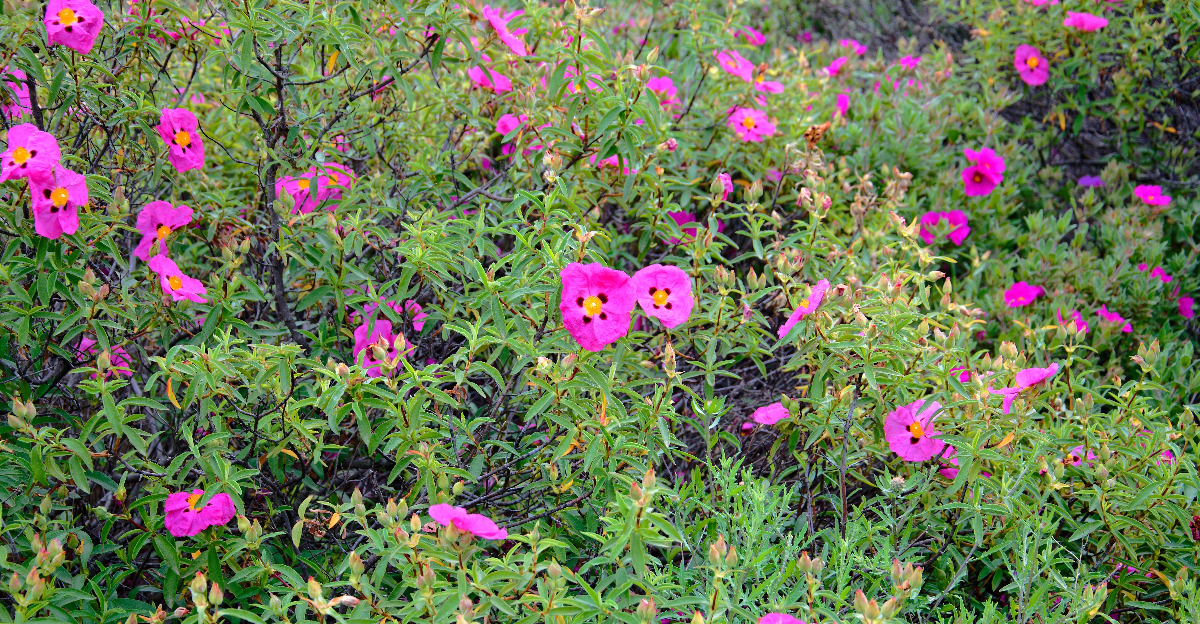
Roses have a reputation in California gardens, and not entirely a good one.
They drink like they pay the water bill themselves, sulk through summer heat, and somehow still manage to look stressed by August despite everything you did for them. Sound familiar?
Many gardeners keep growing them anyway, out of habit, out of loyalty, or because nobody told them there was a better option.
But there is, and the alternatives are not some boring consolation prize.
There is a group of plants out there that brings what roses promise: color, fragrance, structure, and serious pollinator activity. All that while actually thriving on less water.
Some of them bloom longer than roses ever will. Some bring even stronger fragrance. A few of them genuinely prefer the hot, dry conditions that send roses into a full summer meltdown.
California’s Mediterranean climate is not working against these plants. It is exactly what they were built for.
The question is not whether they can replace roses in your garden. It is why you have not tried them yet.
1. Ceanothus Brings Blue Flowers Without Constant Water
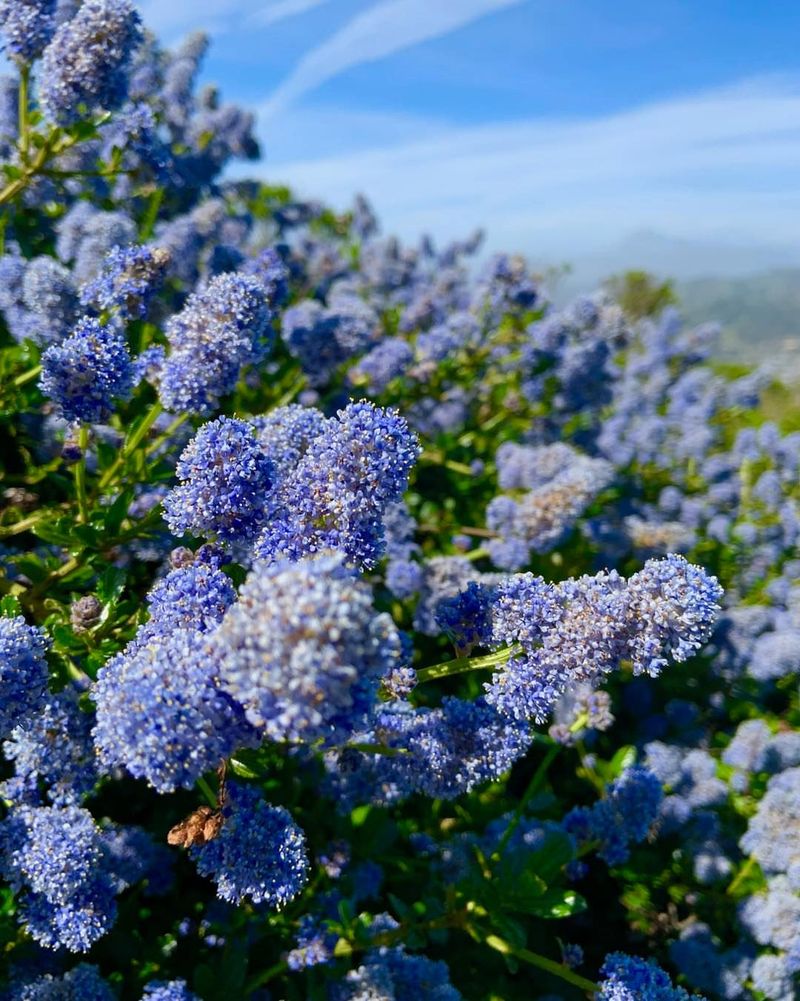
Have you ever noticed how some plants seem to thrive while others sweat under the sun? Well, Ceanothus steals the show.
Often called California lilac, this native shrub covers itself in clusters of deep blue and violet every late winter and spring.
Bees find it immediately. Butterflies follow. On a warm afternoon, a blooming ceanothus is one of the most active spots in the entire garden.
It thrives in full sun and well-drained soil. Sandy slopes, rocky edges, and sun-baked borders are exactly where it feels at home. Once the roots settle, supplemental water becomes largely optional.
That independence usually arrives after the first or second year. Getting through that establishment period with consistent deep watering sets the plant up for a long, low-effort future.
Size varies widely. Low-spreading varieties work beautifully on slopes and in fire-wise plantings. Upright forms can reach ten feet and anchor a dry border with real presence.
Varieties like Ray Hartman and Dark Star are popular for good reason. Both deliver reliable bloom and strong structure across California’s range of climates.
Prune lightly right after flowering ends. Avoid cutting into old wood, which can stress the plant. Skip summer irrigation once established, because dry summers actually suit ceanothus well.
The result is a shrub that brings weeks of color, serious pollinator traffic, and almost zero summer drama. Don’t you want that?
2. Rockrose Delivers Papery Blooms In Full Sun With Barely A Sip
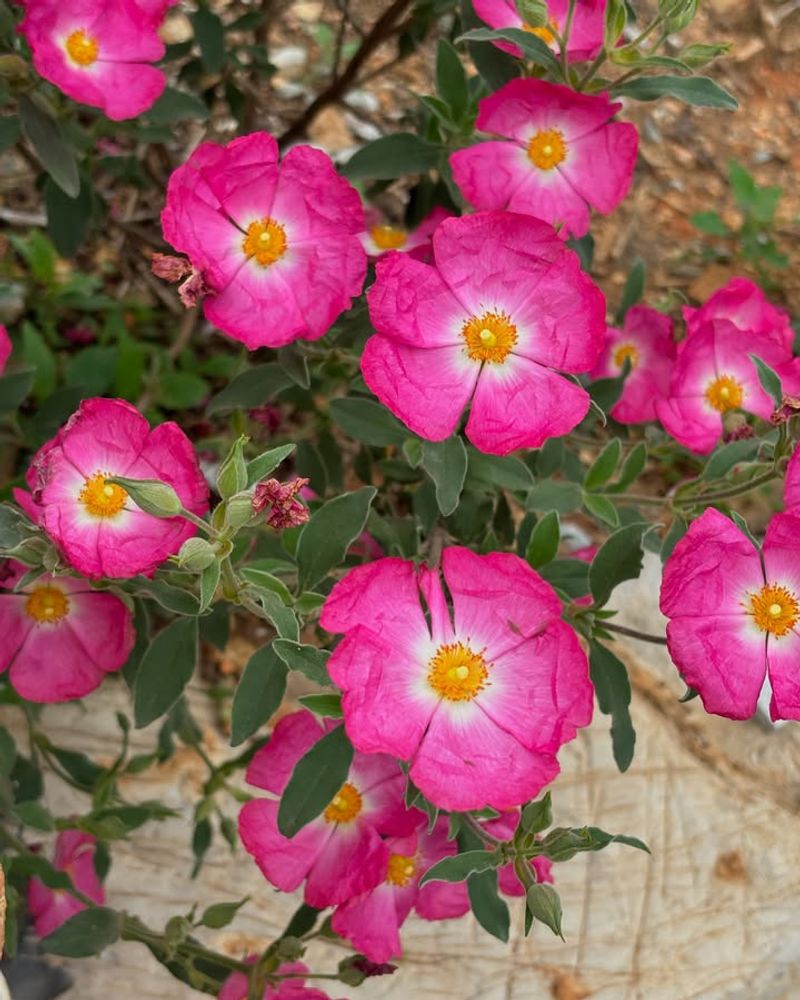
Rockrose looks like it belongs in a painting. Those papery, tissue-thin flowers in white, pink, and magenta seem almost too delicate for a California summer. Well, looks can be deceiving.
Cistus is native to the Mediterranean, which means it evolved under conditions nearly identical to much of California. Hot, dry summers are not a challenge for this plant. They are its natural rhythm.
Once established, most varieties need watering only every two to three weeks during summer. Some stretches even less. That kind of self-sufficiency is genuinely rare among flowering shrubs.
Your California Garden Changes Every Week. Your Plan Should Too.
Gardening in California changes quickly throughout the season. Every Friday you’ll receive a simple weekly plan showing exactly what to plant, prune, fertilize, harvest, and protect so you never miss the right timing.
The bloom cycle has a charming daily quality. Flowers open in the morning and drop their petals by afternoon. New blooms replace them the next day, and the display can run from March through June without interruption.
Plants grow into rounded mounds between two and five feet tall depending on the variety. That shape makes them useful on slopes, along borders, and in fire-wise plantings where structure and low water are both priorities.
Plant in full sun with fast-draining soil. Clay-heavy spots can cause root problems during wet winters, so placement matters.
Light pruning after the bloom period keeps plants compact and encourages fresh growth the following season. Skip fertilizer entirely. Rich soil actually reduces flowering, which is one of the more satisfying excuses to do less work.
A gravel mulch around the base reflects heat and keeps roots comfortable during peak summer temperatures.
The result is a plant that performs beautifully while demanding very little. That is a pretty blooming good deal for a dry California border.
3. Lavender Keeps Its Scent And Shape While Watering Drops Back
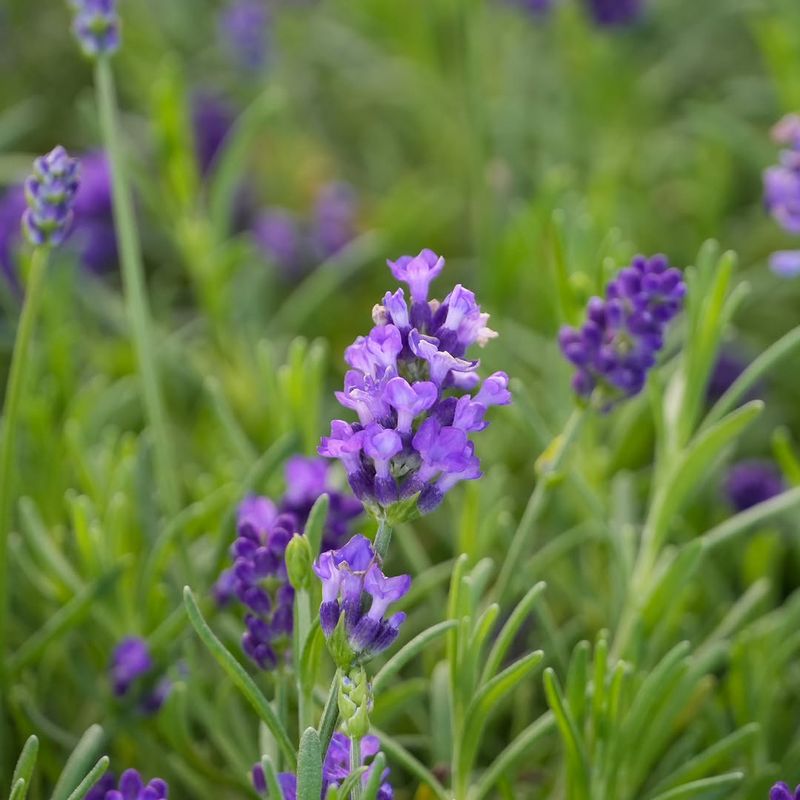
Lavender has one of the more unusual qualities in the plant world. It actually gets better when you water it less.
Less water means more aromatic oils concentrated in the leaves. The fragrance intensifies. The growth stays tighter and more compact.
The whole plant performs better than it would with frequent irrigation. That makes lavender a natural swap for thirsty roses in a California garden.
Spanish and French lavender handle California heat particularly well. English lavender prefers cooler coastal conditions. Choosing the right species for your specific microclimate makes a noticeable difference in long-term performance.
Established plants can thrive on deep watering every two to three weeks during summer. Good drainage is the one non-negotiable. Soggy roots are the primary way lavender runs into trouble, so avoid clay soils or low spots that hold moisture.
Bloom time generally runs from spring through early summer, with some varieties pushing a second flush in fall. The purple flower spikes draw bees and butterflies in impressive numbers throughout the season.
Plants typically reach one to three feet tall and wide, forming tidy mounds that work well along pathways, raised beds, and sunny borders.
Pruning keeps lavender looking sharp. Cut back by about one-third right after blooming ends. Never cut into bare woody stems, which can leave the plant struggling to recover.
The result is a fragrant, low-water border plant that improves with a little neglect. In California summers, that is, I think, the personality a garden needs.
4. Salvia Blends Color And Drought Toughness In Hot Borders
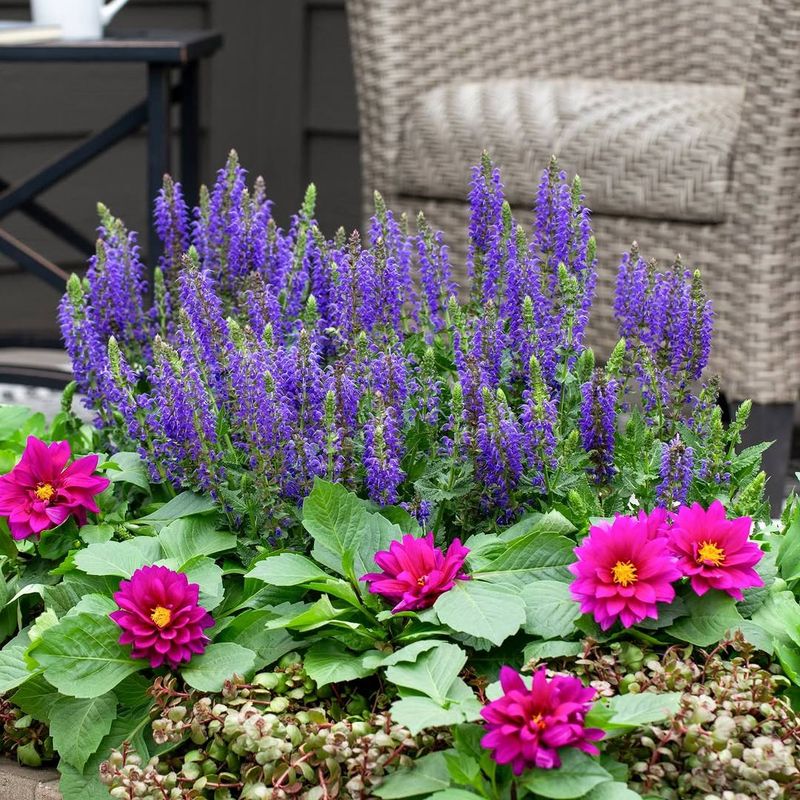
Salvia is the plant that makes visitors stop mid-conversation and point. The flower spikes in red, purple, blue, and coral are hard to ignore, and they keep coming for months.
California has a rich native salvia tradition. Cleveland sage and Mexican bush sage are both well suited to hot, sunny conditions and develop deep root systems that tap into soil moisture well below the surface.
Non-native varieties like Amistad and Hot Lips also perform beautifully here with minimal irrigation. The options span a wide range of heights, colors, and bloom seasons, which makes salvia one of the most flexible plants on this list.
Bloom periods are genuinely impressive. Many varieties flower from spring through fall when spent spikes are trimmed back regularly.
Hummingbirds are particularly drawn to the tubular red and coral types, adding movement and energy to the garden throughout the season.
Plant in full sun with well-drained soil. Cut plants back by about half in late winter before new growth begins. That keeps the plant vigorous and prevents woody, unproductive stems from taking over.
Water deeply but infrequently once established. Every two weeks during summer is usually enough for most varieties. Avoid overhead watering, which can encourage powdery mildew on some types.
Salvia is forgiving in a way that makes it especially good for gardeners still figuring out their dry-garden rhythm. It handles mistakes graciously and bounces back reliably.
You want months of color, consistent pollinator activity, and a plant that genuinely prefers the California summer conditions? Here is sage advice for any dry border.
5. Rosemary Pulls Double Duty With Fragrance And Low Water Needs
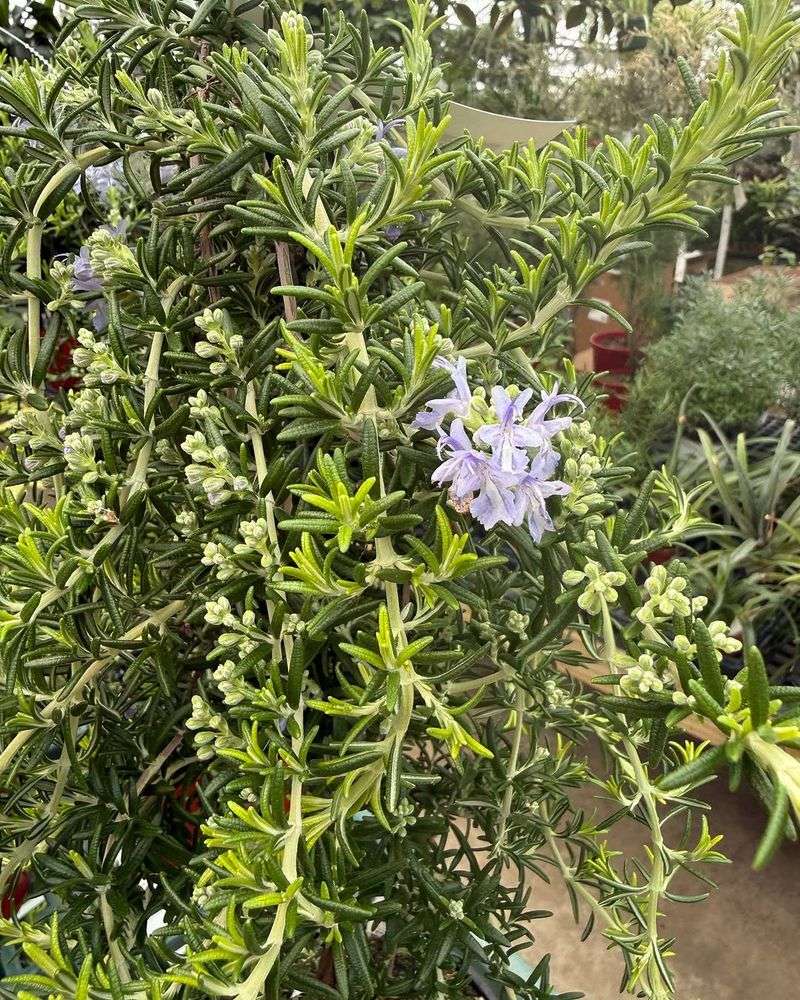
Rosemary has been thriving in Mediterranean climates for centuries. Moving it from the herb pot into the garden border is one of the most practical upgrades a California gardener can make.
It seasons dinner. It fills the garden with fragrance. It feeds the bees in late winter before almost anything else is blooming. And it does all of this on very little water.
Rosemary thrives in full sun and poor, well-drained soil, which describes a large portion of California gardens accurately.
Established plants need watering only every two to three weeks during dry months. Some mature plants in coastal areas manage on rainfall alone through winter.
Beyond the kitchen, rosemary works as a hedge, a slope cover, or a container plant with genuine visual presence.
Trailing varieties like Huntington Carpet spill gracefully over walls and raised beds. Upright varieties like Tuscan Blue grow five to six feet tall and make strong structural statements in the landscape.
Small blue to violet flowers appear in late winter and spring. Bees arrive in large numbers before most other plants have even started moving.
Prune lightly after flowering to maintain shape. Avoid cutting into old wood. Well-drained soil is critical, especially during wet winters, because root problems are the main challenge this plant faces.
Skip heavy fertilizing. It produces lush growth that sacrifices fragrance, which defeats the whole point.
And just like that, this plant earns its garden space twice over. Once for the kitchen and once for everything else.
6. Manzanita Adds Evergreen Structure That Thrives In Sunshine
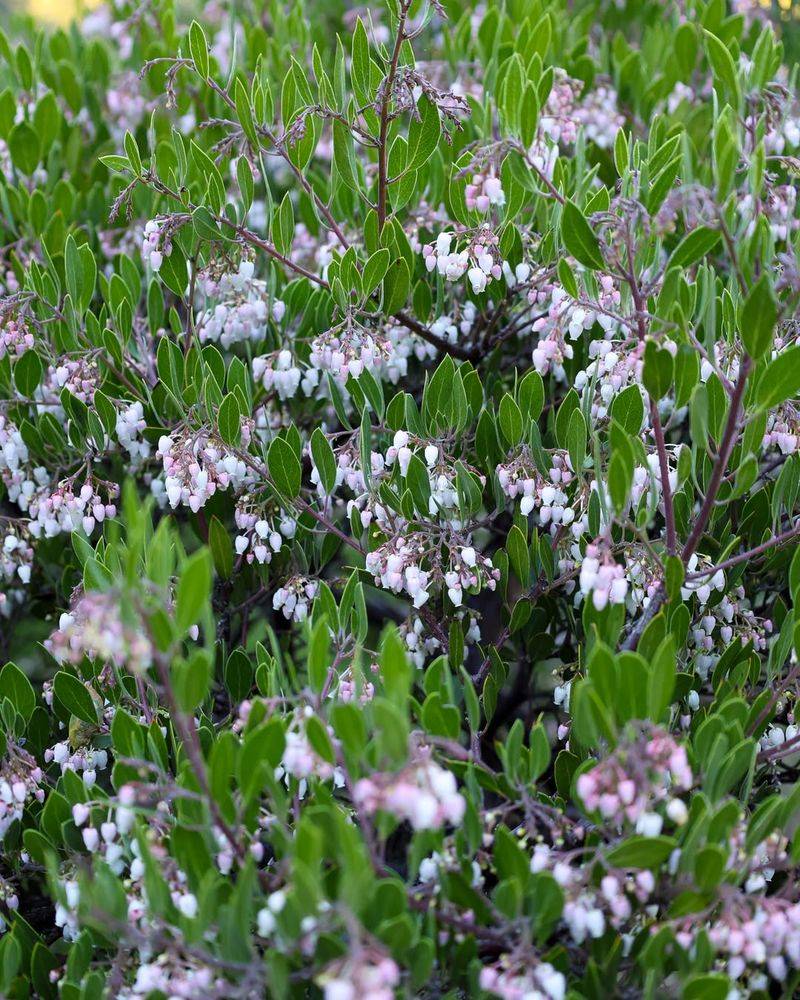
Some plants are all flowers and no backbone. Manzanita is the complete opposite, and California gardens are better for it.
The twisting mahogany-red bark alone is worth the planting. It looks sculptural in every season, whether the plant is in bloom or simply holding its glossy evergreen leaves through summer heat.
California is home to dozens of native manzanita species, making it one of the most diverse native plant groups in the state. That variety translates directly into options for gardeners.
Compact ground cover varieties stay under three feet and spread six feet wide, working beautifully on slopes and in fire-wise plantings. Larger species can reach fifteen feet and anchor a native landscape with real presence.
Birds eat the berries. Bees swarm the early-season flowers, which appear from December through March depending on the species. The ecological value runs year-round.
Plant in full sun with excellent drainage. Avoid heavy soil amendments. Manzanita evolved in lean, rocky California soils, and rich amended soil can actually shorten its lifespan rather than extend it.
Water deeply a few times during the first summer, then taper off almost completely. Dry summers are not a problem for this plant. They are preferred.
Minimal pruning to remove any damaged wood is typically all the maintenance manzanita ever requires. The natural branch structure does the design work on its own.
A year-round garden anchor with genuine wildlife value and almost no summer demands? That is where manzanita earns its reputation as one of most rewarding native shrubs.
7. California Poppy Lights Dry Beds With Bright Early Season Blooms
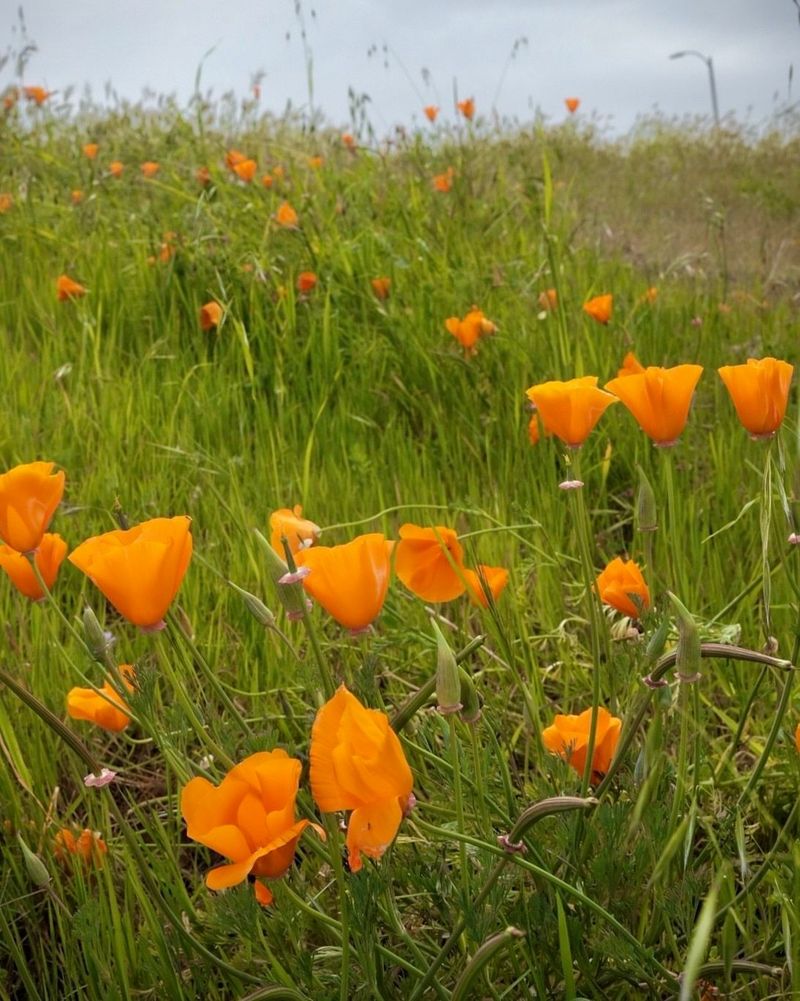
California poppy does not need rich soil, regular watering, or much attention. It needs dry ground, a little sun, and permission to do its thing.
That blazing orange color in early spring is one of the most recognizable images in the state, and it is entirely achievable in a home garden with almost no effort.
Eschscholzia californica is the official California state flower, and it earns that honor through sheer resilience.
It actually performs worse in rich, heavily watered beds. Overwatering produces floppy stems and reduced flowering. Less intervention consistently produces a better show.
Blooms arrive from late winter through spring, with peak color usually hitting in March and April. Flowers close at night and on cloudy days, then open wide in full sunshine. Colors range from the classic deep orange to softer yellow, cream, red, and pink in cultivated varieties.
Plants self-seed reliably once established. A single planting often returns year after year without any help from you, which makes the initial effort feel like a long-term investment.
Scatter seeds directly on bare, dry soil in fall after the first rains soften the ground. Rake them lightly into the surface and let winter rainfall handle the rest. Avoid transplanting, because poppies develop a deep taproot early and strongly dislike being moved..
The result is early season color that costs almost nothing in water or maintenance. I guess the best performances sometimes come from the least demanding plants.
8. Yarrow Holds Long-Lasting Color And Deep Roots In Arid Soil
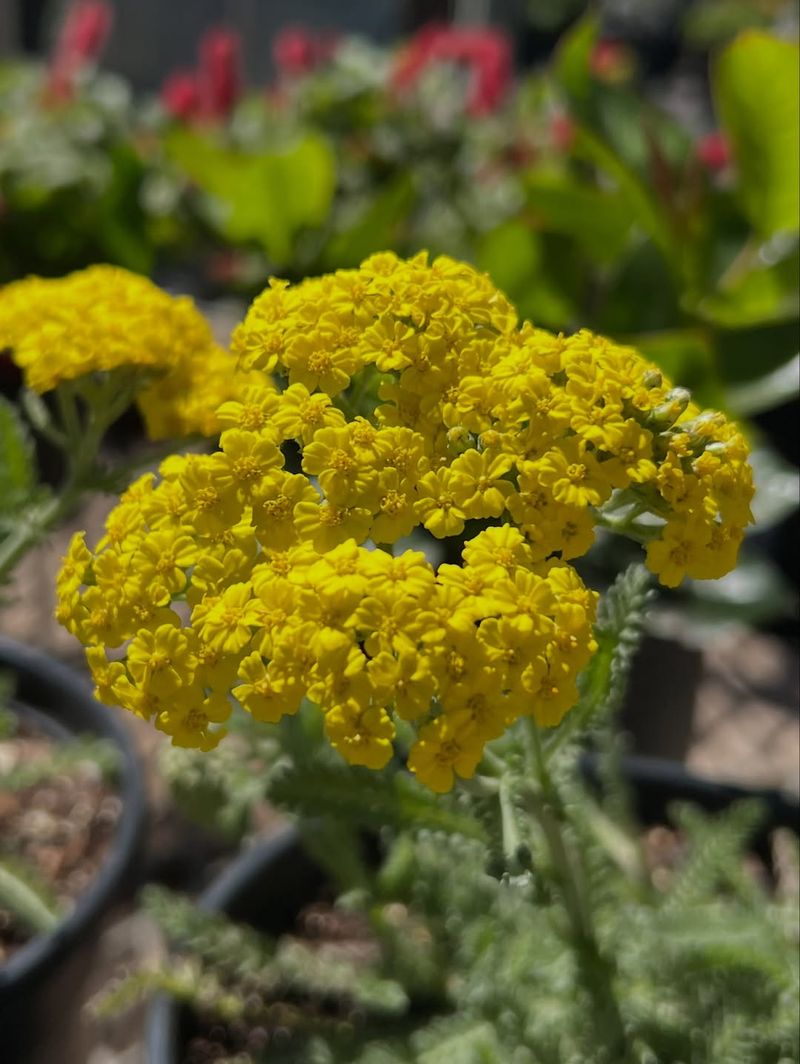
Yarrow does not make a loud entrance. It just outperforms almost everything in the garden through July and August.
The flat-topped flower clusters in yellow, white, red, and salmon keep coming for months. Cutting spent heads back encourages fresh rounds of bloom, extending the season well into late summer.
What makes yarrow genuinely impressive is what happens underground. It develops a deep root system that reaches into soil moisture well below the surface, which shallower-rooted plants simply can’t access during dry stretches.
That root depth also helps stabilize slopes and prevent erosion, which makes yarrow useful beyond just its visual appeal.
The flat flower clusters attract beneficial insects in large numbers. Ladybugs, lacewings, and native bees all visit regularly throughout the bloom season.
A yarrow planting in good health brings a level of ecological activity that most ornamentals cannot match.
Plant in full sun with average to poor, well-drained soil. Rich soil produces floppy, weak stems that struggle in summer heat, so resist any urge to fertilize.
Space plants about eighteen inches apart for good air circulation, which reduces the chance of powdery mildew in humid coastal areas.
Cut the whole plant back by half in late winter. That encourages fresh, compact growth and the strongest flower production of the new season.
Even though it asks for poor conditions, yarrow rewards you with months of color, pollinator activity, and reliability. Pretty rare, right?