Do Not Wait Until Fall To Plant These Perennial Vegetables In Michigan
Most vegetable planting advice revolves around yearly replanting, leaving gardeners locked into the same repetitive cycle every single season.
But a handful of vegetables actually skip that cycle entirely, coming back reliably year after year once established in the right spot.
The catch is that these particular plants need to go into the ground now, well before the fall planting rush most gardeners wait for. Miss this specific window, and you could be waiting an entire extra year before getting a real harvest.
Once established, these vegetables demand far less effort than the typical replant and restart routine most gardens rely on.
Many Michigan gardeners have never even considered adding perennial vegetables to their beds, missing out on years of easier harvests.
Understanding this timing now could completely change how much yearly work your vegetable garden actually requires.
1. Egyptian Walking Onion Is Ready Now
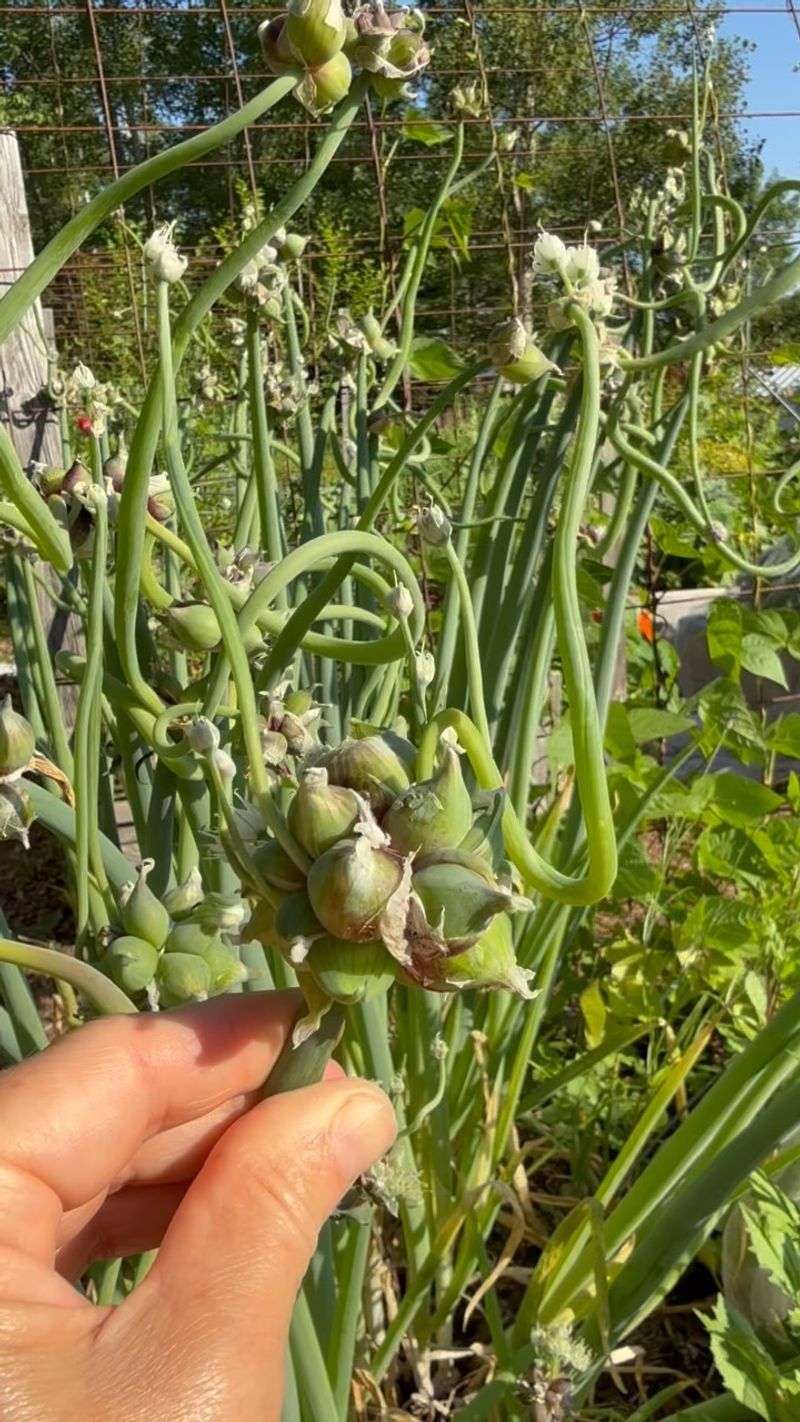
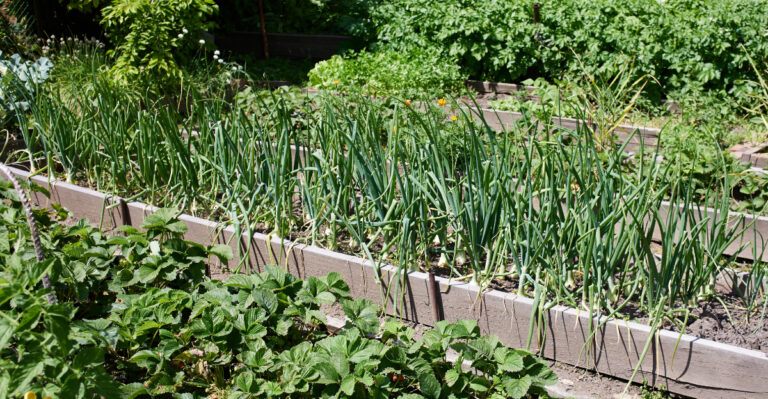
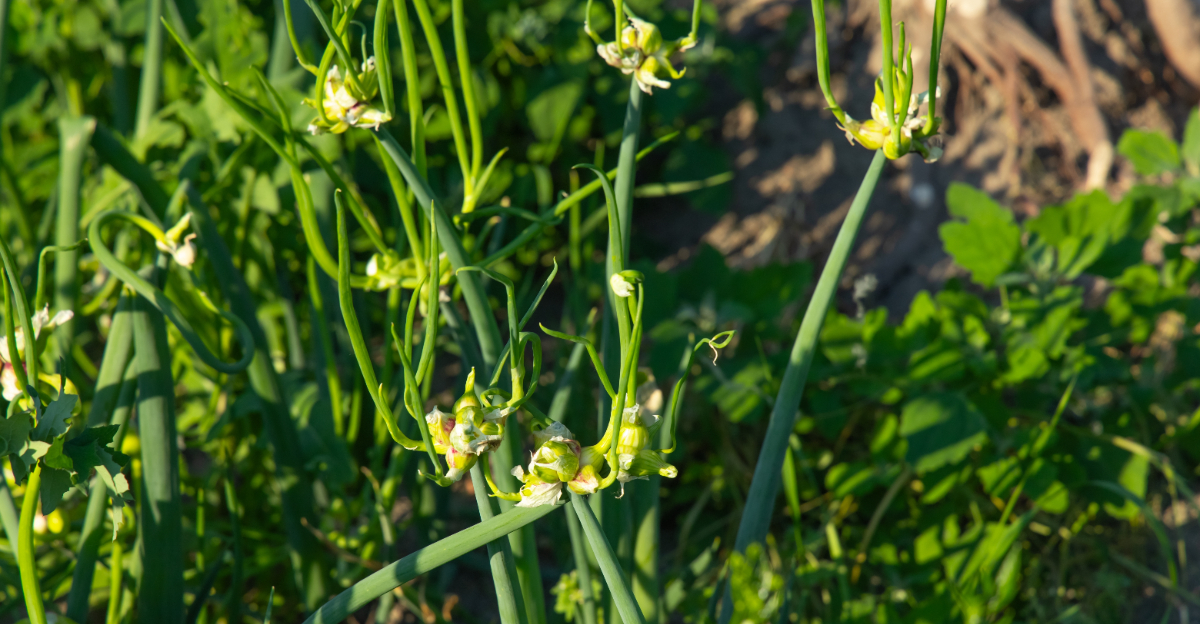
Few plants are as fun to grow as the Egyptian walking onion. It grows little bulbils right at the top of its stalks, and those clusters flop over and root themselves in new spots. That is how it earns the nickname walking onion.
Late summer is a wonderful moment to tuck these bulbils into your soil. When you plant them now, the roots have weeks of warm weather to spread out and grip the ground. By the time Michigan turns frosty, they are firmly settled and ready to rest through winter.
Plant each bulbil about one inch deep and a few inches apart. Choose a sunny spot with soil that drains well, since soggy ground can rot the bulbs. A light layer of mulch helps protect them once the cold weather rolls in.
Come spring, you will see green shoots long before most other crops wake up. You can snip the tops like green onions or wait for the bottom bulbs to swell for a stronger flavor.
The best part is that they multiply every single year, so one small planting turns into a patch that feeds you again and again.
Michigan winters are no problem for these hardy onions. They shrug off freezing temperatures and bounce right back when the snow melts.
If you want a low-effort crop that keeps giving, this quirky onion belongs in your garden right now, not months from now.
2. Chives Divide Easily In Late Summer
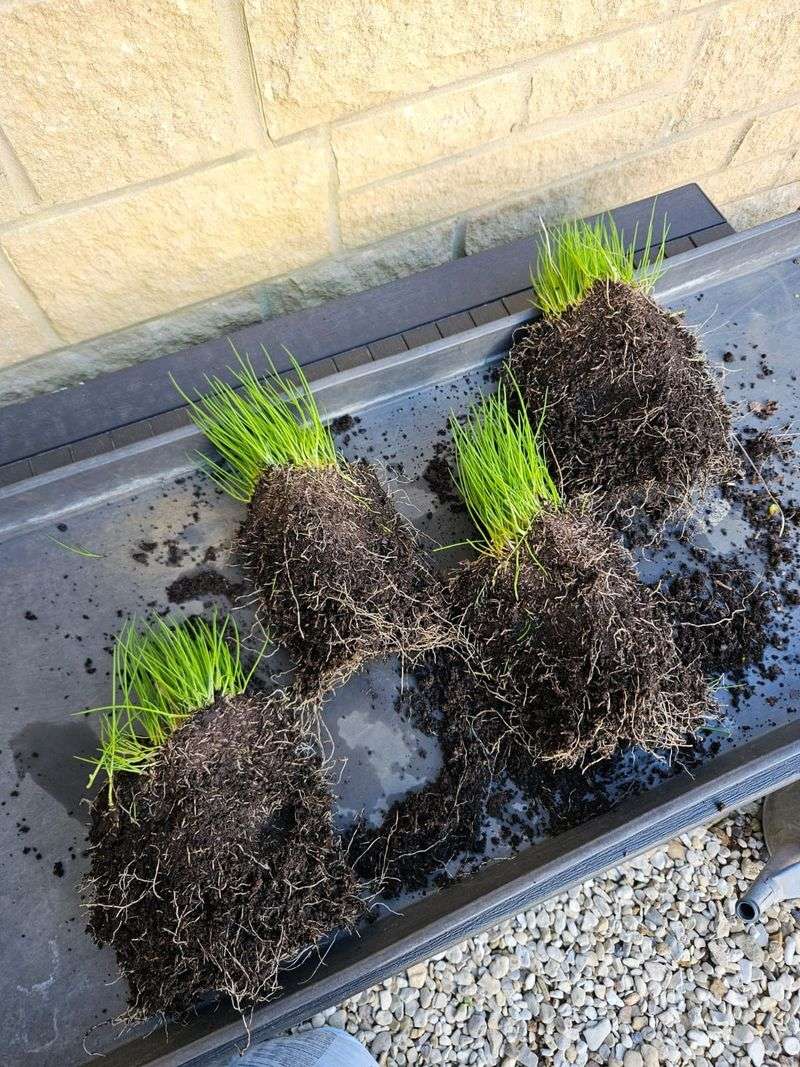
Chives are the friendly little herb that seems to grow no matter what. After they finish blooming with their pretty purple flowers in summer, the clumps get thick and crowded. That crowding is your signal to divide them.
Splitting chives is simple and forgiving. Dig up a full clump, shake off some soil, and gently pull it apart into smaller bunches. Each bunch needs a few bulbs and roots to grow into a healthy new plant.
Replanting these divisions in late summer works out great. The weather is still warm enough for roots to settle, but the flowering rush is over.
That means the plant can focus all its energy on building a strong base before Michigan freezes.
Your Michigan Garden Changes Every Week. Your Plan Should Too.
Gardening in Michigan changes quickly throughout the season. Every Friday you’ll receive a simple weekly plan showing exactly what to plant, prune, fertilize, harvest, and protect so you never miss the right timing.
Space your new clumps about six inches apart in a sunny or partly sunny spot. Water them well for the first couple of weeks so they do not dry out. Once they take hold, chives ask for almost nothing in return.
By next spring, those tiny bunches will burst back to life as full, grassy clumps. You can snip the hollow green stems for salads, eggs, soups, and baked potatoes all season long.
Here is a fun bit of history: chives have been grown for thousands of years and were even used by ancient cooks in China. Dividing them now not only gives you more plants for free, it keeps your existing chives healthy and happy for many more years.
3. Sorrel Starts A Long Harvest
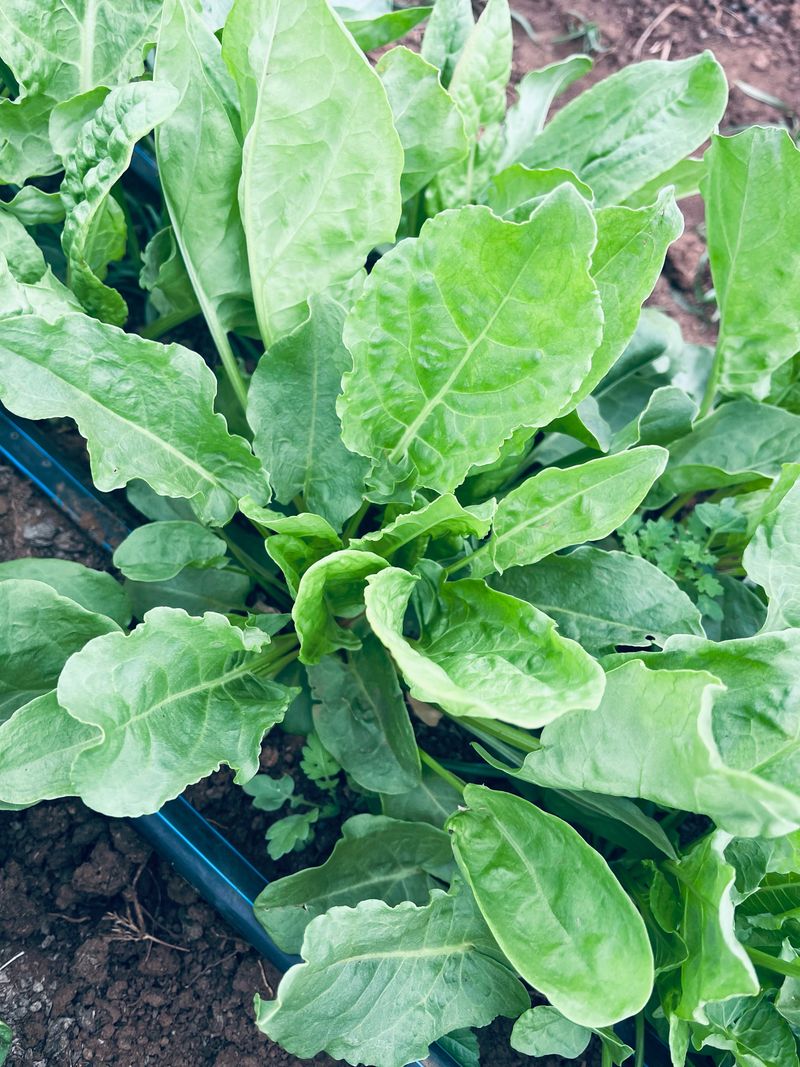
If you love a zippy, lemony flavor in your greens, sorrel deserves a spot in your garden. Its leaves have a bright, tangy taste that wakes up salads, soups, and sauces. And once it settles in, it comes back every single spring.
Getting sorrel established in late summer sets you up for years of easy harvests. The cooler weather ahead suits this plant perfectly, since it prefers mild temperatures over blazing heat.
Roots that grow now will be ready to send up fresh leaves the moment spring arrives. Plant sorrel in rich soil that stays a little moist. It handles full sun but also does fine with some afternoon shade.
Give each plant about a foot of space so the leaves have room to spread out.
One of the best things about sorrel is how cold hardy it is. Michigan winters do not bother it, and it often pops up earlier than almost any other green in your garden.
That early comeback makes it a treasure when you are hungry for something fresh. Keep picking the outer leaves and the plant keeps producing more. If flower stalks appear, snip them off to push the plant back into leaf-making mode.
This keeps your harvest tender and tasty. Plant it once and you will enjoy a long, generous run of homegrown greens. Sorrel rewards a little planning now with buckets of flavor for many springs to come, making it a smart pick for patient gardeners.
4. Lovage Can Move Before Cold Weather
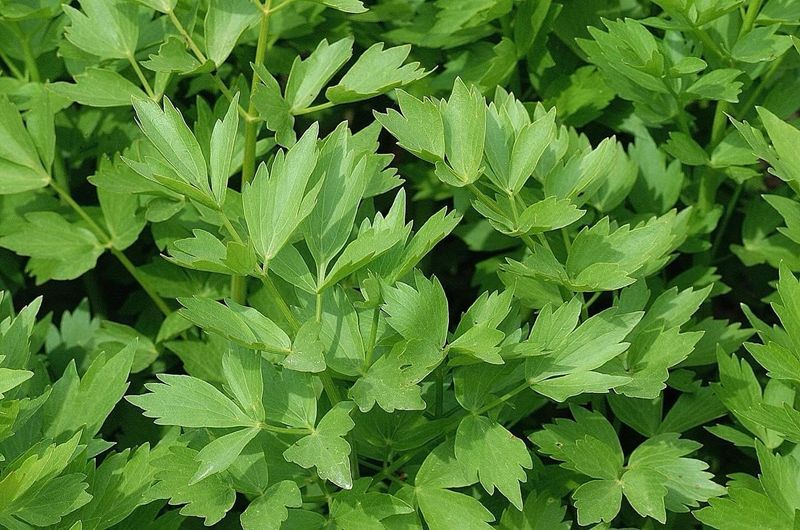
Lovage is a giant of the herb world, sometimes stretching taller than a person. Its leaves and stems taste a lot like celery, only stronger and more savory. One plant can flavor countless soups, stews, and stocks.
When an established lovage plant gets big and bushy, late summer or early fall is a smart time to divide it. Dig up the clump, then split the root ball into sections with a sharp spade. Each piece can grow into a brand new plant in a fresh spot.
Moving lovage now gives the divisions time to root before the ground hardens. Warm soil helps those roots reach out and grab hold, so the plant enters winter feeling secure. That head start makes a big difference come spring.
Choose a roomy, sunny to partly shaded location, because lovage needs space to stretch. Rich, moist soil keeps it happy and lush. Water the new divisions well until you see them perk up.
Since lovage returns year after year, one planting can feed your kitchen for a long time. The young leaves are tender and mild, while older ones bring a bolder punch to your cooking.
Even the hollow stems can be used like straws or chopped into dishes.
Gardeners have grown lovage for centuries, and it was once a common sight in old cottage gardens. Give it room, divide it while the weather is still mild, and this leafy giant will reward you with flavor for many seasons ahead.
5. Good King Henry Can Be Established
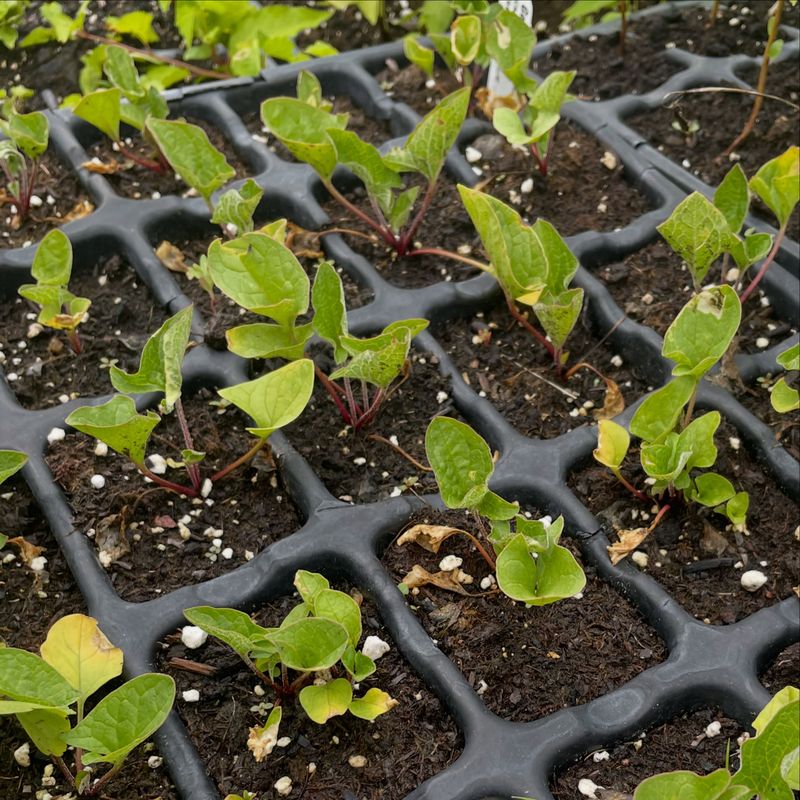
Good King Henry sounds like a character from a storybook, and honestly, this old-fashioned vegetable has a story worth telling. Cooks in Europe grew it long ago for its tender spring shoots and leafy greens.
Today it is a bit of a hidden gem waiting to be rediscovered. Planting it in late summer or early fall suits cooler climates like Michigan perfectly. The plant uses the mild weeks ahead to build roots underground.
Once winter passes, it wakes up ready to send out fresh shoots you can enjoy like asparagus.
Pick a spot with rich, well-drained soil and a little shade if your summers get hot. Work in some compost before planting to feed the roots. Keep the area watered until the plant looks settled.
The leaves can be cooked like spinach, and the young shoots are a spring treat. Because it is a true perennial, you plant it once and harvest for years. That kind of return makes it well worth the small effort now.
Patience helps with this one. Give it a season to grow strong before you start heavy harvesting, and it will reward you generously afterward. A light layer of mulch protects the crown through the cold months.
Growing Good King Henry connects you to gardeners from hundreds of years ago. It is tough, tasty, and refreshingly different from anything at the grocery store. Get it in the ground now and let it become a lasting part of your garden.
6. Perennial Kale Can Be Started Early
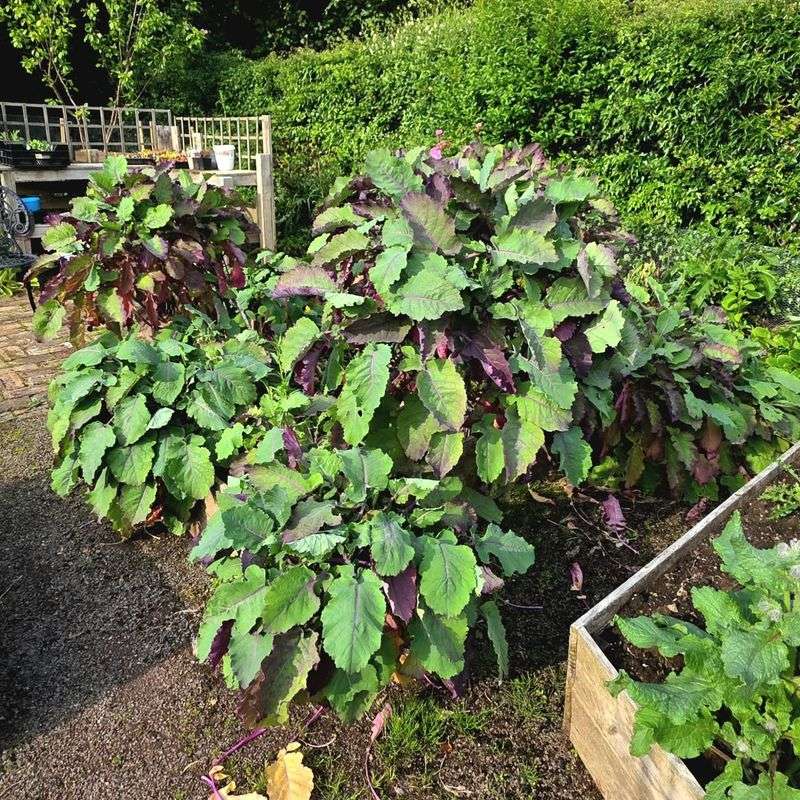
Kale lovers, get ready for good news. Perennial kale is the kind that keeps growing back season after season instead of needing a fresh planting every year. That means less work and more of those hearty, healthy leaves.
Starting these plants early gives them the best shot at thriving through a Michigan winter. Roots that grow in the warmer weeks ahead become strong and deep. A well-rooted plant handles cold far better than a young one squeezed in too late.
Set your perennial kale in rich soil with plenty of sunlight. Give each plant some elbow room, since these can grow into tall, bushy shrubs over time.
A thick layer of mulch around the base helps protect the roots when temperatures drop.
Unlike regular kale, many perennial types rarely flower, so they keep pouring out leaves for you to pick. Snip the outer leaves and leave the center to keep producing. The flavor is mild and sweet, especially after a chilly night.
These plants can keep going for several years with good care. Some gardeners take cuttings to grow even more plants for free, sharing them with friends and neighbors. That makes perennial kale a gift that keeps on growing.
Getting it established now means you will enjoy fresh greens far earlier next spring than you might expect. For anyone who wants a dependable, no-fuss vegetable that shrugs off the cold, this leafy powerhouse is a fantastic choice to plant right away.
7. Ramps Need A Head Start
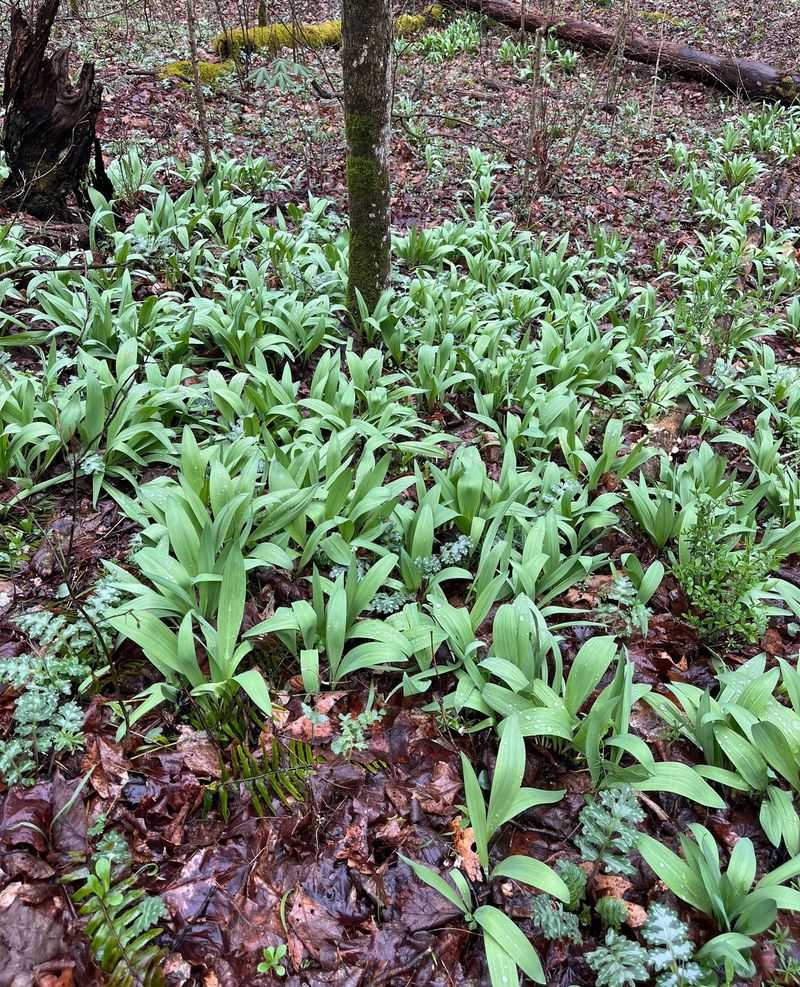
Ramps are the wild spring onion that food lovers go crazy for. These woodland plants have broad green leaves and a garlicky, oniony flavor that shows up in fancy restaurants each spring.
Growing your own patch is a rewarding challenge. Here is the thing about ramps: they grow slowly. Very slowly.
That is exactly why giving them an early start matters so much. Planting them now instead of waiting lets the roots and bulbs begin their long, patient journey underground.
Ramps love shady, moist spots that feel like a forest floor. Rich soil packed with leaf litter and organic matter makes them feel right at home.
Tuck the bulbs a couple of inches into the ground and cover them with a blanket of fallen leaves.
Do not expect a big harvest right away. It can take a few years before a patch is ready for picking, so think of this as planting for the future. Once established, though, ramps spread on their own and return every spring.
When harvest time finally comes, resist taking too many. Cutting just one leaf and leaving the bulb keeps the colony strong and growing. This gentle approach means your patch keeps expanding year after year.
Ramps have deep roots in American cooking, especially in Appalachian traditions where spring festivals still celebrate them. Planting them now is a promise to your future self.
With a little patience, you will have a woodland treasure that most gardeners can only dream about.