The Native Michigan Wildflower That Blooms Early And Practically Takes Care Of Itself
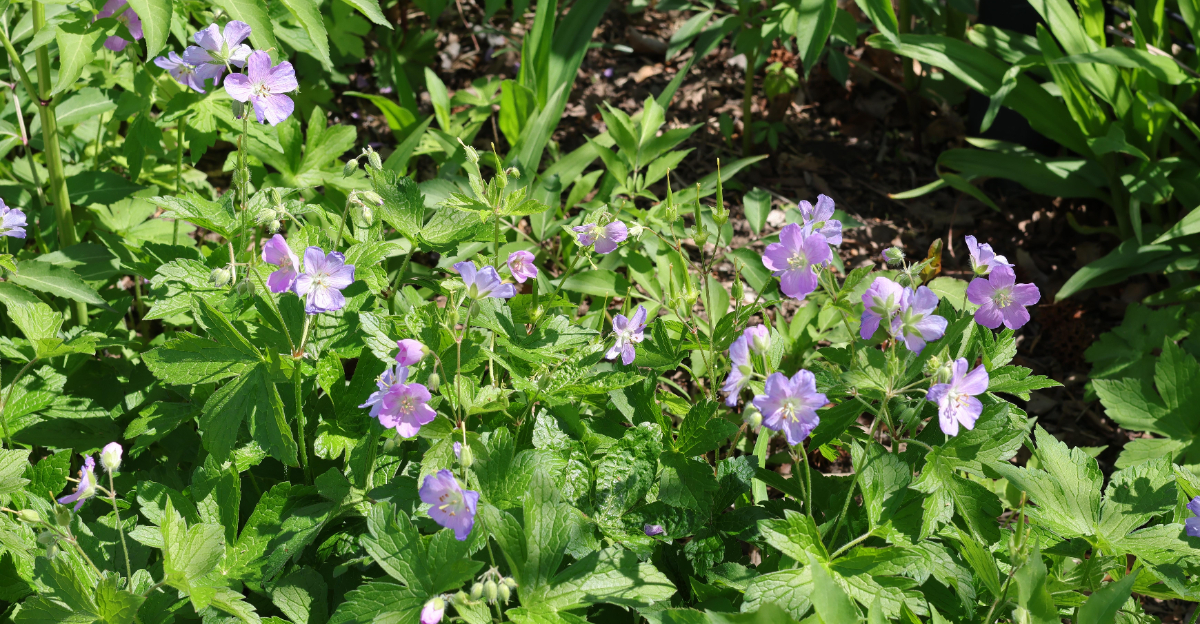
Wild geranium rewards Michigan gardeners with early spring blooms while asking for remarkably little in terms of ongoing care or maintenance.
This native perennial produces delicate pink or purple flowers just as many other plants are still waking up from winter dormancy.
Its ability to thrive in both sun and partial shade makes it an adaptable choice for a variety of yard conditions. Wild geranium tolerates Michigan’s clay soil well, requiring no special amendments or soil preparation before planting.
Once established, this plant spreads modestly, filling in garden gaps without becoming difficult to control or manage over time. Its attractive foliage remains appealing even after blooming finishes, adding texture throughout the rest of the growing season.
Pollinators are drawn to its early blooms, providing an important nectar source before many other flowers have even started.
Choosing wild geranium brings reliable, low effort beauty to a Michigan garden right from the very start of the season.
1. Wild Geranium Is The Easy Michigan Native
Picture a plant that thrives in your yard while you barely lift a finger. That is wild geranium, one of Michigan’s most reliable native perennials.
It grows naturally in woodlands across the state, so it already knows how to handle the local weather.
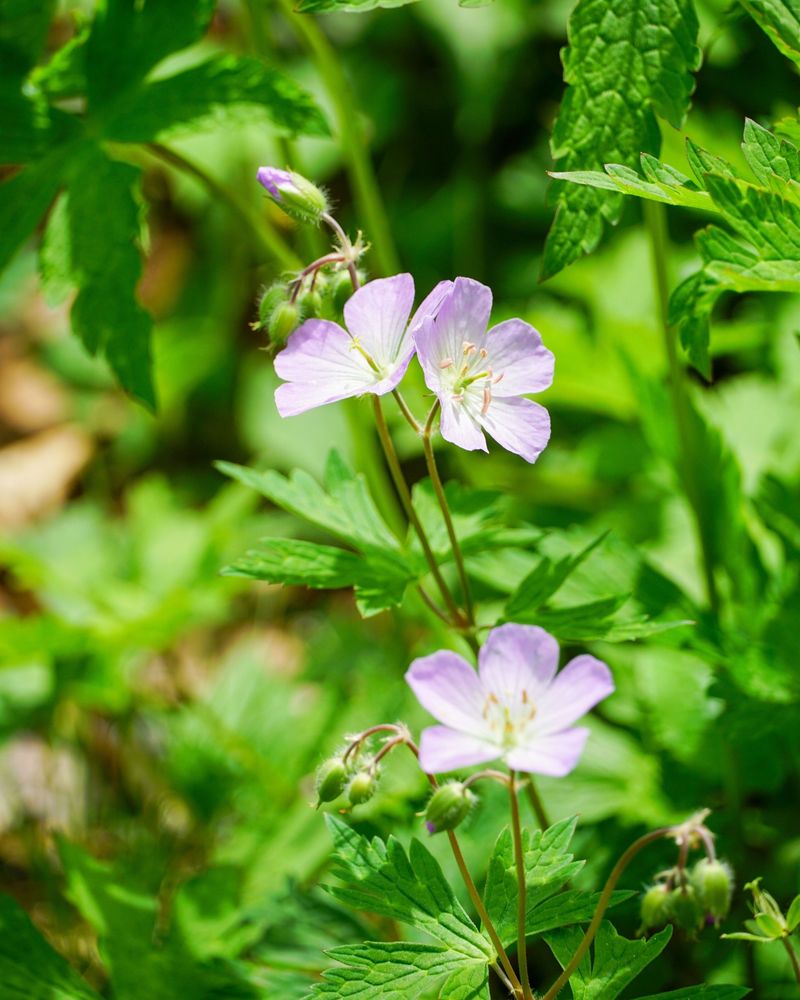
Gardeners love it because it fits right into a relaxed, woodland style landscape. The soft green leaves have deep lobes that give the plant a lacy, textured look even before the flowers arrive. Once those blooms open, the whole area feels alive with color.
Because it belongs here, wild geranium supports local bees and other pollinators that depend on native flowers. When you plant it, you are helping the little creatures that keep your garden buzzing and healthy.
Another reason folks adore this flower is how forgiving it is. You do not need special tools, fancy fertilizers, or a green thumb to succeed. Give it a suitable spot, and it settles in like it has always been there.
Many people first spot wild geranium on a spring hike through the woods and wonder if they can grow it at home. Good news, they absolutely can.
Nurseries that sell native plants often carry it, and it blends beautifully with ferns, trilliums, and other shade lovers.
For anyone wanting a fuss-free way to bring wild beauty into their yard, this plant is a wonderful place to start.
2. Flowers Arrive Early In The Season
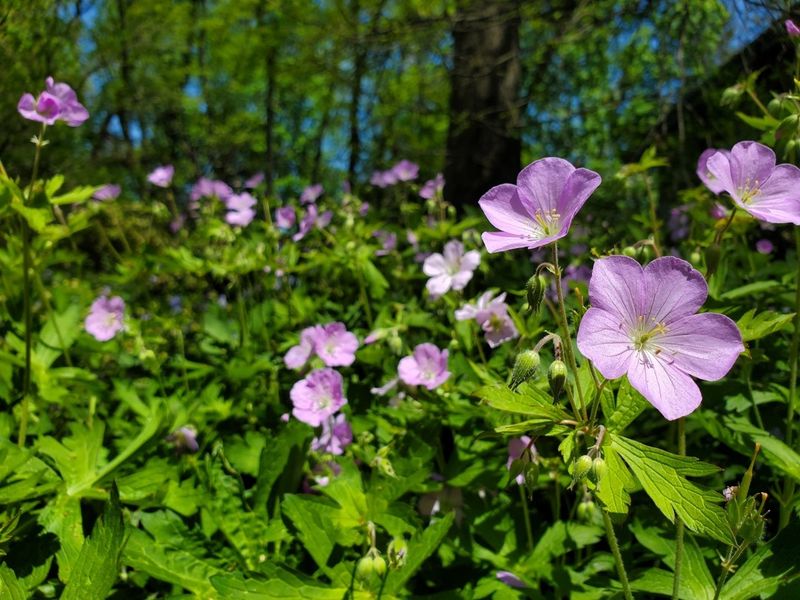
Winter feels long in Michigan, so anything that brings early color is a treat. Wild geranium answers that wish by blooming in mid to late spring, often when many other flowers are still waking up.
Those cheerful pink and lavender petals feel like a reward after all the gray days.
Each flower has five soft petals with delicate veins running through them. Up close, the veins act like tiny roadmaps that guide bees straight to the center where nectar and pollen wait.
The blooms do not vanish after a quick show, either. They keep appearing from spring into early summer, giving you weeks of color instead of just a few days. That long window makes the plant a favorite for gardeners who want steady beauty.
Your Michigan Garden Changes Every Week. Your Plan Should Too.
Gardening in Michigan changes quickly throughout the season. Every Friday you’ll receive a simple weekly plan showing exactly what to plant, prune, fertilize, harvest, and protect so you never miss the right timing.
Pollinators especially appreciate this early timing. When wild geranium opens, hungry bees emerging in spring finally find a dependable food source. Your garden becomes a busy pit stop for helpful insects.
You can enjoy the flowers in groups for a bold splash or scattered among ferns for a softer, natural look. Either way, the pastel shades pair nicely with the fresh green of new spring growth.
If you plant a few near a path or window, you will catch those first blooms every year without hunting for them. There is something joyful about watching color return, and wild geranium delivers that feeling right on schedule, no coaxing required.
3. Partial Shade Suits It Beautifully
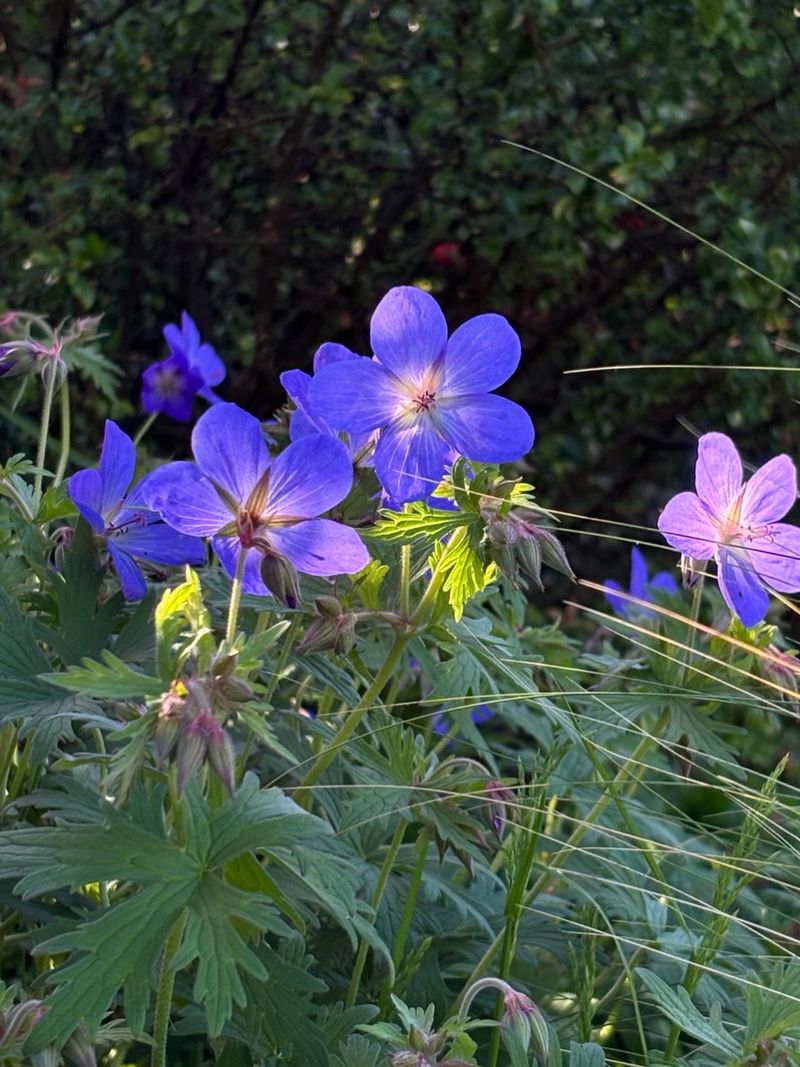
Ever notice how some plants sulk in the shade while others seem to love it? Wild geranium falls firmly in the happy shade-loving group.
It naturally grows under trees and along the edges of woods, so filtered light suits it perfectly.
Partial shade means the plant gets a mix of sun and dappled light during the day. Think of the gentle glow that slips through tree branches. That soft lighting keeps the leaves healthy and the flowers vibrant.
This trait makes wild geranium a lifesaver for tricky spots in your yard. Maybe you have a shady corner where grass refuses to grow or a bed under a big maple that stays dim. Those exact places are where this flower shines.
Planting it beneath trees also feels natural because that is its home in the wild. The roots settle in among the leaf litter, and the plant looks right at home surrounded by ferns and mossy ground.
Too much harsh afternoon sun can stress the leaves, so a spot with morning light and afternoon shade works well. Woodland edges, north-facing beds, and areas near shrubs all give it the balance it enjoys.
Because it fills shade so gracefully, wild geranium helps turn a plain, dark patch into a soft carpet of green and color. Instead of fighting the shade, you get to celebrate it with a plant that truly wants to be there.
4. Moist Soil Helps It Establish
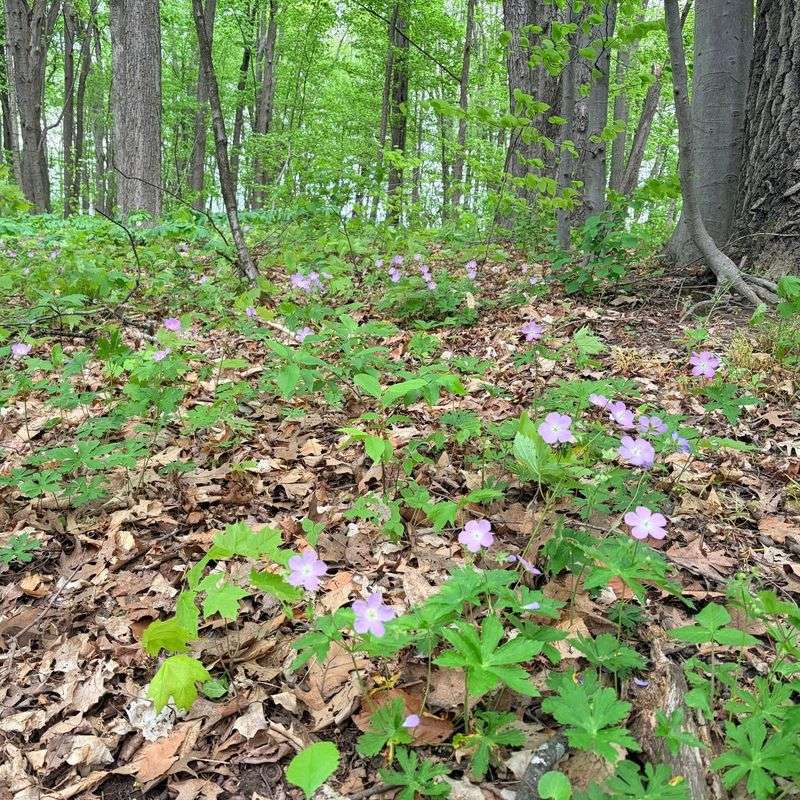
Getting a new plant off to a strong start makes all the difference, and wild geranium has one clear preference: moist, well drained soil. That combination gives the roots steady water without leaving them sitting in soggy mud.
Well drained simply means water soaks in and moves through rather than pooling on top. You can improve drainage by mixing compost or leaf mulch into the ground before planting. That rich, crumbly soil mimics the forest floor the plant loves.
During the first year, keeping the soil evenly damp helps the roots dig in and settle. A good soak once a week, especially if rain is scarce, encourages strong growth. Once established, the plant becomes much more independent.
Mulch is your best helper here. A thin layer of shredded leaves or bark holds moisture in the soil and keeps the roots cool. It also breaks down over time and feeds the ground naturally.
Rich woodland soil packed with organic matter is the dream setup. If your yard has heavy clay or dry sand, adding compost each season slowly builds the kind of earth wild geranium enjoys. Try to avoid spots that stay bone dry all the time, since young plants struggle there.
With a little care up front and steady moisture during that first season, you set the stage for years of easy, healthy growth. After that, the plant mostly handles things on its own.
5. It Slowly Forms Natural Colonies
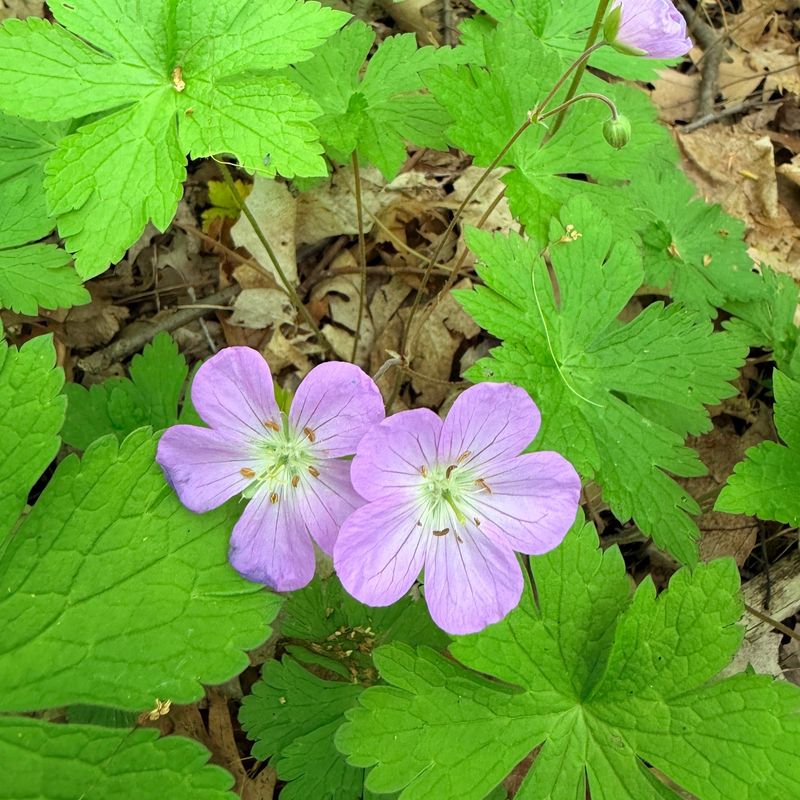
Give wild geranium a little time, and one small plant slowly grows into a lovely patch. It spreads in two gentle ways: by dropping seeds and by growing underground stems called rhizomes. Both methods let it fill an area at a relaxed, easygoing pace.
The seeds ripen and scatter nearby, sometimes with a fun little pop that flings them a short distance. New seedlings then sprout close to the parent plant, gradually widening the group.
Rhizomes work below the surface, sending up fresh shoots as they creep along. This steady expansion builds a soft, natural colony that looks like it grew there all by itself.
Here is the best part: wild geranium spreads politely. It does not bully its neighbors or take over the whole bed like some aggressive groundcovers do. Instead, it mingles with ferns and other shade plants in a friendly way.
Because the spread is slow, you stay in control. If a clump wanders where you do not want it, you can simply dig up the extra and move it elsewhere or share it with a friend.
Over a few seasons, these gentle colonies create a full, established look that feels natural and settled. You get more plants for free without any of the headache that comes with invasive spreaders.
For gardeners who love a woodland feel, watching a tidy little patch grow year after year is one of the simple joys of this plant.
6. Serious Pest Problems Are Uncommon
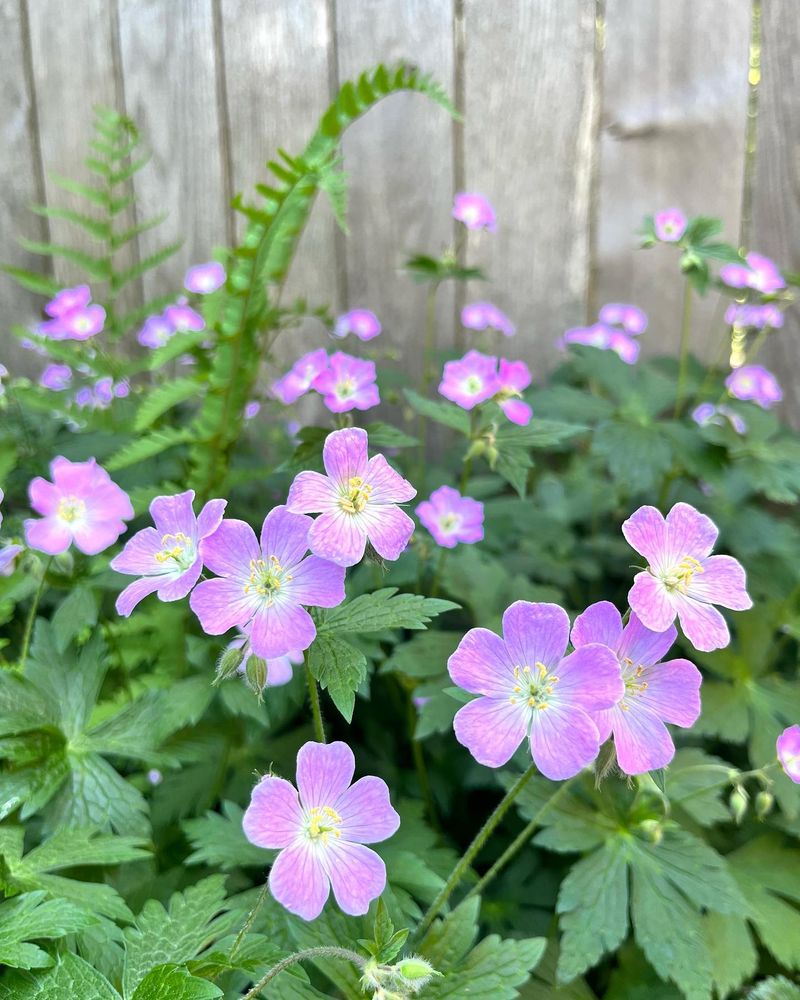
Nobody enjoys battling bugs and problems all summer, and here is where wild geranium really earns its keep. Once it settles into a good spot, this native rarely struggles with serious pests.
That means less worry and more enjoyment for you. Wild geranium generally has few serious insect or disease problems when grown under suitable conditions. The leaves and stems simply are not a favorite target.
You might spot a nibble here or there, but that is normal and usually harmless. Healthy plants shrug off minor damage and keep growing without missing a beat.
Wild geranium is generally considered resistant to deer and rabbits, although hungry animals may still browse it.
The key is planting it in the right place. A wild geranium sitting in suitable shade with decent soil stays strong, and strong plants resist trouble far better than stressed ones.
Because you rarely need chemicals or special treatments, this flower fits perfectly into a low-effort, earth-friendly garden. You spend your time enjoying the blooms instead of fussing over problems.
For anyone new to gardening or simply tired of high-maintenance plants, that easygoing toughness feels like a gift. Plant it well, and wild geranium mostly takes care of its own health.
7. Summer Foliage Can Fade In Dry Conditions
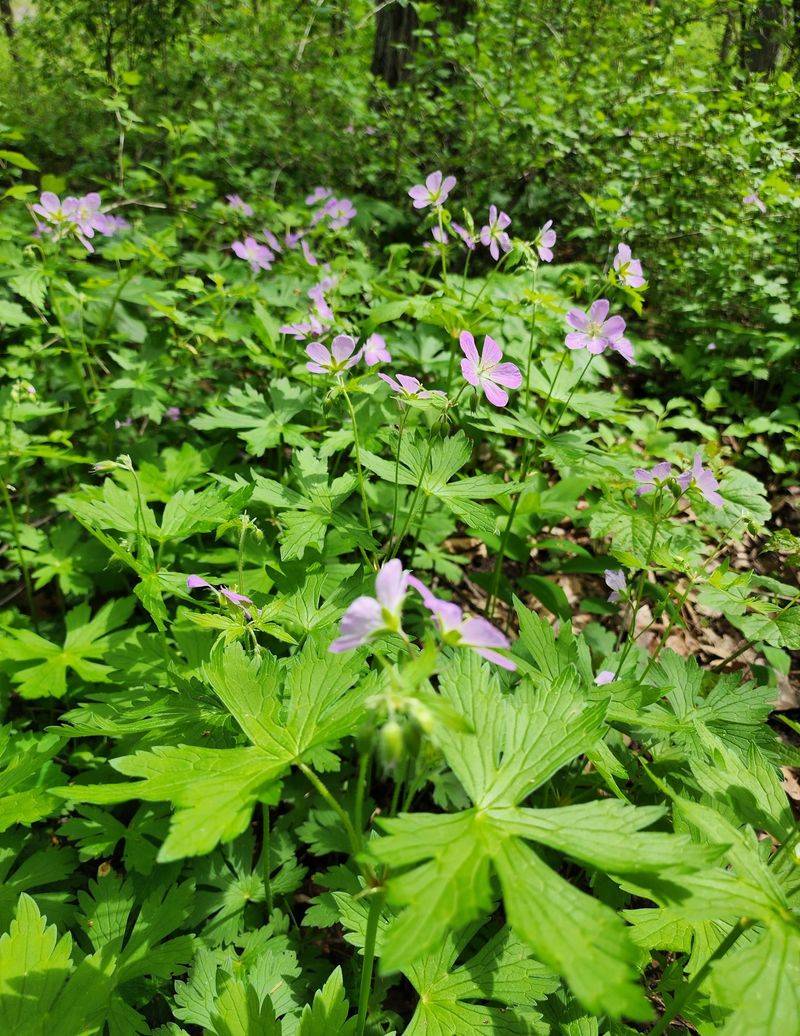
Do not panic if your wild geranium looks a little tired by midsummer. When hot, dry weather rolls in, the leaves may fade, yellow, or flop a bit. That is a normal response, not a sign that something is wrong.
This behavior is called going dormant. The plant senses tough conditions and simply rests, pulling energy back into its roots instead of pushing it into leaves. It is a smart survival trick that woodland plants use all the time.
Because of that, you do not need to drown it with water every day trying to fix the look. Constant watering can actually cause more harm than good by keeping the soil too soggy.
A better approach is to water deeply now and then during long dry spells, especially for younger plants. Established wild geranium usually rides out the heat just fine on its own.
When cooler, wetter weather returns, the plant often perks back up and sends out fresh growth. So that faded look in July does not mean the show is over.
Mulch helps here as well, keeping the roots cool and holding a bit of moisture during the hottest stretch. Think of it as a comfy blanket for the soil.
Understanding this natural rhythm saves you stress and effort. Instead of worrying, you can relax and trust the plant.
Wild geranium knows how to handle a Michigan summer without needing you to hover over it.
8. Give It The Right Spot And Leave It Alone
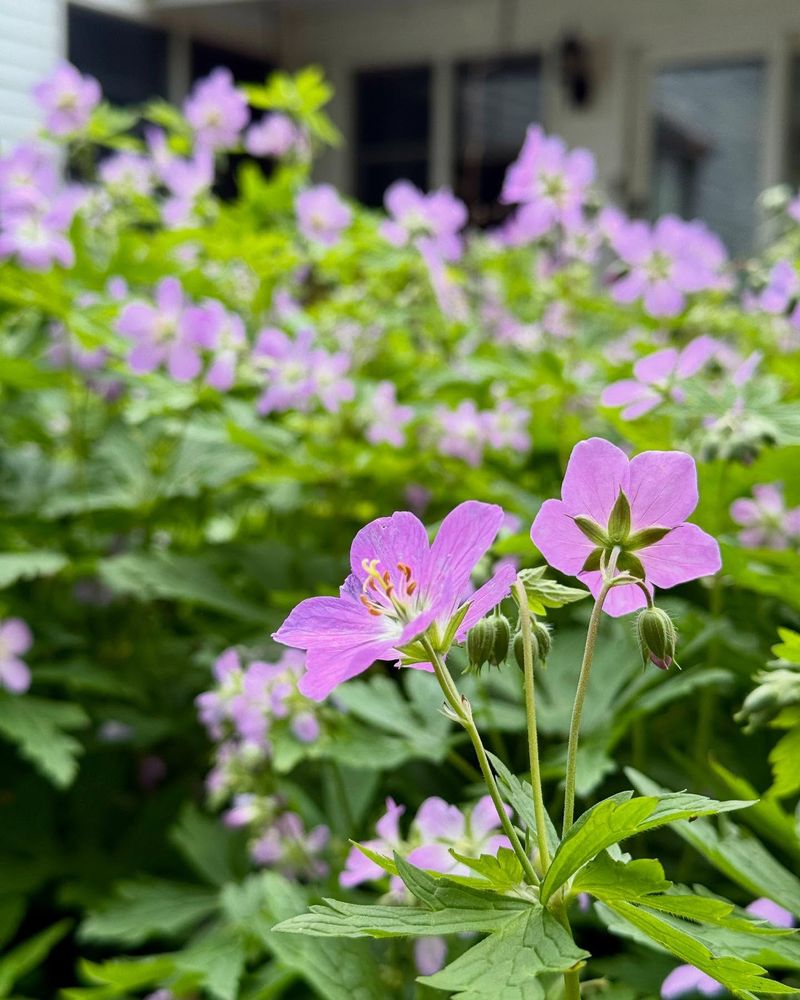
The real secret to success with wild geranium is almost funny in how simple it is: pick the right spot, then step back. Match the plant to shaded woodland conditions, and it practically grows itself.
Think about what it loves. Filtered light beneath trees, soil that stays a little moist, and room to slowly spread. Give it those three things, and you have set it up for years of easy growth.
Once it settles in, this plant asks for very little. No heavy feeding, no constant trimming, no daily babysitting. That hands-off nature makes it a dream for busy gardeners.
Many people overwork their plants out of love, but wild geranium prefers a light touch. Fussing too much can actually get in the way of its natural rhythm. Sometimes the kindest thing you can do is simply leave it be.
A yearly layer of leaf mulch and an occasional deep watering during dry spells are about all it needs. Beyond that, the plant handles its own schedule of blooming, resting, and spreading.
This is exactly why it fits so well in relaxed, native-style Michigan gardens. It brings beauty and supports pollinators while asking almost nothing in return.
If you have been searching for a perennial that rewards patience over effort, this cheerful woodland flower is it. Plant it in the right home, trust its instincts, and enjoy watching a little patch of wild Michigan beauty return faithfully every single spring.