Do These September Fixes To Repair Summer Damage In Your Virginia Lawn
Summer may have left the lawn struggling, but September is the month when recovery can begin.
After months of heat, humidity, heavy rain, and summer stress, even a well-kept yard can end up with bare patches, thin grass, or soil that feels hard underfoot.
But don’t give up on it just yet. Fall brings a valuable window for repairing cool-season turf, when cooler air and warm soil create better conditions for new growth.
For Virginia homeowners, the goal isn’t simply to throw down some seed and hope for the best. The right repair starts with understanding the damage and helping your lawn recover.
September is also the time to fix weak spots and decide whether simple repairs or a larger renovation are needed. A little work now can put your yard on a much better path before winter arrives.
1. See What Summer Left Behind Before You Reseed
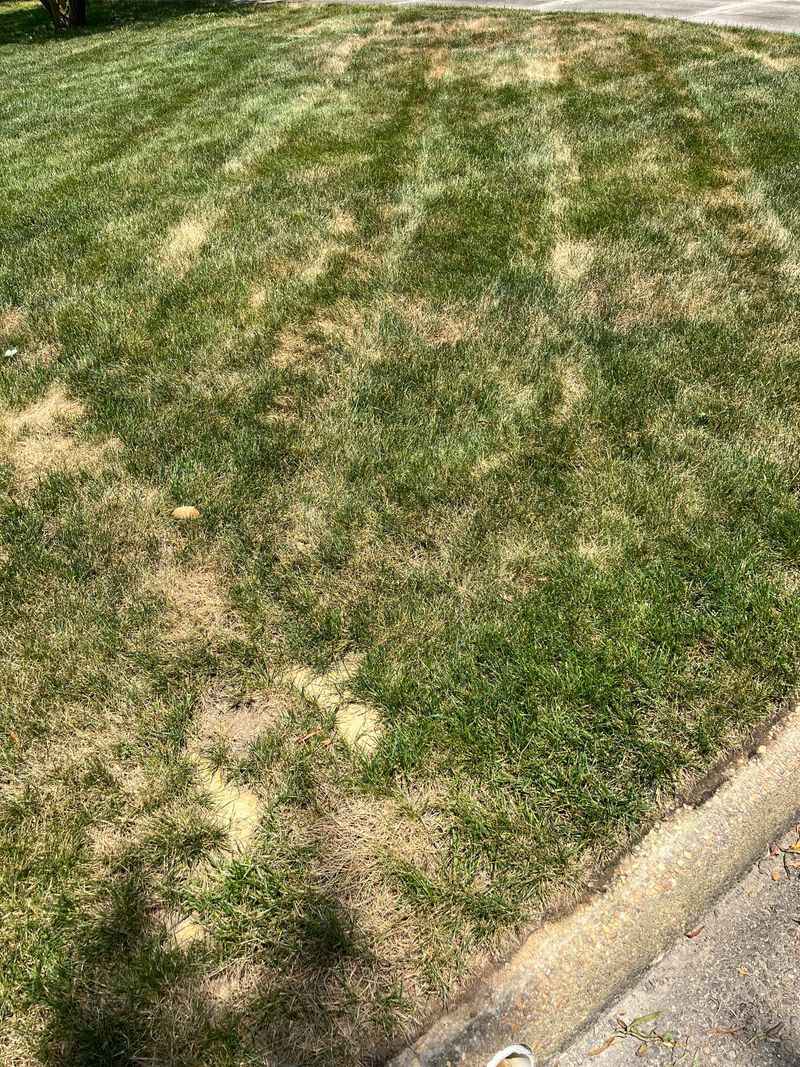
Take a slow walk across your yard before you grab a single bag of seed. Not every brown spot means your grass is gone for good, and knowing the difference saves you time and money.
Many summer problems come from fungal diseases, drought, insects, or even pet activity. Brown patch is a common culprit, especially in tall fescue lawns, showing up during hot, humid weather when grass blades stay wet too long.
Because brown patch mostly affects the blades and not the roots, your lawn often has the ability to recover once conditions cool down. Dollar spot leaves small, straw-colored marks when grass is stressed by dry, humid weather or low fertility.
Grubs, which are beetle larvae, chew on grass roots and leave patches that lift easily from the soil like loose carpet. Soil compaction is another sneaky issue in yards, often caused by foot traffic and our region’s heavy clay.
Watch for water pooling on top, thin turf despite feeding, and grass with shallow roots. A quick test helps: push a wire flag into the ground, and if it bends before reaching four inches, your soil is likely too tight.
Figuring out the real cause first lets you treat the actual problem instead of chasing symptoms all season long.
2. Give Your Tired Cool-Season Lawn A Fresh Start

There is a real reason lawn pros circle September on the calendar. Nature lines up almost perfectly this month to help tired turf recover and grow strong again.
As the brutal summer heat finally fades, air temperatures settle into that pleasant 60 to 75 degree range that cool-season grasses love. Tall fescue, Kentucky bluegrass, and perennial ryegrass all wake up and grow actively in this comfortable weather.
Even as the air cools, the soil stays warm, usually hovering between 50 and 65 degrees. That mix of warm ground and mild air is the biological sweet spot that pushes seeds to sprout quickly and build deep roots before winter.
Autumn in the Old Dominion also brings steadier rainfall, which keeps new seeds moist and helps fertilizer soak into the soil. That natural moisture means you spend less time dragging the hose around.
Your Virginia Garden Changes Every Week. Your Plan Should Too.
Gardening in Virginia changes quickly throughout the season. Every Friday you’ll receive a simple weekly plan showing exactly what to plant, prune, fertilize, harvest, and protect so you never miss the right timing.
Fall seeding comes with a bonus too. Many pesky weeds slow down as temperatures drop, so your baby grass faces far less competition for space and nutrients.
By planting in September, you hand your lawn eight to ten crucial weeks of growth and root building. That head start creates tougher, thicker turf that shrugs off the stress of next summer with ease.
3. Turn Bare Patches Into New Grass
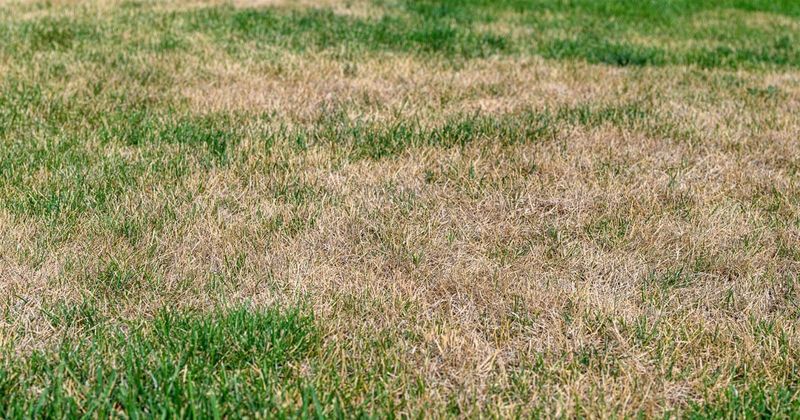
Filling in those ugly bare spots takes a little prep work, but the payoff is worth every minute. The secret is getting seeds to touch actual soil, not just sit on hard ground.
Start by mowing the affected area a bit shorter than normal, then rake up every last clipping. Leftover clippings block sunlight and water from reaching your fresh seeds.
Grab a stiff rake and loosen the top layer of soil, pulling out debris, thatch, and any weeds hiding there. This creates a welcoming surface where seeds can settle in instead of resting on packed dirt.
For really thin areas, work an inch or two of topsoil or compost into the loosened ground. Many yards have heavy clay, so this added organic matter improves drainage and gives roots something to grab.
Spread your seed evenly with a broadcast spreader for steady coverage across the patch. Then rake gently again to tuck the seeds into the top quarter-inch of soil.
A thin layer of weed-free straw or compost on top holds moisture and keeps seeds from washing away in a rain. For bigger areas, roll the spot lightly with a weighted roller to press seeds firmly against the soil.
That solid seed-to-soil contact makes germination far more reliable.
4. Pick The Right Grass For Your Yard
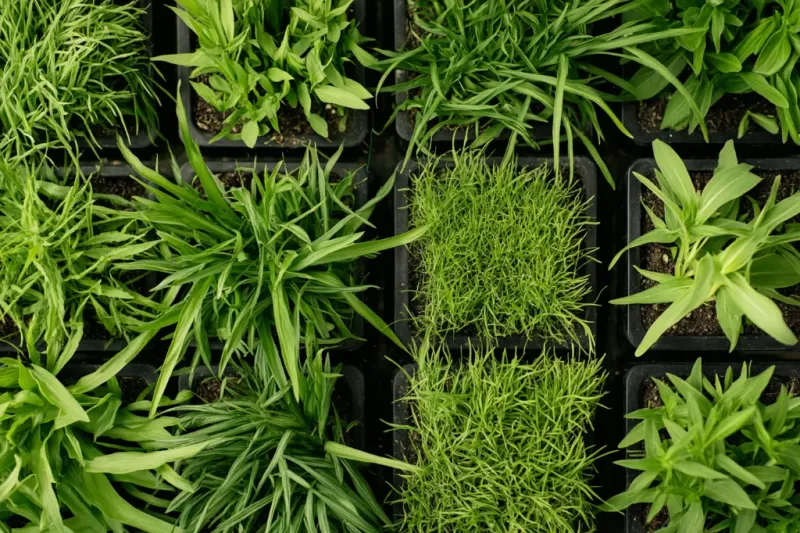
Choosing the right seed shapes how well your lawn holds up in Virginia’s tricky transition zone, where summers scorch and winters chill. There is no single perfect pick, so think about your sunlight, soil, and how you actually use the yard.
Tall fescue leads the pack for most homeowners. Its deep roots give it real drought tolerance, plus solid disease resistance and the toughness to handle kids and pets running around.
Many local experts favor a blend of mostly tall fescue with a small dash of Kentucky bluegrass, something like 97 percent to 3 percent. That combo pairs fescue’s grit with bluegrass’s rich color and knack for filling in thin spots.
Got shady corners? Fine fescues, including creeping red and chewings types, thrive with less water, mowing, and feeding.
They just do not love heavy foot traffic.
Kentucky bluegrass on its own grows dense and beautiful, forms sod well, and repairs itself nicely when mixed with other cool-season grasses. For high-traffic areas or a quick fix, perennial ryegrass sprouts fast and takes a beating.
Whatever you choose, always buy certified, weed-free seed. Cheap bags can sneak unwanted plants into the lawn you worked so hard to build, so quality really matters.
5. Get New Seed Off To A Strong Start
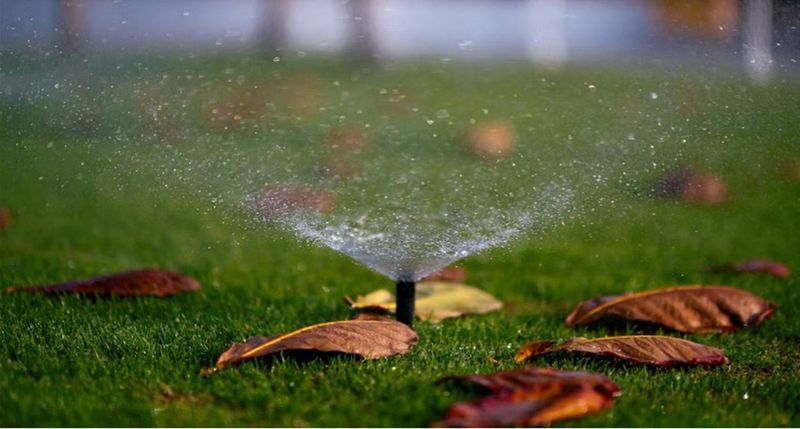
Bringing new grass to life comes down to one thing above all others: careful, steady watering. This stage matters more than almost anything else you will do.
Folks often think new seed needs a heavy soaking, but it really wants constant moisture instead. Keep the top half-inch to inch of soil damp until seedlings sprout and start growing, which usually takes two to three weeks.
That means watering lightly two to four times a day, with each session lasting just five to ten minutes. Morning and early evening work best because the cooler air slows evaporation and lets moisture sink in.
Keep a close eye on the weather during this delicate window. Hot, sunny, or windy afternoons dry the ground fast, so you may need to water even more often to protect your progress.
Do not lean entirely on rain either. A gentle morning shower can dry out by lunchtime, so always check the soil yourself before deciding to skip a watering.
Once your grass has grown tall enough to mow two or three times and built a bit of root, ease off to deeper, less frequent watering. Aim for about an inch a week, split into two sessions, to grow strong, deep roots ready for future dry spells across the state.
6. Feed Your Lawn Without Going Overboard
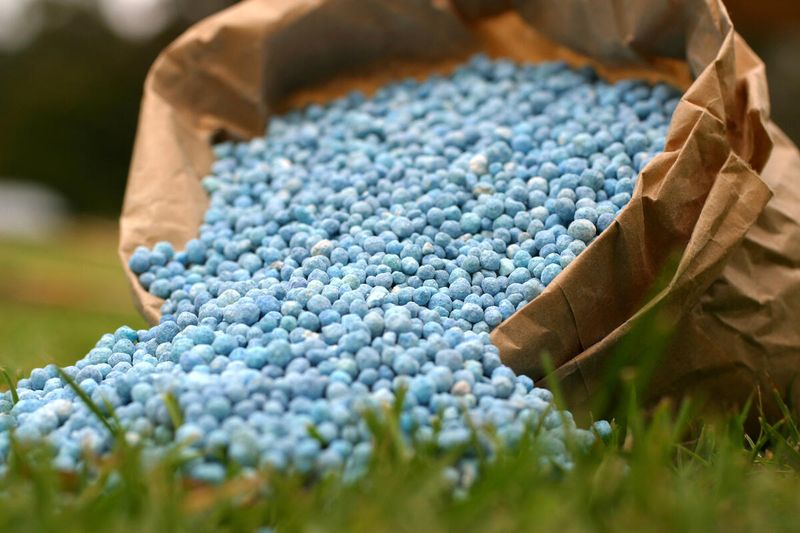
Fall is hands down the best time to feed your cool-season lawn. The right nutrients now fuel strong roots and get your turf ready for the cold ahead.
Virginia Tech recommends a fall-focused fertilizer plan for cool-season grasses, with key applications in September and October and additional timing based on lawn needs. Older guidance used the acronym SOD for September, October, and December.
During autumn, grasses pour their energy into roots and storing food rather than growing tall.
Before you spread anything, get a soil test, ideally every three or four years. Your local Virginia Cooperative Extension office offers this cheap analysis, which tells you exactly how much nitrogen, phosphorus, and potassium your lawn needs, plus your soil’s pH.
Many soils lean acidic, and a soil test shows whether lime is needed to adjust pH and keep nutrients available.
For nitrogen, fall applications for cool-season lawns are often around 0.7 pounds per 1,000 square feet, with rates up to 1 pound possible depending on the fertilizer type and lawn needs.
If you are overseeding, avoid applying heavy amounts of regular lawn fertilizer right before seeding.
A starter fertilizer may be a better choice when soil tests show it is needed, helping new grass establish without stressing young seedlings. Always use a broadcast spreader for even coverage so you skip those ugly green stripes.
Skip fertilizing right before heavy rain, since runoff wastes nutrients and hurts water quality. A steady, soil-test-guided approach keeps your lawn vibrant without overfeeding.
7. Break Up Compacted Soil Before Reseeding

Hidden beneath many struggling lawns sits a quiet troublemaker: compacted soil. This is especially common in clay-heavy areas like Richmond, Charlottesville, Virginia Beach, and parts of Prince William and Fairfax Counties.
Compaction happens when soil particles get pressed tightly together, squeezing out the air pockets that let water, oxygen, and nutrients reach the roots. Foot traffic, mowers, and construction equipment all pack the ground down over time.
The warning signs show up clearly. Water pools or runs off instead of soaking in, grass stays thin no matter how you feed it, and the ground feels rock-hard underfoot.
Core aeration is the best fix for tight soil. A machine pulls small plugs out of the lawn, opening channels that let air, water, and nutrients dive deep to the roots.
Those little holes also encourage deeper, stronger root growth, making your whole lawn tougher. Fall, from late August through mid-October, is prime aeration season in the state.
Aerating right before overseeding works beautifully because seeds drop straight into the fresh holes for excellent soil contact. Stick with core aeration rather than spike types, which can actually pack clay soil tighter.
Watering a dry lawn the day before helps the machine pull full plugs. For badly packed spots, mixing in an inch or two of compost improves soil over time.
8. Know When Your Lawn Needs A Full Reset
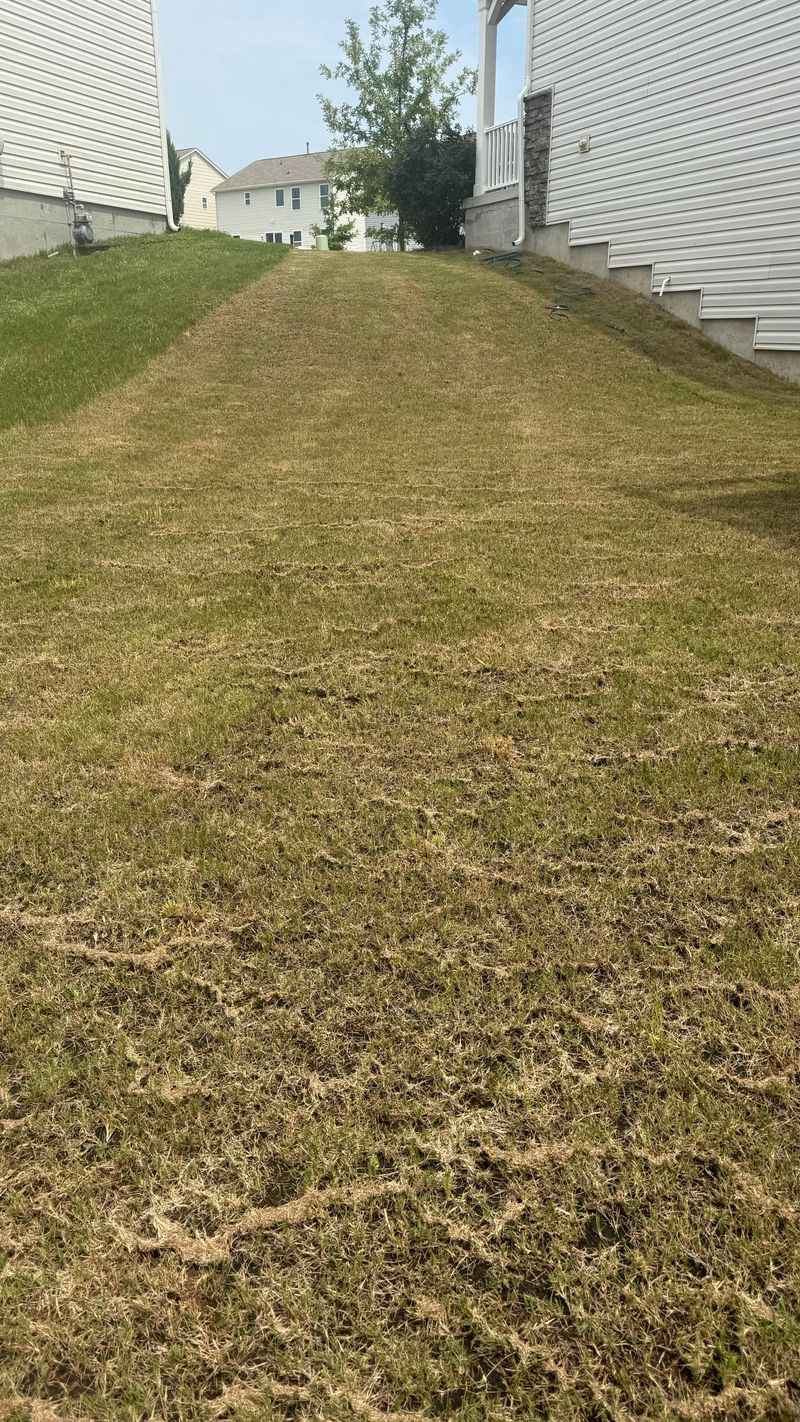
Sometimes, even after all your patching and care, a lawn quietly begs for more than a quick fix. That is when a full reset becomes the smarter, less frustrating choice.
Recognizing the signs saves you from wasting effort year after year. If your yard stays severely sparse, battles weeds that keep coming back, or suffers recurring diseases and pests that ignore spot treatments, a bigger renovation is probably the answer.
A full reset starts with figuring out why the lawn keeps failing. Is it years of neglect, bad mowing habits, too much shade, poor drainage, or stubborn soil problems that never got corrected?
It is also worth asking whether the current grass simply does not fit your yard’s conditions or the state’s demanding climate zone. Just like starting fresh, the first step is a thorough soil test to reveal nutrient levels and pH.
For yards with severely packed clay, common across Virginia, a renovation might go beyond aeration. You may work several inches of organic matter into the soil over a few seasons or even plant cover crops to rebuild structure.
Yes, a full renovation costs more time and effort than simple patching. Still, it lets you build a healthy, resilient lawn from the ground up, breaking that endless cycle of problems and giving your yard a lasting, beautiful future.