7 Smells That Drive Moles Out Of Virginia Yards
Something is rearranging my lawn at night, and it leaves squishy ridges that crunch under my boots each morning. I’m sure you have stepped on one of those soft trails and felt your heart sink a little.
Early October in Virginia brings cooler soil, and those hidden diggers often get busy chasing worms near the surface. The tunnels look awful, yet the culprits are hunting food and rarely touching the roots of your plants.
I wonder how many of us have tried odd home tricks, like chewing gum in holes, with zero luck. Smell matters underground, and a few strong scents seem to nudge these tunnelers toward quieter neighborhoods.
Science backs some of these ideas better than others, so I’ll share honest notes for every Virginia yard. Fall is a smart season to start, since bulbs and soil treatments settle in before winter arrives.
1. The Earthy Funk Of Castor Oil
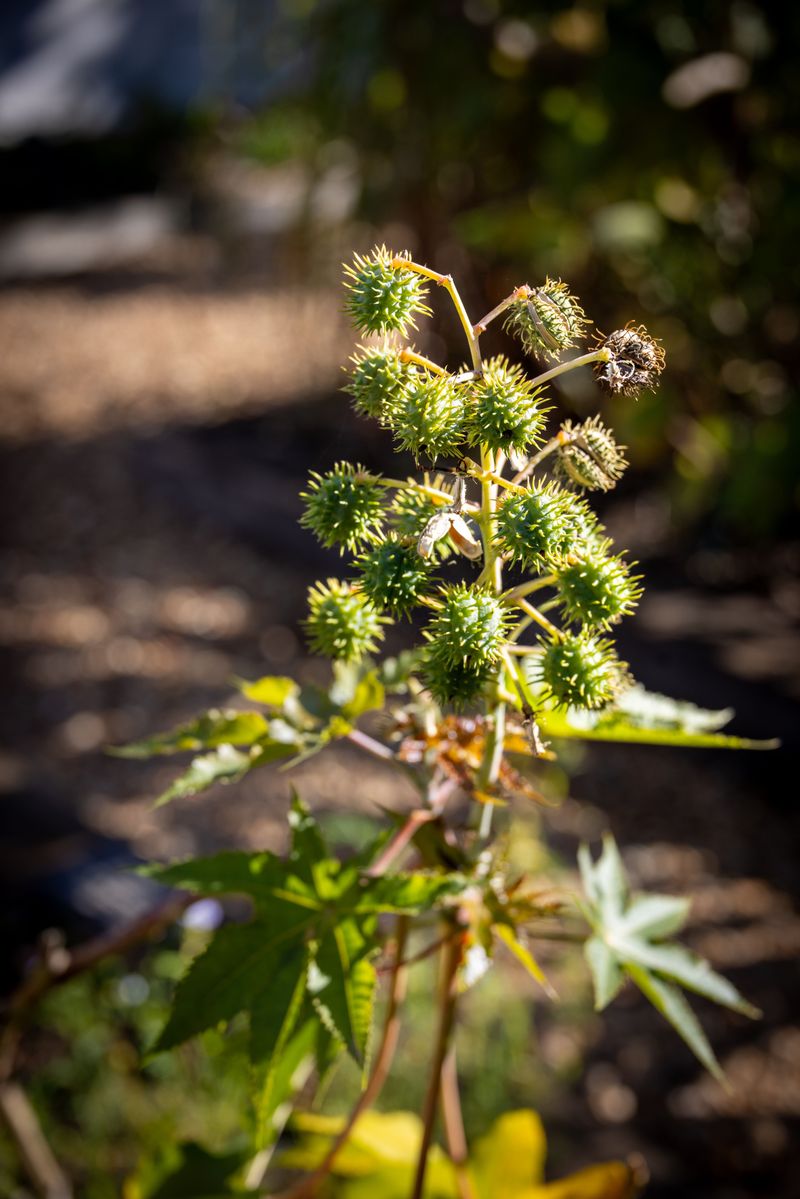
You can thank a smelly, sticky oil for one of the few mole repellents with real field testing behind it. Castor oil does not harm these diggers, but it seems to make their worm buffet taste and smell awful.
Researchers suspect the oil coats soil and earthworms, so moles find hunting less rewarding and wander off to fresher ground. Results vary from yard to yard, and the effect usually lasts weeks rather than a full season.
Most products come as a liquid concentrate for a hose sprayer or as granules you scatter across the lawn. Watering right after application helps the oil sink deeper, where moles actually travel and feed during cool weather.
Early October is a smart time to treat, since moist fall soil pulls worms and moles closer to the surface. Focus on fresh ridges and active runs, rather than flattened old tunnels the diggers have already abandoned for good.
Rain washes the treatment away, so plan to reapply after heavy storms or roughly every few weeks during fall. Read the label closely, because concentrations and timing differ quite a bit between brands sold at garden centers.
I like that the treatment leaves grass unharmed, though pets should stay off until the product dries or soaks in. Consider castor oil a polite eviction notice that nudges moles next door instead of a permanent fix.
Pairing it with patience pays off, because tunnels often quiet down after two or three steady applications in a row. Keep a simple calendar note so you remember which corners of the yard received attention and when.
2. The Peppery Bite Of Marigolds
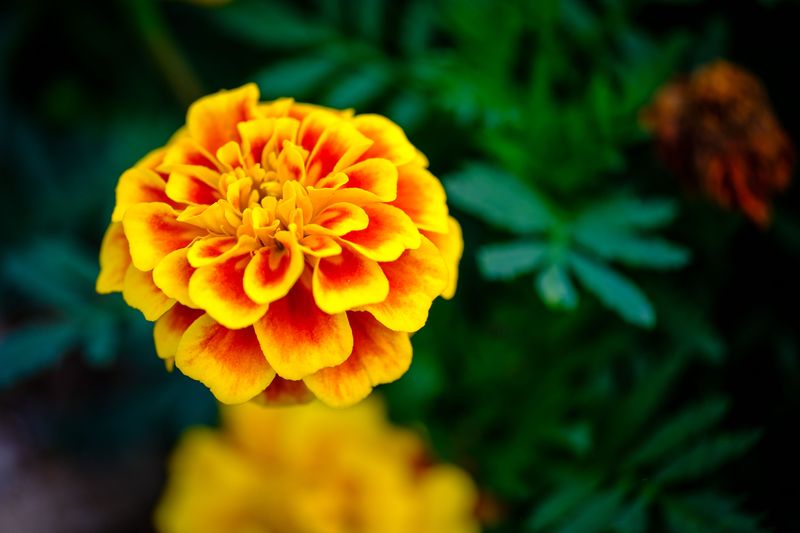
Those bright orange pom-poms in your fall beds carry a sharp, almost peppery smell that many gardeners swear by. I believe marigolds earn their spot here, though the mole connection rests more on garden lore than solid science.
Marigold roots release compounds called thiophenes, which research links to fewer root-knot nematodes in treated soil. Some folks reason that a less lively soil food web might make moles less interested, but proof is thin.
Your Virginia Garden Changes Every Week. Your Plan Should Too.
Gardening in Virginia changes quickly throughout the season. Every Friday you’ll receive a simple weekly plan showing exactly what to plant, prune, fertilize, harvest, and protect so you never miss the right timing.
In Virginia, marigolds grow as warm-season annuals, so the plants in your garden now will fade with the first frost. Many areas see frost between late October and November, so enjoy the blooms while they last.
French marigolds, Tagetes patula, are the type most often studied for soil benefits, and they stay compact and tidy. African marigolds grow taller with huge flower heads, and their foliage smells just as strong when brushed by hand.
Before frost arrives, snip a few faded flower heads and let them dry indoors for seeds next spring. Store the seeds in a paper envelope somewhere cool, and you will have free plants for borders next year.
Plant marigolds along bed edges in full sun with well-drained soil, and they mostly ask for little fuss afterward. Their real gift may be beauty and pollinator visits, with any mole benefit counted as a cheerful bonus.
Pull spent plants after frost and chop them into the soil, where the material breaks down over the winter months. Some gardeners believe this adds the root compounds to beds, though home results can differ quite a bit.
3. The Bitter Secret Of Daffodils
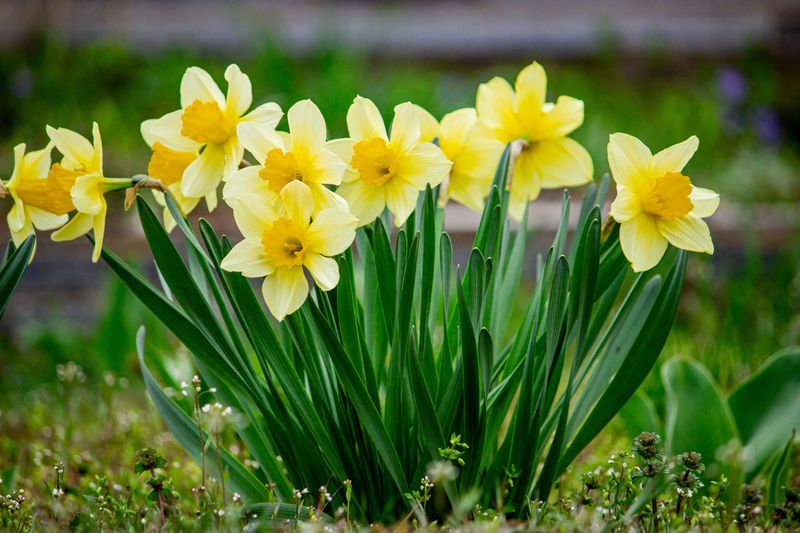
Hardly any critter wants to chew on a daffodil, and that stubborn reputation makes October the perfect planting month. The bulbs contain lycorine, a bitter alkaloid that keeps voles and squirrels from treating them like snacks.
Moles eat worms and grubs rather than bulbs, so daffodils mostly protect themselves instead of guarding a whole lawn. Some gardeners still report fewer tunnels near dense plantings, though that evidence comes from experience more than research.
Fall planting works beautifully here, because bulbs need several weeks of cool soil to grow roots before winter. Aim for planting from October into November, while soil temperatures cool but the ground stays soft enough to dig.
Set each bulb about two to three times as deep as its height, with the pointed tip facing upward. A sunny or partly shaded spot with well-drained soil keeps bulbs firm, since soggy ground often leads to rot.
Daffodils grow well across Virginia, roughly USDA zones 3 through 8, and many varieties return and multiply for years. Old farmsteads still show clumps blooming each March, long after the houses themselves have faded into the woods.
Plant them in drifts along garden beds where you notice the most digging, then mark each spot with a stake. Those markers save you from slicing through hidden bulbs later when you add perennials or tidy up the borders.
Every part of the plant is toxic if eaten, so keep curious pets and toddlers away from stored bulbs. Wear gloves while planting too, since the sap can irritate sensitive skin after a long afternoon of digging.
4. The Oniony Kick Of Alliums
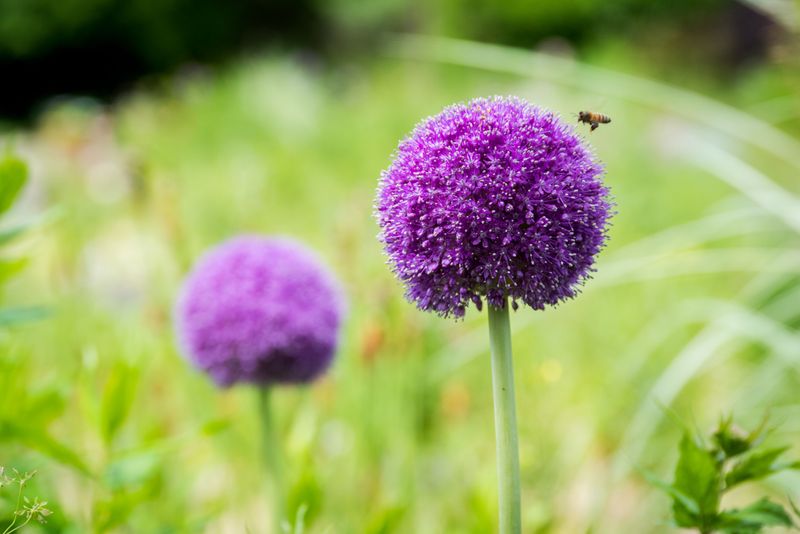
Crush a chive leaf between your fingers and you’ll understand why the onion family shows up on many repellent lists. Sulfur compounds create that sharp punch, and many gardeners believe tunneling critters find the odor unpleasant underground.
Solid research on alliums and moles is limited, so treat them as a helpful border rather than a guaranteed shield. Their strongest perk may be beauty, since ornamental types send up purple globes that bees visit eagerly in late spring.
October is prime time to plant ornamental allium bulbs, along with garlic cloves for a kitchen harvest next summer. Set garlic about two inches deep with the pointed end up, spacing cloves around six inches apart in rows.
Most alliums prefer full sun and well-drained soil, because heavy wet clay can rot bulbs during a soggy winter. Adding compost before planting loosens dense ground, which helps both drainage and the size of your future garlic heads.
Chives make an easy perennial choice, returning each year in clumps that you can snip for eggs and baked potatoes. Garden chives handle most Virginia conditions well, and they rarely need much care beyond an occasional division every few years.
Ring vegetable beds or flower borders with a mix of garlic and ornamental onions to build a fragrant edge. The tidy line looks intentional, and it gives you a tasty reason to plant more alliums each fall season.
Keep alliums away from dogs and cats, since onion relatives can upset pets and cause serious health trouble. A raised bed or fenced edge often helps if your furry helpers like to dig wherever you plant.
5. The Bold Blast Of Mint
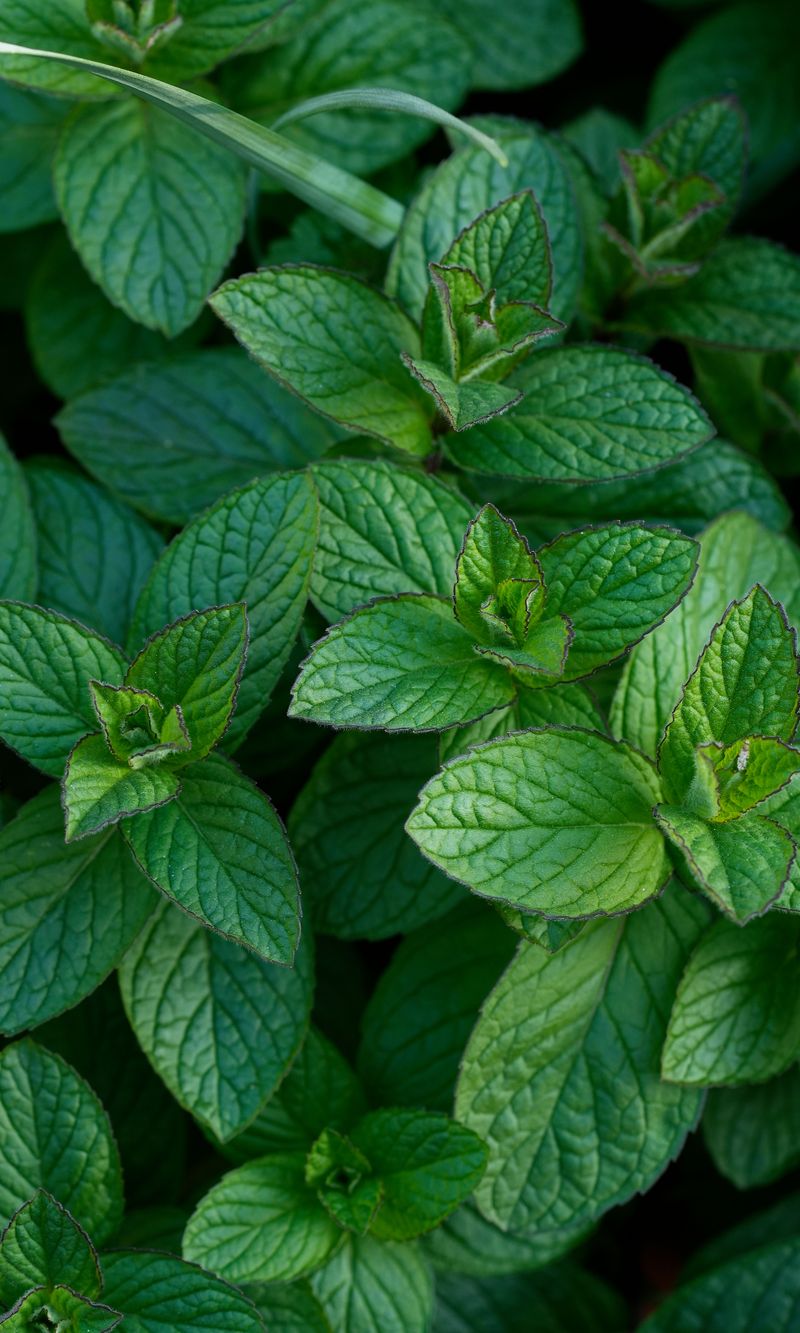
Brush past a mint patch and your yard smells like fresh gum on a cool October morning. That burst comes from menthol and other oils, which people enjoy and some burrowing animals reportedly find overwhelming.
Peppermint oil sprays and mint plantings get recommended often, but studies proving they move moles are hard to find. I would call mint a fragrant experiment, worth trying because it smells wonderful and costs very little to grow.
Mint spreads fast through underground runners, and a single plant can take over a bed within one or two seasons. Grow it in pots, or bury a sturdy container with its rim above the soil line.
Early fall works well for planting mint, since cooler air and steady moisture help new roots settle before frost. Water new plants weekly if rain stays scarce, then let the tops fade back naturally once winter cold arrives.
Virginia mountain mint, Pycnanthemum virginianum, is a native relative with a strong minty scent that pollinators adore in summer. It also spreads, though usually more politely than spearmint, and it thrives in sunny spots with average moist soil.
Set potted mint near spots where fresh tunnels appear, and move the pots around as the digging shifts locations. Crushing a few leaves now and then releases more scent, so give the plants a friendly squeeze during walks.
Harvest leaves freely for tea or lemonade, because frequent trimming keeps the plants bushy and full of fragrant growth. If moles ignore the mint, you still gain a cheerful herb that makes every garden stroll smell sweeter.
6. The Old Folklore Of Caper Spurge
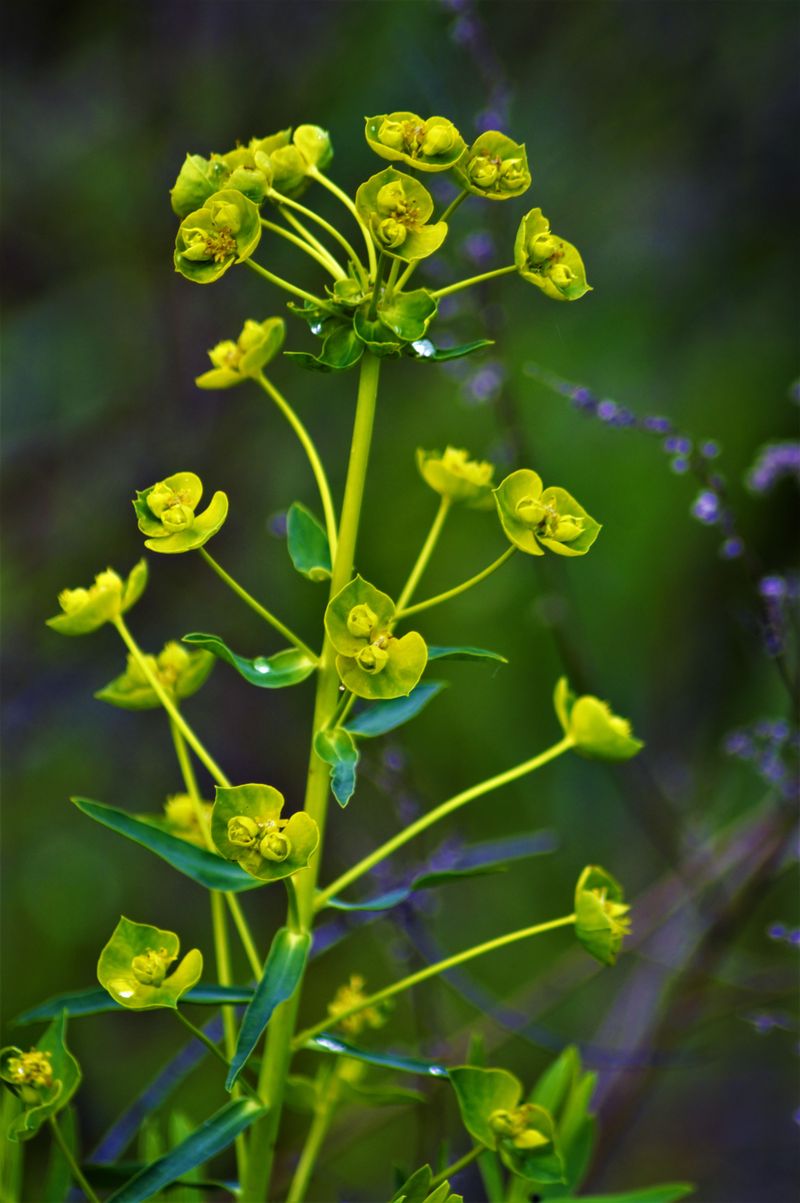
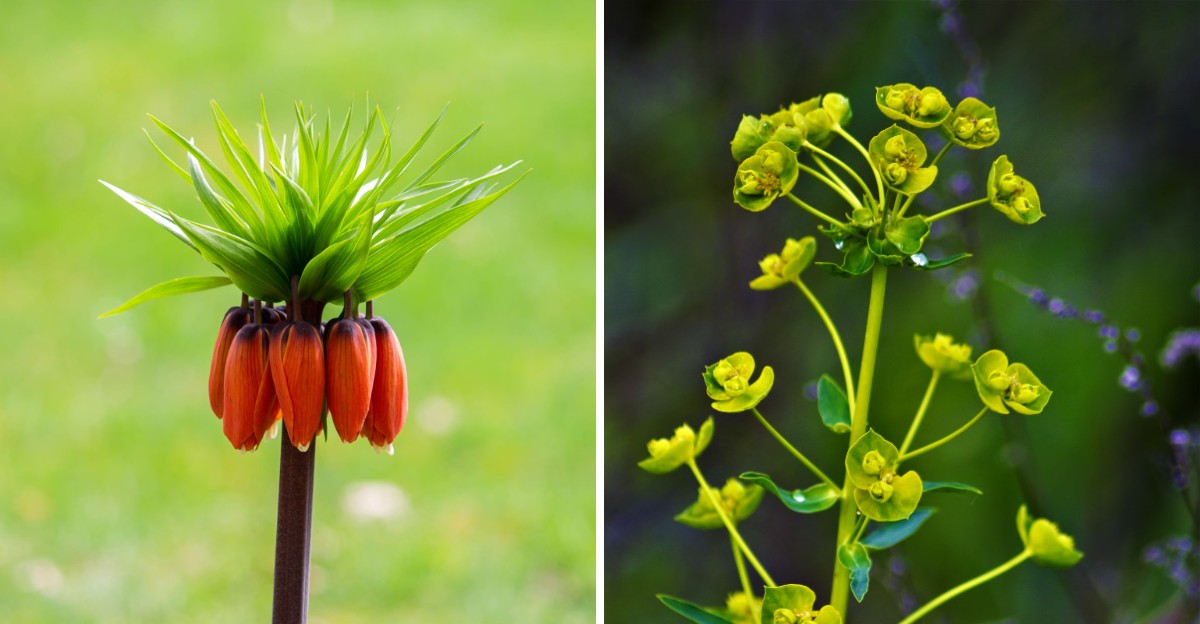
Old garden books nicknamed this odd plant the mole plant, and that label has stuck around for centuries of folklore. Caper spurge, Euphorbia lathyris, grows tall blue-green stems with leaves stacked neatly in crisscross pairs like a ladder.
Its reputation comes from a milky sap that many gardeners believe repels digging animals around its roots and nearby soil. Research does not clearly support that claim, so I see this plant more as a curiosity than a solution.
Caper spurge is a biennial, forming a leafy stem the first year before flowering and setting seed the next. The seed capsules look a bit like capers, but they are poisonous and should stay far away from any kitchen.
That milky sap can burn skin and seriously irritate eyes, so wear gloves and eye protection whenever you trim it. Every part is toxic if eaten, making it a poor fit for yards with pets or young children.
Another concern is spreading, because the capsules split open and fling seeds across beds with surprising force each summer. Some regions list caper spurge as an invasive weed, so check local guidance before adding it to your garden.
If you still want to try it, sow seeds in fall or early spring in a sunny, well-drained spot. Pull seedlings that pop up in unwanted places, and remove seed capsules before they ripen and scatter everywhere.
Many Virginia gardeners skip this plant and lean on safer options with stronger evidence, like castor oil treatments. Its history makes a fun conversation starter, even if the moles in your lawn seem unimpressed by the legend.
7. The Skunky Whiff Of Crown Imperial
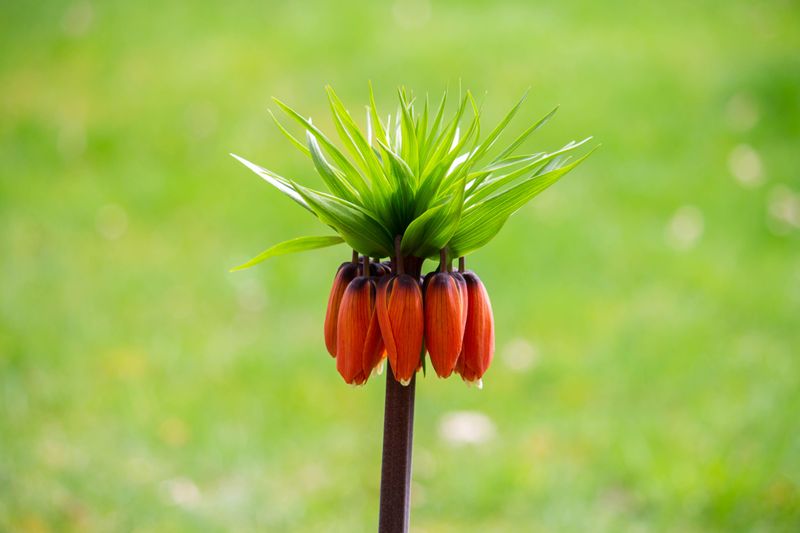
Few bulbs smell quite like a crown imperial, and gardeners often compare the musky odor to a passing skunk. That funky whiff comes from the bulb and leaves, and it explains why the plant appears on mole repellent lists.
Fritillaria imperialis looks royal in spring, with tall stems topped by hanging orange or yellow bells and a leafy tuft. Hidden inside each bell sit drops of nectar, which look like tiny tears if you tip the flower upward.
Evidence that the scent moves moles comes mostly from gardener stories, so enjoy it as a showpiece with possible benefits. Rodents like voles seem to avoid the bulbs more reliably, which may protect neighboring bulbs planted close by.
Early fall is the right time to plant, and October gives the large bulbs time to root before cold weather. Set bulbs six to eight inches deep, tilted on their side so water cannot pool in the hollow center.
Crown imperials want full sun and sharp drainage, since heavy wet clay often rots the bulbs during a damp winter. They tend to prefer zones 5 through 8, and the hot humid summers in eastern Virginia can shorten their lifespan.
Mountain and Piedmont gardens with cooler nights usually give these bulbs a better chance to return year after year. Adding grit or planting on a gentle slope helps water drain away quickly when autumn and winter rains get heavy.
Handle bulbs with gloves, because every part of the plant is toxic if eaten by people or curious pets. Plant them where the scent will not drift onto your patio, and the spring show will reward you handsomely.