Do These Things The Moment Your Michigan Cucumber Plants Start Flowering
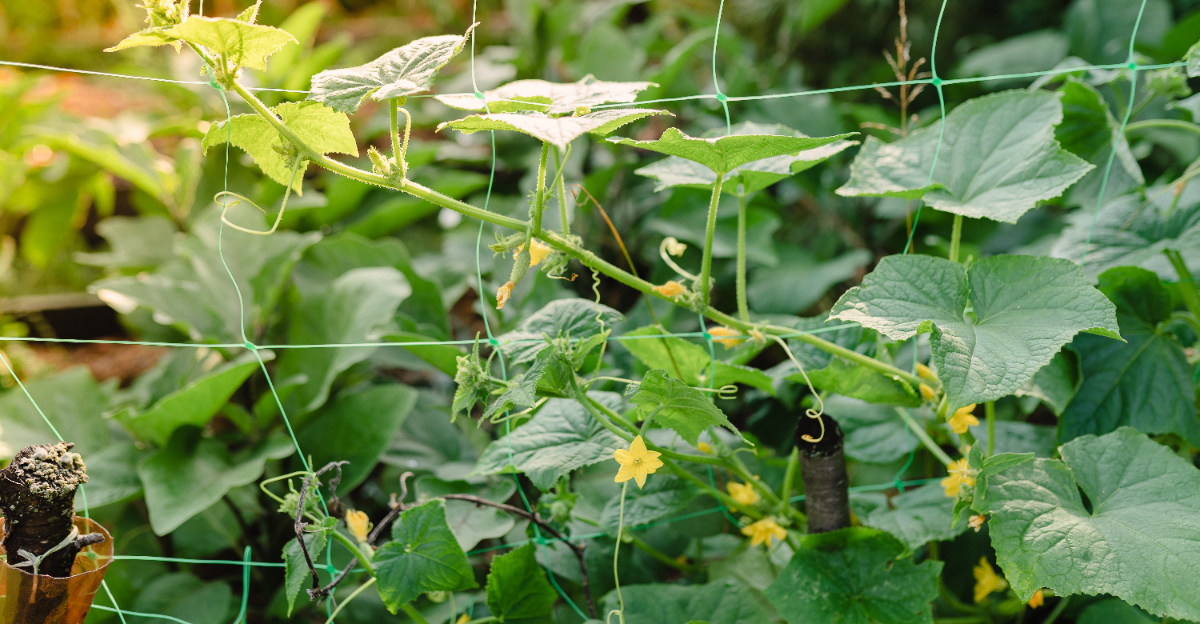
The first cucumber flowers showing up on the vine is an exciting moment, and most Michigan gardeners take it as a sign that harvest is not far off.
What most do not realize is that flowering is also the point where a few simple changes make a real difference in how much fruit actually sets.
Cucumber plants in flower have different needs than they did during early growth, and responding to that shift quickly matters in a state where the growing season has a firm end date.
Paying attention at this specific stage and making a handful of small adjustments is what separates a cucumber plant that produces steadily all summer from one that sets a few fruits and then slows down long before the season is over.
1. Start Watching Closely For Pollinator Activity
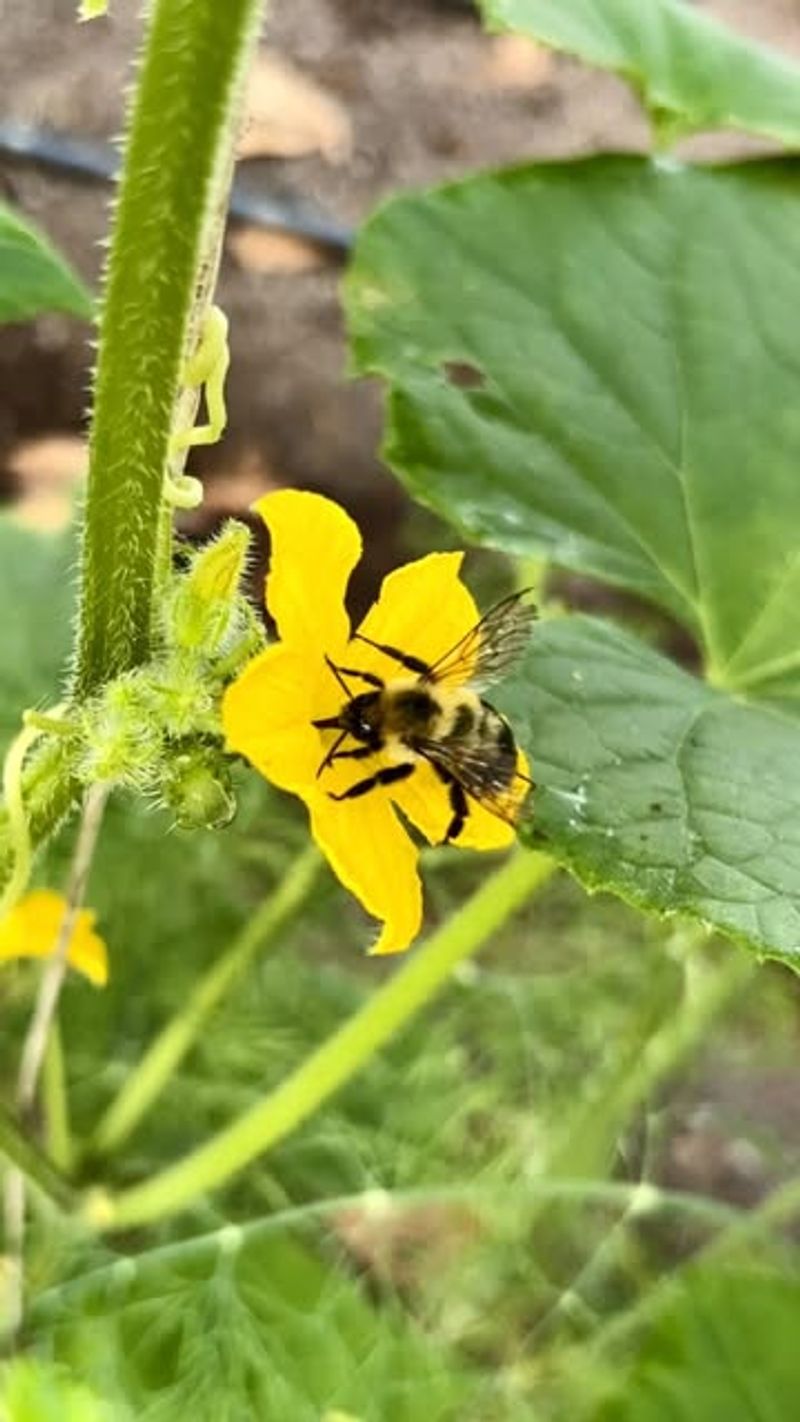
Bees are your best gardening partners when cucumbers start blooming. Without them visiting those yellow flowers, you will end up with very few cucumbers no matter how well you water or fertilize.
Cucumber plants produce both male and female flowers, and bees transfer pollen between them to set fruit. More pollinator visits mean more cucumbers and fewer oddly shaped ones.
Michigan summers bring plenty of native bees, bumblebees, and honeybees, but they need a reason to visit your garden. Planting pollinator-friendly flowers nearby like borage, zinnias, or marigolds makes a real difference.
These blooms act like a welcome sign, drawing bees straight toward your vegetable beds where cucumbers are waiting to be pollinated.
One of the biggest mistakes gardeners make during flowering is spraying pesticides in the morning or midday when bees are most active. Even organic sprays can harm pollinators if applied at the wrong time.
If you need to spray anything, wait until evening when bee activity slows down significantly.
Watch your plants daily during flowering, and if you notice very few bees around, consider hand pollinating by transferring pollen from male to female flowers using a small clean paintbrush.
It takes only minutes and can dramatically increase your fruit set when pollinator traffic seems low.
2. Keep Soil Moisture Consistent As Flowers And Fruit Begin Forming
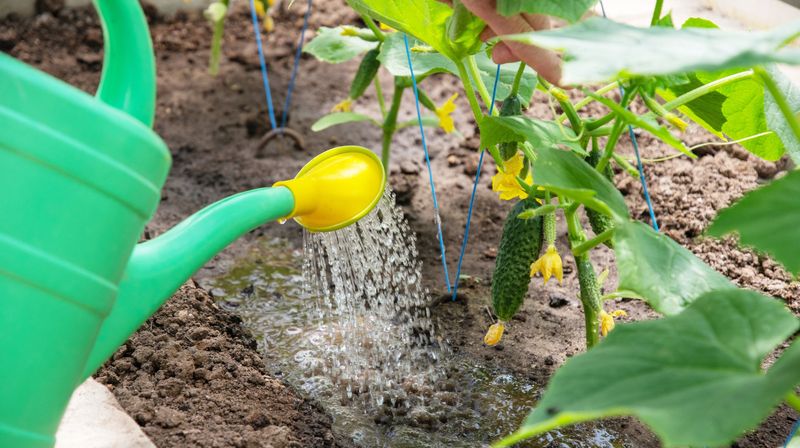
Watering cucumbers sounds simple, but once flowers appear, consistency becomes absolutely critical.
Uneven moisture during flowering and early fruit development causes a frustrating chain of problems including bitter cucumbers, flower drop, and weak overall production.
Cucumbers are about 95 percent water, so their need for steady hydration during this stage is no small thing.
In Michigan, summer temperatures can swing quite a bit from week to week, which makes sticking to a regular watering schedule even more important. Sandy soils drain fast and may need watering every one to two days during hot stretches.
Clay soils hold moisture longer but can become waterlogged if overwatered, which suffocates roots just as badly as drought does. Raised beds and containers tend to dry out faster than ground-level garden beds, so check them more frequently.
A simple finger test works well for most gardeners. Push your finger about an inch into the soil near the plant base.
Your Michigan Garden Changes Every Week. Your Plan Should Too.
Gardening in Michigan changes quickly throughout the season. Every Friday you’ll receive a simple weekly plan showing exactly what to plant, prune, fertilize, harvest, and protect so you never miss the right timing.
If it feels dry at that depth, it is time to water. Aim to water deeply and slowly at the base of each plant rather than sprinkling from above.
Wet foliage during warm, humid Michigan summers invites fungal problems quickly. Drip irrigation or a soaker hose is an excellent investment that keeps moisture going exactly where roots need it most while keeping leaves dry and healthy all season.
3. Add Mulch Before Summer Heat Intensifies
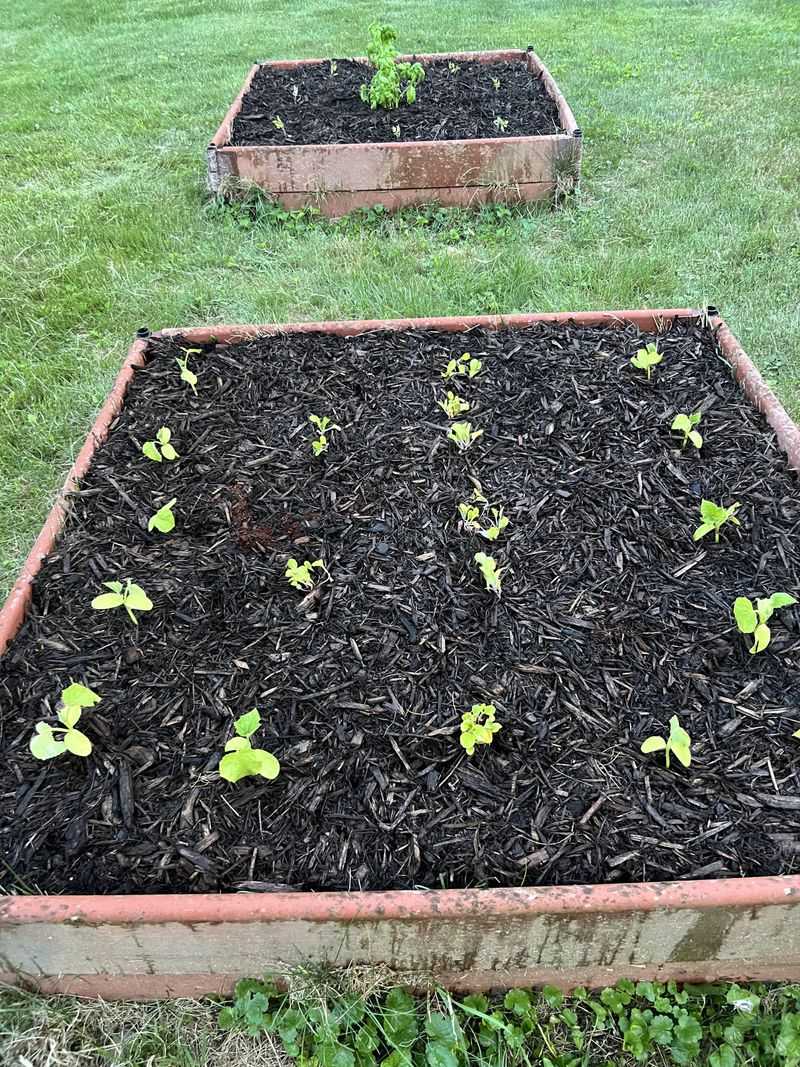
Mulching around cucumbers right when flowering begins might be one of the most underrated moves in the garden.
A good layer of mulch does several things at once: it slows moisture evaporation, keeps soil temperatures cooler on hot days, suppresses weeds, and reduces the soil splash that spreads fungal diseases onto lower leaves.
For Michigan gardeners dealing with warm, sometimes humid summers, those benefits add up fast.
Straw is a popular and affordable mulch choice for vegetable gardens. Wood chips, shredded leaves, and grass clippings also work well.
Aim for a mulch layer about two to three inches deep around your cucumber plants. Thinner layers dry out too quickly to be effective, while overly thick layers can trap excess moisture near the stem and create conditions that encourage rot.
One detail that matters more than most gardeners realize is keeping mulch slightly away from the main stem. Leave a small gap of about an inch or two around the base of each plant.
Mulch pressed tightly against the stem can trap moisture there and create problems over time. Spread it in a wide circle instead, reaching out toward the drip line of the plant.
Once mulch is in place, you will notice less watering stress, fewer weeds pulling nutrients away from your plants, and overall healthier cucumber vines heading into the heart of Michigan summer.
4. Begin Checking Plants Daily For Cucumber Beetles
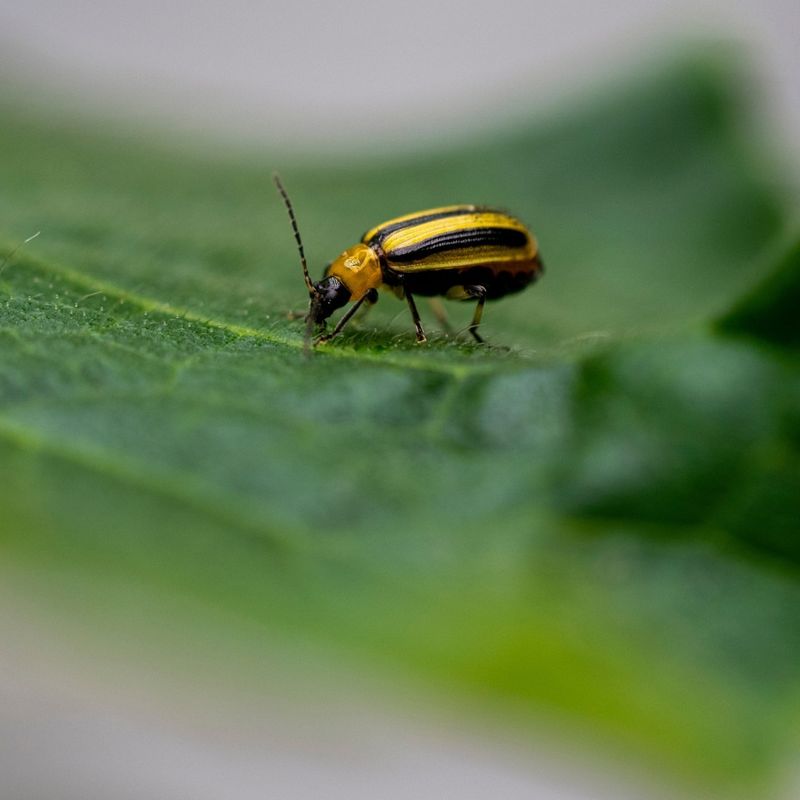
Cucumber beetles are one of the most frustrating pests Michigan gardeners face, and they show up right when plants start flowering. These small insects come in two varieties: striped and spotted.
Both chew on flowers, leaves, and stems, but their real danger goes beyond the physical damage they cause. Cucumber beetles carry bacterial wilt disease, which they spread from plant to plant as they feed.
Once a plant contracts bacterial wilt, recovery is nearly impossible. Checking plants every single day once flowering begins gives you the best shot at catching an infestation early. Look closely at flowers, undersides of leaves, and along stems.
Even a few beetles can cause noticeable damage quickly, especially on young plants that have not fully established themselves yet.
Hand picking beetles and dropping them into a bucket of soapy water is one of the most effective low-effort methods for keeping numbers manageable.
Row covers are a smart preventive tool, but timing matters. Covers need to be removed once flowers open so pollinators can do their job.
Some gardeners use row covers early in the season to protect young plants, then remove them at first bloom and stay vigilant about scouting afterward.
Yellow sticky traps placed near plants can also help you monitor beetle activity and give you an early warning before populations grow large enough to cause serious crop damage across your entire cucumber planting.
5. Trellis Vines Before Fruit Production Becomes Heavy
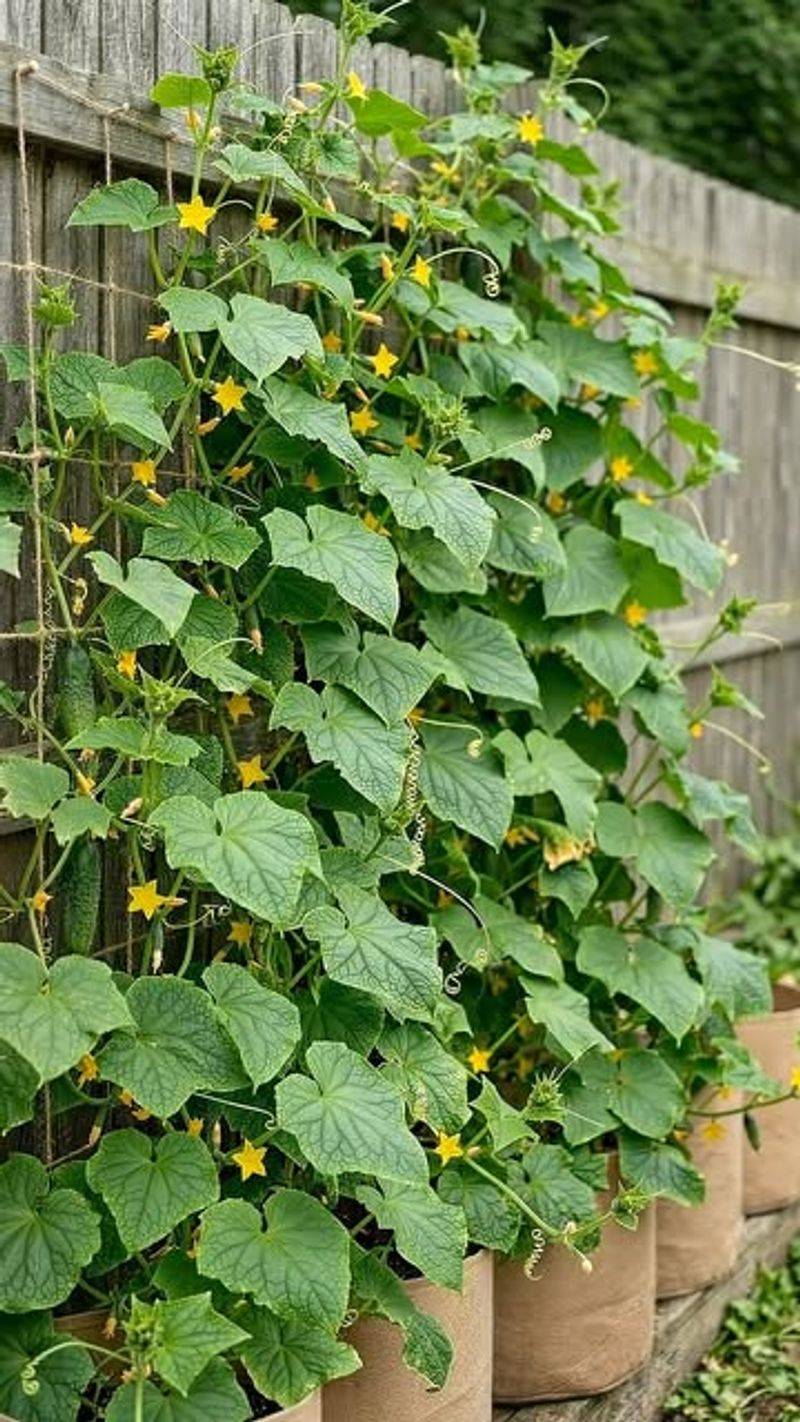
Getting a trellis in place right when flowering starts is one of those tasks that pays off for the entire rest of the season.
Cucumber vines grow quickly once they hit their stride, and without support they sprawl across the ground, tangle together, and become a real challenge to manage.
Trellised plants grow upward instead of outward, which opens up the garden and makes everything easier to work with.
Vertical growing improves airflow around leaves and stems significantly. Good airflow is a natural defense against powdery mildew and other fungal diseases that thrive in still, humid conditions common in Michigan summers.
Fruit grown on a trellis also tends to hang straight and develop more evenly than cucumbers resting on soil, which often end up curved or discolored on one side from uneven sun exposure.
Trellising does not require expensive materials or complicated setups. A simple cattle panel, a few wooden stakes with twine strung between them, or a wire cage all work well depending on your garden size.
Raised bed gardeners often find that a t-post with horizontal wire rows attached creates a clean, sturdy climbing structure. As vines grow, gently guide them toward the trellis and use soft garden clips or strips of fabric to attach stems without pinching them.
Getting this done before fruit sets means you avoid handling heavy, loaded vines that can snap or tear when moved around carelessly.
6. Avoid Heavy Nitrogen Fertilizer Once Flowering Begins
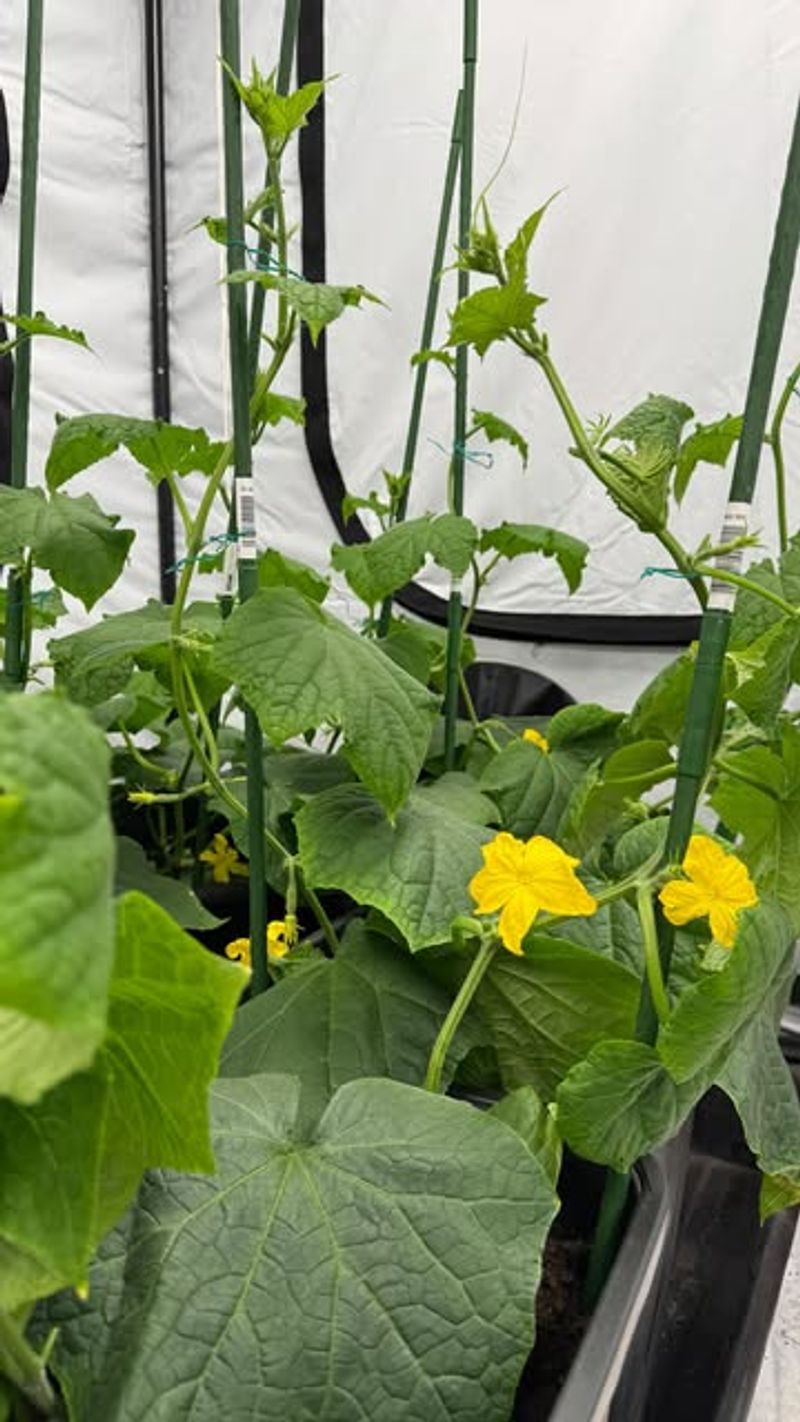
Nitrogen is the nutrient that drives leafy, lush green growth, and during the early weeks of the season that is exactly what your cucumber plants need. But once flowering begins, the story changes completely.
Pushing too much nitrogen at this stage sends plants the wrong signal. Instead of putting energy into flowers and developing fruit, they pour that energy into producing more leaves and stems.
The result is a beautiful, bushy plant that produces very few cucumbers. Signs that you may already be over-fertilizing with nitrogen include extremely dark green leaves, lots of dense foliage, and very few flowers despite healthy-looking plants.
If you started the season with a nitrogen-rich fertilizer and your plants are already showing these symptoms, hold off on feeding entirely for a couple of weeks and see if flowering improves on its own.
Once flowering is underway, switch to a balanced fertilizer with equal or lower nitrogen and slightly higher phosphorus and potassium levels.
A product labeled something like 5-10-10 supports flower and fruit development much better than a high-nitrogen option at this stage.
Compost tea or a light side dressing of finished compost also works well without the risk of overdoing it.
Feed lightly every two to three weeks rather than in large single doses, and always water after fertilizing to help nutrients move into the root zone where plants can actually use them efficiently.
7. Start Inspecting Leaves For Early Disease Symptoms
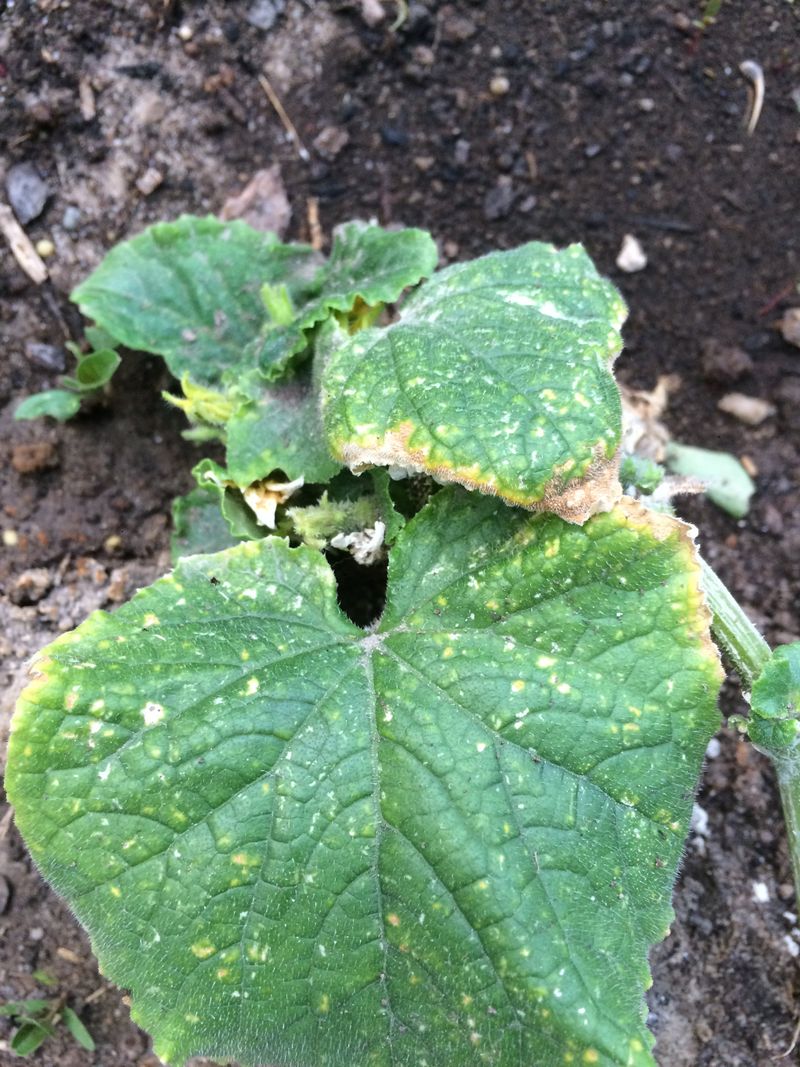
Cucumber plants are honestly pretty tough, but once flowering starts and summer humidity builds in Michigan, disease pressure rises quickly. Powdery mildew is the most common problem gardeners encounter.
It shows up as white or grayish powdery patches on leaf surfaces, usually starting on older lower leaves before spreading upward. Catching it early makes management far easier than trying to tackle a full outbreak later in the season.
Humid nights, warm days, and dense foliage are the perfect recipe for fungal trouble. If your cucumber plants have grown thick and leafy, some selective pruning of older interior leaves can open things up and allow air to move through more freely.
Removing a few of the lowest leaves that are already yellowing or shading the soil also reduces splash points where soil-borne fungal spores can land on foliage during watering.
Beyond mildew, watch for angular leaf spots, which appear as water-soaked lesions that eventually turn tan or brown with a yellow border. Downy mildew is another concern, showing yellow patches on upper leaf surfaces with grayish growth underneath.
Spacing plants properly from the beginning helps a lot, but once plants are in the ground, managing airflow through pruning and trellising becomes your main defense.
If you spot disease symptoms early, remove affected leaves promptly, avoid overhead watering, and consider an approved fungicide spray appropriate for vegetable gardens to slow the spread before it affects your whole crop.
8. Harvest Early Cucumbers Quickly To Keep Plants Producing
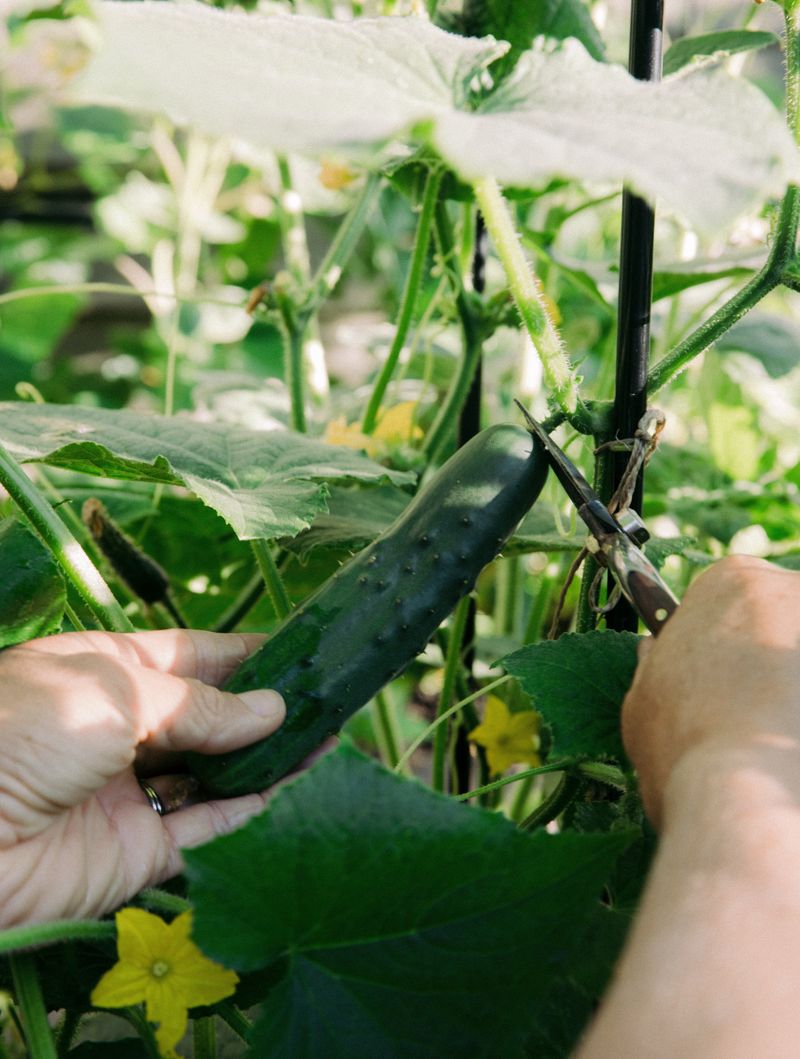
Here is something that surprises a lot of first-time cucumber growers: the more you harvest, the more the plant produces.
Cucumbers are programmed to make seeds, and once a fruit on the vine gets large and starts maturing fully, the plant reads that as mission accomplished and slows down flower production.
Leaving oversized cucumbers hanging on the vine is one of the fastest ways to bring your harvest to a crawl right in the middle of peak season.
Slicing cucumbers are typically ready to pick when they reach six to eight inches long, depending on the variety. Pickling types are usually best at two to four inches.
Check plants every single day once fruit begins forming because cucumbers can go from perfect to oversized in just 24 to 48 hours during warm Michigan summer weather.
Carrying a small pair of garden scissors or pruning snips makes harvesting quick and clean without yanking vines.
Early harvesting also reduces weight on vines, which is especially helpful if you are growing on a trellis. Heavy, overripe fruit can pull on stems and damage the plant structure you worked to build.
Pick cucumbers in the morning when temperatures are cooler for the best flavor and firmness.
Fresh cucumbers stored in the refrigerator stay crisp for about a week, giving you plenty of time to enjoy them before your next harvest round comes along just a day or two later.
9. Remove Weeds Before Vines Fully Spread
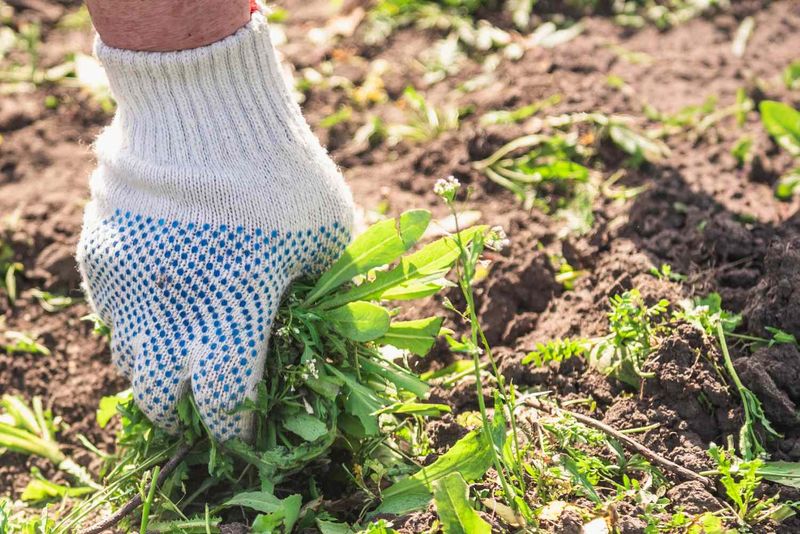
Weeds might seem like a minor annoyance compared to pests and disease, but they cause real problems for cucumbers once flowering begins. Every weed growing near your plants is competing directly for water, nutrients, and sunlight.
During the flowering and early fruiting stage, cucumbers need every resource available to set and develop fruit well. Letting weeds go unchecked at this point puts your plants at a disadvantage right when they need the most support.
Dense weed growth also reduces airflow around the base of plants, creating the kind of still, humid conditions that fungal diseases absolutely love.
Tall weeds near cucumber vines can also become hiding spots for cucumber beetles and other pests that are harder to spot and remove when vegetation is thick and tangled.
Clearing weeds out now, before vines fully spread and cover the ground, makes the job much easier than trying to weed through a tangled mat of vines later in the season.
Shallow cultivation with a hoe or hand tool works well between plants, but stay careful not to go too deep. Cucumber roots spread out close to the soil surface and can be easily damaged by aggressive digging.
Scratch the soil no more than an inch deep to uproot small weeds without disturbing roots.
After weeding, top the area with a fresh layer of mulch to slow new weed seeds from germinating and hold onto the soil moisture your cucumber plants are counting on through the rest of the growing season.