Shade-Loving Flowers That Don’t Need Sunlight To Bloom In Michigan
Shaded spots in a Michigan yard are easy to write off. Most flowering plants want sun, and anything less tends to mean fewer blooms or none at all.
The corners under mature trees, the strips along north-facing fences, and the areas where buildings block the light for most of the day all tend to end up with groundcover or nothing at all.
But Michigan’s climate is actually well suited to a group of plants that bloom without needing direct sunlight. Some of them put on a display that rivals anything growing in full sun elsewhere in the yard.
A few thrive specifically because they are out of the sun, holding color and moisture in ways that exposed plants cannot manage during Michigan’s warmer summer stretches.
1. Virginia Bluebells
Before the trees even have a chance to fully leaf out, Virginia Bluebells are already putting on a show.
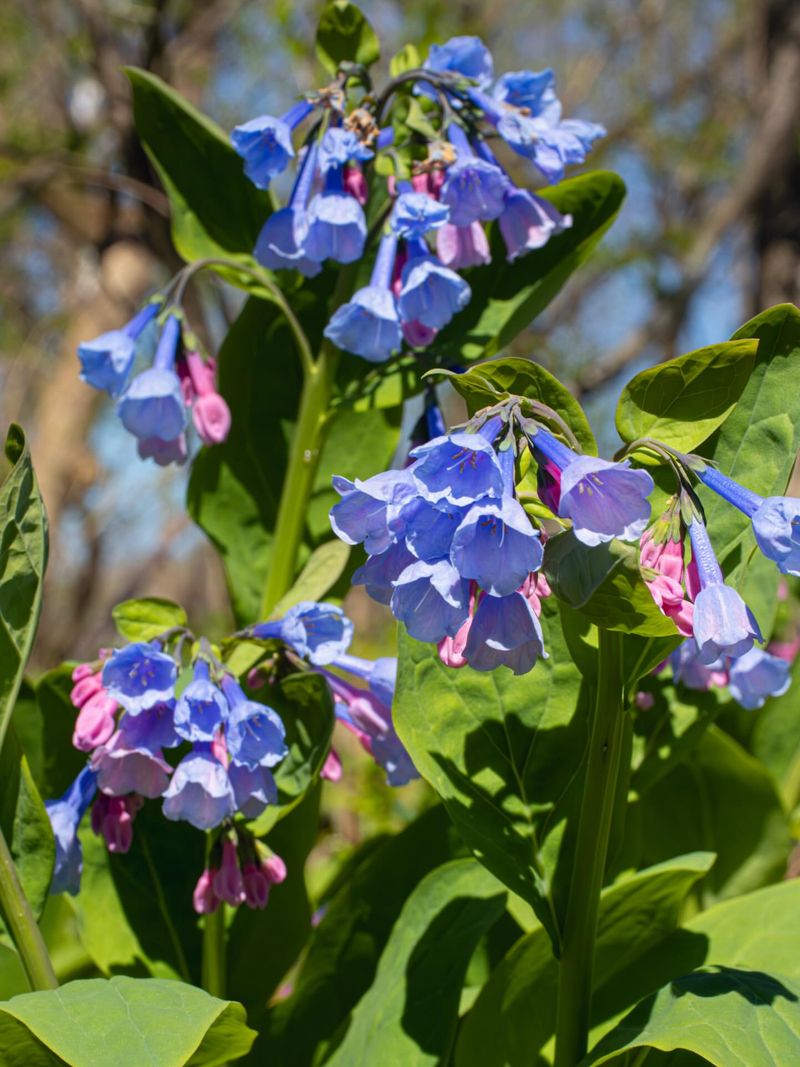
Known botanically as Mertensia virginica, this native woodland gem bursts into bloom in early to mid-spring, filling shaded garden beds with clusters of sky-blue, trumpet-shaped flowers.
The soft lavender-pink buds open into true blue blossoms, creating one of the most breathtaking color displays in any Michigan shade garden.
Virginia Bluebells thrive in moist, rich woodland soil with good organic matter. They love the dappled light that comes through bare branches in early spring, which gives them just enough energy to bloom brilliantly before the tree canopy fills in overhead.
Once summer arrives, the plant goes fully dormant and disappears underground, so planting it alongside hostas or ferns helps fill the gap beautifully.
For best results, plant Virginia Bluebells in groups of five or more to create a bold, natural-looking drift of color. They pair wonderfully with trout lily, wild ginger, and spring ephemerals that share similar growing conditions.
Avoid disturbing the soil after they go dormant because the roots are still active underground. With just a little patience, this native beauty will spread and return reliably every spring, rewarding you with more blooms each year.
2. Wild Geranium
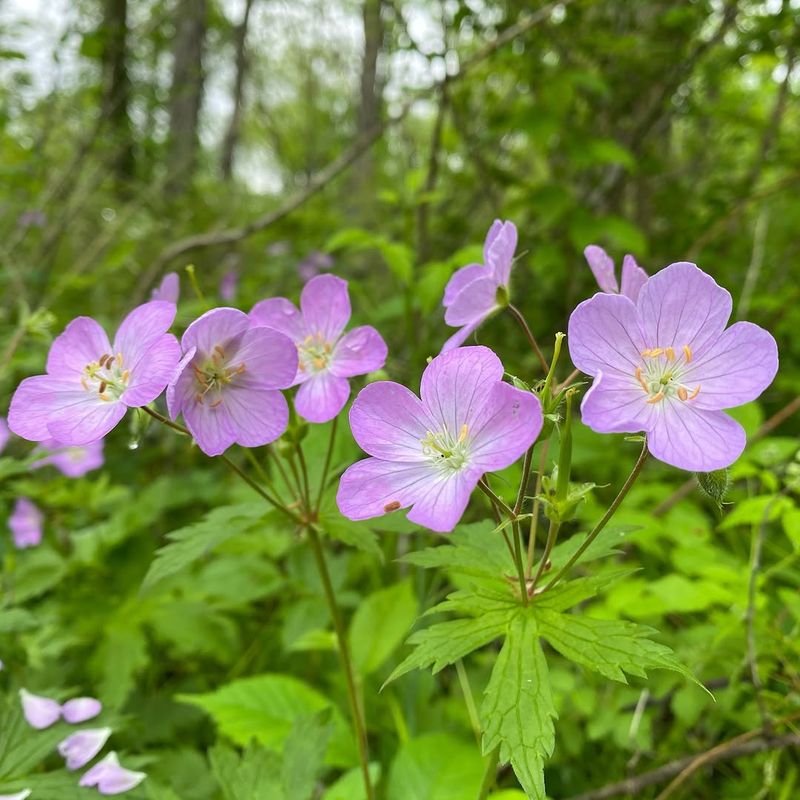
Wild Geranium has a quiet charm that sneaks up on you.
Geranium maculatum is a tough, native perennial that blooms in rosy pink to soft lavender-purple flowers from late April through June, making it one of the longer-blooming spring wildflowers in Michigan shade gardens.
Unlike its tropical cousins sold in hanging baskets, this plant is fully hardy and comes back stronger every single year.
Bees and butterflies absolutely love Wild Geranium. The open, five-petaled flowers are easy for pollinators to access, making this plant a real workhorse for supporting local wildlife.
It thrives along woodland edges, beneath deciduous trees, and in partly shaded borders where direct afternoon sun never quite reaches. Consistent soil moisture keeps it happiest, though established plants handle short dry spells without much fuss.
One of the best things about Wild Geranium is how low-maintenance it truly is. Once planted in the right spot with moist, well-drained soil and partial shade, it basically takes care of itself.
It spreads slowly by both rhizomes and self-seeding, gradually forming a natural-looking colony over time. Removing spent blooms is optional since the seed pods are attractive on their own.
Your Michigan Garden Changes Every Week. Your Plan Should Too.
Gardening in Michigan changes quickly throughout the season. Every Friday you’ll receive a simple weekly plan showing exactly what to plant, prune, fertilize, harvest, and protect so you never miss the right timing.
Pair it with ferns, wild ginger, or foamflower for a lush, layered shade garden that feels like a real Michigan woodland floor.
3. Foamflower
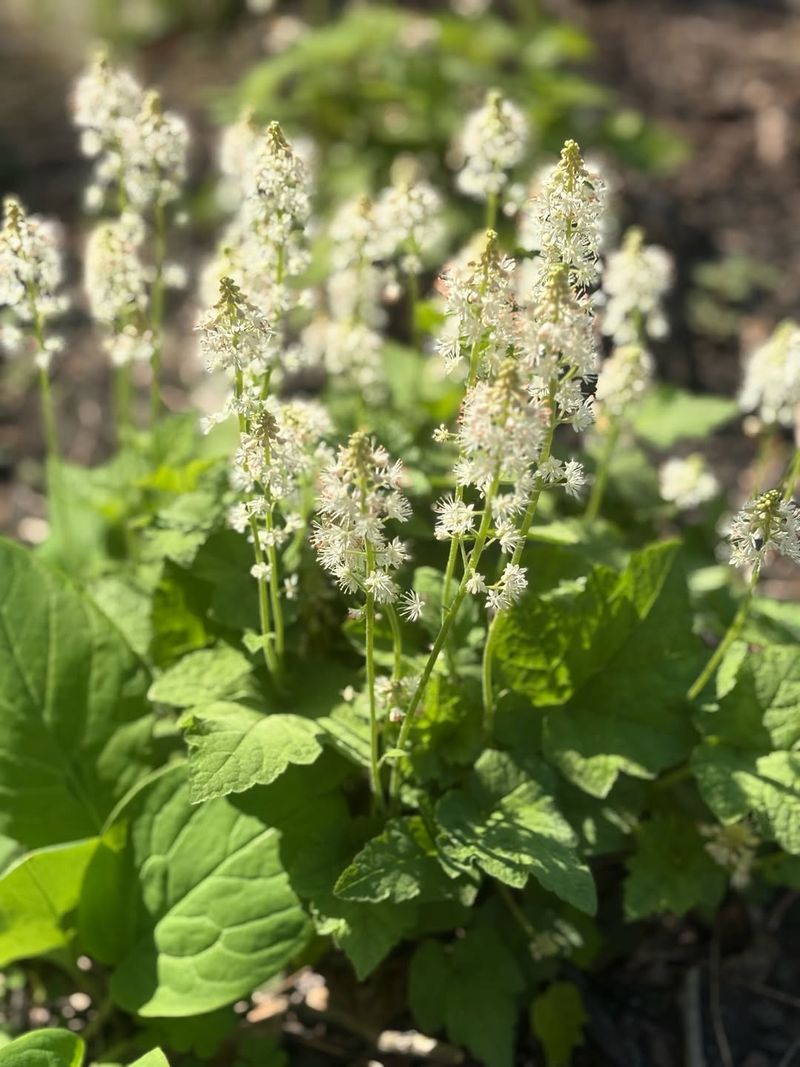
If you want a groundcover that earns its keep in both spring and summer, Foamflower is your answer.
Tiarella cordifolia sends up frothy white to pale pink flower spikes in April and May that look like tiny foam bubbles floating above the foliage, which is exactly how it got its delightful name.
The heart-shaped, deeply veined leaves remain attractive long after the blooms fade, giving your shade garden texture and interest all season long.
Foamflower genuinely loves shade. It grows best in consistently moist, organically rich soil beneath deciduous trees or in shaded borders where it receives little to no direct sun.
Adding a layer of leaf mulch or compost each fall mimics the natural woodland floor it prefers and helps retain the moisture it needs to stay healthy. It spreads by surface runners to form a soft, weed-suppressing mat over time.
New gardeners often appreciate how forgiving Foamflower is during the first growing season. It may not bloom heavily right away while it establishes its root system, but by the second and third year, it fills in beautifully and blooms with confidence.
Plant it alongside wild ginger, ferns, or Virginia Bluebells for a layered, naturalistic look. Once established, this native perennial asks for very little and gives back so much visual reward every spring.
4. Woodland Phlox
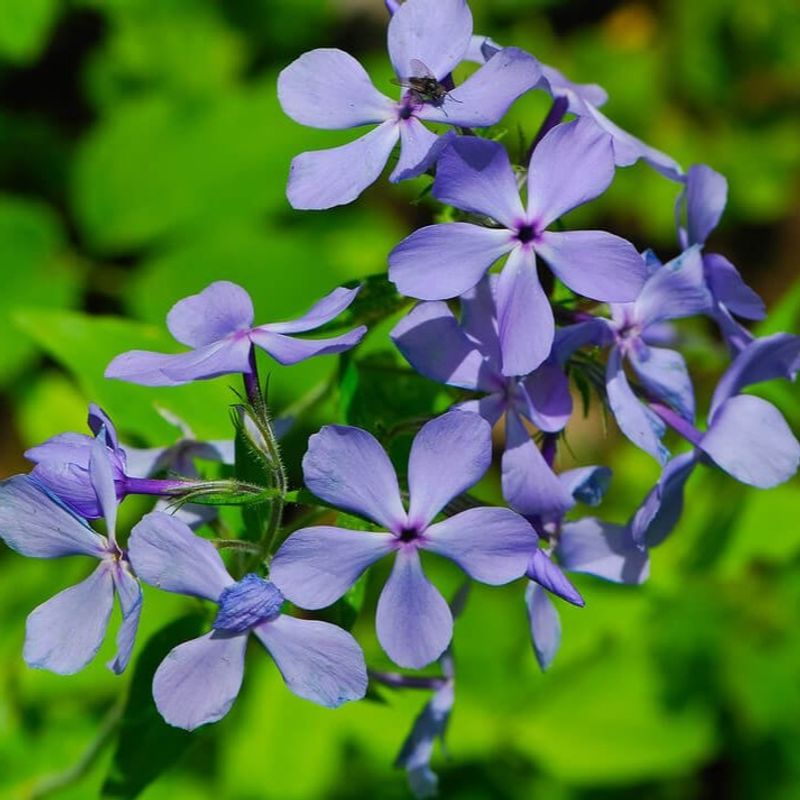
Few spring flowers can match the sweet fragrance of Woodland Phlox drifting through a shaded garden on a warm April evening.
Phlox divaricata produces loose clusters of pale blue, lavender, or soft white flowers from mid-spring into early summer, and the scent alone is reason enough to grow it.
This native perennial is a natural fit for Michigan woodland gardens, where it spreads cheerfully beneath trees without ever becoming invasive or unruly.
Woodland Phlox blooms best in bright, filtered shade where it receives indirect light for most of the day. Planting it beneath open-canopy trees or along the north side of a fence gives it exactly what it needs.
Good airflow around the plants helps prevent powdery mildew, which can occasionally appear in humid conditions. Keeping the soil consistently moist but well-drained sets it up for strong, reliable blooming each season.
Pollinators are wild about Woodland Phlox. Butterflies, native bees, and even hummingbirds visit the tubular flowers for nectar during the spring rush.
It pairs beautifully with Virginia Bluebells, Wild Geranium, and ferns along shaded borders, creating a fragrant, wildlife-friendly garden that feels genuinely alive. Trim back the stems lightly after blooming to encourage a second flush of growth.
With minimal effort, this charming native flower brings color, fragrance, and life to even the shadiest corners of a Michigan yard.
5. Wild Columbine
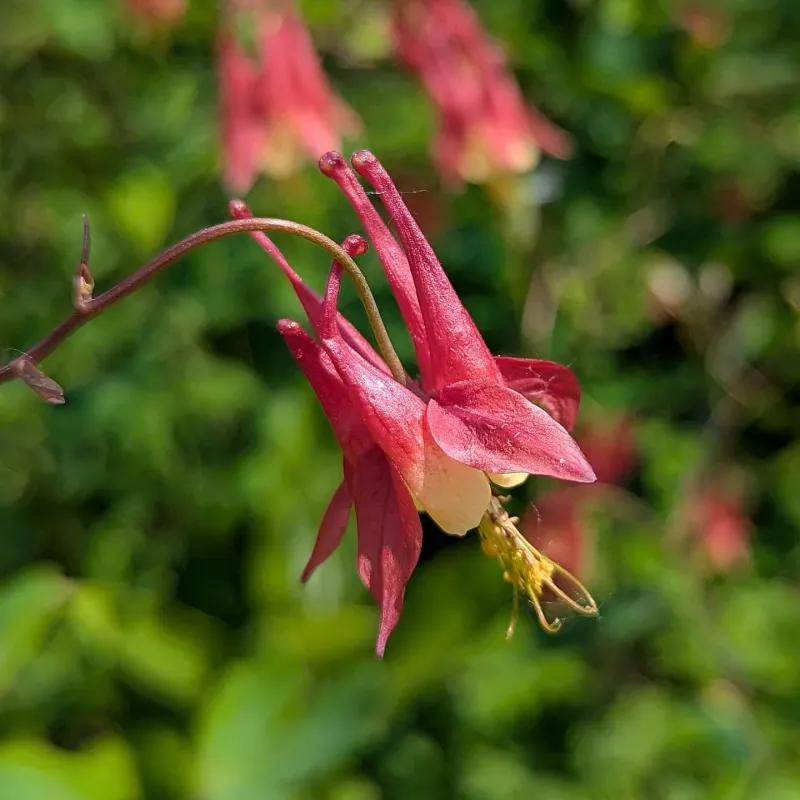
Hummingbirds start showing up in Michigan right around the time Wild Columbine begins to bloom, and that is no coincidence.
Aquilegia canadensis produces its iconic red and yellow, lantern-shaped flowers from late April through June, and the long nectar spurs are perfectly designed for hummingbird feeding.
Watching a ruby-throated hummingbird hover at these nodding blooms is one of the genuine thrills of spring gardening in Michigan.
Wild Columbine thrives in part shade and woodland edges where it gets morning light but escapes harsh afternoon sun.
It actually prefers leaner, well-drained soil compared to many woodland plants, making it a great choice for rocky slopes, raised beds, or spots beneath open-canopy trees where the soil is not overly rich.
Good drainage matters more to this plant than heavy fertilizing, so resist the urge to amend the soil too much.
One of the most endearing habits of Wild Columbine is its willingness to reseed naturally. Once established, it scatters seeds around the garden and pops up in unexpected spots that often turn out to be perfect.
You can let it roam freely or gently transplant young seedlings while they are still small. The ferny, blue-green foliage stays attractive even after blooming wraps up.
Pair it with Woodland Phlox or ferns for a naturalistic planting that supports pollinators from the very first warm days of spring.
6. Trout Lily
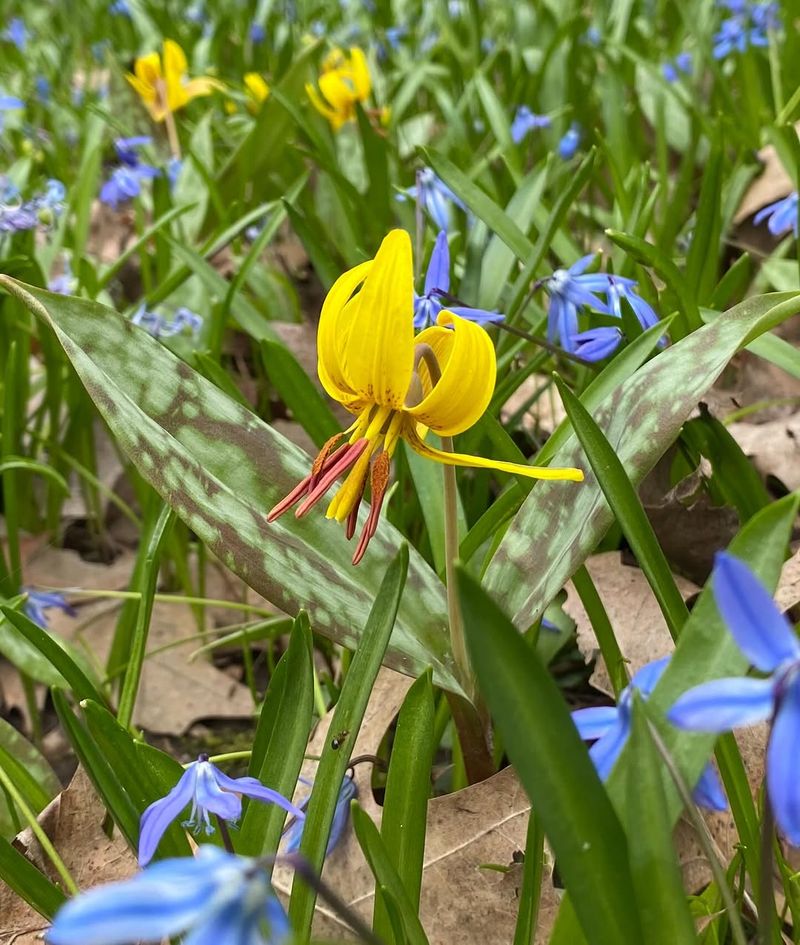
There is something almost magical about finding Trout Lily blooming on the forest floor in early spring. Erythronium americanum gets its charming name from the brown-mottled, lance-shaped leaves that resemble the markings on a brook trout.
The single nodding yellow flower emerges in April, bending slightly downward as if shyly peeking at the ground, and it blooms for only a few precious weeks before the whole plant retreats underground for summer.
Trout Lily is a true spring ephemeral, meaning it completes its entire above-ground life cycle before the tree canopy closes in and blocks the light.
It needs moist, humus-rich woodland soil to thrive, the kind that feels spongy and dark from years of decomposing leaves.
Planting it in a naturalistic woodland garden with plenty of leaf mulch mimics its native habitat and helps it establish over time.
Patience is genuinely required with Trout Lily. Young plants may take several years to reach blooming size, and a single-leaf plant is simply not ready to flower yet.
Resist the urge to dig or disturb the planting area once established, because the underground corms are fragile and slow to recover from disruption. Pair it with Virginia Bluebells or Wild Geranium so something is always blooming nearby.
Once a colony takes hold, the drifts of mottled foliage and yellow spring flowers create an authentic Michigan woodland scene right in your own backyard.
7. Bloodroot
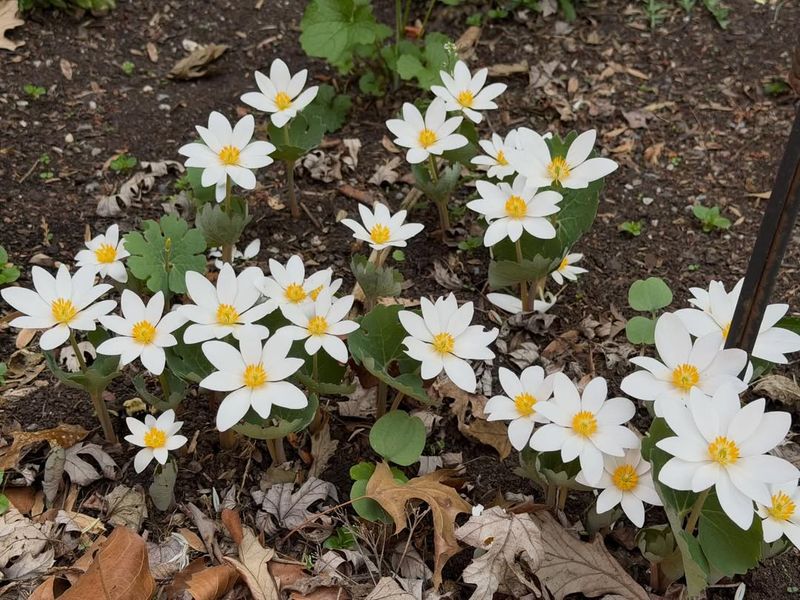
Bloodroot is one of the earliest and most striking wildflowers to appear in Michigan each spring.
Sanguinaria canadensis pushes its tightly wrapped leaf bud up through the soil in March or early April, and the pure white, multi-petaled flower opens before the leaf has even fully unfurled.
The bloom is brief but breathtaking, lasting only a few days before the petals drop, leaving behind a broad, decorative lobed leaf that persists through early summer.
The plant gets its memorable name from the vivid orange-red sap found in its roots and stems, which was historically used as a natural dye by Indigenous peoples.
Bloodroot grows best in moist, well-drained woodland soil with plenty of organic matter and light to heavy shade.
It performs beautifully beneath deciduous trees where it gets early spring sun before the canopy fills in, then settles into comfortable shade for the rest of the season.
Placement matters a great deal with Bloodroot. Choose a spot where the soil will not be disturbed by digging or foot traffic, because the rhizomes are shallow and surprisingly easy to damage.
It spreads slowly on its own over many years, gradually forming a colony of striking white flowers each spring.
Pair it with Trout Lily, Wild Ginger, or ferns for a layered native planting that honors the natural beauty of Michigan woodland floors and rewards patient gardeners with something genuinely spectacular.
8. Trillium
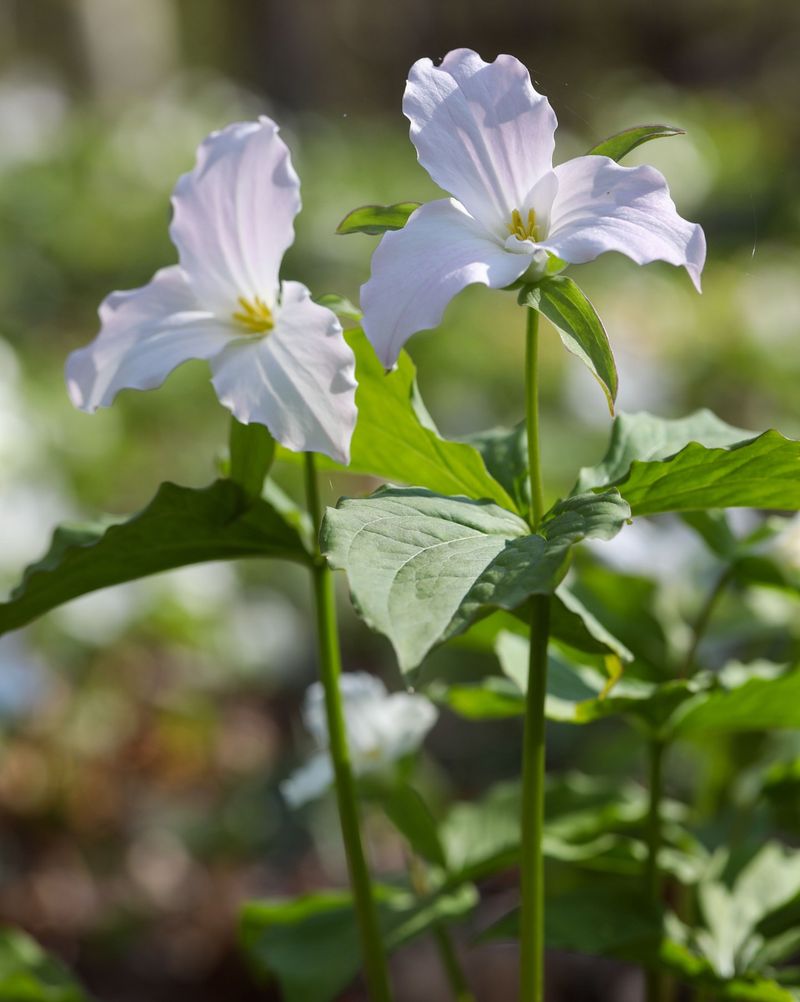
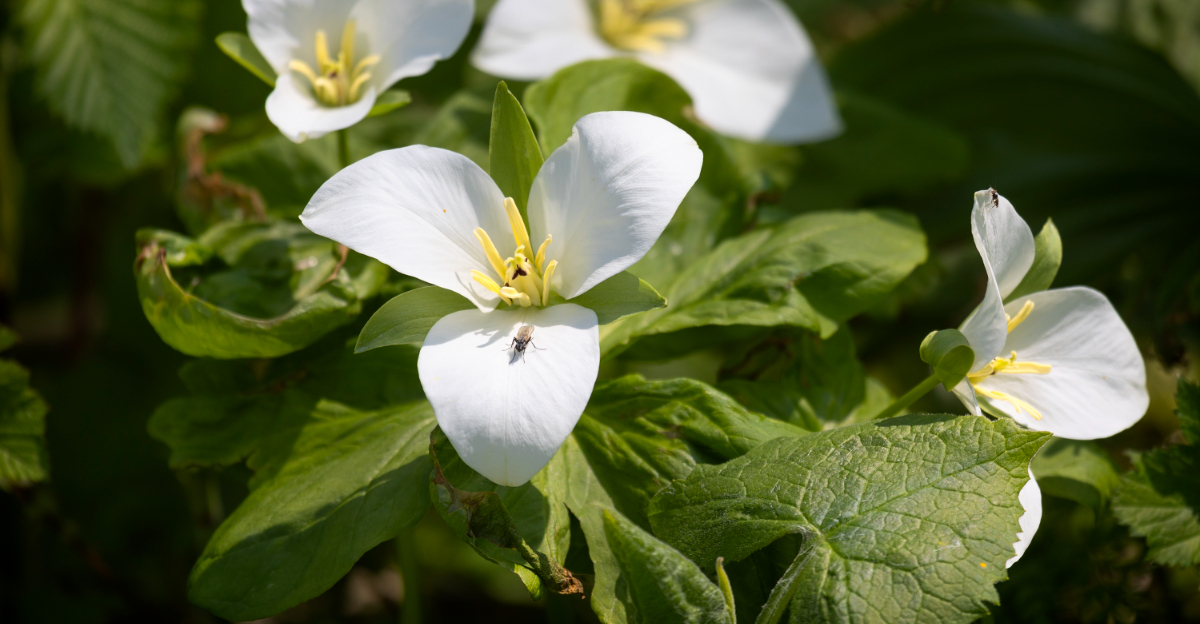
Trillium grandiflorum is Michigan’s most iconic woodland wildflower, and seeing a colony of them in full bloom is genuinely unforgettable.
The Great White Trillium produces large, three-petaled white flowers in April and May, each one held above a perfect whorl of three broad green leaves.
As the flowers age, they blush to soft pink, extending the visual display over several weeks and giving the woodland floor a romantic, layered look.
Trillium is a slow grower by nature. A seed-grown plant can take seven or more years to reach blooming size, which is why patience and protection are the two most important things you can offer this plant.
It thrives in rich, moist, well-drained woodland soil with deep shade or dappled light. Adding a generous layer of shredded leaf mulch each fall feeds the soil and keeps the root zone cool and moist through the growing season.
Never pick Trillium flowers or remove leaves from a wild or garden colony. The plant relies entirely on its leaves to gather energy for the following year, and removing them sets the plant back significantly.
If you want to add Trillium to your garden, source plants from reputable native plant nurseries that grow them responsibly from seed.
Pair it with Wild Ginger, Foamflower, or ferns for a richly layered shade garden that celebrates the true character of Michigan’s beautiful native woodland landscape.
9. Barren Strawberry
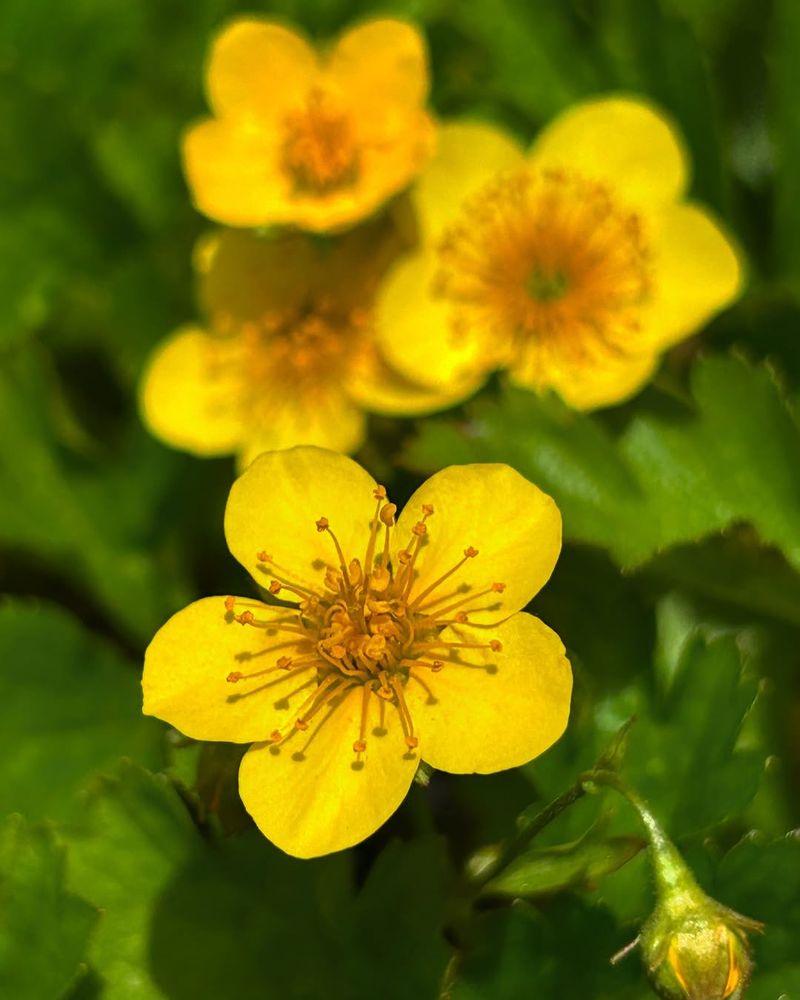
Barren Strawberry is one of those plants that quietly does everything right without ever demanding attention.
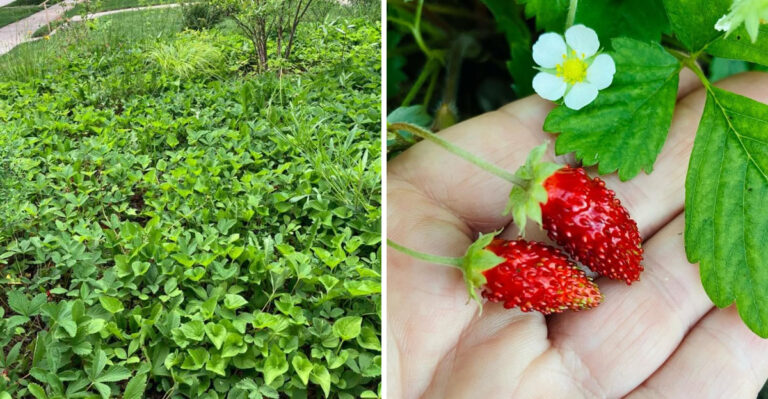
Geum fragarioides is a low-growing native groundcover that produces cheerful bright yellow flowers in April and May, right when the shade garden needs a burst of color most.
The small, five-petaled blooms sit just above a mat of dark green, strawberry-like leaves that remain attractive and semi-evergreen through much of the year in Michigan.
Despite its name suggesting otherwise, Barren Strawberry is anything but boring. It fills bare soil along shaded paths, woodland edges, and beneath open-canopy trees with a tidy, weed-suppressing mat that requires almost no maintenance once established.
It handles part shade beautifully and appreciates consistent moisture, especially during the first season while it anchors its root system into the soil. A light top-dressing of compost in spring keeps it growing vigorously.
Barren Strawberry spreads steadily by runners, similar to a regular strawberry plant, gradually covering ground in a natural and attractive way.
It works wonderfully as an edging plant along shaded walkways or as a filler between larger perennials like Wild Geranium and ferns.
Pollinators visit the flowers regularly, adding ecological value to its already impressive list of garden benefits.
For anyone struggling to find something that genuinely thrives in dry to moist shade, Barren Strawberry is a reliable, underused native that deserves a much bigger spotlight in Michigan gardens.
10. Dutchman’s Breeches
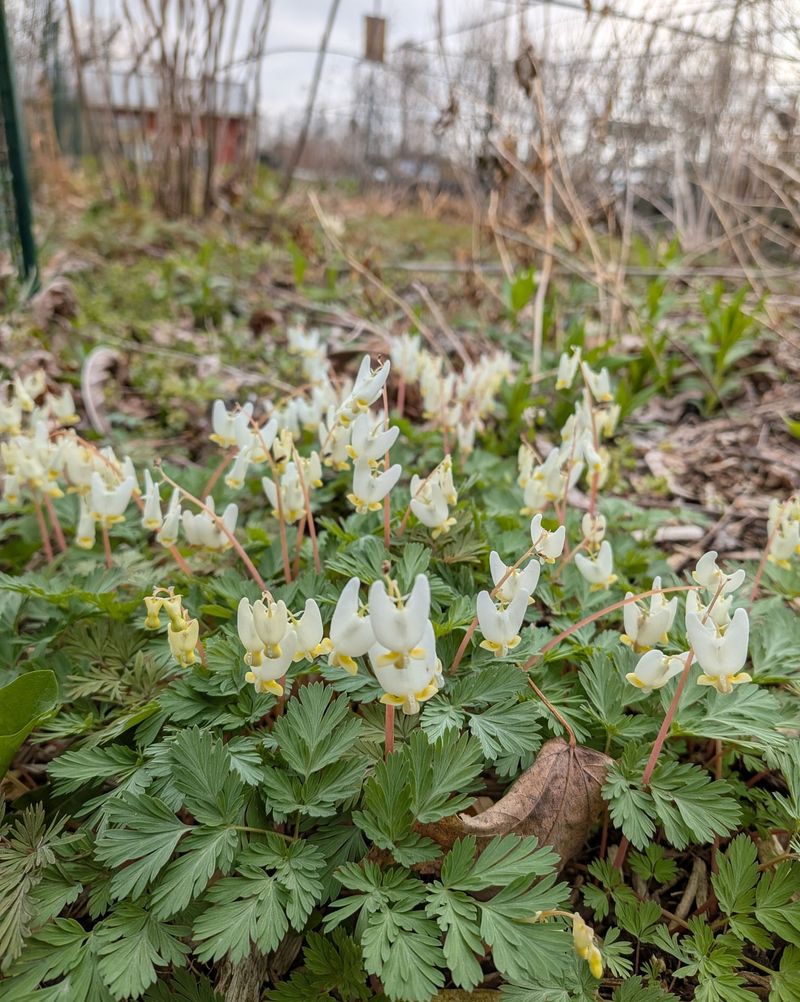
Dutchman’s Breeches has one of the most whimsical names in the entire plant world, and the flowers absolutely live up to the imagination.
Dicentra cucullaria produces rows of white, pantaloon-shaped blooms with pale yellow tips that dangle from arching stems in April, looking exactly like tiny pairs of upside-down trousers hung out to dry.
The finely divided, blue-green foliage is equally beautiful and creates a delicate, ferny texture on the woodland floor.
Like other spring ephemerals, Dutchman’s Breeches completes its entire above-ground season quickly. It blooms for two to three weeks in early spring, then the foliage gradually fades and the plant goes fully dormant by early summer.
This natural cycle is completely normal and healthy. Planting it alongside hostas, ferns, or Wild Ginger ensures that something fills the space attractively once the Dutchman’s Breeches disappears for the season.
Rich, moist, humus-filled soil in a shaded spot beneath deciduous trees is the ideal home for this native beauty. It spreads slowly by underground corms and self-seeding to form a natural colony over several years.
Once it finds a comfortable spot, avoid digging or disturbing the area because the small corms are delicate and do not recover quickly from disruption. Source plants from native plant nurseries and give them time to settle in.
The reward every April, those rows of tiny dancing bloomers, is absolutely worth every bit of patience.