California Crops You Can Grow Year Round With The Right Timing
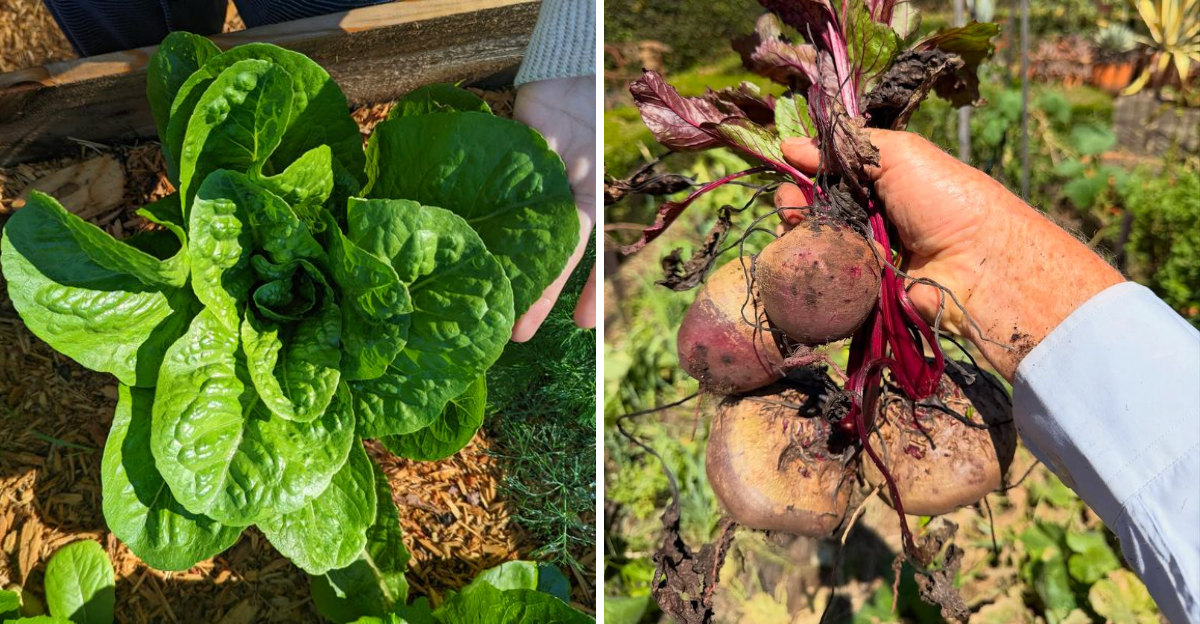
California is easily one of the best places in the country to grow your own food, thanks to an incredibly varied climate that stretches our growing seasons much longer than most states allow.
From the mild winters along the coast to the warm inland valleys and unique microclimates from San Diego to Sacramento, the potential is massive.
While no single crop grows nonstop all year, year-round harvests are genuinely within reach with smart timing and crop rotation.
Whether you have a backyard plot in the Bay Area or raised beds in the Inland Empire, you can keep something fresh coming out of the garden in every season by choosing the right varieties for the Golden State’s unique calendar.
1. Lettuce Can Be Grown In Every Season With Variety Changes
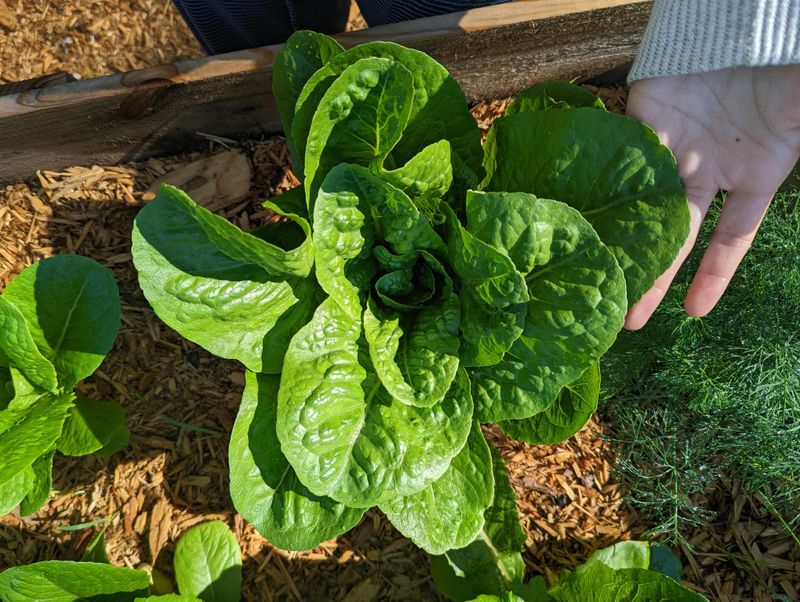
Few vegetables are as forgiving or as flexible as lettuce when it comes to fitting into a California garden calendar. From loose-leaf types to butterhead and romaine, there is a variety suited to almost every season.
The key is matching the right type to the right time of year rather than planting the same variety regardless of temperature.
In coastal California, cool-season lettuces like butterhead and romaine can be planted from late summer through early spring without much trouble. Inland gardeners face hotter summers, so bolt-resistant varieties such as Jericho or Nevada become important tools.
These types handle rising temperatures better and give inland plots a longer window before the heat pushes plants to seed.
Succession planting every two to three weeks is the most reliable way to keep lettuce coming in steadily. Sow a short row or a small container batch, then repeat the process a few weeks later.
This staggers maturity so you are not buried in heads one week and empty the next.
Lettuce typically matures in 30 to 60 days depending on the variety and conditions. In California’s cooler months, growth slows slightly, but the flavor often improves.
Consistent moisture and partial shade during warmer spells help extend the harvest window and keep leaves tender rather than bitter.
2. Kale Handles Cool And Mild Conditions Year Round
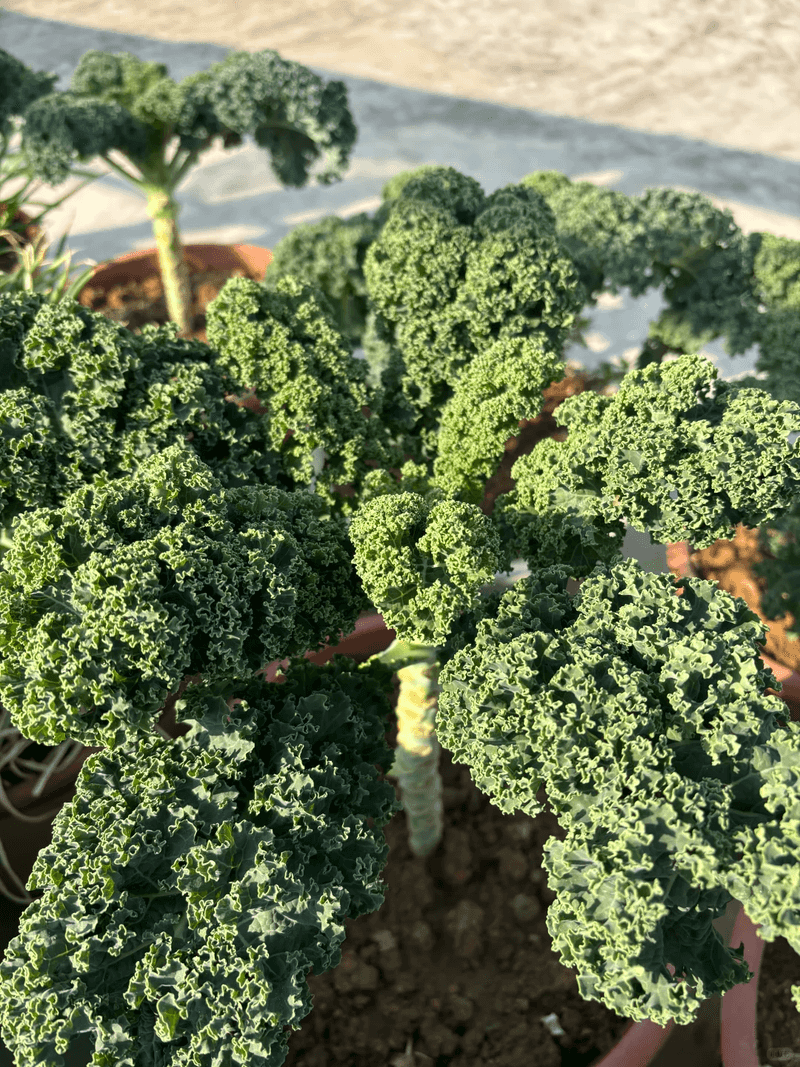
Walk through almost any California farmers market between October and April and kale is everywhere, piled high in deep greens and purples. Its reputation as a cool-season powerhouse is well earned, but kale is also more adaptable than many gardeners realize.
With the right variety and some light protection, it can produce leaves across a surprisingly wide range of conditions.
Lacinato kale, sometimes called dinosaur kale, is a reliable choice for California coastal gardens where temperatures stay mild through winter.
Red Russian kale tends to be slightly more heat-tolerant, making it a reasonable option for gardeners in the Central Valley or inland Southern California who want to push the season a bit further into spring.
Kale plants can stay productive for many months if you harvest outer leaves regularly rather than pulling the whole plant. New growth continues from the center, which means one planting can supply your kitchen for an extended stretch.
Your California Garden Changes Every Week. Your Plan Should Too.
Gardening in California changes quickly throughout the season. Every Friday you’ll receive a simple weekly plan showing exactly what to plant, prune, fertilize, harvest, and protect so you never miss the right timing.
Keeping the soil consistently moist and adding a layer of mulch helps regulate soil temperature during warmer spells.
In California’s warmest inland regions, kale planted in late summer will establish before temperatures drop and then produce heavily through winter. Coastal gardeners often find kale nearly year-round with minimal intervention.
Starting seeds every six to eight weeks keeps young plants coming in as older ones slow down.
3. Swiss Chard Keeps Producing Across Multiple Seasons
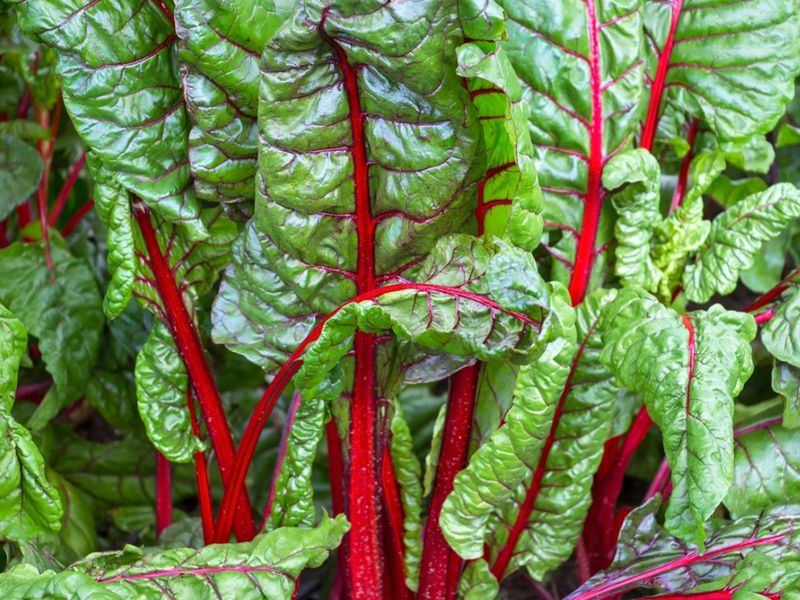
There is something satisfying about a crop that refuses to quit, and Swiss chard has that quality in abundance. Unlike many leafy greens that bolt quickly in heat or collapse at the first frost, chard holds its ground across a broad temperature range.
California gardeners across the state tend to appreciate this reliability when other crops struggle with seasonal transitions.
Chard grows well in both cool and warm conditions, tolerating temperatures from the upper 20s up through the mid-80s Fahrenheit. This range covers a wide slice of California’s climate calendar, especially in coastal and inland valley regions.
In areas like the Central Coast or the Bay Area, a single planting can produce usable leaves for six months or more with regular harvesting.
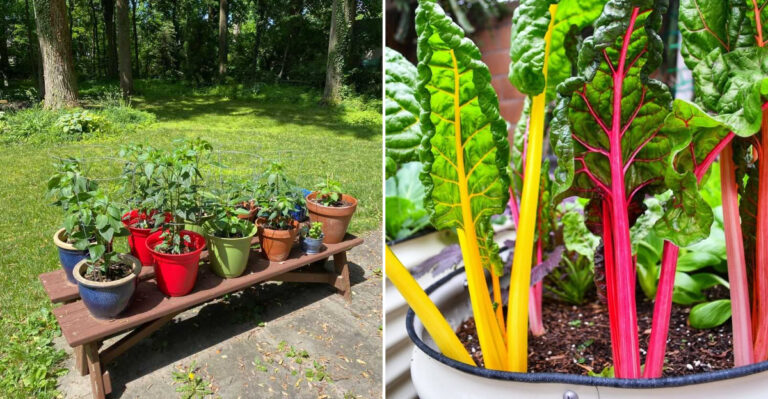
Varieties like Rainbow Chard and Fordhook Giant are popular with California home gardeners for their combination of productivity and visual appeal.
Planting in early spring and again in late summer gives two strong production windows with a possible overlap in mild-climate zones.
Spacing plants about 12 inches apart gives each one enough room to develop full-sized stalks.
Consistent watering is important during dry summer months, especially in inland areas where heat can stress plants quickly. Mulching around the base conserves moisture and keeps roots cooler.
Harvesting outer leaves regularly encourages the plant to keep pushing out new growth from the center, extending the productive life of each plant considerably.
4. Arugula Grows Fast And Fits Between Seasonal Crops
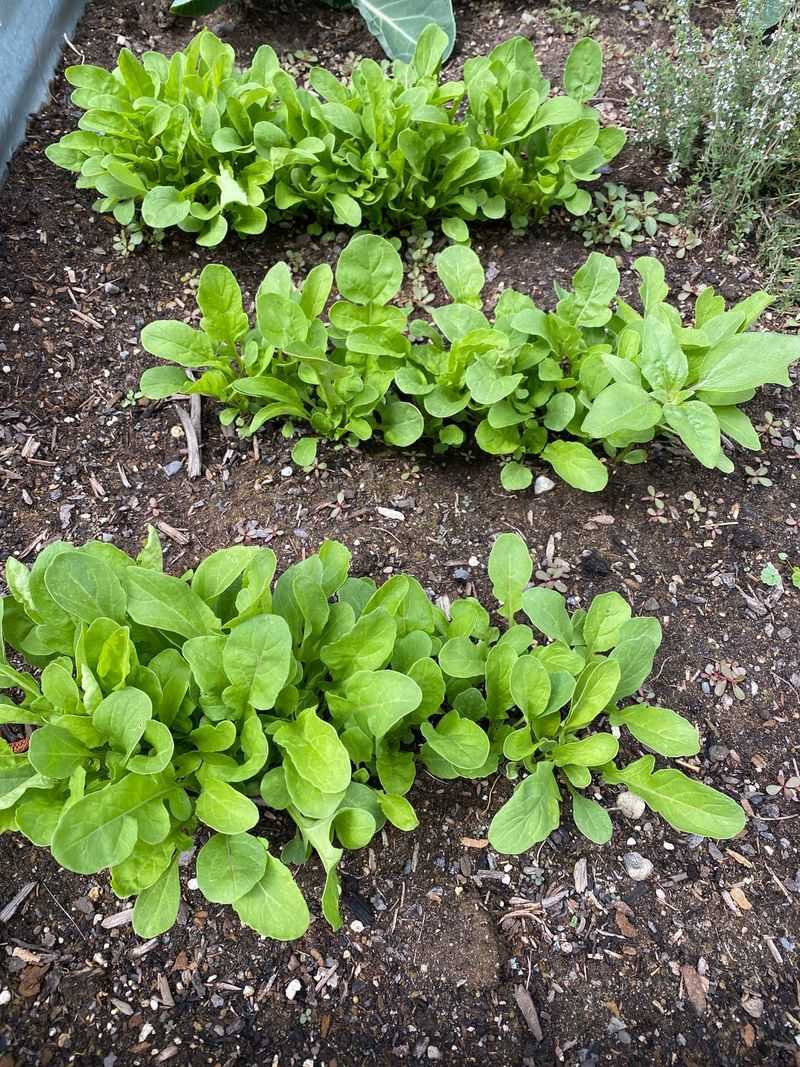
Gardeners who hate empty beds between main crops often discover arugula as a solution that actually tastes good.
This fast-growing green can go from seed to harvest in as few as 21 to 40 days, making it one of the quickest crops available to California gardeners looking to fill seasonal gaps.
Its peppery flavor also makes it a standout at the dinner table.
Arugula thrives in cool weather, which means fall, winter, and early spring are its strongest seasons across most of California. Coastal regions can often grow it through summer with some afternoon shade to slow bolting.
Inland areas are better served by planting in September through November and again in late February through April, working around the hottest and coldest extremes.
Because arugula bolts relatively quickly when temperatures climb, succession planting every two weeks is a smart strategy.
Small batches sown frequently keep a continuous supply going without the frustration of watching an entire planting go to seed at once.
Even the flowers are edible, so a plant that has started to bolt is not a total loss.
Arugula needs very little space and does well in containers, making it accessible for California gardeners with limited ground area. Thin seedlings to about six inches apart for best leaf production.
Light, consistent watering keeps the leaves tender and reduces the sharpness that can develop under dry or hot stress conditions.
5. Green Onions Grow Steadily Throughout The Year
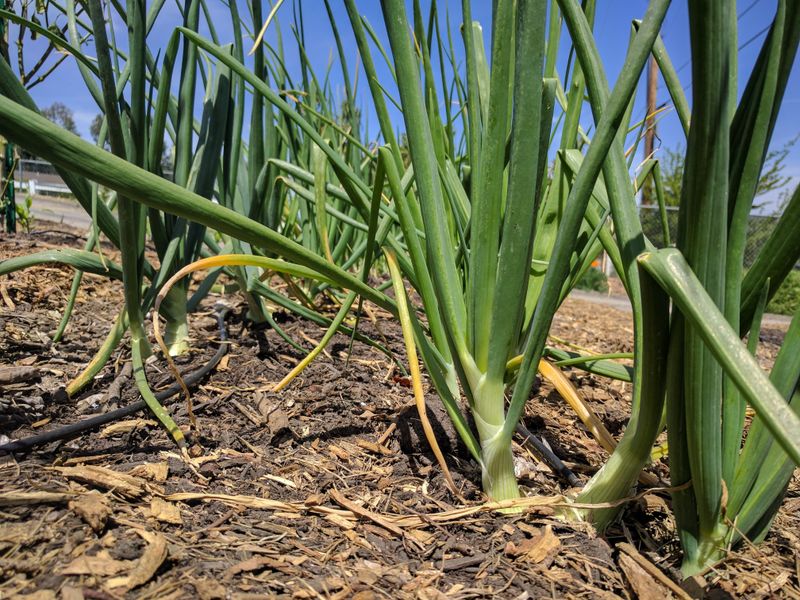
Sometimes the most useful crops in a California garden are not the dramatic ones but the quiet workhorses that show up in nearly every meal. Green onions fit that description well.
They ask for very little space, grow at a steady pace, and can be harvested partially without uprooting the whole plant, which makes them one of the most practical year-round options available.
In most of California, green onions can be planted in the ground or in containers during any month of the year. Coastal regions with mild winters and moderate summers offer especially consistent conditions.
Inland areas may see slower growth during the coldest weeks of winter or the hottest stretches of summer, but plants generally survive and resume normal growth as temperatures moderate.
Varieties like Evergreen Hardy White and Tokyo Long White are well-suited to California’s range of conditions. Sowing seeds directly into the soil about a quarter inch deep and thinning to two inches apart gives plants enough room without wasting space.
Transplanting seedlings started indoors is also a reliable option for getting a jump on the season.
Harvesting green onions by snipping the tops a few inches above the soil allows regrowth from the base. This cut-and-come-again approach can keep a single planting productive for several weeks.
Staggering new sowings every three to four weeks fills in any gaps and ensures a continuous supply without overwhelming the kitchen all at once.
6. Radishes Offer Quick Harvests In Any Season
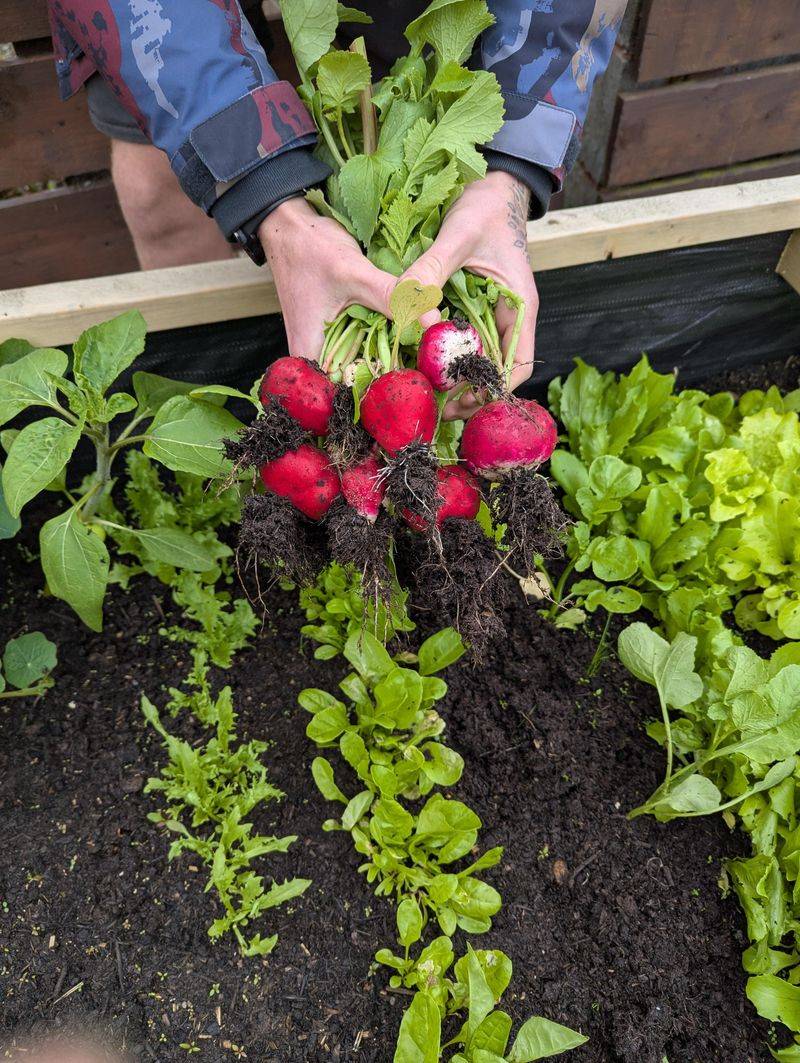
Impatient gardeners and beginners alike tend to fall for radishes quickly, and it is easy to understand why. Some varieties are ready to pull in as few as 22 days from sowing, making them one of the fastest crops in the California garden.
Beyond speed, radishes serve as excellent space fillers between slower-growing crops and can be tucked into almost any open patch of soil.
Spring radishes like Cherry Belle and French Breakfast are well-suited to California’s cooler months, typically from late summer through early spring in most regions.
Daikon and other winter radish types handle colder temperatures and take longer to mature, making them a good choice for fall plantings in inland valleys and foothill areas where frosts are more common.
One of the most common mistakes with radishes is planting too many at once and ending up with more than you can use before they become pithy and hollow.
Sowing small amounts every 10 to 14 days solves this problem and keeps the harvest manageable and fresh.
Radishes prefer loose, well-draining soil, and rocky or compacted ground can cause misshapen roots that are harder to eat.
In California’s coastal regions, radishes can be planted in nearly every month with just minor adjustments for the hottest weeks of summer. Consistent moisture is important because uneven watering leads to cracking.
Keeping the bed mulched helps retain soil moisture and reduces the temperature fluctuations that can stress roots during transitional seasons.
7. Carrots Grow Well With Staggered Planting
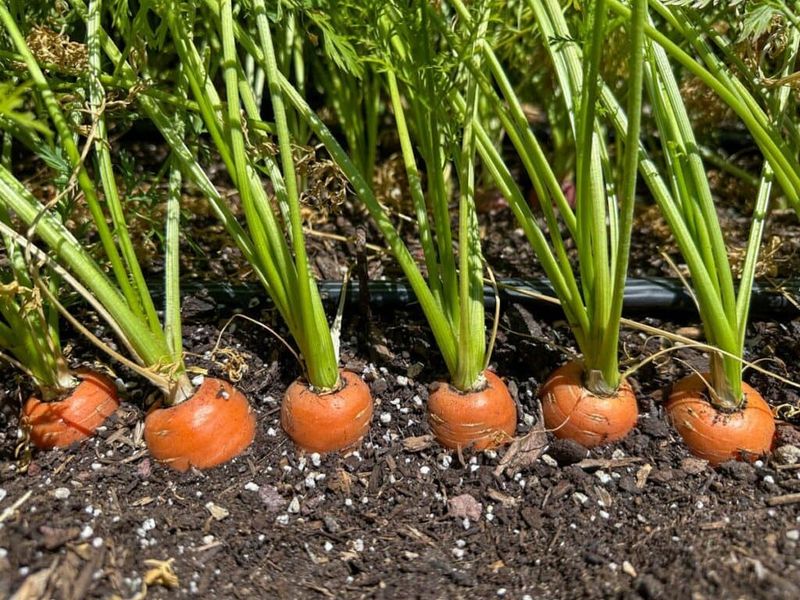
Pulling a carrot straight from the ground and eating it on the spot is one of those small gardening pleasures that never gets old. California happens to be one of the top carrot-producing states in the country, and for good reason.
The combination of loose, well-draining soils in places like the Salinas Valley and the state’s relatively mild temperatures creates conditions that suit carrots across multiple seasons.
Carrots are a cool-season crop, which means they perform best when soil temperatures are between 55 and 75 degrees Fahrenheit.
In coastal California, this window stretches through much of the year, allowing plantings from late summer all the way through early spring.
Inland gardeners work best planting in late summer for fall harvests and again in late winter for spring harvests, avoiding the peak heat of summer.
Staggered planting every three to four weeks spreads out the harvest and prevents the frustration of having too many mature carrots at once. Carrots need deep, loose soil free of rocks and hard clumps to develop straight, smooth roots.
Raised beds filled with a light, amended mix are a practical solution for California gardens where native soil tends to be heavy clay or compacted.
Thinning seedlings to about two inches apart is one of the most important steps for getting full-sized roots. Crowded carrots stay small and forked.
Consistent moisture from germination through harvest keeps roots smooth and reduces the likelihood of cracking or splitting when rains arrive suddenly after dry spells.
8. Beets Adapt To Different Seasons With Proper Timing
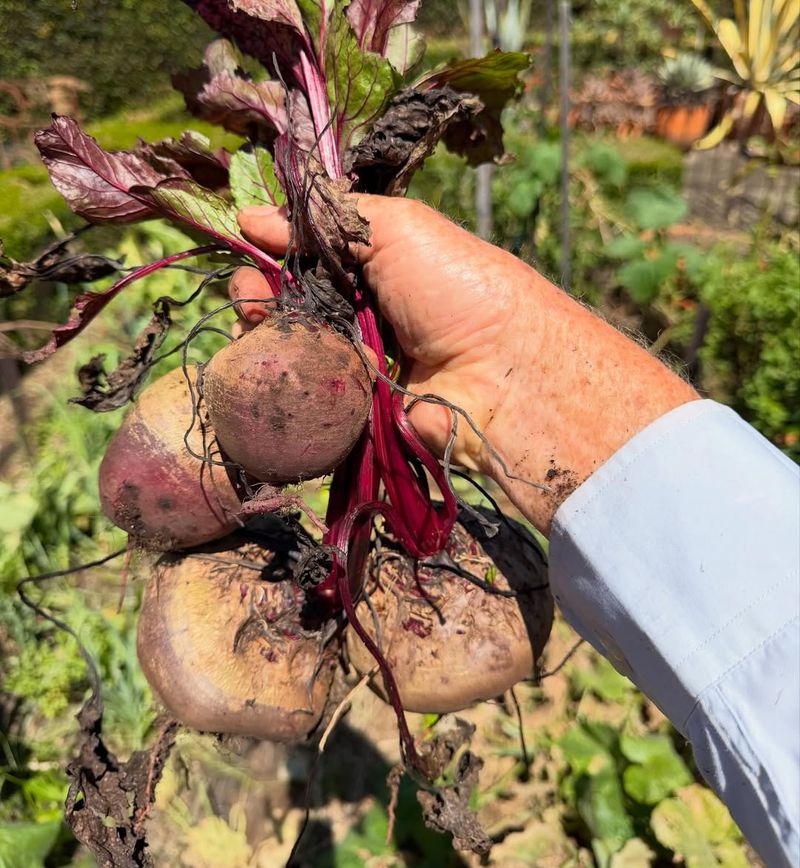
Beets tend to be underestimated by home gardeners, often overshadowed by flashier vegetables, but they offer something genuinely useful: both the roots and the greens are edible.
That dual-purpose quality makes every square foot of bed space work twice as hard.
In California, beets slot comfortably into a year-round growing plan when planted with seasonal timing in mind.
Beets are a cool-season crop that handles light frost reasonably well, making them a strong candidate for fall and winter plantings across most of California. In coastal areas, beets can be sown from late summer through early spring with good results.
Inland gardeners typically find the best success with fall plantings that mature through winter and early spring plantings that finish before summer heat sets in.
Varieties like Detroit Dark Red and Chioggia are reliable performers in California gardens. Direct sowing is the standard approach since beets do not transplant easily.
Each beet seed is actually a cluster of seeds, so thinning to about three to four inches apart after germination is necessary for developing full-sized roots. Skipping this step leads to crowded, stunted plants.
Beet greens can be harvested lightly throughout the growing period without harming root development, which adds extra value to each planting.
Keeping soil moisture consistent prevents woody or tough roots, which sometimes develop when plants experience irregular watering.
A side dressing of compost midway through the season supports steady growth and improves overall root quality at harvest time.