Stunning No-Mow Lawn Ideas Using Ground Covers In California
A traditional lawn has its own classic charm, but ground covers can open the door to a whole different kind of beauty. They bring texture, color, and personality in a way that feels fresh and a little unexpected.
Instead of one flat look across the yard, you get layers, movement, and those little details that make people slow down and take a second look.
That is what makes no-mow lawn ideas so much fun in California. Ground covers can create a soft green carpet, spill between pavers, brighten sunny spaces, and make the whole yard feel more designed without looking stiff or overworked.
Some stay neat and simple, while others add flowers or interesting foliage that give the landscape extra life. The effect can feel relaxed, polished, and full of character all at once.
Once these plants start filling in, the yard takes on a whole new mood, and suddenly the idea of a lawn looks a lot more creative than expected.
1. Dune Sedge
Picture a plant that looks like a perfectly trimmed lawn but never needs a mower. That is exactly what Dune Sedge delivers.
Native to the California coast, this low-growing grass-like plant forms a soft, dense mat that stays green without much help from you.
Dune Sedge grows well in both sun and shade, which makes it super flexible for different yards. It handles drought surprisingly well once it gets established.
This makes it a smart pick for California homeowners who want to cut back on watering bills.
It spreads slowly and steadily, filling in gaps over time without becoming invasive. You can walk on it lightly, making it functional as well as pretty.
Planting it along pathways or under trees gives your yard a natural, finished look.
When planting Dune Sedge in California, space the plants about one foot apart. Water them regularly during the first season to help roots settle in.
After that, rainfall and occasional watering are usually enough to keep it thriving and looking its best year-round.
2. California Field Sedge
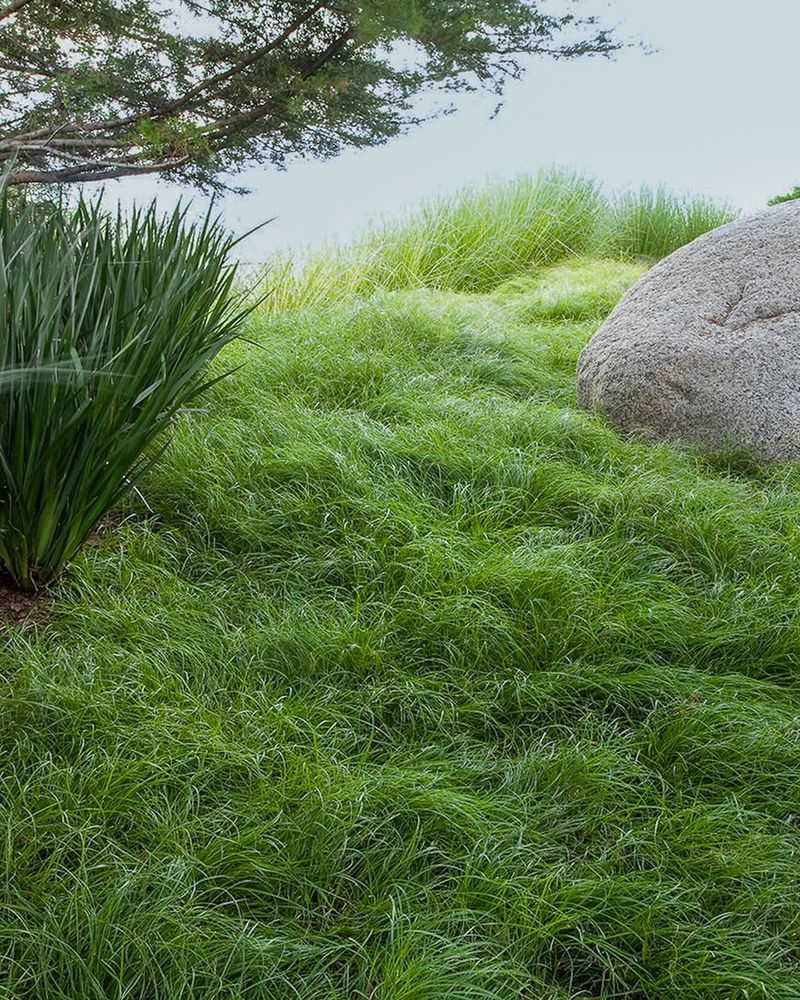
Not all ground covers love the sun, and that is where California Field Sedge really shines. This native plant thrives in shady spots where other plants struggle to survive.
If you have a yard with lots of trees or areas that rarely see direct sunlight, this one is worth your attention.
California Field Sedge stays low, usually only reaching about six to eight inches tall. It has a soft, fine texture that gives your yard a natural, meadow-like feel.
Many California gardeners love it because it blends beautifully with native plants and local wildlife.
One of the best things about this plant is how little water it needs once established. In many parts of California, it can survive on rainfall alone during the cooler months.
That means fewer trips to the hose and more time enjoying your yard.
It also supports local ecosystems by providing shelter for small insects and birds. Planting California Field Sedge is a great way to create a yard that feels alive and connected to nature.
Your California Garden Changes Every Week. Your Plan Should Too.
Gardening in California changes quickly throughout the season. Every Friday you’ll receive a simple weekly plan showing exactly what to plant, prune, fertilize, harvest, and protect so you never miss the right timing.
Start with healthy plugs and give them a season to settle before stepping back and watching them fill in beautifully.
3. Yarrow
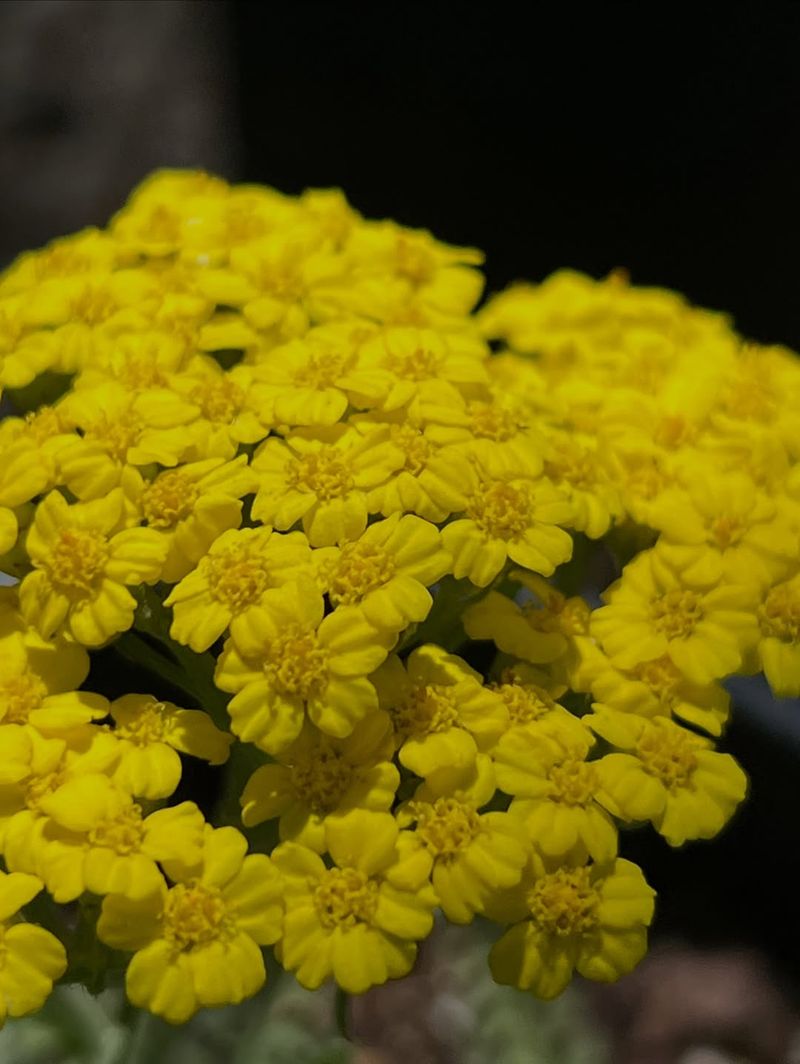
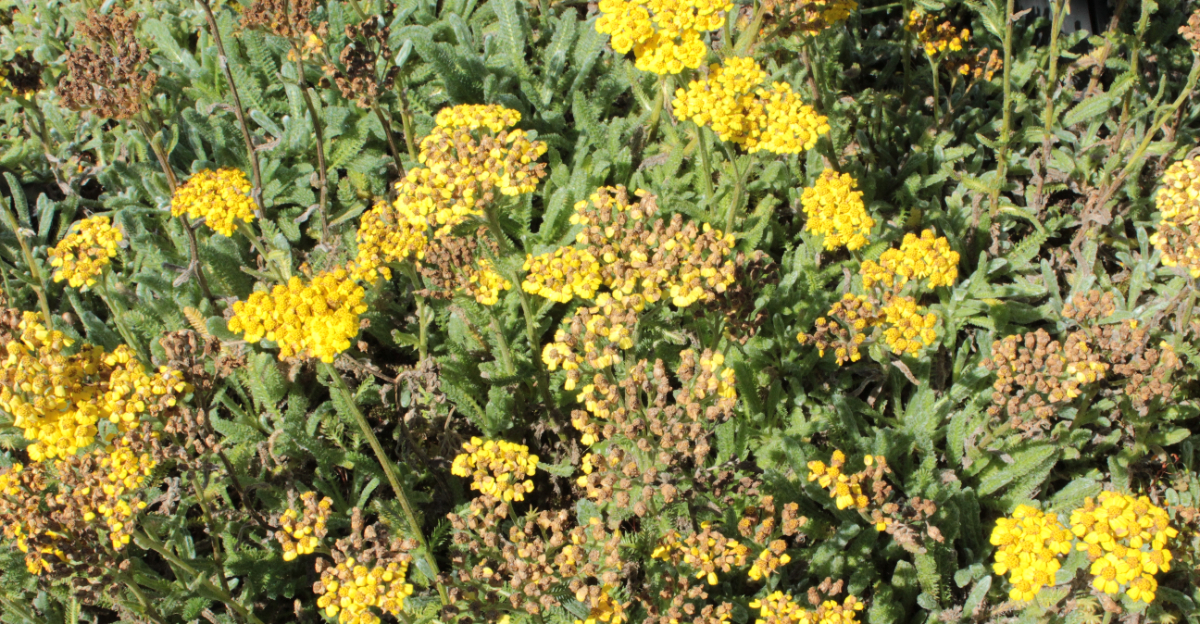
Yarrow has been growing wild across California for thousands of years, and it is easy to see why it has stuck around. This tough, cheerful plant produces clusters of tiny flowers in white, yellow, or pink, bringing color to your yard without much effort on your part.
It grows well in full sun and poor soil, which is great news for California homeowners dealing with dry, sandy, or clay-heavy ground. Yarrow is highly drought-tolerant once established, making it a natural fit for water-conscious gardening in the state.
Beyond its good looks, Yarrow is a pollinator magnet. Bees and butterflies flock to its flat-topped flower clusters throughout the warmer months.
Having it in your yard helps support local wildlife in a simple but meaningful way.
Yarrow spreads through both seeds and underground roots, so it fills in bare spots fairly quickly. It stays low enough to skip regular mowing, though a light trim after flowering keeps it looking neat.
For California yards that need color, toughness, and eco-friendly appeal all at once, Yarrow checks every single box without asking for much in return.
4. Kinnikinnick
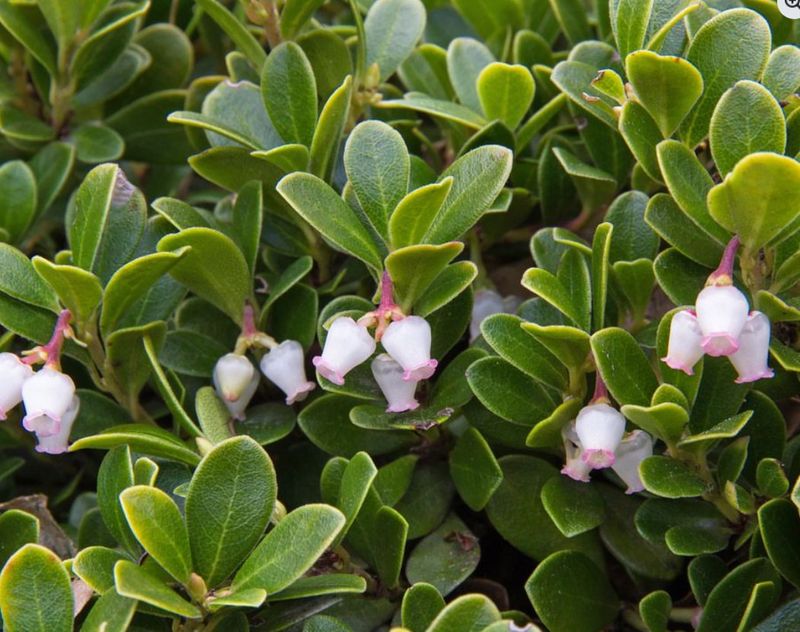
Some plants are quietly spectacular, and Kinnikinnick is one of them. Also known as Bearberry, this low-growing evergreen shrub hugs the ground and spreads out in a slow, graceful way.
Its glossy green leaves stay vibrant all year, even through California’s dry summers.
Kinnikinnick produces small, waxy pink flowers in spring, followed by bright red berries in fall. Birds absolutely love those berries, so planting this ground cover is like setting up a natural feeding station in your yard.
It is a win for you and for local wildlife at the same time.
It thrives in well-drained, slightly acidic soils and prefers full sun to partial shade. Once established, it handles drought very well, which fits perfectly into California’s water-saving gardening goals.
It is also a great choice for slopes and hillsides where erosion can be a problem.
Kinnikinnick grows slowly, so patience is key during the first year or two. But once it takes hold, it requires very little attention.
No mowing, minimal watering, and no fertilizer needed. For a ground cover that is both beautiful and hardworking, Kinnikinnick earns its place in any California landscape with ease.
5. Groundcover Ceanothus
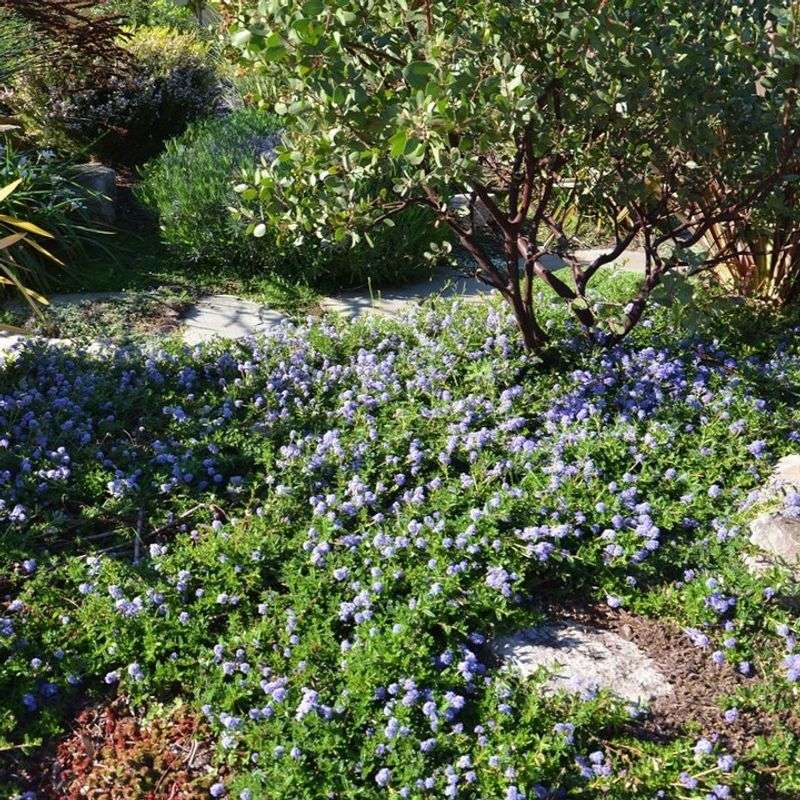
Few ground covers make a statement quite like Groundcover Ceanothus. When it blooms in spring, it explodes with clusters of vivid blue or purple flowers that stop people in their tracks.
It is one of the most eye-catching no-mow options available to California homeowners.
This plant is a California native, which means it is perfectly adapted to the local climate. It handles heat, dry summers, and poor soil without complaint.
Once established, it rarely needs watering beyond what nature provides, making it one of the most water-efficient choices for a no-mow yard.
Groundcover Ceanothus spreads wide but stays low, typically reaching only one to two feet in height. It works beautifully on slopes, along driveways, or as a lawn replacement in open, sunny areas.
The dense growth also helps suppress weeds naturally, which saves you even more time and effort.
Planting it is straightforward. Choose a sunny spot with good drainage and avoid overwatering, especially in the first winter.
Native bees and butterflies adore the flowers, adding life and movement to your yard every spring. For California gardens that want bold color with minimal upkeep, Groundcover Ceanothus is an outstanding choice worth considering seriously.
6. Woolly Yarrow
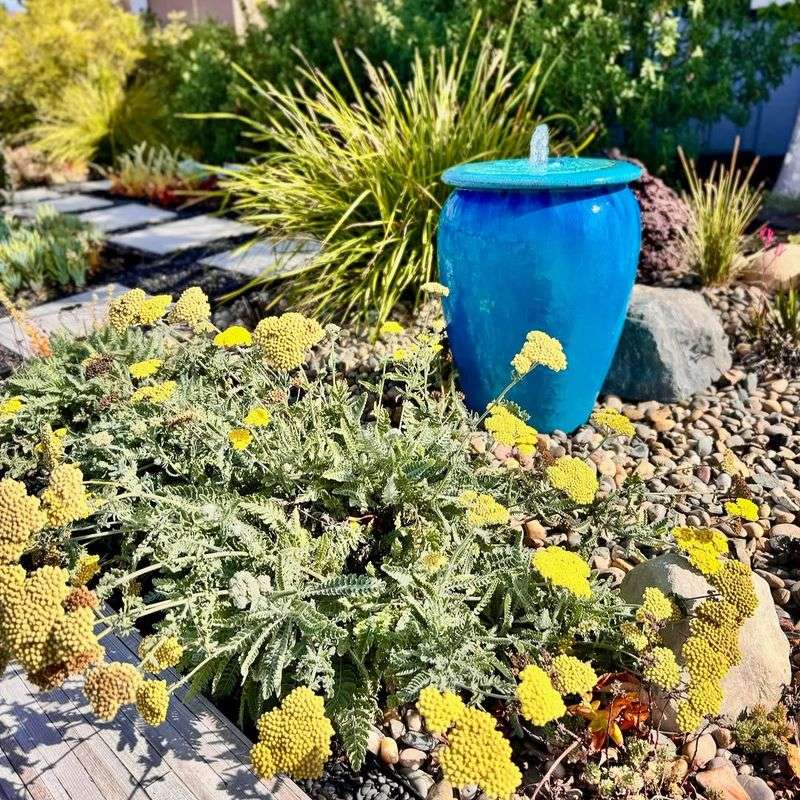
If regular Yarrow is impressive, Woolly Yarrow takes things up a notch. This low-growing variety has soft, feathery, silver-green leaves that feel almost like velvet when you touch them.
It forms a dense, cushiony mat that looks elegant even without flowers.
Woolly Yarrow is built for tough conditions. It thrives in full sun, handles rocky or sandy soil, and barely needs any water once it is established.
For California gardeners dealing with hot, dry summers, this plant is practically made for you.
When it blooms, it sends up short stems topped with bright yellow flower clusters. These flowers attract bees and other beneficial insects, adding a lively buzz to your yard during warmer months.
Even after the blooms fade, the silvery foliage keeps the yard looking interesting and textured.
It handles light foot traffic better than many ground covers, so you can still use your yard without worrying too much about damaging the plants. Woolly Yarrow spreads at a moderate pace, filling in gaps without becoming a problem.
It is a low-fuss, high-reward plant that suits California’s Mediterranean-style climate beautifully. Gardeners across the state swear by it for good reason.
7. California Oatgrass
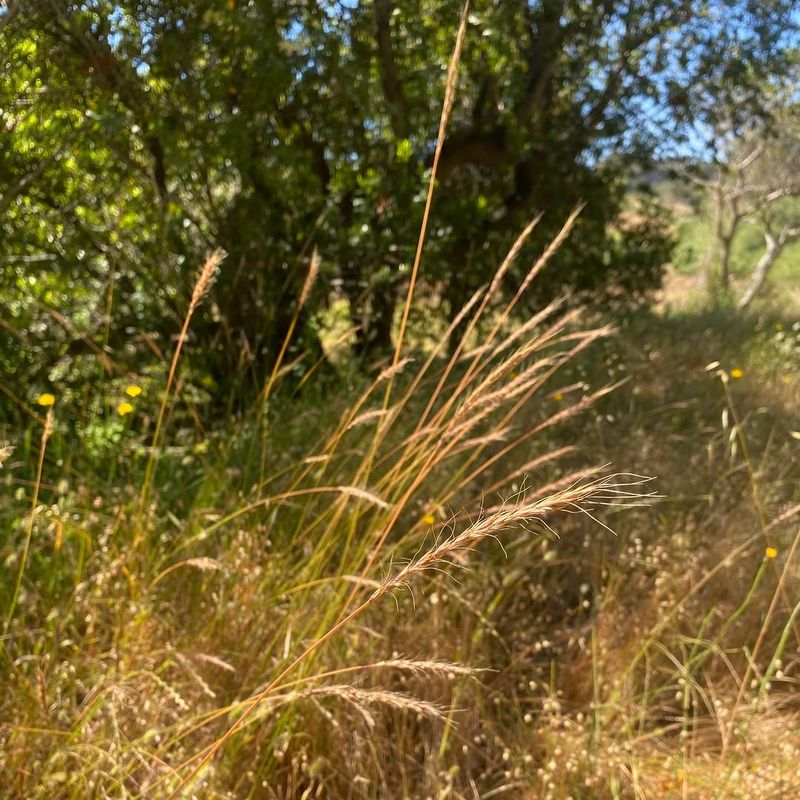
There is something calming about watching ornamental grass sway gently in the breeze, and California Oatgrass brings exactly that feeling to your yard. This native bunchgrass has slender, arching blades that move beautifully in the wind, giving your landscape a relaxed, natural look.
California Oatgrass grows in clumps and spreads gradually over time, making it a great option for creating a meadow-like lawn without any mowing required. It is well-adapted to a wide range of California climates, from coastal areas to inland valleys, which makes it a versatile pick.
It does well in partial shade and can handle both dry and occasionally moist soils. That flexibility is a big advantage in a state where conditions can vary so much from one yard to the next.
It also provides habitat for native birds and insects, supporting the local ecosystem in a meaningful way.
Planting California Oatgrass in drifts or clusters creates a natural, flowing look that feels connected to the surrounding landscape. It pairs well with other native plants like Yarrow and Ceanothus.
Once established, it needs very little care beyond an occasional trim in late winter to encourage fresh new growth each spring season.
8. Kurapia
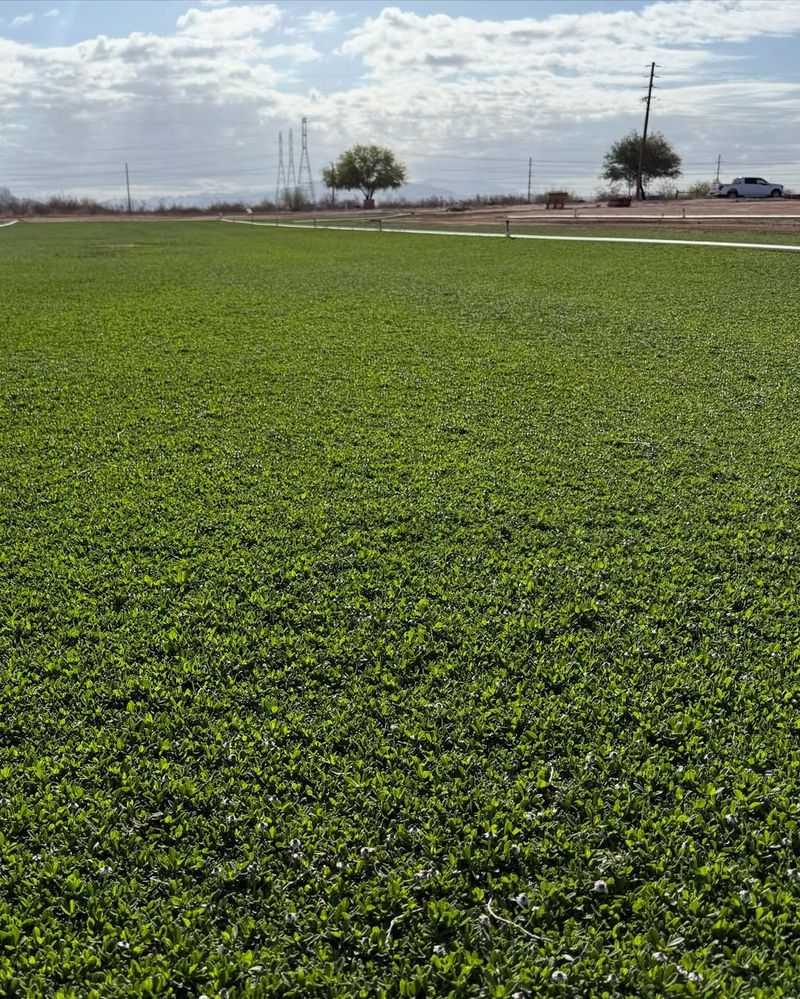
Kurapia is one of the newer stars of the no-mow lawn world, and California gardeners are quickly falling in love with it. This fast-spreading ground cover forms a thick, lush green carpet that looks almost like a traditional lawn but requires a fraction of the water and maintenance.
It was developed specifically for warm, sunny climates, which makes it a natural fit for many parts of California. Kurapia handles heat and drought remarkably well.
Studies have shown it can use up to 80 percent less water than traditional turfgrass, which is a big deal in a state that regularly deals with water restrictions.
Tiny white flowers appear throughout the growing season, adding a delicate, charming touch to the green mat. These flowers also attract pollinators, so your yard becomes a little more lively and eco-friendly at the same time.
It handles moderate foot traffic, so it works well in yards where people actually spend time outdoors.
Kurapia does not produce viable seeds, which means it will not spread beyond your yard or become a weed problem. It is sterile by design.
For California homeowners who want the look of a real lawn with far less effort and water use, Kurapia is a genuinely exciting option to explore.
9. Dymondia
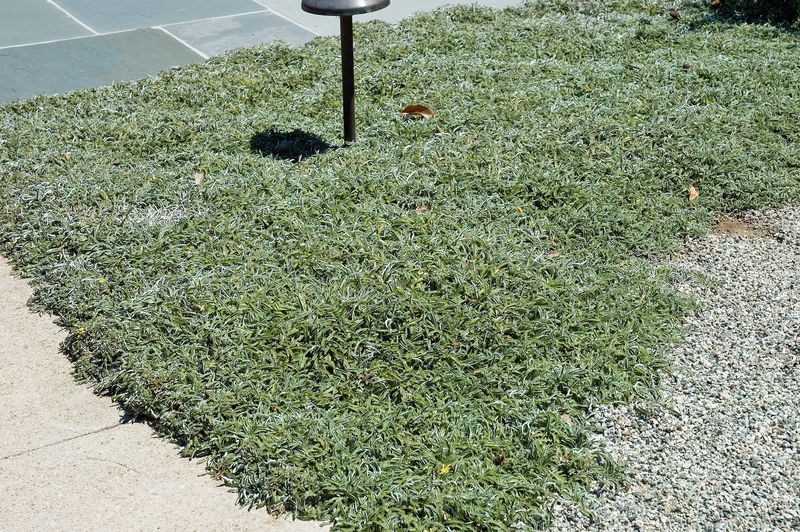
Compact, tough, and surprisingly pretty, Dymondia is a ground cover that punches well above its weight. It forms a tight, low mat of silvery-green leaves with white undersides that give the plant a two-toned, textured look.
In summer, small yellow daisy-like flowers pop up across the mat, adding a cheerful seasonal touch.
Dymondia is extremely drought-tolerant once established, which makes it a popular choice across Southern California and other dry regions of the state. It thrives in full sun and well-drained soil, and it handles heat without any complaints.
You rarely need to water it during dry summers once the roots are fully settled in.
One of the standout qualities of Dymondia is how well it handles foot traffic. It is one of the toughest low-growing ground covers available, making it practical for areas where people walk regularly.
It also grows slowly, which means less aggressive spreading and easier control over time.
Dymondia works beautifully between stepping stones, along pathways, or as a full lawn replacement in smaller yards. It rarely needs mowing and suppresses weeds effectively through its dense growth habit.
For California homeowners looking for a no-fuss, no-mow solution with real visual appeal, Dymondia consistently delivers excellent results every single season.