What California’s Cooling Soil In October Actually Means For Root Growth
October in California brings a quiet shift that many gardeners rarely notice. Mornings turn crisp, jackets come out, and leafy growth across the yard begins to slow.
Underground, though, the story unfolds on a very different schedule.
That hidden timeline shapes nearly every fall decision, from planting and watering to feeding and pruning. It also explains why some plants seem to stall while others quietly settle in.
Conditions vary widely between the foggy coast, the hot Central Valley, and chilly mountain towns, so each yard follows its own rhythm.
A few inches below the mulch, a busy season is already underway, and the plants that make the most of it often surprise everyone come spring.
Soil Cools Slower Than The Air
A dawn trip outside in October often calls for a jacket. A few inches down, though, the soil can feel noticeably milder, a split many gardeners miss by checking only the weather app.
Soil acts like a slow battery for heat. All summer, sunlight soaked into the ground, and that stored warmth leaks out gradually.
Air holds very little heat by comparison, so it swings warm and cold within a single day. Moist soil holds warmth even better, since water stores heat well.
Depth matters, too. The top inch can chill overnight, while soil several inches down changes much more slowly.
Most active roots live in that deeper, steadier zone. They often experience fall later than the gardener does, sometimes by a noticeable margin.
Location shapes the whole picture. Coastal gardens in places like Santa Cruz keep mild soil for a long stretch.
Inland valleys cool faster at night, and mountain gardens cool fastest of all. Mulch, sun exposure, and soil type also change the pace.
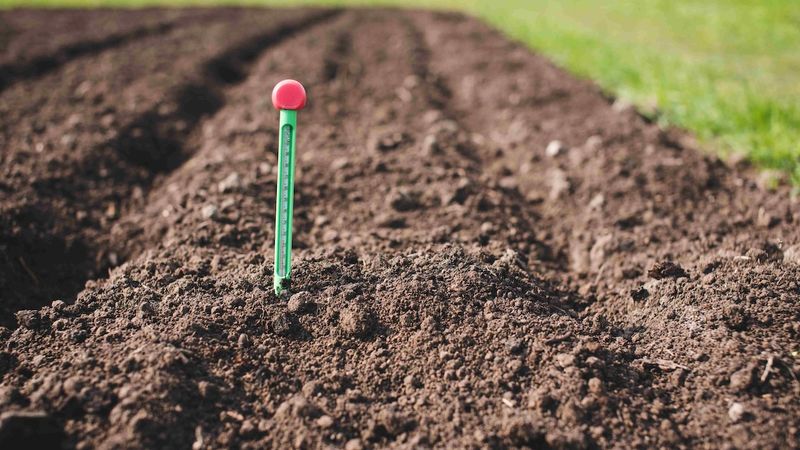
An inexpensive soil thermometer reveals real numbers for each yard. Morning readings at about four inches deep, taken a few times a week through October, show the garden’s personal rhythm.
That kind of record beats any generic chart, since no two yards cool at quite the same pace. A simple notebook log also makes next fall’s cooldown much easier to predict.
Roots Keep Growing While Soil Stays Mild
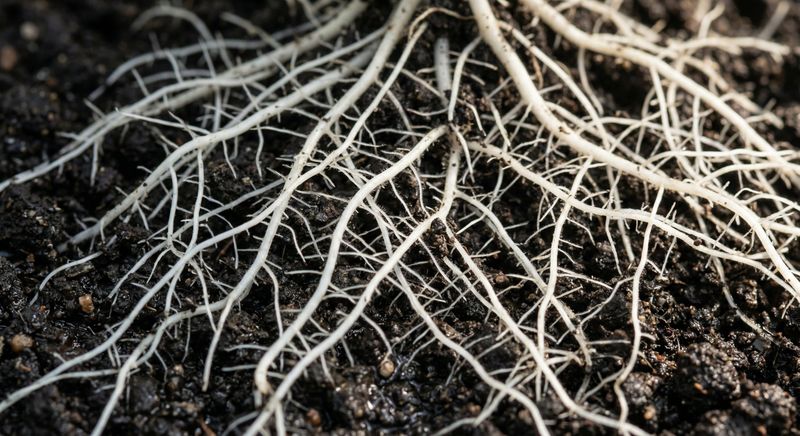
A young fall transplant lifted a few weeks after planting can reveal a surprise. Fresh white root tips often poke out well beyond the original root ball.
All that activity happened while the weather felt chilly above ground. Roots respond mainly to the temperature around them rather than the air overhead.
As long as soil stays mild enough for a given plant, its roots keep absorbing water, pulling in nutrients, and pushing outward. Growth slows gradually as the soil itself cools, rather than stopping on a set date.
Every plant has its own comfort range, so no single magic number applies. UC ANR guidance stresses that cool-season and warm-season plants respond very differently.
Charts offering one cutoff for everything deserve some skepticism. A few simple steps help roots keep working through the season.
Loosening compacted soil before planting lets new roots spread easily into fresh ground. A few inches of mulch slows nighttime cooling and holds moisture.
Your California Garden Changes Every Week. Your Plan Should Too.
Gardening in California changes quickly throughout the season. Every Friday you’ll receive a simple weekly plan showing exactly what to plant, prune, fertilize, harvest, and protect so you never miss the right timing.
Deep watering, rather than light sprinkles, encourages roots to travel downward. Heavy nitrogen feeding in fall is best skipped.
Pushing lush leaves now can leave tender growth exposed to frost. Healthy soil and steady moisture usually give roots everything they need until spring feeding resumes.
October works like a quiet underground construction season for many plants. The building crew stays busy, even when the site looks still from the street.
Top Growth Slows Before Roots Do
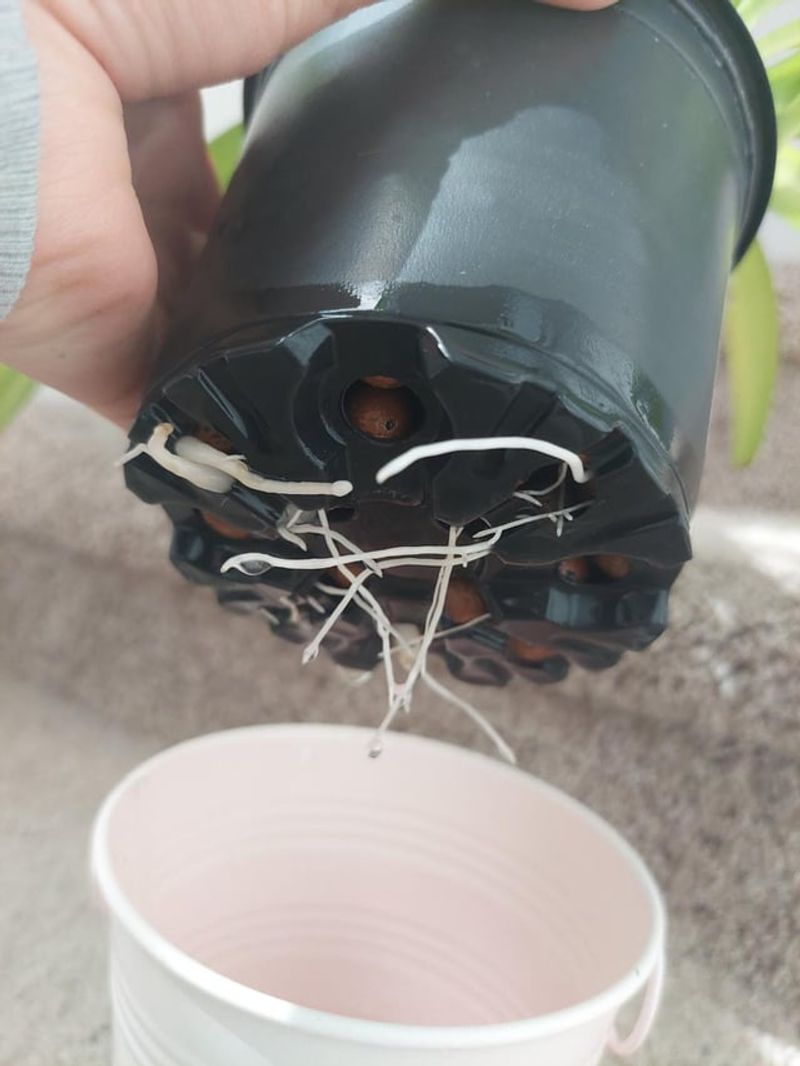
A rosemary that hasn’t produced a new shoot in weeks can look worrisome. A young oak that seems frozen in place raises similar doubts, though the real activity sits below the surface.
Leaves and stems react quickly to shorter days and cooler air. As daylight shrinks, many plants shift energy away from making new shoots.
Roots, meanwhile, sit in soil that remains comparatively mild. They keep working well after the top has slowed.
A store that closes its front counter but keeps the warehouse running offers a fitting comparison. Shoppers see nothing happening, while workers behind the scenes stock shelves for next season.
Gardeners sometimes misread the slowdown and reach for fertilizer or extra water. Both can backfire.
Extra nitrogen may push soft new growth that frost can damage. Overwatering a plant that uses less moisture can leave roots sitting in soggy soil, inviting rot.
Care works best when it matches what the plant is actually doing. Heavy pruning of frost-tender plants is best postponed, since cutting can trigger new shoots.
Soil moisture, rather than leaf growth, makes the better guide for watering decisions. Patience pays off here.
Plants that build strong roots during this quiet stretch often leap ahead when spring arrives. That calm green surface reflects a plant taking care of business underground, saving its big show for later.
A little trust in that process goes a long way this month.
Cool Soil Means Less Water Loss
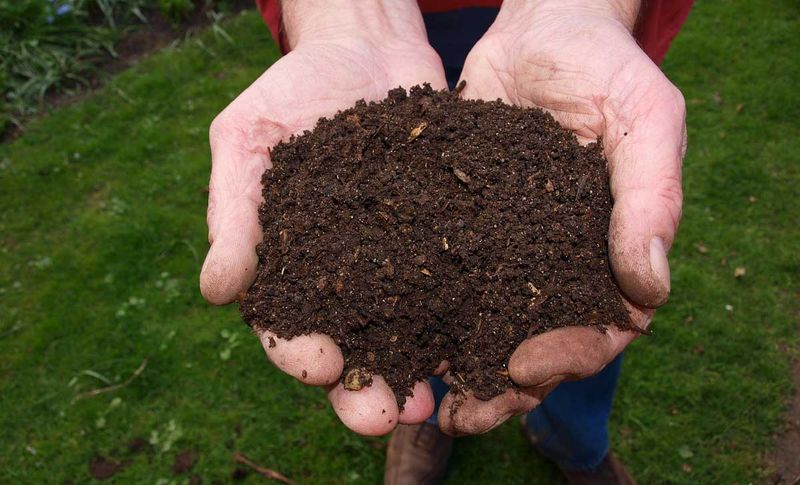
August often brought beds that dried out a day after watering. October offers a welcome change, with the same soil staying damp much longer.
Several forces ease up at once. Cooler air and soil slow evaporation from the ground, while shorter days and weaker sun reduce how much water leaves release.
Plants with slower top growth simply drink less. UC ANR irrigation guidance reflects this, recommending lower water amounts in fall than in midsummer.
An unchanged summer schedule is probably too much now. Running it can waterlog roots, waste money, and encourage fungal problems.
A finger or trowel pushed a few inches deep offers a quick moisture check before watering. Damp soil signals that the next session can wait.
Fewer timer runs work better than shallower ones. Deep, less frequent soaks still build the strongest roots.
CIMIS, the state’s free evapotranspiration data service, shows how much water plants are losing in each area. That information takes much of the guesswork out of scheduling.
Region matters again. Hot inland areas may still see warm, dry spells, along with Santa Ana or north winds that pull moisture out fast.
Coastal fog can cut water needs even further. A smart controller or a quick weekly check helps follow the weather instead of guessing.
Less loss doesn’t mean no loss, though. Plants still use water, just at a slower, more relaxed pace.
Fall Planting Rides This Root Window
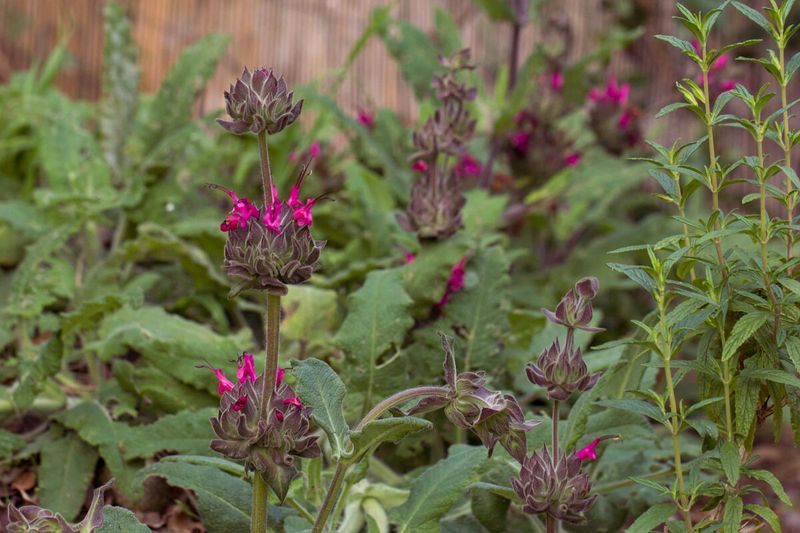
California native plant nurseries tend to give the same answer about the best planting time: fall. The reasoning behind that advice lives underground.
October planting lets new plants settle in while soil stays mild enough for roots to grow. Top growth is slowing, so the plant isn’t stretching itself thin feeding new leaves.
Energy can go into anchoring roots instead. Winter rains, once they arrive, help keep that young root system moist.
By spring, a fall-planted shrub enjoys a real head start. Its roots are already reaching outward when warm weather returns.
That early growth helps it handle summer heat far better than a shrub planted in May. UC ANR and CNPS both point to fall as a prime window for many trees, shrubs, and California natives.
Timing still matters. Planting early enough gives roots several weeks before the soil turns too cold.
Mountain and high desert gardens need an earlier start than coastal ones.
A hole about as deep as the root ball and wider than it gives roots room to spread. Gently loosening circling roots before setting the plant in helps, too.
A thorough watering right after planting matters, even with rain in the forecast. Keeping the root zone evenly moist until rains become reliable finishes the job.
Fall planting comes down to matching a plant’s schedule to the ground’s schedule, getting to the root of the matter before summer.
Warm Season Plants Slow Down First
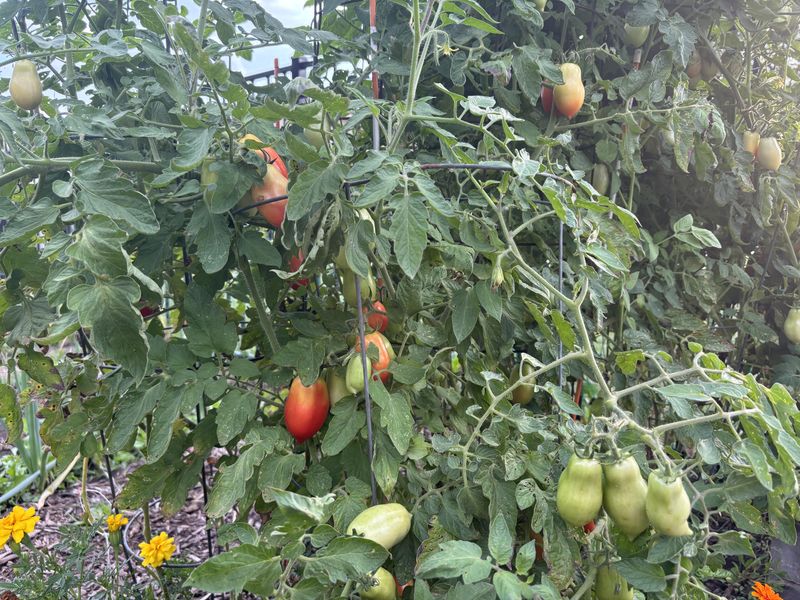
Green tomatoes clinging to the vine in late October aren’t being stubborn. They’re responding to cooler soil and air that signal the end of summer.
Warm-season crops like tomatoes, peppers, squash, eggplant, basil, and melons evolved for heat. Their roots prefer warm soil and slow down sooner as the ground cools.
Growth, flowering, and ripening all drag. Basil often sulks first, darkening and dropping leaves as nights turn chilly.
Exact cutoffs vary by crop and variety, and UC ANR vegetable guides treat warm-season and cool-season crops quite differently. Watching plants for signs of slowing works better than chasing one number.
Harvest comes first during the wind-down. Tomatoes showing a blush of color can finish ripening indoors at room temperature.
Fertilizer for summer crops is best set aside now, since they can’t use the boost well. Watering can ease off as plants use less, while still keeping soil from going bone dry during picking.
A summer plant that stops producing can be pulled, with healthy material headed to the compost pile. That clears space for winter greens and offers a chance to refresh the soil.
Inland valleys may see warm-season crops fade earlier because nights cool quickly. Frost-free coastal gardens can sometimes keep peppers going longer.
Either way, the end of summer crops opens the door for a whole new harvest. The transition works more like a seasonal shift change than a loss.
Cool Season Roots Keep Going Longer
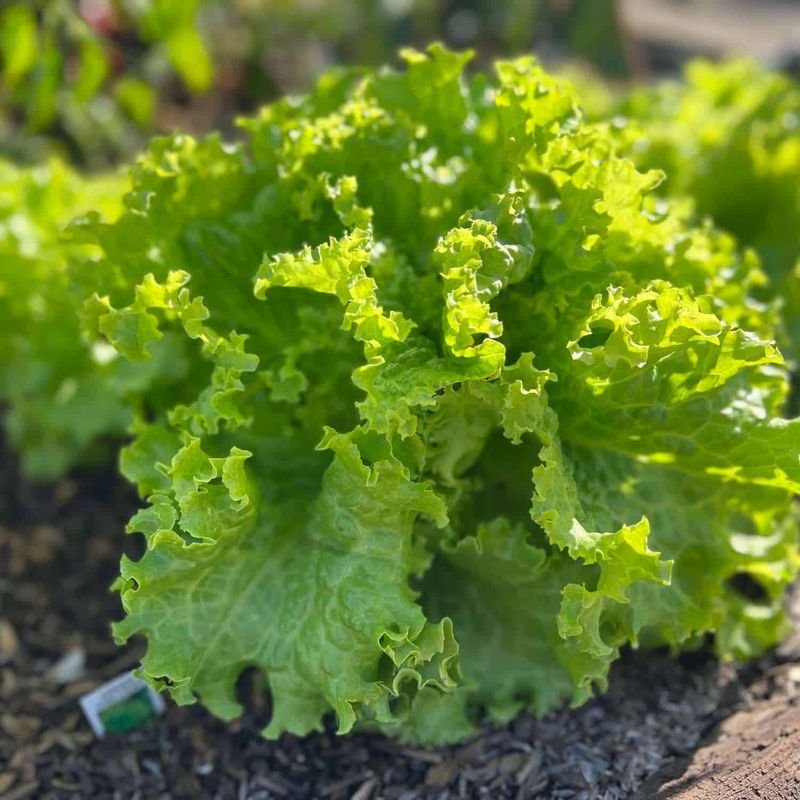
Kale, lettuce, and garlic seem to shrug at chilly nights. While summer crops fade, these tough characters often look happier than ever.
Cool-season plants are built for lower temperatures. Their roots keep working in soil that would stall a tomato.
Broccoli, cabbage, spinach, peas, carrots, beets, onions, and garlic can keep growing roots and leaves through much of a mild California winter.
Many California native plants also keep rooting through the cool, rainy months, which helps explain why fall planting suits them.
Cooler soil still slows them eventually, just later and more gently. In colder mountain areas, growth may nearly pause in deep winter.
Along the coast and in Southern California, winter can be prime growing time. Timing makes the biggest difference.
Cool-season vegetables started in late summer to early fall get roots established before the coldest stretch. UC ANR planting guides and local nurseries help fine-tune dates, since timing shifts a lot by region.
Garlic and onions planted in fall typically reach harvest the following late spring or summer. Transplants for broccoli and cabbage help gardeners running a little late.
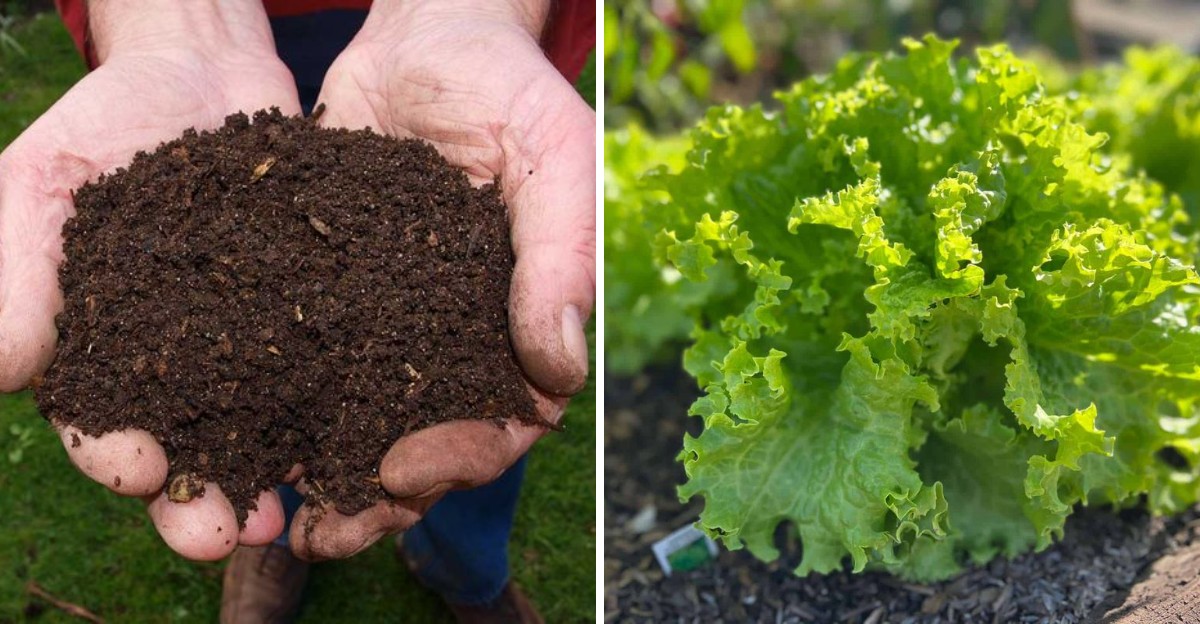
Compost mixed into beds before planting helps roots spread through crumbly soil. A light mulch between rows evens out soil temperature swings.
Carrots make a fun case. Many gardeners find they taste sweeter after cool weather, as the plant stores sugars.
A winter carrot becomes a treat well worth digging for.