Do This To Confederate Jasmine In Georgia For Better Blooms Next Spring
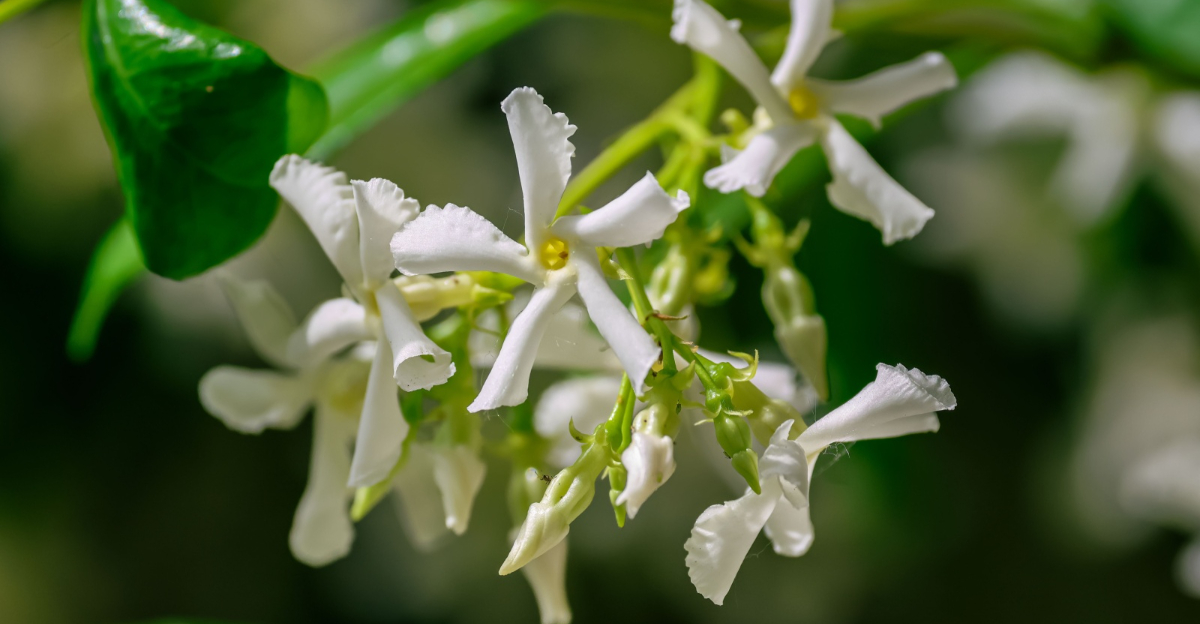
Confederate jasmine is the kind of plant that makes visitors stop and ask what that incredible smell is, and Georgia gardeners who grow it know exactly what they have.
Spring blooms, sweet fragrance drifting across the porch, the whole experience is genuinely lovely.
And then summer shows up and the vine decides it has places to be.
Georgia’s warm early summer weather and humidity encourage fast, vigorous new growth that can turn a neatly trained trellis into something resembling a green takeover operation if you’re not paying attention.
June is actually a really useful moment to step in, because light pruning and some simple training right after the blooms fade can make a meaningful difference in how well the vine performs next spring.
A little effort now, a much better show later. Pretty good trade-off honestly.
1. Prune After Spring Flowers Fade
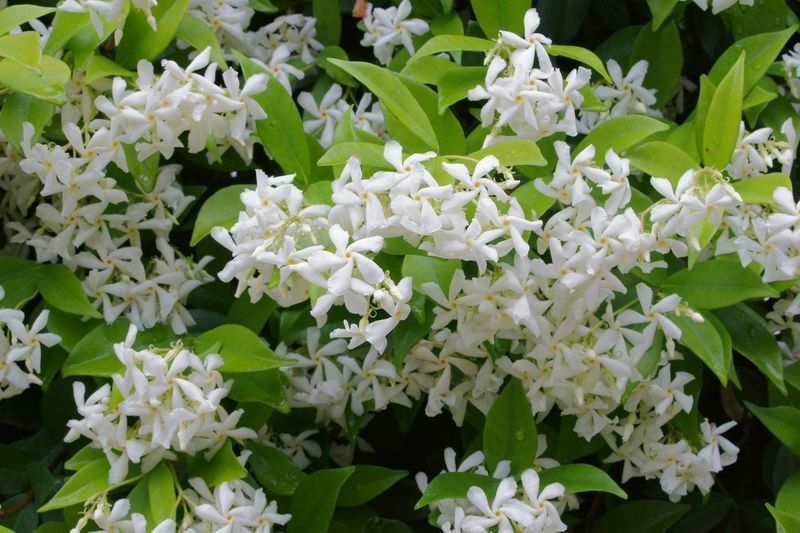
When the last white blossoms drop from the vine and the sweet scent starts to fade, that moment signals the most important pruning window of the year for Confederate jasmine in Georgia.
Cutting back lightly right after bloom – rather than waiting until late summer or fall – protects the new growth that will carry next spring’s flowers.
Many homeowners miss this timing and end up shearing the vine in August, which removes the very stems that would have bloomed.
Confederate jasmine sets its flower buds on growth that develops after the current season’s bloom. If you wait too long to prune, you risk cutting off that bud-bearing wood before it has a chance to mature through the rest of summer and into fall.
June pruning respects that growth cycle and works with the vine rather than against it.
In Georgia, spring flowering typically wraps up by late April or May, giving gardeners a clear signal to act.
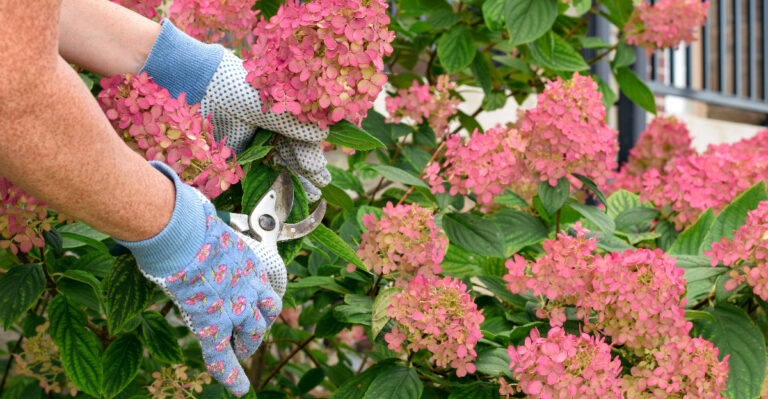
Use clean, sharp hand pruners to remove spent flower stems and any awkward branches that are sticking out past the plant’s intended shape.
Keeping cuts light and purposeful, rather than going after the whole vine at once, is the key to protecting next year’s bloom potential while still keeping things looking neat and well-managed in the landscape.
2. Train New Vines Onto Strong Support
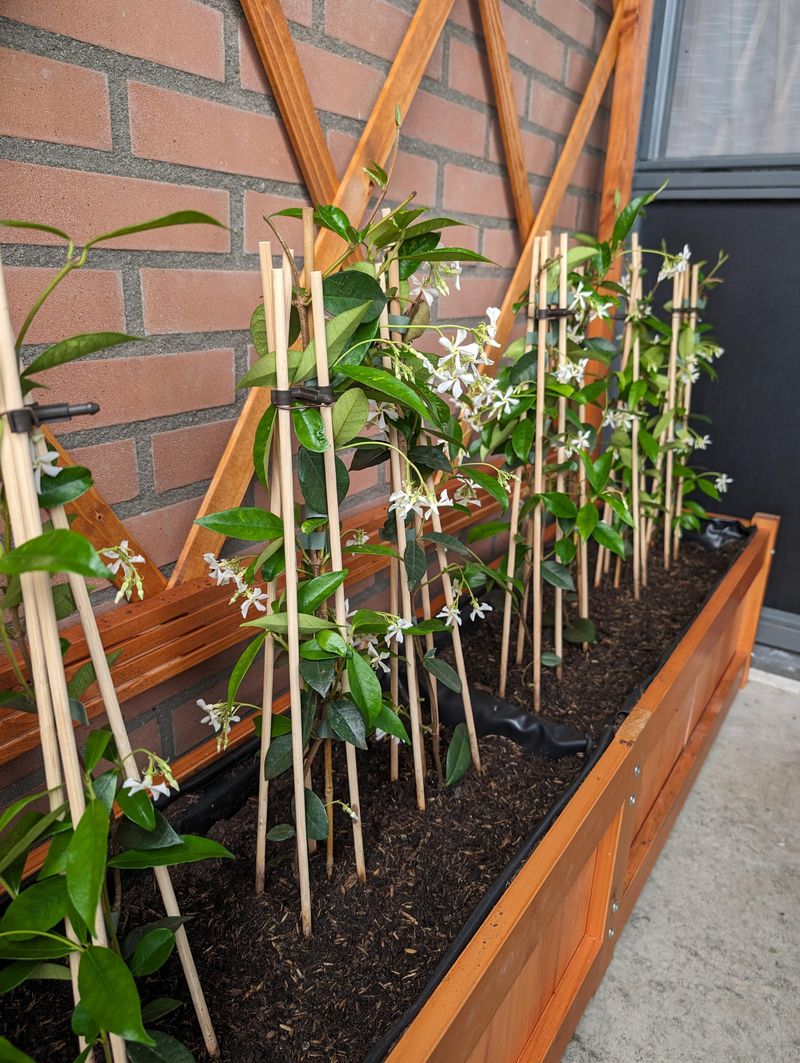
Fast-growing vines have a way of heading wherever they please, and Confederate jasmine is no exception.
After flowering wraps up in Georgia, the plant throws out vigorous new shoots that can sprawl across walkways, climb into nearby shrubs, or hang loosely off a fence without any real direction.
Training those new stems onto a trellis, arbor, or porch post while they are still young and flexible keeps the plant organized and looking intentional rather than wild.
Young stems bend easily and can be guided into position without snapping. Once stems mature and harden, redirecting them becomes much more difficult and can cause damage to the vine.
Spending a few minutes in June tucking new growth behind support wires or loosely tying stems with soft garden twine makes a noticeable difference in how the plant fills in over the rest of summer.
Your Georgia Garden Changes Every Week. Your Plan Should Too.
Gardening in Georgia changes quickly throughout the season. Every Friday you’ll receive a simple weekly plan showing exactly what to plant, prune, fertilize, harvest, and protect so you never miss the right timing.
Georgia homeowners who grow Confederate jasmine along fences and on arbors often find that trained vines produce more even coverage and a tidier flowering display the following spring.
When stems are allowed to tangle freely, airflow through the plant decreases and some stems end up shaded out, which can reduce bloom density.
Guiding growth in June, while stems are cooperative, is one of the simplest ways to invest a small amount of effort now for a much more rewarding spring display later.
3. Thin Crowded Growth For Better Airflow
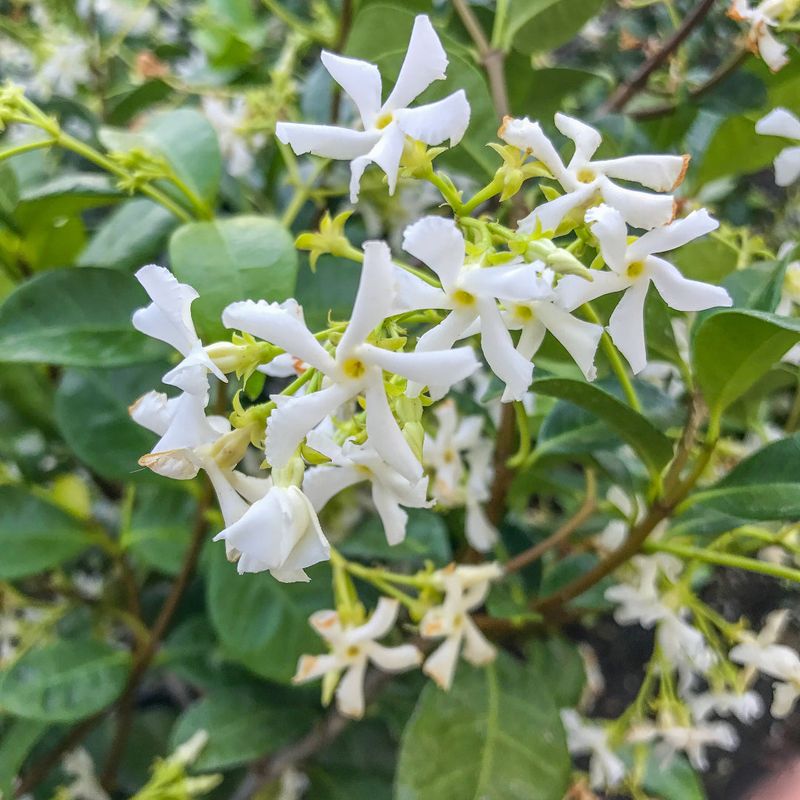
Humid Georgia summers create ideal conditions for fungal issues, and a vine packed with overlapping stems gives those problems a perfect place to develop.
When Confederate jasmine grows dense and tangled without thinning, moisture gets trapped inside the canopy, leaves stay wet longer after rain, and air circulation slows to a crawl.
Opening up the interior of the vine by removing a portion of crowded stems helps the plant breathe and stay healthier through the long, sticky summer months.
Thinning is different from shaping. Rather than cutting around the outside edges of the vine, thinning involves reaching into the plant and selectively removing stems that cross over each other, grow inward, or crowd the center.
The goal is to create some space without dramatically changing the overall size or appearance of the vine.
A vine that looks full from the outside but has some breathing room inside is in much better shape than one that is impenetrably dense.
In Georgia gardens, this kind of selective thinning in June can also reduce the likelihood of scale insects and mites finding comfortable hiding spots deep within the foliage. Healthy airflow is one of the most underrated parts of vine care.
Spending twenty minutes thinning a crowded section of Confederate jasmine after bloom is a practical, low-effort step that pays off in plant vitality, cleaner foliage, and a stronger foundation for blooming well the following spring.
4. Trim Stray Stems Without Heavy Shearing
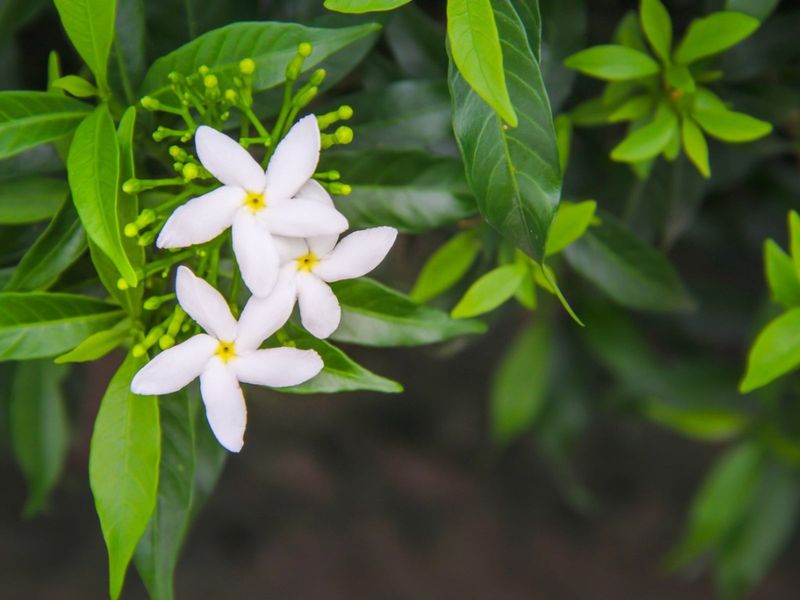
Stray stems sticking out at odd angles are one of the most common sights on Confederate jasmine in Georgia after a vigorous spring flowering season.
The vine grows energetically, and some shoots push out in directions that break the clean line of a fence or reach past the edge of an arbor where they are not wanted.
Snipping those individual stems back to a lateral branch or a leaf node tidies the plant without doing any real harm.
The temptation for many gardeners is to grab hedge shears and give the whole vine a hard, uniform trim.
That approach can work on some plants, but with Confederate jasmine, heavy shearing after the post-bloom window can remove the new growth that carries next spring’s buds.
Light, targeted trimming with hand pruners is more precise and much kinder to the plant’s future flowering potential.
Think of it less like giving the vine a haircut and more like editing a rough draft – removing only what genuinely does not belong while leaving the rest intact.
In Georgia, Confederate jasmine is capable of putting on several feet of new growth between June and September.
Staying ahead of stray stems with occasional light touch-ups through the season is far more effective than letting things go and trying to fix everything at once when fall arrives.
Small, regular corrections keep the plant manageable and the landscape looking polished.
5. Give The Vine Enough Sunlight
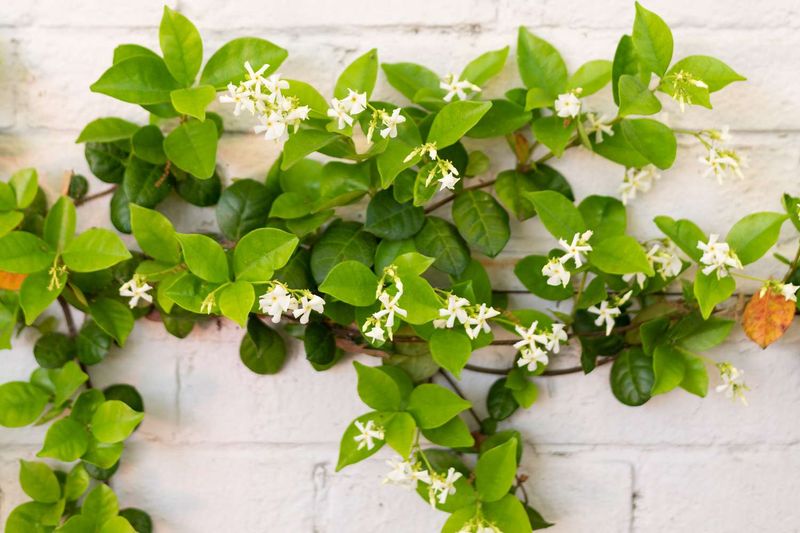
Sunlight is one of the most straightforward factors in getting Confederate jasmine to bloom well, yet it is easy to overlook when the vine is growing in a spot that has gradually become shadier as surrounding trees and shrubs have filled in over the years.
In Georgia, where the growing season is long and landscapes change quickly, a location that offered full sun a few years ago might now receive only partial light for much of the day.
Confederate jasmine blooms most reliably and most generously when it receives at least six hours of direct sun each day.
Plants growing in heavy shade tend to produce more foliage and fewer flowers, and the growth habit becomes looser and more sprawling as the vine reaches toward available light.
If a vine in your Georgia garden has been producing noticeably fewer blooms over recent springs, reduced sunlight is worth investigating as a possible reason.
In June, take some time to observe how light moves across the area where the vine grows. Notice whether nearby trees have leafed out enough to create significant shade during morning or afternoon hours.
Selectively removing a low branch from a nearby tree, or training the vine toward a sunnier section of the fence or trellis, can meaningfully improve light exposure without major disruption to the landscape.
More sun reaching the vine through summer means better energy for developing the growth that will carry next spring’s flowers.
6. Keep Soil Moist But Well Drained
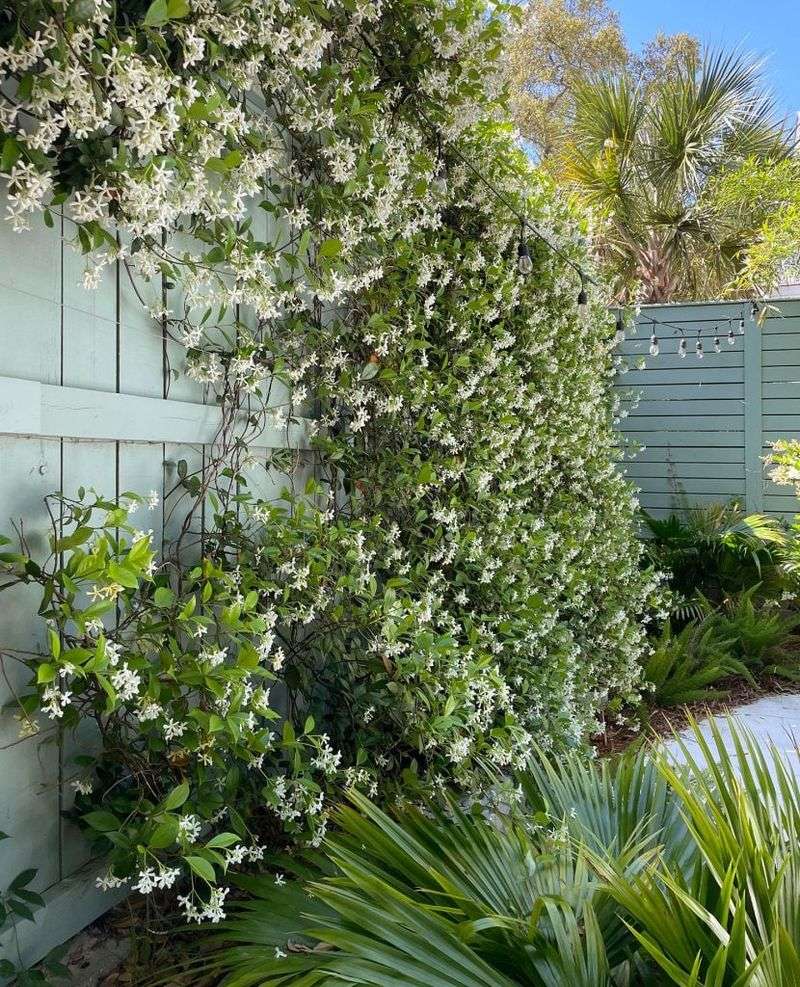
Georgia summers bring heat, humidity, and stretches of dry weather that can stress landscape plants more than many gardeners expect.
Confederate jasmine is reasonably drought-tolerant once it is well established, but consistent soil moisture during the active growing season – especially in June and July – supports the kind of steady, healthy growth that builds next spring’s flowering potential.
A vine that struggles through summer drought is less likely to develop the strong new stems it needs for a generous bloom.
The key phrase here is moist but well drained. Confederate jasmine does not appreciate sitting in waterlogged soil, which can lead to root stress and decline.
Heavy clay soils common in parts of Georgia can hold too much moisture after heavy rains, while sandy soils in other areas drain so quickly that supplemental watering becomes necessary more often.
Knowing your soil type helps you water more effectively and avoid either extreme.
Applying a layer of organic mulch – pine straw or wood chips work well in Georgia gardens – around the base of the vine helps retain soil moisture between waterings, moderates soil temperature, and reduces the need to water as frequently during hot spells.
Keep mulch pulled back a few inches from the main stem to allow good air circulation at the base.
Consistent moisture through summer, without creating soggy conditions, gives the vine a steady foundation for healthy growth all the way through to fall.
7. Avoid Heavy Nitrogen Feeding
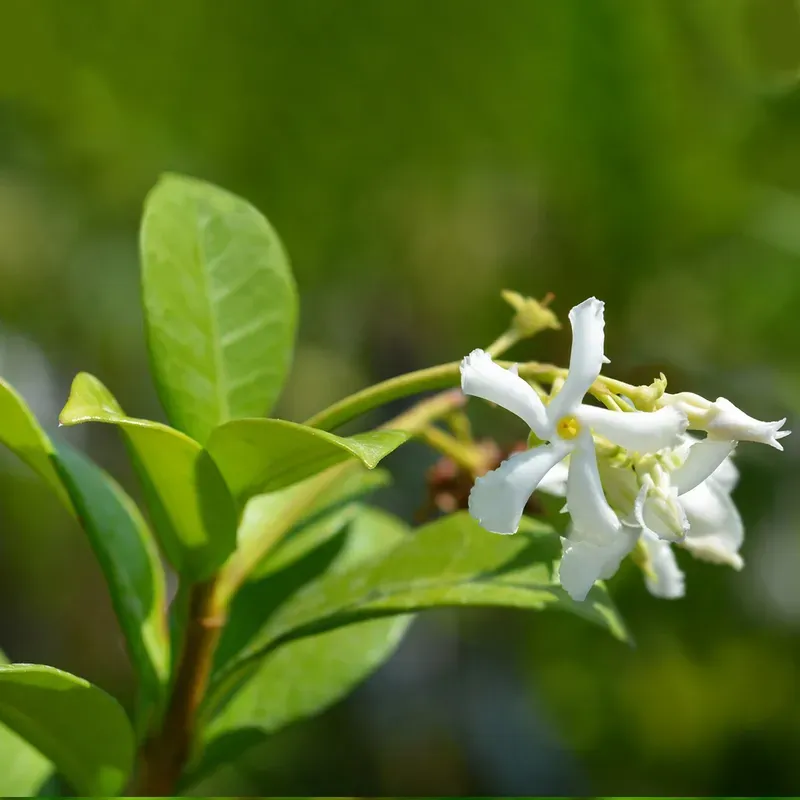
Fertilizer choices can quietly shape how well Confederate jasmine performs from one spring to the next.
Nitrogen is the nutrient most responsible for pushing leafy, green growth, and too much of it after spring bloom can send Confederate jasmine into overdrive.
The result is an abundance of soft, lush foliage at the expense of the flower buds that would otherwise be developing for next year.
In Georgia’s warm, humid summer climate, an overfed vine can look impressively full while actually setting fewer blooms.
If the vine is growing in reasonably fertile soil and has been in place for several years, it may not need supplemental fertilizer at all during the summer months.
Established Confederate jasmine in Georgia landscapes is often quite capable of sustaining healthy growth without extra feeding, particularly when organic mulch is breaking down around the root zone and contributing nutrients gradually over time.
If you do want to feed the vine, a balanced, slow-release fertilizer applied lightly in early spring – before bloom – is generally more appropriate than heavy summer applications.
Avoid high-nitrogen lawn fertilizers, which can wash into planting areas and encourage the same excessive leaf growth.
After spring bloom, Confederate jasmine benefits most from focusing its energy on maturing the new stems it has already produced rather than pushing more and more foliage.
That shift in energy is one of the quieter but genuinely effective strategies for supporting a stronger flowering display the following spring in Georgia.
8. Light Summer Shaping Keeps Growth Tidy
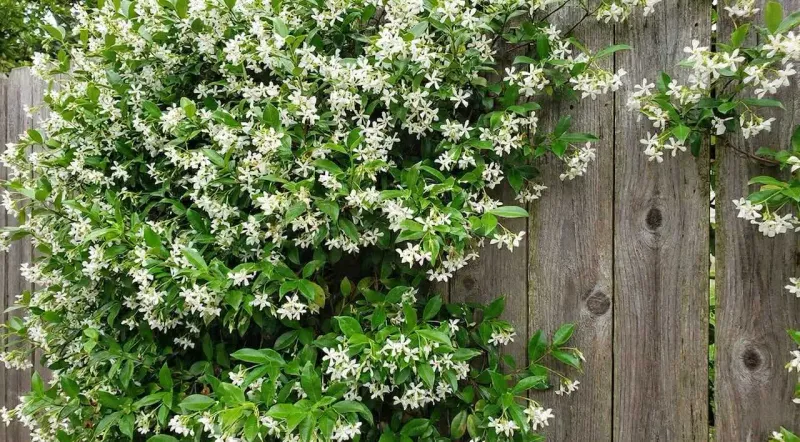
By midsummer, Confederate jasmine in Georgia has often put on a remarkable amount of new growth since spring flowering ended.
Fences that looked neat in May can start to look shaggy by July, with stems reaching past edges, drooping over walkways, or beginning to pull away from their supports.
A round of light shaping in summer – not a heavy cutback, but a gentle tidying – keeps the vine looking well-maintained without disrupting its growth cycle.
The goal of summer shaping is purely cosmetic and structural.
Removing stems that extend past the intended boundary of the vine, tucking wayward shoots back onto their supports, and clipping any particularly long, whippy growth that looks out of place keeps the plant attractive through the rest of the season.
This is not the time for significant pruning, which should have happened right after spring bloom.
Georgia gardeners who make light shaping a regular summer habit tend to find their Confederate jasmine easier to manage year after year.
A vine that is gently guided and lightly trimmed through the growing season stays within its intended space, develops a stronger framework of mature stems, and arrives at the following spring in better overall condition.
Small adjustments made consistently through summer are far less disruptive than trying to reclaim a vine that has grown completely out of bounds by the time cooler fall weather arrives in Georgia.