The One Thing You Must Do To North Carolina Daylilies Right After They Bloom Or They’ll Decline Every Year
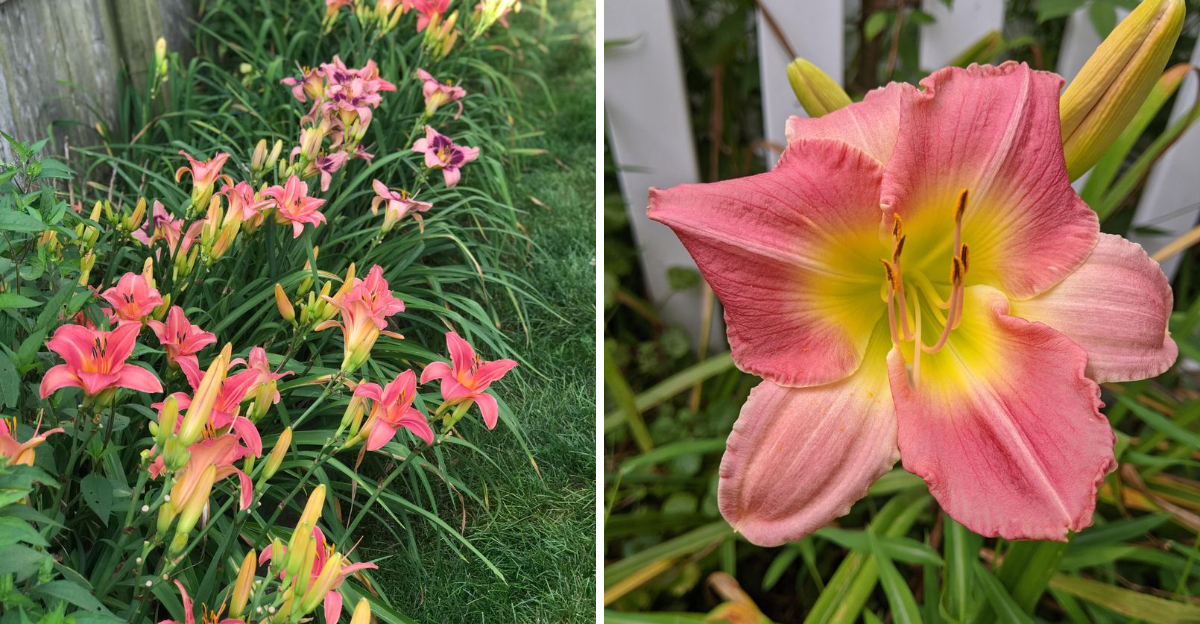
Daylilies have a reputation for being nearly indestructible, and in many ways that reputation is earned. They tolerate heat, humidity, and neglect better than almost anything else growing in a North Carolina garden bed.
The problem is that this toughness makes it easy to overlook one specific task that needs to happen right after blooming ends, and skipping it consistently leads to weaker plants, fewer blooms, and beds that slowly start looking worse with each passing year.
It takes very little time and no special equipment, but the timing matters more than most gardeners realize.
Getting this one step right is what keeps daylilies performing beautifully season after season instead of slowly fading into a disappointing tangle of foliage.
1. Remove Spent Flower Stems Immediately
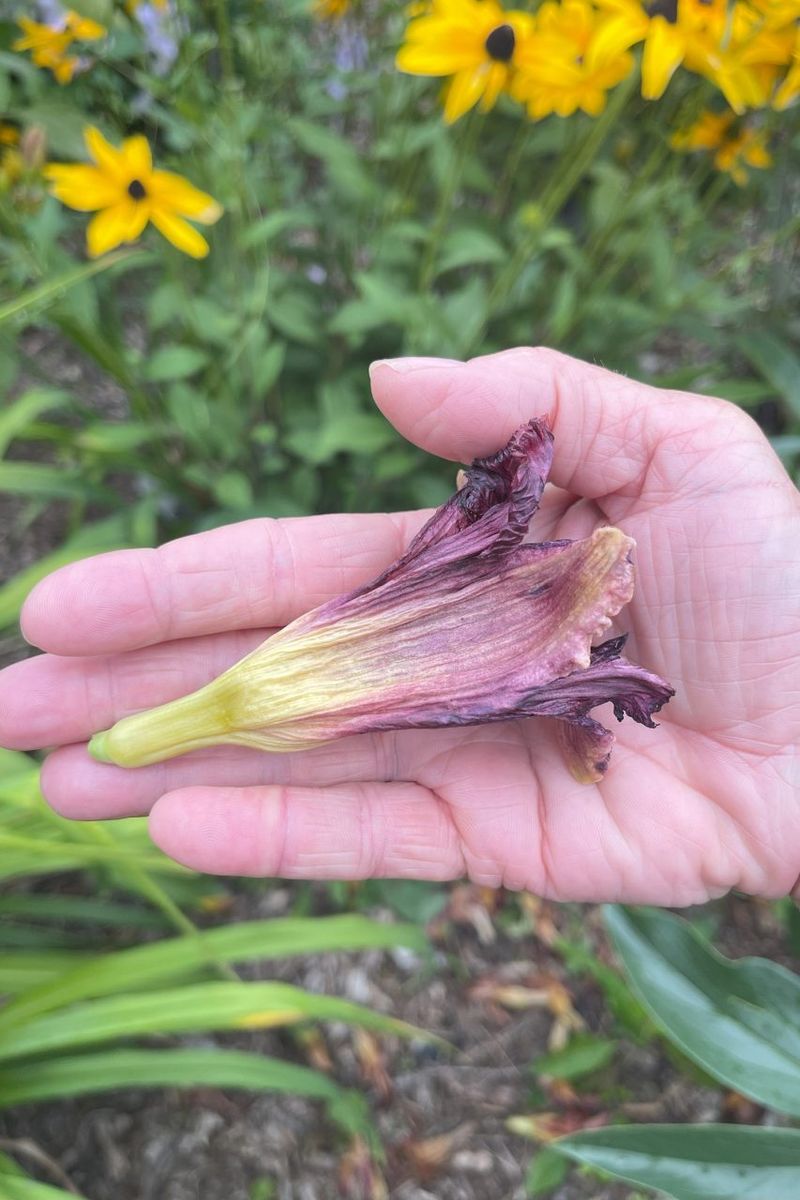
Right after your daylilies finish blooming, the clock starts ticking. Those tall, leafless stalks left standing in your garden are not just an eyesore.
They are quietly pulling resources away from the parts of the plant that actually need them most.
Each spent flower stem, called a scape, has done its job once blooming ends. Leaving it attached signals the plant to shift energy toward forming seed pods rather than building stronger roots and crowns.
In North Carolina’s hot, humid summers, that misdirected energy can noticeably weaken plants over just a couple of seasons.
The fix is refreshingly simple. Grab a clean pair of pruning shears or sharp scissors and cut each spent scape as close to the base as possible without damaging the surrounding foliage.
Aim to do this within a day or two of the last bloom on each stalk fading completely. You do not have to wait until the entire plant finishes blooming since individual scapes can be removed as they finish.
This one task redirects the plant’s focus back to root development and crown strengthening, which directly fuels next year’s flower production.
North Carolina gardeners who make scape removal a regular habit after bloom season consistently report fuller, more vibrant plants season after season. It takes only a few minutes but delivers results that last for years.
2. Prevents Energy Loss
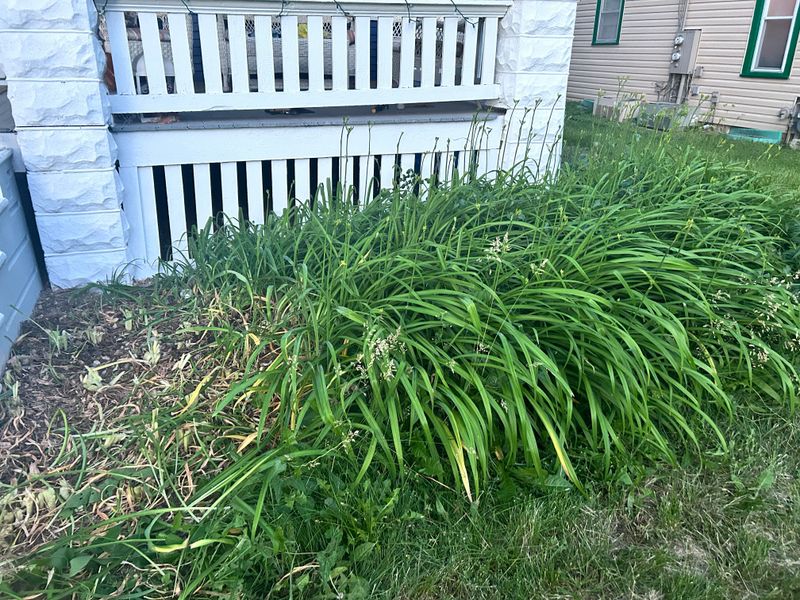
Plants are surprisingly strategic about where they send their energy, and daylilies are no exception.
When a spent flower stem remains on the plant, the daylily interprets that as a signal to complete its reproductive cycle by forming and ripening seed pods. Seed production is enormously expensive for a plant.
It demands significant reserves of carbohydrates, minerals, and water that would otherwise flow down into the roots and crown where they build strength and prepare the plant for next year.
Over one season, the difference might seem small.
But across three or four years of neglect, that energy drain adds up fast, and gardeners begin noticing smaller blooms, fewer scapes, and plants that seem to struggle through summer without any obvious reason.
North Carolina’s growing season puts extra pressure on daylilies because summer heat arrives quickly after bloom time. Plants that have spent their reserves on seed pods head into that heat already running low on stored energy.
Your North Carolina Garden Changes Every Week. Your Plan Should Too.
Gardening in North Carolina changes quickly throughout the season. Every Friday you’ll receive a simple weekly plan showing exactly what to plant, prune, fertilize, harvest, and protect so you never miss the right timing.
That combination makes them far more vulnerable to stress and slow recovery.
Removing spent scapes before seed pods can develop short-circuits that whole process. The plant stops investing in reproduction and redirects those valuable resources back into vegetative growth and root storage.
Think of it as giving your daylilies a clear instruction: save your strength for next year’s flowers. It is one of the most efficient investments a gardener can make.
3. Encourages New Bud Formation
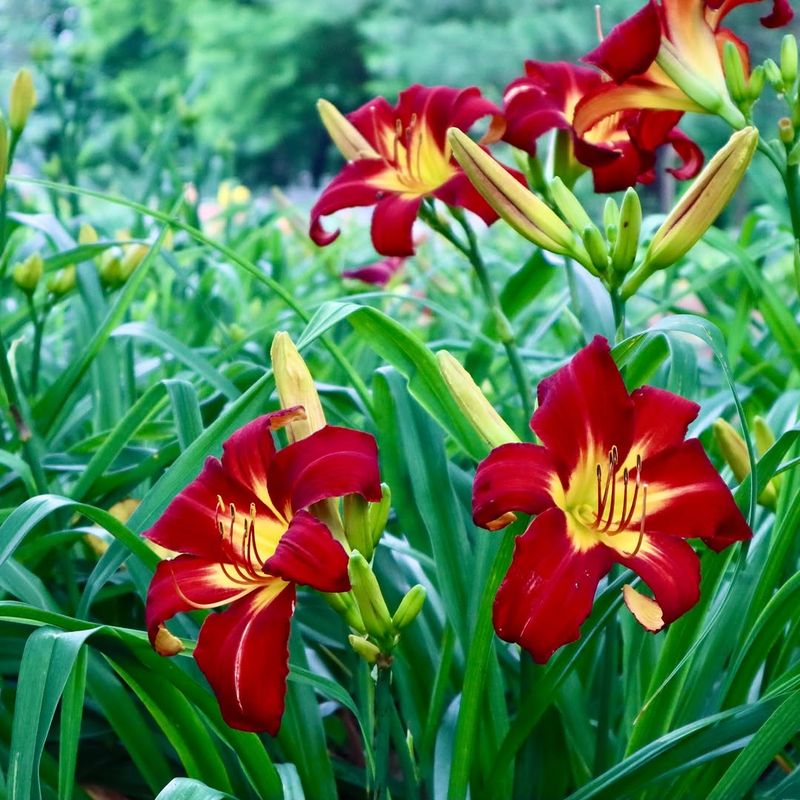
Something remarkable happens when you remove a spent daylily scape promptly.
The plant, no longer focused on seeds, turns its attention inward and begins organizing resources toward its crown, which is the dense growing center at soil level where all future flower stalks originate.
A well-nourished crown produces more offsets, which are small side shoots that eventually become new flowering fans. More fans mean more scapes, and more scapes mean a showier, fuller display next summer.
Gardeners who consistently remove spent stems often find their daylily clumps expanding more vigorously and blooming more densely than neglected ones nearby.
North Carolina’s long warm season actually works in your favor here. After scapes are removed in early to mid-summer, plants still have weeks of warm growing weather ahead of them.
That remaining season becomes productive time for crown development rather than wasted time sustaining old stalks.
Some reblooming daylily varieties, which are increasingly popular in North Carolina gardens, respond especially well to prompt scape removal.
These cultivars can push out a second or even third flush of flowers within the same season when old stems are cleared away quickly.
Even non-reblooming types benefit because their crowns build up energy reserves that fuel a stronger first flush the following year.
Staying on top of spent stem removal throughout the bloom season keeps the momentum going and sets up your plants for their best possible performance.
4. Reduces Pest And Disease Pressure
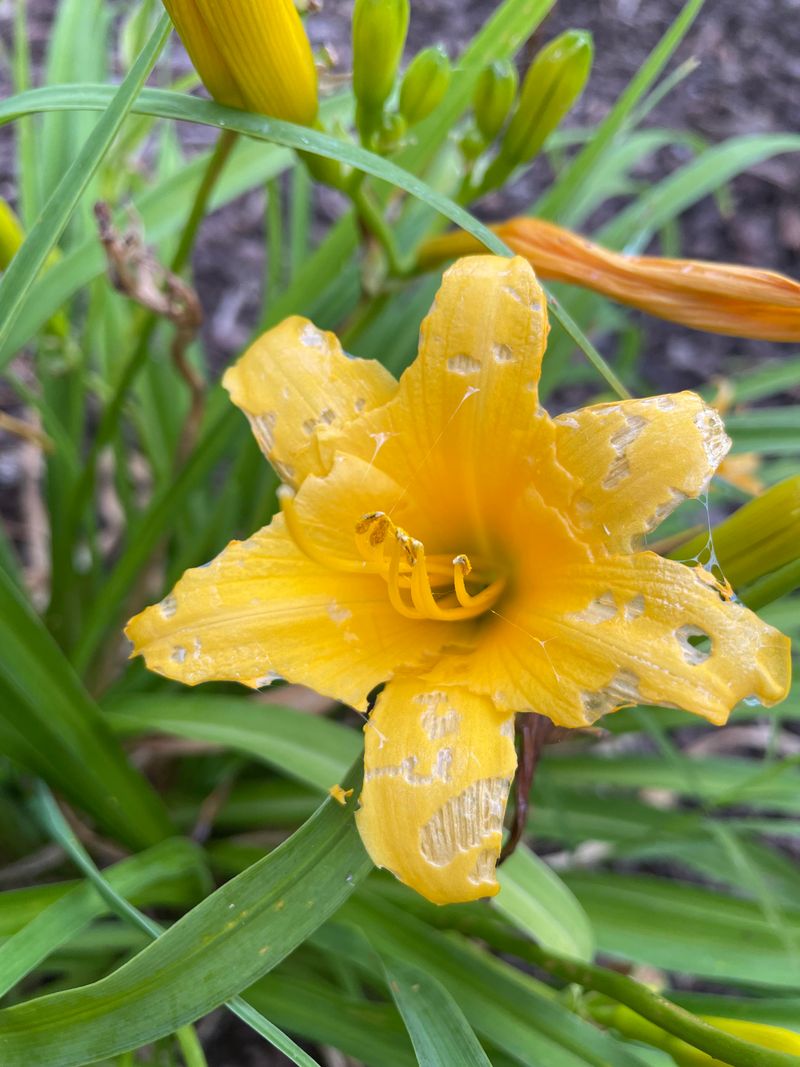
Old, decaying plant material is basically an open invitation for problems. Spent daylily scapes left standing in a humid North Carolina summer do not just look untidy.
They create the perfect conditions for fungal pathogens and opportunistic insects to take hold.
Fungal issues like leaf streak and crown rot thrive in warm, moist environments, and decaying scapes hold moisture against the base of the plant exactly where you do not want it.
Aphids and thrips, two common daylily pests in North Carolina, are also drawn to soft, aging plant tissue where they can feed and reproduce with little resistance.
Once established, these populations can spread quickly to healthy foliage and neighboring plants.
Removing spent scapes eliminates that entry point before problems escalate. It is far easier to prevent a fungal issue than to manage one mid-summer when heat and humidity are both at their peak.
Clean cuts at the base of each scape, made with sanitized tools, reduce the chance of introducing pathogens through open wounds as well.
After cutting, dispose of removed material in a yard waste bin rather than leaving it on the ground near the plant. Composting diseased or pest-harboring material can sometimes spread problems rather than eliminate them.
A small habit of proper disposal paired with timely removal keeps your daylilies cleaner, healthier, and far less likely to need any kind of chemical intervention throughout the season.
5. Improves Air Circulation
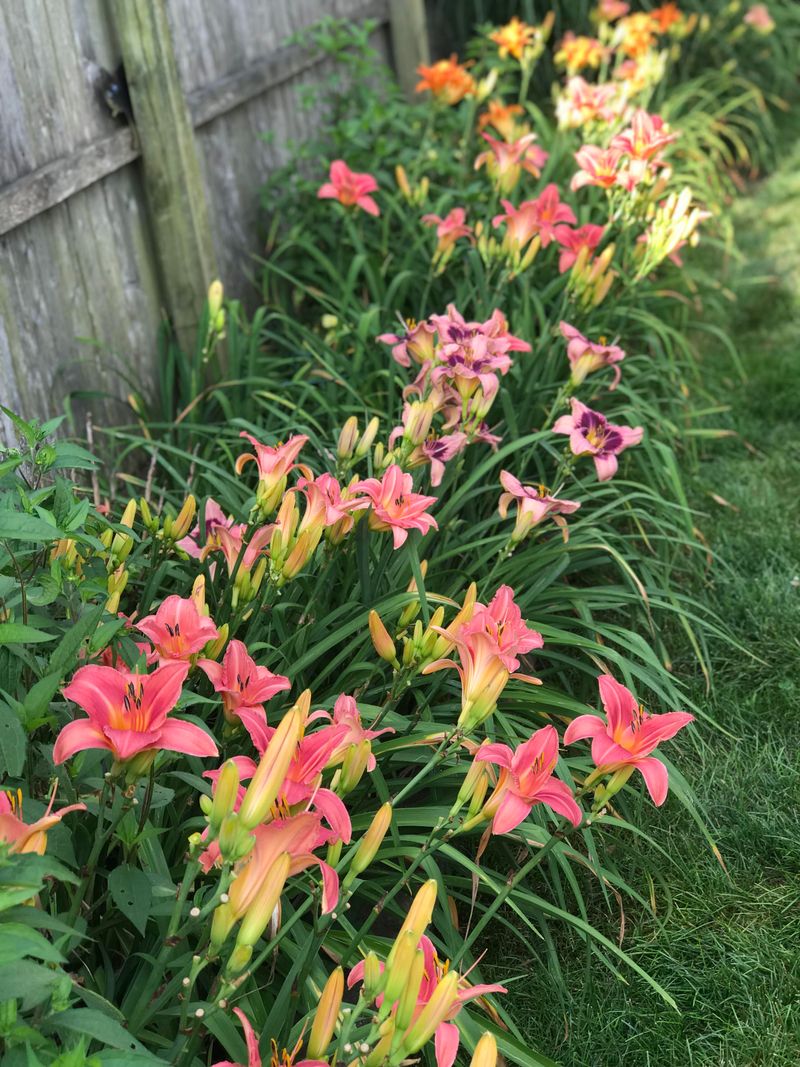
Crowded, cluttered plant canopies are one of the most overlooked causes of poor garden performance.
When old flower scapes remain in place among the foliage, they block airflow and create pockets of stagnant, humid air right at the center of the plant.
North Carolina summers are already notoriously humid, and that moisture-laden air trapped inside a dense daylily clump is exactly the kind of environment where fungal spores germinate and spread.
Better air circulation means leaves dry faster after rain or irrigation, which dramatically reduces the time pathogens have to penetrate plant tissue.
Cutting spent scapes at the base opens the plant up considerably. Sunlight can now reach lower leaves and the crown area, which supports stronger photosynthesis and more even growth throughout the clump.
If your daylilies are also growing in a tight mass, this is a good time to assess whether division is needed to further improve spacing between plants.
Pruning technique matters too. Always cut straight across at the base rather than leaving jagged stubs, which can trap moisture and harbor bacteria.
For mature clumps, gardeners sometimes also remove any yellowing or browning leaves at this same time to maximize the benefit.
Spacing daylilies about 18 to 24 inches apart when planting originally makes post-bloom cleanup even more effective since the canopy naturally stays more open and manageable throughout the growing season.
6. Maintains Aesthetic Appearance
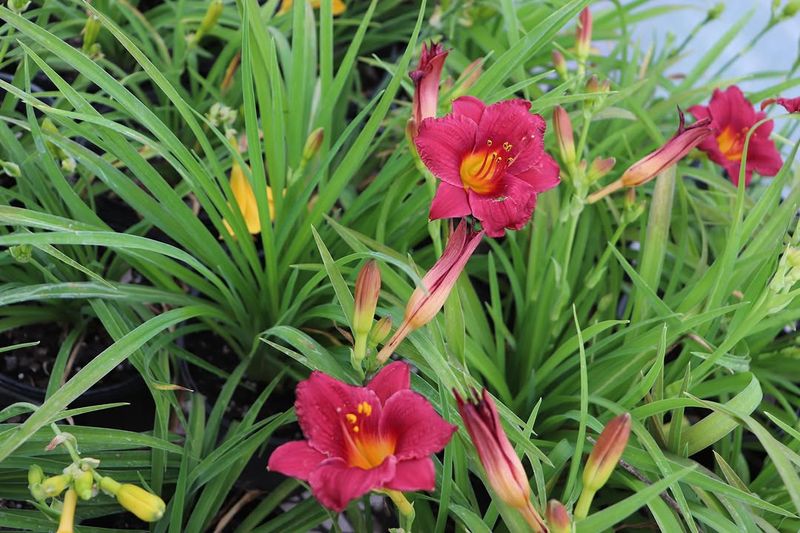
A garden full of brown, drooping flower stalks sends a very different message than one with clean, lush foliage.
Aesthetics matter, especially in front yards and landscape beds where curb appeal plays a real role in how a home looks to neighbors and visitors.
Daylily foliage itself stays attractive well into fall, with long, arching green leaves that add texture and structure to any garden bed.
But that natural beauty gets overshadowed quickly when spent scapes are left to droop and brown beside it.
Removing them promptly lets the foliage shine on its own as an appealing landscape element even outside of bloom season.
There is also something satisfying about a tidy garden that motivates you to keep up with other maintenance tasks.
Gardeners who stay on top of scape removal tend to notice other issues sooner, like early signs of pest damage or spots where mulch has thinned out. Tidiness and attentiveness go hand in hand.
From a design perspective, clean daylily beds also make companion plants stand out more. Ornamental grasses, coneflowers, and black-eyed Susans all look sharper when they are not competing visually with cluttered, faded stalks.
North Carolina gardeners who prioritize post-bloom cleanup find their entire landscape looks more intentional and polished throughout the summer and fall months, making the small effort of scape removal well worth every minute spent doing it.
7. Supports Root Development
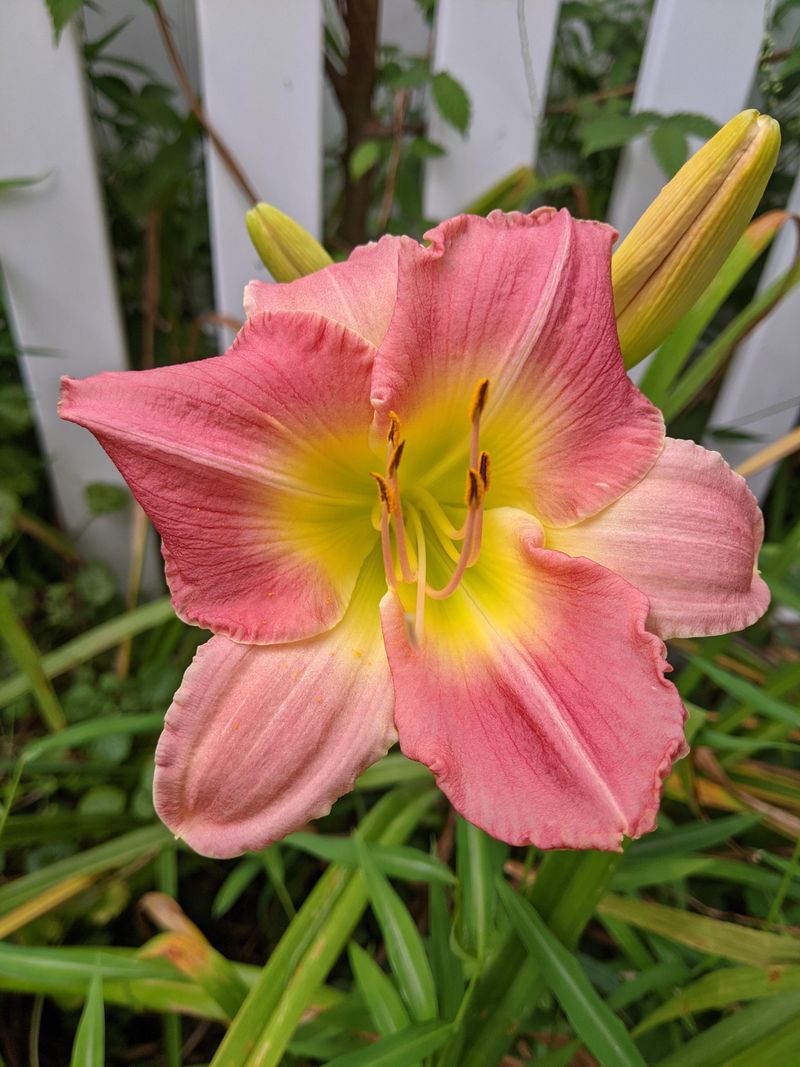
Roots are the foundation of everything a daylily does, from absorbing water and nutrients to storing the energy reserves that power next year’s flowers.
What happens above ground after bloom season has a direct and measurable impact on what happens below it.
When spent scapes are removed promptly, the plant stops allocating resources to the reproductive process and pivots toward vegetative storage.
Carbohydrates produced through photosynthesis travel downward into the fleshy, tuberous roots where they accumulate as reserves.
Those reserves are what the plant draws on when it wakes up in spring and pushes out a new round of foliage and flower stalks.
North Carolina summers can be brutal, with stretches of intense heat and periodic drought that stress garden plants.
Daylilies with robust, well-stocked root systems handle those conditions far better than plants that entered summer already depleted from seed production.
Strong roots also help plants recover faster after heavy rains or brief dry spells, which are both common in the Piedmont and coastal regions of the state.
You can support root development even further by pairing scape removal with a light application of balanced fertilizer in early summer. A slow-release granular formula works well and feeds roots steadily over several weeks.
Combined with consistent watering during dry stretches, this approach gives your daylilies everything they need to build a root system strong enough to fuel spectacular blooms year after year.
8. Prepares Plants For Mulching
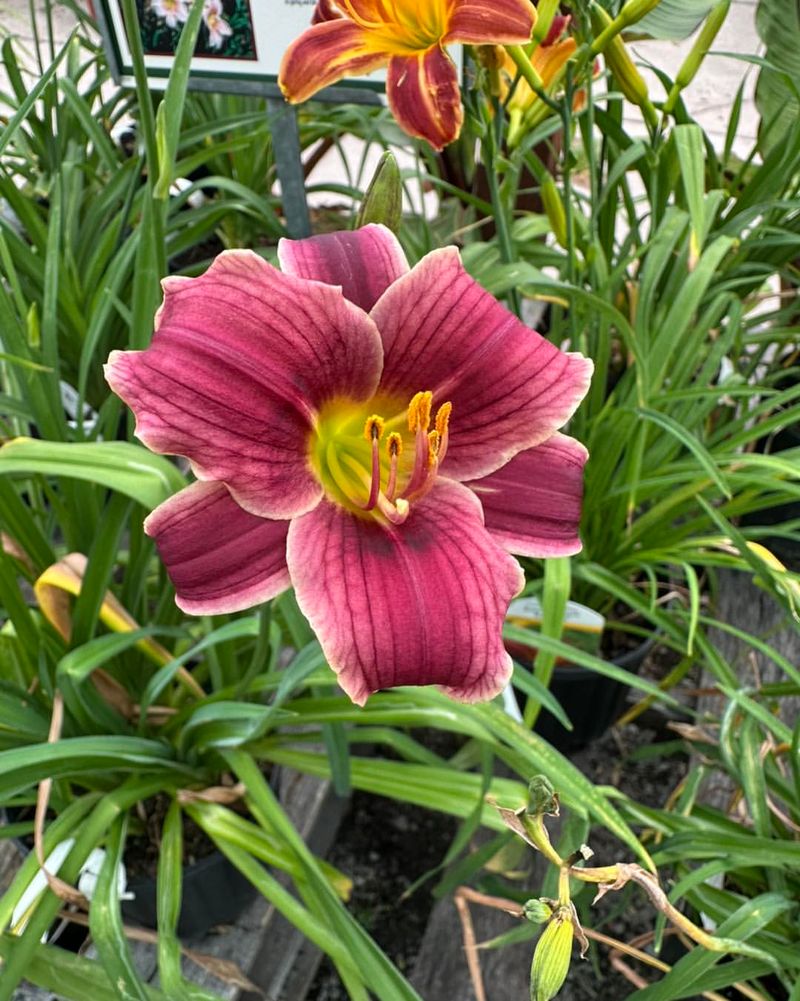
Mulching is one of the most beneficial things you can do for any garden bed, and daylilies are no different.
But applying mulch effectively becomes much easier once spent flower scapes are out of the way, and the timing of both tasks together creates a powerful combination for plant health.
Old scapes sticking up through a mulch layer create gaps and uneven coverage that reduce the mulch’s effectiveness.
They also make it harder to spread material evenly around the base of the plant, which is exactly where moisture retention and temperature regulation matter most.
Removing them first gives you a clean, open surface to work with.
A two to three inch layer of organic mulch applied right after scape removal does several important things for North Carolina daylilies.
It locks soil moisture in during hot, dry summer stretches, reduces soil temperature fluctuations that can stress roots, and suppresses weeds that compete for nutrients.
As it breaks down over time, it also adds organic matter to the soil, which improves both drainage and nutrient availability.
Pine straw is a popular mulching choice among North Carolina gardeners and works especially well around daylilies because it allows water to pass through easily while still providing insulation.
Shredded hardwood bark is another solid option. Avoid piling mulch directly against the crown of the plant since that can trap excess moisture and encourage rot. Keep mulch about an inch away from the base for best results.
9. Long-Term Bloom Productivity
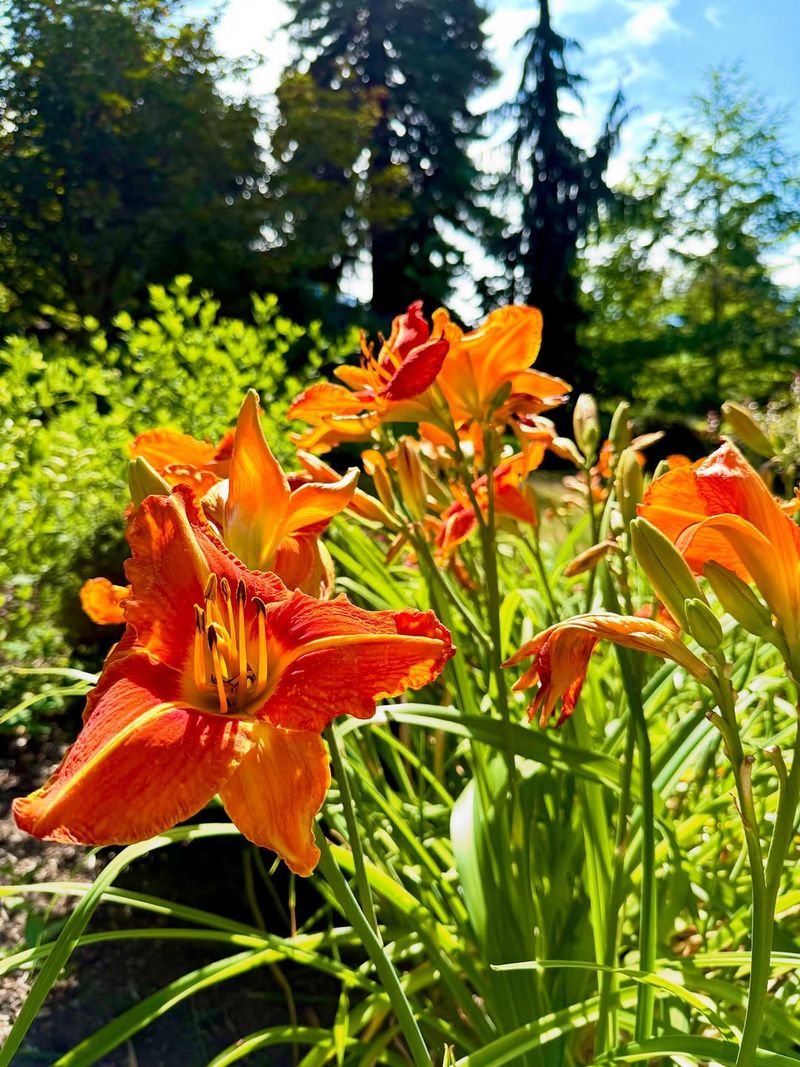
Consistency is what separates a daylily bed that thrives for decades from one that slowly fades into a sparse, disappointing patch.
The single habit of removing spent scapes right after blooming, repeated faithfully each year, is the backbone of long-term daylily success in North Carolina gardens.
Plants that are never allowed to exhaust themselves through seed production maintain stronger crowns, denser root systems, and more productive flowering fans year after year.
Over a five or ten year span, the difference between a maintained bed and a neglected one becomes dramatic.
Well-tended daylilies often need division because they grow so vigorously, while neglected ones may barely hold their own.
Timing matters for getting the most out of this practice. In North Carolina, most daylilies bloom between late May and late July depending on the variety.
Checking plants every few days during peak bloom season and removing scapes as each one finishes keeps the process manageable and prevents a backlog of old stems from accumulating.
Pairing annual scape removal with division every three to four years, a fresh layer of mulch each summer, and occasional fertilization creates a simple but highly effective maintenance routine.
None of these tasks are complicated or time-consuming on their own, but together they build a garden that rewards you with stunning, reliable color every single year.
Your future self will absolutely thank you for starting this habit right now.