How To Cut Back Oregon Hostas For Stronger Healthier Summer Growth
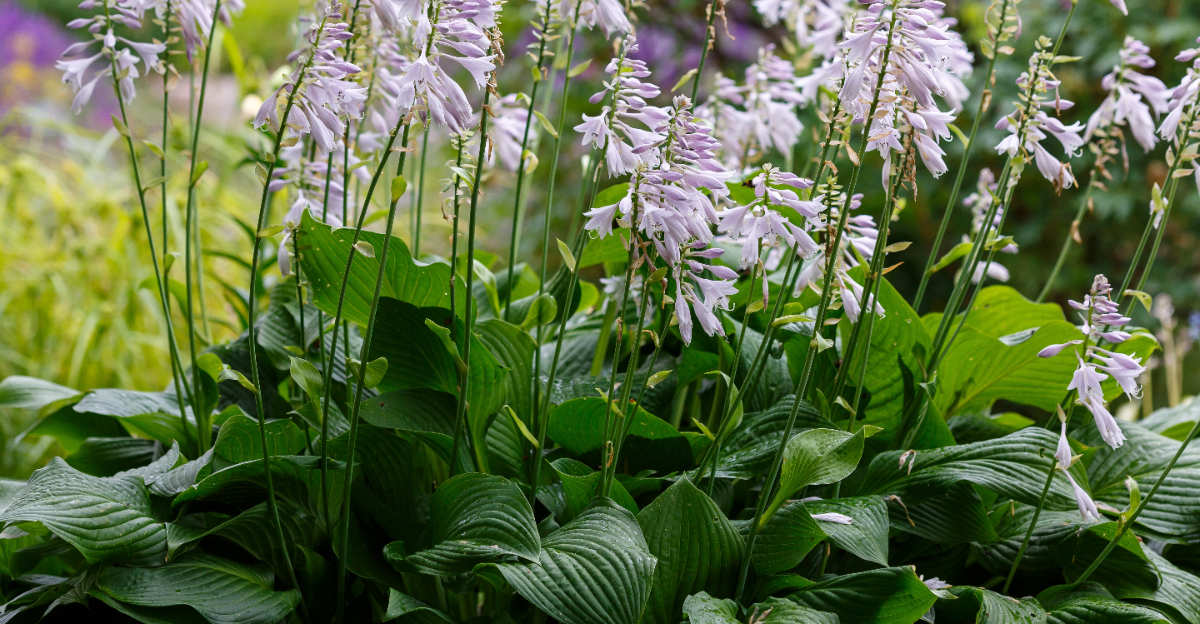
Hostas can look lush in Oregon’s mild spring weather, but they still need a little attention before summer settles in. Older leaves can make the plant look messy.
Thick clumps may also hide small problems that are easier to fix early. A clean cutback helps the plant put energy where it counts.
It can lead to fuller leaves and a fresher shape as the season moves on. The goal is not to chop everything down for no reason.
Hostas need enough healthy foliage to keep feeding their roots. Cut too much, and the plant may struggle to bounce back.
Cut the right parts at the right time, and you give it room to grow well. A simple trim can make a big difference in how your hostas handle the warmer weeks ahead.
1. Cut Back Torn And Slug-Damaged Leaves First
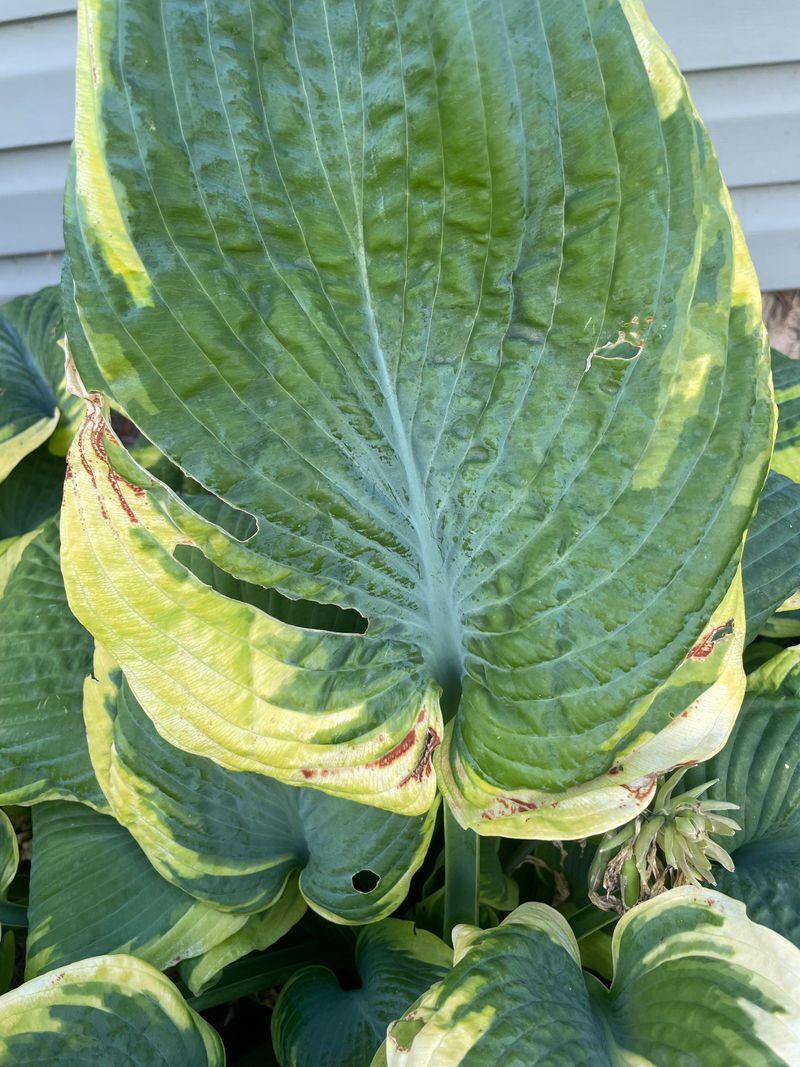
Slug damage is one of the most common problems hosta growers face in wet climates like ours. Those ragged holes and chewed edges might seem minor at first, but they add up fast.
Damaged leaves pull energy away from healthy growth and can invite disease into the plant.
Start your cleanup by walking around each hosta clump and looking for leaves that are torn, chewed along the edges, or covered in slimy trails. These are the ones to remove first.
Use clean garden scissors or pruning shears to cut them off as close to the base as possible without disturbing the healthy stems nearby.
Do not feel bad about cutting a lot. Hostas are tough plants.
Removing the damaged leaves actually encourages the plant to push out fresh, clean growth faster. Think of it like giving the plant permission to start over in the best possible way.
After cutting, toss the damaged leaves in the trash rather than the compost bin. Slug eggs and fungal spores can hide in old leaf tissue.
Getting them off the property helps protect the rest of your garden too.
Check under the remaining leaves for slugs hiding in the shade. A few slug pellets or a shallow dish of beer nearby can help keep the population down.
Staying on top of slug control early in the season sets your hostas up for a much cleaner and healthier summer ahead.
2. Remove Leaves Lying Flat On The Soil
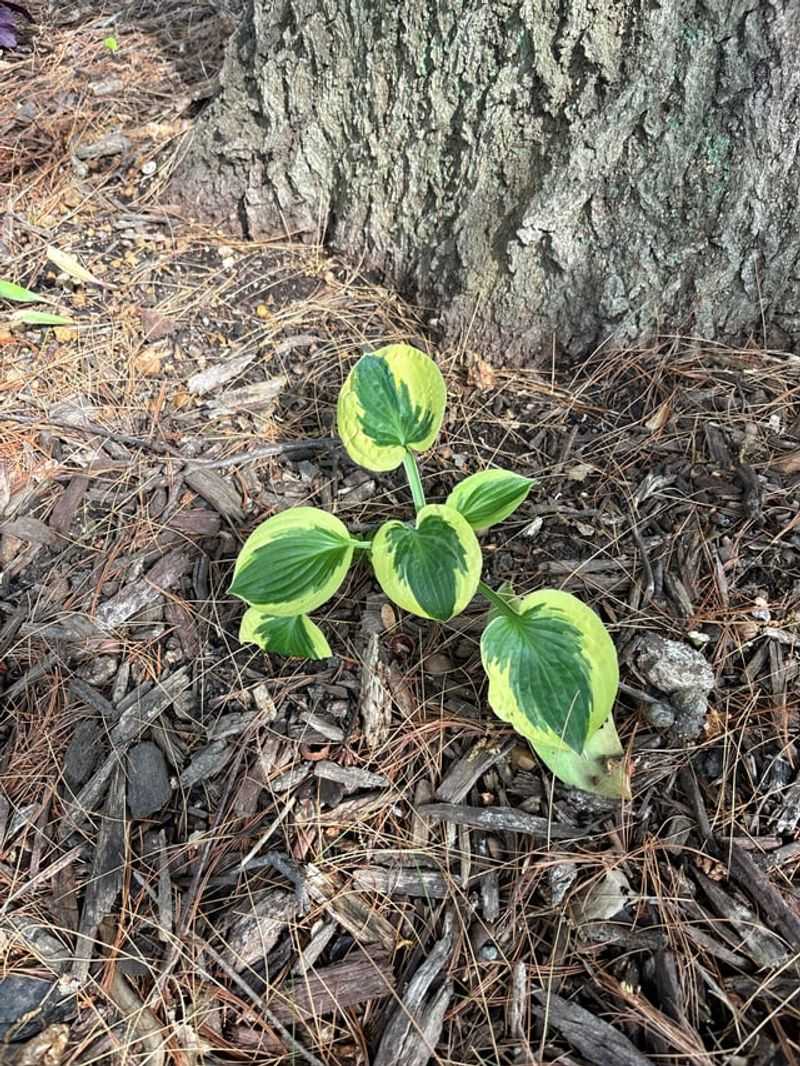
Flat leaves pressed against the soil are a common sight after a long, wet spring. Heavy rain, slugs, and general wear can push leaves down until they are barely off the ground.
Once a leaf is lying flat, it stops working the way it should.
Leaves need airflow and light to do their job. When they are pressed against damp soil, moisture gets trapped underneath.
That trapped moisture creates the perfect environment for rot, mold, and fungal problems to develop quickly.
Grab your pruning shears and remove any leaf that is touching or nearly touching the ground. Cut the stem cleanly near the base.
If the leaf is still green but flattened, it is still worth removing because the risk of disease spreading to the rest of the plant is not worth keeping it around.
Your Oregon Garden Changes Every Week. Your Plan Should Too.
Gardening in Oregon changes quickly throughout the season. Every Friday you’ll receive a simple weekly plan showing exactly what to plant, prune, fertilize, harvest, and protect so you never miss the right timing.
Clearing these low-lying leaves also opens up the base of the plant. More airflow at the bottom means the soil can dry out a little between waterings or rain events.
That small change makes a big difference in keeping root rot and crown rot from becoming a problem later in summer.
Once you have cleared the low leaves, take a look at the mulch around the base of the plant. Refresh it if needed, but keep it a few inches away from the crown.
Good mulch placement helps hold moisture without smothering the plant or creating hiding spots for pests.
3. Trim Crowded Growth Around The Center
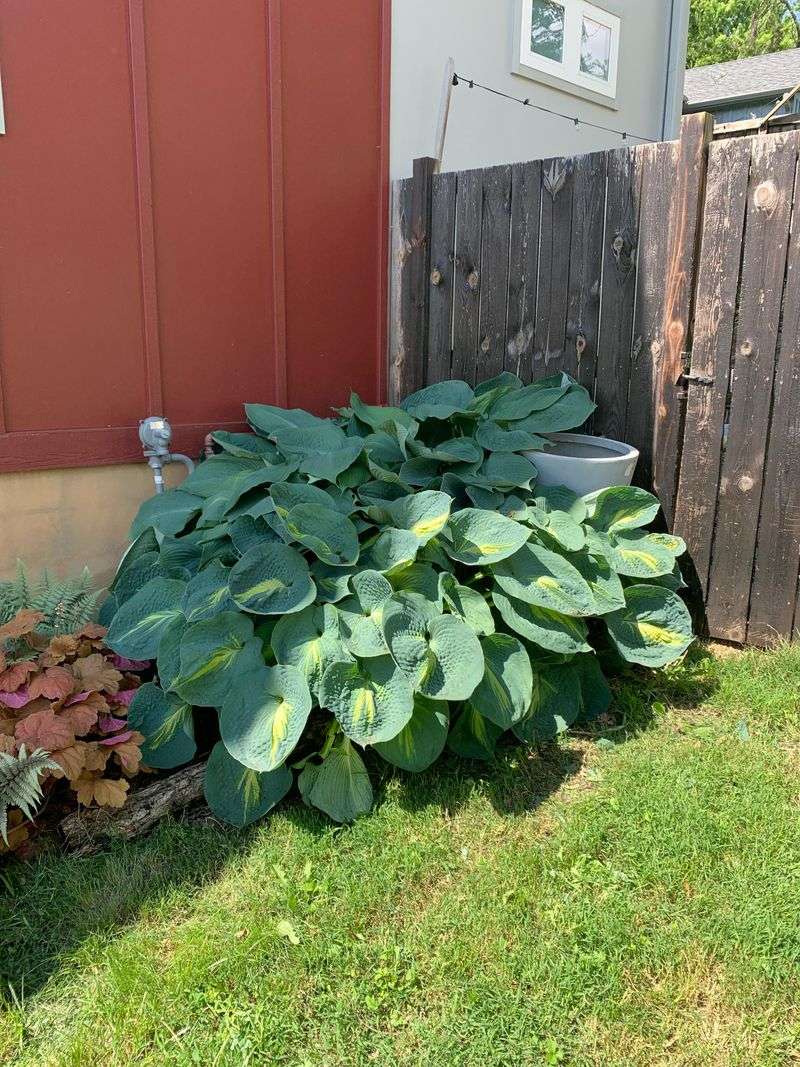
A hosta that has been growing for a few seasons can get surprisingly crowded in the middle.
All those leaves overlapping and pressing together might look full and lush from a distance, but up close, that crowding is actually working against the plant.
When the center gets too packed, air cannot move through freely. Moisture sits between the leaves longer than it should.
That kind of environment encourages fungal issues and makes it easier for pests to hide and multiply without being noticed.
Trimming the crowded growth around the center does not mean cutting the plant way back.
It means selectively removing the leaves that are crossing over each other, pressing together tightly, or blocking light from reaching the inner growth.
Use clean, sharp scissors and make each cut close to the stem.
After thinning the center, you will likely notice the remaining leaves look more upright and open. That is exactly what you want.
Better airflow means faster drying after rain, which reduces the chance of disease taking hold during the humid summer months common in this region.
It is also worth checking the center of the plant for any signs of crown rot while you are trimming. Soft or discolored tissue near the base of the stems is a warning sign.
Catching it early and removing affected growth gives the rest of the plant a much better chance of bouncing back strong before peak summer heat arrives.
4. Cut Old Flower Stalks Down To The Base
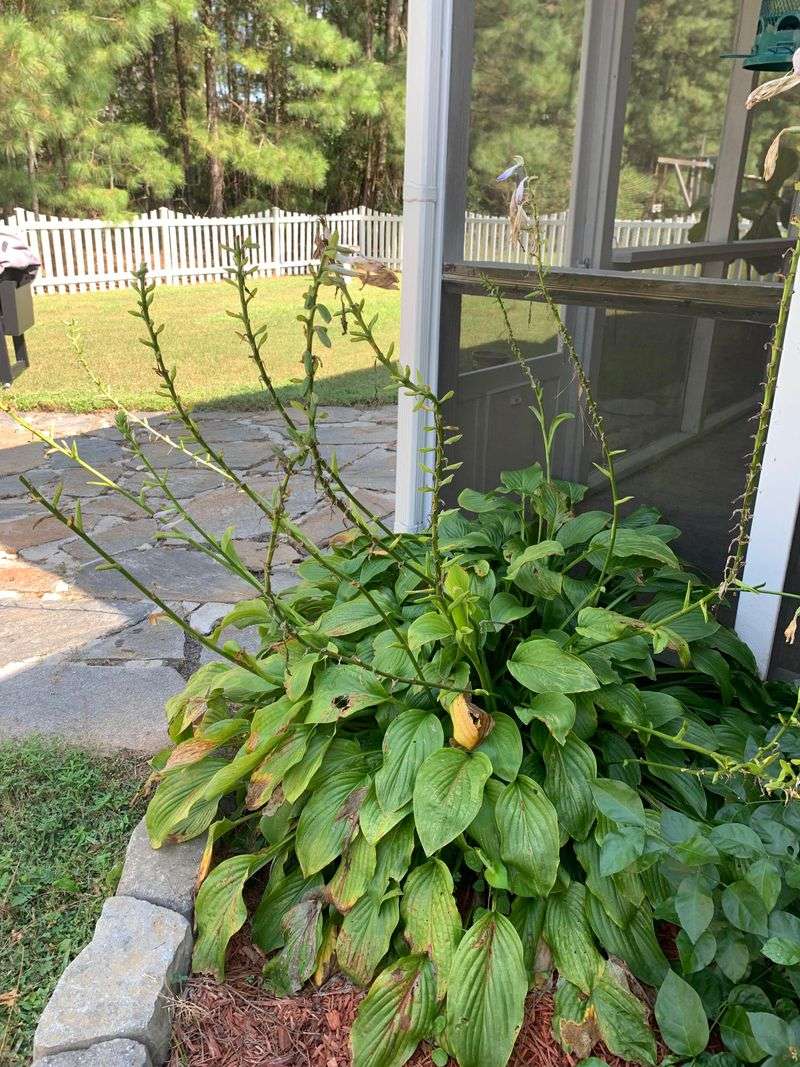
Once hosta flowers fade and dry out, those stalks serve no purpose for the plant.
Leaving them standing is one of those mistakes that many gardeners overlook, but removing them gives the plant a real boost heading into the warmest months of the year.
Old flower stalks pull resources from the plant as it tries to form seeds. If your goal is stronger leaf growth and a fuller, healthier clump, cutting those stalks off early is one of the easiest wins in the garden.
It redirects the plant’s energy right where you want it to go. Use pruning shears to cut each stalk as close to the base as possible. You want a clean cut, not a jagged one.
A messy cut can leave an entry point for disease, so sharp, clean tools are worth the extra effort of keeping them maintained throughout the season.
Some gardeners leave the stalks on purpose if they enjoy the look of the seed pods or want to collect seeds. That is a perfectly fine choice if appearance is the priority.
But for maximum summer growth and plant energy, removing them is the smarter move for most home gardeners.
After cutting the stalks, give the base of each plant a quick look. Clear away any debris or damaged material that has collected around the crown.
Keeping that area clean and open helps the plant breathe better and discourages pests from setting up camp right at the heart of your hostas.
5. Leave Healthy Green Leaves In Place
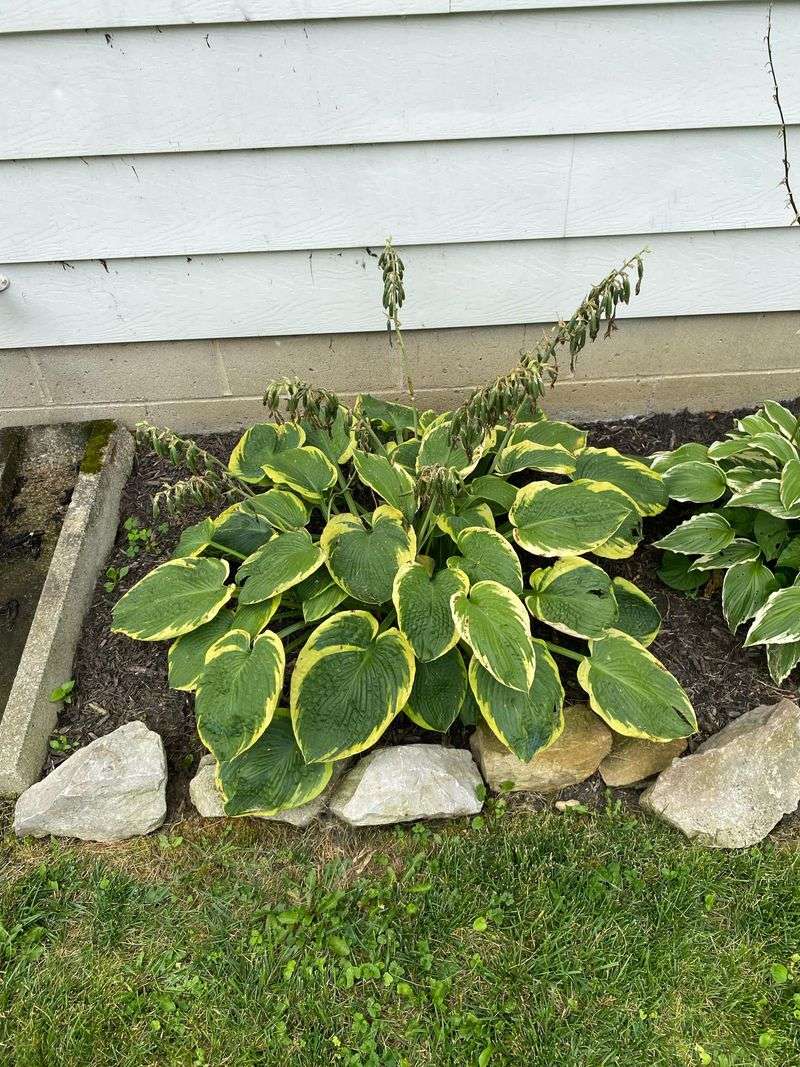
Not everything needs to come off. One of the most common mistakes gardeners make when cutting back hostas is getting too aggressive and removing leaves that are actually doing important work for the plant.
Healthy green leaves are the engine of the whole operation. Those big, bright leaves are busy all day long converting sunlight into energy.
Even in a shaded garden, hostas collect enough indirect light to fuel strong root development and new growth.
Removing healthy leaves unnecessarily slows that process down and can stress the plant heading into summer.
A good rule of thumb is simple. If a leaf is fully green, upright, and free from damage, leave it alone.
Only remove leaves that are torn, chewed, flattened, yellowing, or showing signs of disease. When in doubt, keep it on the plant and check again in a week or two.
This state’s mild early summers give hostas a great window to build energy before the heat peaks.
Every healthy leaf you preserve during cleanup is one more leaf working to store energy and support new growth pushing up from the crown.
It also helps to step back after trimming and look at the overall shape of the plant. A well-trimmed hosta should still look full and natural, not sparse or chopped up.
The goal of cutting back is to improve the plant’s health, not to make it look like it went through a rough time. Balance and restraint are your best tools here.
6. Thin Overgrown Clumps For Better Airflow
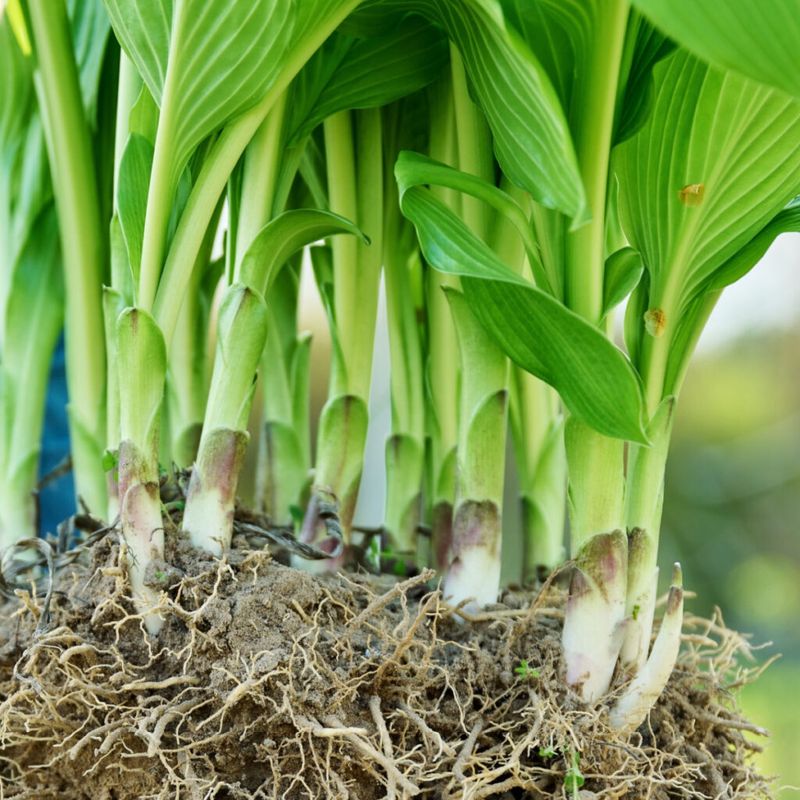
Over time, hostas spread and multiply on their own. What started as one tidy plant can quietly turn into a dense, tangled clump that takes over a whole section of the garden bed.
That kind of overgrowth might look impressive, but it comes with real problems.
Thick, crowded clumps trap moisture and limit airflow around every leaf and stem. In a region known for wet springs and mild summers, that combination creates conditions where fungal diseases and pests thrive.
Thinning the clump out is one of the best things you can do before summer fully arrives.
Start by identifying the outer edges of the clump where new offshoots have emerged. These smaller plants can be carefully dug up and moved to another spot in the garden or shared with neighbors.
Removing a few outer sections opens the whole clump up without harming the main plant at all.
For sections you are not transplanting, use a sharp spade or pruning shears to cut back the outermost growth. The goal is to give the remaining plant room to breathe.
You want to see some space between the outer leaves and the surrounding soil or neighboring plants. After thinning, add a fresh layer of compost around the base of the clump.
That small boost of nutrients helps the plant recover quickly and push out strong, healthy new leaves just in time for the best growing weeks of the summer season ahead.
7. Remove Soft Mushy Growth Before Summer Heat
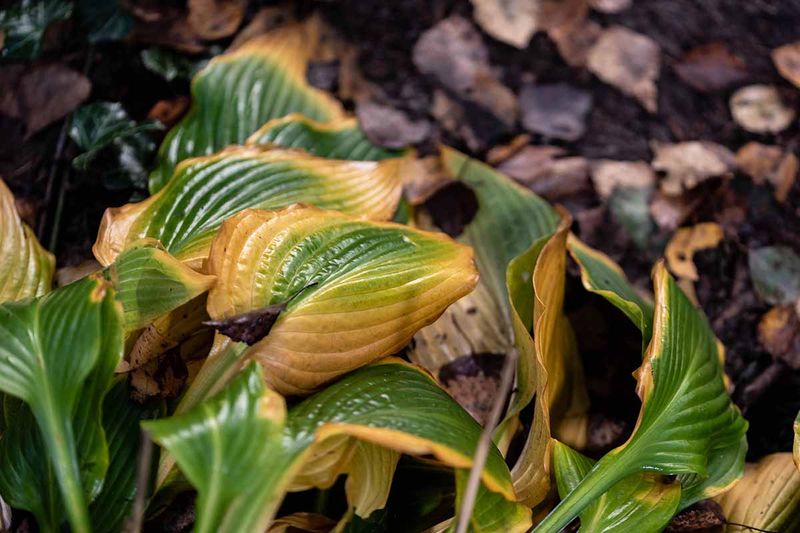
Soft, mushy growth near the base of a hosta is a warning sign that should never be ignored. That kind of texture usually means rot has set in, and rot spreads fast once summer heat and humidity arrive.
Catching it early is the key to saving the rest of the plant. Mushy growth often shows up after a long, wet winter or a stretch of cold, rainy spring weather.
Water sits in the crown of the plant and breaks down the tissue from the inside out. By the time you can feel it with your fingers, the damage is already well underway.
Put on a pair of garden gloves and gently press around the base of each plant. Healthy stems feel firm.
Anything that feels soft, slimy, or gives way under light pressure needs to come out. Use clean pruning shears to remove it as close to the crown as possible without cutting into healthy tissue.
After removing the damaged growth, let the area air out for a day or two before watering again.
If the rot was widespread, you can dust the crown lightly with a garden-safe fungicide powder to help prevent the problem from spreading to the remaining healthy tissue.
Getting ahead of this issue before summer heat builds is critical. Warm temperatures speed up decay and make it much harder to stop once it gains momentum.
A quick check and cleanup now keeps your hostas on track for a full, lush, and healthy display all season long.