Do This To Texas Crape Myrtles Before The Brutal Heat Arrives
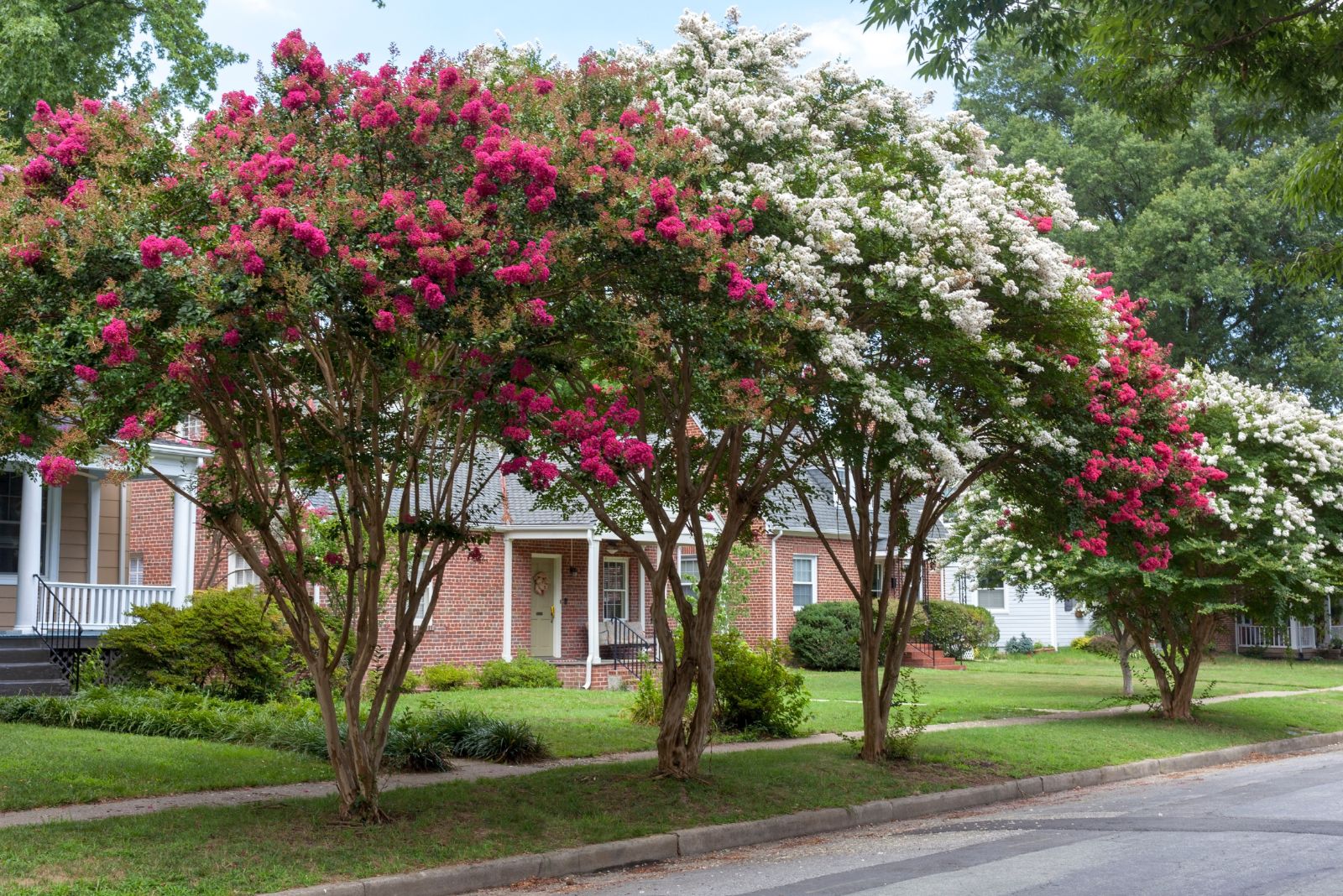
Crape myrtles are one of the most iconic sights in a Texas summer, lining streets and filling yards with weeks of bold color even when the heat is relentless.
But that summer performance does not happen on its own, and what you do in the weeks before the brutal heat arrives has a real impact on how well your trees bloom and hold up through the season.
Most Texas gardeners know crape myrtles are tough, but tough trees still benefit from the right preparation at the right time.
There are a few specific things you should be doing right now, from pruning decisions to feeding and soil care, that set your trees up for their best possible season.
There are also some common mistakes that seem harmless but can quietly limit blooming or stress the tree heading into summer. Getting ahead of the heat is always the smarter move with crape myrtles.
1. Deep Water The Root Zone
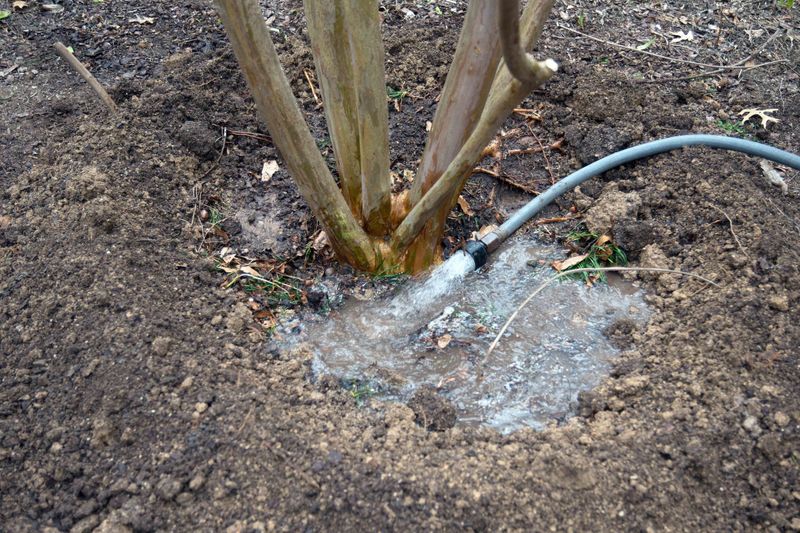
Most people water their crape myrtles the same way they water everything else in the yard, a quick spray and move on. But before summer heat arrives, deep watering is one of the best things you can do.
It encourages roots to grow deeper into the soil, where moisture stays longer and temperatures stay cooler.
Deep watering means letting water soak slowly into the ground around the root zone. You want the water to reach at least 12 to 18 inches below the surface.
A slow trickle from a garden hose left at the base for 20 to 30 minutes works really well. Drip irrigation systems are even better because they deliver water directly to the roots without waste.
When roots grow deep, your crape myrtle becomes much more resilient. Shallow roots dry out fast in extreme heat, leaving the tree stressed and struggling to produce blooms. Deep roots tap into moisture reserves that surface watering never reaches.
Water your crape myrtles deeply once or twice a week in the weeks leading up to summer. Morning is the best time to water because it gives the soil time to absorb moisture before the afternoon heat kicks in.
Avoid watering at night since wet soil in warm temperatures can encourage fungal issues. Building this watering habit now sets your tree up for a stronger, healthier summer season.
Consistent deep watering is one of the easiest and most effective ways to help your crape myrtle thrive when Texas heat arrives at full force.
2. Add Fresh Mulch Around The Base
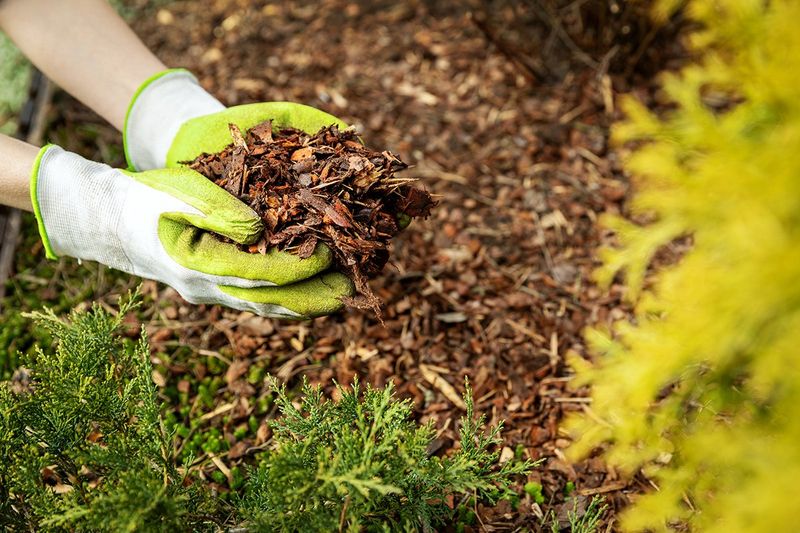
Spreading fresh mulch around your crape myrtle before summer is like giving it a protective blanket. Mulch does a remarkable job of holding moisture in the soil so your tree does not dry out as quickly during those long, scorching Texas days.
Apply a layer of organic mulch about 3 to 4 inches thick around the base of the tree. Wood chips, shredded bark, and pine needles all work great.
Make sure to keep the mulch a few inches away from the actual trunk. Piling mulch directly against the trunk can trap moisture and encourage rot and pests.
Your Texas Garden Changes Every Week. Your Plan Should Too.
Gardening in Texas changes quickly throughout the season. Every Friday you’ll receive a simple weekly plan showing exactly what to plant, prune, fertilize, harvest, and protect so you never miss the right timing.
Beyond moisture retention, mulch also helps regulate soil temperature. On a blazing summer afternoon, bare soil can get extremely hot.
That heat can stress the roots and slow down the tree’s ability to absorb water and nutrients. Mulch acts as insulation, keeping the root zone noticeably cooler.
Fresh mulch also breaks down over time and adds organic matter back into the soil. This improves soil structure and encourages beneficial microbes that help your tree stay nourished naturally.
It is a simple step with long-lasting benefits that go well beyond just looking neat in your yard.
You do not need to spend a lot of money on mulch either. Many cities in Texas offer free wood chip mulch through their composting or tree trimming programs.
Check with your local municipality before buying bags at the store. Spreading fresh mulch now is a low-effort, high-reward task that your crape myrtle will thank you for all summer long.
3. Remove Weak Or Crossing Branches
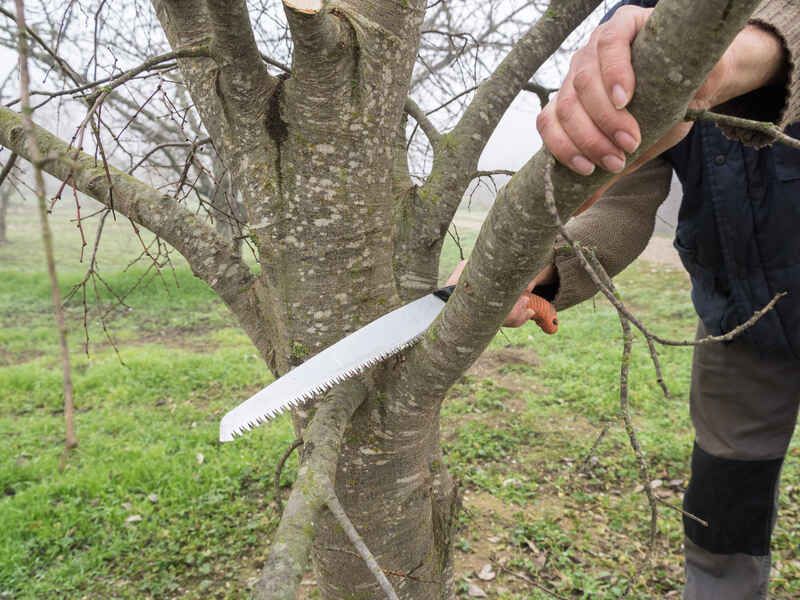
Before the heat arrives and your crape myrtle pushes out a full flush of new growth, take a walk around the tree and look at its branch structure.
You might notice branches that cross over each other, rub together, or look noticeably thinner than the rest. Those are the ones worth removing now.
Crossing branches create friction as the wind blows. Over time, that rubbing damages the bark and creates open wounds where pests and disease can enter.
Weak branches that cannot support their own weight are also more likely to snap during summer storms, which are common across Texas.
Removing these problem branches improves airflow through the tree’s canopy. Better airflow means the leaves dry faster after rain or humidity, which reduces the chance of fungal problems like powdery mildew.
A more open canopy also allows sunlight to reach more of the tree, encouraging stronger and more even blooming.
Use clean, sharp pruning shears for small branches. For anything thicker than an inch, loppers or a small pruning saw work better.
Always cut just outside the branch collar, which is the slightly swollen area where the branch meets the trunk or a larger limb. Cutting there helps the tree seal the wound naturally and more quickly.
Keep your cuts minimal and thoughtful. The goal is not a dramatic reshaping but a light cleanup that sets the tree up for a healthier growing season.
A little careful pruning now prevents bigger problems later when temperatures are soaring and your crape myrtle needs all its energy for blooming.
4. Check For Aphids And Sooty Mold Early
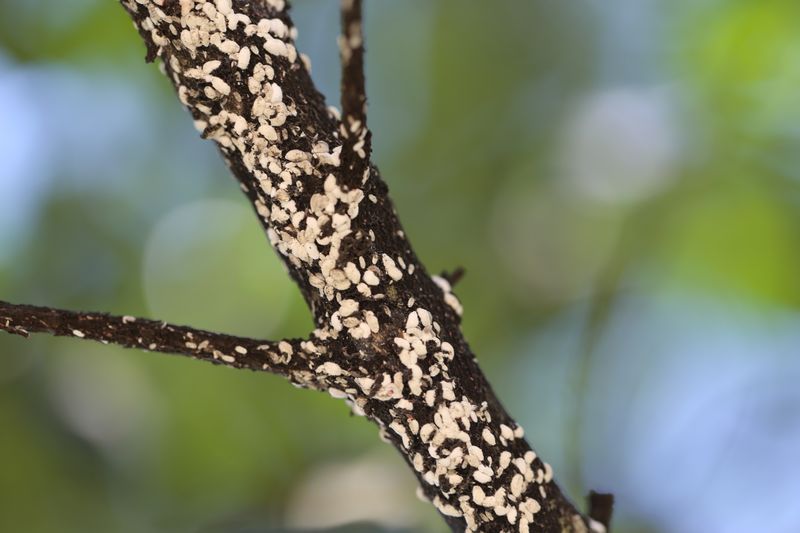
Aphids love crape myrtles. These tiny, soft-bodied insects cluster on new growth and underneath leaves, sucking out plant sap.
They might be small, but a large infestation can seriously weaken your tree, especially when it is already under stress from rising temperatures.
One of the easiest ways to spot aphids is to look for a sticky residue on the leaves or on the ground beneath the tree. That stickiness is called honeydew, and it is a waste product aphids leave behind.
When honeydew builds up, it attracts a black fungus called sooty mold. The mold itself does not eat the tree, but it blocks sunlight from reaching the leaves, which slows photosynthesis and weakens the tree over time.
Catching aphids early makes control much easier. A strong blast of water from a garden hose can knock most of them off the tree quickly.
For heavier infestations, insecticidal soap spray is a safe and effective option. Neem oil also works well and has the added benefit of discouraging future pest activity.
Beneficial insects like ladybugs and lacewings naturally feed on aphids. Avoiding harsh chemical pesticides helps protect these helpful bugs.
Creating a yard environment that welcomes beneficial insects is one of the smartest long-term pest management strategies you can use.
Once temperatures climb into the 90s and above, aphid populations can explode almost overnight. Checking your crape myrtles now, before that happens, gives you a real advantage.
Early action keeps pest problems manageable and protects your tree’s ability to bloom beautifully through the entire summer season.
5. Avoid Heavy Fertilizing Late In Spring
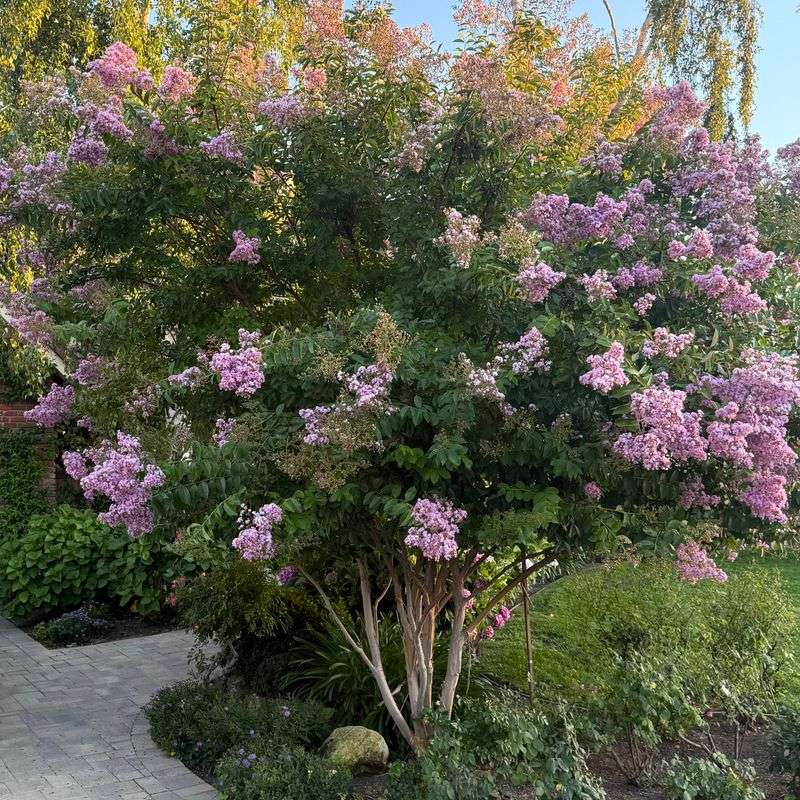
Fertilizing feels like a helpful thing to do when you want your trees to perform their best. But timing matters a lot, and heavy fertilizing late in spring can actually work against your crape myrtle heading into summer heat.
When you apply a lot of high-nitrogen fertilizer close to the hottest part of the year, it pushes the tree to produce a burst of soft, tender new growth. That fresh growth looks lush at first, but it is not very tough.
When extreme heat arrives, that soft growth wilts and stresses out much faster than older, hardened growth does.
Excess fertilizer can also encourage lush leafy growth at the expense of flowers. Crape myrtles are beloved for their spectacular summer blooms.
Pushing too much nitrogen into the tree can result in a very green but surprisingly bloomless tree throughout the season, which is the opposite of what most Texas gardeners want.
If you want to fertilize, do it earlier in spring when the tree is just waking up from winter dormancy.
A balanced, slow-release fertilizer applied in early spring gives the tree steady, manageable nutrients without forcing rapid weak growth. By the time summer heat arrives, that growth will have had time to harden off properly.
Healthy soil also reduces the need for heavy fertilizing. If you are adding mulch and watering deeply, your crape myrtle is likely getting much of what it needs naturally.
Less is genuinely more when it comes to fertilizing these tough, beautiful trees before a Texas summer.
6. Avoid Severely Topping Your Crape Myrtle
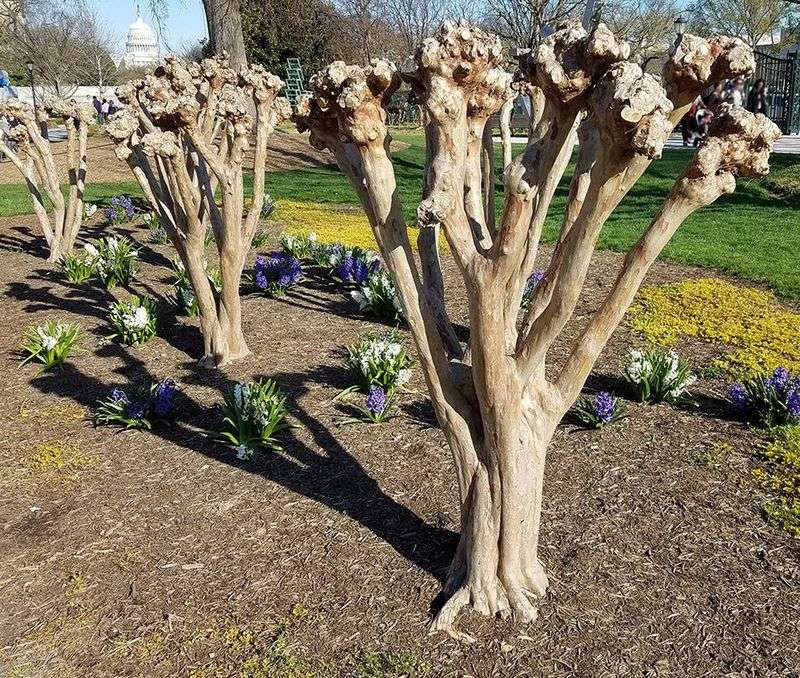
Walk through almost any Texas neighborhood in late winter or early spring and you will likely spot it. Crape myrtles chopped down to thick, ugly stubs.
This practice is so common it has been given a name by horticulturists: crape murder. And while it is widespread, it is genuinely one of the worst things you can do to these trees.
Severely topping a crape myrtle forces it to push out a massive flush of new growth from those cut stubs. That growth comes in fast, weak, and crowded.
The resulting branches are poorly attached and break easily in summer storms. The tree also has to spend enormous energy recovering from the drastic cuts instead of channeling that energy into strong roots and vibrant blooms.
Topped crape myrtles often produce smaller, fewer flower clusters than naturally shaped ones. The knobby stubs that form at cut points are also permanent and grow larger and uglier every year.
Once you top a crape myrtle repeatedly, restoring its natural graceful shape becomes very difficult.
If your crape myrtle has already been topped in past years, the best approach going forward is to gradually redirect its growth.
Remove the weakest of the stub sprouts each year and encourage the stronger ones to develop into proper branches. Over several seasons, you can restore much of the tree’s natural beauty.
Crape myrtles naturally have a stunning vase-shaped form that requires very little intervention.
Letting them grow with only light, purposeful pruning gives you a healthier, more beautiful tree that blooms generously and handles Texas heat with far greater strength and resilience.