Do This To Your Florida Orchid Before November Ends If You Want Blooms This Winter
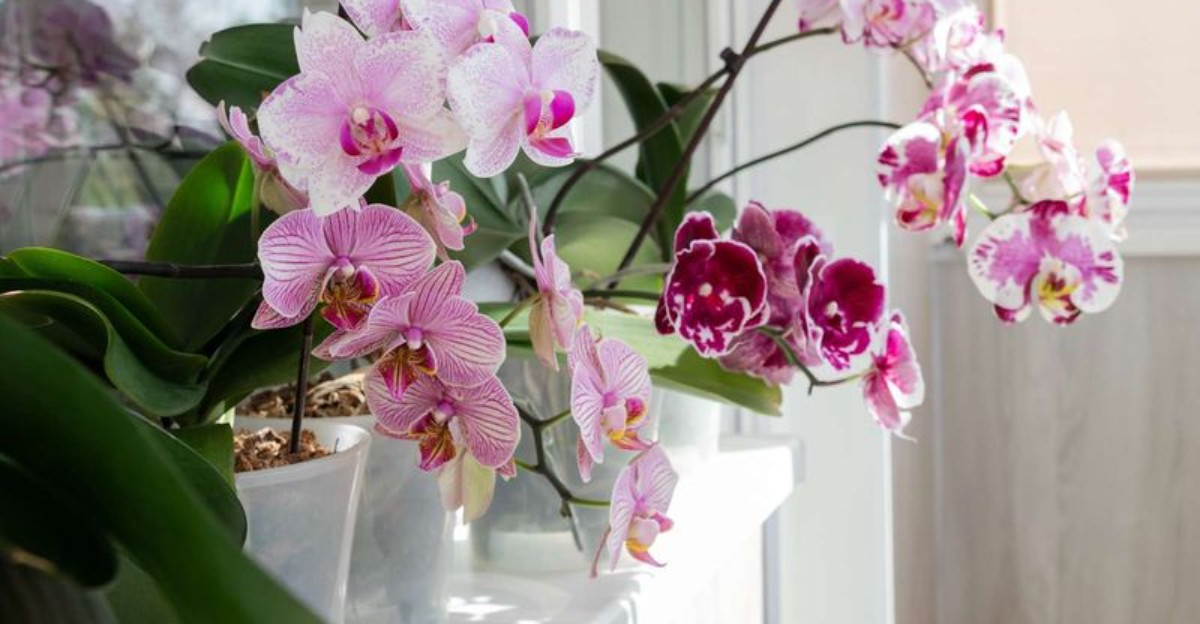
A few chilly nights can do more for a stubborn houseplant than a whole bottle of plant food. Growers have known for decades that one favorite flower sets its buds after a stretch of cooler evenings.
That surprised me the first time I learned it. I had been pampering mine with steady warmth, and all I got was leaf after shiny leaf.
In Florida, our fall rarely feels like fall. Air conditioning hums into November, and patios stay warm well after dark.
Your plant may be waiting for a signal that it simply is not getting.
The fix takes a few weeks, a little attention, and almost no money. I can’t imagine skipping it now that I have seen what happens in January.
Send that signal before the month runs out, and your windowsill could look completely different by the new year.
Your Moth Orchid Is Waiting For A Signal It Probably Isn’t Getting
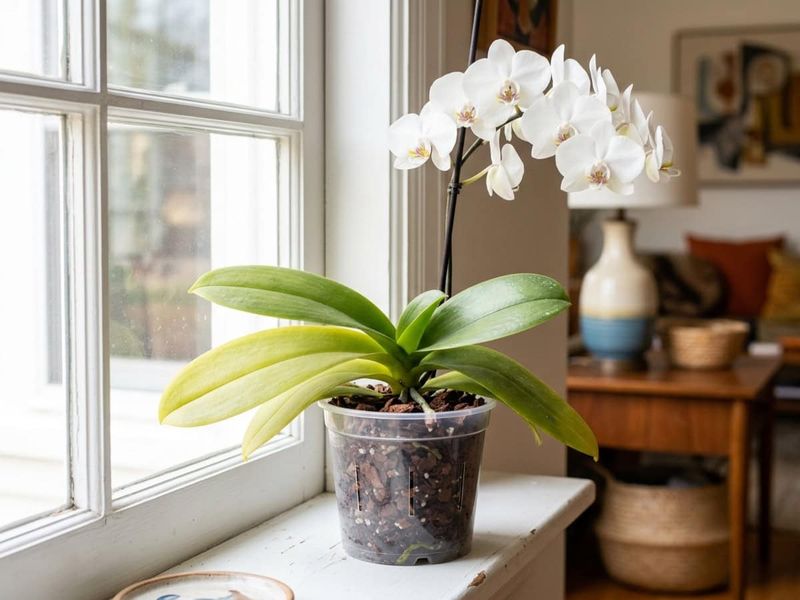
Plenty of Florida gardeners own a moth orchid that looks perfectly healthy and still refuses to flower. The leaves are glossy, the roots are plump, and yet nothing happens.
I have been there, staring at a plant that seemed happy but stubborn.
Phalaenopsis, the moth orchid sold in nearly every grocery store, reacts to its surroundings more than to the calendar. The American Orchid Society notes that these plants usually start flower spikes after a period of cooler nights.
In their native forests of Southeast Asia, that cooling happens as seasons shift.
Indoors, many of our homes stay close to the same temperature day and night. Air conditioning keeps things steady, and that comfort sends no message to the plant.
Without some change, the orchid often keeps making leaves instead of flowers.
Outdoors, the story can differ by region. North Florida patios often cool down naturally in fall, while South Florida nights may stay warm into December.
Knowing where you live helps you decide how much help your plant needs.
So the first step is simple awareness. Check your nighttime temperatures this week, and you may find the missing piece right there.
Give Your Phalaenopsis Cooler Nights Around 55 To 65 Degrees
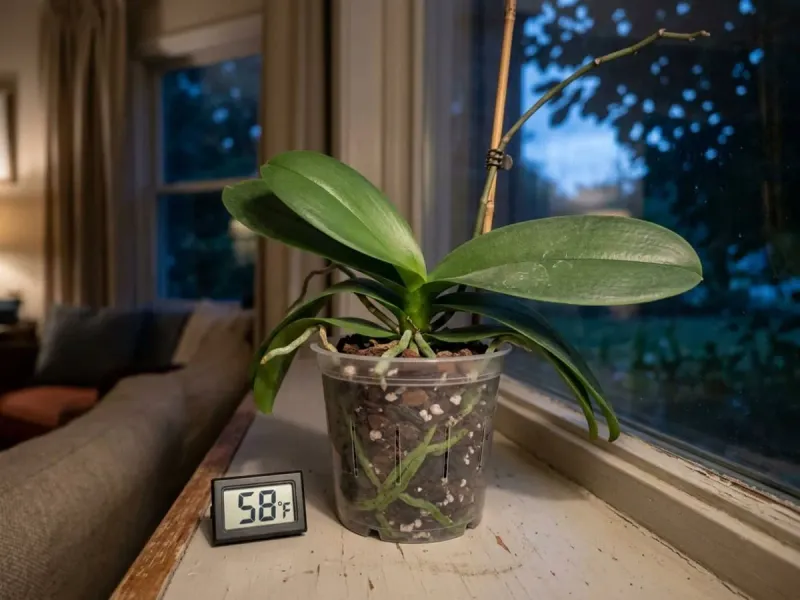
Here comes the heart of the whole trick. Most orchid experts recommend nighttime temperatures between about 55 and 65 degrees Fahrenheit for several weeks.
A drop of around 10 to 15 degrees from daytime highs helps trigger spike formation.
Starting in November gives the plant time to respond. Spikes often appear four to eight weeks after the cool spell begins, which lines up nicely with winter flowering.
Wait until January, and you may be pushing blooms into spring.
You have a few easy options. Move the pot to the coolest room at night, set it near a window that chills after sunset, or place it on a sheltered porch.
Many North and Central Florida patios hit this range naturally this month.
Watch the low end carefully, though. Moth orchids can suffer chill damage below about 50 degrees, so bring outdoor plants inside if a cold front heads your way.
A cheap digital thermometer with a minimum reading takes the guesswork out.
Personally, I set a phone reminder to carry my plants in and out. It feels silly for a week, and then it becomes a happy little habit.
An East Window Keeps Orchid Leaves Fueled For Flower Spikes
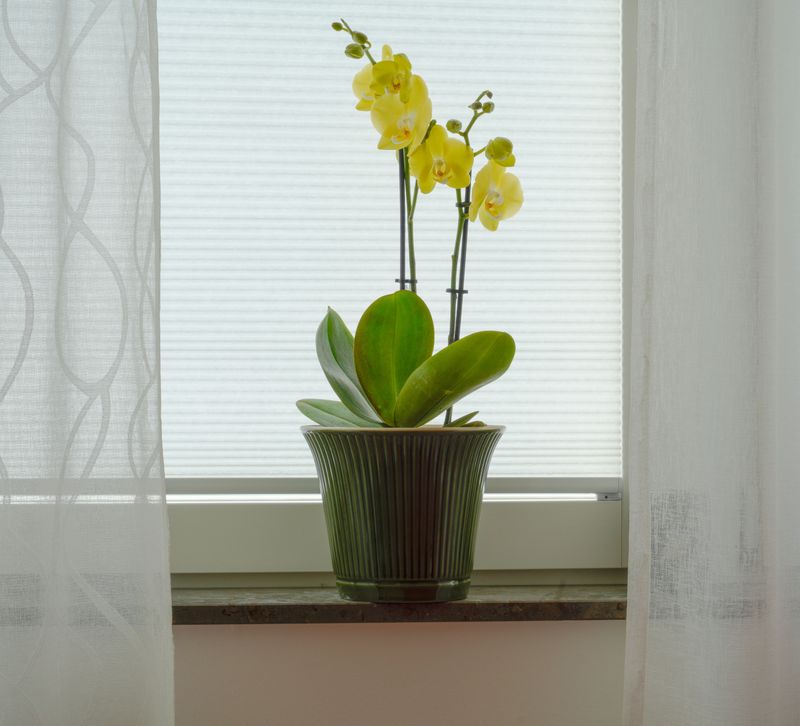
Cool nights tell the plant to bloom, but light pays for the show. Making a long spike with a dozen flowers takes plenty of stored energy.
A dim corner simply cannot cover that bill.
Moth orchids like bright, indirect light. An east-facing window works beautifully because it offers gentle morning sun and avoids the harsh afternoon blast.
A south or west window can also work if a sheer curtain softens the rays.
Leaf color gives helpful clues. Medium olive green usually means the light is about right.
Very dark green leaves suggest too little light, while yellowish or scorched patches point to too much.
Days shorten in fall even here, so a spot that worked in July may feel dimmer now. Wipe dusty windows and leaves with a soft damp cloth to let more light through.
If your home is shady, a small LED grow light placed about a foot above the leaves can fill the gap.
One fun detail surprised me. Phalaenopsis leaves can store energy for weeks, so steady light now supports flowers that open months later.
Your future blooms are being charged up right this minute.
Orchid Roots Need Less Water Once The Weather Cools
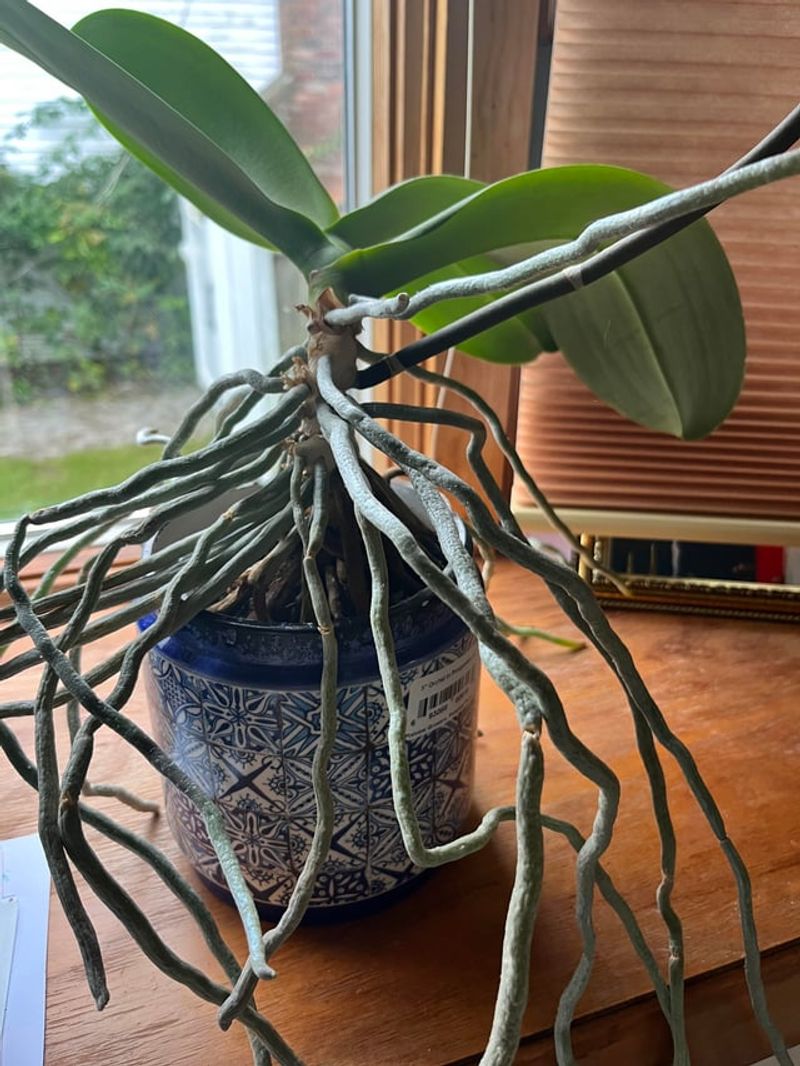
Ever notice how your bark mix stays damp longer in November? Cooler air and weaker sun slow evaporation, and the plant drinks less too.
Watering on a summer schedule now can leave roots sitting soggy.
Soggy roots are the fastest way to spoil a bloom season. Root rot cuts off the plant’s supply line just when it needs strength for spikes.
University extension experts list overwatering as one of the most common orchid problems.
A clear plastic pot makes this easy. Silvery roots mean the plant is thirsty, while green roots mean there is still moisture inside.
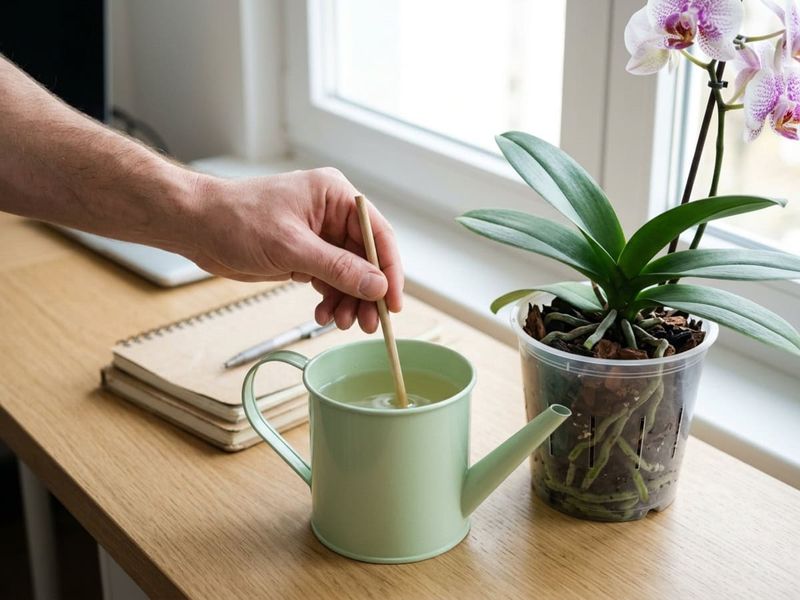
You can also push a wooden skewer into the mix and check if it comes out damp.
When you do water, soak the pot well and let every drop drain away. Morning watering gives leaves and crowns time to dry before evening.
Water trapped in the crown overnight can lead to rot.
For many Florida homes, this ends up being about once a week or a bit less. Skip the ice cube trend, by the way.
A thorough drink with room temperature water works far better for these tropical roots.
Cut Back The Orchid Fertilizer And Feed Weakly Instead
More food sounds like more flowers, but orchids do not quite work that way. Heavy feeding in fall can push leafy growth and build up salts around the roots.
A lighter touch makes more sense this time of year.
Many growers follow the motto weakly, weekly. That means using a balanced orchid fertilizer at about one quarter strength during the growing season.
As growth slows in late fall, you can stretch feedings to every two or three weeks.
Bloom booster formulas with extra phosphorus get lots of hype. Research from orchid specialists suggests temperature matters far more than any special formula for starting spikes.
A balanced feed applied gently does the job just fine.
Once a month, flush the pot with plain water. Run water through the mix for a minute to rinse out leftover salts.
White crust on the bark or pot rim is a sign that it is overdue.
I used to think skipping fertilizer meant neglecting my plants. Now I see it as giving them a calmer season.
They seem to reward that patience with sturdier spikes and longer lasting flowers.
Keep Moth Orchids Away From AC Vents And Drafty Doors
A blast of cold or hot air can undo weeks of careful work. Developing buds are touchy, and sudden swings often cause bud blast.
That is when buds turn yellow and drop before opening.
Florida homes swap between AC and heat a lot in fall. One week the air conditioner runs, the next a cold front kicks on the heater.
Both can dry the air and blow directly onto your plant.
Walk around your home and feel for drafts near the orchid. Air vents, ceiling fans, and doors that open often are common trouble spots.
Moving the pot just a few feet can make a real difference.
Humidity matters too. Moth orchids enjoy roughly 50 to 70 percent humidity, and indoor air can drop below that when systems run.
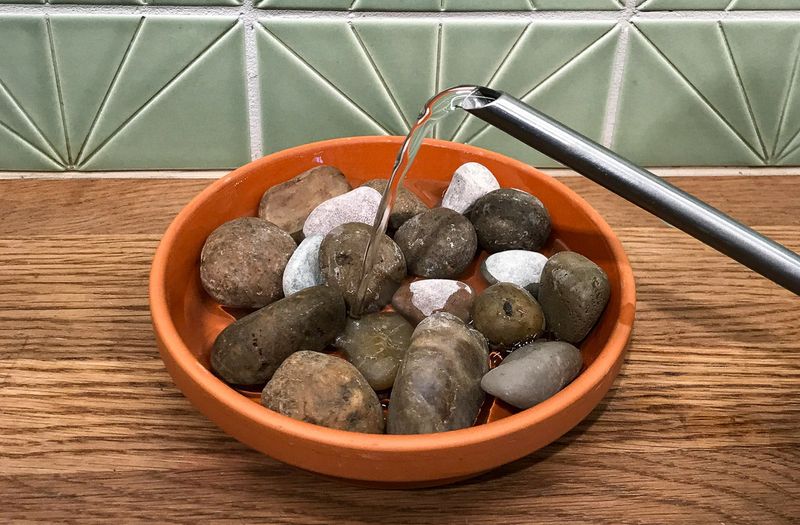
A pebble tray with water helps, as long as the pot sits above the water line.
Grouping several plants together also creates a little pocket of moist air. I keep my orchids clustered near a few ferns, and the whole corner feels like a tiny greenhouse.
Plus it looks lovely when the spikes finally show up.
Spot The Difference Between A New Flower Spike And An Air Root
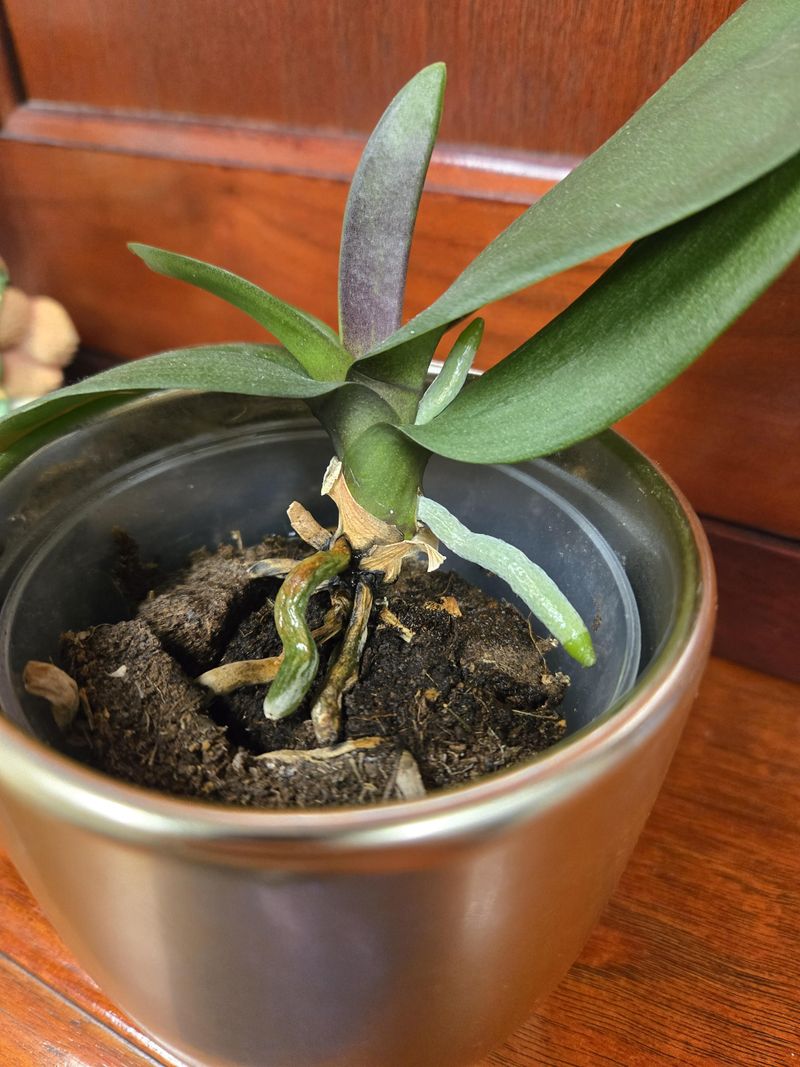
Few things in gardening feel as exciting as finding that first green nub. Then the doubt creeps in.
Is it a flower spike or just another root?
Look at the tip first. A flower spike usually has a flattened, mitten-shaped tip, while a root is rounder and smooth.
Roots also wear a silvery white coating with a green or reddish tip.
Location gives another clue. Spikes typically emerge from between the lower leaves, often from the side of the stem.
Roots tend to pop out lower and grow outward or down in any direction.
Once you confirm a spike, avoid moving the plant around too much. Spikes grow toward light, and turning the pot can give you a crooked stem.
Pick a spot and let it stay put.
When the spike reaches about five or six inches, add a thin stake and loose clips. Add new clips gradually as it grows taller.
Keep the cool nights going until buds form, then normal room temperatures are fine. Honestly, watching that spike stretch week by week is half the fun of growing these plants.
A Blooming Florida Orchid In January Starts With This Week’s Plan
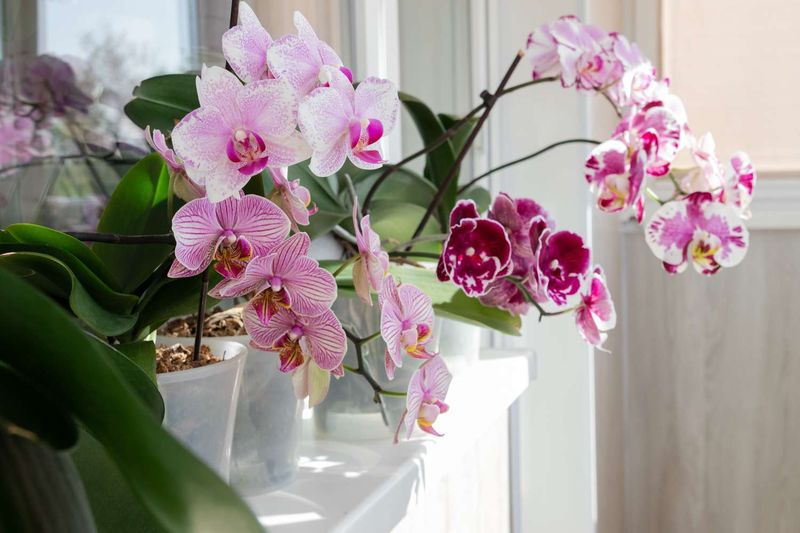
Picture yourself in January sipping coffee next to an arching spray of flowers. That moment really does trace back to small choices made in November.
The good part is that the checklist is short.
Start with a quick plan for the next few weeks. Find a spot with cooler nights in the 55 to 65 degree range.
Pair it with bright, indirect light and drier, less frequent watering.
Next, ease off fertilizer and watch for drafts. Check on the plant every few days without fussing too much.
Patience matters, since spikes may take a month or two to appear.
If nothing happens this year, do not give up. A newly repotted orchid or one that bloomed recently may need more recovery time.
Small or young plants sometimes skip a season while they build strength.
Other popular types follow their own rhythms. Dendrobiums and Cattleyas each have different needs, so look up your specific variety before copying this routine.
The University of Florida IFAS Extension offers helpful guides for local growers. I believe a little curiosity is the best tool any gardener can own, and your orchid will prove it.