Why Florida Live Oaks Start Dropping So Many Acorns In Fall
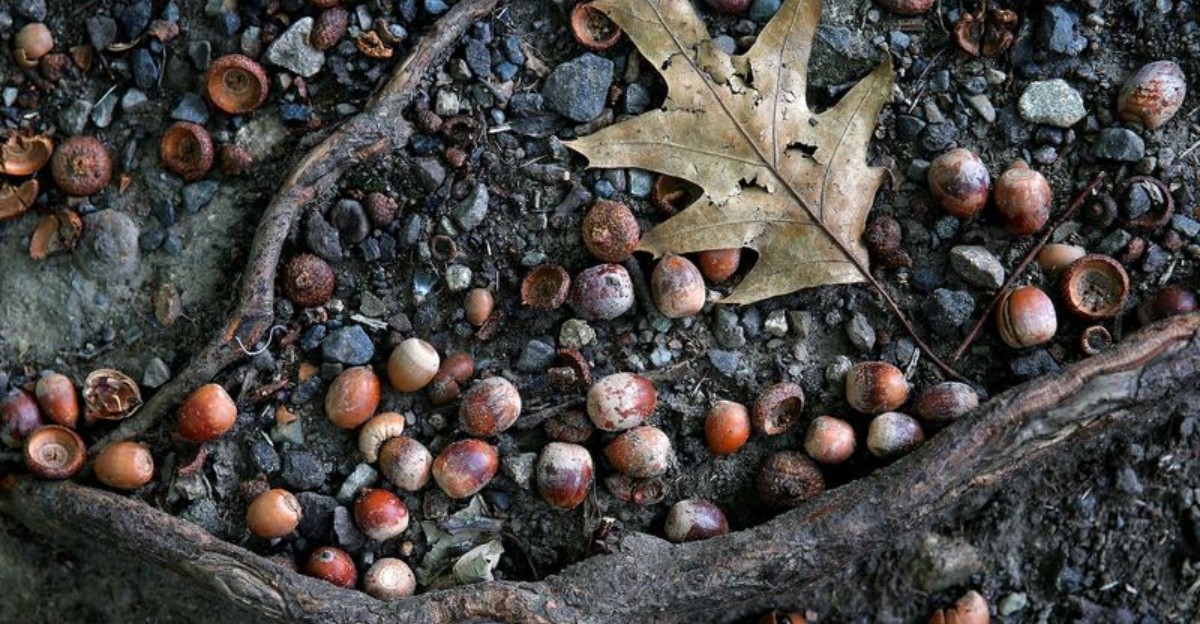
The small dark nuts raining on your driveway this month can sprout roots within a few weeks of landing. They skip the winter rest many seeds need, so a forgotten one may sprout by December.
I like how the same tree keeps nearly all of its glossy leaves while it lets these nuts fall. In Florida, the big leaf drop waits until late winter or spring, so fall belongs to the seeds.
A heavy crop arrives only every few years, while the seasons in between may bring just a light sprinkle. Scientists believe trees across a whole region often time these big years together, though the exact triggers are still studied.
You need only a quick walk under a shade tree this October to hear them tapping on roofs and cars. Have you noticed how one Florida yard can fill a whole bucket with them in one afternoon?
Your Oak Finishes Its Seed Crop Right On Schedule
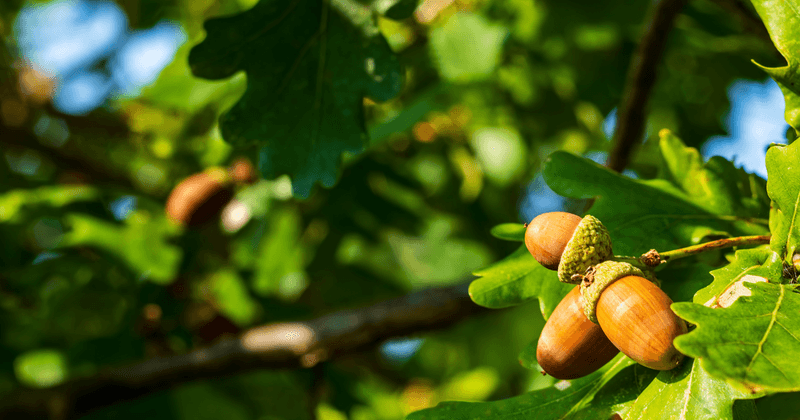
Southern live oak, known to botanists as Quercus virginiana, belongs to the white oak group of oak trees. Members of that group grow and ripen their acorns in a single season instead of taking two full years.
Flowers appeared on your tree back in early spring, often around March or April in much of Florida. Over the summer, those tiny pollinated flowers slowly swelled into green acorns hidden among the thick leaves.
By September and October, the acorns turn dark brown to nearly black and loosen from their small caps. Gravity does the rest, so the drop you notice now is simply the tree releasing ripe seeds.
University of Florida extension experts describe the acorns as small, oblong, and often borne in clusters on long stalks. A single mature tree can produce thousands of them, which explains the crunchy layer on patios and driveways.
Most of the drop happens from early fall into early winter, with the peak often landing in October or November. Timing shifts from the Panhandle to South Florida, since local weather can nudge the schedule slightly earlier or later.
So the short answer is that fall is harvest time for this tree, plain and simple. Your oak is not sick or stressed just because acorns keep bouncing off the roof this month.
Instead, the heavy shower is usually just a normal part of the tree finishing its yearly job of making seeds. Enjoy the show, keep a sturdy broom handy, and expect the steady tapping to continue for several more weeks.
Big Crop Years Follow A Hidden Rhythm
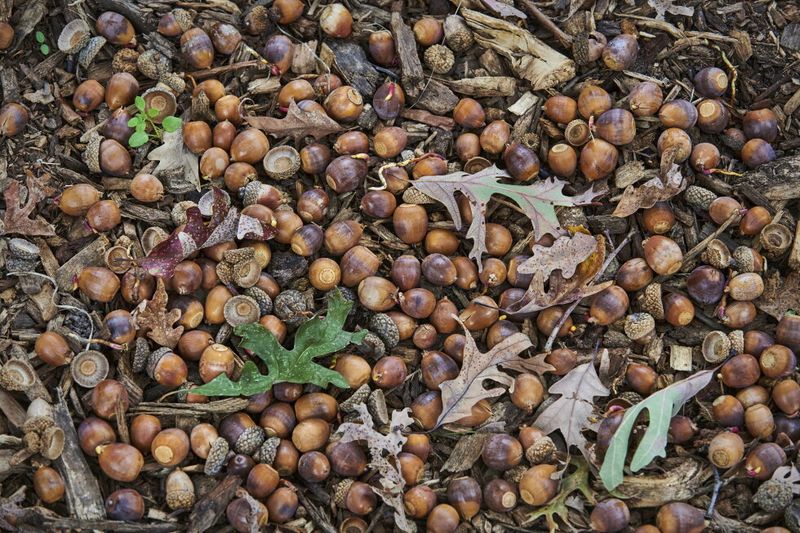
Last year your driveway might have stayed fairly clean, yet this October it could be buried in acorns. Researchers call this boom and bust pattern masting, and oak trees across the country are famous for it.
During a mast year, many oaks in the same area produce huge crops at nearly the same time. Lighter years usually follow, giving the trees a chance to rebuild the energy that big seed crops require.
Scientists have studied masting for decades, but they still debate exactly what signals tell the trees to coordinate. Weather during flowering, stored energy inside the tree, and pollen supply all seem to play a part.
Your Florida Garden Changes Every Week. Your Plan Should Too.
Gardening in Florida changes quickly throughout the season. Every Friday you’ll receive a simple weekly plan showing exactly what to plant, prune, fertilize, harvest, and protect so you never miss the right timing.
One popular idea is that huge crops overwhelm the animals that eat acorns, so some seeds survive. Deer, turkeys, jays, and other wildlife simply cannot eat every acorn when the ground is covered with them.
Another idea is that oaks shed pollen into the wind, so blooming together helps more flowers get pollinated. Both explanations have support, and many experts believe several factors work together rather than just one cause.
Live oak acorn crops in Florida can vary a lot from year to year, even on the same tree. A heavy drop alone is usually not a cause for concern, and a light year rarely signals a problem either.
If you keep a simple notebook, jot down how many acorns you see each fall for a few years. Over time, you may spot your own neighborhood rhythm and predict the next big crunchy season.
Spring Weather Sets Up This Month’s Harvest
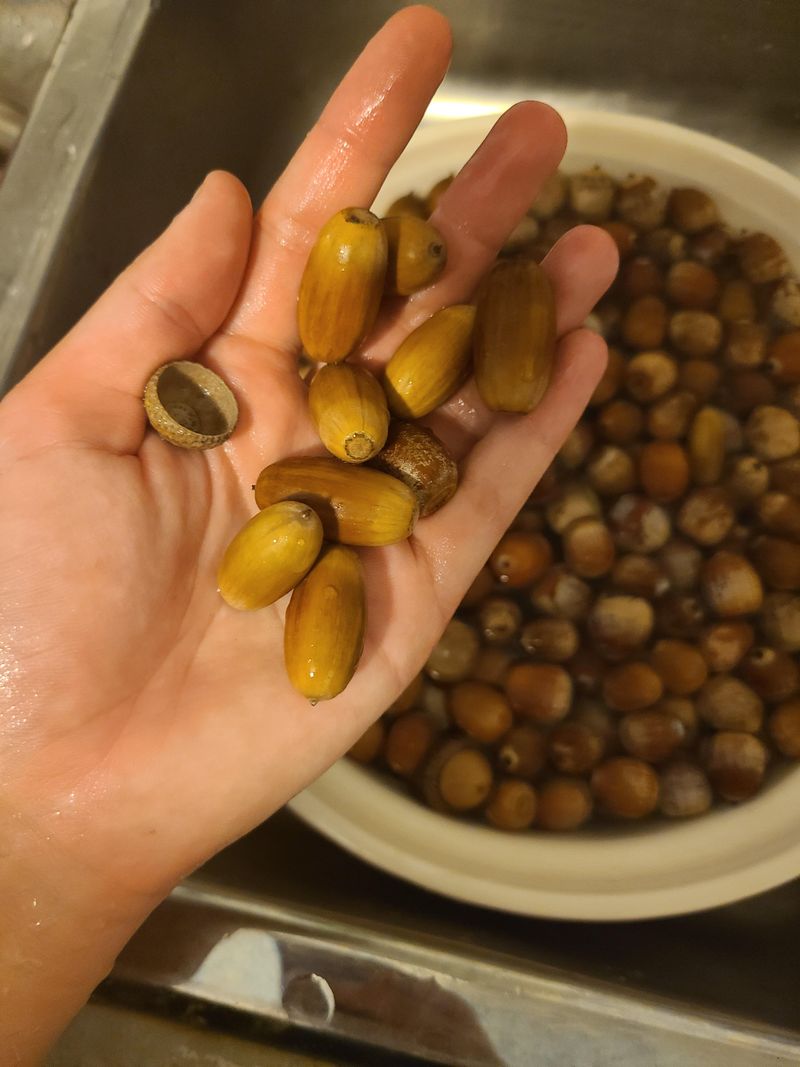
Today’s acorn pile actually started its story about seven months ago, during the breezy days of early spring. Oak flowers are tiny and easy to miss, hanging in yellowish strands called catkins that release clouds of pollen.
Wind carries that pollen to small female flowers, which later develop into the acorns falling around you now. If spring weather cooperates, more flowers get pollinated and the tree has a better shot at a big crop.
A late cold snap, heavy rain during pollen season, or strong drying winds can reduce how many flowers succeed. Researchers studying oaks in other regions have linked spring conditions to acorn crop size, though results vary by species.
Summer matters too, because the tree needs steady water and sunlight to fill each acorn with stored food. Long dry stretches can cause some young acorns to drop early, before they ever ripen in fall.
Florida summers bring plenty of rain in most years, which often helps live oaks carry their crops to maturity. Strong summer storms can knock green acorns loose early, so a stormy summer may mean a smaller fall drop.
You cannot control the weather, but you can support your tree during dry spells with deep, occasional watering. Young trees benefit most, since established live oaks have wide roots that reach water across a large area.
Watch your tree next spring, and notice whether the catkins appear heavy or sparse on the branches. Comparing that with the following fall drop is a fun way to learn your oak’s habits.
Your Yard Becomes A Wildlife Buffet
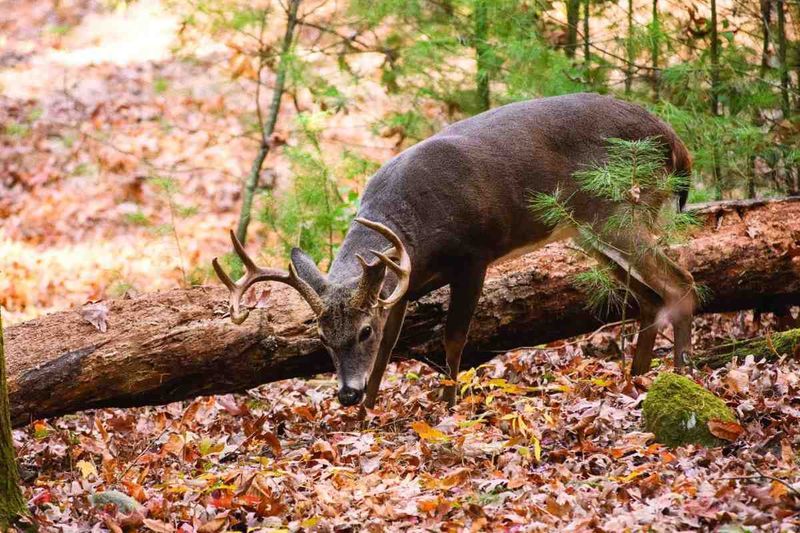
Your backyard oak is basically running a free snack bar right now, and the guest list is impressive. Live oak acorns are a valued fall food for white-tailed deer, wild turkeys, wood ducks, blue jays, and black bears.
Acorns from the white oak group tend to have less tannin, which gives them a milder taste than red oak acorns. Many animals seem to prefer them for that reason, so they often disappear quickly after landing.
Blue jays are especially fun to watch because they carry acorns away and bury them for later meals. Forgotten acorns may sprout, which means these noisy birds help plant new oaks far from the parent tree.
Raccoons, opossums, and many small rodents also gather the fallen nuts as cooler weather moves into Florida. Insects join the party too, including acorn weevils whose larvae grow inside the nuts and later chew their way out.
Small round holes in fallen acorns usually mean a weevil larva has exited, and they rarely harm your tree. Wildlife experts suggest leaving some acorns in natural areas of your yard as fall food for visiting animals.
Keep pets in mind as well, since veterinarians warn that eating many acorns can upset a dog’s stomach. A quick sweep of areas where your dog plays will reduce the chance of chewing or swallowing them.
A cheap wildlife camera aimed at the base of your tree can reveal surprising night visitors this season. Kids especially enjoy checking the photos each morning to see who stopped by for a crunchy snack.
Fallen Acorns Need A Little Cleanup Plan
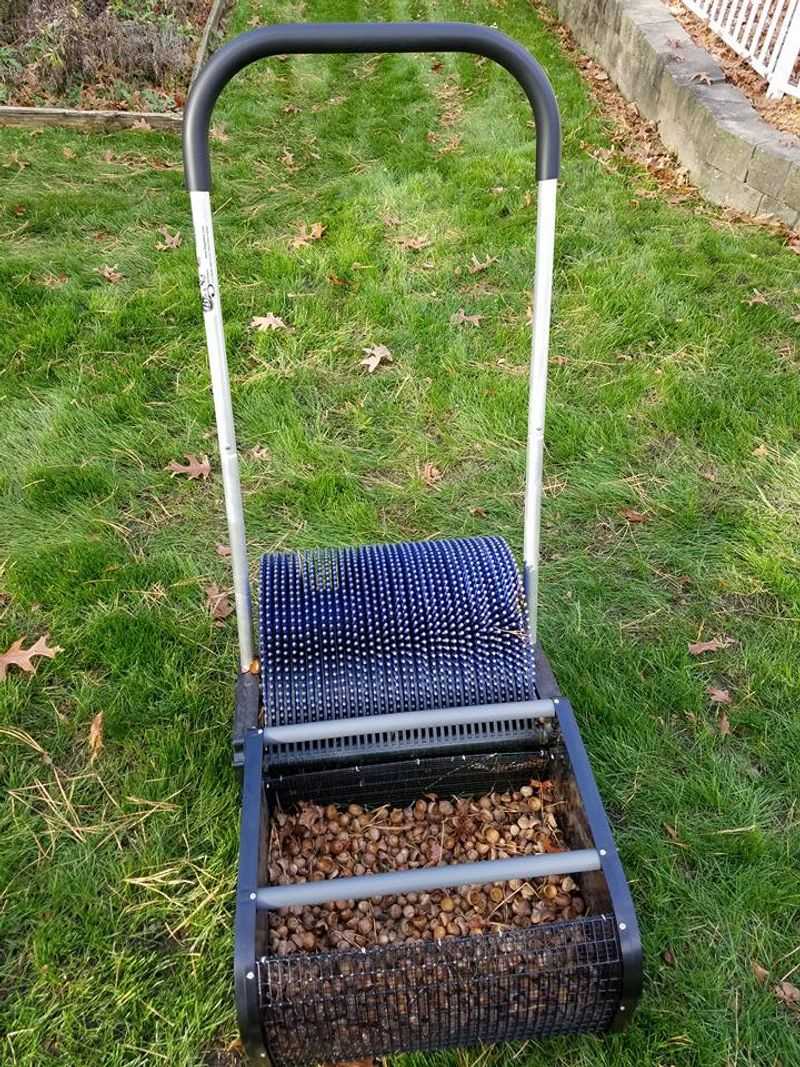
Stepping on a pile of acorns feels a bit like stepping on marbles, so a cleanup plan makes sense. Fallen nuts on sidewalks, steps, and driveways can cause slips, especially for older adults and young children.
A stiff push broom works well on hard surfaces, and a leaf blower can move them into piles quickly. For lawns, a rolling nut gatherer picks up acorns without bending, which saves your back during heavy drop years.
Mowing over a thin layer of acorns is usually fine, but thick piles can dull blades and fling debris. Wear eye protection if you mow, and clear heavy patches by hand or rake before starting the mower.
Collected acorns can go into a compost pile, though their hard shells break down slowly over many months. Crushing them first, or mixing them with green grass clippings, helps the composting process move along faster.
Some homeowners leave a band of acorns and leaves under the canopy as natural mulch for the tree. UF/IFAS experts encourage mulch under trees, since it protects roots and keeps mowers away from the trunk.
Gutters deserve a check in late fall, because acorns and small twigs can collect and slow water flow. Wait until most of the drop is finished, then clean everything at once to save time and effort.
Spreading the work across a few short sessions each week keeps the chore manageable and the yard safer. A little effort now prevents a slippery mess when November rains soak the fallen nuts on your paths.
Tiny Seedlings May Pop Up Without Your Help
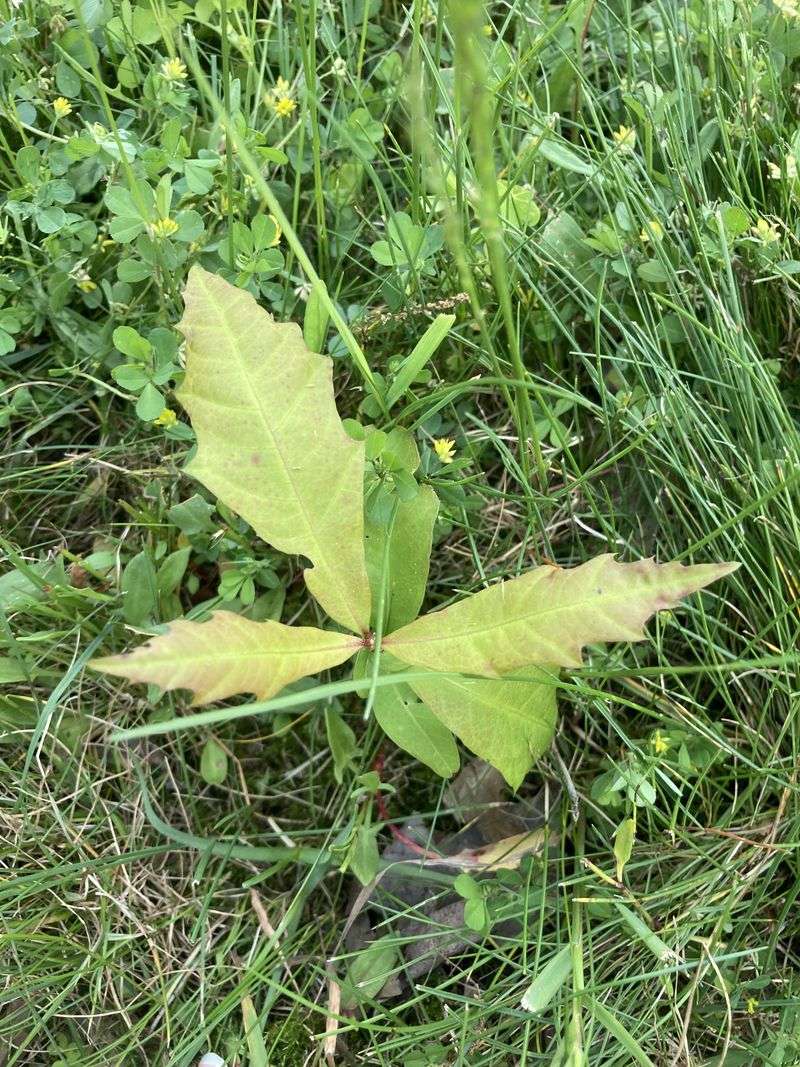
Come December, you might find little oak sprouts poking through mulch beds, flower pots, and the edges of your lawn. Live oak acorns often germinate soon after falling, sending a root down before a shoot ever appears above ground.
That quick start is a survival trick, since the root can anchor itself before winter conditions arrive. In a garden bed, though, dozens of unwanted seedlings can show up within just a few short weeks.
Pull young sprouts while the soil is moist, because their taproots grow deep surprisingly fast for such small plants. A garden trowel or narrow weeding tool helps remove the whole root so the seedling does not return.
Regular mowing usually handles sprouts in lawns, since young oaks rarely survive being cut back again and again. A fresh layer of mulch in beds can also reduce how many acorns reach bare soil and take root.
If you love the idea of growing your own tree, pick a few plump, uncracked acorns this month. Plant them on their sides about an inch deep in a pot of moist soil, then keep the pot outdoors.
Live oaks can grow into huge trees with spreading crowns, so choose a final planting spot with plenty of room. Florida extension guides recommend keeping large shade trees well away from foundations, septic systems, and overhead power lines.
Sharing extra seedlings with neighbors, schools, or local native plant groups is a kind way to spread more shade. Each tiny sprout carries the same toughness that helps Florida live oaks stand up to strong coastal winds.