Do This To Your Pennsylvania Black Eyed Susans And They Will Reward You With Color Until November
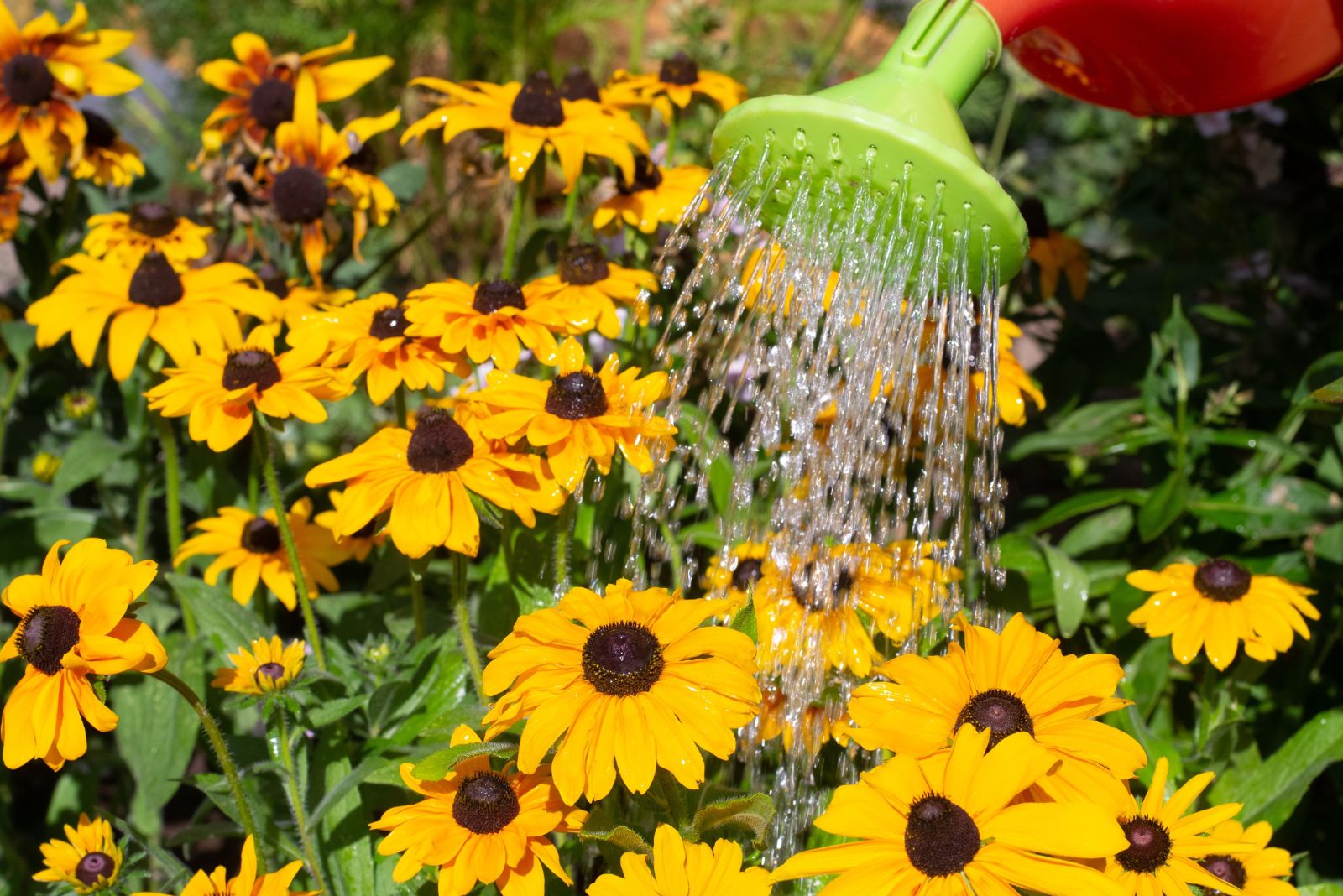
Black-eyed Susans are one of the most cheerful and dependable plants in a Pennsylvania garden, showing up reliably every summer and asking for very little in return.
Most gardeners let them do their thing and enjoy the results, which works well enough through July and August.
What a lot of people do not realize is that a few deliberate steps taken at the right time can extend that bloom season significantly, pushing color well past the point where most garden flowers have already called it a season.
Pennsylvania falls can be genuinely beautiful, and black-eyed Susans are capable of being a big part of that picture all the way into November with the right management.
The difference between a plant that wraps up in late summer and one that is still producing strong color in October comes down to specific habits that are easy to build in once you know what they are and when to apply them.
1. Deadhead Spent Flowers Regularly

Most gardeners do not realize how much of a difference this one simple habit can make. When a flower fades and starts to turn brown, the plant shifts its energy toward making seeds instead of producing new blooms.
By removing those spent flowers before seeds fully form, you are telling the plant to keep going and make more flowers instead.
Deadheading is easy and does not require any fancy tools. A pair of small garden scissors or even your fingers work perfectly fine.
Just pinch or snip the faded bloom right below the flower head, or cut the stem back to the nearest set of healthy leaves. Try to do this every few days during peak blooming season so the plant never gets too far ahead of you.
In Pennsylvania, where summers can be warm and humid, black-eyed Susans tend to bloom in strong waves. If you stay on top of deadheading, you can easily push those waves of color from mid-summer all the way into late fall.
It takes just a few minutes each visit to the garden, and the payoff is enormous. Some gardeners find it relaxing, almost like a little meditation session among the flowers.
Once you build the habit, it becomes second nature. Your plants will look tidier, stay healthier, and reward you with far more color than plants that are simply left alone to do their own thing throughout the growing season.
2. Water Deeply During Dry Spells
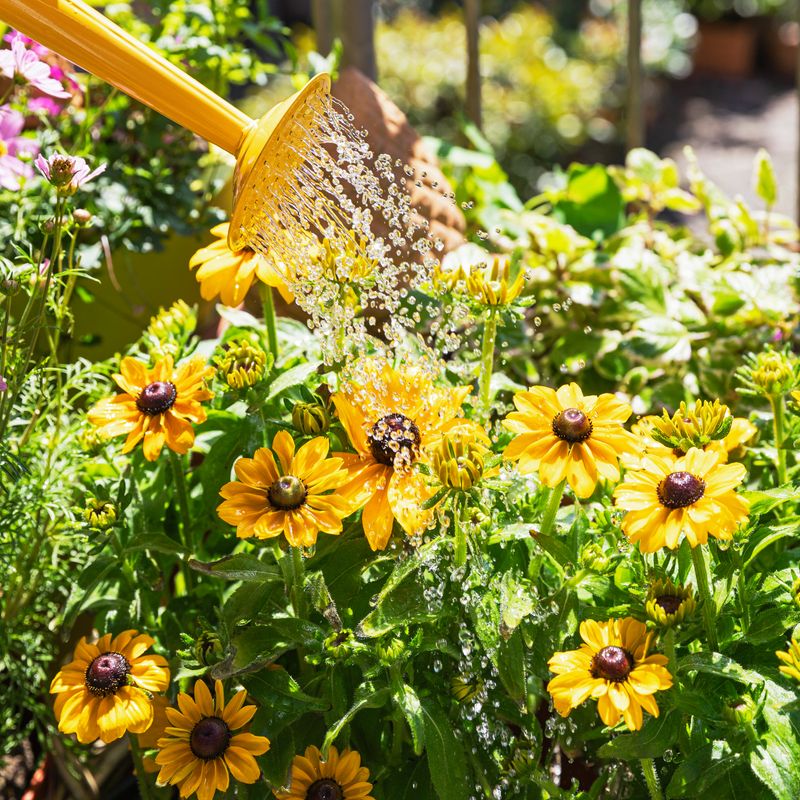
Black-eyed Susans have a well-earned reputation for being tough plants. They can handle dry stretches better than many other garden flowers, thanks to their deep root systems that seek out moisture far below the soil surface.
But even the toughest plants appreciate a drink when the heat really sets in and rainfall is nowhere in sight.
During a dry spell, the key is to water deeply rather than often. Light, frequent watering only wets the top inch or two of soil, which actually encourages roots to stay shallow and weak.
Instead, water slowly and thoroughly so the moisture soaks down six to eight inches into the ground. This trains the roots to grow deeper, making the plant much more resilient during future dry periods.
Your Pennsylvania Garden Changes Every Week. Your Plan Should Too.
Gardening in Pennsylvania changes quickly throughout the season. Every Friday you’ll receive a simple weekly plan showing exactly what to plant, prune, fertilize, harvest, and protect so you never miss the right timing.
In Pennsylvania, late summer can bring stretches of hot, dry weather that stress even native wildflowers. A deep watering once every seven to ten days during those dry stretches is usually enough to keep black-eyed Susans blooming strong.
Water in the morning if you can, so the leaves have time to dry out before evening. Wet foliage sitting overnight can invite fungal problems, which nobody wants to deal with.
Using a soaker hose or drip irrigation laid at the base of the plants is a great way to deliver water right where it is needed without splashing the leaves.
A little attention to watering during the hottest weeks can mean the difference between plants that fizzle out in August and plants that are still glowing with color in late October.
3. Trim Away Diseased Or Damaged Foliage
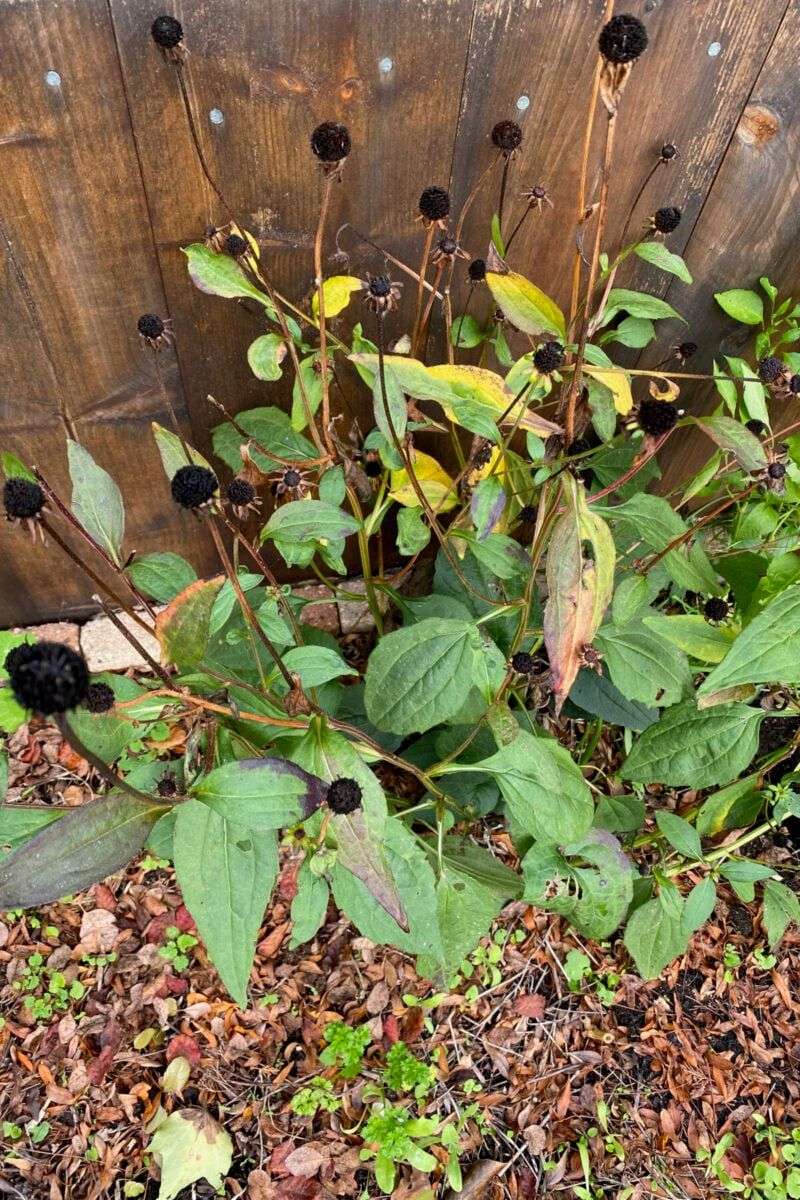
Spotting a few yellow or spotted leaves on your black-eyed Susans can feel alarming, but it is actually a very manageable problem when you catch it early.
Fungal diseases like powdery mildew and leaf spot are fairly common in Pennsylvania gardens, especially during warm, humid summers.
The good news is that removing affected leaves quickly can stop the problem from spreading to the rest of the plant.
Grab a clean pair of garden scissors or pruners and snip off any leaves that look discolored, spotted, mushy, or just plain unhealthy. Drop them straight into a bag or bin rather than leaving them on the ground around the plant.
Fallen diseased leaves can harbor spores that re-infect your plants or spread to neighboring flowers, so getting them off the ground is just as important as removing them from the plant itself.
Thinning out dense or crowded stems at the same time is a smart move too. Good airflow through the plant helps leaves dry out faster after rain or morning dew, which makes it much harder for fungal diseases to take hold.
Think of it like opening windows in a stuffy room. When air moves freely between stems and leaves, the whole plant stays fresher and healthier.
Plants that breathe well tend to bloom longer and look better all the way into fall. A quick check every week or two throughout the growing season means small problems never get the chance to become big ones, and your black-eyed Susans stay vibrant for months.
4. Apply A Thin Layer Of Mulch

Mulch might look like a simple finishing touch, but it does some seriously important work beneath the surface. Spreading a thin layer around your black-eyed Susans helps the soil hold onto moisture much longer, which means the roots stay comfortable even during hot, dry stretches.
That steady moisture supply helps the plants keep producing flowers instead of going into survival mode when conditions get tough.
Aim for about two to three inches of mulch spread evenly around the base of the plants. Natural options like shredded bark, wood chips, or straw all work great.
Just be sure to leave a small gap between the mulch and the base of the plant stems. Piling mulch right up against the stems can trap too much moisture there and encourage rotting, which is exactly what you want to avoid.
Beyond moisture retention, mulch also helps regulate soil temperature. Pennsylvania summers can swing between cool nights and blazing hot afternoons, and those temperature swings can stress plants more than people realize.
A layer of mulch acts like a buffer, keeping the soil temperature more stable throughout the day and night. It also suppresses weeds, which compete with your black-eyed Susans for water and nutrients.
Fewer weeds means less work for you and more resources for your plants. Applying mulch in early summer and refreshing it lightly in late summer gives your plants the best possible support heading into fall.
It is one of the easiest things you can do for big results with very little effort required.
5. Avoid Heavy Fertilizing
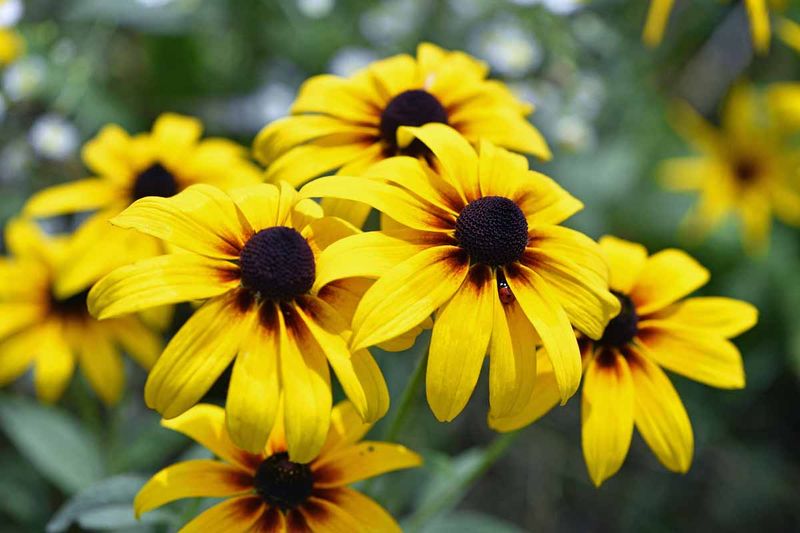
Here is something that surprises a lot of new gardeners: black-eyed Susans actually prefer lean soil. Unlike roses or tomatoes that love a steady supply of rich fertilizer, these native wildflowers evolved in meadows and roadsides where the soil is not particularly rich.
Feeding them too much, especially with high-nitrogen fertilizers, pushes the plant to grow lots of lush green leaves while producing far fewer flowers.
If you have been wondering why your black-eyed Susans are looking big and leafy but not very bloomy, heavy fertilizing could be the culprit. Nitrogen encourages vegetative growth, which is great for lawns but not ideal for flowering plants that you want to keep blooming.
Scale back on the fertilizer and let the plant put its energy where you actually want it, which is into those gorgeous golden flowers.
If you feel like your soil genuinely needs a boost, stick to a light application of a balanced, slow-release fertilizer in early spring, before the plant really gets going. Something with equal or lower nitrogen compared to phosphorus is a better choice for flowering plants.
Compost worked lightly into the soil around the base is another gentle option that improves soil structure without overloading the plant with nutrients. After that first early-season feeding, step back and let nature do its thing.
Black-eyed Susans in Pennsylvania are remarkably self-sufficient once they are established. Trusting the plant and resisting the urge to over-fertilize is honestly one of the best things you can do for a longer, more colorful blooming season.
6. Shear Plants Lightly In Mid-Summer If Blooming Slows
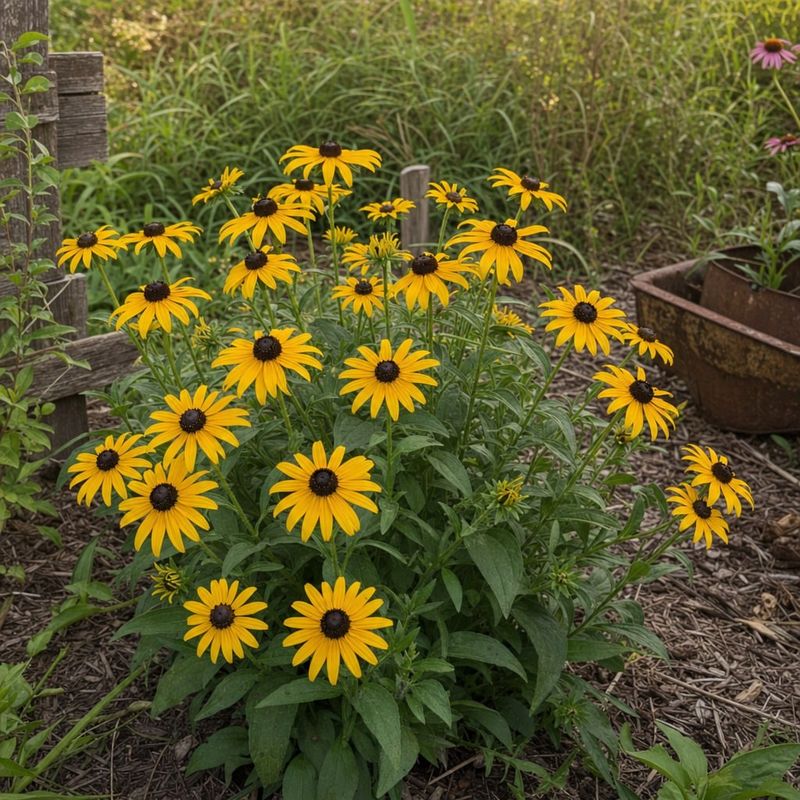
Sometimes around mid-July or early August, you might notice your black-eyed Susans starting to look a little tired. The first big flush of blooms has faded, new buds seem slow to appear, and the plants start looking a bit ragged and overgrown.
That is the perfect moment for a light mid-season shearing, and it can completely transform how your plants perform for the rest of the year.
Using a clean pair of hedge shears or garden scissors, trim the plants back by about one-third of their height. Do not be too timid about it.
A confident, even trim encourages the plant to push out a fresh round of new growth from the base and along the stems. Within two to three weeks, you will typically start seeing new green shoots emerging, and those shoots will carry the next wave of flower buds right along with them.
Timing matters here. Shearing too late in the season, say after mid-August in Pennsylvania, can leave the plant without enough time to produce a full new round of blooms before colder weather arrives.
Aim to do your mid-season trim by early August at the latest to give the plant a solid six to eight weeks of regrowth time before fall sets in. Water well after shearing and keep up with deadheading as the new blooms arrive.
When you combine this mid-summer reset with the other care habits on this list, your black-eyed Susans can stay genuinely colorful and full of life well into October and even November in many parts of Pennsylvania.