Does Desert Lavender Really Keep Flies Away From an Arizona Patio?
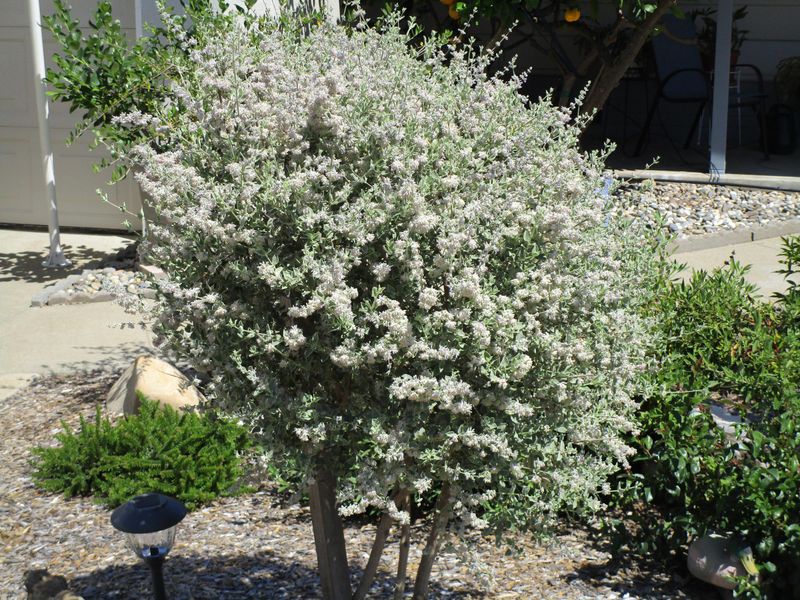
A silvery native shrub in western Arizona gets credit for keeping flies off outdoor tables. The story sounds great, especially when a burger is sitting on the grill.
Here is what is actually known about desert lavender, how to grow it in a low-desert yard, and what really helps when flies crash your meal.
Desert lavender is the likely plant behind the claim
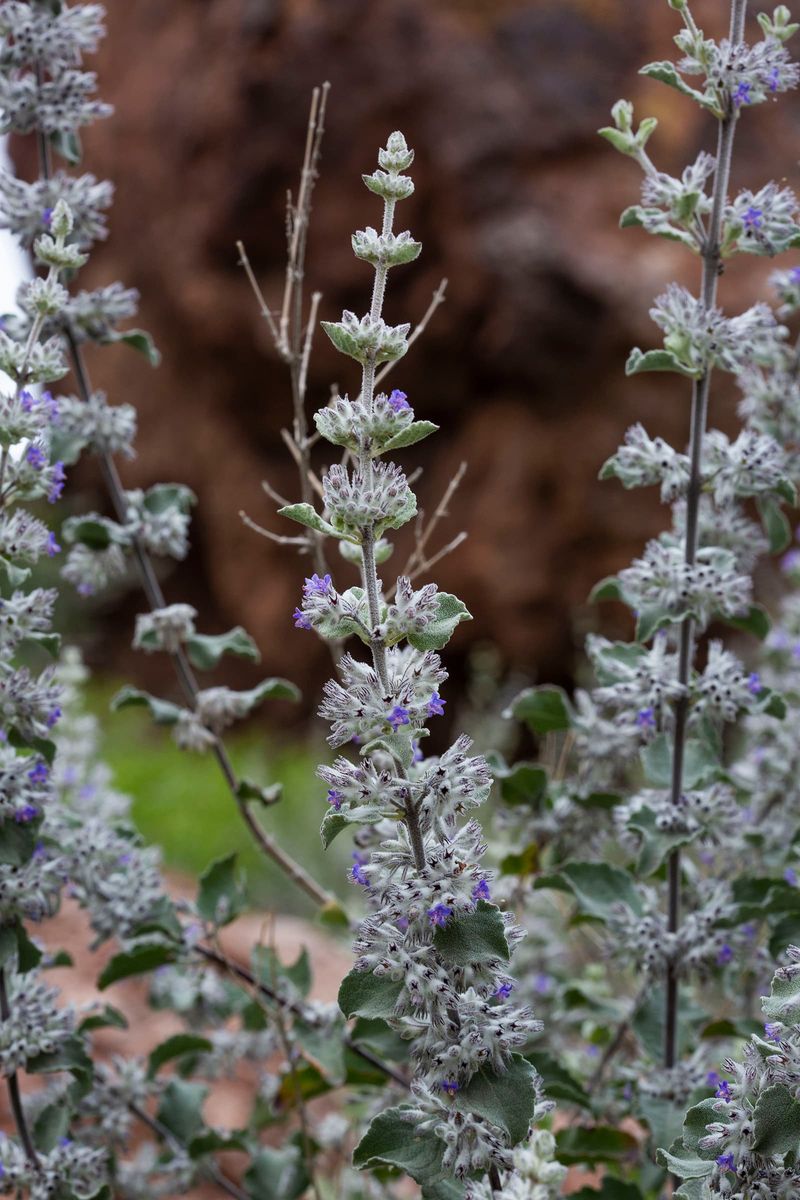
When people talk about an Arizona shrub with leaves that keep flies off the patio, desert lavender is the most likely candidate. Its current botanical name is Condea emoryi, listed by the University of Arizona Campus Arboretum, and you will still see the older name Hyptis emoryi on many nursery tags.
Naming the plant does not prove the fly story. It only tells you which shrub the rumor probably points to.
Desert lavender is native to western Arizona, where it grows on dry, rocky slopes, in washes, and in canyons. That tells you a lot about what it likes: sharp drainage, strong sun, and not much fuss.
If you have ever hiked a gravelly desert wash and brushed past a gray, fuzzy shrub, you may have met it already.
For a homeowner, that native background is the real draw. A plant built for tough ground can fit a low-water yard far better than a thirsty import.
Its crushed leaves have a minty aroma
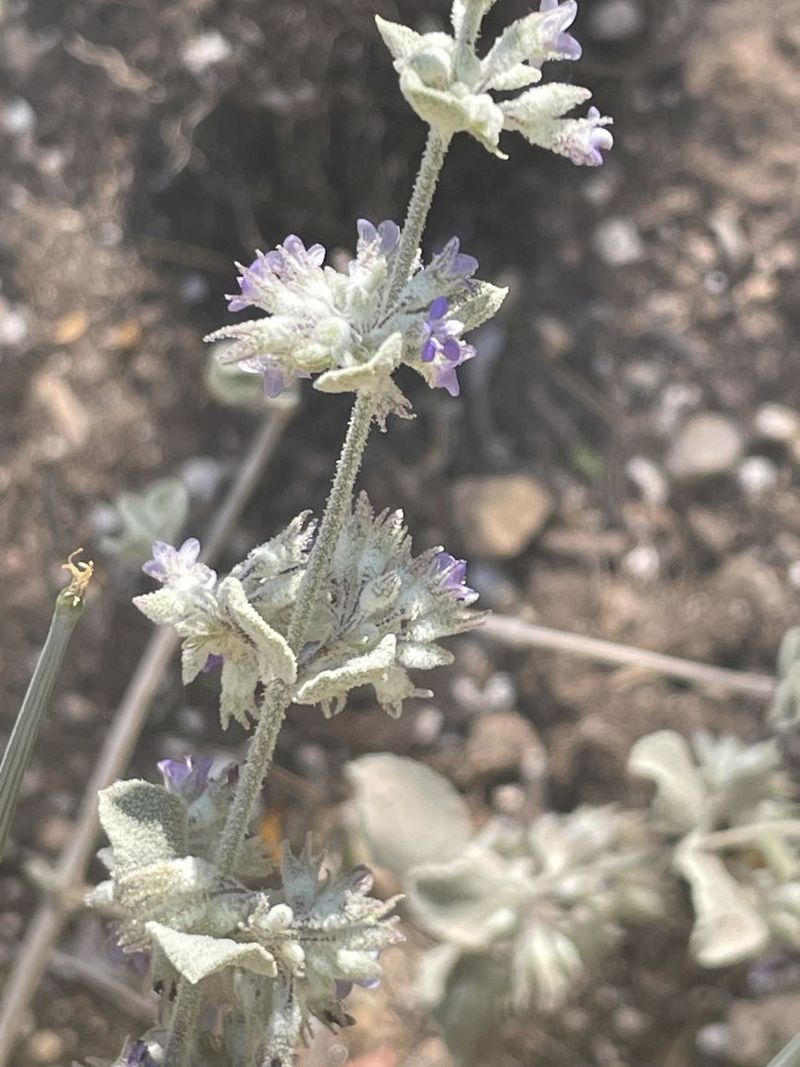
Pinch a leaf and the shrub announces itself. The foliage is gray-green and velvety, and the University of Arizona describes the leaves as aromatic when crushed.
The Arizona-Sonora Desert Museum calls the scent minty in its desert lavender care sheet.
That is a real, pleasant trait. Plant it beside a path or gravel walkway and you get a little burst of fragrance whenever someone brushes past.
Here is the catch. A strong smell tells you about your nose, not about a fly’s behavior.
Nobody has shown that this scent changes where flies land, and no particular compound has been tied to fly control.
So enjoy the aroma for what it is. Crushing leaves for a sniff is fine, but there is no reason to rub them on skin or burn them in hopes of a bug barrier.
Does that aroma keep flies away?
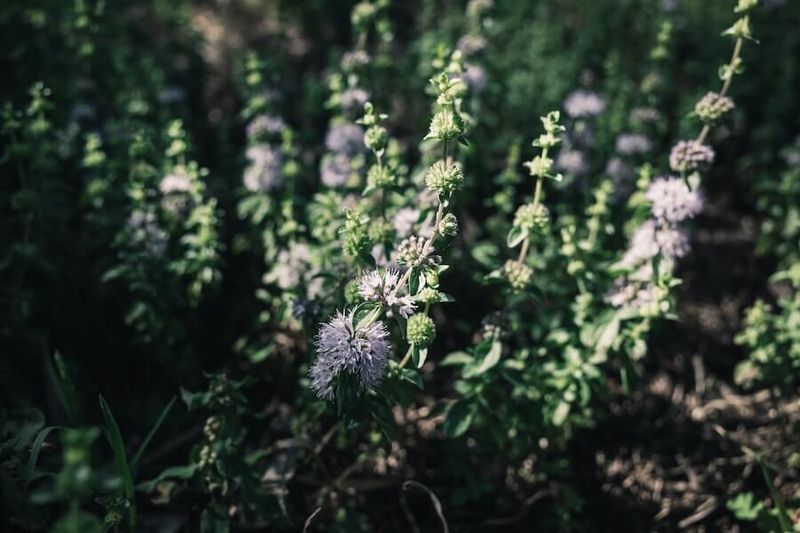
Straight answer: the sources reviewed do not show that desert lavender keeps flies away. They also do not show any effect at a patio table, or any effect that lasts all afternoon.
The University of Arizona plant profile mentions the crushed-leaf scent, but says nothing about flies.
It also helps to separate a living shrub from a bottle of concentrated oil. A lab test on oil, or on crushed leaves, tells you little about a whole plant sitting ten feet from your chairs.
Extension guidance backs up that caution. Clemson Extension looks at mosquitoes, not flies, and notes that much of the oil research happens in labs and that landscape plantings have not shown the same effect.
It also points out that fragrance drifts off in a breeze, and Arizona patios get plenty of those.
Your Arizona Garden Changes Every Week. Your Plan Should Too.
Gardening in Arizona changes quickly throughout the season. Every Friday you’ll receive a simple weekly plan showing exactly what to plant, prune, fertilize, harvest, and protect so you never miss the right timing.
Treat that discussion as a warning against wishful thinking, not as proof either way about flies.
Give the shrub room and a well-drained site
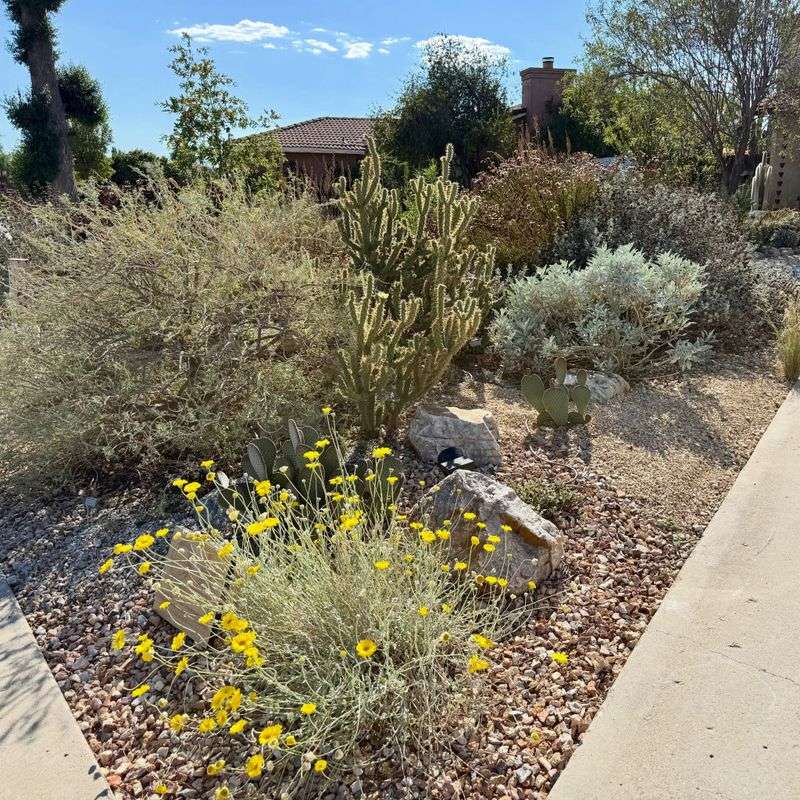
Size first. Desert lavender can reach about 6 to 10 feet tall, and the care sheet gives a footprint around 7 by 6 feet.
That is too big to tuck right beside a dining chair, so measure before you dig.
Pick a spot with full sun or lightly filtered sun, and make sure water drains quickly. Mimic its home turf: a gravelly slope or a raised berm beats a low spot where water sits after monsoon storms.
The Desert Museum care sheet advises close attention to watering through the first hot season, while roots settle in. After that, prune only as needed to keep it in bounds, since heavy shearing is not part of its care.
Winter matters too. Temperatures in the mid-20s °F may cause extensive damage, though the plant can recover from the base.
If a cold snap browns it, wait before cutting, and look for new growth low on the stems.
Reduce the food and breeding sources that draw flies

Flies show up where there is something to eat or a place to lay eggs. UC IPM guidance treats sanitation and removal of larval-development sites as the core of fly management.
On a patio, that means a few concrete habits. Bag food scraps and keep the lid tight on outdoor bins.
Pick up fallen fruit from citrus and other trees, and clear pet waste often.
Wipe tables and clear plates soon after eating, and rinse drink spills off the pavement. Small leftovers draw flies quickly in summer heat.
Traps need care. The same UC guidance cautions that some work poorly outdoors, or need to sit away from competing attractants, so do not put one next to your dinner table.
None of this involves a shrub. Desert lavender is not a stand-in for these steps, and fewer flies will come from removing what draws them, not from planting something fragrant nearby.
Its documented value is habitat, not fly control
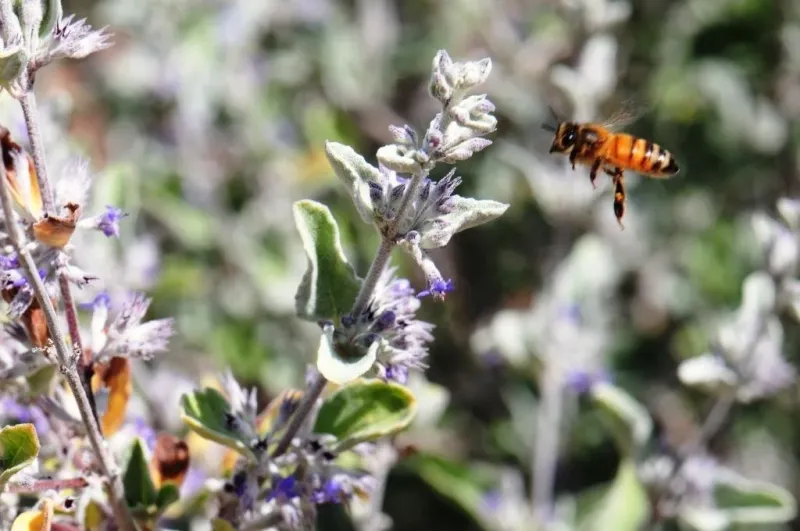
Here is where desert lavender earns its spot. The University of Arizona says its flowers provide nectar for bees and butterflies, and that it hosts the Gray Hairstreak butterfly.
That is a documented habitat role, and it fits a yard meant to work for wildlife.
That benefit says nothing about flies, so do not read one into it.
Plant it for the scented gray foliage, the pollinator traffic, and a native look that suits a dry yard. Give it space, good drainage, and a careful first summer.
Then handle flies the practical way, by cleaning up what draws them. Let the shrub hum with bees, and keep the trash lid shut.
A plant can be worth growing without being a bug shield.