Dog Stung by Fire Ants in North Carolina? Here’s What to Do Right Away
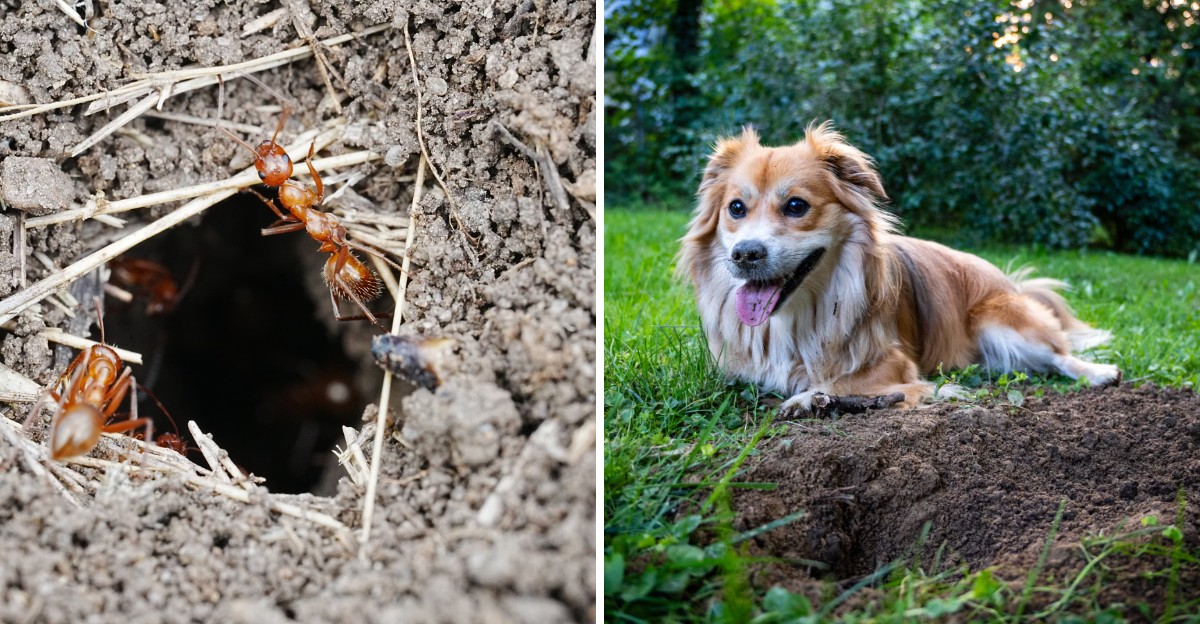
A single disturbed mound can hold more than 100,000 angry insects, and every one of them can sting the same spot over and over. They grab skin with their jaws first, then pivot and sting in a little circle.
I found that out the hard way when my dog flopped onto a sandy dome near the tomato bed. One happy roll turned into frantic yelping and pawing in seconds.
Here in North Carolina, these reddish-brown invaders now live across much of the state, especially in the east and central regions. They love sunny lawns, garden edges, and fresh soil after a soaking rain.
The real question is what you do in those first few minutes. A calm, quick response can spare your pup a lot of misery, and it might help you spot real trouble before it grows. Do you know the warning signs to watch for?
1. That Sudden Yelp Near a Sandy Ant Mound Tells a Story
Dogs rarely hide pain from fire ants. The reaction is loud, fast, and a little confusing if you did not see the mound first.
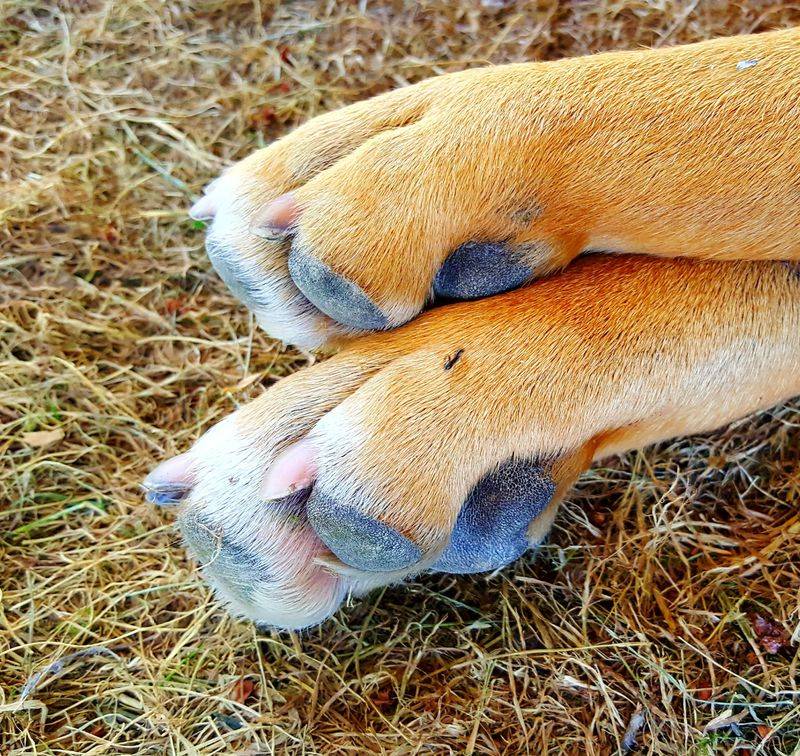
Watch for a sharp yelp, a jump backward, or wild licking at one paw. Some dogs rub their face in the grass, spin in circles, or bite at their belly. Many will pace and refuse to settle down.
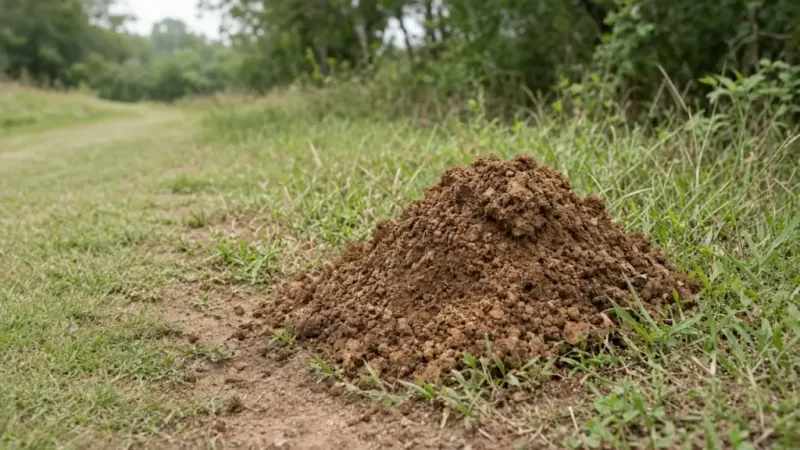
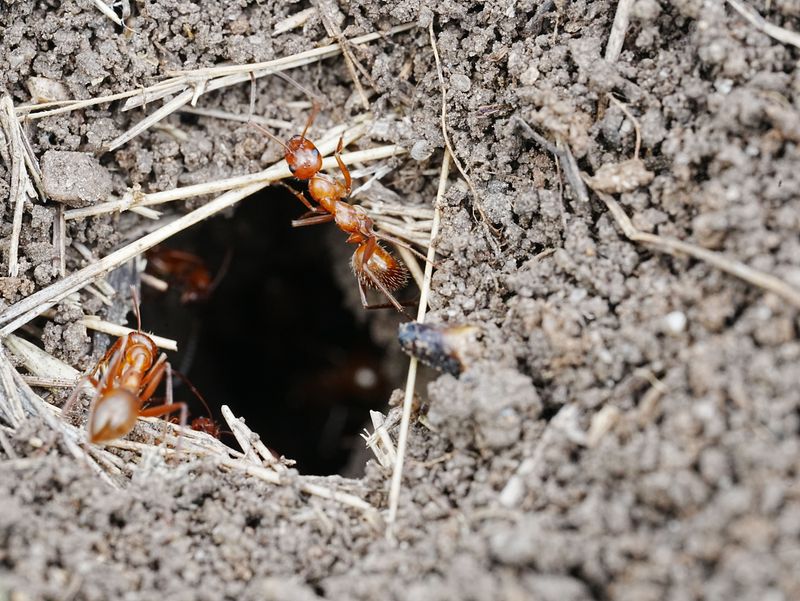
Fire ants are small, about 1/8 to 1/4 inch long, and reddish-brown with a darker rear end. Their mounds look like loose, fluffy piles of soil with no hole in the top. Ants come and go through tunnels underground instead.
Stings usually land on thin-haired areas. Check the paws, between the toes, the belly, the groin, the inner legs, and the muzzle. You may see tiny red bumps or patches of swelling.
Curious puppies and dogs that lie down outside tend to get the worst of it. Older dogs that nap in the yard are at risk too, since they may not move away quickly.
I like to glance at the ground right where my dog was standing. If the soil is crawling with ants, you have your answer. Now the clock starts, and the next steps matter a lot.
2. Move Your Dog Away and Brush Every Clinging Fire Ant Off
Speed beats everything in the first minute. Fire ants keep stinging as long as they hold on, so every second counts.
Scoop up a small dog or lead a larger one well away from the mound. Head for pavement, a porch, or a spot of bare concrete where more ants cannot climb aboard. Stay calm, because a panicked dog may bite out of pain.
Next, brush the ants off firmly. Gloves, a towel, or a soft brush protect your hands. Work from the feet upward, checking between toes and under the belly. Fire ants grip with their jaws, so a quick flick often works better than a slow wipe.
Skip the garden hose while ants are still attached. Water tends to make them clamp down harder, and many will keep stinging. Brush first, then rinse later if you want. Check yourself too. Ants love to march up sleeves and pant legs during the rescue.
Once the ants are gone, run your hands slowly over the whole coat. Thick fur can hide a few stragglers. A good second check takes a minute and saves your dog from more painful surprises later.
3. Swelling Around the Face or Labored Breathing Means a Vet Trip Now
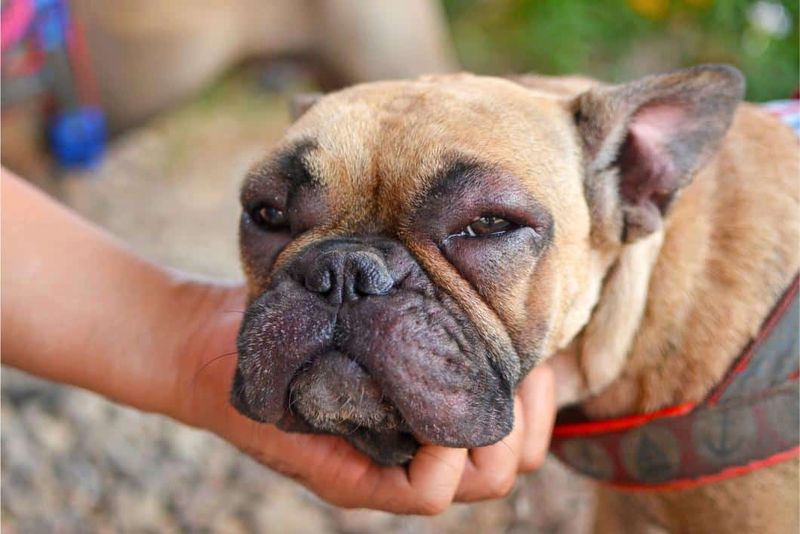
Most stung dogs feel better within a day. A small number, though, have an allergic reaction that can turn serious very quickly.
Call your vet or an emergency clinic right away if you see swelling of the face, lips, eyelids, or throat. Trouble breathing, wheezing, or heavy panting are major red flags. So are hives spreading over the body.
Other warning signs include weakness, wobbling, vomiting, diarrhea, pale gums, or collapse. These can show up within minutes, so keep an eye on your dog for at least an hour after the stings.
A dog stung many times also needs a vet visit, even without allergy signs. Hundreds of stings deliver a large dose of venom. Small dogs, puppies, and seniors handle that load poorly.
Stings near or in the eye need professional care too. Eyes are delicate, and swelling there can cause lasting damage.
I keep the number for our closest 24-hour animal hospital saved in my phone. Plenty of North Carolina towns have one within a short drive, but hunting for it during a crisis wastes time. Call ahead while you drive so the team can get ready for you.
4. Cool Compresses and Baking Soda Calm Those Red Fire Ant Bumps
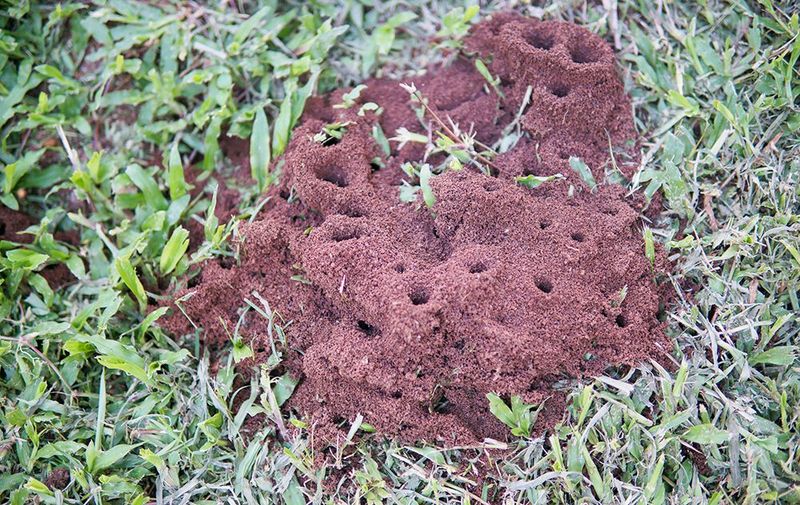
Honestly, the kitchen holds some of the best comfort tools. For mild stings with no allergy signs, simple care at home usually does the job.
Start with a cool compress. Wrap ice or a bag of frozen peas in a thin towel. Hold it on sore spots for about 10 minutes at a time. The chill eases burning and helps limit swelling.
A thick paste of baking soda and a little water is an old favorite. Dab it gently on the bumps and let it sit for a while. Many owners say it soothes the itch.
Offer fresh water and a quiet place to rest. Stress and heat can make discomfort worse, especially on a warm, humid afternoon.
Licking is the big problem. Constant licking irritates skin and can lead to infection. A cone or a soft recovery collar keeps that tongue away from the sore spots.
Watch the stings over the next day. Redness should fade slowly, not spread. If your dog seems more uncomfortable as hours pass, check in with the vet.
Mild home care works well, but it does not replace a professional opinion when things look off.
5. Those Little White Pustules on Your Dog’s Skin Are Normal
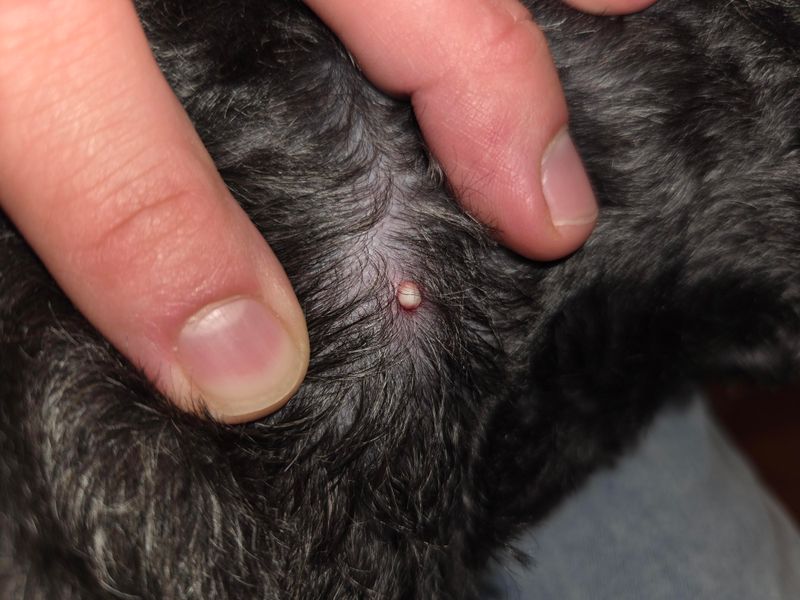
A day or two later, you may notice something odd. Tiny white bumps can pop up right where each sting landed.
These pustules are a classic sign of fire ant venom. They show up on people too, usually within 24 to 48 hours. The venom contains compounds that damage skin cells, and the body responds with these little blisters.
Leave them alone as best you can. Breaking a pustule opens the skin to bacteria and raises the chance of infection. Keep the area clean and dry, and stop your dog from scratching or chewing.
Most pustules fade within a week or so. Watch for warning signs of infection, such as oozing, a bad smell, heat, or growing redness. Any of those means a vet visit.
Human creams and medicines are tempting, but hold off. Some ointments are unsafe if licked, and antihistamine doses vary by weight and product. Some pills also contain added ingredients that are harmful to dogs.
A quick call to your vet clears up dosing and safe options. I learned to ask first after nearly grabbing the wrong allergy pill from my cabinet. It was an easy mistake to avoid.
6. Fire Ant Mounds Pop Up Fast After a Good Rain
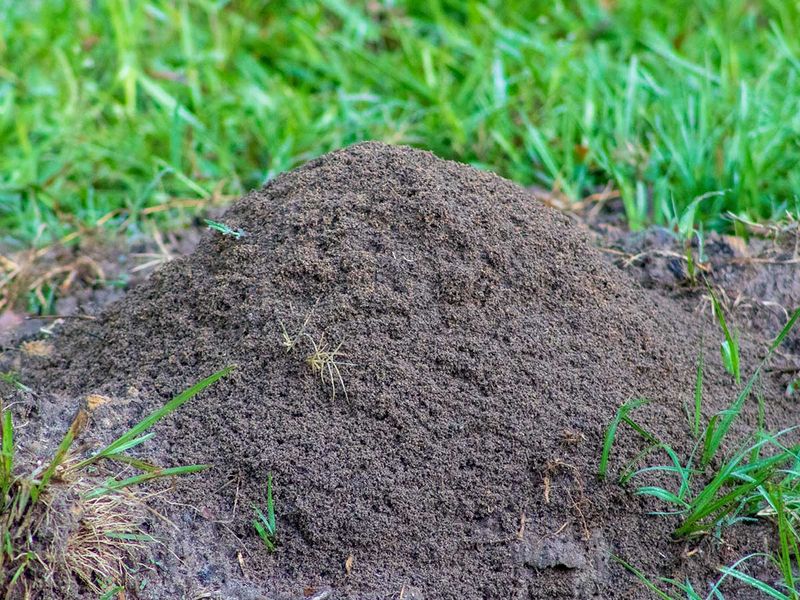
Rain changes everything for these ants. Colonies push soil upward after a soaking, and new mounds can appear almost overnight.
Red imported fire ants arrived in the U.S. through Mobile, Alabama, in the 1930s. They reached North Carolina in the 1950s and have spread across much of the eastern and central parts of the state.
The mountains see fewer of them, but quarantine maps keep shifting. Activity usually ramps up in spring and stays busy into fall.
Ants forage most when the soil is warm, roughly between 70 and 90 degrees. On very hot days, they work closer to morning and evening.
Mounds favor sunny, open areas. Lawns, garden beds, mulch edges, playgrounds, and spots along driveways are common choices. Freshly turned soil in a vegetable patch can attract them too.
Flooding brings another surprise. Fire ants can link together and float as a living raft. After heavy storms, rafts and clumps may show up in odd places like porch steps or debris piles.
So the day after a storm is a smart time for a slow walk around the yard. I look for fluffy, crumbly soil domes before letting my dog run free.
7. A Quick Yard Walk Before Playtime Keeps Paws Safer

Prevention takes about two minutes. A quick scan of the yard before letting your dog out can stop most painful encounters.
Walk the main play areas and look for dome-shaped piles of loose soil. Mounds may be just a few inches tall, or they may be flat and hidden in thick grass. Poke nothing with your foot, because ants swarm fast.
Regular mowing helps a lot. Shorter grass makes mounds easier to spot and gives you a clearer view of trouble spots.
Leash time is useful in new places. Parks, trails, and rental homes in the warmer parts of the state may have mounds you do not know about. A short leash keeps curious noses on track.
Food bowls attract ants too. Bring dishes inside after meals, or set them on a raised stand ringed with a moat of water.
Dogs that love to dig or roll need extra attention. Teaching a firm leave it command pays off here. I mark any mound I find with a small flag so everyone in the family knows to steer clear. It is a simple habit that saves a lot of tears and yelps.
8. Fire Ant Baits Work Best When You Follow the Label
Long-term relief comes from treating the colonies. NC State Extension often points homeowners to a two-step method for lasting control.
Step one is broadcasting a granular bait across the lawn. Worker ants carry it back to the colony and share it with the queen. Some baits contain insect growth regulators that stop her from producing new workers, so colonies decline over several weeks.
Step two is treating any problem mounds near patios, play areas, or doorways. Individual mound treatments work faster for spots where your dog spends lots of time.
Timing matters. Baits work best when ants are actively foraging, usually when soil is warm and the grass is dry. Rain soon after spreading can ruin the bait, so check the forecast.
Read every label closely. Labels explain how long pets should stay off treated areas and how much product to use. More is not better, and extra product can harm pets and helpful insects.
Skip home remedies like gasoline or boiling water poured on mounds. They are risky, and many colonies simply move nearby. A calm plan, a safe yard, and a vet number handy make for a much happier season with your pup.