7 Fruit Trees California Gardeners Can Grow Successfully In Small Backyards
Certain compact fruit trees top out around four to six feet, small enough to live in a half barrel on a sunny patio. Their fruit, though, stays full-sized and juicy.
The trick hides in their branches. Short spaces between leaf nodes keep growth naturally tight and bushy.
Other trees stay small thanks to dwarfing rootstock and a little summer trimming, while some can even grow flat against a fence like living wallpaper.
I’ll go out on a limb here: a tiny yard might be the most fun place to grow fruit. My side yard is so narrow I walk through it sideways, yet it still hands me fruit. Our mild winters help a lot, and dormant planting season is just around the corner.
Acres and ladders are optional here. Which sunny corner of your yard has been quietly waiting for a tree all along?
1. Meyer Lemon
Scratch a Meyer lemon peel with your thumbnail and the sweet, floral scent hangs in the air for minutes. Frank Meyer brought this hybrid home from China in 1908, and backyard cooks have adored it ever since.
Botanists list it as Citrus x meyeri, a likely cross between a lemon and a mandarin or orange. That mixed family tree explains the thinner skin and the gentler, less sour juice inside each fruit.
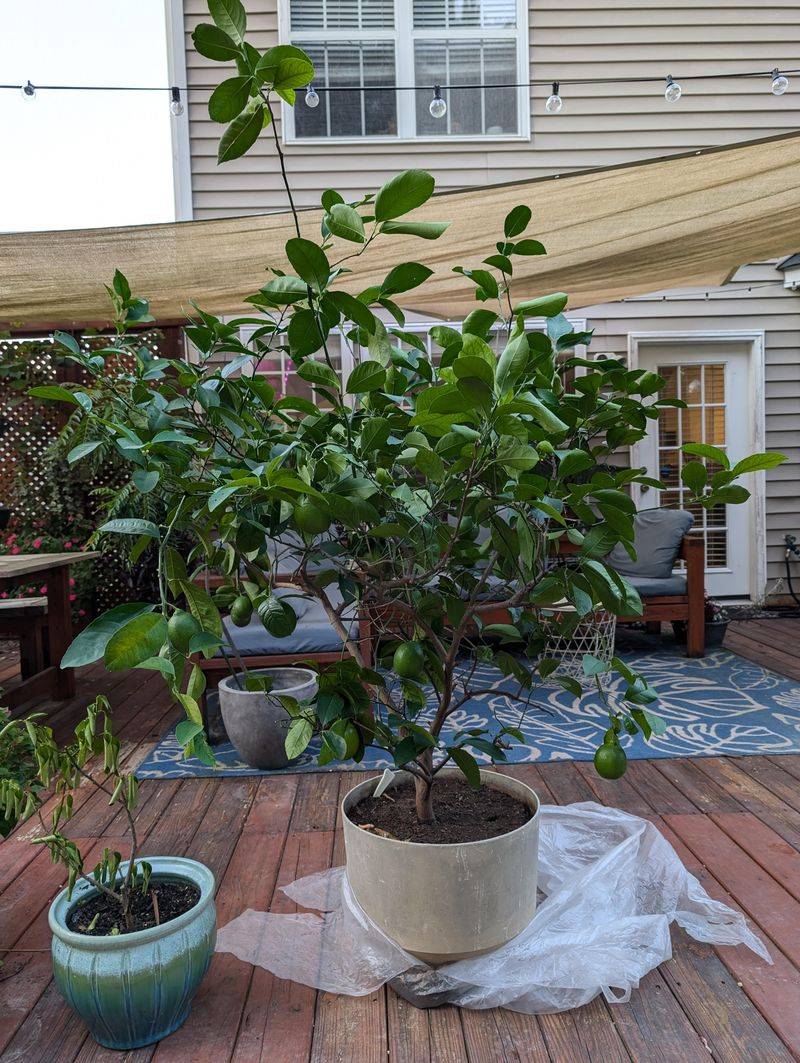
On dwarf rootstock, the tree usually stays around six to ten feet tall, which suits a patio nicely. Personally, I love growing mine in a wide pot so I can shift it toward the warmest sunny wall.
Give it at least six hours of direct sun along with loose soil that drains quickly after watering. Soggy roots are a common problem, so let the top inch or two dry slightly between drinks.
Feed with a citrus fertilizer high in nitrogen several times between late winter and late summer for steady growth. Yellowing leaves often signal hungry roots, especially in potted trees that lose nutrients with every watering.
Cold is the main worry, since leaves and fruit can suffer damage once temperatures slip into the upper twenties. Frost cloth or a quick move under the eaves helps a lot during chilly winter nights inland.
Blossoms and ripe fruit often share the branches together, which makes the tree look festive for months. You can leave ripe lemons hanging for weeks, picking only what your kitchen needs that day.
2. Kumquat
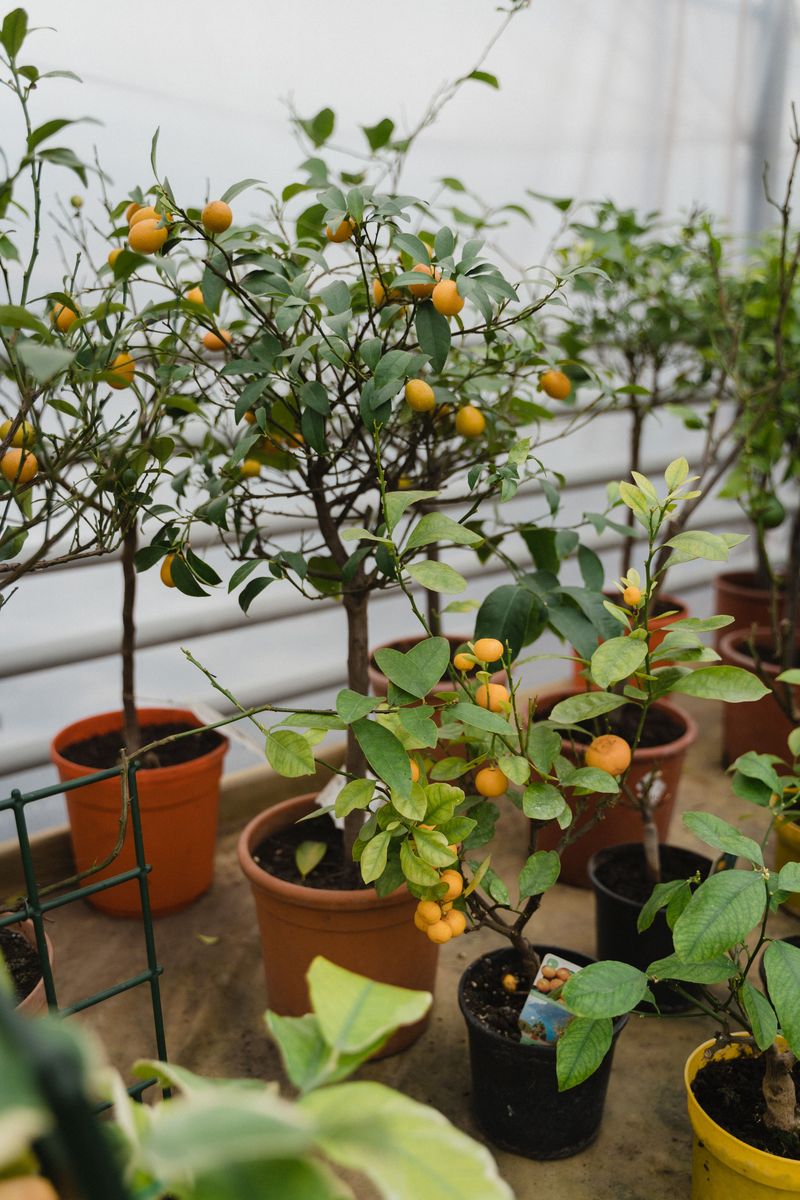
Popping a whole kumquat into your mouth feels a little rebellious, since you eat the peel first. The rind tastes sweet while the juicy center brings a tangy punch that makes your eyes squint happily.
Many sources now place kumquats under Citrus japonica, though older labels may still say Fortunella. Nagami gives oval, tart fruit, while Meiwa offers rounder fruit that tastes noticeably sweeter fresh off the branch.
Kumquats grow slowly and naturally stay compact, often reaching about six to ten feet in the ground. In a large container they usually stay even smaller, which makes them ideal for balconies and narrow side yards.
I believe they are the friendliest citrus for beginners, because they handle cold better than most relatives. Mature trees can tolerate temperatures near twenty degrees, which helps gardeners in cooler foothill and inland neighborhoods.
Plant in full sun with well-drained soil, and water deeply once the top few inches feel dry. Mulch spread around the root zone keeps moisture even, though you should keep it several inches from the trunk.
Kumquats tend to bloom in summer, sometimes producing a few flushes of small white flowers with a sweet perfume. The bright orange fruit usually colors up during late fall and holds nicely on the tree through winter.
Snip fruit with a small piece of stem attached to avoid tearing the delicate skin near the top. Sliced kumquats make a cheerful topping for salads, and candied ones disappear fast at holiday gatherings.
3. Anna Apple
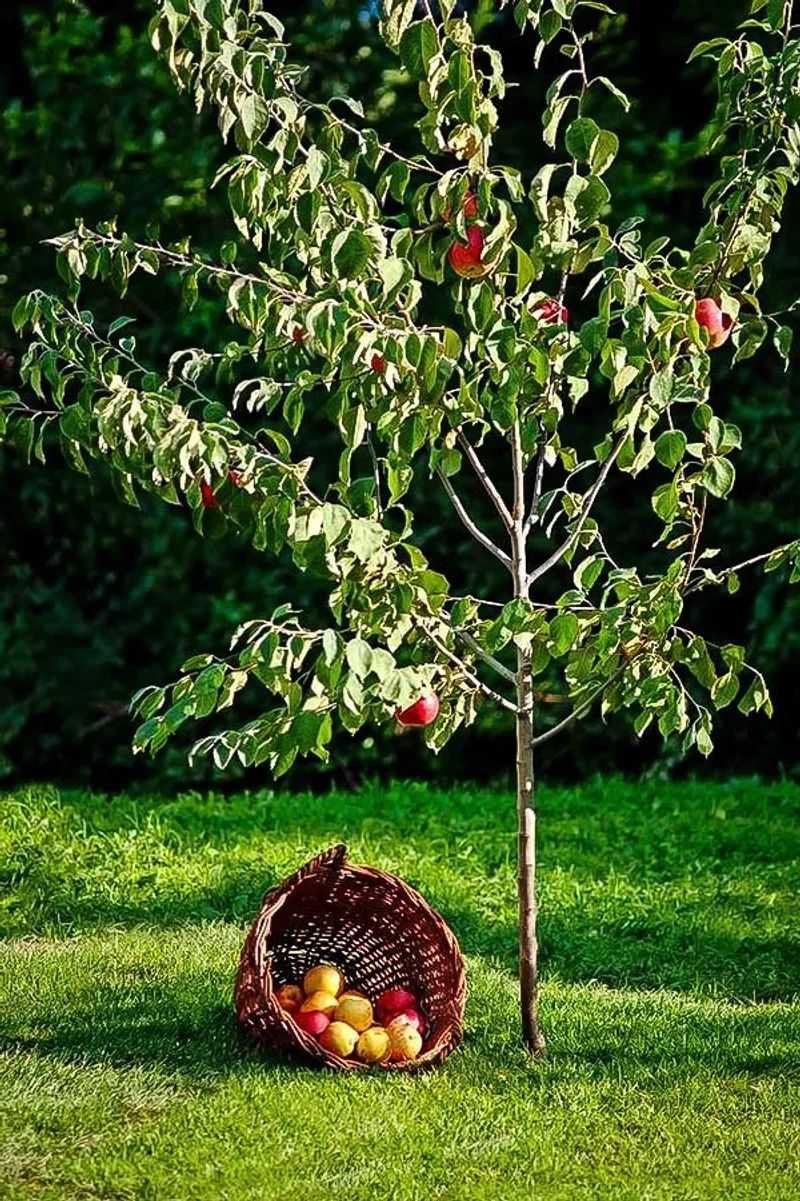
Most apple trees sulk without cold winters, yet Anna happily fruits with roughly two to three hundred chill hours. Israeli breeders developed it in the 1950s for warm climates, and it shines in Southern California yards.
The fruit looks a bit like Golden Delicious with a rosy red blush across the sunny side. You get crisp, sweet-tart flesh that works for snacking fresh or baking into a quick weeknight cobbler.
Choose a tree grafted onto dwarf or semi-dwarf rootstock to keep things manageable in a small backyard. Summer pruning also helps hold the height near eight to ten feet, so you can reach fruit without a ladder.
Anna sets much better crops with a partner, and Dorsett Golden is the classic match because both bloom early. Plant them close together, or even in the same hole, for a tidy duo that saves precious space.
Full sun and well-drained soil enriched with compost give the roots a strong start during the dormant planting season. Water deeply every week or so during dry months, especially while young apples are swelling on the branches.
What surprises me most is how early the harvest arrives, often in June or July in warm areas. Fruit can turn mealy in storage, so plan on eating or cooking your apples within a few weeks.
Thin clusters to roughly one apple every six inches after fruit sets in spring. Your tree will reward that tough love with larger fruit and a steadier crop the following year.
4. Genetic Dwarf Peach
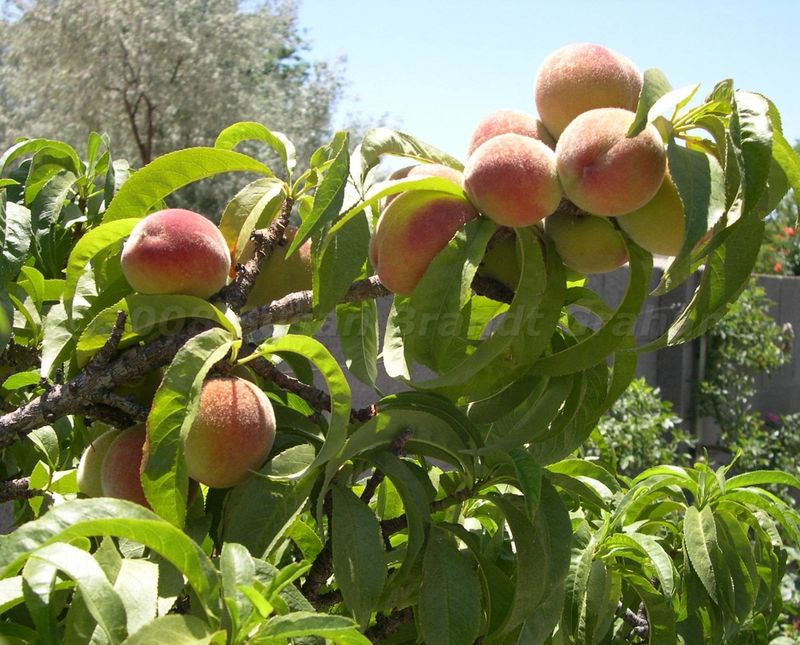
A full-sized peach dangling from a tree barely taller than a kitchen counter feels like a garden magic trick. Genetic dwarf peaches have short spaces between leaf nodes, so branches stay naturally compact and densely leafy.
Most varieties top out around four to six feet, which means they fit comfortably in a half barrel. Bonanza is a popular pick with yellow freestone fruit and showy pink spring blossoms that look almost ruffled.
Chill hours matter here, and Bonanza is often listed at roughly 250 to 500 hours depending on the source. Ask a local nursery about your area before buying, because coastal and inland gardens differ quite a bit.
Peaches crave heat, so give your tree the brightest corner with at least six to eight hours of sun. Use a fast-draining potting mix or loose garden soil, since soggy roots invite trouble like root rot.
Peach leaf curl is the main headache, causing puckered reddish leaves in spring after cool, wet weather. A copper or lime sulfur spray applied after leaves drop in late fall helps prevent this fungal disease.
These trees set fruit on their own, so a single plant on your patio can still produce a tasty crop. You need to thin baby peaches to several inches apart, or the branches may struggle under the load.
I can’t imagine a sweeter summer moment than biting a sun-warmed peach while juice drips down your wrist. Pick when the background color turns golden and the fruit gives slightly near the stem end.
5. Pomegranate
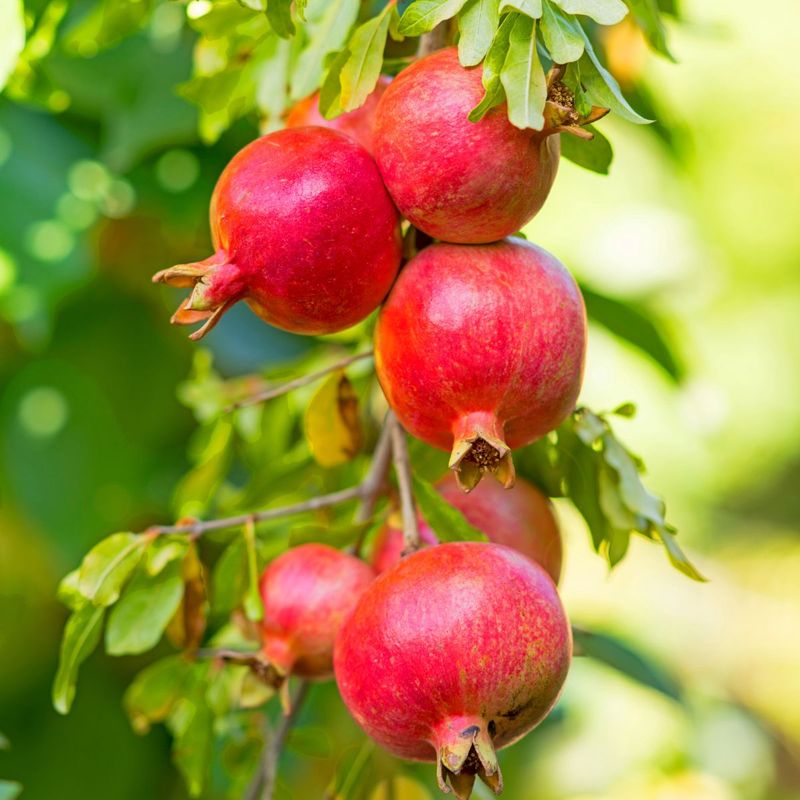
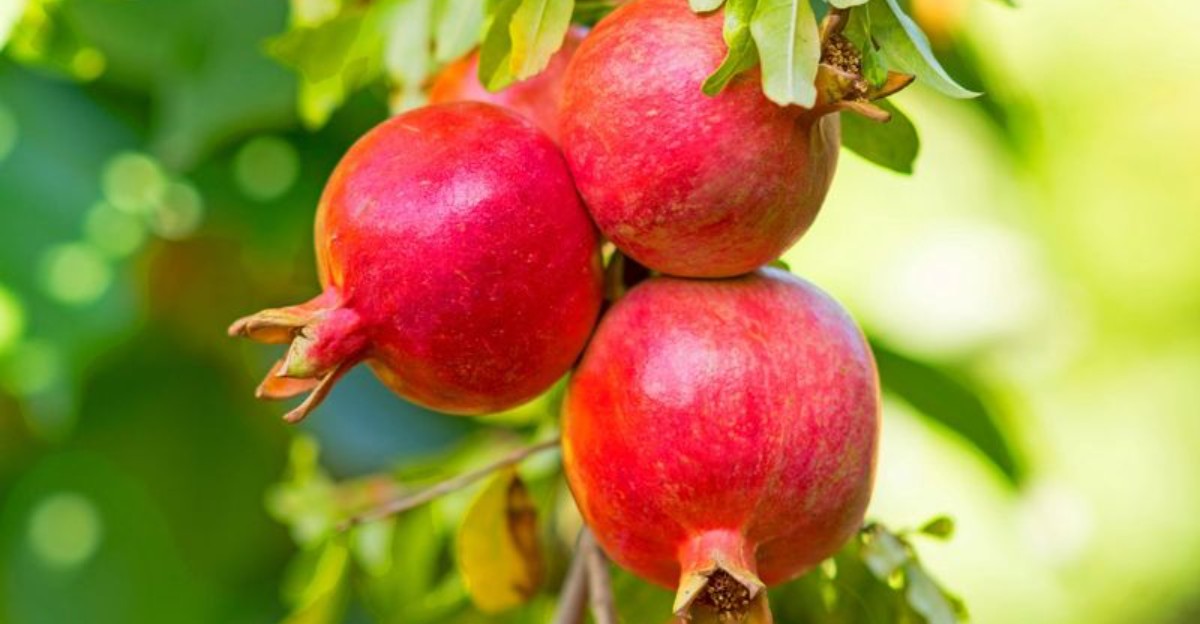
Leathery red globes packed with hundreds of jeweled seeds make pomegranates feel like treasure chests hanging from branches. The plant, Punica granatum, has been grown around the Mediterranean and Middle East for thousands of years.
Spanish missionaries carried pomegranates to California in the 1700s, and they still thrive in our hot, dry summers. Wonderful dominates commercial orchards, though backyard growers can try many sweeter or softer-seeded types.
Left alone, a pomegranate becomes a dense shrub reaching twelve to twenty feet tall. With regular pruning, you can keep it around eight or ten feet, either as a small tree or a bushy hedge.
Fiery orange-red flowers open in late spring and continue into summer, attracting hummingbirds to your yard. I love how the blooms look almost waxy, like tiny trumpets glowing against the glossy green leaves.
Pomegranates handle scorching heat and even alkaline soil far better than many other fruit trees in the yard. Once established they tolerate drought, but regular deep watering during fruit growth gives larger, juicier harvests.
Uneven watering often causes fruit to split, so keep moisture steady and avoid sudden heavy soakings in fall. Fruit usually ripens from September through November, once the skin colors fully and sounds metallic when tapped.
Clip fruit with sharp pruners rather than pulling, since the stems are tough and can tear branches. Most varieties set fruit without a partner, although planting two can sometimes noticeably boost your yields.
6. Wurtz Avocado
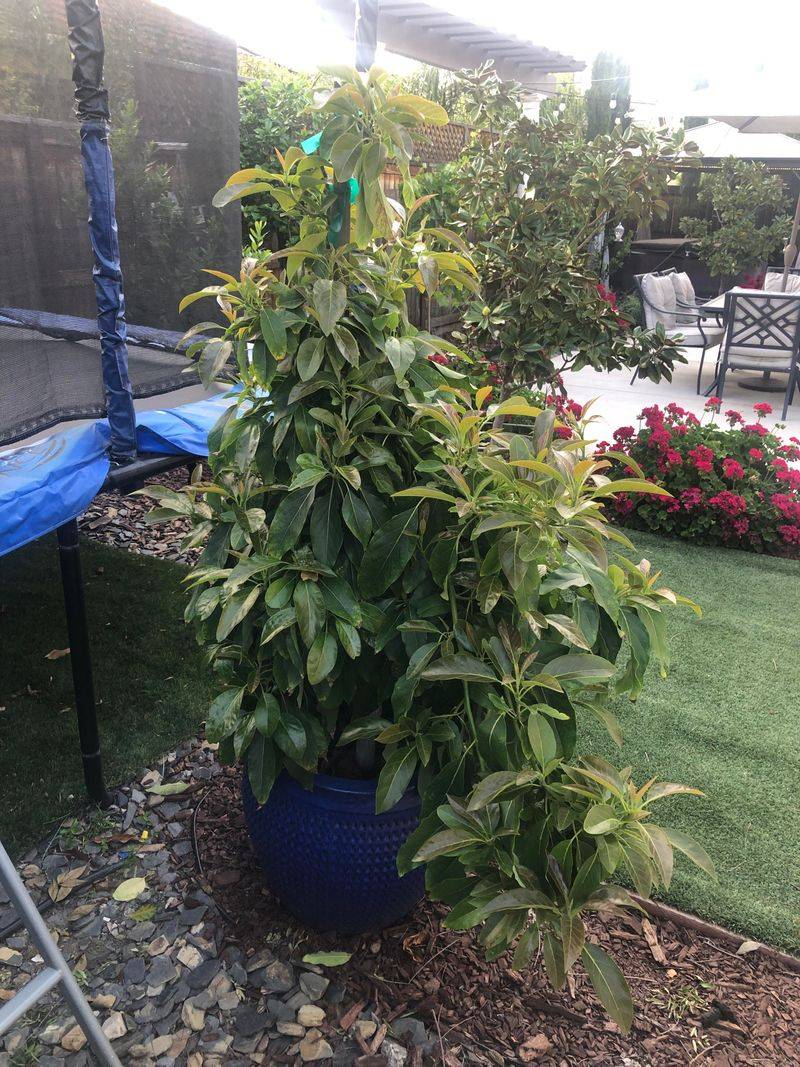
Guacamole from your own tree sounds like a dream reserved for big ranches, yet one variety stays surprisingly small. The Wurtz avocado, sometimes sold as Little Cado, usually grows only about eight to ten feet tall.
Its weeping, compact habit makes it one of the few avocados practical for patios and tight backyards. Fruit is medium-sized with green skin and creamy, buttery flesh that ripens roughly from late spring into summer.
Avocados are Persea americana, and they love mild coastal conditions with plenty of sun and shelter from wind. Wurtz tolerates only light frost, so young trees need covering whenever a cold night shows up.
Drainage matters more than anything else, because avocado roots are shallow and prone to root rot in wet soil. Plant on a slight mound or use a large container with chunky, fast-draining mix for best results.
Water deeply but less often, letting the top few inches of soil dry slightly between sessions. Leave fallen leaves under the tree, since that natural mulch protects the delicate roots and keeps them cool.
Wurtz is a Type A avocado, and a Type B partner nearby can improve pollination and fruit set. Honestly, patience is required here, since grafted trees often take three or four years to bear.
Avocados ripen off the tree, so pick a few mature fruit and let them soften on your counter. The rest can hang safely for weeks, giving you a living storage shelf right outside the kitchen window.
7. Asian Pear
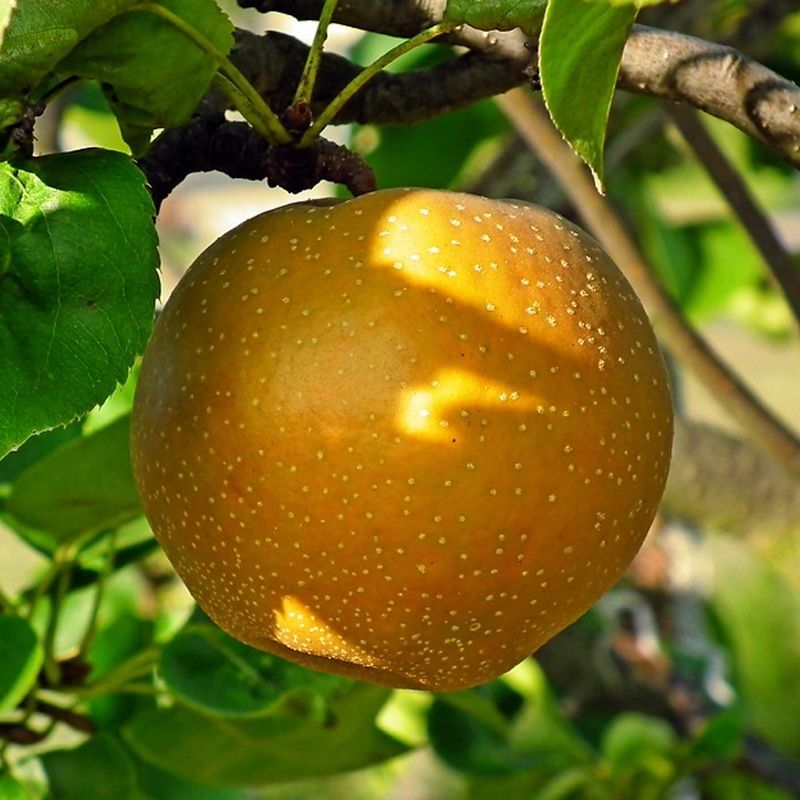
Biting into an Asian pear feels like crunching a juicy apple that somehow tastes of honey and fresh pear. Pyrus pyrifolia fruit stays crisp when ripe, unlike European pears that soften and turn buttery.
Many varieties fit warmer winters, needing roughly 300 to 500 chill hours depending on the type and source. Shinseiki and 20th Century are favorites, and both show up often at nurseries across the state.
On dwarfing rootstock and with steady pruning, you can hold a tree near ten to twelve feet. Espalier is another clever option, training branches flat along a fence where they barely take up any yard.
Plant in full sun with well-drained soil, and water deeply during dry spells to keep fruit plump. These trees handle heavier clay better than many fruit trees, though standing water still causes trouble for roots.
Some varieties set fruit alone, but a second Asian pear blooming at the same time boosts crops noticeably. Planting two compact trees close together is a smart move when space feels tight in your yard.
Branches tend to overload, so thin young fruit to one per cluster about six inches apart after bloom. You might notice larger, sweeter pears and fewer snapped limbs when you follow that simple rule each spring.
Pick Asian pears once they taste sweet and lift easily, usually from late summer into early fall. Stored in the fridge, they stay crisp for weeks, which means you can share sweet slices well into autumn.