The One Thing North Carolina Gardeners Should Do To Lantana After The First Big Summer Bloom
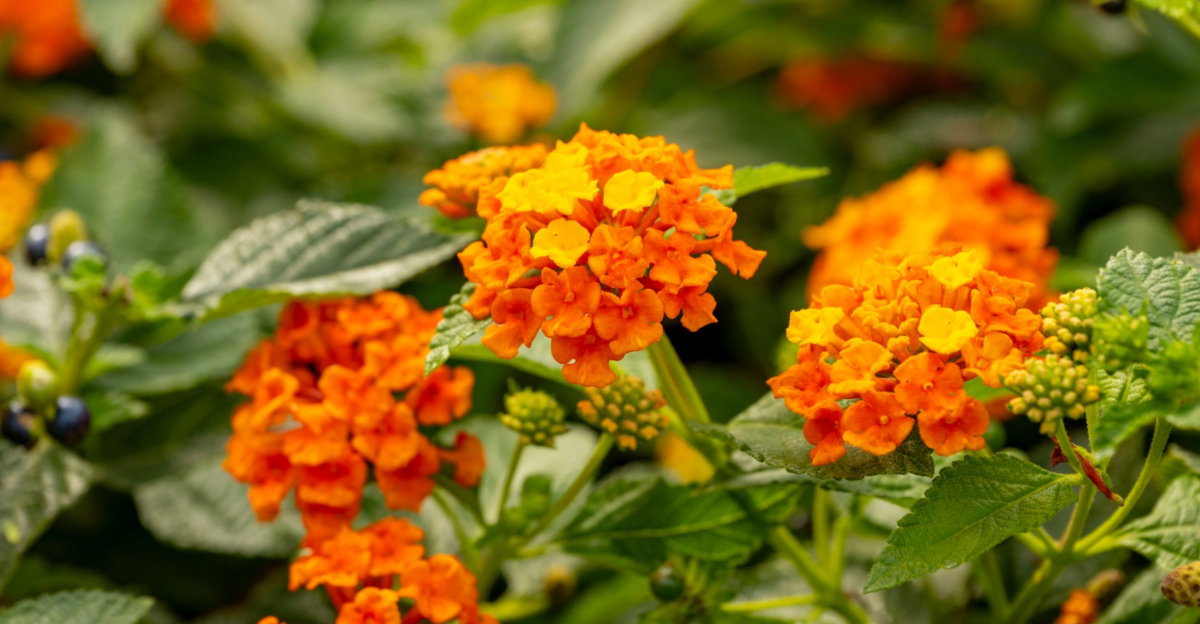
Blazing color fades fast, and you notice it before anyone else does. Your lantana looked unstoppable in June, then suddenly slowed.
You blame the summer heat, but that’s rarely the real cause. Gardeners across North Carolina watch this same shift every summer. Spent blooms quietly block the new growth you need.
Skipping them costs you weeks of missed color later. Piedmont soil and coastal humidity both speed up this slowdown. Sparse branches mean tired energy, not a struggling plant.
Timing decides whether your lantana rebounds or stays thin. North Carolina summers reward plants that keep producing fresh buds.
Waiting longer can cost you the entire season. Momentum matters more than you think right now. Every week without action shrinks your fall bloom window further.
Nothing about this simple task is complicated, yet most gardeners skip it entirely. This single move restarts your lantana fast, and skipping it isn’t an option.
Why Lantana Slows Down After Its First Flush
Your lantana was a fireball in June. Then August arrived, and suddenly it looks like it forgot what it was doing.
Lantana blooms in flushes, not all at once. After that first big burst of color, the plant shifts its energy away from flowers.
Old flower heads begin forming seeds instead of new buds. That seed production pulls resources straight from blooming potential.
Warm-season plants like lantana evolved to reproduce quickly. Once seeds start forming, the plant thinks its job is done for the season.
Humidity also plays a role in the slowdown. Dense interior growth traps moisture, which encourages fungal issues that further stress the plant.
Spent blooms block light from reaching new growth nodes lower on the stems. Without light, those nodes stay dormant instead of pushing out fresh buds.
Understanding this cycle is the first step toward fixing it. Once you know why it slows down, the solution becomes obvious and satisfying to execute.
The One Trim That Restarts Blooming
Grab your pruning shears, because this is the move that helps a slowed lantana resume blooming.
Removing spent blooms is one of the most effective post-bloom tasks you can perform. It signals the plant to stop making seeds and start making flowers.
Cut right below the old flower head, just above the next set of healthy leaves. That precise cut point matters more than most gardeners realize.
A clean snip encourages faster healing and reduces the chance of disease entering through the wound. Always use sharp, sanitized blades for the best results.
Beyond removing spent blooms, a light shaping trim helps redirect energy to the outer tips. Those tips are where new blooms will form first.
This post-bloom lantana task works because it mimics what would happen naturally in a longer growing season. The plant responds like it just got a second chance.
Many gardeners begin to see bud development within one to two weeks of a good trim. That quick turnaround makes this one of the most rewarding jobs in the summer garden.
Your North Carolina Garden Changes Every Week. Your Plan Should Too.
Gardening in North Carolina changes quickly throughout the season. Every Friday you’ll receive a simple weekly plan showing exactly what to plant, prune, fertilize, harvest, and protect so you never miss the right timing.
When To Cut Back For Best Results
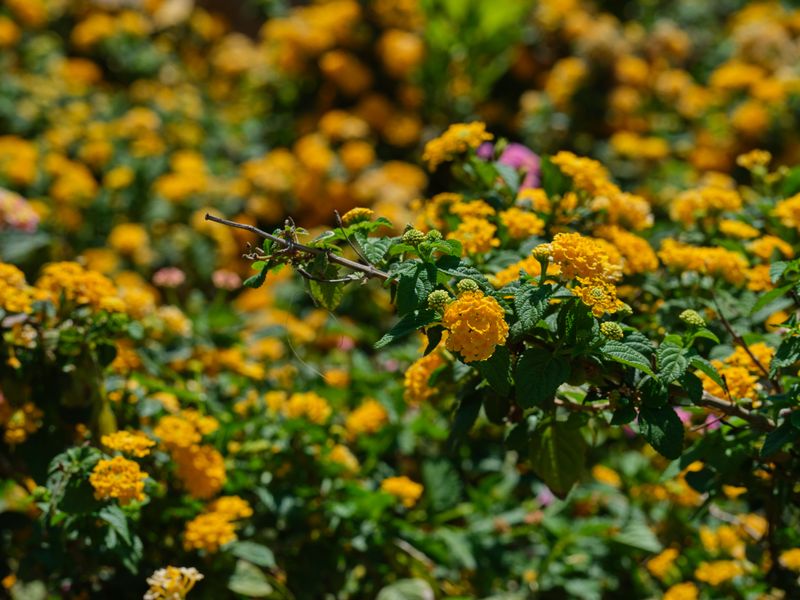
Timing your trim is just as important as the trim itself. Cut too early, and you interrupt a healthy bloom cycle already in progress.
The sweet spot for this post-bloom lantana task generally falls between mid-July and mid-August, though timing can shift slightly depending on your specific region of North Carolina.
That window gives the plant enough warm weeks to rebound and bloom again before temperatures drop.
Watch for these signs that your plant is ready: fewer new buds opening, more green berry clusters appearing, and stems that look woody or crowded. Those three signals together mean it is time.
Cutting in late August or September risks pushing tender new growth right into cooler nights. That new growth may not have time to harden off before autumn arrives.
Morning is the best time of day to prune. The plant is hydrated, temperatures are lower, and cut surfaces dry faster in the afternoon sun that follows.
Avoid trimming right before or after a heavy rain. Wet conditions make plants more vulnerable to fungal infections at fresh cut points.
Mark your calendar now so you do not miss the window next year. Consistent timing builds a rhythm that keeps lantana performing at its peak all season long.
How Much To Remove Without Stressing The Plant
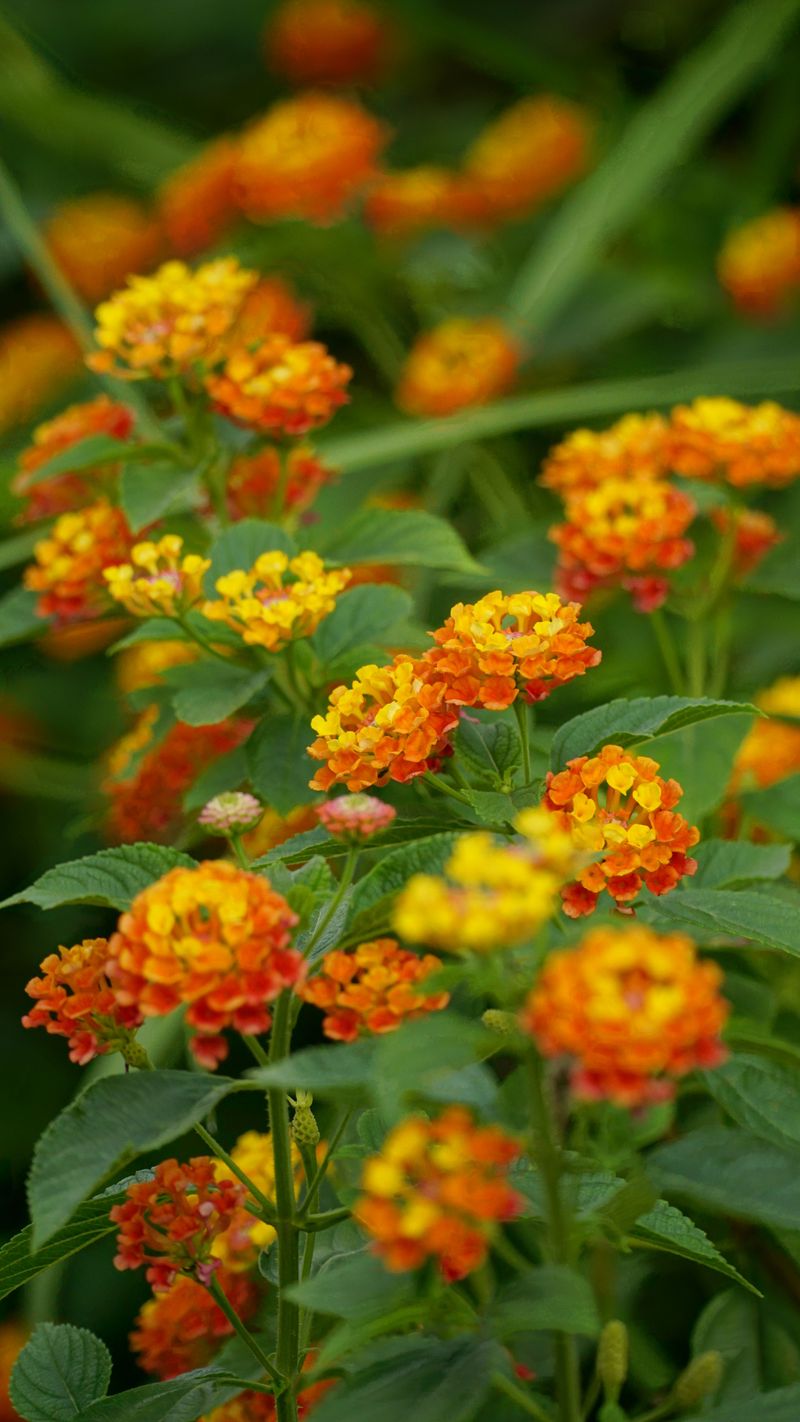
More is not always better when it comes to pruning lantana. Taking off too much at once can shock the plant and slow regrowth significantly.
A safe rule is to remove no more than one-third of the plant at a single pruning session. That limit keeps enough foliage in place to support active photosynthesis.
Focus your cuts on the outermost stems where old blooms cluster most heavily. Working from the outside in gives you better control and a cleaner finished shape.
Avoid cutting into thick, woody base stems unless you are doing a full rejuvenation trim in spring. Mid-season cuts should stay in the green, flexible growth zone.
If your plant is heavily overgrown, spread the trimming across two sessions spaced about a week apart. That gradual approach reduces stress and keeps the plant stable.
Look for stems with at least two healthy leaf nodes below your cut point. Those nodes are where new branches and buds will emerge after trimming.
Leaving some spent blooms on purpose is not the end of the world if the plant looks otherwise healthy. Perfection is not the goal here; momentum and regrowth are what matter most.
Watering Adjustments To Support Regrowth
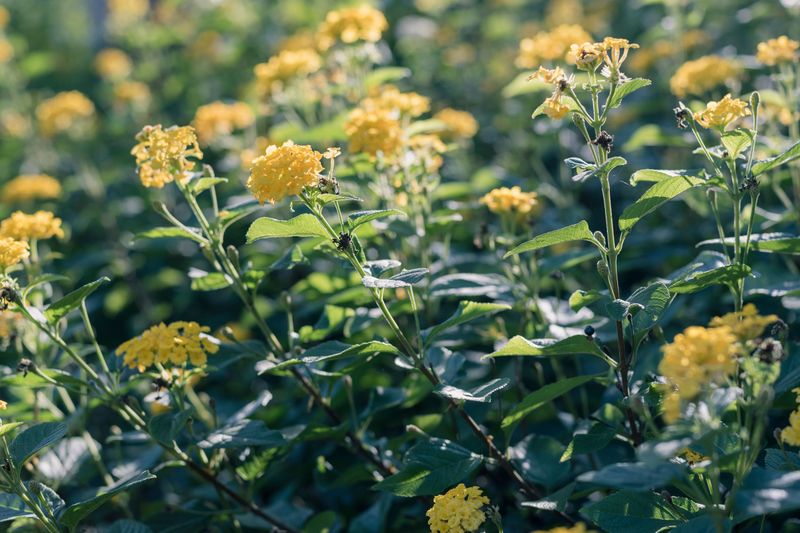
Freshly trimmed lantana is in recovery mode, and water management during this phase makes a big difference. The plant needs consistent moisture to push out new growth quickly.
Water deeply at the base of the plant several times per week right after trimming, adjusting for rainfall and soil type. Deep watering encourages roots to grow downward, which builds drought resilience over time.
Avoid overhead watering after pruning. Wet foliage on a plant with fresh cuts increases the risk of fungal problems.
Mulching around the base helps retain soil moisture between watering sessions. A two-inch layer of shredded bark or pine straw works beautifully and looks tidy in garden beds.
If rain is forecast, skip your scheduled watering and let nature handle it. Lantana does not love soggy roots, and overwatering after trimming is a common mistake.
As new growth begins to appear, usually within one to two weeks, you can ease back on watering frequency. Established lantana is surprisingly tough once it finds its footing again.
A balanced slow-release fertilizer applied right after trimming gives the plant extra fuel for regrowth. Choose one with lower nitrogen and higher phosphorus and potassium numbers for the best blooming response.
Preventing Berries On Non-Sterile Varieties
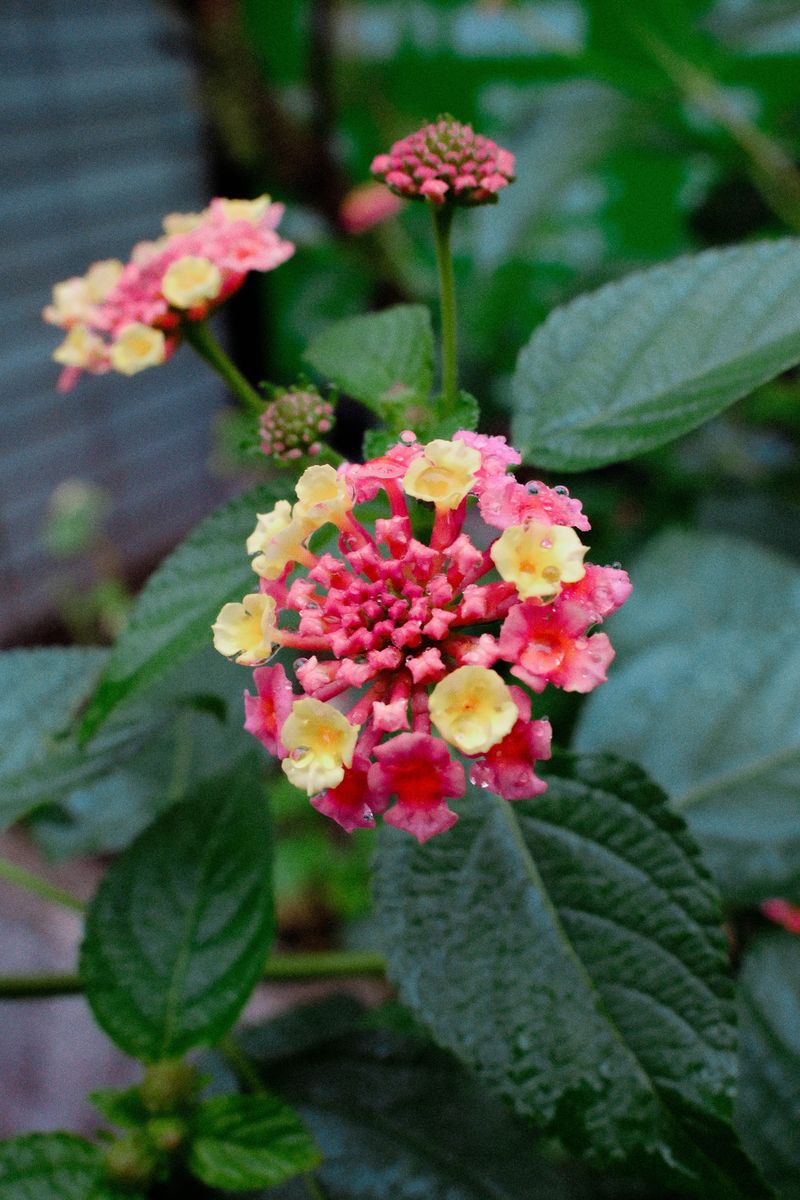
Those dark little berries might look charming, but they are a problem worth paying attention to. Non-sterile lantana varieties produce seeds that can sprout in unwanted spots around your yard.
Berry production also competes directly with flower production. Every berry your plant makes is energy that could have gone toward another colorful bloom cluster instead.
Removing berries as soon as they appear is a proactive version of the post-bloom lantana task most gardeners overlook. Do not wait for them to turn fully dark before acting.
Green berries are easier to spot against the foliage than dark ripe ones. Check the plant every few days during peak summer growth and pinch off clusters as you find them.
Birds love ripe lantana berries and will spread seeds into neighboring areas. That natural dispersal can lead to seedlings popping up in lawns, flower beds, and fence lines.
If you want a low-maintenance option going forward, look for sterile lantana cultivars at your local nursery. Sterile types flower heavily without producing seeds, which simplifies your seasonal care routine.
Staying ahead of berry formation keeps the plant focused on what you actually want from it. Consistent removal is a small effort that pays off in continuous, generous blooming through fall.
What To Expect In The Weeks After Trimming
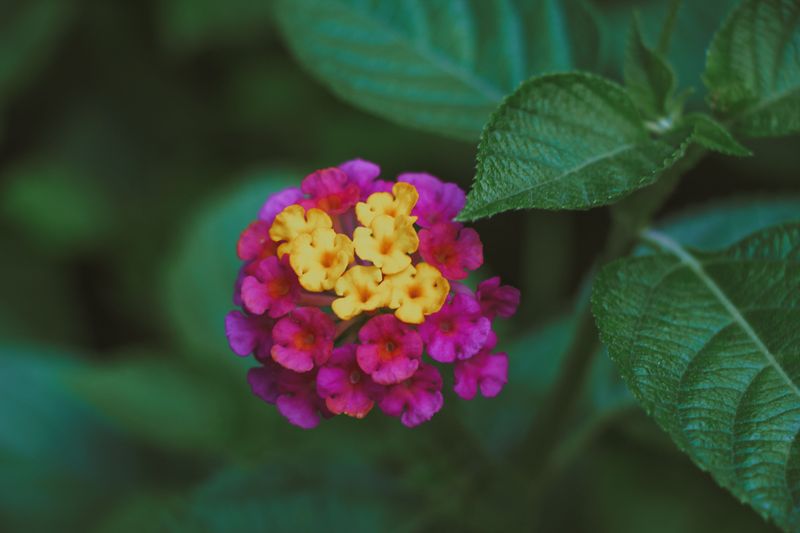
The first few days after trimming can feel anticlimactic. The plant looks smaller, a little bare, and maybe not as impressive as it did before you started cutting.
Stick with it, because week two is when things start getting exciting. Tiny green buds will begin pushing out from the nodes just below each cut point.
By day ten to fourteen, you should see visible new stem growth reaching outward. That fresh growth is softer and lighter green than the older stems, which is a great sign in most North Carolina gardens.
Flower buds typically appear between weeks two and three after a mid-summer trim. The exact timeline depends on temperatures, sunlight hours, and how well the plant was watered, and North Carolina’s shifting summer humidity can speed or slow the process.
Full bloom rebound often takes several weeks, depending on weather and growing conditions across North Carolina. Patience during this window is genuinely rewarded with a flush of color that rivals the plant’s spring debut.
Keep an eye out for any yellowing leaves during recovery, which can signal overwatering or nutrient deficiency. A light feeding with a balanced fertilizer usually resolves both issues quickly.
This post-bloom lantana task, done consistently each summer, trains the plant to perform stronger every year. A well-tended lantana can put on a show that draws attention throughout any North Carolina garden.