Don’t Bag Your Michigan Grass Clippings This Fall And Here’s Why
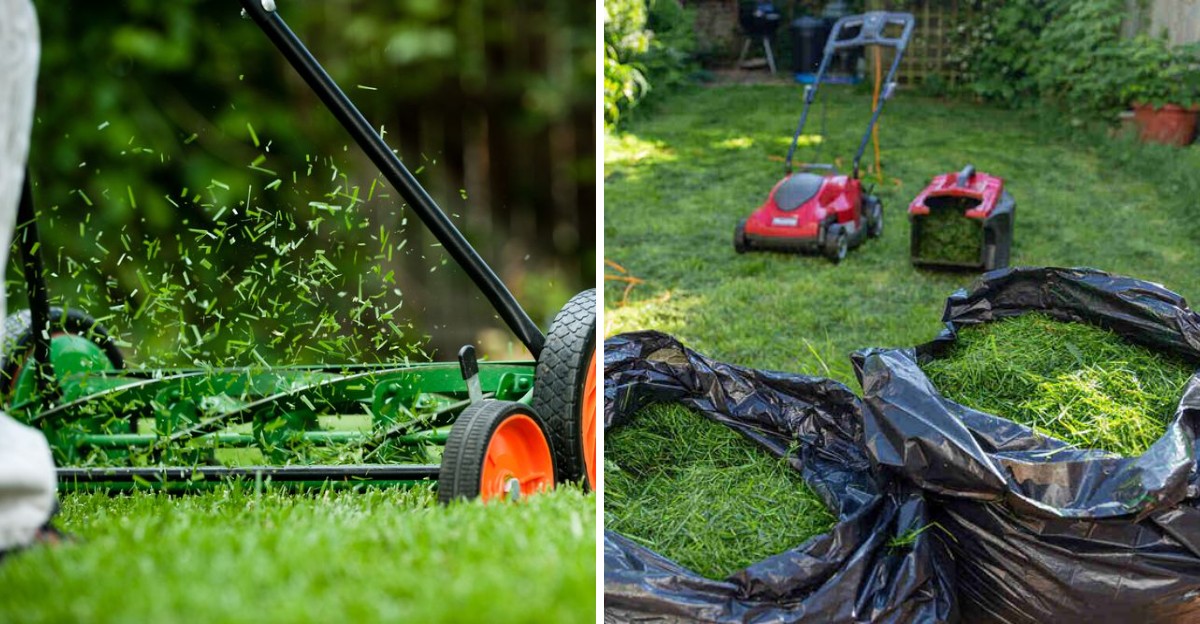
Every fall, homeowners bag their grass clippings with the kind of automatic confidence that suggests it was handed down through generations as an unbreakable lawn care law. Bag the clippings.
Always bag the clippings. Except that habit is doing a lot of extra work for very little reward, and early fall is actually the best time of year to reconsider it.
Cool-season lawns are actively growing in fall, which makes grasscycling, the practice of leaving clippings on the lawn to break down naturally, genuinely worthwhile right now.
Those clippings return nutrients to the soil, reduce yard waste, and quietly make the whole fall lawn routine a little less demanding.
It is not laziness. It is just a smarter way to manage a Michigan lawn when the conditions are right for it.
1. Grass Clippings Return Nutrients To Michigan Lawns
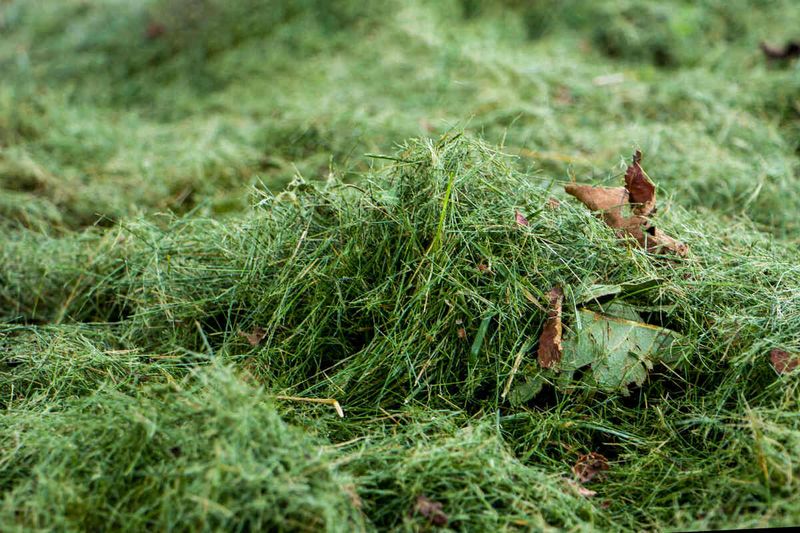
Most of what makes up a grass blade is water, but the dry matter left behind after clippings break down contains real nutrients that a lawn can genuinely use.
Nitrogen is the nutrient most often associated with grass clippings, and it is also the one cool-season lawns need most during the growing season.
As clippings decompose on the surface, that nitrogen and other nutrients cycle back into the soil where grass roots can absorb them again.
The amount returned depends on how often you mow and how healthy the lawn already is. A lawn that is mowed regularly and kept at a consistent height tends to produce clippings with a higher nutrient concentration than one that is mowed infrequently.
Clippings from a well-fed, actively growing lawn simply have more to give back.
Returning clippings does not mean a Michigan lawn will never need fertilizer again. Soil conditions, grass type, weather patterns, and overall lawn health all play a role in how much additional fertilizer may still be needed.
A soil test is one of the most useful tools homeowners can use to understand what the lawn actually needs rather than guessing. Grasscycling works best as part of a complete lawn care routine, not as a replacement for thoughtful fertilizer management.
Michigan State University Extension supports grasscycling as a practical habit worth building into regular lawn care, and the nutrient return it provides adds up meaningfully over a full growing season.
2. Leaving Clippings Does Not Create Thatch Problems
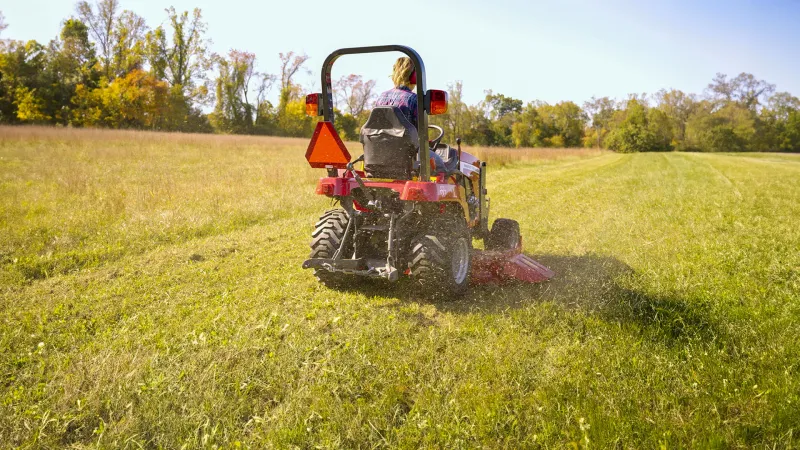
One of the most persistent myths in lawn care is that leaving grass clippings on the lawn will cause thatch to build up over time. Many homeowners have heard this for years and it shapes how they approach fall mowing season.
The good news is that research from turfgrass scientists has consistently shown that grass clippings are not the main cause of thatch problems.
Thatch is a layer of organic material, both spent and living, that builds up between the green grass blades and the soil surface. The material that makes up thatch is mostly composed of slowly decomposing plant parts such as roots, stems, and crowns.
These materials are dense with lignin and other compounds that break down slowly compared to soft grass blade tissue.
Your Michigan Garden Changes Every Week. Your Plan Should Too.
Gardening in Michigan changes quickly throughout the season. Every Friday you’ll receive a simple weekly plan showing exactly what to plant, prune, fertilize, harvest, and protect so you never miss the right timing.
Grass clippings, on the other hand, are made up largely of water and decompose relatively quickly when they are small and spread evenly across the lawn. They do not accumulate in the same way that tougher plant material does.
Thatch problems in Michigan lawns are more commonly linked to overly acidic soil, compacted conditions, or grass varieties that produce heavy amounts of lateral stems.
If your lawn already has a significant thatch layer, that is a separate issue that needs to be addressed directly through dethatching or aeration rather than by bagging every mowing.
3. Fall Mowing Keeps Grasscycling Working In Michigan Lawns
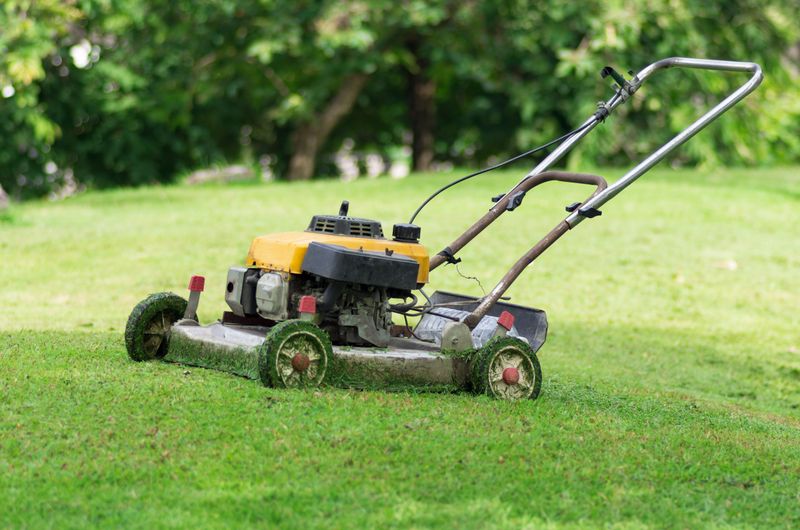
Cool temperatures and shorter days signal a seasonal shift across the state, but they do not always mean grass growth has stopped.
Cool-season grasses like Kentucky bluegrass, perennial ryegrass, and tall fescue can remain actively growing well into September and sometimes into October depending on where you are in Michigan.
That continued growth means mowing is still part of the routine, and that makes fall a practical time to put grasscycling to work.
Keeping up with mowing during this period matters more than many homeowners realize. When grass is mowed consistently, the clippings left behind are short and manageable.
They filter down through the canopy and reach the soil surface where microorganisms can begin breaking them down. When mowing is skipped for too long and grass grows tall before being cut, the resulting clippings are larger and harder to distribute evenly.
Mowing frequency in fall should be guided by how fast your specific lawn is growing rather than a fixed schedule. Some lawns may slow down significantly by mid-October while others in warmer areas or with south-facing exposures may stay greener longer.
Paying attention to actual grass height rather than the calendar helps you mow at the right time. Consistent fall mowing supports grasscycling and keeps your lawn in better shape heading into the colder months without overcomplicating the process.
4. Short Clippings Break Down Faster On The Lawn
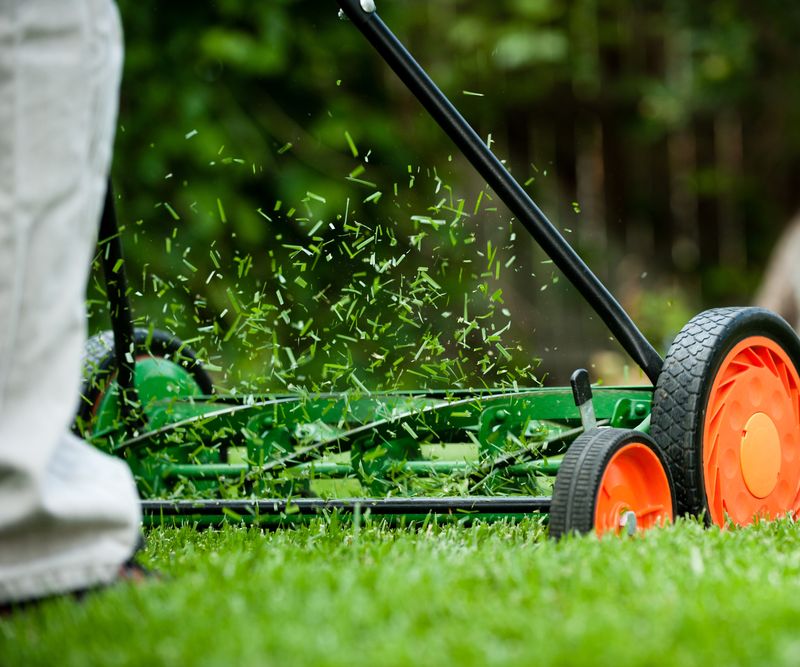
Size matters when it comes to how quickly grass clippings break down on your lawn. Small clippings have more surface area relative to their mass, which makes it easier for soil microorganisms to get to work on them.
Larger clippings take longer to decompose and are more likely to clump together on the surface where they can block light and reduce airflow to the grass underneath.
The simplest way to keep clippings short is to mow before grass gets too tall. Following the general guidance of not removing more than about one-third of the grass blade at a time helps produce clippings that are easier to manage.
When you stay within that range, the pieces left behind are small enough to filter down between grass blades and make contact with the soil fairly quickly.
Wet conditions can make even short clippings clump together more than they would on a dry day. Mowing when the grass is dry, or at least not saturated, gives clippings a better chance to spread out rather than sticking together in mats.
Michigan fall weather can be unpredictable, with stretches of rain followed by dry spells, so timing your mowing around drier windows when possible makes grasscycling more effective.
Keeping your mower blade sharp also helps produce cleaner cuts that result in smaller, more uniform clipping sizes across the lawn surface.
5. Proper Mowing Prevents Heavy Clipping Piles
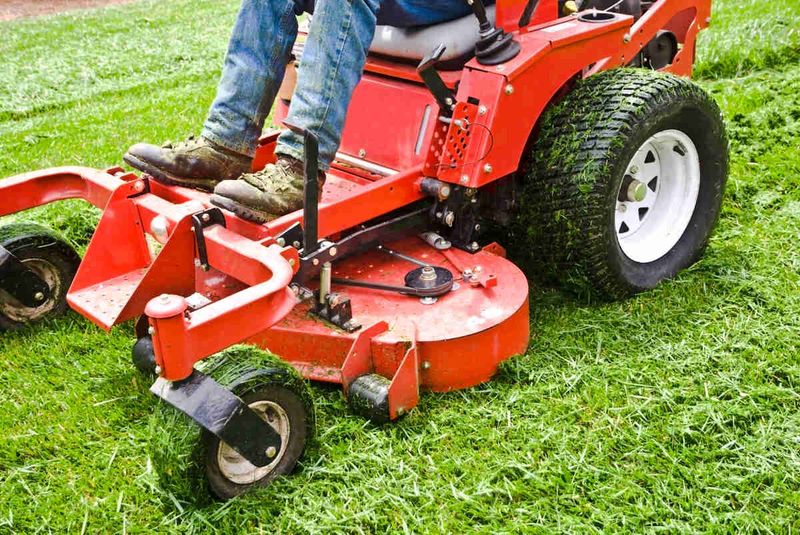
Walking out to mow and finding your lawn has gotten away from you is a familiar feeling for many Michigan homeowners, especially during a busy fall season.
When grass is allowed to grow significantly taller than usual before mowing, the volume of clippings produced in one pass is much greater than the lawn can easily absorb.
That is when piles form, and piles are where grasscycling can run into trouble.
Heavy, wet clumps of clippings sitting on top of the lawn can block sunlight and limit airflow to the grass beneath. In those spots, the grass can struggle and the area may look uneven for a while.
This is not a reason to avoid grasscycling entirely, but it is a reason to mow regularly enough to avoid getting into that situation in the first place.
Sharp mower blades are part of the equation too. A dull blade tears grass rather than cutting it cleanly, and torn clippings tend to be irregular in shape and size.
They clump more easily and break down more slowly than clippings produced by a sharp, well-maintained blade. Keeping blades sharp is a simple maintenance step that improves cut quality and supports better clipping distribution.
If you do end up with a few heavy piles after a mowing session, using the mower to make a second pass over those areas can help break them up and spread them more evenly across the lawn.
6. Grasscycling Can Reduce The Need For Extra Fertilizer
Fertilizer bags and spreaders are a common sight in Michigan neighborhoods each fall, and there are good reasons why autumn fertilization supports cool-season lawns.
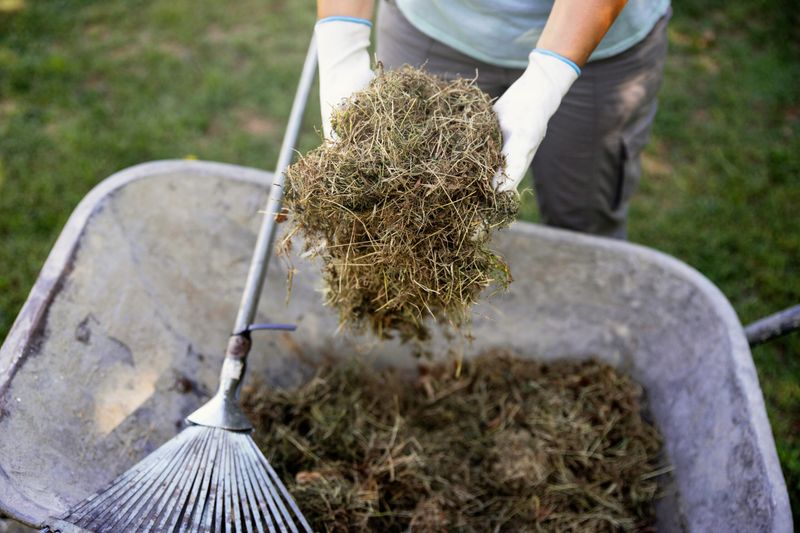
What many homeowners do not consider is that the clippings they bag and haul away are actually removing nutrients from the lawn that could have stayed behind.
Grasscycling keeps those nutrients in the cycle rather than sending them to the curb.
Returning clippings consistently over time can contribute to the overall nutrient pool available to your lawn.
How much this reduces your fertilizer needs depends on many factors, including your soil type, the fertility level of your lawn, your grass variety, and how often you mow.
The benefit tends to be more noticeable on lawns that are mowed frequently and where clippings are returned regularly rather than only occasionally.
Grasscycling is not a reason to skip fertilizer entirely. Cool-season lawns still benefit from thoughtful fall fertilization, and the right approach depends on your specific lawn conditions.
A soil test from Michigan State University Extension or a certified lab can give you a clearer picture of what nutrients your soil actually needs and in what amounts.
Using that information helps you fertilize more accurately instead of applying products your lawn may not need.
Combining regular grasscycling with a soil-test-based fertilizer plan is a practical and responsible approach to fall lawn nutrition for homeowners.
7. When Bagging Clippings Still Makes Sense
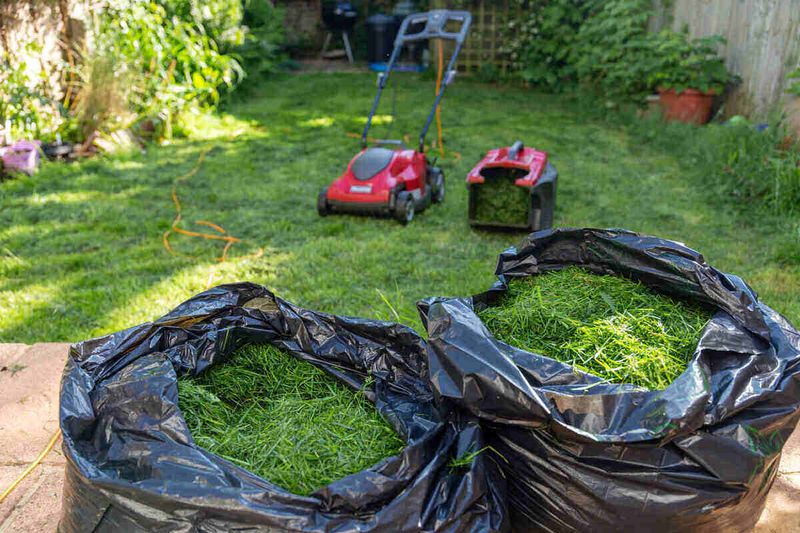
Grasscycling is a sensible practice for most routine mowing situations, but there are times when collecting clippings is the better call.
Knowing the difference helps you make smart decisions rather than following one rule without thinking about your actual lawn conditions.
Bagging is a useful tool, and it still has a place in a well-managed Michigan lawn care routine.
If your lawn has gone too long between mowings and the grass is significantly taller than it should be, the clippings produced will be large and heavy. Leaving thick mats of long, wet clippings on the surface is not the same as leaving short clippings from a routine mow.
In those cases, collecting the excess material and composting it or disposing of it properly is a reasonable choice that protects the lawn underneath.
There are other situations where bagging makes sense too. If your lawn has been dealing with a disease outbreak or a heavy weed presence, removing clippings can help limit the spread of problem material across the rest of the lawn.
Collecting clippings after an application of certain lawn care products may also be appropriate depending on the label instructions.
Some homeowners simply prefer the look of a freshly mowed lawn without any visible clippings on the surface, which is a personal preference that is completely valid.
The goal is to use bagging thoughtfully rather than automatically every single time you mow.
8. How To Leave Fall Clippings Without Lawn Problems
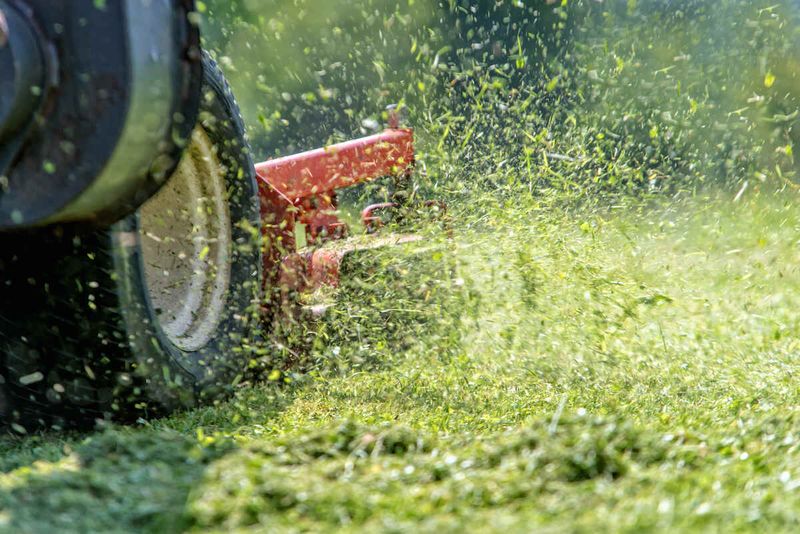
Getting started with grasscycling in Michigan does not require special equipment or a major change to your routine.
For most homeowners, the adjustment is mostly about mowing more consistently and paying attention to a few simple details that make a real difference in how the lawn looks and responds.
Mowing often enough to keep clippings short is the foundation of the whole approach. When you stay ahead of grass growth and avoid letting the lawn get tall before cutting, the clippings you leave behind are small enough to settle into the turf naturally.
Aiming to remove no more than about one-third of the grass blade at a time is a widely used guideline that helps keep clipping size manageable.
Adjust your mowing frequency based on how fast your lawn is actually growing rather than sticking to a rigid weekly schedule.
After mowing, take a quick look at the lawn to see if any heavy patches have formed. If clippings are bunched up in spots, a second pass with the mower or a light raking can spread them out before they cause problems.
Dry conditions help clippings break down faster, so mowing during drier stretches of fall weather gives the process a head start.
Over time, returning clippings consistently as part of your regular fall mowing routine contributes organic matter to the soil and makes your Michigan lawn care routine a little more efficient without adding extra steps.