The Only Winter Squash Harvesting Method Worth Using In Michigan’s Cold Climate
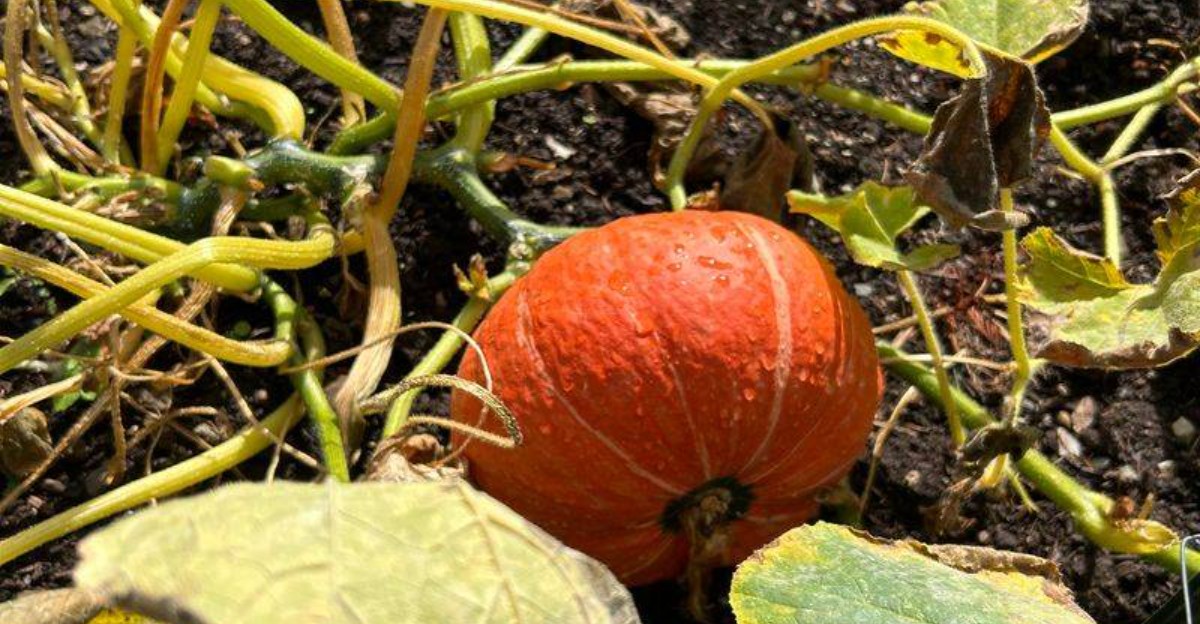
A butternut squash gets one hard tug, and the stem snaps clean off right at the fruit. That small snap looks harmless enough in the moment.
It is not. That tiny break opens a door rot organisms are more than happy to walk through, especially once cold Michigan nights start settling in for good.
Most gardeners never see that consequence coming. The squash looks fine sitting in the basket, skin intact, color deep and ready.
Weeks later, a soft spot shows up where nothing seemed wrong before. By then, the mistake already happened, back at harvest, long before anyone noticed a problem.
Michigan’s short fall window makes every step in the harvest process matter more than gardeners usually expect.
Get the method right, and that same squash can still be dinner in February. Get it wrong, and winter finishes the job frost never got the chance to.
Cut Instead Of Pulling The Vine
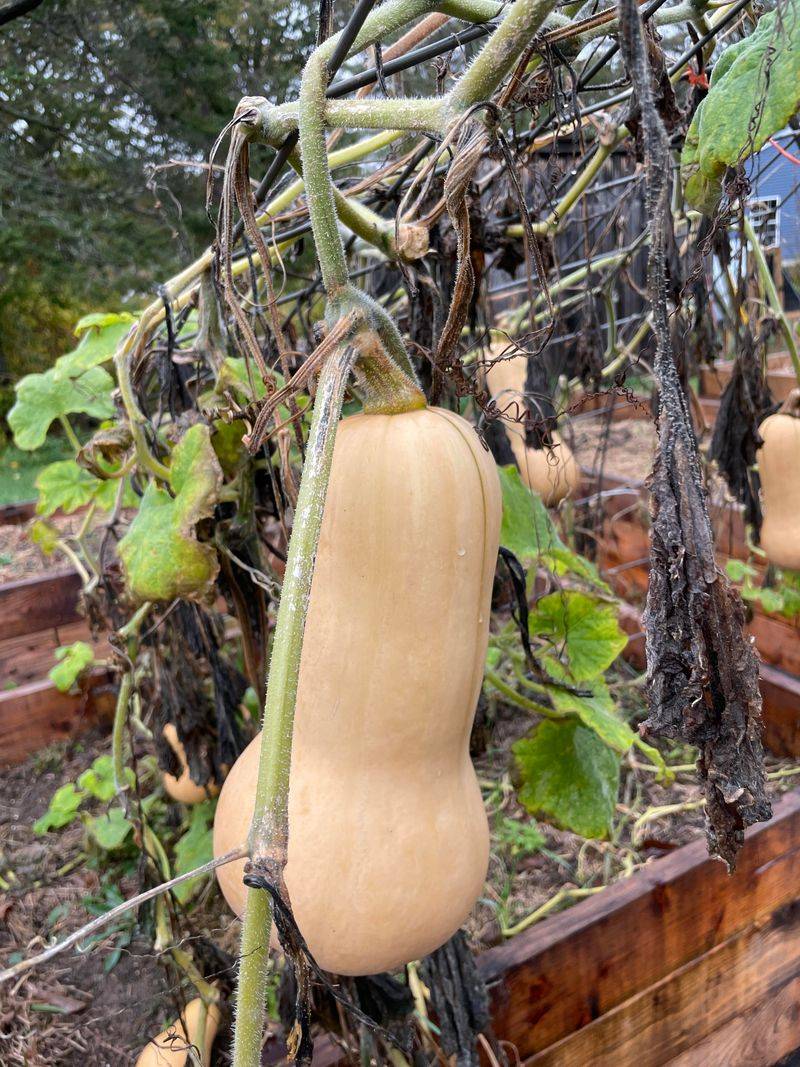
One rough tug can undo months of patient waiting in a single second. Pulling or twisting winter squash often tears the stem, cracks skin near the top, or stresses the vine right before harvest should have gone smoothly.
That kind of damage rarely looks dramatic at first glance. A slightly ragged stem, maybe a small crack near the top, nothing that screams trouble immediately.
Given a few weeks in storage though, that small wound becomes an entry point. Moisture escapes faster, and decay organisms find an easy way in through tissue that never sealed properly to begin with.
Michigan State University Extension guidance points toward a cleaner solution here. Use pruners or a sharp knife instead of your hands, and make one smooth cut rather than forcing a twist or yank.
A clean cut dries and seals far better than a torn one ever will. That smoother wound slows rot considerably, giving squash a real shot at lasting through cold Michigan storage months ahead.
This step takes maybe ten extra seconds per squash. Compare that tiny time investment against losing fruit to preventable rot partway through winter, and the math works out easily in favor of grabbing pruners first.
Skip the tug entirely, every single time. Your future self, reaching for squash in January, will appreciate the extra care taken back in September.
Leave A Few Inches Of Stem
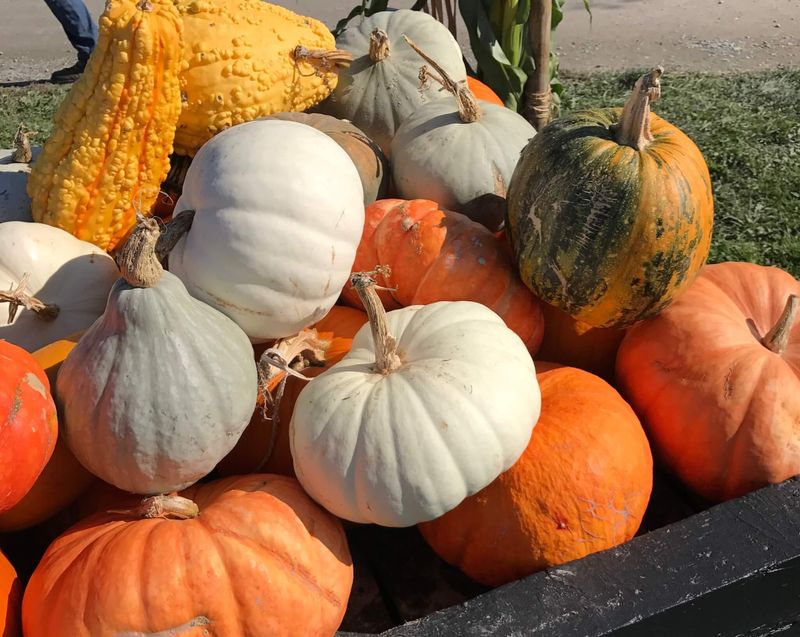
Think of the stem as the squash’s own built-in bottle cap. It seals off the fruit from moisture loss and disease entry, doing quiet work that becomes obvious only once it goes missing.
MSU Extension commonly recommends leaving about three to four inches of stem attached during harvest. That length gives the fruit real protection rather than just a token stub barely covering the top.
A missing or broken stem creates an open doorway almost immediately. Decay organisms do not need much of an invitation, and that exposed spot where a stem should be gives them exactly the opening they are looking for.
Acorn, butternut, and Hubbard types all benefit from this same careful approach. Snip with intention rather than rushing through the harvest basket, and that stem stays intact as a natural handle too.
Your Michigan Garden Changes Every Week. Your Plan Should Too.
Gardening in Michigan changes quickly throughout the season. Every Friday you’ll receive a simple weekly plan showing exactly what to plant, prune, fertilize, harvest, and protect so you never miss the right timing.
Here is a practical bonus while you are at it. That handle makes squash easier to carry and move without pressing fingers directly into the rind, which helps avoid a whole different kind of accidental bruising during transport.
If a stem does happen to snap off despite careful cutting, that fruit is not necessarily doomed. It just becomes a candidate for earlier use rather than long-term storage, since its protection is already compromised.
A few extra inches of stem cost nothing at harvest time. They buy real insurance against rot showing up uninvited partway through winter storage.
Harvest Before The First Hard Frost
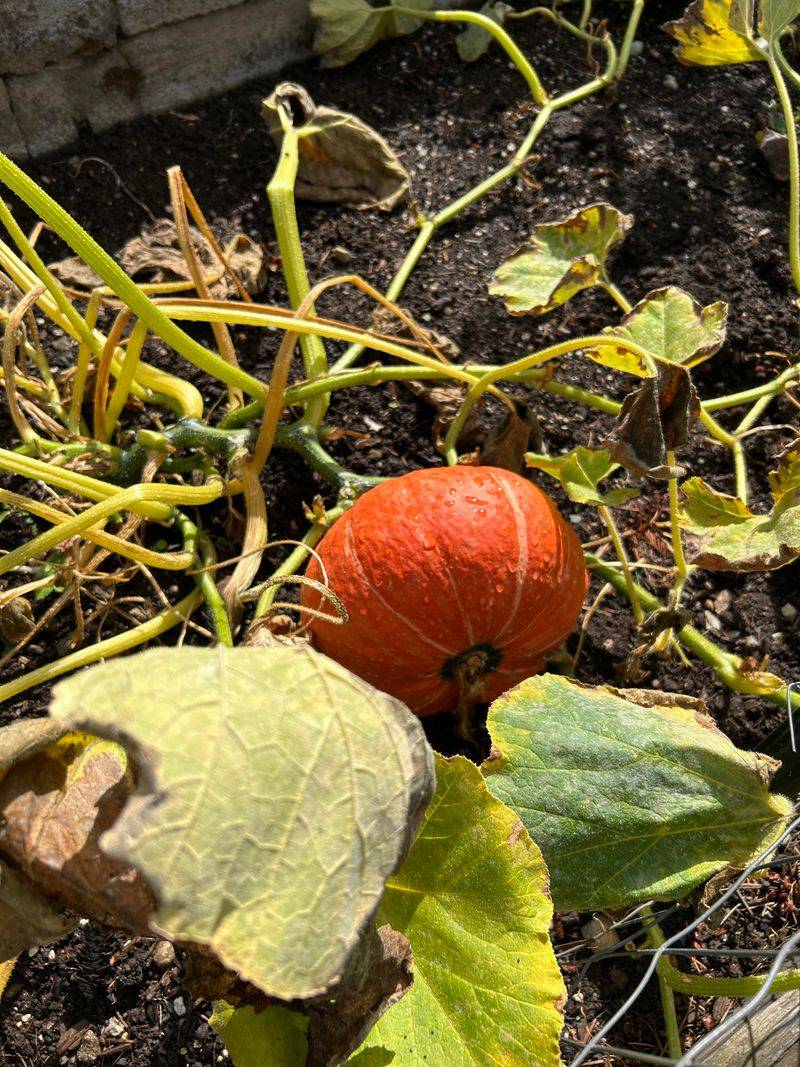
Michigan weather has a habit of turning bossy overnight, especially as September slides into October. Squash that looked perfectly fine one afternoon can face real trouble after a single hard frost moves through that same night.
Hard frost can injure winter squash rinds directly, and that damage often shortens storage life significantly, even when the fruit still looks completely normal sitting on the vine the next morning.
Around 28 degrees Fahrenheit for several hours marks the general threshold worth watching closely. That temperature line matches common frost damage warnings for tender crops across the state.
Location matters quite a bit here too. Upper Peninsula gardens and northern Lower Michigan typically face that kind of killing cold well before southern parts of the state catch up to the same conditions.
So what does that mean practically speaking? Watch local forecasts closely once fall really settles in, rather than relying on a fixed calendar date that might not match your specific region this particular year.
Harvesting a few days early beats losing fruit to an unexpected frost that arrives sooner than the forecast suggested. A slightly early harvest still cures and stores just fine, while frost-damaged rind often does not.
Keep a mental buffer of a few days ahead of any predicted cold snap. That small cushion protects an entire season’s worth of squash from one unlucky overnight temperature drop.
Handle Fruit Gently To Avoid Bruising
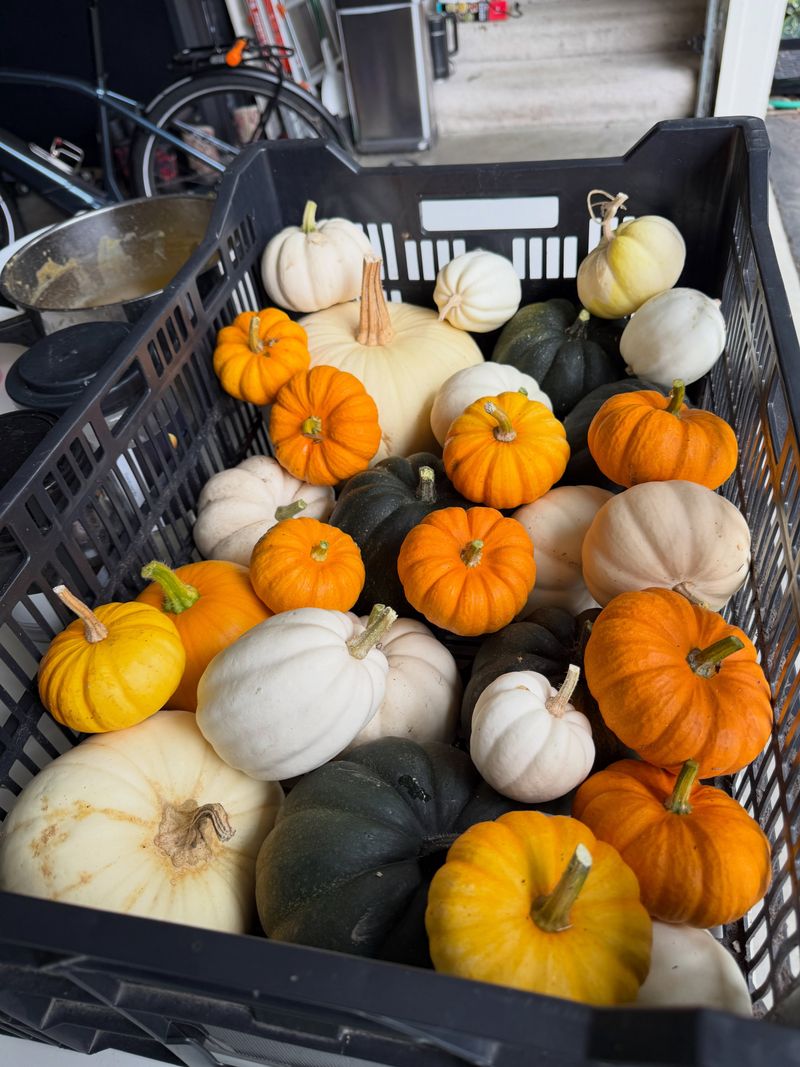
A perfectly timed harvest can still fail after one careless drop into the bottom of a bucket. Bruises, punctures, and scraped rinds all give rot organisms an easy way in, regardless of how carefully that squash was cut and left with a proper stem.
Carry each squash like a melon, not like a bowling ball rolling around in the back of a truck. That mental shift alone changes how most people handle harvest day without even thinking about it consciously.
Set fruit gently into crates or boxes rather than tossing it in from a distance. Avoid piling heavier types directly on top of smaller, more delicate squash, since that weight can create bruising nobody notices until weeks later.
Stems deserve some attention here too. A sharp, pointed stem can easily stab a neighboring squash during transport, creating exactly the kind of wound this whole harvest method is trying to avoid in the first place.
Hauling a full load from a chilly Michigan garden back to shelter takes some planning. Slow down during that transport step rather than rushing to beat incoming weather, since speed and gentle handling do not always go together well.
None of this requires fancy equipment. Padding a crate with an old towel or spacing squash out instead of stacking them solves most bruising problems without any real added cost or effort.
Gentle handling protects everything the earlier careful steps already accomplished. One careless moment during transport can undo weeks of good technique in a single afternoon.
Cure Squash In A Warm Dry Spot
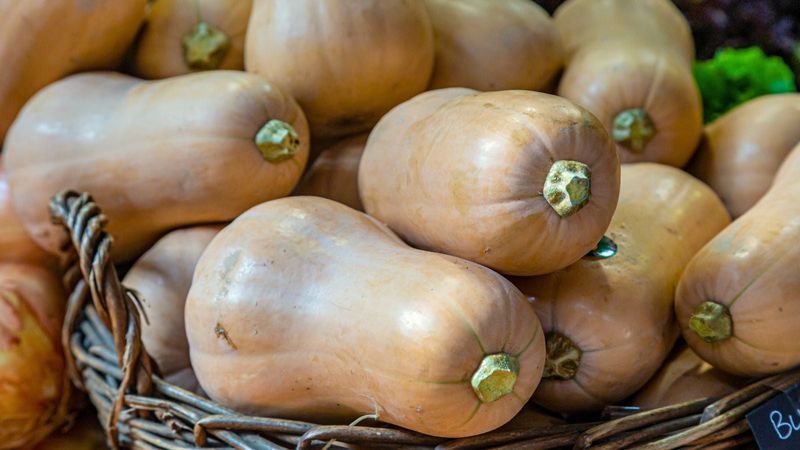
Harvest is not really the finish line here. Winter squash still needs a little extra finishing time before it settles into long-term storage mode.
Curing in a warm, dry place does the heavy lifting during this stage. Somewhere around 80 to 85 degrees Fahrenheit for about 10 days to two weeks gives small cuts and nicks a real chance to heal over properly.
That healing process matters more than people usually assume. A minor scrape that seemed harmless at harvest can toughen up and seal during curing, rather than turning into a soft spot a few weeks into storage.
Good airflow plays just as big a role as warmth throughout this whole process.
Spread fruit out in a single layer instead of stacking pieces on top of each other, since trapped moisture between squash can undo a lot of the benefit curing is supposed to provide.
A porch, greenhouse, or spare room can all work fine for this stage, as long as nights stay reliably above frost and surfaces stay dry throughout the curing period. A damp basement corner is not really the right setup here.
Skipping curing entirely does not doom every squash outright, but it does leave skin less toughened and small wounds less sealed.
That shortcut tends to show up later as reduced storage life, right when you were hoping for months of use.
Ten extra days feels like a long wait when squash is sitting right there ready to cook. Patience during this stage pays off directly in how long that same squash actually lasts once real winter storage begins.
Check For Full Rind Hardness First
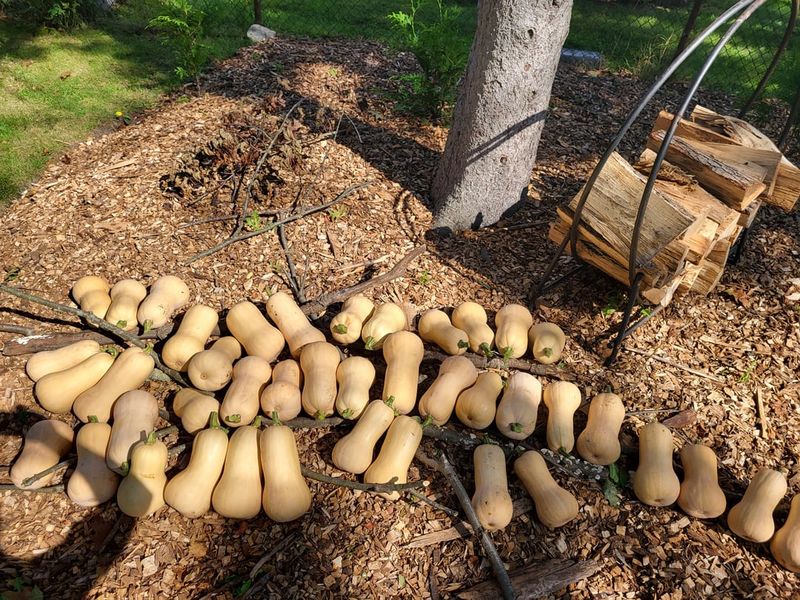
Before pruners even come out, the thumbnail test tells you most of what you need to know. Press a nail gently against the rind, and a ripe winter squash resists that scratch rather than giving way easily.
Color matters here too, and it should look full and deep for whatever variety you are growing. A pale or patchy rind often signals fruit that needs more time on the vine before it is ready for harvest and storage.
Harvesting too early creates a problem curing cannot fully fix later.
Soft, underripe rind stays more vulnerable through storage no matter how carefully it gets cured afterward, since that toughening process works best on rind that already has a solid foundation.
Michigan’s short autumn window makes this check a genuine balancing act every single fall. Waiting for full ripeness sounds simple, right up until an early frost forecast starts pushing that timeline in the opposite direction.
Walking the garden every few days during that stretch helps catch fruit right as it crosses into ready territory.
Checking too infrequently risks either pulling squash too early out of caution, or leaving it exposed too long as frost risk climbs.
If frost is closing in fast and a few squash have not quite passed the thumbnail test, harvesting slightly underripe usually beats losing that fruit to frost damage entirely.
Underripe squash still has some use, even if storage life ends up shorter than ideal.
That quick scratch test takes only a few seconds per fruit. Running it consistently across the whole patch helps you harvest with real confidence instead of guessing based on how many days have passed since planting.
Proper Curing Extends Winter Storage Life
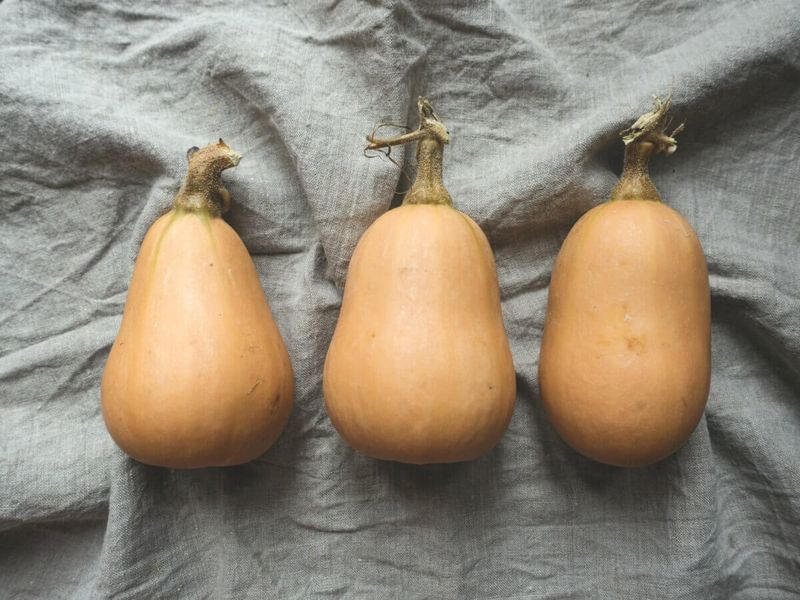
A good winter squash, stored well, can still brighten a dinner plate deep into February. That kind of payoff does not come from one clever trick. It comes from a full sequence of small steps done consistently.
Harvest mature fruit before hard frost arrives. Cut it cleanly instead of pulling or twisting. Keep several inches of stem attached as natural protection.
Handle every piece gently from vine to storage shelf. Cure it warm and dry before tucking it away for the season.
Each step on its own sounds almost too simple to matter much. Skip just one of them though, and shelf life often drops more than most gardeners expect going into the process.
A clean cut without proper curing still leaves rind less toughened than it could be. Careful curing without gentle handling still risks bruising that undoes all that careful healing time. The steps work together, not separately.
Michigan’s climate adds real pressure to get this whole sequence right within a fairly tight fall window. Short growing season, unpredictable frost timing, and cold storage months ahead all raise the stakes on doing this correctly the first time.
Follow the complete chain from vine to shelf, and many Michigan growers end up enjoying solid, sweet squash for weeks or even months longer than they would with any single shortcut.
That extra storage time is not luck. It is the direct result of a handful of small, deliberate choices made carefully back in September and October, long before winter ever shows up at the door.