Don’t Let Fallen Fruit Sit In Your North Carolina Garden This Fall
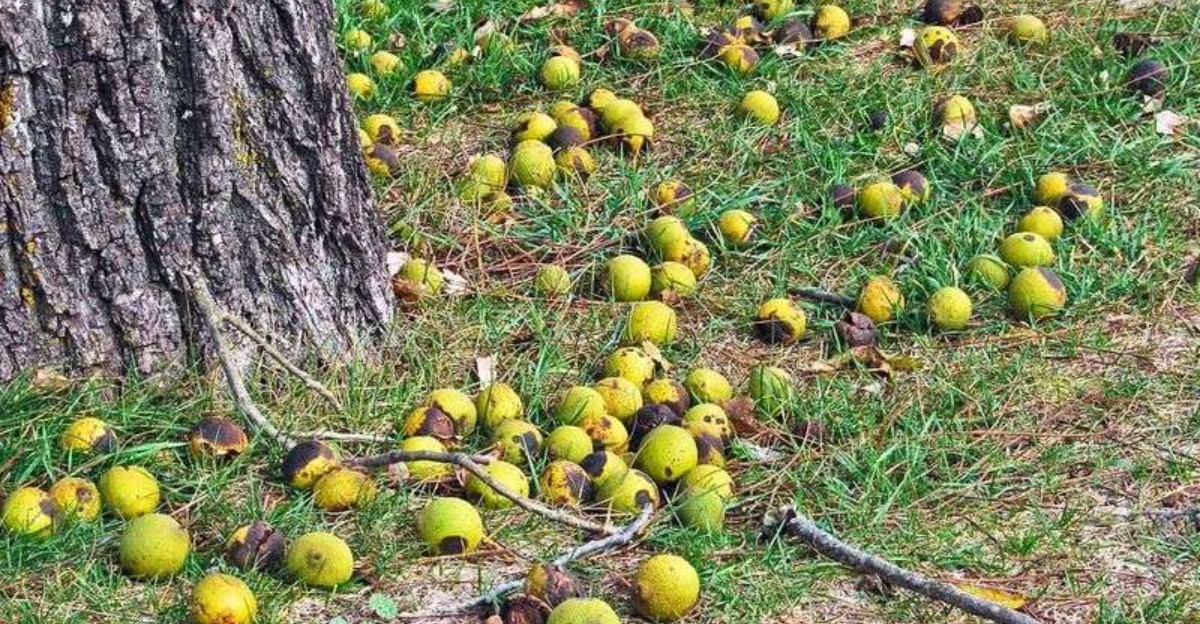
As fruit trees wind down for the season, it’s easy to let dropped fruit sit where it falls, but leaving it on the ground in a North Carolina garden can cause more harm than most gardeners expect.
Rotting fruit attracts pests like yellowjackets and fruit flies, and it can also encourage fungal diseases that linger in the soil and affect the tree again next year.
Left long enough, decomposing fruit can even draw larger wildlife into the yard, creating a problem well beyond the garden bed itself.
Cleaning up fallen fruit regularly helps break this cycle before it has a chance to take hold. For North Carolina gardeners hoping to keep both their trees and their yard healthier through fall, here’s why that fruit shouldn’t be left where it lands.
1. Fallen Fruit Attracts Fruit Flies And Other Pests
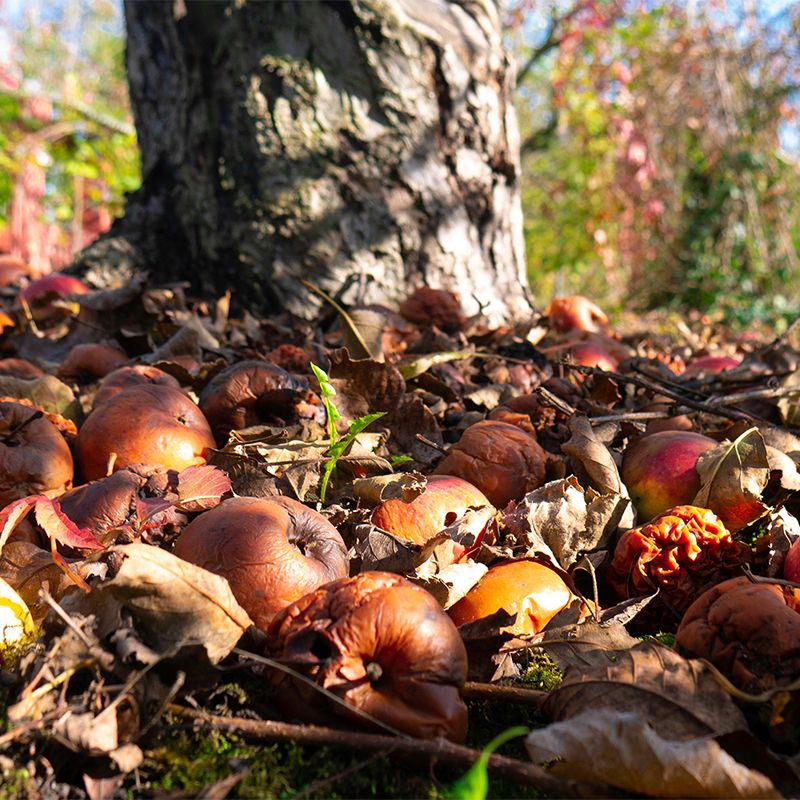
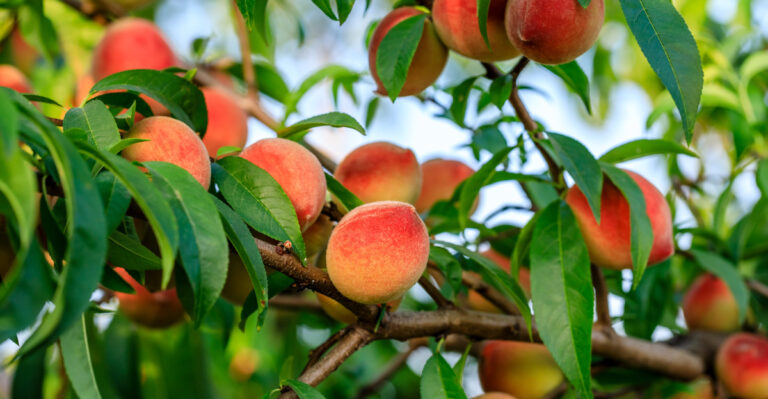
Nothing draws a swarm of tiny flies faster than a mushy peach sitting in the grass. As fruit softens and starts to break down, it releases a sweet, sugary smell that insects can sense from far away.
Fruit flies and vinegar flies love this kind of buffet. They land on the soft spots, feed on the juices, and lay their eggs right inside the fruit. Within days, you can have dozens of new flies buzzing around your yard.
Apples, pears, figs, and peaches are all favorites. Once one piece begins to rot, it becomes a signal that tells every hungry bug in the neighborhood to come and join in.
Warm, humid North Carolina fall weather makes the problem worse. The fruit breaks down quickly, and the flies breed faster when the air stays sticky and warm.
These pests do not stay outside either. Open a door or window near the garden, and some of them will happily move into your kitchen, hovering over your fruit bowl and trash can.
The good news is that cleanup is simple. Picking up fallen fruit every few days removes the food source and stops the flies before they multiply.
Try keeping a bucket near your fruit trees so gathering the drops feels quick and easy. A little effort each week keeps the swarm from ever starting.
Cleaner ground means fewer buzzing visitors and a much more pleasant garden to enjoy during the cool autumn days.
2. It Can Encourage Disease To Return Next Season
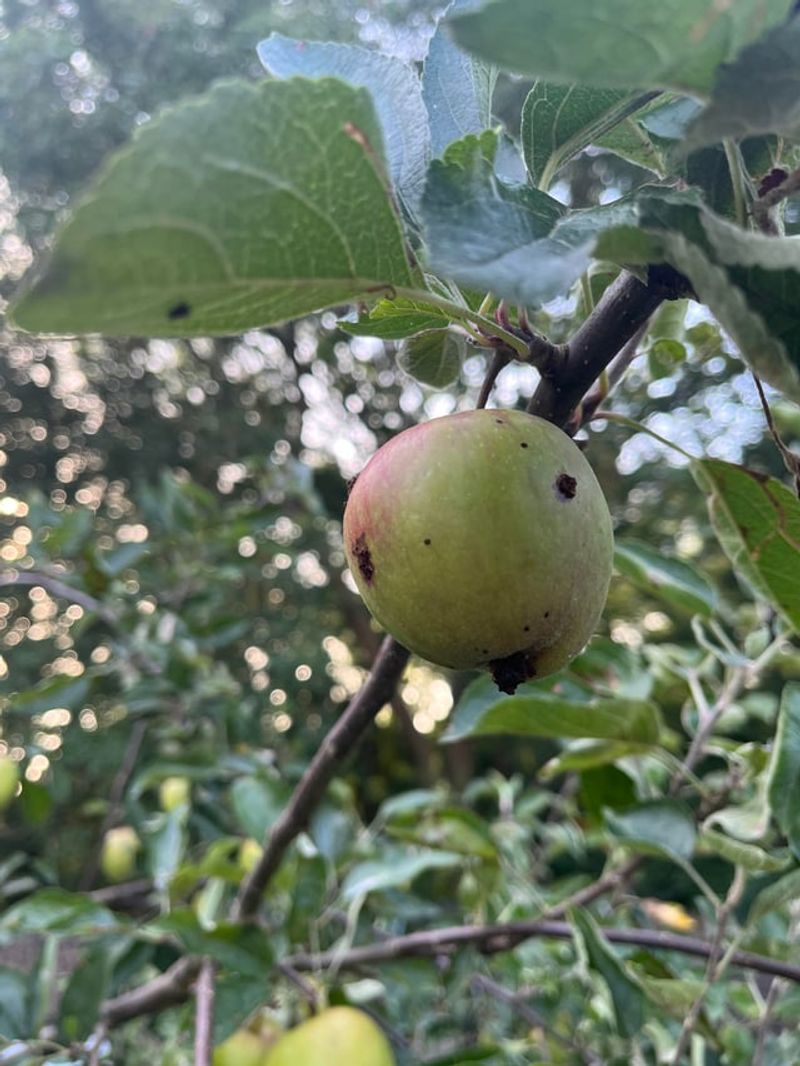
A single spotted apple on the ground might not seem like a big deal, but it can carry trouble straight into next spring. Many fruit tree problems come from fungal and bacterial infections that hide inside the fruit.
When infected fruit stays on the ground all winter, the germs that cause the sickness stay too. They wait patiently in the soil and old fruit until warmer weather returns.
Brown rot, apple scab, and similar troubles often spread this way. The spores linger on the leftover fruit, then splash back up onto the tree with spring rain and start the cycle all over again.
Removing the sick fruit breaks that cycle. When you clear away the infected material, you take away the hiding spot where the problem waits to strike.
Your North Carolina Garden Changes Every Week. Your Plan Should Too.
Gardening in North Carolina changes quickly throughout the season. Every Friday you’ll receive a simple weekly plan showing exactly what to plant, prune, fertilize, harvest, and protect so you never miss the right timing.
North Carolina’s damp, mild winters give these germs an easy place to survive. Cleaning the ground beneath your trees becomes even more important because of that gentle climate.
Do not toss badly spotted or moldy fruit into your regular compost pile. Backyard compost often does not get hot enough to break down the germs, so bag that fruit and throw it out instead.
Healthy fruit can go in the compost or the trash, but keep the infected pieces separate.
Taking a few minutes to gather sick fruit now saves you from spraying and worrying later. Your trees will thank you with cleaner leaves and better fruit when the next growing season begins.
3. Spotted Wing Drosophila Can Build Up
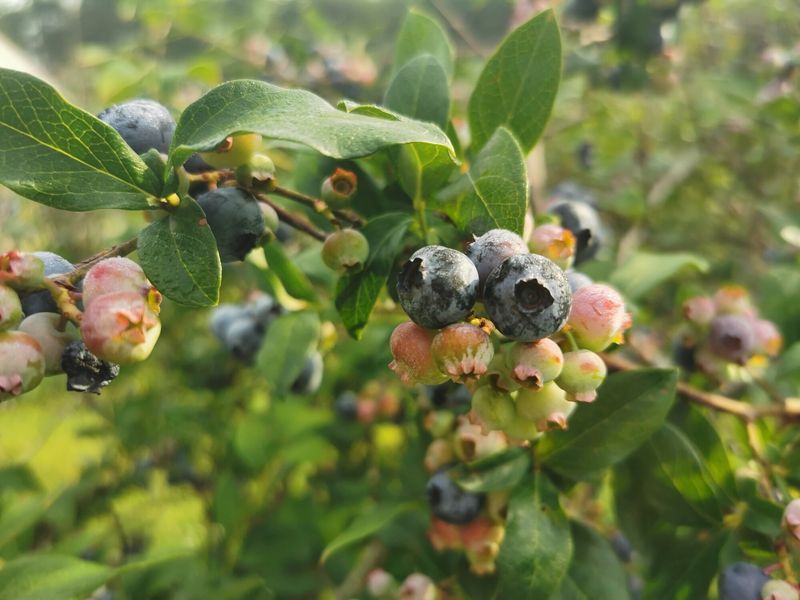
Meet one of the sneakiest bugs in North Carolina gardens: the spotted wing drosophila. This tiny invasive fly looks almost like a regular fruit fly, but it causes far more damage to soft fruits.
Most fruit flies wait until fruit is already rotting. Spotted wing drosophila does something different, laying eggs inside fruit that is still fresh and ripe, which ruins berries before you even pick them.
Blueberries, blackberries, raspberries, and cherries are all at risk. These fruits grow well across the state, which makes the pest a real headache for local gardeners.
Fallen and overripe fruit on the ground gives this fly the perfect spot to breed. Each soft, forgotten piece becomes a nursery where the next generation grows.
The numbers can climb fast. One female lays hundreds of eggs, so a small problem can turn into a large one in just a couple of weeks during warm fall days.
Cleaning up dropped fruit is one of the best ways to slow them down. Fewer breeding spots means fewer flies attacking your fruit next season.
Try to gather ripe and overripe fruit often, and do not let it sit on the ground for days. Seal what you remove in a bag so the eggs inside cannot hatch and escape.
Staying on top of cleanup makes a real difference. By clearing away the fruit these flies depend on, you protect your berries and give your garden a much better chance at a healthy harvest.
4. Rodents May Find An Easy Food Source
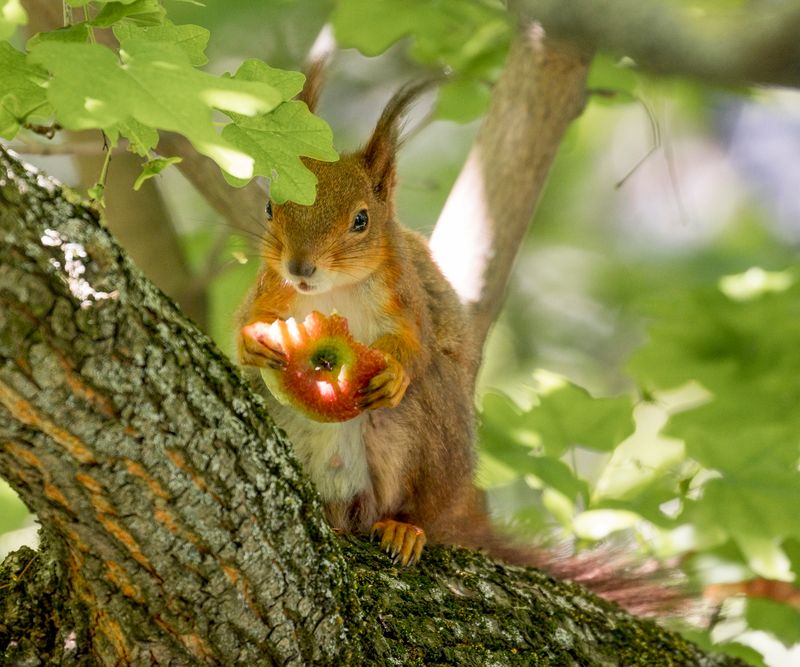
As the weather cools, hungry animals go on the hunt for easy calories to store up before winter. A pile of sweet fallen fruit is exactly the kind of free meal they are looking for.
Mice, rats, and squirrels all have a sweet tooth. When they find dropped apples or figs in your garden, they will keep coming back night after night for more.
The trouble is that they rarely stop at the fruit. Once these visitors decide your yard is a good place to eat, they start looking for cozy spots to nest nearby.
Rodents can chew through garden hoses, dig into raised beds, and even find their way into sheds and garages. What started as a few apples on the ground can turn into a much bigger problem.
Squirrels also like to bury food, which can leave little surprises sprouting all over your yard later on.
North Carolina winters stay mild enough that these animals stay active and busy. That makes an easy food source even more tempting for them.
Clearing away fallen fruit removes the invitation. With no easy snacks waiting on the ground, most of these critters will simply move along to look elsewhere.
Rake or gather the fruit regularly, and keep the area under your trees tidy. A clean garden is far less appealing to unwanted guests. A little cleanup now keeps your yard from becoming the neighborhood snack bar this fall.
5. Wasps And Yellowjackets May Become More Noticeable
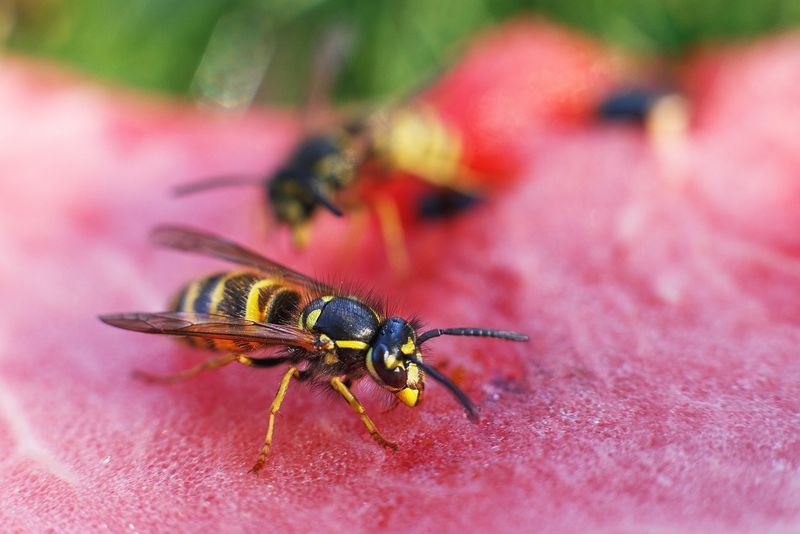
Fall is when yellowjackets seem to show up everywhere, and fallen fruit is a big reason why. As fruit sits and softens, it begins to ferment, giving off a smell that these insects find irresistible.
Wasps and yellowjackets crave sugar this time of year. A juicy, fermenting peach or plum on the ground becomes a magnet, drawing them in from all around.
The problem is that these insects can sting, and yellowjackets are known for being grumpy. If you reach down to grab a piece of fruit without looking, you might get an unpleasant surprise.
Gardening near heavily dropped fruit can feel risky when several of them are buzzing around. Kids and pets playing in the yard face the same danger.
People who are allergic to stings need to be especially careful. For them, a hidden yellowjacket in the grass is a real worry.
North Carolina’s warm autumn keeps these insects active well into the season. The longer fruit sits, the more of them gather to feed.
Cleaning up the fruit takes away the sugary feast that draws them in. Fewer sweet piles on the ground means fewer stinging visitors near your home.
When you do collect fruit, move slowly and check before reaching down. Wearing gloves adds a little extra safety while you work.
Keeping the ground clear lets you enjoy your garden without the constant buzz. It is a simple step that makes autumn cleanup safer and far more relaxing for everyone.
6. It Can Create A Messy, Smelly Garden Area
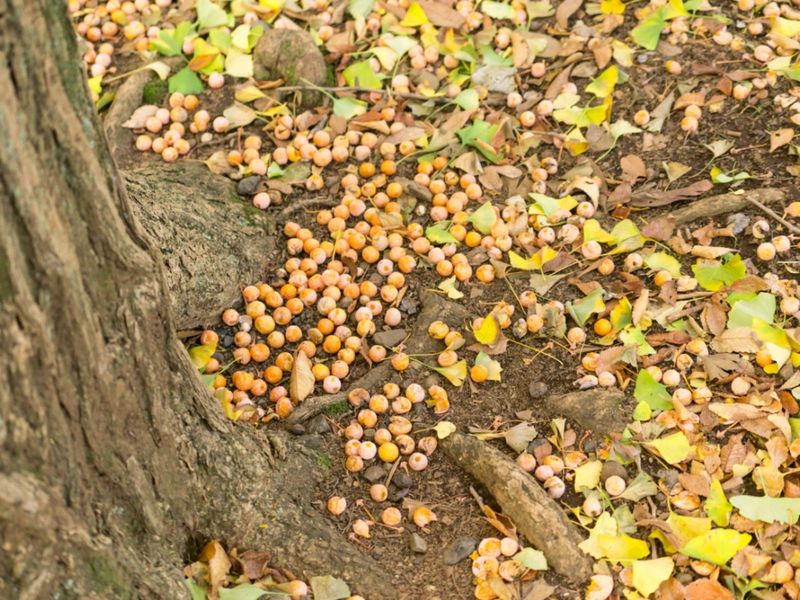
Picture stepping outside on a warm fall morning and catching a whiff of something sour. That unpleasant smell often comes from fruit breaking down on the ground.
North Carolina’s warm, humid weather speeds everything up. Fruit that falls today can turn into a soft, sticky mess within just a few days.
As it breaks down, the fruit releases a strong, sour odor that spreads across the yard. Nobody wants to relax on the patio while that smell drifts through the air.
The mess causes trouble underfoot too. Squashed fruit turns slippery, and it is easy to lose your footing or track sticky pulp into the house.
Mowing over rotting fruit only makes things worse. The pieces splatter, coating your shoes, mower, and nearby plants in a gooey layer.
The longer fruit sits, the harder it becomes to clean. Fresh drops are simple to scoop up, but pulpy, half-broken fruit sticks to everything and takes real effort to remove.
Staying ahead of the mess keeps the job quick. Gathering fruit while it is still firm saves you from scrubbing sticky spots later on.
Keep a bucket or wheelbarrow handy so cleanup feels like part of your normal garden routine. A few minutes every couple of days beats one giant cleanup at the end.
A tidy, fresh-smelling garden is simply more enjoyable to spend time in. Clearing the fruit keeps your outdoor space pleasant, safe to walk through, and ready for cool autumn afternoons.
7. It Can Encourage Unwanted Seedlings
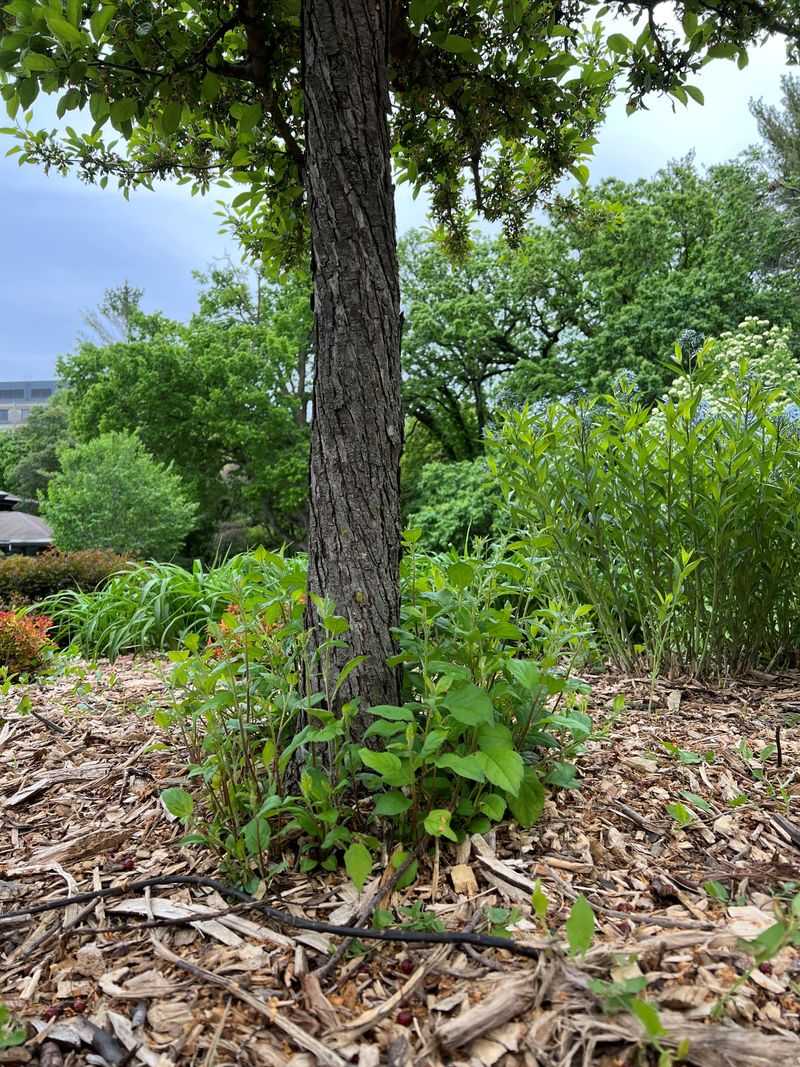
Here is something many gardeners forget: every piece of fruit is packed with seeds. When that fruit sits on the ground and breaks down, those seeds are left behind in the soil.
Given the right weather, some of them will sprout. Come spring, you might spot tiny tree seedlings popping up in places you never planted anything.
Apples, pears, and figs all carry seeds that can take root. What starts as one dropped fruit can lead to several little sprouts scattered around your beds.
These volunteer seedlings are usually not what you want. They pop up in odd spots, crowd your other plants, and compete for water and nutrients.
Fruit seedlings that grow from dropped fruit rarely match the parent tree either. The fruit they eventually make is often small and disappointing.
Animals add to the spread. Squirrels and birds carry seeds far from the original tree, planting surprises all across the yard.
North Carolina’s mild climate gives many of these seeds a good chance to survive the winter and sprout when warmth returns.
Cleaning up fallen fruit before it breaks down keeps most of those seeds from ever reaching the soil. Fewer seeds means fewer weedy sprouts to pull later.
If seedlings do appear, tug them out while they are small and their roots are still shallow. Waiting only makes the job harder.
Staying tidy now saves you hours of weeding in spring. Your garden beds will stay neat, organized, and full of the plants you actually chose to grow.
8. Remove It The Right Way Before Winter
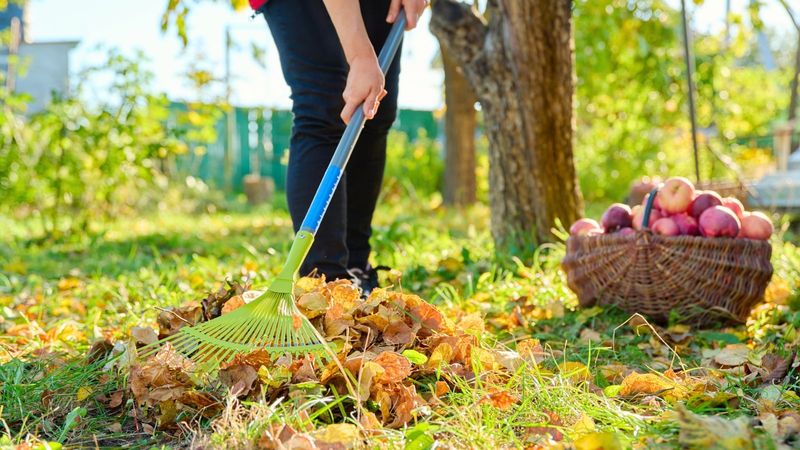
Now for the best part: cleaning up fallen fruit is easier than it sounds, and doing it the right way sets your garden up for a great next season. A little effort now pays off big later.
Start by sorting as you go. Firm, clean fruit can be washed and eaten, cooked into sauce, or shared with friends and neighbors.
Fruit with soft spots but no sickness can head to the compost pile. Chop it up first so it breaks down faster and blends in with your other scraps.
Keep the moldy or spotted fruit separate. Bag those pieces and toss them in the trash so any germs cannot linger in your garden or compost.
Rake the ground beneath your trees once the fruit stops dropping. Clearing out the leftover bits removes hiding spots for pests and spores.
A wheelbarrow or bucket makes the whole job quicker. Wear gloves to keep your hands clean and safe from any stinging insects still hanging around.
Try to clean up every few days during peak dropping time rather than waiting. Small, regular cleanups beat one huge, sticky project at the end of the season.
Once everything is clear, add a layer of fresh mulch if you like. It keeps the area tidy and helps protect the roots through winter.
With the ground cleaned and cared for, your fruit trees head into winter healthy and ready. Come spring, you will enjoy fewer pests, less disease, and a much happier harvest.