Maryland Chimney Swifts Are Gathering In Flocks Before They Leave
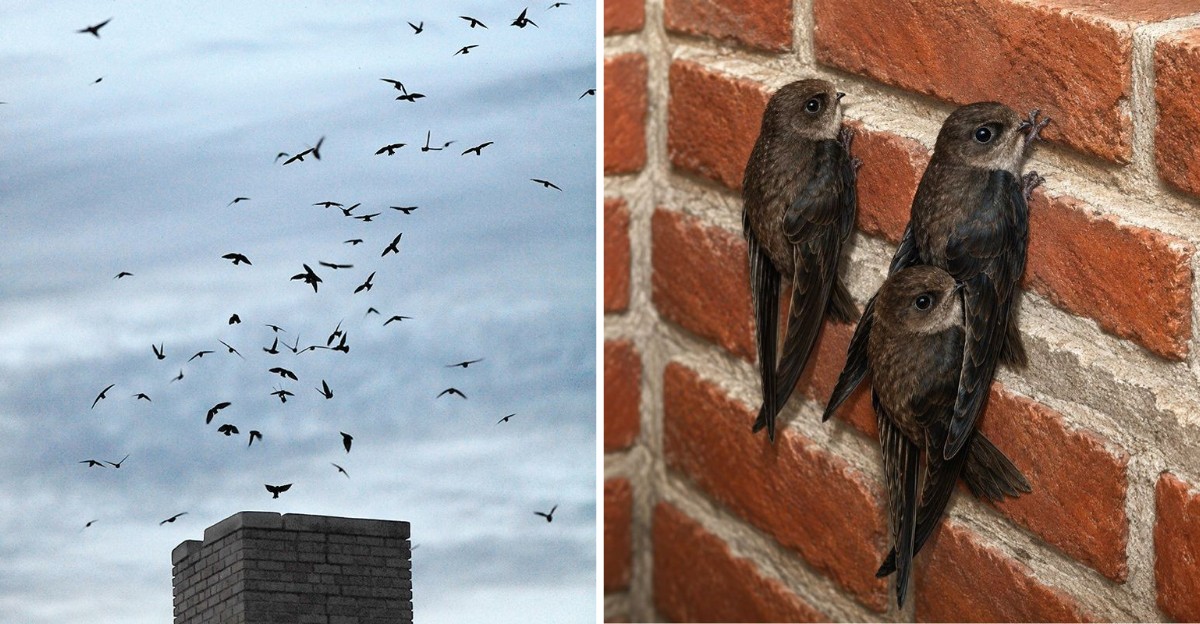
Right around dusk in late summer, something odd happens above certain Maryland rooftops. The sky fills with small, flickering shapes that chatter like squeaky toys.
Neighbors stop mid-dog-walk and tilt their heads back. Cars slow down near old brick buildings for reasons drivers cannot quite explain.
Then, in a swirl that looks like smoke running backward, the whole cloud funnels down into a single chimney. It is one of the best free shows in the state, and most people miss it entirely.
Most people who watch the swirl never learn what triggers it, or why the show has an expiration date this time of year. A few clues hide in plain sight, right above their own roofline.
The Reason Maryland Skies Fill With Swirling Birds In Late Summer
Chimney swifts spend spring and early summer spread out across Maryland in pairs, each family tucked inside its own shaft of brick. Once the young can fly well, that private arrangement falls apart.
Families begin drifting toward shared roosts, and the number of birds at a single chimney climbs from a handful to dozens, then hundreds. In a few Maryland towns, roosts have reportedly reached several hundred birds on peak nights.
Safety drives much of the behavior. A lone swift clinging to a chimney wall is an easy target, while a packed roost means many eyes watching and a lower chance any single bird gets noticed.
Warmth matters too. Late August and September nights can dip cool, and bodies pressed together inside a masonry shaft hold heat far better than one small bird alone.
There is a social side as well. Young swifts hatched that summer have not made the trip south before, and joining experienced adults gives them company for a journey that crosses the Gulf.
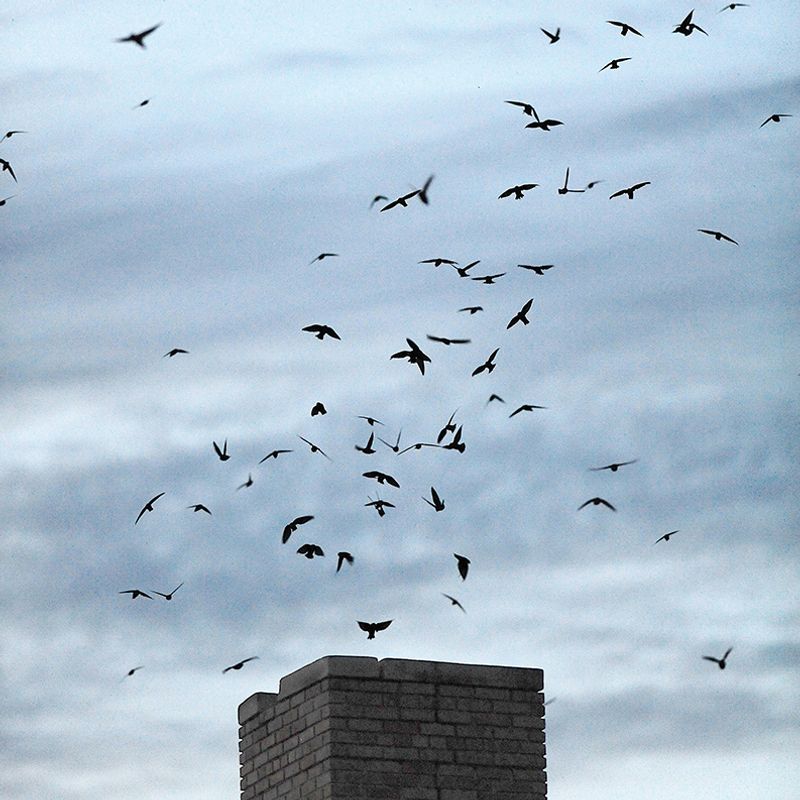
The funnel shape you see is not random. Birds circle counterclockwise, tighten the loop as light fades, then peel off in a stream that pours downward.
Entry usually takes just a few minutes once it starts. Arrive twenty minutes before sunset and you will catch the slow build, the chatter, and the sudden drop.
Fun bit of trivia: swifts cannot perch on branches like sparrows. Their tiny feet only grip vertical surfaces, which is why a chimney wall suits them so well.
The Timing Of The Maryland Departure Window
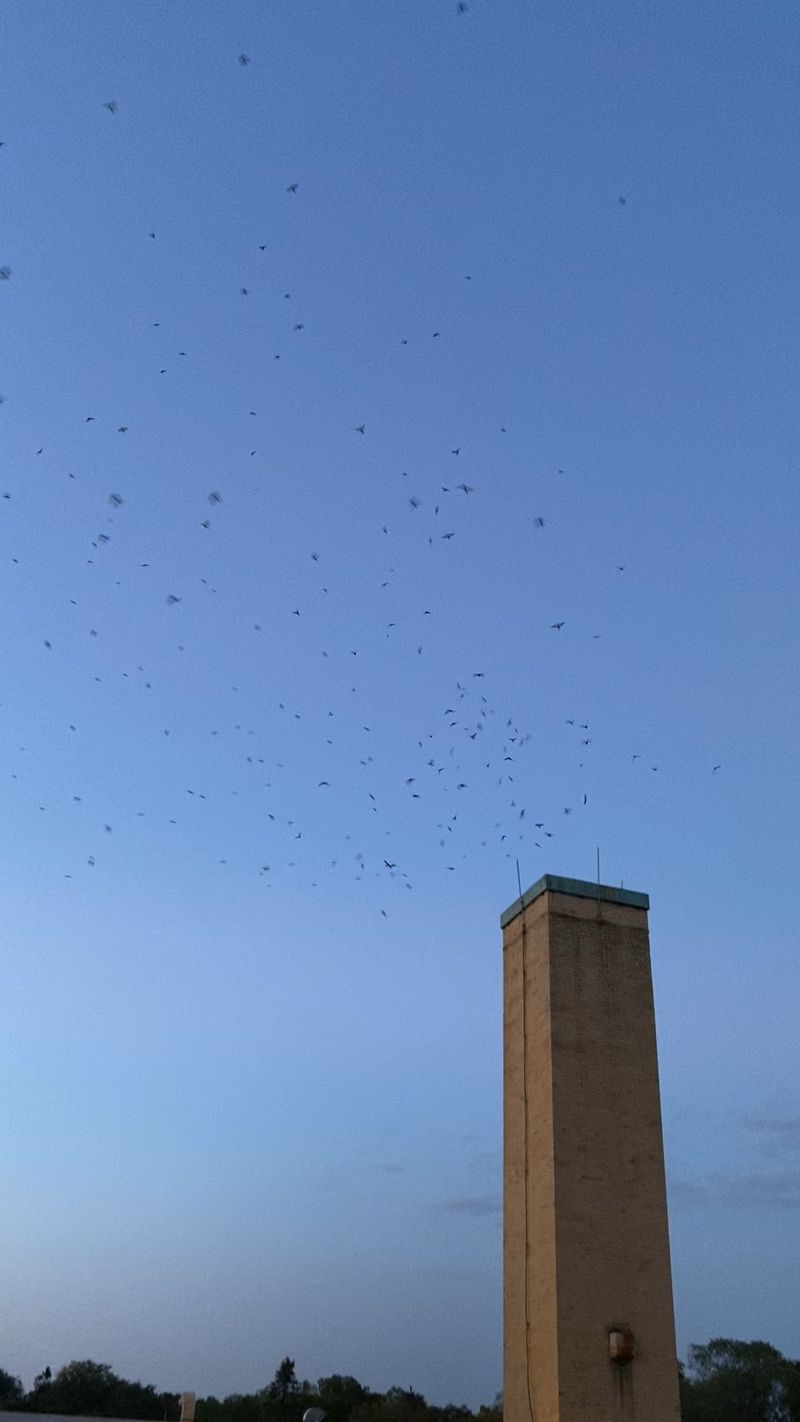
Mark late August through early October on your mental calendar. Maryland sits along a busy stretch of the Atlantic flyway, and swift numbers build steadily through September.
Peak roosting activity in central Maryland tends to fall sometime between mid-September and early October. Weather nudges the schedule either direction each year.
Cold fronts act like a green light. After a front sweeps through with north winds behind it, big groups often push south overnight, and a roost that held 600 birds can hold 60 the next evening.
Warm, stalled weather does the opposite. Birds linger, feed heavily on flying insects, and pile into familiar chimneys night after night.
By mid-October, most Maryland swifts have moved on. A few stragglers turn up later, usually young birds or ones slowed by rough weather along the coast.
Your Maryland Garden Changes Every Week. Your Plan Should Too.
Gardening in Maryland changes quickly throughout the season. Every Friday you’ll receive a simple weekly plan showing exactly what to plant, prune, fertilize, harvest, and protect so you never miss the right timing.
Their destination is the upper Amazon basin, mostly Peru, Ecuador, and Brazil. That is roughly 3,000 miles of flying, done largely during daylight while snapping up insects along the way.
Here is a detail worth savoring: swifts feed, drink, bathe, and even gather nesting twigs while airborne. They touch down mainly to roost and nest.
If you want to see the show, check evening forecasts and pick a calm, clear night in mid-September. Bring a folding chair, because looking straight up gets uncomfortable fast.
Local birding groups often post roost counts, which takes the guesswork out of choosing an evening.
Where To Watch Roosts Across Maryland
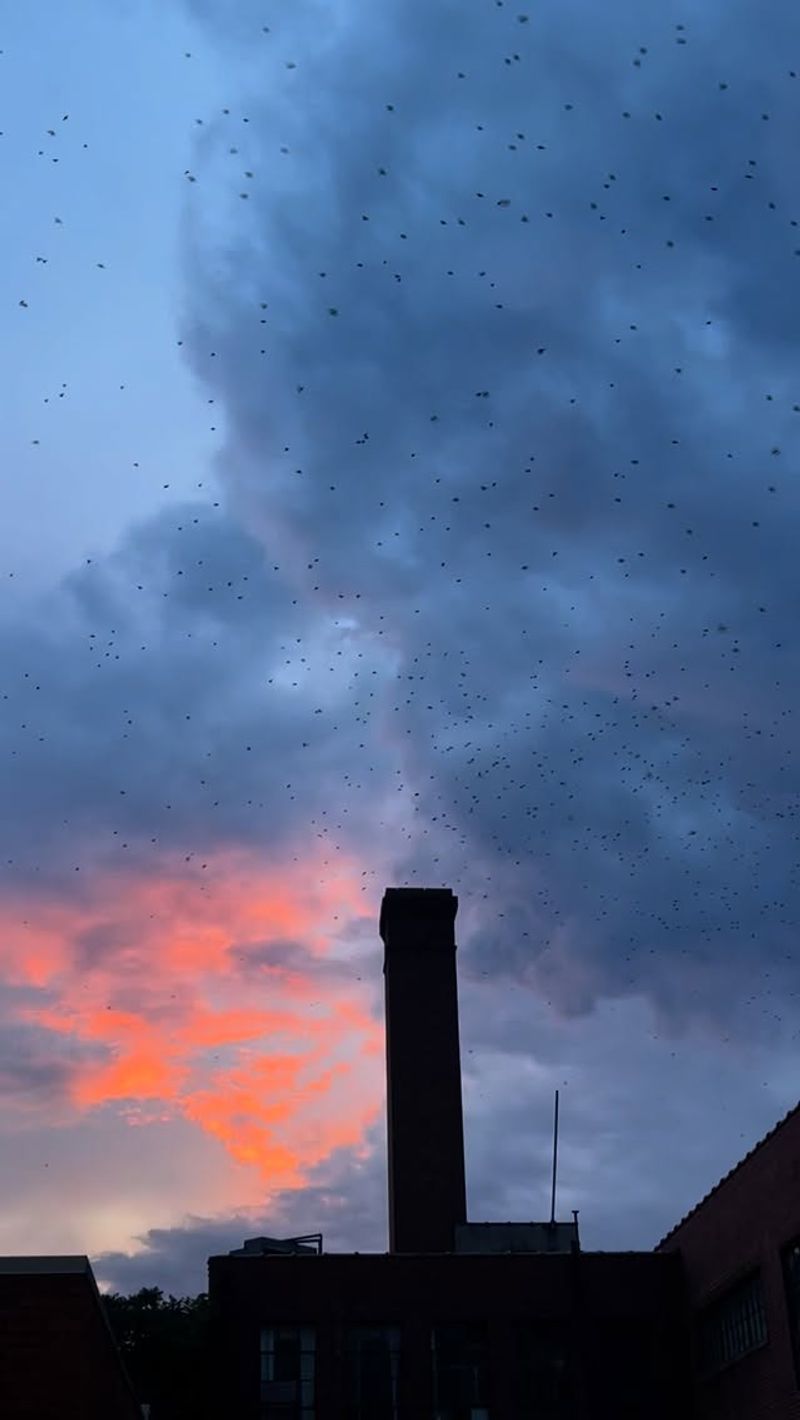
Old brick chimneys are the whole ballgame. Schools built before 1960, church halls, mill buildings, and downtown storefronts hold the tall, rough-walled shafts swifts favor.
Frederick, Westminster, Cumberland, Chestertown, and older Baltimore neighborhoods all have known roost sites. Anne Arundel and Montgomery counties host them too, often at elementary schools.
Finding one yourself is half the fun. Drive through an older part of town about thirty minutes before sunset and scan for birds circling above rooflines.
Listen as much as you look. The chattering twitter carries well in still evening air and often tips you off before you spot anything.
Once you locate a roost, note the chimney and come back the following night. Swifts are creatures of habit and typically reuse the same shaft for weeks.
Parking lots at schools work well for viewing since they are usually empty after hours and give an open sky view. Stay on public property and keep off private drives.
Swift Night Out events happen at several Maryland locations each September, organized by Audubon chapters and nature centers. Volunteers count birds as they enter and share binoculars with newcomers.
Bring nothing fancy. Binoculars help but are not required, since the birds fly low and the swirl is easy to follow with bare eyes.
One courtesy matters: keep noise and flashlights down near the chimney. Sudden disturbance can scatter a settling flock and push them to circle longer than they should.
Modern Chimneys Left Swifts With Fewer Options
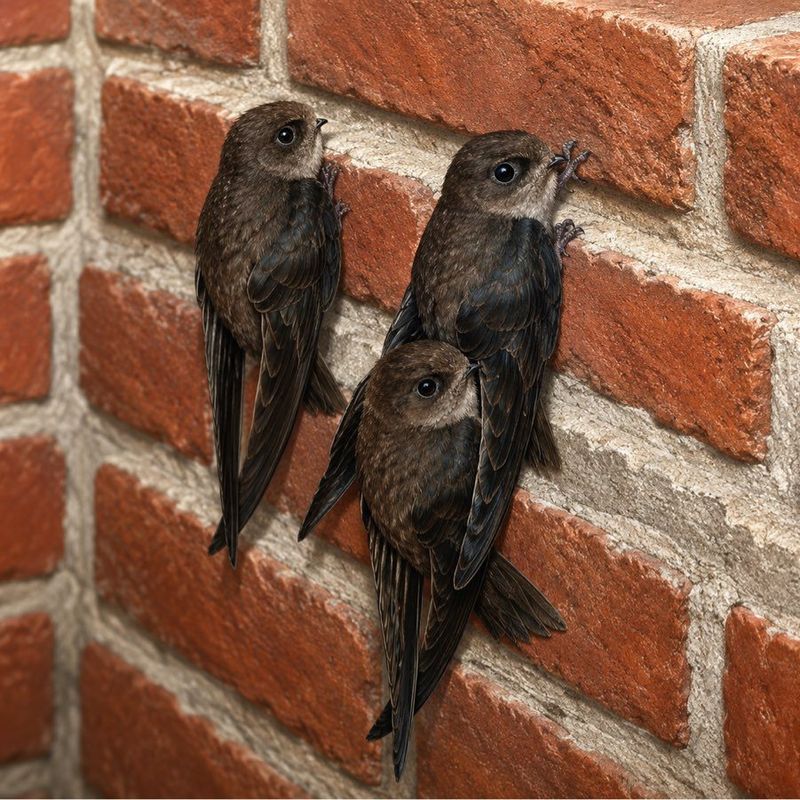
Before European settlement, swifts roosted in hollow trees, especially massive old sycamores and chestnuts. Those cavities largely disappeared as forests were cleared.
Brick chimneys turned out to be a decent substitute, and swift numbers rose alongside American towns through the 1800s and early 1900s. The name stuck for good reason.
Then building styles shifted. Metal-lined flues are too slick for tiny claws, and narrow gas vents offer no room to roost.
Caps and screens went on for sensible reasons, keeping out rain and raccoons, but they also shut the door on swifts. A capped chimney is simply not available.
Demolition takes a toll as well. When an old school comes down or a mill is converted with the stack sealed, a roost that served hundreds of birds vanishes in an afternoon.
Population surveys reflect the squeeze. North American chimney swift numbers have dropped sharply over the past fifty years, with declines estimated near two-thirds since the 1970s.
Insect availability plays a role too. Swifts eat flying beetles, flies, mayflies, and winged ants, and fewer insects means harder foraging for growing young.
None of that means the story is settled. Maryland still has plenty of suitable masonry, and small choices by property owners make a real difference.
If you own an older home with an unused masonry chimney, leaving it uncapped from March through October gives swifts a shot. Cap it in winter if you prefer, then reopen in early spring.
The Common Mistake Homeowners Make During Roosting Season
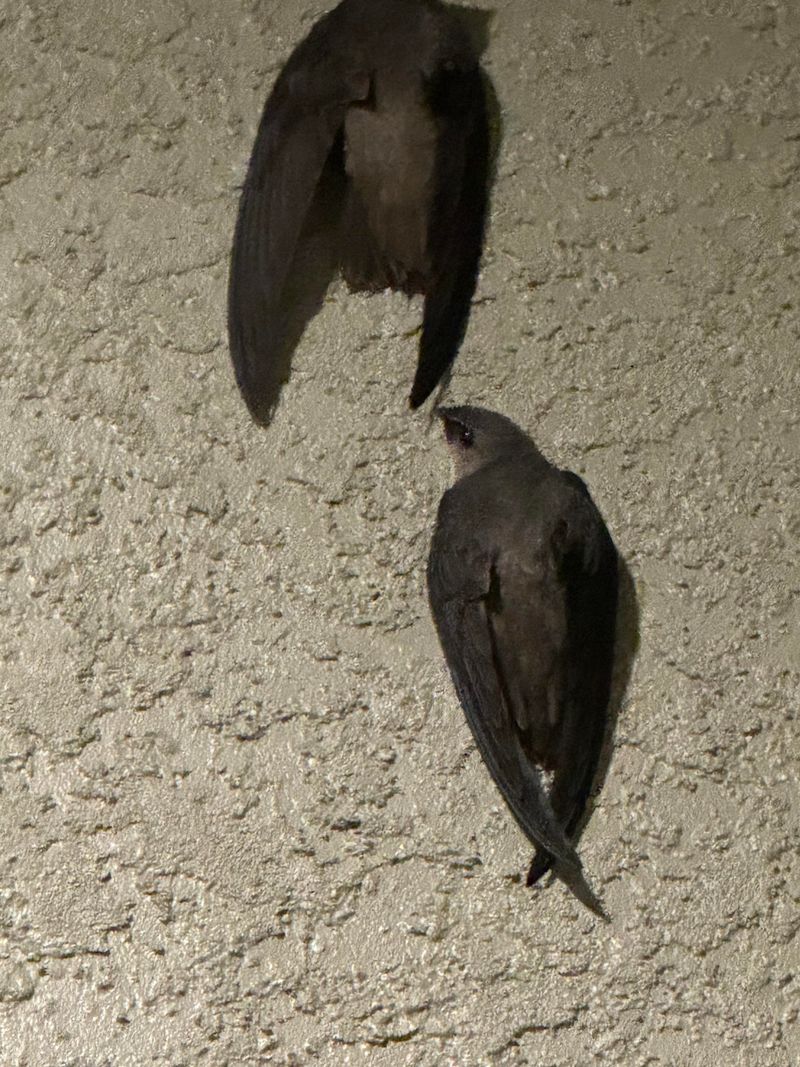
Picture this: the weather turns crisp, you book a chimney sweep for early September, and the crew arrives with brushes. Meanwhile, a hundred swifts are counting on that shaft for the next three weeks.
Scheduling cleanings during nesting and roosting season is the single most common misstep. Timing is everything with these birds.
The safe window runs from roughly November through February, once swifts have left Maryland entirely. Book then and nobody loses.
Another frequent error involves noise and smoke. Lighting a fire in a chimney holding a nest or roost creates a serious problem, so hold off until the season ends.
Some folks panic at the chittering sound coming from the flue and assume something is stuck. Young swifts beg loudly for about two weeks, then quiet down as they fledge.
Federal law backs patience here. Chimney swifts are protected under the Migratory Bird Treaty Act, which makes removing active nests or birds illegal without permits.
If a swift somehow gets into your fireplace, open the damper and the room door, close curtains, and give it a path to a window. Most find their way out within minutes.
Keeping the damper shut during spring and summer prevents indoor visits while still allowing birds to use the flue above.
A quick tip for peace of mind: hire a certified sweep in late fall who can inspect, clean, and note whether an old nest needs clearing. Nests are small, made of twigs and saliva, and rarely block airflow.
Simple Steps That Help Swifts Before Next Season
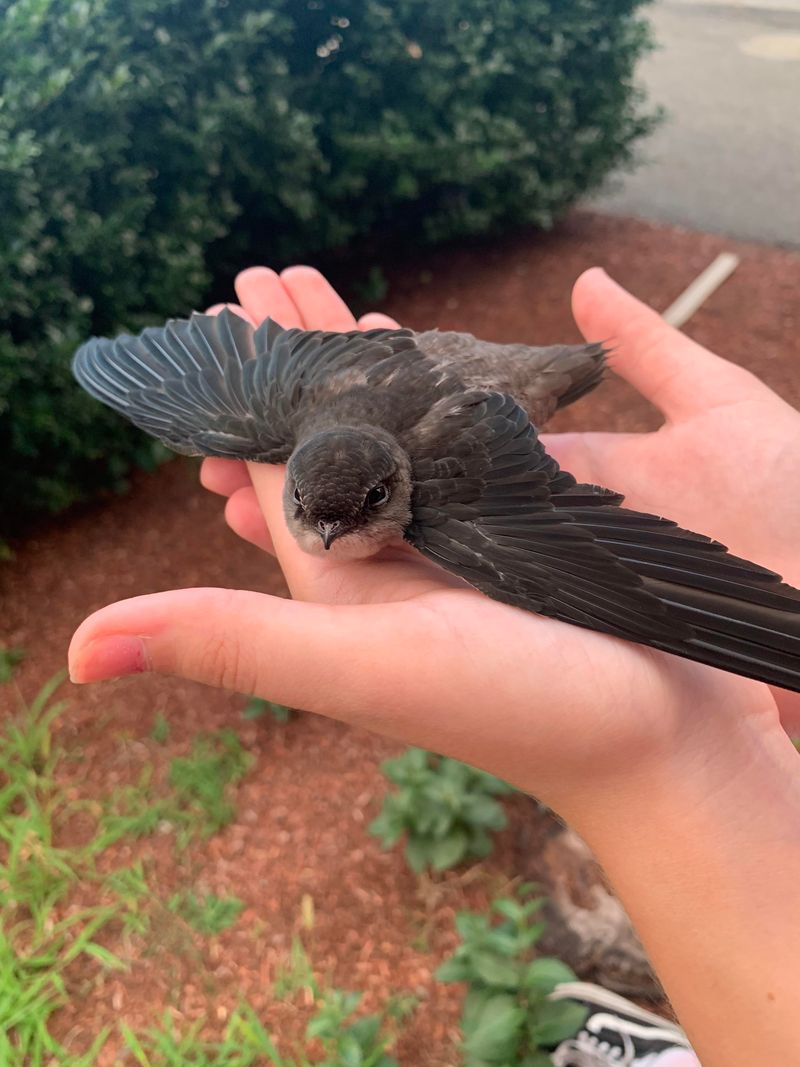
Small actions add up quickly with this species. The most useful thing a Maryland homeowner can do costs nothing at all.
Leave a masonry chimney open from March into October, with the damper closed below. Birds get access, your living room stays bird-free.
Skip chemical cleaning products and heavy creosote treatments during warm months. Residue can coat walls and make gripping harder for clinging birds.
Avoid installing tight mesh caps on unused masonry flues. A loose-fitting rain cover with open sides works better than a solid screen if you want some weather protection.
Yard choices matter too. Reducing broad insecticide spraying keeps more flying insects around, which feeds swifts and swallows alike.
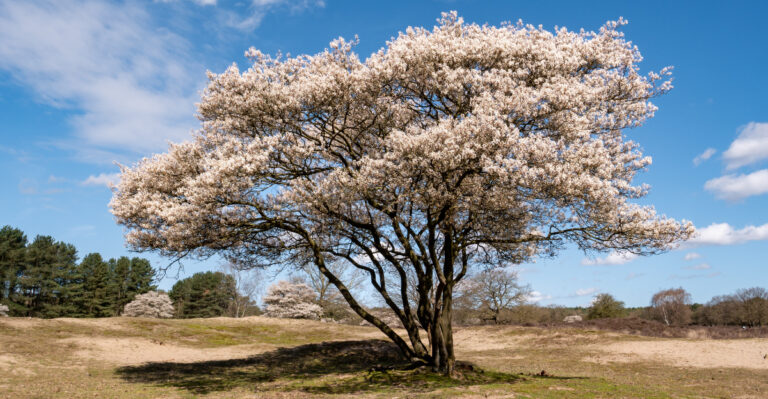
Native plantings help. Serviceberry, oaks, and native perennials support insect populations that end up as swift dinners.
For those without a suitable chimney, purpose-built swift towers are an option. Several Maryland parks and nature centers have installed them, and plans are freely available from conservation groups.
Reporting roosts adds value beyond your own yard. Submitting counts to eBird or a local Audubon chapter helps track which sites still function year to year.
Schools make wonderful partners. A teacher who turns an evening roost into a class project creates a whole batch of kids who notice birds.
Word of mouth might be the strongest tool. Mention the chimney at your local church or library to the property committee, and an unused stack may stay open simply because someone finally explained why it matters.