Don’t Toss Those Pine Cones. New York Gardeners Are Putting Them To Work
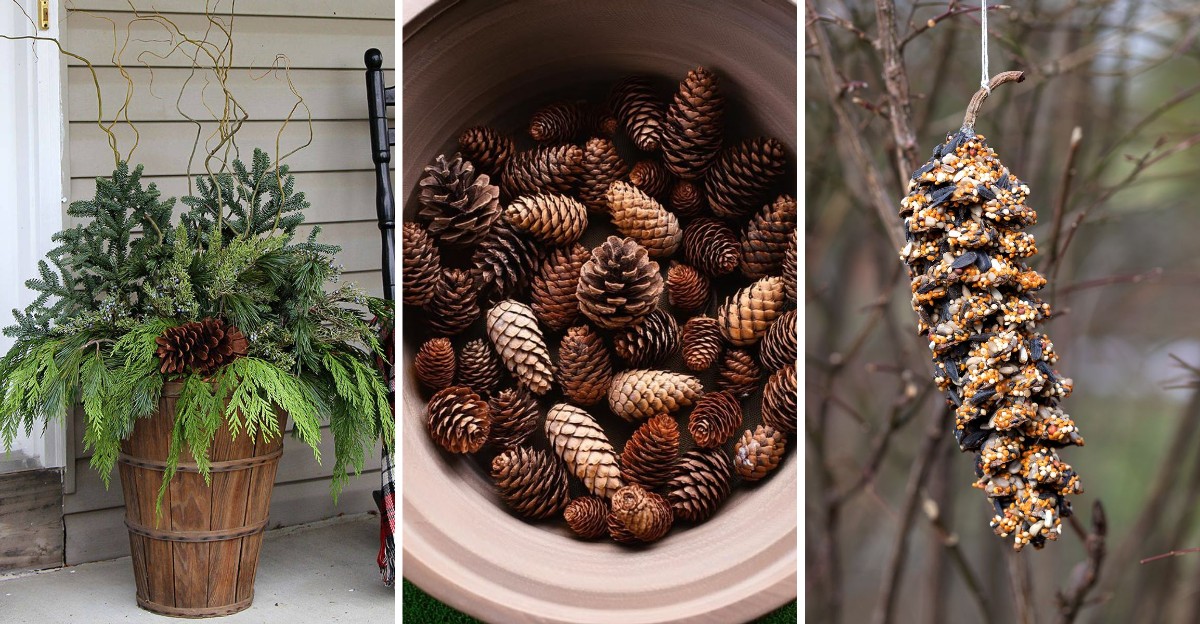
Every pine cone in your yard is a tiny gift most people throw away. Each fall, they pile up on lawns and driveways, and plenty of homeowners rake them straight into bags.
Smart gardeners are doing something very different. They’re turning those woody little scales into mulch, pet barriers, fire starters, and even snacks for birds.
Some of these uses are clever, while others are just plain cozy. One popular trick, though, turns out to be a total myth.
Whether you garden on a city rooftop or a big yard upstate, these ideas can save money and effort. New York yards are full of free supplies waiting to be put to work.
The next walk across your lawn might feel like a treasure hunt. You may never look at a pine tree the same way again.
1. They Make A Charming, Long-Lasting Mulch
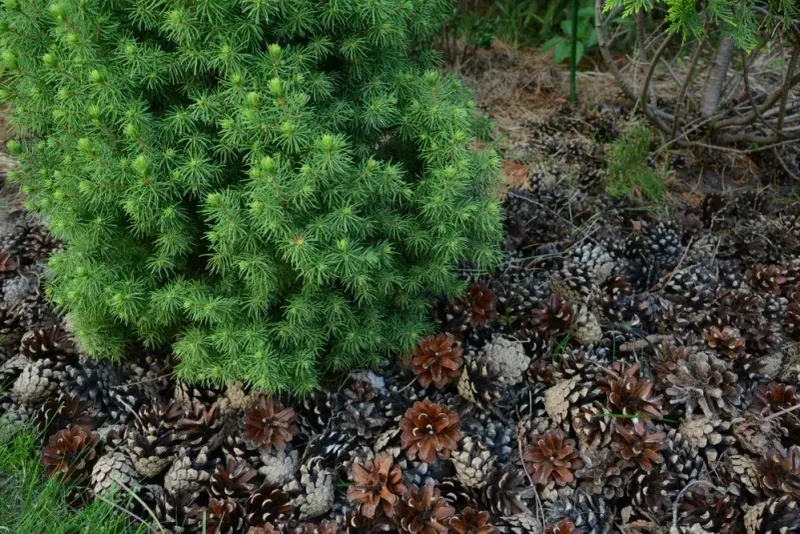
Picture a garden bed covered in neat brown cones instead of plain shredded bark. The look is rustic, tidy, and surprisingly pretty.
Pine cones work much like regular wood mulch in your garden. They hold moisture in the soil and help block pesky weeds.
Their woody scales break down very slowly over time. One good layer can last several seasons before you need to add more.
Cones also help keep soil temperatures steady. Roots stay cooler during hot July days and warmer through chilly nights.
Air moves easily between the cones because of their open shape. That airflow can help keep roots healthy and soil from getting packed down.
Here is a handy bonus for New York yards with slopes. A cone layer can slow rainwater and reduce soil washing away.
Pine cones look especially natural around woodland favorites like blueberries, azaleas, and rhododendrons. They won’t change your soil’s pH much, but they suit that look perfectly.
Spread the cones about two to three inches deep. Keep them a few inches away from plant stems so moisture does not sit against the bark.
Mixing sizes can give you better coverage. Small cones fill gaps, while big ones add texture and character.
Gather cones after a dry spell for easier handling. Wet cones close up tight, while dry ones open wide and cover more ground.
Your neighbors may even ask where you bought such stylish mulch. You can smile and tell them it fell right out of the sky.
2. A Pine Cone Layer Can Discourage Digging Pets
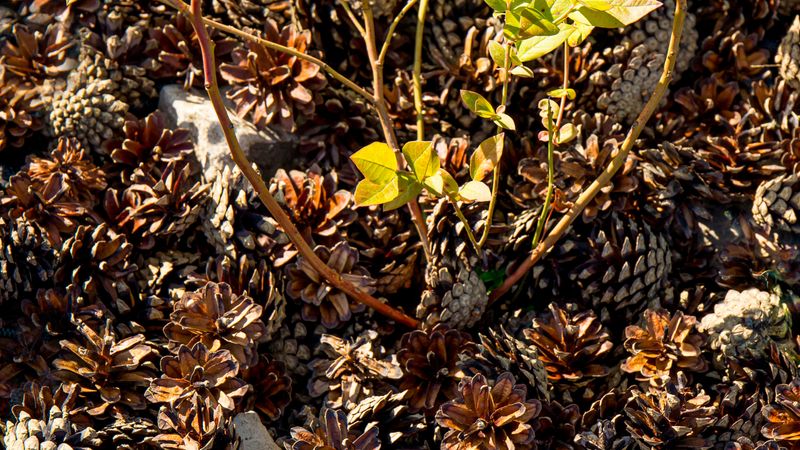
Ever planted fresh seedlings only to find a cat napping in the hole? Many gardeners know that frustrating morning surprise far too well.
Soft, loose soil looks like a perfect litter box to curious cats. Dogs may also see fresh beds as a great spot to dig.
Pine cones offer a simple and free fix. Their spiky, bumpy texture feels uncomfortable under sensitive paws.
Most animals prefer smooth, soft ground for digging. A rough cone layer quietly tells them to look somewhere else.
Scatter cones thickly around new plants and seeded rows. Leave little open soil showing so pets have nowhere easy to scratch.
Your New York Garden Changes Every Week. Your Plan Should Too.
Gardening in New York changes quickly throughout the season. Every Friday you’ll receive a simple weekly plan showing exactly what to plant, prune, fertilize, harvest, and protect so you never miss the right timing.
Neighborhood cats roam freely in many New York towns. A cone barrier can protect your beds without fences or harsh sprays.
Bigger cones tend to work better than tiny ones. Spruce and white pine cones have scales that feel especially awkward to step on.
Watch your own pets closely at first. Some dogs may try to chew cones, so supervise playful pups around the garden.
Squirrels and rabbits might also think twice before digging. The cones will not stop every critter, but they help a lot.
Once your plants grow taller and fill in, you can rake some cones away. Leave a few as mulch for extra weed control.
Best of all, the cones look natural in the garden. No one will guess they are quietly guarding your flowers.
3. Fill The Bottom Of Oversized Pots To Save On Soil
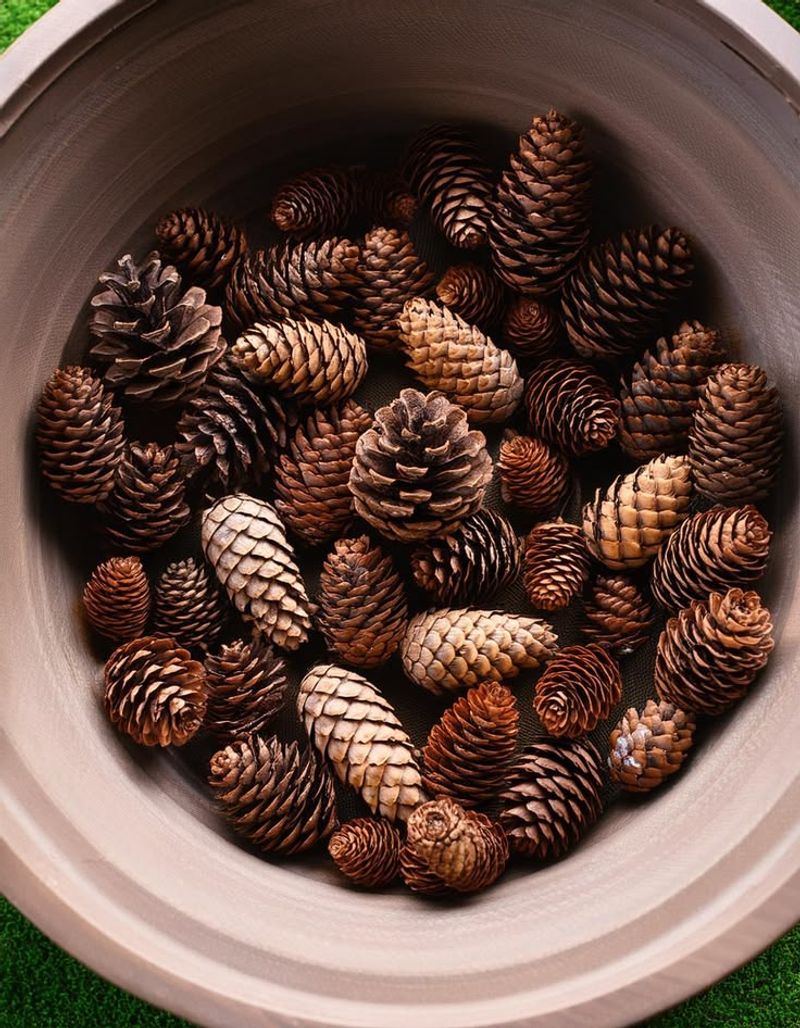
Big planters look amazing, but filling them can empty your wallet fast. A single giant pot might swallow several bags of potting mix.
Here is a secret many container gardeners swear by. Most plants only need about 10 to 18 inches of soil for their roots.
Anything below that depth often goes unused. Filling that bottom space with pine cones can cut soil needs by up to 60 percent.
Cones are also light, which makes a huge difference. Heavy pots become much easier to slide, lift, or move indoors.
City gardeners love this trick. On balconies and rooftops, lighter containers put less weight on the structure.
To start, toss a thick layer of dry cones into the pot. Cover them with landscape fabric or burlap to keep soil from sifting down.
Next, add your potting mix on top. Make sure the soil layer is deep enough for the plant you chose.
Shallow-rooted plants like annual flowers and herbs do great with this setup. Deep-rooted shrubs or tomatoes need more real soil.
Over a few years, the cones will slowly break down. You may notice the soil sinking, so top it up as needed.
Other fillers exist, like plastic bottles or upside-down nursery pots. Cones, however, are free and natural.
Save a few extra cones for the top as decoration. They add a finished look and help hold in moisture.
4. Dried Cones Make Excellent Fire Starters
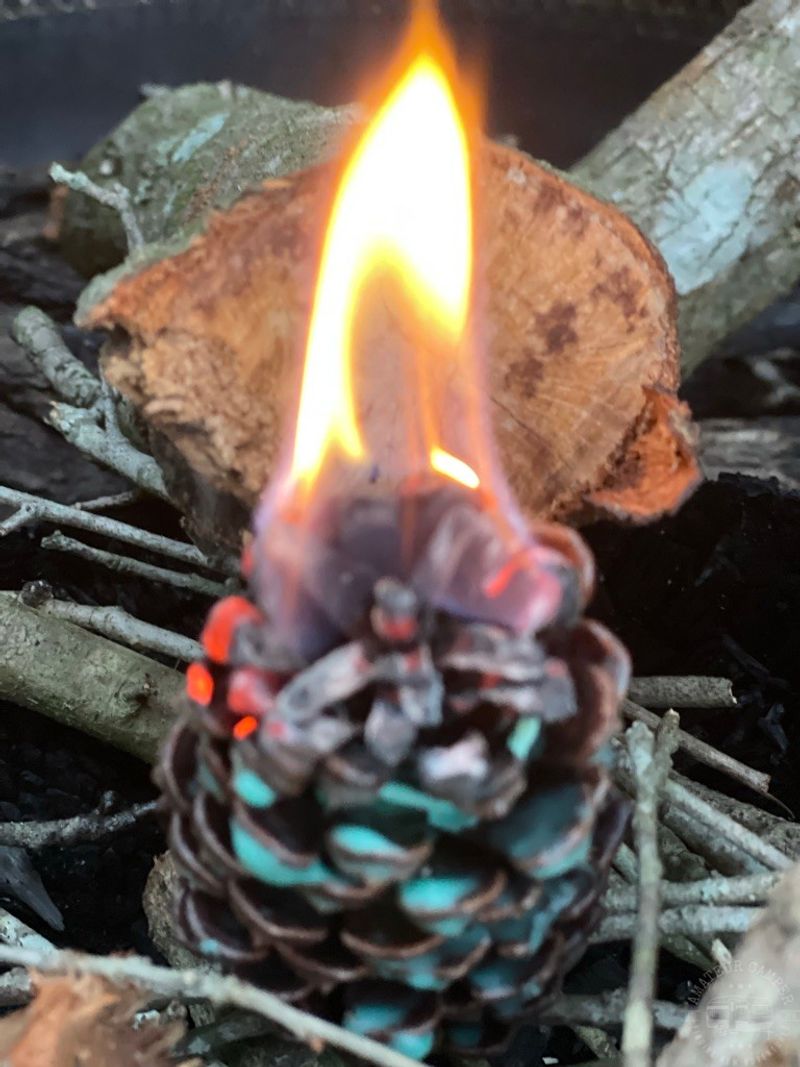
Nothing beats a crackling fire on a crisp autumn night. Getting those first flames going, though, can test anyone’s patience.
Dry pine cones are nature’s ready-made kindling. They contain sticky resin that catches fire quickly and burns hot.
Their open scales let air flow around the flame. More air means faster lighting and fewer wasted matches.
Freshly fallen cones usually hold too much moisture. Let them dry for a few weeks in a garage, shed, or sunny porch.
You will know they are ready when the scales spread wide open. A dry cone also feels light and makes a crisp sound when tapped.
Want a fun upgrade for chilly evenings? Dip cones in melted candle wax to make long-burning fire starters.
Let the wax harden, then store the cones in a basket. They make cute, useful gifts for friends with fire pits.
Upstate New York campers often bring a bag of cones along. They help when damp weather makes regular kindling hard to light.
Place two or three cones under small sticks, then light the bottom. Add bigger logs once the flames grow steady.
Safety matters with any fire. Keep water nearby and check local burn rules, since some areas limit open fires.
Avoid burning cones in indoor fireplaces too often. Their resin can add buildup inside chimneys over time.
5. Peanut Butter And Seed Turn Them Into Bird Feeders
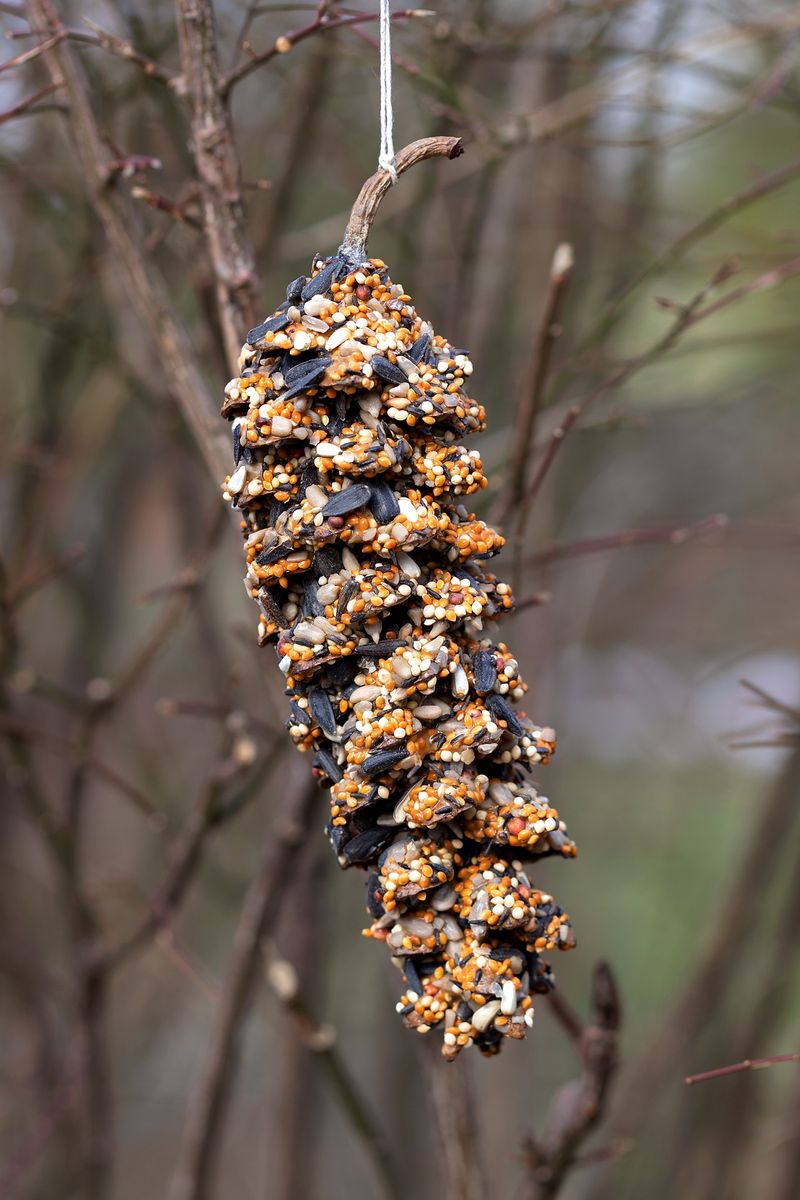
Remember making these in grade school with sticky fingers and giggles? The classic pine cone feeder still delights kids and adults alike.
Start by tying string or garden wire around the top scales. Leave a long loop so you can hang it easily later.
Next, spread peanut butter deep into the cone’s crevices. A butter knife or spoon handle works great for this messy job.
Worried about peanut allergies at home? Vegetable shortening works as a simple, safe swap.
Roll the coated cone in a bowl of birdseed. Press gently so the seeds stick into every gap.
Smaller seeds like millet tend to cling better than big ones. Mixes with sunflower chips also attract plenty of hungry visitors.
Hang your feeder from a branch at least five feet high. Placing it near shrubs gives birds a quick spot to hide.
Chickadees, nuthatches, and titmice often show up first. Many New York backyards also see cardinals and woodpeckers stopping by.
Winter is a wonderful time for this project. Natural food gets scarce, so birds appreciate an extra high-energy snack.
Once the seeds are gone, just refill the same cone. One good cone can serve as a feeder again and again.
Keep a notebook by the window to track your guests. Kids especially enjoy learning bird names as visitors arrive.
6. They Add Rustic Charm To Winter Porch Pots
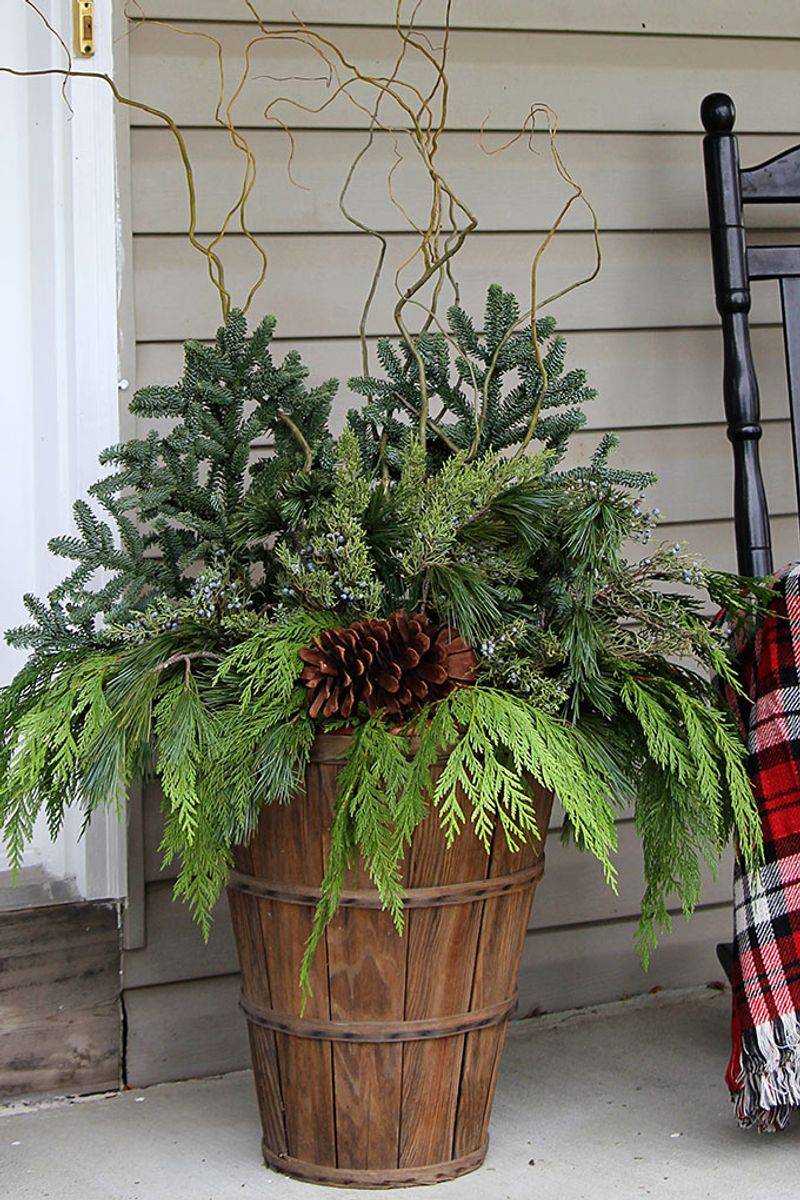
When summer flowers fade, empty porch pots can look a bit sad. Pine cones bring them right back to life with cozy, woodland style.
Winter arrangements in New York often start with evergreen boughs. Pine, fir, and cedar branches create a full, green base.
Tuck cones of different sizes between the branches. Large cones grab attention, while smaller ones fill the empty spots.
Add a few red berries or winterberry stems for color. Birch branches also give height and a snowy white contrast.
Want some sparkle for the holidays? Lightly brush cone tips with white paint to mimic fresh snow.
Secure cones with floral wire so wind cannot knock them loose. Wrap wire around the bottom scales and push it into the soil.
Leftover potting soil from summer can hold everything in place. Water it once before a hard freeze to help branches stay put.
A string of battery-powered lights adds a warm glow. Guests will feel welcome on dark winter evenings.
Neighbors often trade cones from different trees. Sharing gives everyone a fun variety of shapes and colors.
These displays can last from late November until early spring. Swap out tired greens when needed, but keep the sturdy cones.
Come spring, toss the cones into your compost or mulch. Nothing goes to waste in this seasonal swap.
7. Woody Cones Bulk Up Compost Piles Over Time
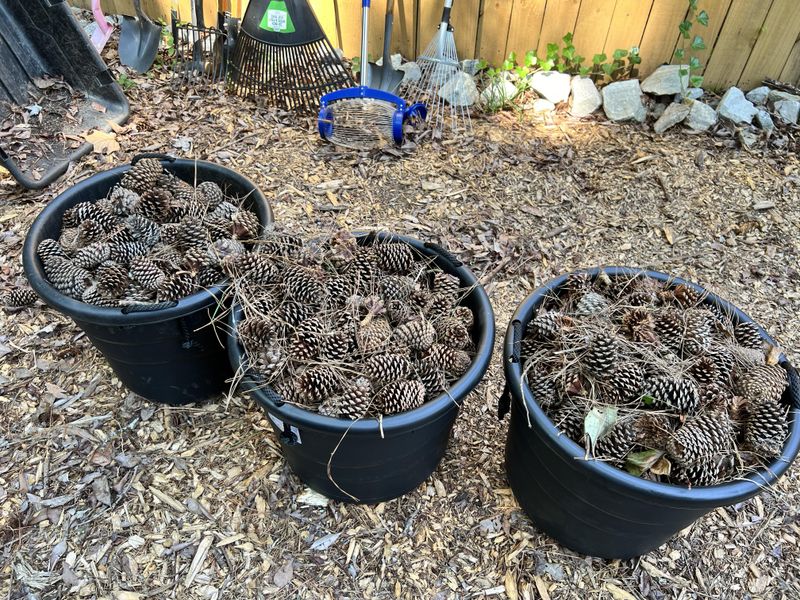
Think of pine cones as slow-burning fuel for your compost pile. They will not vanish overnight, but they add lasting value.
Good compost needs a balance of greens and browns. Pine cones count as a brown, carbon-rich ingredient.
Their knobby shape creates little air pockets throughout the pile. Air keeps helpful microbes busy and stops compost from turning slimy.
Here is the catch, though. Whole cones can take a year or longer to fully break down.
Speed things up by crushing them first. Many gardeners run cones over with a lawnmower to chop them into bits.
Smaller pieces give microbes more surface to work on. You will see results much faster this way.
Some people worry cones will make compost too acidic. Good news: that acidity fades a lot during the composting process.
Finished compost usually ends up close to neutral. Your vegetables and flowers will be just fine.
Mix cones with grass clippings and kitchen scraps for balance. Turn the pile every week or two to keep it active.
Winters slow composting down quite a bit. Cones added in fall will be well along by late spring.
Any big chunks left at the end can go back in. Think of them as starters for your next batch.
8. Bake Them First To Clear Out Hidden Bugs
That beautiful cone you picked up might have tiny roommates inside. Spiders, mites, and small beetles love hiding between the scales.
Before bringing cones indoors, give them a good cleaning. Crafters and decorators consider this step a must.
First, soak the cones in a mix of water and vinegar. About one part vinegar to two parts water works well.
Let them sit for around 30 minutes. The soak loosens dirt, sap, and any bugs clinging inside.
Don’t panic when the cones close up tight. They will open again once they dry out.
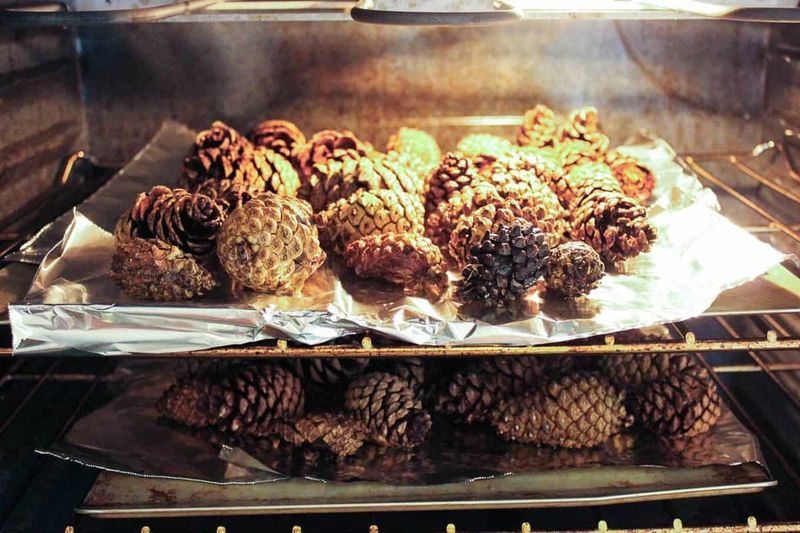
Next, spread them on a foil-lined baking sheet. Foil catches drips of sap and makes cleanup easy.
Bake at about 200 degrees Fahrenheit for an hour. The gentle heat dries the cones and takes care of hidden pests.
Stay nearby and check them often while baking. Resin can be flammable, so low heat matters.
Your kitchen will smell like a forest cabin. Many families enjoy that piney aroma on cold afternoons.
Let the cones cool completely before handling. Then they are ready for wreaths, centerpieces, or holiday crafts.
Store extras in a paper bag in a dry closet. Plastic can trap moisture and invite mold.
9. Skip The Myth That They Improve Pot Drainage
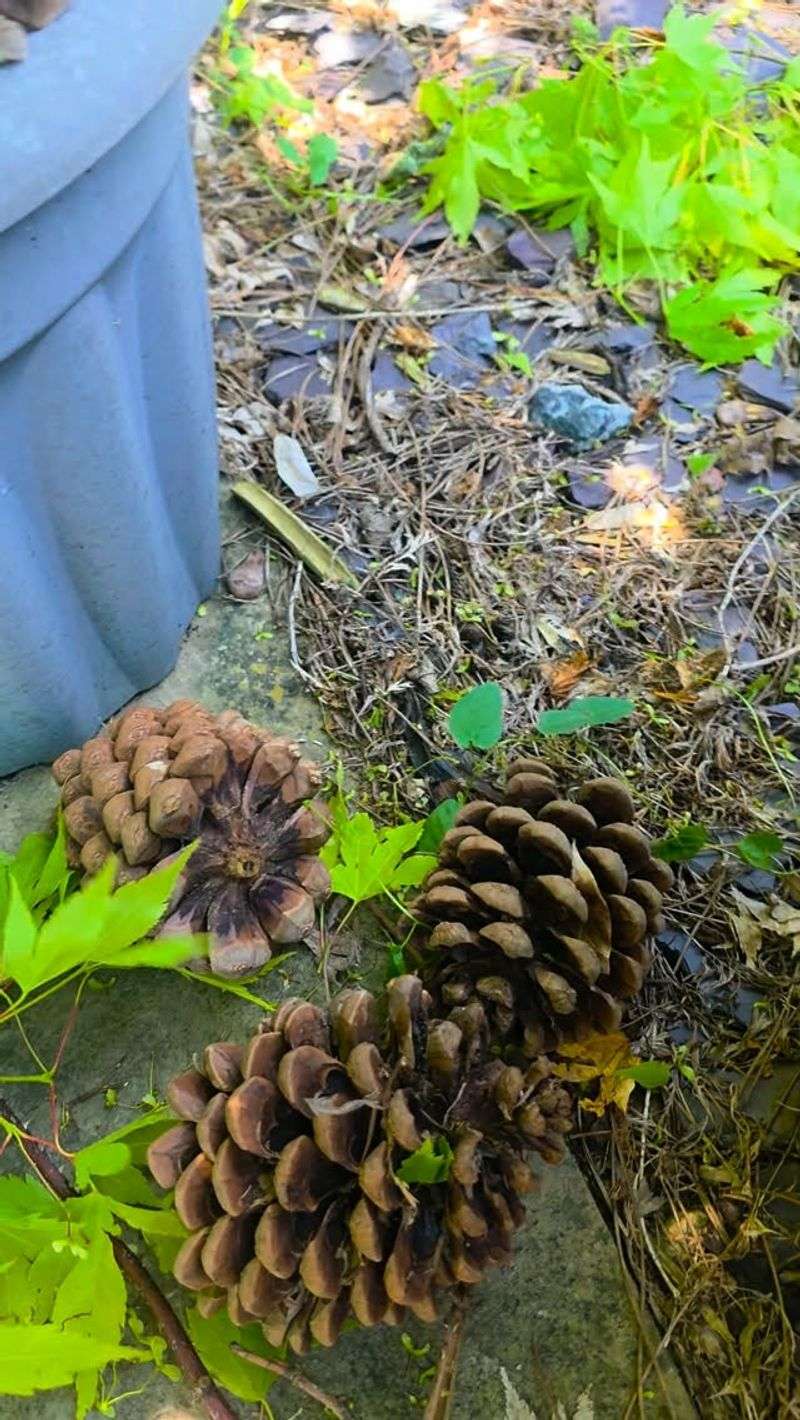
Here is one garden tip that deserves a retirement party. Putting pine cones at the bottom of pots will not improve drainage.
For years, people placed rocks, shards, or cones under their soil. The idea seemed logical, but research tells a different story.
Water does not move easily from fine soil into coarse material. Instead, it lingers in the soil just above the cone layer.
Scientists call that soggy area a perched water table. A coarse bottom layer pushes this wet zone higher, closer to roots.
Roots sitting in wet soil can rot and struggle. Plants may wilt even though the pot feels damp.
So what actually helps water drain? Start with pots that have real holes in the bottom.
Mix perlite or coarse bark into your potting soil. Those add air spaces throughout, not just at the bottom.
Choosing deeper pots also helps a lot. More soil depth means the soggy zone sits farther from most roots.
Many New York gardeners grow in small spaces with heavy rain. Smart soil choices matter more than any bottom layer.
Using cones as filler in giant pots is still fine. Just remember their job is saving soil, not fixing drainage.
Keep your cones for mulch, crafts, and bird feeders instead. They shine brightest when used for the right tasks.