9 Things That Attract Pack Rats to Arizona Yards as Nights Cool
When fall nights finally cool off in the low desert, pack rats start shopping for a cozy winter home. These clever rodents, also called woodrats, hunt for food, water, and shelter, and your yard may offer all three without you knowing it.
A single pack rat can build a huge stick nest, chew through car wires, and invite other pests along for the ride. Knowing what draws them in is the first step to making your yard a lot less welcoming.
1. Prickly Pear, Cholla, and Agave Clumps
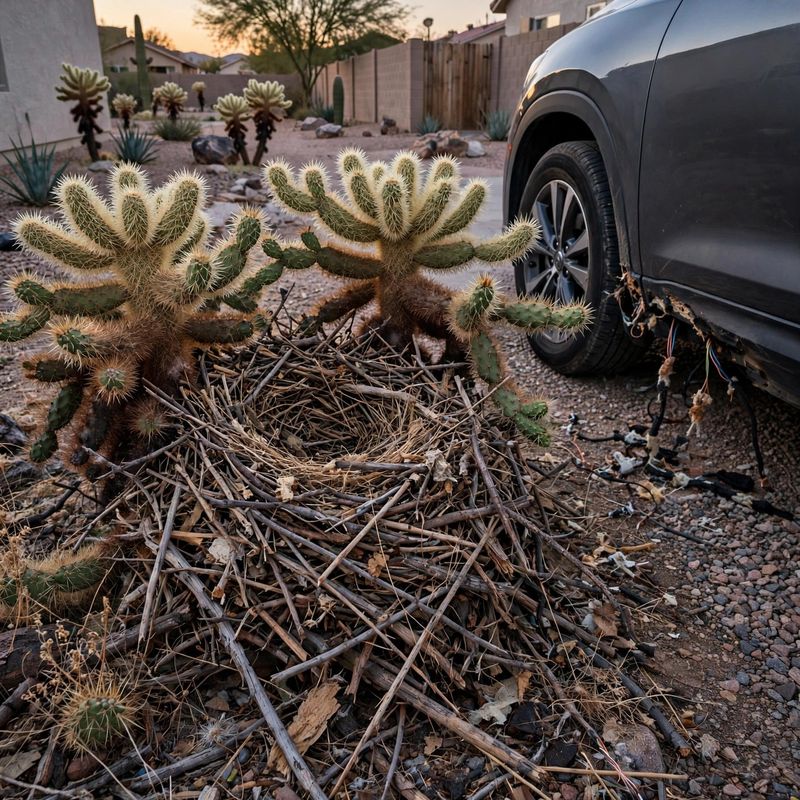
Picture a pack rat’s dream house, and it probably looks a lot like a sprawling cholla patch. Those spines that keep you at arm’s length are exactly what make cacti such a safe fortress for woodrats.
Coyotes and owls think twice before reaching into that mess.
Prickly pear pads and agave leaves also double as a snack bar and a water bottle. Pack rats can get much of their moisture from juicy cactus tissue, so they rarely need to drink.
In a dry fall, a thick stand of succulents can supply nearly everything a rodent family needs.
You don’t need to rip out your natives to fix the problem. Instead, thin out crowded clumps so there’s open space between plants and the ground beneath them.
Rake out fallen pads and old debris that collects at the base, since that litter becomes building material for a midden.
Keep cactus beds a few feet away from walls, sheds, and patios when possible. That gap makes it harder for a rat to move from plant cover straight into your structures.
A tidy, spaced-out succulent garden still looks great, saves water, and is far less inviting to these nighttime visitors.
2. Mesquite and Palo Verde Seed Pods
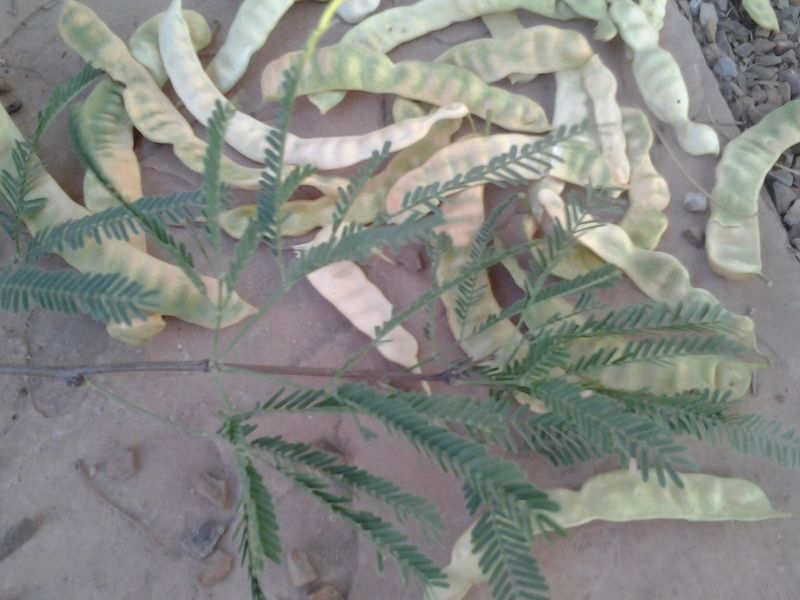
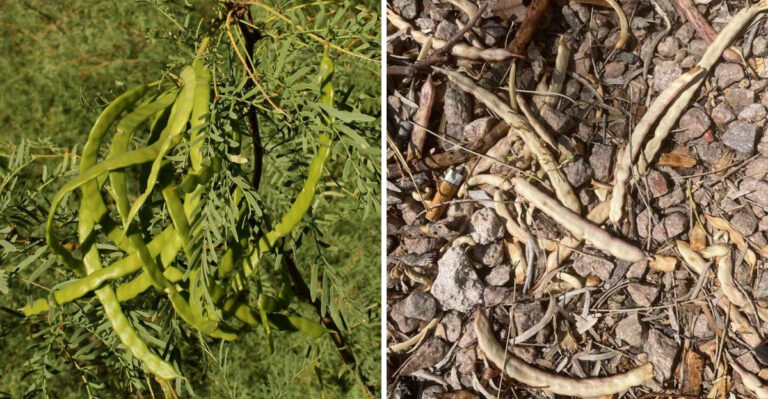
Mesquite beans are basically desert granola. For centuries, people and wildlife alike have gathered these sweet pods, and pack rats are no exception.
Palo verde seeds, acacia pods, and yucca fruit round out the menu.
As nights cool and summer greens fade, these dry pods become a steady food source. Pack rats collect them and stash them inside their nests, almost like a pantry for the colder months.
A yard carpeted with fallen pods can look like an open buffet.
Here’s the good news. You can keep your shade trees, which are lifesavers when summer hits 110 degrees, and still cut down on the attraction.
Simply rake up pods regularly through late summer and fall, and toss them in a sealed green waste bin.
Some homeowners even harvest clean mesquite pods to grind into flour, turning a rodent magnet into a kitchen project. Trim low branches so they don’t create a dark tunnel near the ground, too.
An open canopy lets hawks and owls spot movement more easily, which may help nudge rodents to look elsewhere for dinner.
3. Pet Food and Birdseed Left Outside

“I only feed the dog outside in the evening,” a Mesa homeowner once said, right before discovering a pack rat nest behind her grill. It happens more often than you’d think.
Your Arizona Garden Changes Every Week. Your Plan Should Too.
Gardening in Arizona changes quickly throughout the season. Every Friday you’ll receive a simple weekly plan showing exactly what to plant, prune, fertilize, harvest, and protect so you never miss the right timing.
A bowl of kibble left out overnight is like a neon sign for hungry rodents.
Birdseed is another big draw. Finches and quail scatter seed everywhere, and whatever lands on the ground becomes a midnight treat.
Pack rats are mostly active after dark, so they clean up what the birds leave behind.
Try feeding pets indoors or picking up bowls as soon as mealtime ends. Store kibble and seed in metal or thick plastic bins with tight lids, not paper bags in the garage.
Rodents can chew through a bag in minutes.
If you love watching birds, use a feeder with a seed tray to catch spills, and sweep up the area every few days. You might also switch to native plants that feed birds naturally, like desert marigold or brittlebush.
Birds still visit, and you skip the mess that brings in uninvited guests.
4. Open Trash Bins, Compost, and Fallen Fruit
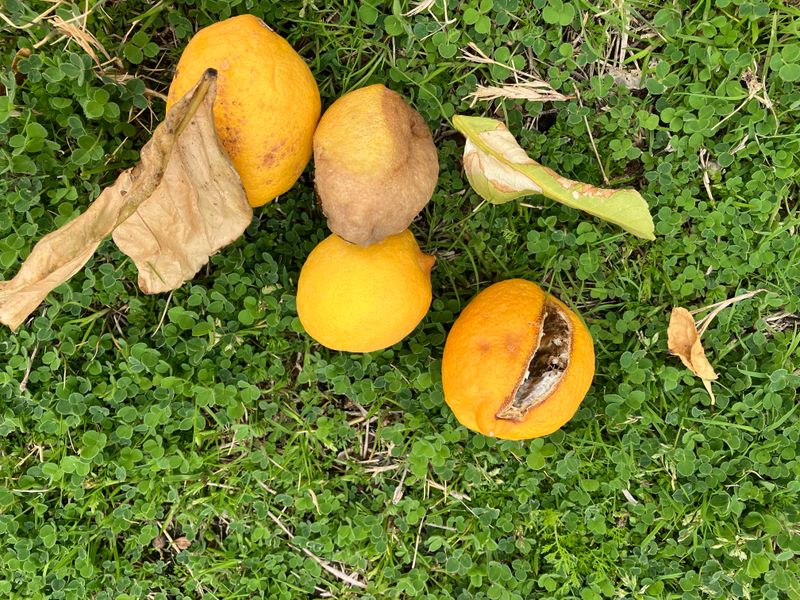
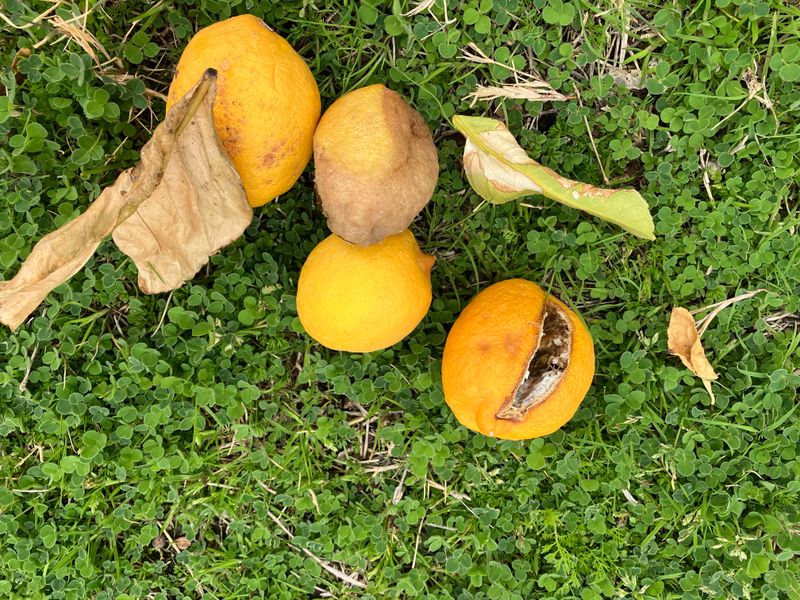
Citrus season in the Valley is a treat, but those grapefruits dropping onto the gravel aren’t going to waste. Pack rats will happily gnaw on fallen fruit, nuts, and anything else that hits the ground.
Rotting produce also draws insects, which bring even more critters.
Trash cans with loose lids and open compost piles work the same way. Food scraps give pack rats an easy, high-energy meal without much effort.
Once they find a reliable spot, they often settle in close by.
Pick up fallen fruit every day or two, especially from late fall into winter when citrus ripens. Harvest ripe fruit promptly rather than letting it hang until it drops.
Neighbors and food banks often welcome extra oranges.
For compost, choose a closed tumbler or bin with a solid lid and a floor. Skip meat, dairy, and oily scraps, which smell especially tempting.
Keep garbage bins latched and set them on a hard surface away from walls and shrubs. Small habits like these can make a big difference in whether a rodent decides your yard is worth the trip.
5. Leaky Faucets and Dripping Irrigation
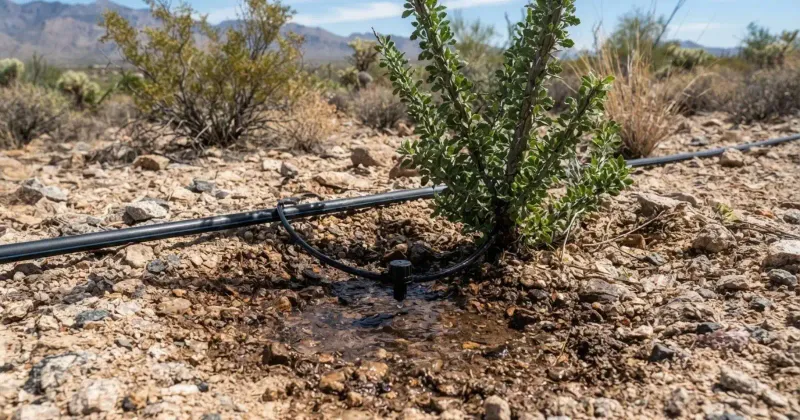
Water is gold in the Sonoran Desert, and every drop that escapes your hose bib gets noticed. Even though pack rats can survive on cactus moisture, a free, steady drip makes life much easier.
Wildlife of all kinds will find a leak faster than you will.
Common trouble spots include cracked drip lines, popped emitters, worn spigot washers, and pet water bowls left out all night. A small puddle near a shrub can turn that corner into prime rodent real estate.
Constant moisture also attracts insects, and that can draw scorpions too.
Fall is a smart time to walk your irrigation system. With cooler weather, your plants need less water anyway, so it’s a good moment to cut back watering times and check for leaks.
Look for soggy spots, unusually green patches, or hissing sounds.
Replace worn washers and fix broken emitters right away. Bring pet water bowls inside overnight if you can.
You’ll lower your water bill, help your desert plants stay tough, and remove one more reason for pack rats to stick around. That’s a win any Arizona homeowner can appreciate.
6. Overgrown Shrubs and Dense Ground Cover

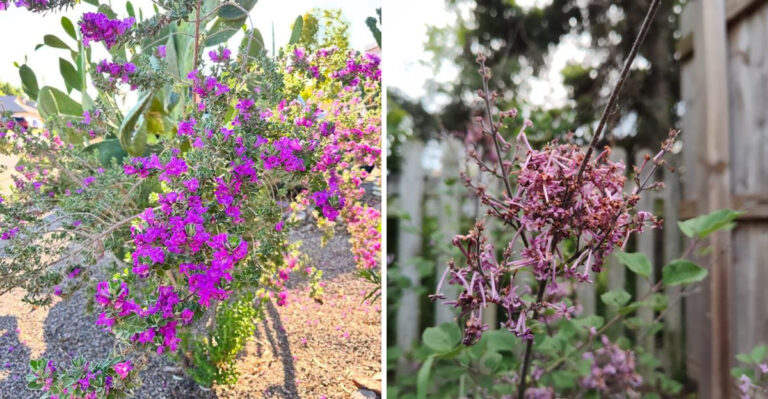
Ever notice how a hedge of Texas sage can turn into a shaggy jungle by October? After monsoon rains, many desert shrubs explode with growth.
That thick tangle near the ground is perfect cover for a rodent trying to stay hidden.
Pack rats love building nests where predators can’t see them. Dense lantana, rosemary, bougainvillea, and overgrown ground covers create shady hideouts right next to your home.
As temperatures drop, these sheltered pockets feel even more appealing.
Fall is a great time to tidy things up because the brutal heat has passed. Lift the skirts of shrubs by trimming the lowest branches so you can see the soil underneath.
Avoid harsh shearing in summer, but light shaping now helps plants stay healthy.
Leave a clear strip of at least two to three feet between plants and your house walls. That open zone can also make your home less inviting to scorpions, which like the same cozy cover.
You’ll still enjoy flowering natives that feed hummingbirds and bees. They’ll just be a bit neater, more open, and much harder for a pack rat to call home.
7. Woodpiles, Rock Piles, and Yard Clutter
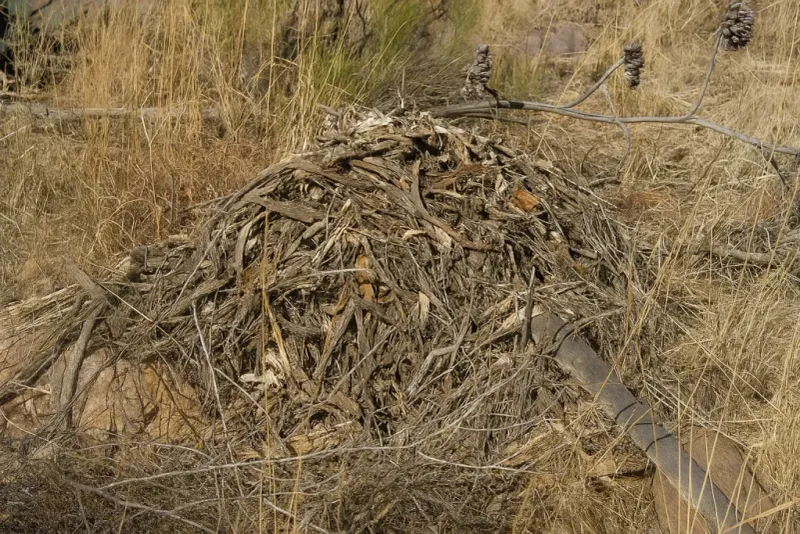
Pack rats are the hoarders of the rodent world. Their nests, called middens, can grow several feet wide and include sticks, cactus bits, bones, shiny bottle caps, and even jewelry.
Some middens in the desert have lasted for thousands of years.
So when they spot a woodpile, a stack of old pavers, or forgotten lumber behind the shed, they see a ready-made foundation. Clutter offers shelter and plenty of building supplies all in one place.
Old pots, tarps, and unused furniture work just as well.
Cooler weather means fireplace season, so many folks stock up on firewood right now. Store it on a raised rack at least a foot off the ground and away from your house.
Only bring in what you’ll burn soon.
Take a weekend to haul away junk you don’t need, and keep landscape rock spread out rather than heaped up. Check corners behind sheds and along fences for growing piles of sticks.
Spotting a midden early makes it much easier to deal with. A clean yard isn’t just nicer to look at, it gives these packrats far fewer places to start collecting.
8. Gaps in Sheds, Garages, and Attics

A gap the size of a quarter. That’s often all a pack rat needs to squeeze into your shed or garage.
Once inside, it may find stored boxes, insulation, and warmth that beats any cactus patch on a chilly night.
As desert evenings dip into the 40s and 50s, rodents look for insulated spots. Gaps under doors, cracks in foundations, holes around pipes and A/C lines, and loose vent screens are common entry points.
Attics and wall voids can become nesting zones if left unchecked.
Grab a flashlight and walk around your home and outbuildings. Look for chewed edges, droppings, or small piles of debris near openings.
Seal gaps with hardware cloth, metal flashing, or copper mesh, since rodents can chew through foam and plastic.
Add door sweeps to sheds and garage side doors, and keep garage doors closed at night. Organize storage into sealed plastic bins instead of cardboard.
These fixes take a little effort, but they last for years. Plus, sealing cracks can also help keep scorpions and other critters out, giving you extra peace of mind through the cooler months.
9. Parked and Unused Vehicles
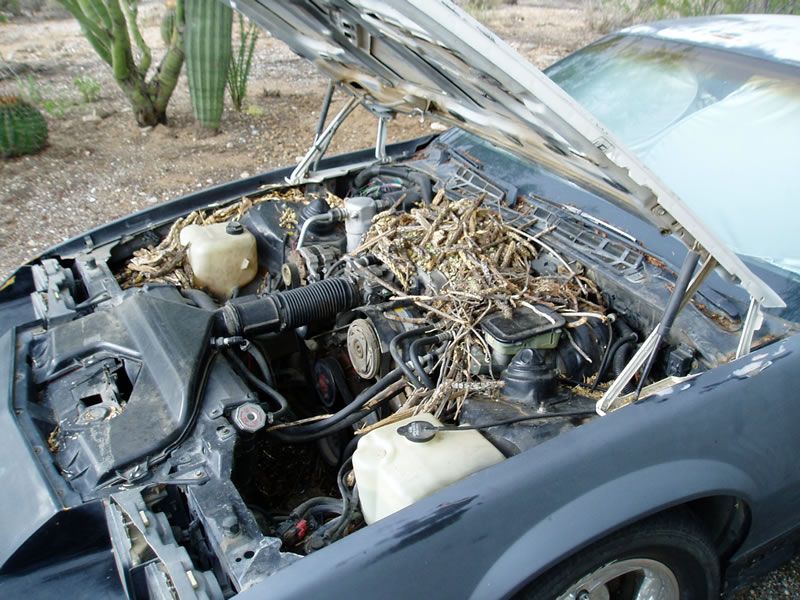
Few things ruin a morning like a car that won’t start because a rodent snacked on the wiring. Sadly, Arizona mechanics see this all the time.
Pack rats love the warm, hidden spaces inside engine compartments.
After you park, the engine stays toasty for hours, which feels great on a cold desert night. Cars, RVs, and boats that sit unused for weeks are even bigger targets.
Some newer vehicles use soy-based wire coatings that may make chewing more tempting.
If your car spends a lot of time parked outside, pop the hood every few days and look for sticks, leaves, or chewed bits. Park in a closed garage when you can, and keep the area around your vehicle free of shrubs and clutter.
Leaving the hood open overnight may help, since rodents prefer dark, enclosed spaces.
Some homeowners use bright under-hood lights or rodent-deterrent tape on wiring. Driving vehicles regularly also helps, because constant movement and noise can discourage nesting.
A few minutes of checking now could save you an expensive repair bill later, and that’s money better spent on new native plants.