The Mid-October Deadline Every New York Zone 6 Gardener Should Mark Now
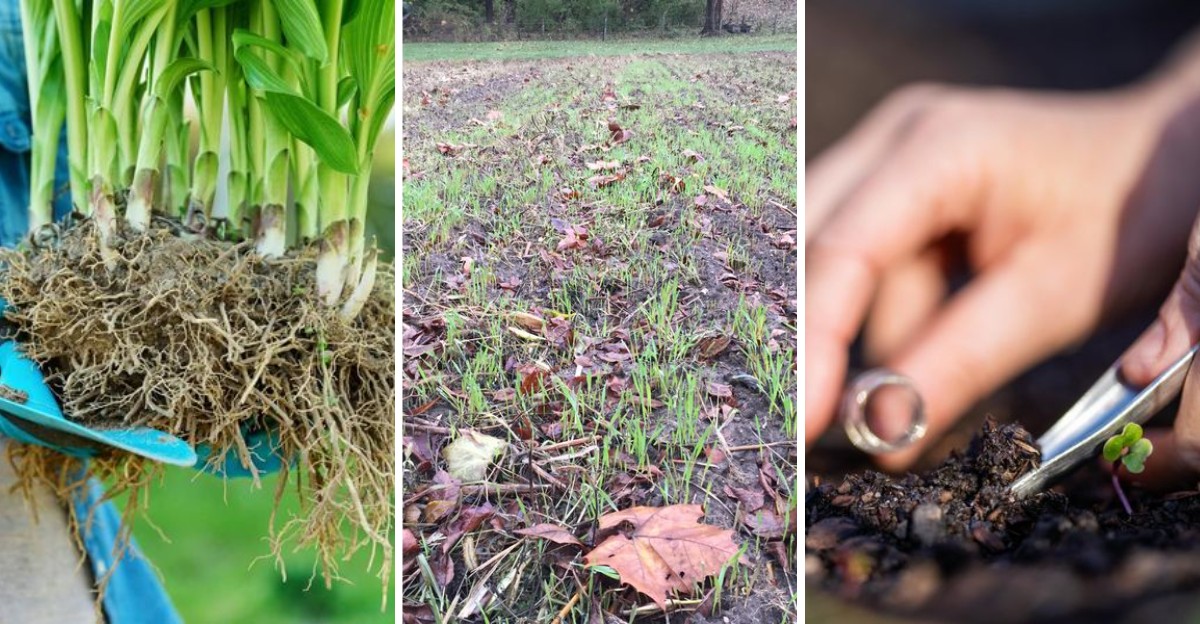
Crisp leaves scent the air, and the tomatoes are still blushing red. A week later, frost glitters across the lawn.
Mid-October moves fast for Zone 6 gardeners in New York. This short stretch shapes how your yard handles winter and how strongly it bounces back in spring.
Some chores must wrap up before the calendar flips. Others can only start once the cold arrives.
None of these jobs are hard, but they all depend on timing. The dates below deserve a big circle on your calendar.
1. Mid-October Is The Cutoff For Planting Evergreens
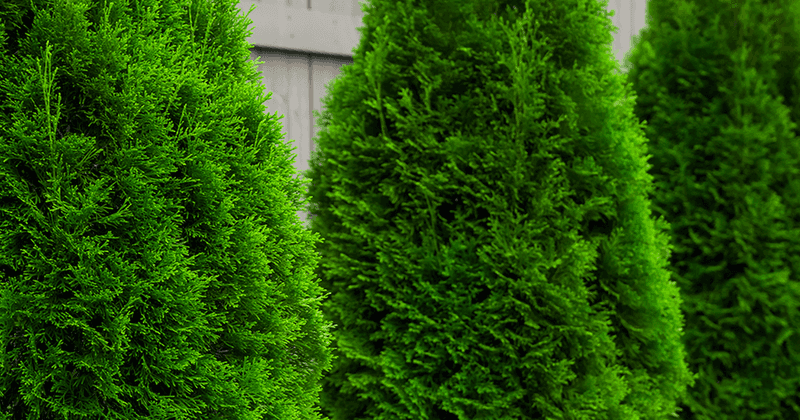
Picture a brand-new spruce standing proud in January, yet browning by March. Late planting is often the quiet reason behind that sad sight.
Evergreens grow roots best while soil stays above 50 degrees. Warm fall soil in Zone 6 gives them a real head start.
Many experts suggest finishing evergreen planting by October 1 near New York City. Even so, mid-October is the hard line for most of the state.
Unlike maples, evergreens keep their needles all winter. Those needles lose water on sunny, windy days, even when the ground is frozen.
Roots that never settled in cannot pull enough moisture to replace it. The result is winter burn, which shows up as brown, crispy foliage.
Got a shrub still sitting in its pot? Plant it this week, and water it deeply right away.
Keep watering once a week until the ground freezes solid. A soaker hose or slow trickle works better than a quick spray.
Spread two or three inches of mulch over the root zone afterward. Keep it a few inches away from the trunk to prevent rot.
For extra safety, wrap young arborvitae or yews with burlap in late November. That simple screen blocks drying winds and road salt spray.
Anything purchased after the cutoff can stay in its pot until spring. Sink the container into a mulched bed or tuck it beside a garage wall.
Fun fact: many hollies and boxwoods are true broadleaf evergreens. They face winter burn risks just like pines and firs do.
2. Winter Rye Needs To Be Sown Before It Passes
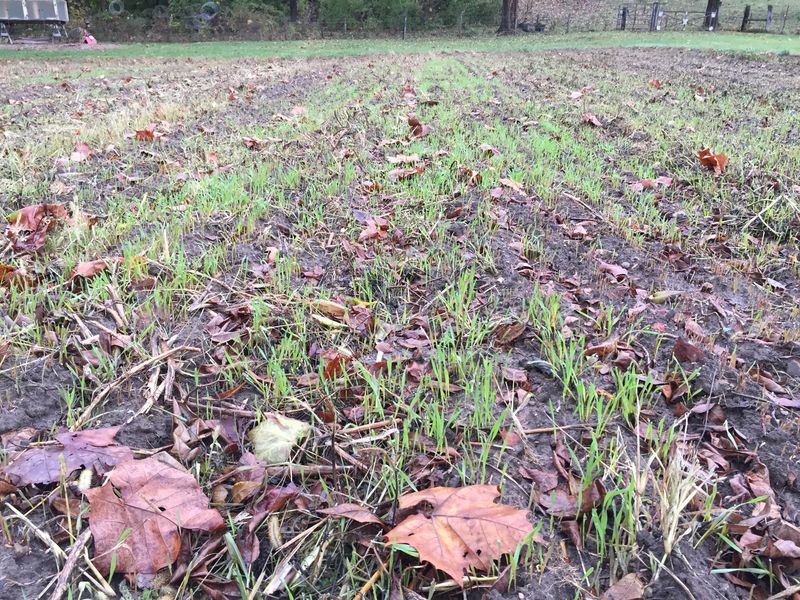
Bare soil in winter is like leaving your front door open in a snowstorm. Wind, rain, and melting snow carry away the good stuff.
Winter rye is the cheap, easy fix. Gardeners call it a cover crop because it literally covers and protects empty beds.
In New York, the best seeding window runs from September 15 to October 10. You can stretch it to late October, but results shrink with each week.
Here is the cool part. Rye can sprout in soil as chilly as 34 to 40 degrees, making it one tough little grass.
Still, it needs four to six weeks before a hard freeze to root well. Earlier sowing also grabs more leftover nutrients before they wash away.
Planting is simple. Rake the bed lightly, scatter about a quarter pound of seed per 100 square feet, and rake again.
Water once if the weather is dry. Within a week, a fuzzy green carpet should start to appear.
Your New York Garden Changes Every Week. Your Plan Should Too.
Gardening in New York changes quickly throughout the season. Every Friday you’ll receive a simple weekly plan showing exactly what to plant, prune, fertilize, harvest, and protect so you never miss the right timing.
Through winter, the roots hold soil in place and feed helpful soil life. Come spring, the grass gets tall fast, so plan ahead.
Cut it down about three weeks before planting vegetables. Leave the clippings on top as mulch, or turn them into the soil.
Try not to let rye go to seed. It can turn from helpful friend to pesky guest if it spreads.
A small bag costs only a few dollars at most farm stores.
3. Tender Houseplants Should Be Back Indoors
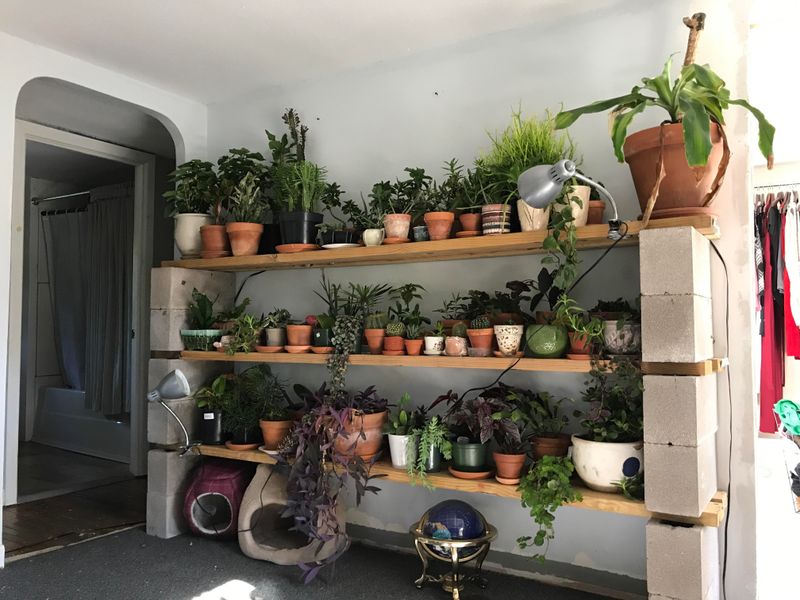
Your monstera spent all summer soaking up sunshine on the porch. Now it is time to welcome it home before the nights bite.
Tropical plants start sulking once nights dip to 50 or 55 degrees. Leaf damage can strike in the mid-40s, well above freezing.
Across New York Zone 6, the first air frost averages around October 6. Light ground frost often follows near October 15.
So waiting until mid-month is cutting it very close. Aim to start moving plants seven to ten days before chilly nights settle in.
Before anything crosses the doorway, play detective. Check under leaves and around stems for aphids, mealybugs, and spider mites.
A gentle shower with the hose knocks off many hitchhikers. For stubborn pests, a spray of insecticidal soap does the trick.
Peek into the drainage holes too. Slugs, earwigs, and even tiny frogs love hiding in cozy pots.
Once inside, give plants your brightest window. Indoor light is much weaker than summer sun, so expect a few yellow leaves.
Hold back on fertilizer until spring. Water less often as well, since growth slows down when days get shorter.
Keep pots away from heaters and drafty doors. Sudden blasts of hot or cold air stress leaves quickly.
A little leaf drop during the move is normal. Most plants adjust within two or three weeks and perk right back up.
4. Perennial Divisions Need Time To Root
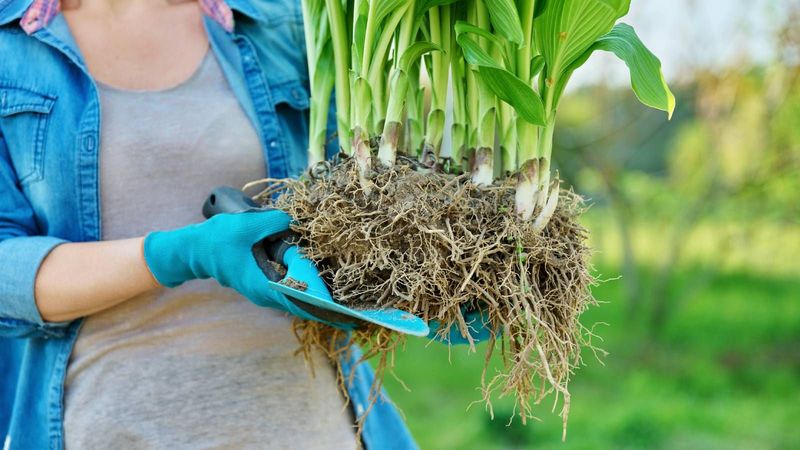
Ever notice a daylily clump with a bald, empty center? Crowded perennials are basically begging you to split them up.
Dividing gives older plants fresh energy and gives you free new plants. Neighbors often love receiving the extras too.
In Zone 6, the sweet spot runs from September through early October. By mid-October, the window is closing quickly.
Divided pieces need four to six weeks to grow new roots before the ground freezes. Without that time, frost can heave them right out of the soil.
Good candidates include hostas, daylilies, irises, and spring or early summer bloomers. Leave fall bloomers like asters until spring instead.
Start by watering the plant the day before. Moist soil makes digging easier and keeps roots happier.
Dig around the whole clump, then lift it out. Use a sharp spade or two garden forks back to back to pry it apart.
Each new piece should have healthy roots and at least three shoots. Toss any woody or mushy center sections into the compost.
Replant at the same depth the plant grew before. Firm the soil gently and soak it well.
Add a light mulch layer after the ground gets cold. It keeps soil temperatures steady during freeze and thaw cycles.
Here is a tip from old-timers. Trim leaves back by half so roots can focus on settling in.
5. Tender Bulbs Come Up Once Frost Hits
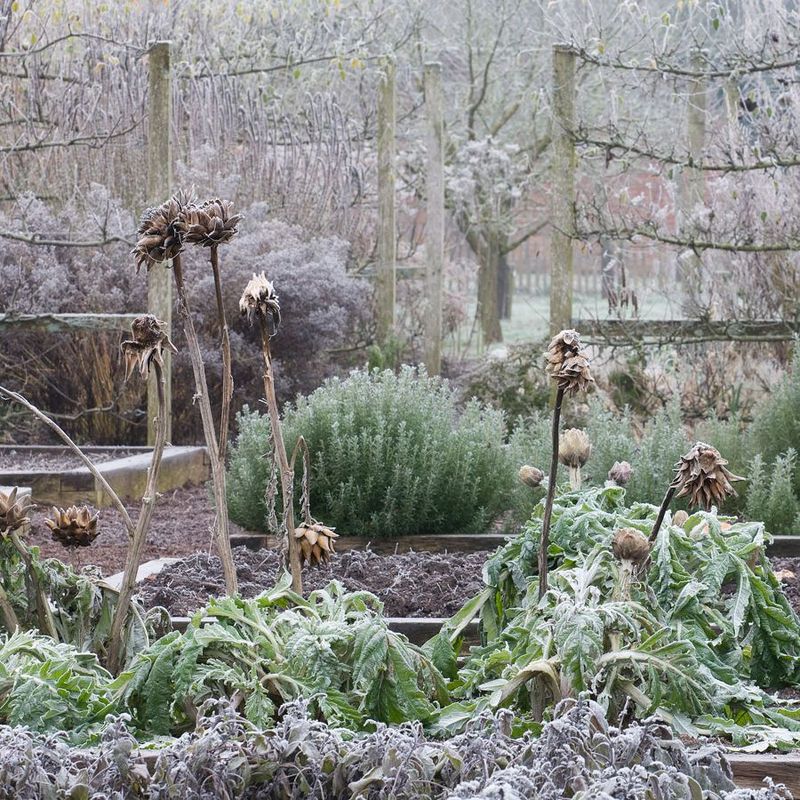
One frosty morning, your gorgeous dahlias look like wilted spinach. Do not panic, because that blackened foliage is actually your signal.
Dahlias, cannas, and gladiolus cannot survive a New York winter in the ground. Their tubers and corms turn to mush when frozen.
The best digging time comes right after the first light frost. In Zone 6, that usually arrives around mid-October.
Try to dig within a few days once leaves turn black. Waiting longer invites rot to creep down into the bulbs.
Cut stems back to about six inches first. Then dig wide around each plant so you do not slice the tubers.
Shake or gently rinse off the soil. Let everything dry in a garage or shed for a few days.
Label each variety before storing. Trust me, every dahlia tuber looks the same by March.
Pack bulbs in boxes filled with peat moss, wood shavings, or slightly damp sand. Keep them somewhere cool and dark, around 40 to 50 degrees.
An unheated basement corner often works well. Avoid spots that freeze or get too warm and dry.
Check on them once a month during winter. Toss any soft ones, and mist shriveled ones lightly with water.
Did you know dahlias are the national flower of Mexico? Ancient Aztecs grew them centuries ago, long before they reached American gardens.
6. Garlic Goes In Right After
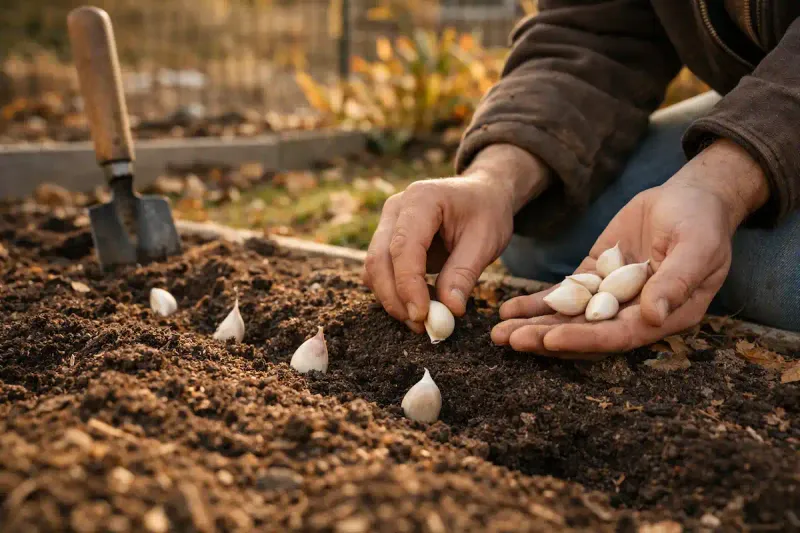
Few crops reward patience like garlic. You plant it in the chill of fall, forget about it, then harvest fat bulbs next summer.
Timing matters more than most people think. Garlic should go in about three to six weeks before the ground freezes solid.
For New York Zone 6 gardeners, that window opens in mid-October. It can stretch into the last week of November in milder spots.
Western New York, the Finger Lakes, the Capital Region, and the Catskills share similar advice. Plant from mid- to late October, right after the first hard frost.
Soil temperatures between 50 and 65 degrees are ideal. Cloves grow roots but not much top growth before winter.
Pick seed garlic from a local farm or garden center. Grocery store garlic is sometimes treated to stop sprouting.
Break bulbs into cloves just before planting. Set each clove pointy end up, about two inches deep and six inches apart.
Choose a sunny spot with loose, well-drained soil. Soggy ground can make cloves rot over winter.
After planting, cover the bed with four to six inches of straw. It protects cloves from harsh freeze and thaw swings.
Hardneck types like Music or German White love cold winters. They also give you curly scapes in June, a tasty bonus.
Pull the straw back a bit in early spring. Green shoots will poke up eagerly once the soil warms.
7. Spring Bulbs Follow Close Behind
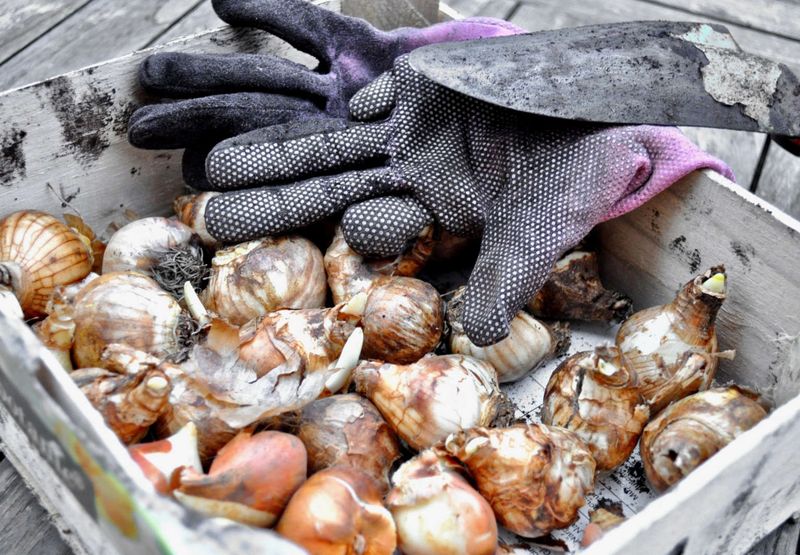
Planting tulips feels like sending a letter to your future self. Months later, that letter opens into bright red and yellow blooms.
Tulips, daffodils, and hyacinths all need a cold winter to flower well. Fall planting gives them that chilly rest.
In New York Zone 6, the best window runs from mid-October through early November. Soil should cool below 55 degrees first.
Why not plant sooner? Bulbs set in warm soil might sprout early and burn through energy needed for spring flowers.
A handy rule says plant bulbs three times as deep as they are tall. Most tulips land around six to eight inches deep.
Point the tip upward, and the flat root end down. If you cannot tell, plant it sideways, and the bulb will sort itself out.
Group bulbs in clusters of ten or more. Big drifts look far more natural than single soldiers in a line.
Water well after planting to settle the soil. Roots start growing right away, even as the air turns cold.
Squirrels adore tulip bulbs, unfortunately. Lay chicken wire over the bed or mix in daffodils, which critters avoid.
Fun history bit: in 1630s Holland, a single tulip bulb could cost more than a house. Thankfully, today they cost less than a coffee.
Mark planted areas with small stakes. Doing so prevents accidental digging later.
8. Cold Frames Should Be Built And Ready
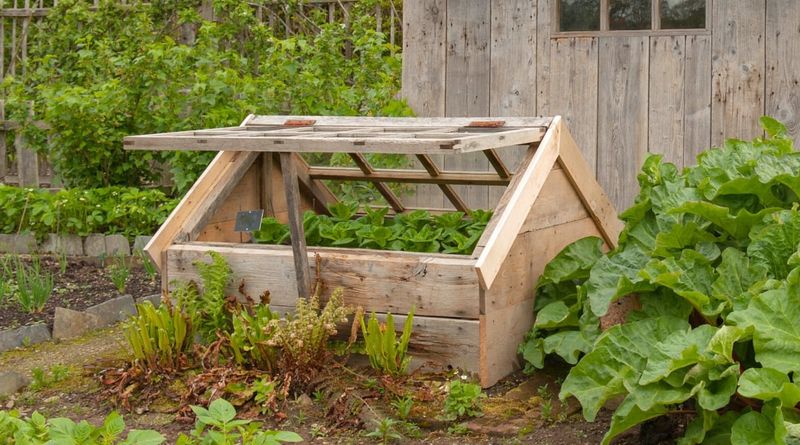
Imagine picking crisp lettuce in late November while neighbors stare at empty beds. A simple cold frame makes that little miracle possible.
Think of it as a tiny greenhouse sitting right on the ground. A clear lid traps sunlight and warms the soil inside.
By mid-October, your cold frame should be built and in place. Frost is arriving soon, and greens need protection now.
Lettuce, spinach, kale, and arugula thrive under that cozy cover. Spinach especially can keep going well into winter.
Building one is easier than you might expect. Old windows on a wooden box make a classic, budget-friendly design.
Slant the lid so it faces south. Sloping it captures more low autumn sun and lets rain slide off.
Watch out on sunny days, though. Temperatures inside can soar past 80 degrees, even when it feels chilly outdoors.
Prop the lid open a few inches when it gets warm. Close it again by late afternoon to hold heat overnight.
On very cold nights, toss an old blanket over the top. That extra layer adds several degrees of protection.
Come spring, your cold frame keeps working hard. Use it to harden off seedlings before moving them into the garden.
Kits are sold online if building is not your thing. Either way, a frame pays for itself in fresh salads.
9. Hoses Need Draining Before Hard Freezes
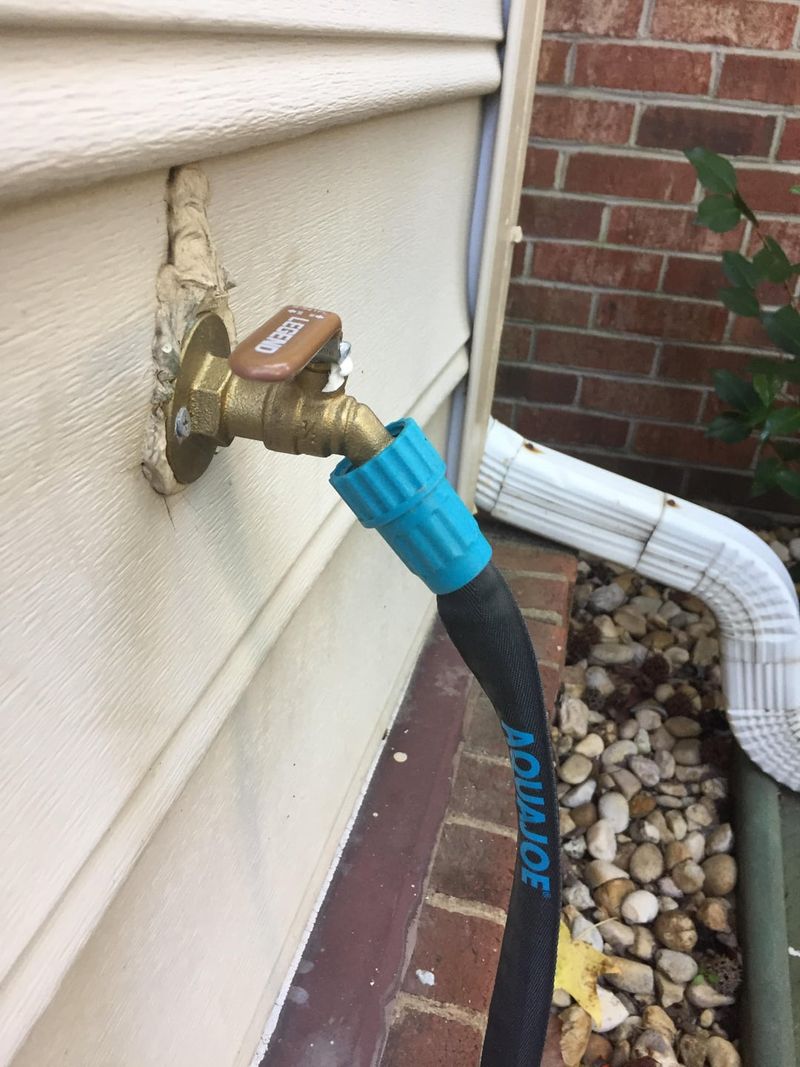
A burst pipe in January can cost hundreds of dollars to repair. Sadly, a forgotten garden hose is often the guilty party.
Water expands as it freezes. Trapped water can crack hoses, faucets, and even pipes hidden inside your walls.
Across New York’s Zone 6 areas, aim to finish this chore by late October. The first week of November is the very latest.
Start indoors by finding the shut-off valve for each outdoor faucet. It often sits in a basement near the outside wall.
Turn that valve off firmly. Then head outside and open the spigot to let leftover water drain out.
Leave the outdoor faucet open all winter. Any small drip that sneaks through will have room to escape.
Disconnect every hose, even from frost-free spigots. A hose left attached traps water and stops those faucets from working right.
Stretch each hose down a slope to empty it. Coil it loosely and store it in a garage or shed.
Sprinkler heads and drip lines need attention too. Blow them out or drain them so ice does not split the tubing.
Rain barrels deserve a quick check as well. Empty them and flip them over to avoid cracked plastic.
Foam faucet covers cost only a few dollars. They add one more layer of protection for older spigots.
10. A Soil Test Now Guides Spring Plans
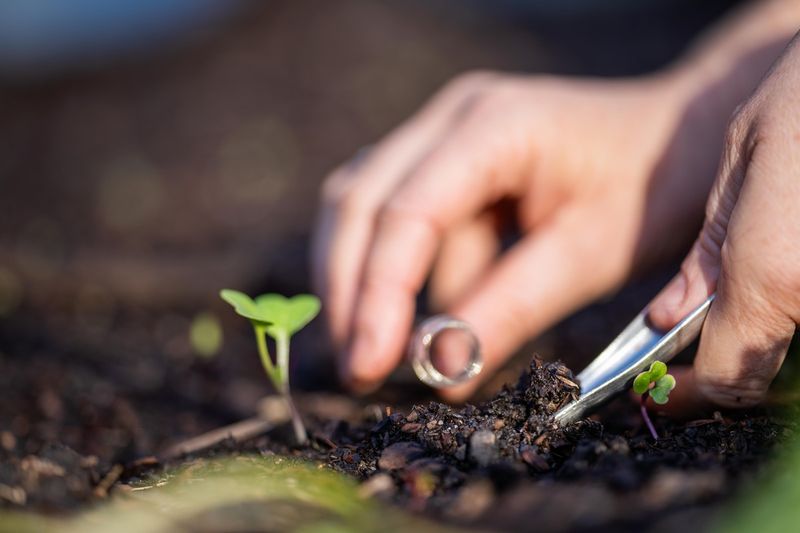
Guessing what your garden needs is like cooking with a blindfold on. A soil test takes off the blindfold.
Fall is a smart time to test in New York. Summer crops have used up nutrients, so results show your true starting point.
Testing now also gives you months to fix problems. Lime and sulfur adjust pH slowly, sometimes taking a whole season.
Spread them this fall, and spring soil will be ready to go. Wait until April, and you might miss a full growing year.
Labs get slammed with samples every spring. Mailing yours in October usually means faster results and less waiting.
Here is a sweet bonus for local growers. Cornell Cooperative Extension offers free soil testing for eligible community and home gardeners.
Collecting a sample is easy. Dig six to eight small spots across a bed, about six inches deep.
Mix the soil together in a clean bucket. Let it dry, then send about a cup to the lab.
Keep lawns, vegetable beds, and flower gardens in separate bags. Each area often has different needs.
Results show pH, nutrient levels, and sometimes organic matter. Many reports include simple suggestions for what to add.
Use the numbers to plan next year’s crop rotation. Your future tomatoes will thank you with bigger, tastier harvests.