Don’t Touch This Beautiful But Invasive Pennsylvania Plant Spotted This September
There is a plant spreading through Pennsylvania landscapes this September that tends to attract curiosity before it raises alarm.
It grows fast and it covers structures and vegetation with an almost architectural density. At first glance it can look like something intentional rather than something that needs immediate attention.
Do not let it go to seed. And if you find it on your property, act now rather than later. This invasive plant is one of the most aggressive spreaders currently moving through Pennsylvania’s natural areas and residential landscapes.
September is exactly when it is most actively completing the part of its life cycle that makes next year’s problem significantly worse.
What feels manageable right now can become genuinely difficult to control by spring if the window for intervention this fall is missed.
The Invasive Plant To Watch
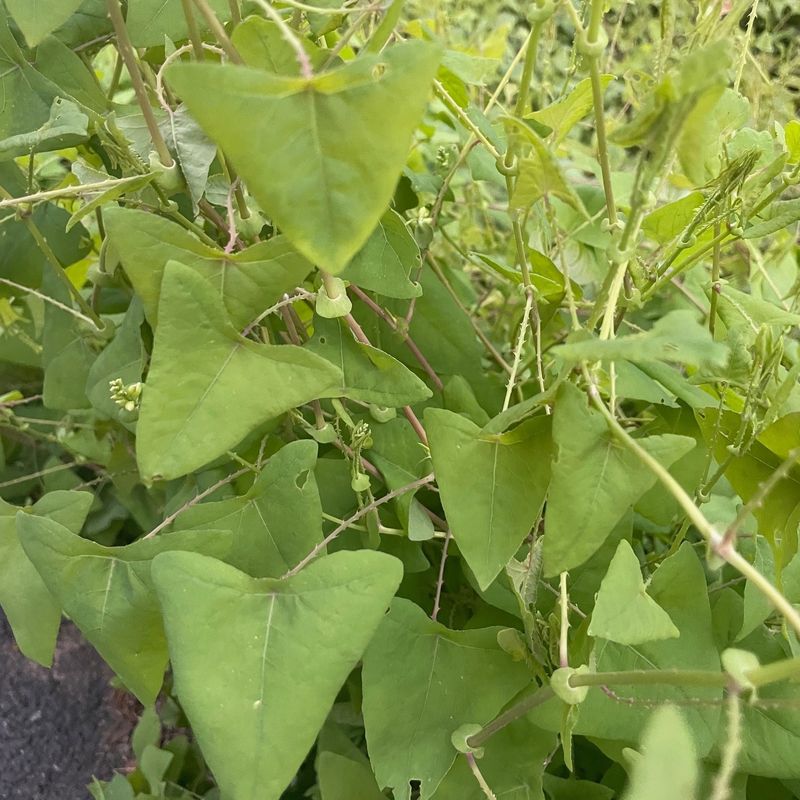
Picture a sunny trail edge in Pennsylvania, covered in bright green leaves shaped like little triangles.
It looks fresh and pretty, almost like a soft blanket. Take a closer look, though, because that green carpet might be mile-a-minute vine. Scientists call it Persicaria perfoliata, and it came to the United States from eastern Asia.
Pennsylvania first saw it in York County in the late 1930s, likely arriving with nursery plants. Since then, it has crept across much of the state and into many neighboring areas.
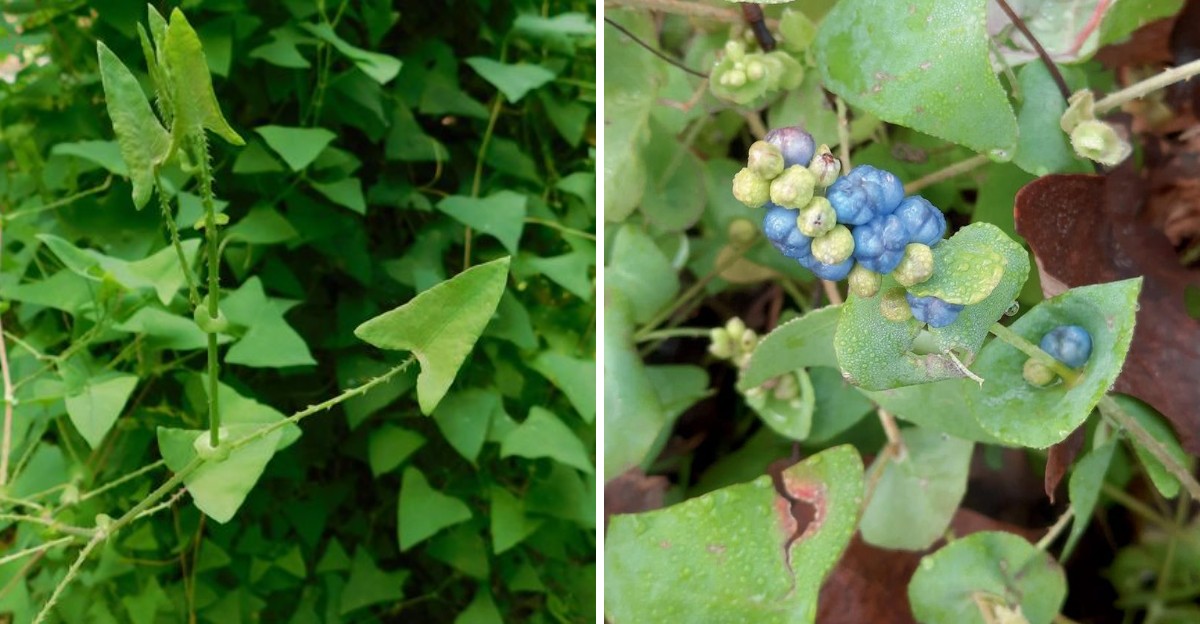
The leaves are the easiest clue. Each one is light green and shaped like an equal-sided triangle, about one to three inches across. Some people say they look like tiny green shields lined up along the stem.
Another neat feature is a small, round, cup-like leaf that wraps all the way around the stem. Botanists call it an ocrea, and it looks a bit like a green saucer. Flower buds and fruits often sit right inside these little cups.
The stems are thin, reddish or green, and covered in tiny prickles. Later in summer, clusters of shiny blue-purple fruits appear. Put all three clues together, and you can spot this vine with confidence.
Did you know the name comes from how fast it grows? Under good conditions, a single vine can stretch about six inches in one day. By fall, it may reach 20 feet or more.
Learning to identify it is the first step in stopping it. Snap a photo if you are unsure, and compare it with pictures from Penn State Extension.
Once you know what to look for, you will start noticing it along roads, streams, and park edges everywhere.
Those Tiny Barbs Make It Easy To Avoid
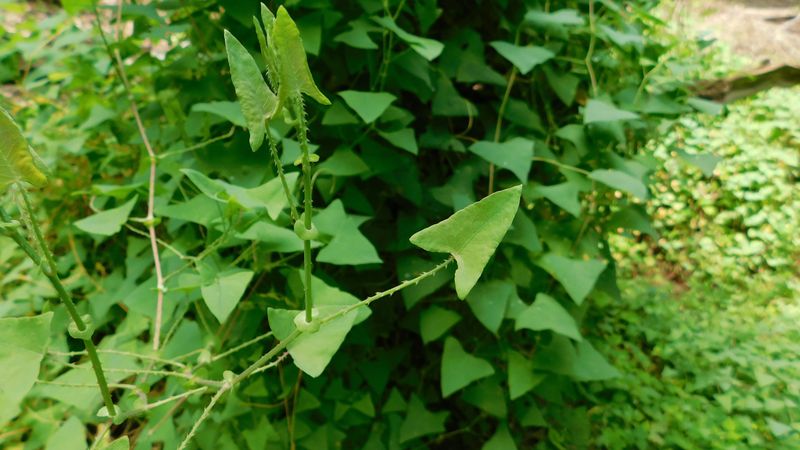
Ouch! Anyone who has brushed past mile-a-minute vine in shorts knows that feeling. The plant may look soft, but it fights back with a hidden weapon.
Run your eyes along the stem and you will notice rows of tiny barbs. They also line the undersides of the leaves and the leaf stalks. Each barb curves backward, a bit like a miniature fishhook.
That backward shape is the secret to its climbing success. The barbs grab onto other plants, fences, and anything else nearby, letting the vine pull itself upward. Sadly for hikers, they grab onto socks, sleeves, and skin just as easily.
Your Pennsylvania Garden Changes Every Week. Your Plan Should Too.
Gardening in Pennsylvania changes quickly throughout the season. Every Friday you’ll receive a simple weekly plan showing exactly what to plant, prune, fertilize, harvest, and protect so you never miss the right timing.
The good news is that the plant is not poisonous like poison ivy. You will not get an itchy rash from simply touching it. Still, the prickles can leave scratches, snag clothes, and make pulling the vine a painful chore.
Those barbs are actually helpful for identification. If a triangle-leafed vine feels scratchy or sticky when you gently brush it with a gloved hand, you have a strong clue. Many look-alike plants have smooth stems, so the prickles set this one apart.
Want to stay scratch-free outdoors? Wear long pants, sturdy shoes, and long sleeves when walking through weedy areas in late summer. A pair of thick garden gloves in your backpack is also a smart idea.
Kids and pets deserve a little extra care, too. Dogs can get tangled in thick patches, and little ones may reach for the colorful berries. Teach your family to recognize the vine so everyone knows to steer clear.
Think of those barbs as a built-in warning sign. The plant is basically telling you to keep your hands off.
Look For The Blue-Purple Fruits In September
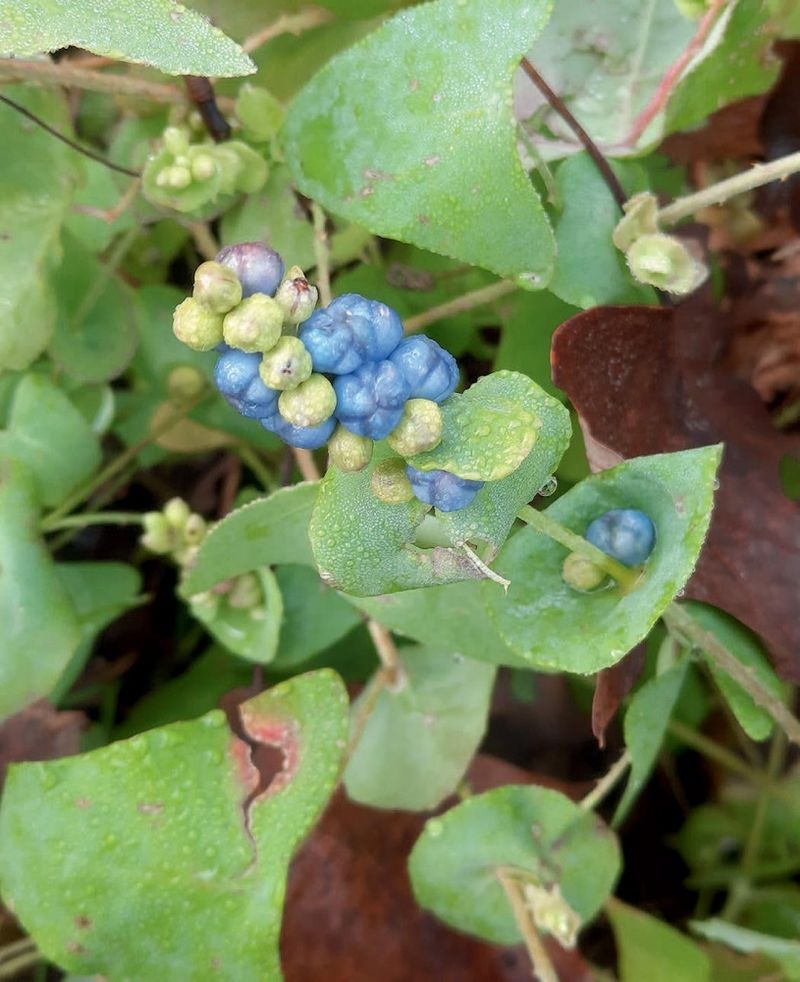
September is when mile-a-minute vine shows off its jewelry. After a summer of quiet green growth, the plant suddenly sparkles with clusters of colorful fruits. For anyone trying to find it, this is the best time of year to look.
The fruits start out pale green in midsummer. As weeks pass, they turn pink, then purple, and finally a shiny metallic blue. Some patches hold every color at once, which makes them look like strings of tiny beads.
Each fruit is about the size of a pea and grows in small bunches at the tips of the stems. Many sit inside those round, saucer-like leaves that circle the stem. Inside every berry is one hard, glossy black seed.
Those pretty colors are exactly why the plant spreads so well. Birds love the fruits and carry the seeds for miles before dropping them. Deer, chipmunks, squirrels, and even ants help move them around, too.
Water is another sneaky helper. The fruits can float for days, so streams and rivers carry them downstream to new banks. That is one reason the vine often shows up along creeks and floodplains.
Here is a surprising fact. Seeds can stay alive in the soil for up to six years, waiting for the right moment to sprout. One season of berries can mean years of new vines.
So grab your phone and take a slow walk along a sunny path this month. Look for low, tangled patches dotted with blue and purple.
If you spot them, note the location and report it to your local park or conservation district so experts can take action.
Why Mile-A-Minute Vine Is A Problem
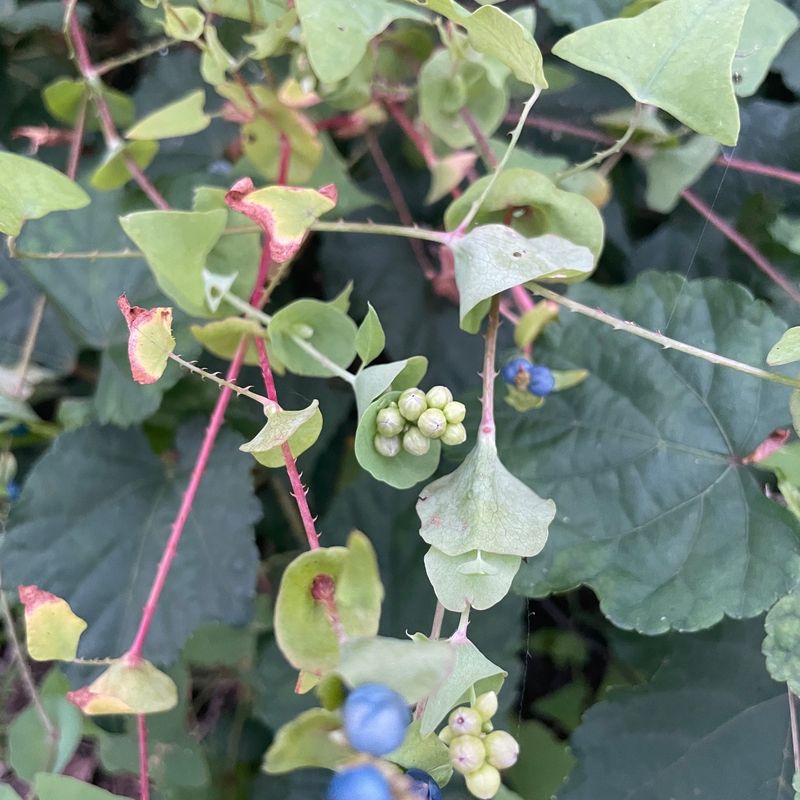
Imagine trying to eat lunch while someone throws a heavy blanket over your head. You would not get very far. Native plants face that same trouble when mile-a-minute vine moves in.
The vine grows incredibly fast, sometimes six inches in a single day. It climbs up and over shrubs, young trees, and wildflowers, forming thick mats on top of them. Those mats block the sunlight that other plants need to make food.
Without enough light, the plants underneath grow weak and struggle to survive. Tree seedlings get smothered before they have a chance to grow tall. Over time, a sunny meadow full of variety can turn into a single tangled sheet of green.
Wildlife feels the effects, too. Native insects, like many caterpillars and bees, depend on native plants they have evolved with over thousands of years. When those plants disappear, the insects lose food, and so do the birds that eat them.
Forest owners and tree farmers also worry about this vine. It can cover young trees planted to replace older forests, slowing down new growth. Christmas tree farms in Pennsylvania have had to fight it to protect their crops.
Open, disturbed places are its favorite hangouts. Think road edges, stream banks, freshly logged land, and the borders of fields and yards. Anywhere the ground gets opened up and sunny, the vine sees an invitation.
Scientists have fought back in creative ways. Since 2004, a tiny weevil from Asia that feeds only on mile-a-minute has been released in several states, including Pennsylvania. It helps slow the vine, but people still play a big role in keeping it under control.
What To Do If You Find It In Your Yard
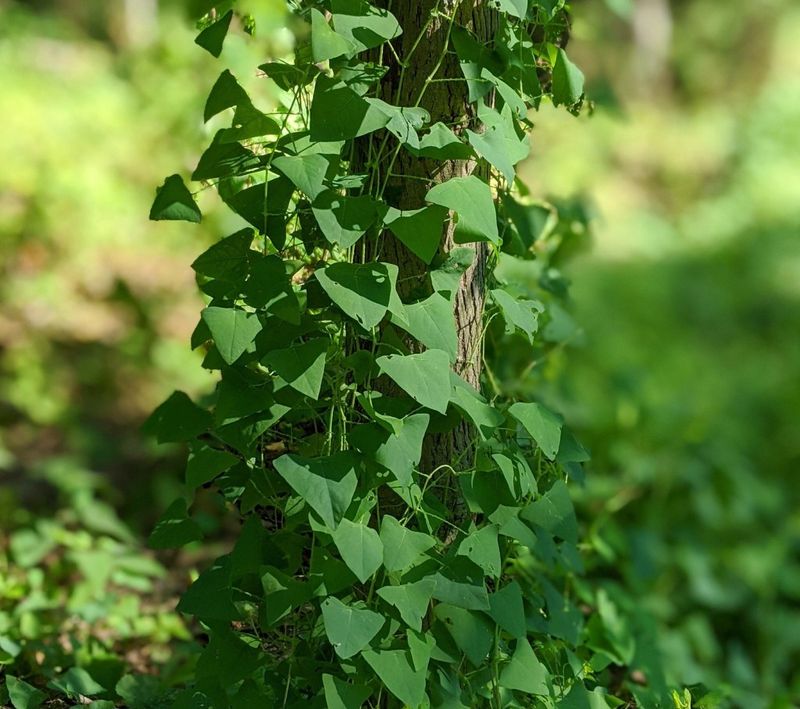
So you spotted those triangle leaves by the back fence. Take a breath, because the situation is very manageable.
Mile-a-minute is an annual, which means each plant lives for only one year and relies on seeds to return.
Start by suiting up. Wear thick leather or rubber-coated gloves, long sleeves, and long pants to protect against those barbs. Bare hands and this vine are a painful combination.
Pulling is the easiest method for small patches. The roots are shallow, so a gentle, steady tug usually brings the whole plant up. Work carefully, because the stems can tangle around other plants you want to keep.
Timing matters more than anything. The best window is early summer, before fruits form, but September pulling still helps. If berries are already present, handle the vine slowly so ripe fruits do not drop to the ground.
Place pulled vines in heavy trash bags right away. Seal them tightly and let them sit in the sun for a while before throwing them out with regular garbage. Never toss this plant in a compost pile, since the seeds may survive and sprout later.
Mowing or cutting can work in larger areas if done often before seeds ripen. Some homeowners use herbicides, but always read the label carefully or ask a professional for help. Penn State Extension offers free guides with safe, local advice.
Check the same spot again next spring and summer. Because seeds can hide in the soil for years, new sprouts will likely appear. Pull them while they are small, and your yard will get cleaner every season.
Replace The Vine With Native Plants
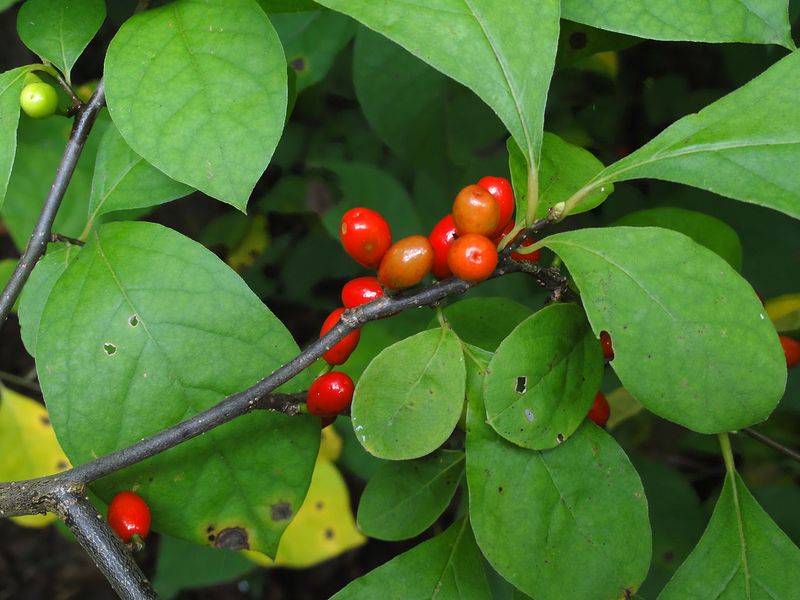
Nature hates an empty space. Clear out a patch of mile-a-minute and leave bare soil behind, and the vine will happily move right back in. Filling that ground with strong native plants is the smartest way to finish the job.
Native plants are ones that grew here long before settlers arrived. They are adapted to Pennsylvania weather, soil, and wildlife. Once settled, they often need less water and care than many garden favorites.
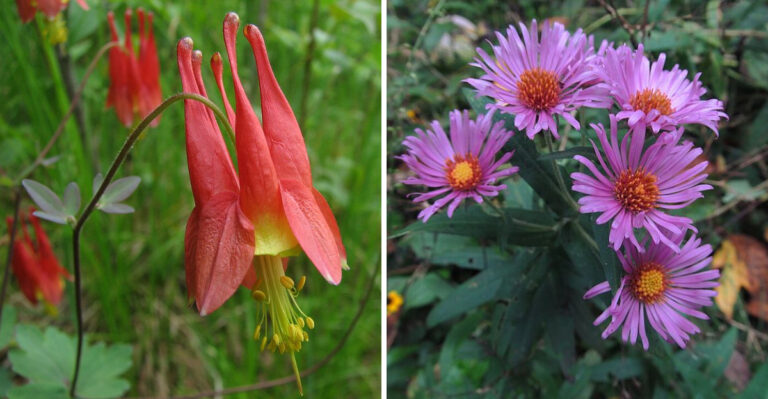
For sunny spots, try colorful wildflowers like black-eyed Susan, wild bergamot, purple coneflower, and New England aster.
Goldenrods and asters bloom in late summer and fall, giving bees and butterflies a September feast. Native grasses such as little bluestem and switchgrass form thick clumps that crowd out weeds.
Shadier areas have great choices, too. Spicebush, elderberry, and silky dogwood are sturdy shrubs that birds adore. Along streams, plants like Virginia wild rye and swamp milkweed hold soil in place.
A helpful trick is to plant close together. When native plants grow thick and tall, they shade the ground and make it hard for vine seeds to sprout.
Adding a layer of mulch between young plants also helps block sunlight from reaching buried seeds.
Fall is actually a wonderful time to plant in Pennsylvania. Cooler air and regular rain help roots settle in before winter.
Many local nurseries and conservation districts hold native plant sales, so keep an eye out for bargains.
Before long, that former tangle can become a buzzing, blooming haven for pollinators and songbirds.
Your yard will look better, and you will be helping protect the wild beauty of Pennsylvania. Now that is a trade worth making.