Those Flat Rubbery Brown Ears on Arizona Branches May Be a Wood-Ear Fungus
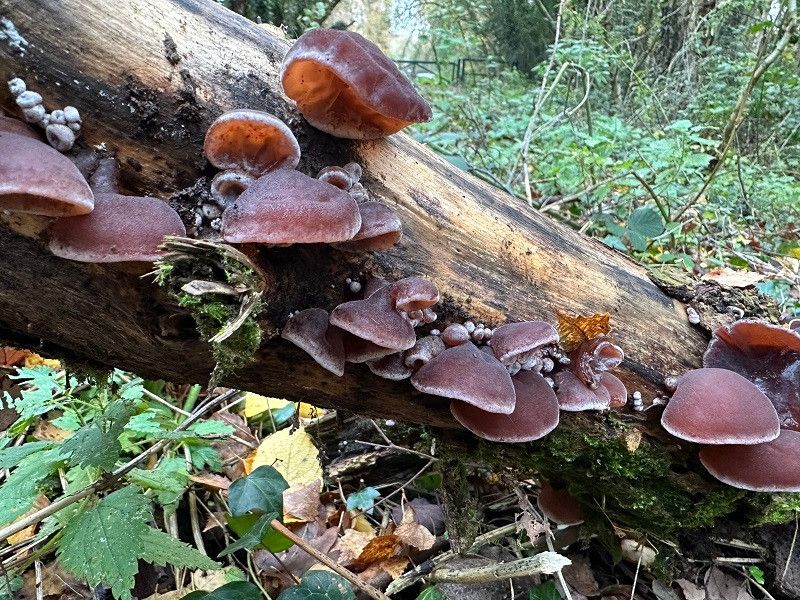
A brown, rubbery ear stuck to a branch is the kind of find that makes you stop raking. It feels strange, a little spooky, and oddly alive.
A fungus known as wood ear is one possible match, though a description cannot settle the question. Here is how to look closely, stay careful, and decide what to do next.
A Wood-Ear Fungus Is A Plausible Match
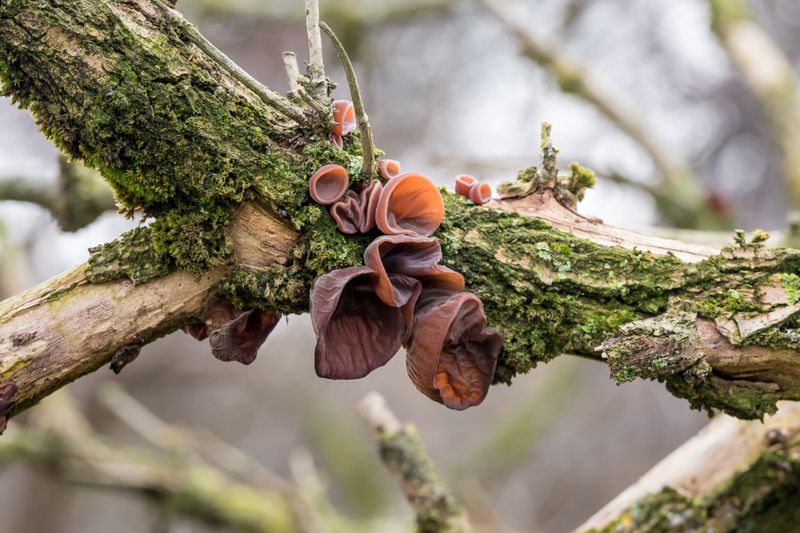
A flat, brown, rubbery growth shaped like a tiny ear can stop you cold in the middle of yard cleanup. It looks like something that should not be growing on a stick of ordinary wood.
One reasonable lead is a wood-ear fungus, a group in the genus Auricularia. A peer-reviewed study of the genus describes fruiting bodies that are often brown, thin, and ear-shaped or cup-shaped.
Those same fungi are described as rubbery or gelatinous, and they grow on wood. Your description fits that picture nicely, which is why the idea deserves a closer look.
Still, nobody has a photograph or a specimen here, and that matters a great deal. Without one, the genus cannot be confirmed, because other fungi can look quite similar.
So treat wood ear as a plausible match and not as a final answer. I like holding a guess loosely until the evidence catches up.
It also helps to avoid guessing about the branch itself. Wood-ear fungi can grow on dead wood, but a growth on wood tells you nothing certain about the limb it sits on.
Shape And Texture Are Clues, Not A Species ID
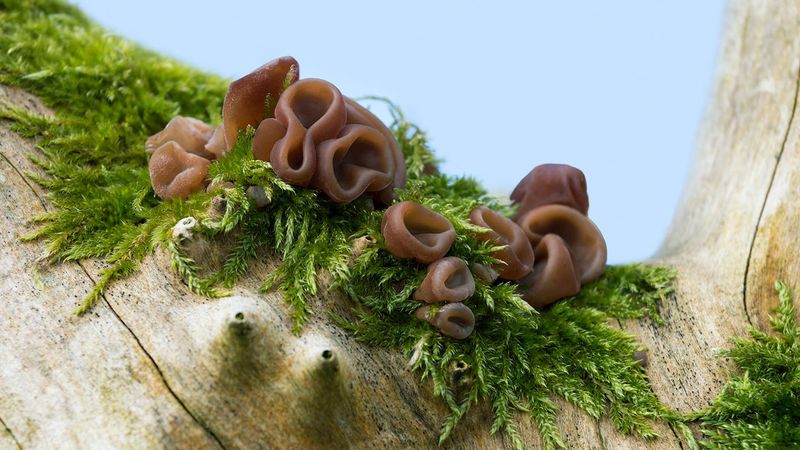
Pressing a finger toward a damp, squishy ear on a branch is tempting, but your eyes can gather plenty first. Look at the shape, the surface, and the wood it clings to.
Fresh wood-ear fruiting bodies can feel gelatinous and may look cup-shaped or ear-shaped. Their brown color and thin, soft build are part of why the group gets its nickname.
Those clues make a good lead, yet they stop short of a result. Color and texture alone do not establish a species, and a lookalike fungus could share both.
Visible traits also vary from one specimen to the next. That variation is one reason researchers have run into mistaken identifications within this group.
Think of each clue as a small flag on a map, not a finished route. A flat brown ear on wood points toward wood ear, but it does not prove it.
Writing down what you see helps more than naming it. Note the size, the feel, the color, and the surface so an expert can weigh in later.
Arizona Has A Documented Auricularia Record
Arizona is not a stranger to this group of fungi, and the paper trail goes back decades. A peer-reviewed taxonomic study lists a specimen collected in Sycamore Canyon in 1980.
That specimen came from walnut wood, in the genus Juglans. The study identifies it as Auricularia angiospermarum.
This record shows that Auricularia has been documented in the state. For a curious homeowner, it makes the genus-level idea a fair one to explore.
The limits matter just as much, though. A single canyon specimen from 1980 says nothing about the growth on your branch.
It also does not tell you which species you have. The record is not A. americana, and it should not be read as one.
In other words, the old collection backs up the possibility and nothing more. Only someone examining your actual find could say what it is.
Visible Growth Cannot Reveal The Wood’s Full Condition
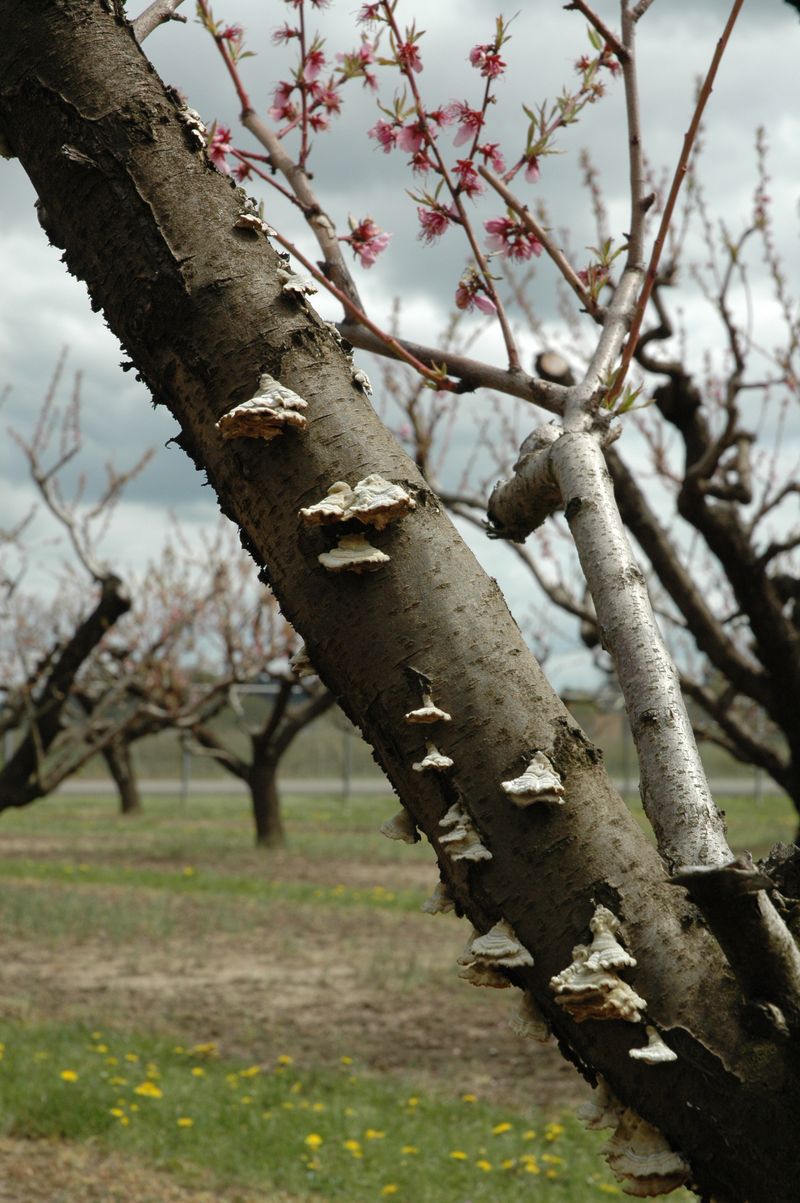
The ear on the branch is only the part of the fungus that you can see. The living threads that form the main body, called mycelium, run through the wood itself.
The visible growth is the fruiting body, a bit like an apple on a tree. It tells you fungal activity is happening in that wood.
What it cannot tell you is how far that activity reaches. UC Statewide IPM guidance on wood decay fungi notes that decay can weaken limbs and may extend beyond what shows.
So a small ear does not mean a tree is failing. It also does not mean the tree is fine.
The condition of the whole tree depends on the branch, the site, and the tree itself. A fruiting body alone cannot set a hazard level.
That uncertainty is a bit unsettling, I admit. The honest answer is that the surface rarely tells the whole story about wood.
Document The Find And Check Attached Limbs
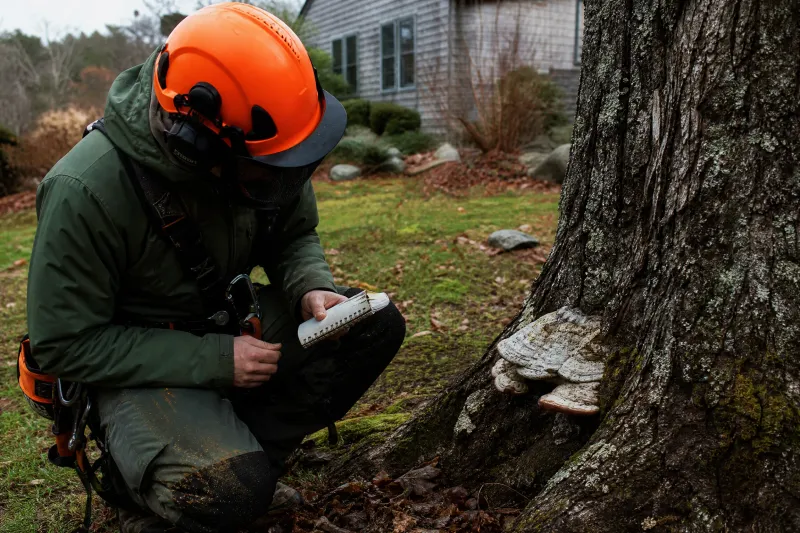
Before you toss anything in the bin, grab your phone. A few clear photos can be more useful than a quick guess.
Take close shots of the growth and wider shots of the branch. Then note the host wood, if you know it, and whether the branch is attached or fallen.
Those notes help an expert, but they do not replace one. They also cannot confirm what the fungus is.
Pay extra attention if the growth sits on an attached limb. Cracks, defects, or substantial decay are good reasons to call a qualified arborist.
That call is a precaution and not a diagnosis. The fungus alone does not prove that a limb is dangerous.
Resist the urge to simply pick the ear off and call it done. Removing the fruiting body does not remove the fungal growth inside the wood, as the genus study describes mycelium living within it.
Do Not Eat An Unidentified Yard Fungus
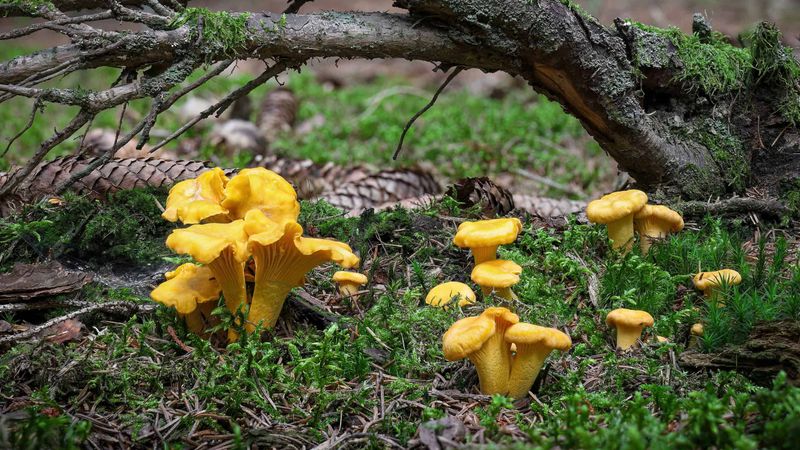
Curiosity can turn to appetite faster than you expect, so let me be blunt. Do not taste or eat this find.
Some Auricularia species are considered edible, and a Missouri Department of Conservation field guide describes wood ear that way. That general fact does not make your particular specimen safe.
Appearance and an online guess are not enough to tell. Arizona poison experts treat wild mushrooms as unsafe to eat because they can be hard to tell apart.
Skip any talk of health benefits for a yard find, too. A fungus on a branch is not a medicine.
If someone may have eaten any of it, call 1-800-222-1222 promptly. Do not wait for symptoms to appear.
Take photos, leave the ear where it is, and let curiosity stay on the looking side. Some mysteries are best admired from a safe distance.