Where Arizona Homeowners Find Hidden Underground Wasp Nests Before Fall Yard Work Digs Them Up
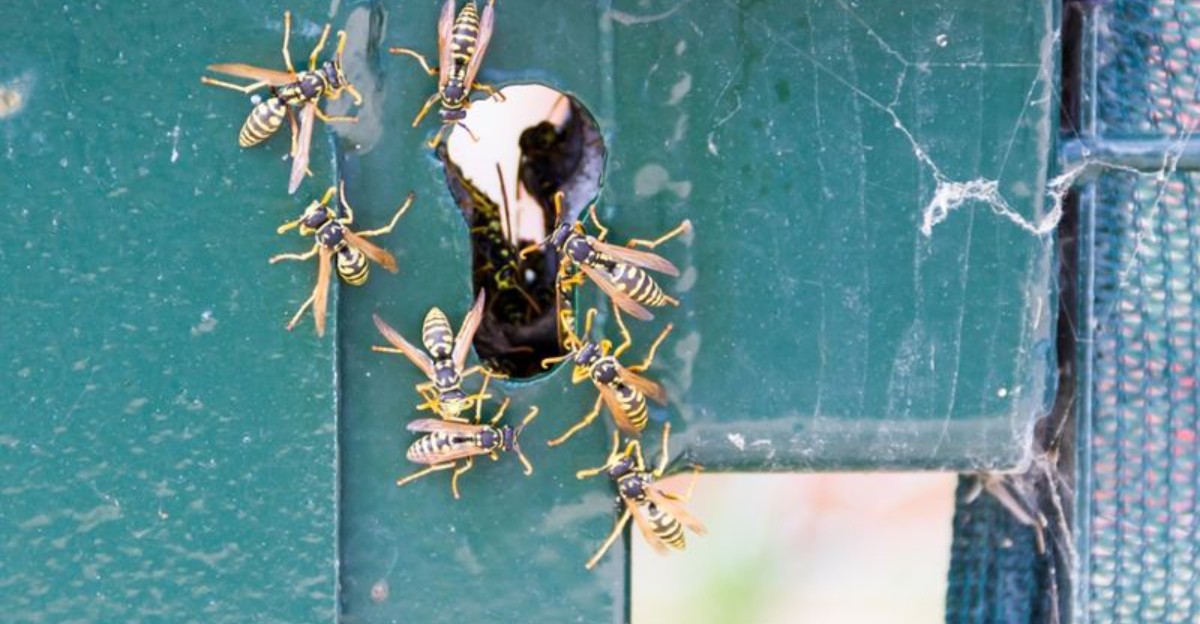
Every fall, Arizona homeowners grab shovels, fire up mowers, and start trimming back the yard after the brutal summer heat breaks. What most people don’t realize is that a social yellowjacket colony can be quietly living underground in that same yard, completely out of sight until a shovel or mower wheel rolls right over the entrance.
The colony doesn’t announce itself with a visible mound or obvious warning sign, which makes a quick scan before yard work one of the smartest safety habits a desert homeowner can build.
The real fall-yard threat is a hidden yellowjacket colony
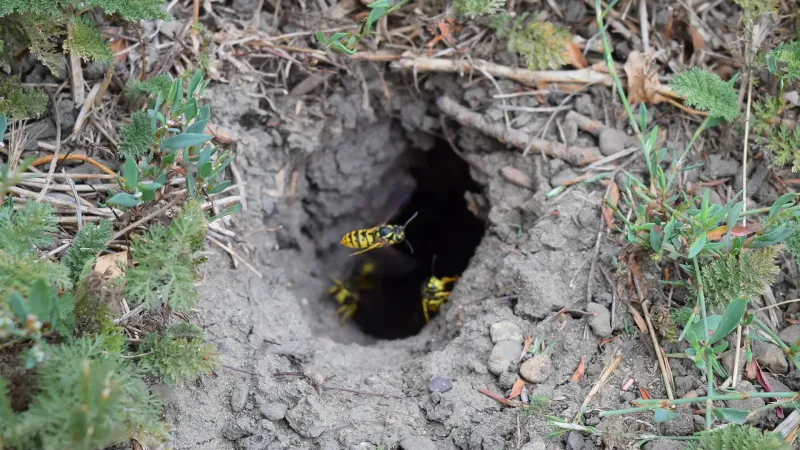
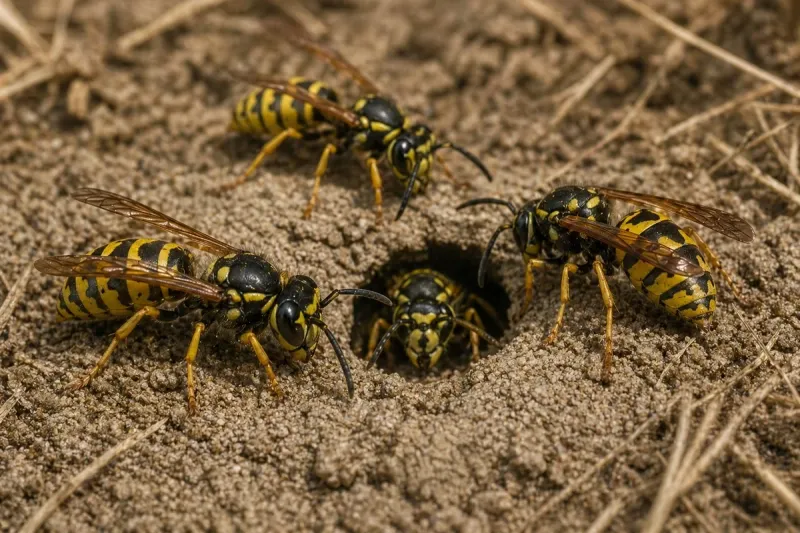
Most people picture a paper nest hanging from a porch eave when they think of wasps, but the hazard most likely to surprise a fall yard worker in Arizona is underground. Western yellowjackets commonly establish colonies inside abandoned rodent burrows, using the existing tunnel as a ready-made shelter.
According to University of Arizona Cooperative Extension guidance on paper wasps and yellowjackets, these wasps may also occupy wall voids, crawlspaces, and other protected cavities, which means the colony can be tucked inside a structure just as easily as it can be buried in open ground.
What makes this hazard different from a paper-wasp nest you can spot from the porch is that the underground entrance often looks like nothing more than a plain hole in the soil. A shovel, a mower wheel, or even a heavy footstep near that opening can send vibrations into the nest and trigger a defensive response from dozens or hundreds of workers at once.
That reaction is not random aggression; yellowjackets are protecting a communal colony, and disturbance near the entrance is the trigger.
Later in the season, colonies are larger and food sources like insects become harder to find, so foragers range more widely and workers can be quicker to respond to disturbance near the nest. This doesn’t mean every yellowjacket you see in October is on the verge of attacking, but it does mean that fall yard work near a hidden colony deserves more caution than the same task in early summer when the nest was smaller and less established.
Old burrows and protected cavities deserve a distant scan
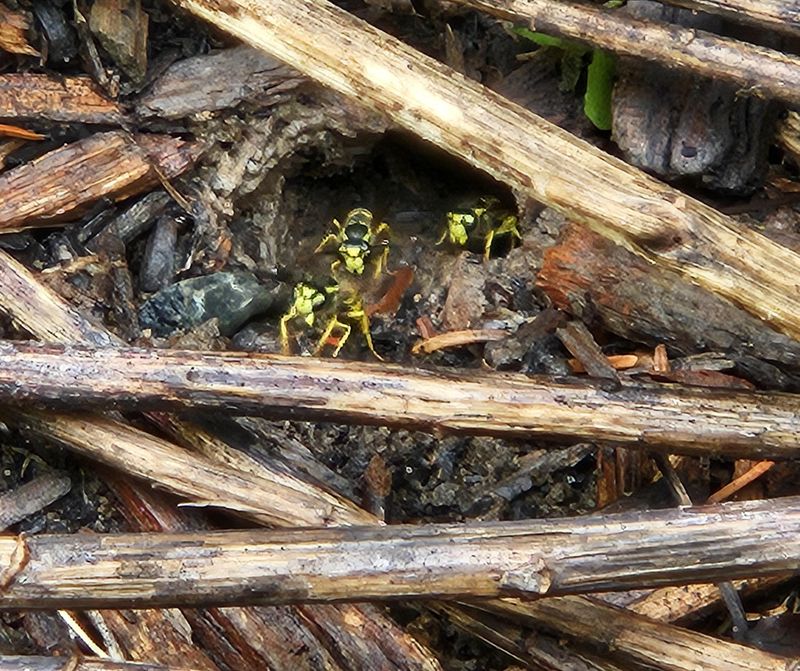
Before pulling out a shovel or rolling in a mower, take a few minutes to walk the work area slowly and scan from a comfortable distance. The spots most worth your attention in a low-desert yard are old rodent burrows, gaps beneath or beside logs, and any sheltered cavity at ground level where a small colony could settle in without being disturbed through summer.
These locations offer the shade and protection that yellowjackets prefer, and an abandoned packrat or ground-squirrel burrow is particularly attractive because the tunneling work is already done.
Wall voids, crawlspace vents, and gaps where irrigation lines enter a structure are also worth checking from a distance, since yellowjackets are not limited to open ground. A colony that started in a protected soil cavity can sometimes extend deeper or branch in directions that are not visible from the surface entrance.
Your Arizona Garden Changes Every Week. Your Plan Should Too.
Gardening in Arizona changes quickly throughout the season. Every Friday you’ll receive a simple weekly plan showing exactly what to plant, prune, fertilize, harvest, and protect so you never miss the right timing.
UC IPM notes that the visible hole at the surface may not reveal how far the nest actually extends below ground, so what looks like a small opening could be the front door to a much larger structure.
Scanning doesn’t mean getting close. Stay well back, use the shade of a patio or structure if possible, and give your eyes a full minute or two to pick up movement.
You are looking for repeated, purposeful insect traffic at a specific point, not just a wasp or two drifting over the yard. Treat every unidentified ground opening in a high-traffic work zone as worth a moment’s attention before anyone brings in tools or equipment.
Repeated traffic at one opening is the strongest warning sign
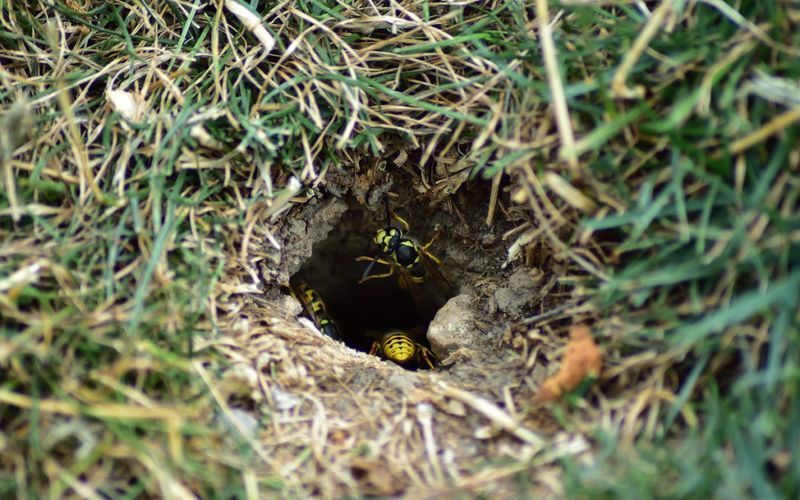
Watching for movement is the most reliable tool a homeowner has before touching a suspected area. A yellowjacket colony with workers coming and going will show a pattern that is hard to miss once you know what to look for: multiple insects entering and exiting the same specific point in the ground, usually in a steady, purposeful stream rather than random drifting.
That repeated use of one shared entrance is the clearest behavioral indicator that a social colony is present.
Contrast that with what you might see around a solitary wasp’s burrow, where a single insect may hover, land, dig briefly, and leave without other insects joining at the same hole. A single wasp flying low over a patch of bare soil, or occasional insects passing through the yard, does not confirm a colony beneath that spot.
UC IPM guidance on yellowjackets and social wasps is clear that a hole alone is not proof of a yellowjacket nest; the traffic pattern is what matters.
Observe from a safe distance and resist the urge to crouch down for a closer look or poke the area with a stick. Arizona pest-management guidance recommends staying at least 10 feet away from any suspected activity, treating that distance as a practical minimum rather than a guarantee of safety.
If you notice steady two-way traffic at a ground opening, back away calmly, keep others clear of the area, and treat the spot as a confirmed risk until a professional can assess it.
Not every ground hole belongs to a defensive colony
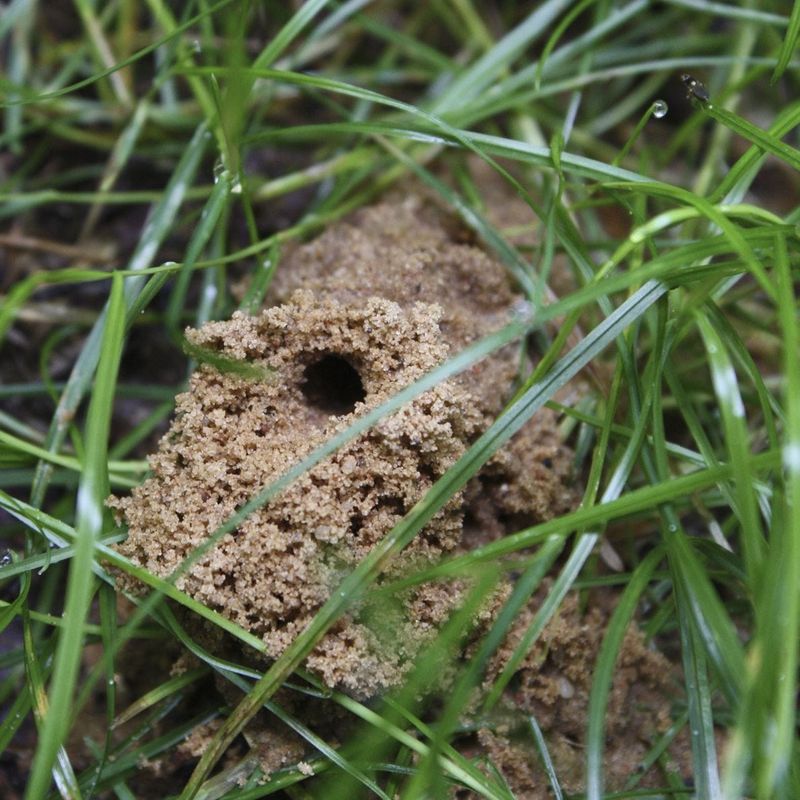
Arizona soil is full of insects that dig, and not every hole or bare patch in a yard points to a yellowjacket colony. Solitary digger wasps and sand wasps are common in the low desert, and they create individual burrows where a single female provisions a chamber with prey for her larvae.
These wasps work alone; there is no shared communal nest to defend, and they rarely if ever sting unless physically handled. A cluster of small holes scattered across a sandy patch is far more likely to be a neighborhood of solitary nesters than one large aggressive colony.
The behavioral difference is the key to telling them apart from a safe distance. According to University of Minnesota Extension guidance on solitary wasps, these insects tend to show individual, intermittent activity at separate holes rather than the steady, two-way worker traffic that signals a communal yellowjacket nest.
If you see many small openings with one wasp occasionally visiting each one, that pattern suggests solitary nesters rather than a social colony.
Size and dramatic appearance are not reliable guides for identification in Arizona. Large native wasps like cicada killers and spider wasps can look imposing but are generally not a communal-defense threat.
University of Arizona Extension specifically cautions against using size or striking appearance alone to classify Arizona wasps as dangerous. When identification is uncertain, the safest approach is to avoid close inspection entirely and consult a professional rather than making a judgment call based on how a wasp looks from across the yard.
A suspected nest should change the work plan
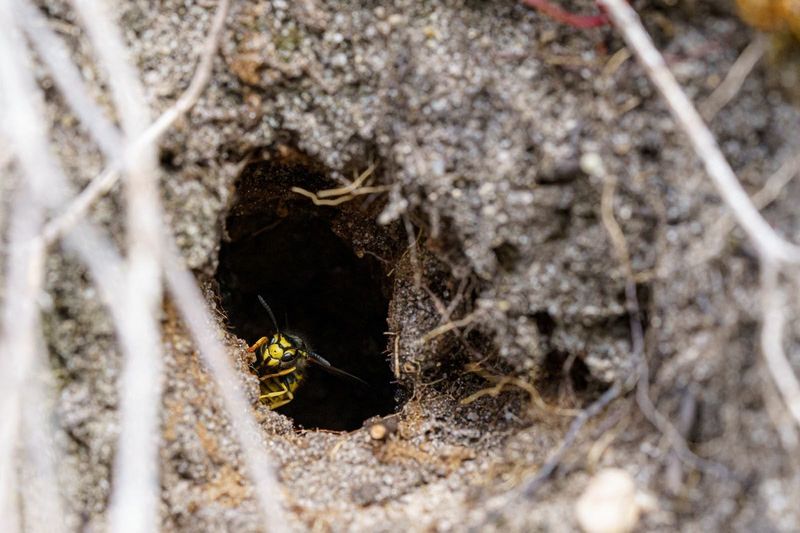
Spotting what looks like active wasp traffic at a ground opening means the work plan for that area needs to stop immediately. Move away from the spot calmly, avoid sudden movements, and put as much distance between yourself and the opening as practical.
Arizona pest-management guidance sets 10 feet as a practical minimum for staying clear of suspected activity, but terrain, wind, and nest size can all affect how far workers travel when disturbed, so more distance is always better when conditions are uncertain.
Keep everyone out of the zone. Children, pets, other gardeners, and any contractors or landscaping crews should be directed away from the area before work resumes anywhere nearby.
If the work zone needs a warning so others don’t wander in, use an existing barrier you can put in place from a safe distance, such as a trash can, a garden chair, or a length of rope tied between two fixed points that you can reach without approaching the nest. Do not walk up to the suspected entrance just to mark or cordon it off; if closer access is genuinely necessary, that task belongs to a professional.
Under no circumstances should anyone mow over the opening, dig into the surrounding soil, collapse the entrance, or pour any liquid into the hole. These actions agitate the colony without neutralizing it and put the person doing them at serious risk of a multi-insect attack.
The work plan for that section of the yard should remain on hold until the insect is identified and a qualified person has assessed whether treatment is needed.
Underground nest treatment is not a simple spray job
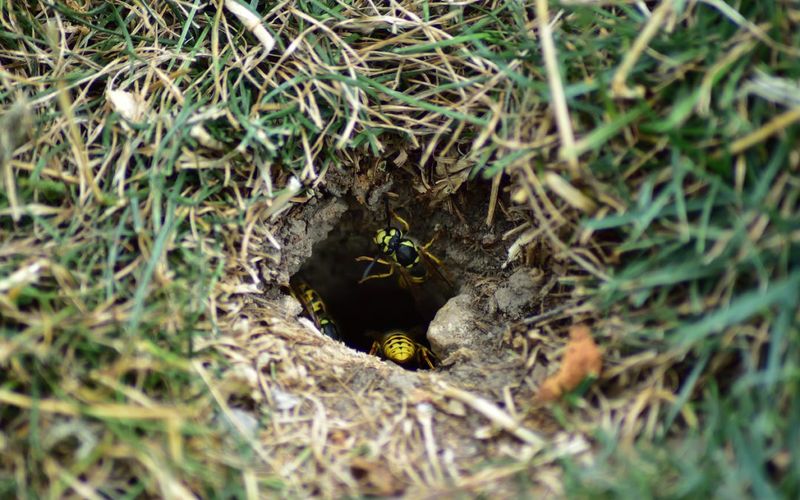
An active yellowjacket colony near a doorway, play area, walkway, work zone, or any other spot where people or pets move regularly is a situation that calls for professional treatment rather than a homeowner fix. The reason goes beyond personal safety during application.
Underground nests can extend well away from the visible entrance, and a spray applied at the surface opening may not reach the colony at all.
UC IPM warns specifically that underground nests are often located at a distance from their entrance, that sprays may not penetrate far enough to contact the colony, and that wasps can remain active and defensive even after a treatment attempt. That means a homeowner who sprays the visible hole at night, which is commonly suggested online, may agitate the colony without eliminating it and face an active nest the next morning.
Gasoline, boiling water, vinegar, dish soap, and similar household mixtures carry the same problem and add their own hazards, including burns, toxic fumes, and fire risk.
When a pesticide is the chosen approach, the product must be specifically labeled for the intended use against yellowjackets or the relevant wasp species. The EPA requires that pesticides be used only in ways consistent with their labeling, and the label governs application method, protective equipment, environmental precautions, and reentry timing.
A professional pest-management company brings the right equipment, appropriate products, and the experience to treat a colony that may be deeper or more extensive than the surface suggests. For an established, inaccessible, or high-traffic nest, professional removal is the safest default.
If an attack starts, leave first and watch for emergency symptoms
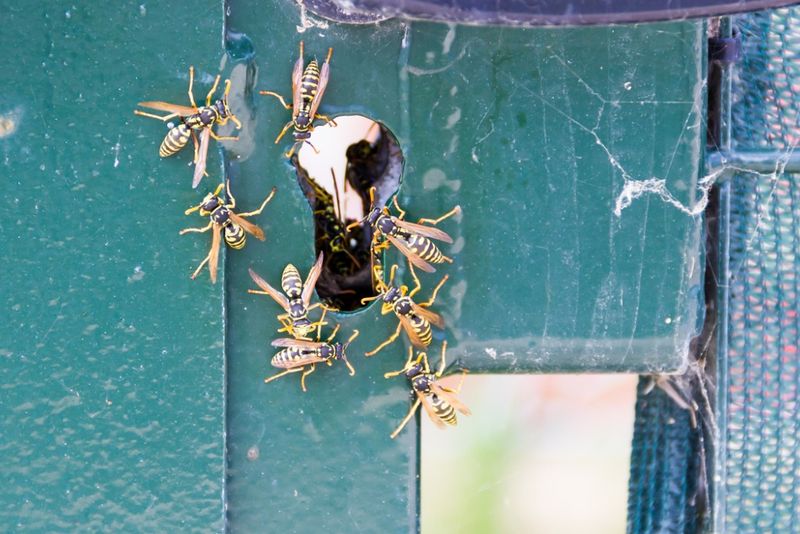
Accidentally disturbing a yellowjacket colony means multiple stinging insects can respond within seconds. The right move is to leave immediately without stopping to swat at individual wasps.
Swatting agitates them further and can provoke more stings; the goal is simply to get away as fast as possible. Cover your face with your arm or clothing as you move, since wasps will target the head and face, and head straight for an enclosed space, a house, a vehicle, or any solid structure that puts a barrier between you and the colony.
Do not jump into a swimming pool as an escape strategy. Wasps will wait at the surface, and staying submerged long enough to outlast them is not realistic.
Getting indoors is the clear priority. Once inside, CDC guidance on protecting workers from stinging insects recommends washing each sting site with soap and water and applying a cold compress to reduce swelling and discomfort.
After that, monitor carefully for signs of a systemic reaction. Trouble breathing, swelling of the throat or tongue, dizziness, widespread hives, vomiting, or faintness are all signs that require emergency medical care right away, not a wait-and-see approach.
A reaction like this can develop quickly and escalate without warning. People who already know they have a venom allergy should use their prescribed epinephrine auto-injector as directed and still call 911 or go to an emergency room immediately, because epinephrine buys time but does not replace emergency treatment.
The American Academy of Allergy, Asthma and Immunology notes that anyone who has had a systemic reaction to a sting should discuss venom immunotherapy with an allergist.
Scan first, then decide whether the area needs help
Fall yard work in Arizona goes more safely when it starts with two or three minutes of calm observation before any tools come out. Scan the planned work area from a comfortable distance, look for repeated insect traffic at any ground opening, and treat that pattern as a reason to stop and get qualified help rather than press forward.
A single wasp or occasional activity over soil is not the same signal as a steady stream of workers using one shared entrance.
Solitary or out-of-the-way wasps that pose no threat to people or pets can simply be left alone. Arizona Cooperative Extension notes that social wasps, including yellowjackets, provide real predatory benefits and that removal is most justified when a nest is genuinely near a high-traffic area.
The homeowner’s job before fall digging is to tell the difference between a hazard that needs professional attention and a harmless neighbor that deserves a wide berth. A careful look from a distance is usually enough to know which one you’re dealing with.