Don’t Miss The Best Window To Propagate Hydrangeas In Michigan This Spring
Spring moves fast in Michigan, and the window for propagating hydrangeas is one of those seasonal opportunities that closes before most gardeners realize it opened.
Getting new hydrangea plants from cuttings taken at the right moment is genuinely straightforward, but timing matters more than most propagation guides make clear.
Too early in spring and the new growth is too soft to handle the process well. Wait too long and the stems harden off and root much more reluctantly.
That sweet spot in between is where successful cuttings happen consistently, and in Michigan it shows up and passes within a few weeks. The payoff for hitting that window is real.
A single established hydrangea can produce multiple cuttings that root into full plants within one season, expanding a garden bed or filling new space without spending anything at a garden center.
If you have been thinking about multiplying the hydrangeas already growing in your yard, right now is the time to pay attention.
1. Bigleaf Hydrangeas Root Best From Softwood Cuttings In Late Spring
Few hydrangeas turn heads quite like the bigleaf variety, with its bold clusters of pink, blue, or purple blooms that practically define a Michigan summer garden.
Hydrangea macrophylla is a showstopper, but it does have specific preferences when it comes to propagation.
Getting the timing right makes all the difference between a cutting that roots quickly and one that simply struggles.
In Michigan, late May into June is your sweet spot. By then, fresh green stems are flexible and full of energy, but they are not so soft that they collapse when you handle them. That balance is exactly what you want when selecting stems for cuttings.
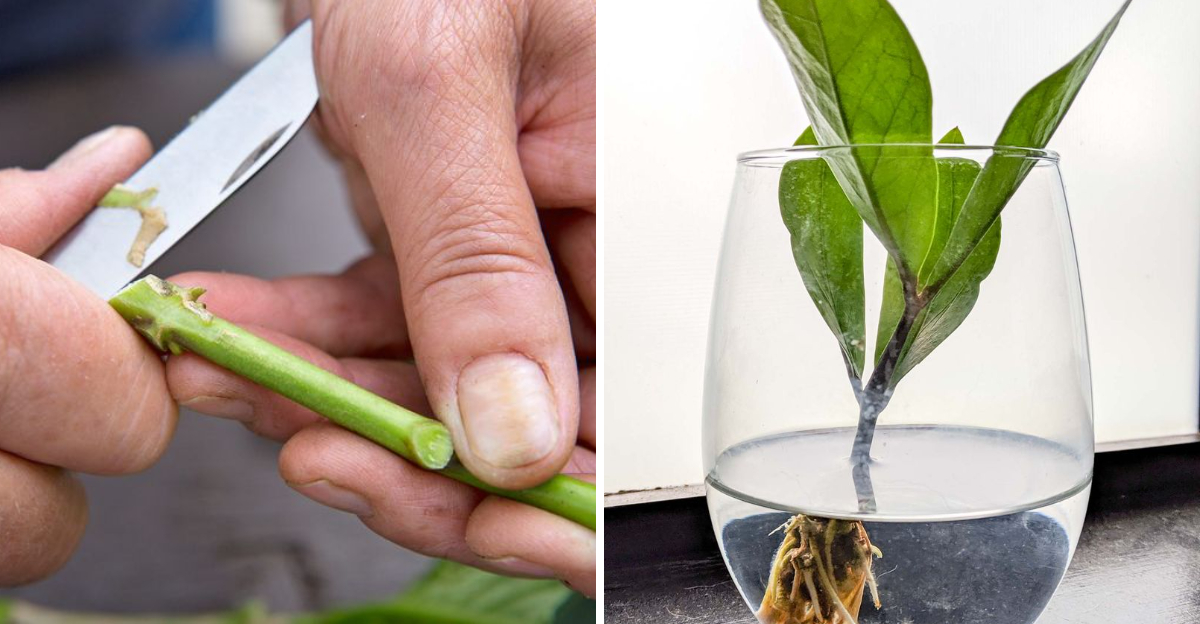
Take cuttings that are four to six inches long and come from non-flowering shoots. Remove the lower leaves, leaving just a pair at the top.
Place your cuttings into a moist, well-drained propagation mix and cover them with a humidity dome or a clear plastic bag to hold in moisture.
Bright indirect light and consistently warm temperatures will encourage rooting over the next few weeks. Avoid direct sun, which can stress the cuttings before roots form.
Michigan gardeners who follow this method often see strong root development within three to five weeks, giving them healthy new plants ready to transplant by late summer.
2. Panicle Hydrangeas Are Among The Easiest To Propagate In Spring
If you have ever wanted a nearly foolproof propagation project, panicle hydrangeas are your answer. Hydrangea paniculata is widely loved across Michigan for its cone-shaped flower clusters and its remarkable toughness through cold winters.
What many gardeners do not realize is that it is also one of the easiest hydrangeas to root from cuttings.
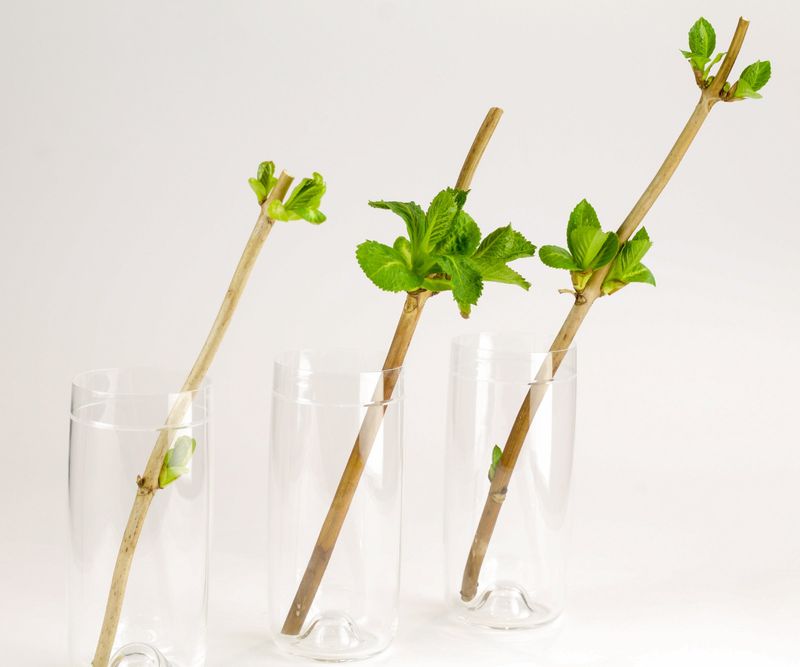
Timing your cuttings for late spring to very early summer works best here. Wait until strong new growth has pushed out from the plant after the season warms up.
Those vigorous green stems are packed with the energy needed to form roots quickly once they are placed in propagation mix.
Your Michigan Garden Changes Every Week. Your Plan Should Too.
Gardening in Michigan changes quickly throughout the season. Every Friday you’ll receive a simple weekly plan showing exactly what to plant, prune, fertilize, harvest, and protect so you never miss the right timing.
Choose stems that are actively growing but have not yet started to form flower buds. Softwood cuttings from these shoots root far more reliably than older, woodier material.
A light dusting of rooting hormone powder on the cut end can give your cuttings an extra boost, though many Michigan gardeners find panicle hydrangeas root well even without it.
Keep the propagation tray in a warm spot with indirect light and check moisture levels daily.
Panicle hydrangeas are forgiving compared to some other varieties, which makes them a great starting point for anyone trying propagation for the first time. By midsummer, you could have several new plants ready for your Michigan landscape.
3. Smooth Hydrangeas Root Well From Spring Softwood Growth
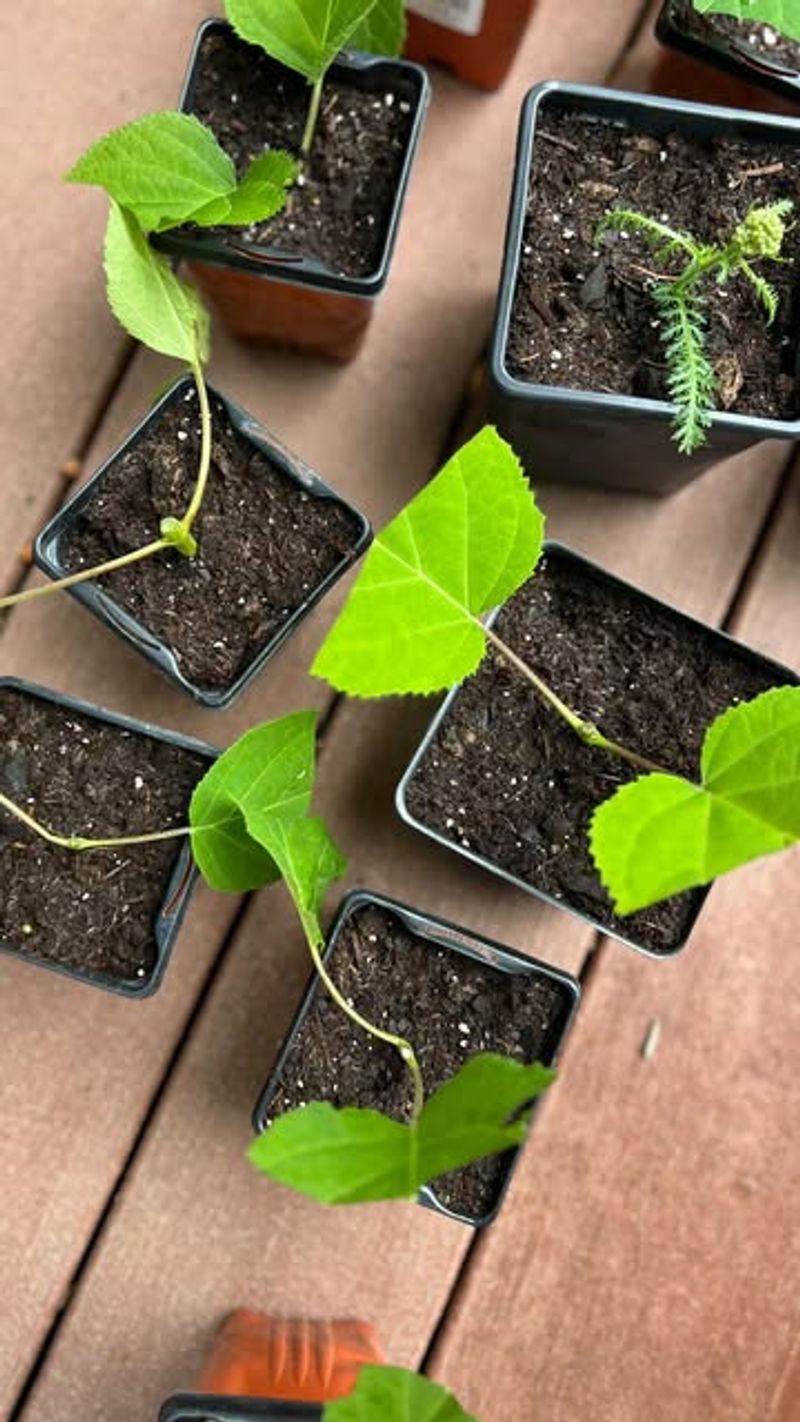
There is something wonderfully reliable about smooth hydrangeas. Native to North America and perfectly at home in Michigan’s climate, varieties like the beloved ‘Annabelle’ produce enormous white flower heads that light up a shaded garden bed.
They are also surprisingly easy to propagate, which is great news for anyone wanting more of them without the nursery price tag.
Late May through June is the ideal window for taking softwood cuttings from smooth hydrangeas in Michigan. By that point, fresh stems are actively growing and full of moisture, which helps them root quickly once they are in propagation mix.
The key is to catch the growth before stems start turning woody and firm. Select shoots that are green and pliable, roughly four to five inches long, and free from flower buds. Trim away the lower leaves and make a clean cut just below a leaf node.
Placing the cutting in a moist, well-draining mix and covering it to hold humidity creates the ideal rooting environment.
Smooth hydrangeas appreciate steady moisture without being waterlogged, so check your propagation tray often. Michigan’s warm June temperatures create nearly perfect conditions for these native shrubs to establish new roots.
Many gardeners are pleasantly surprised at how fast ‘Annabelle’ cuttings take hold, often showing resistance to wilting within the first week as roots begin forming.
4. Oakleaf Hydrangeas Need Slightly More Patience To Root
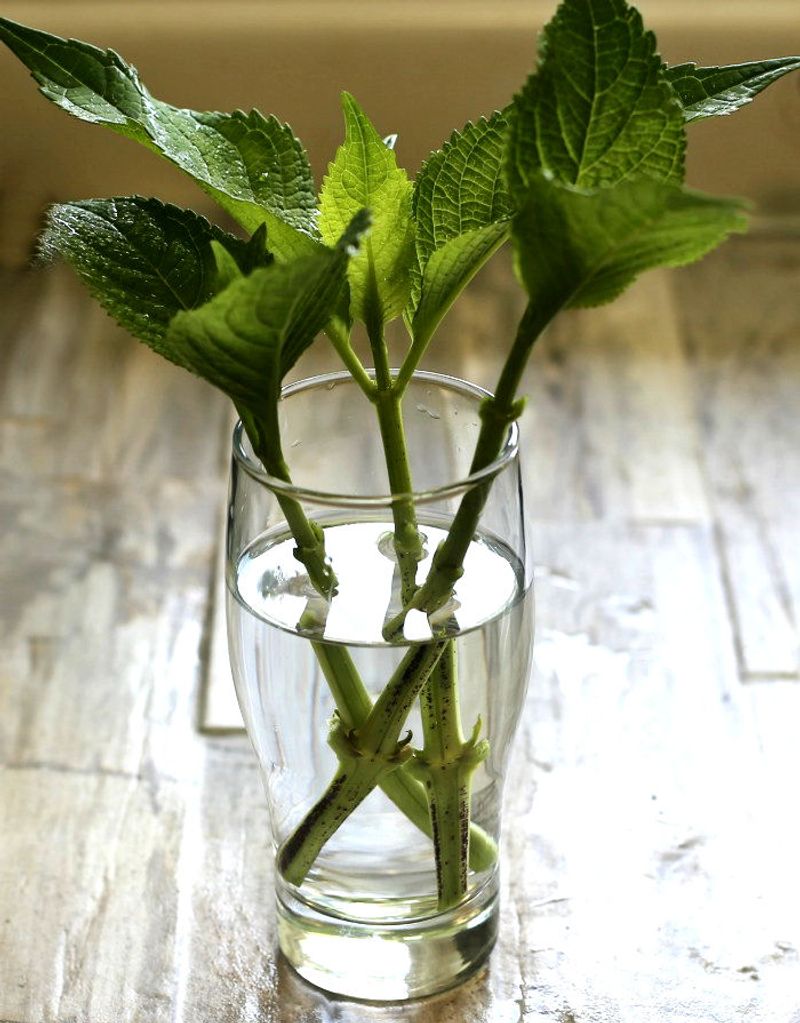
Oakleaf hydrangeas bring something truly special to a Michigan garden. Their distinctive lobed leaves turn a brilliant red and orange in fall, and their long white flower clusters are stunning all summer long.
Propagating them, however, requires a bit more patience than their smooth or panicle cousins, so knowing what to expect going in makes the whole process much less frustrating.
Late spring is still the right time to attempt propagation, but oakleaf hydrangeas tend to root more slowly than other types. Fresh non-flowering shoots taken in late May or early June give you the best chance of success.
The stems need to be soft and actively growing, not beginning to harden into woody material yet.
Maintaining high humidity around your cuttings is especially important with this species. A humidity dome, plastic bag tent, or even a clear plastic container placed over the tray works well.
The goal is to prevent the cutting from losing moisture before roots have a chance to form, since oakleaf hydrangeas are more sensitive to drying out during the rooting process.
Avoid overwatering, which can cause stem rot before roots develop. Michigan gardeners should expect rooting to take four to seven weeks with this species.
Patience really does pay off here, because once oakleaf hydrangeas establish, they become some of the most striking and long-lived shrubs in any Michigan landscape.
5. Climbing Hydrangeas Are Usually Better Layered Than Cut
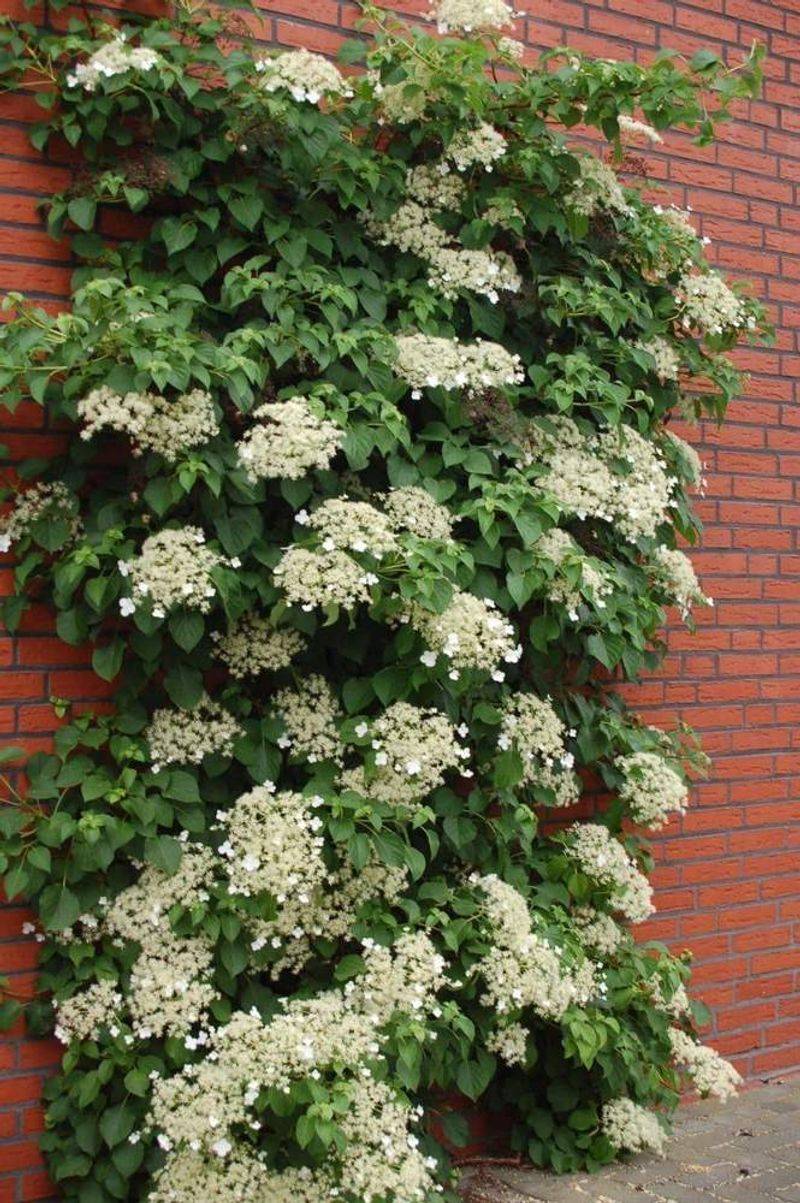
Climbing hydrangeas are one of those plants that reward patience with breathtaking results. Hydrangea anomala subsp. petiolaris can scale walls, fences, and tree trunks, covering them with flat white flower clusters every summer.
But when it comes to propagation, this species plays by its own rules, and Michigan gardeners should know those rules before diving in with cuttings.
Spring cuttings from climbing hydrangeas are possible, but they root slowly and less reliably compared to other hydrangea types. Rather than fighting that tendency, many experienced gardeners in Michigan use a technique called layering instead.
It is simpler, requires less monitoring, and produces strong-rooted plants with far less effort.
To layer a climbing hydrangea, choose a low-growing stem that can be bent down to touch the soil without straining. Bury a section of that stem about two inches deep in moist garden soil while it is still attached to the parent plant.
A small stone or wire pin can hold it in place while roots develop over several weeks.
Once the buried section has rooted firmly, you can cut it free from the parent plant and transplant it to its new home. Michigan springs and summers provide plenty of warmth and moisture to support this process.
Layering gives climbing hydrangeas the stability they need to develop strong roots before facing life on their own in your garden.
6. Michigan Timing Matters More Than Calendar Dates
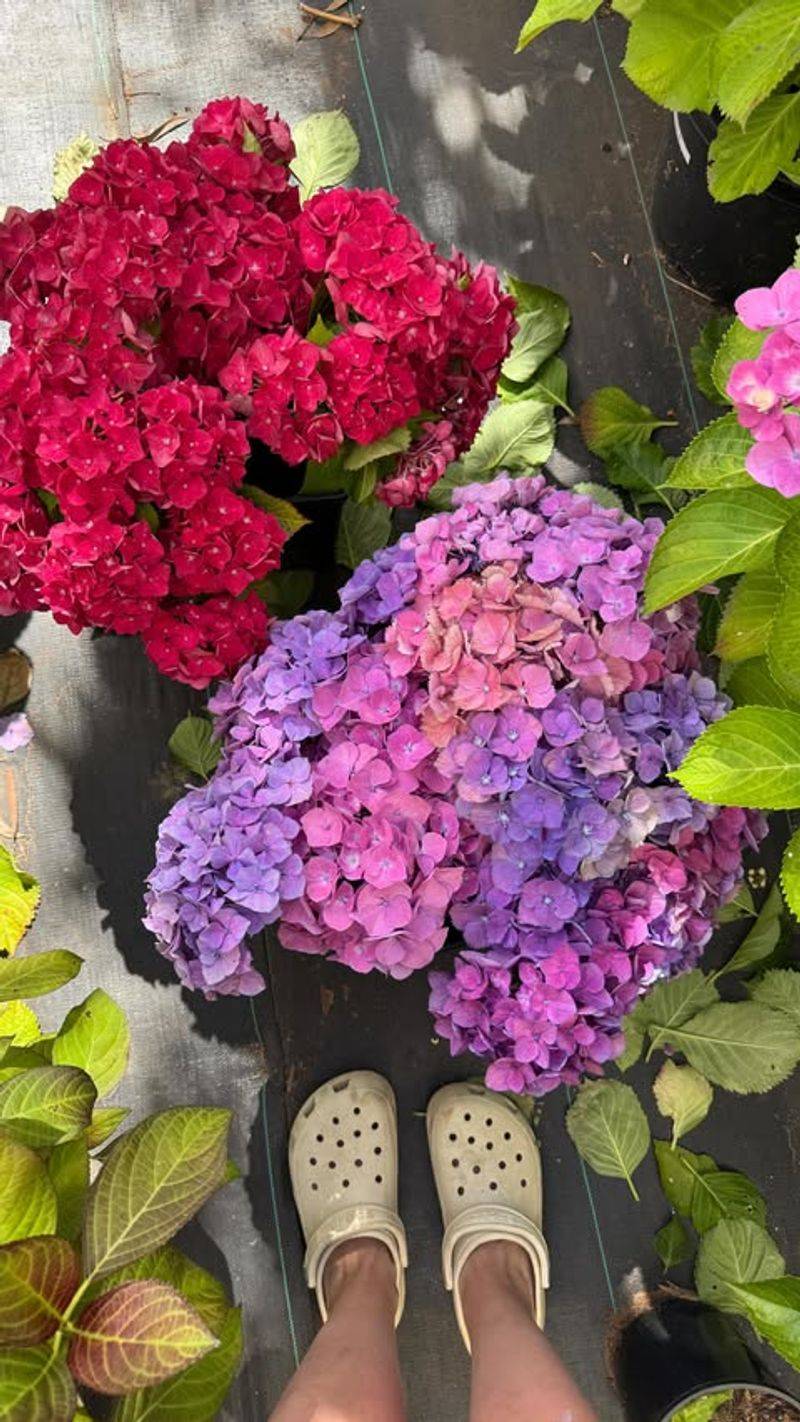
One of the biggest mistakes Michigan gardeners make is trusting the calendar over the plant. Pinning your propagation plans to a specific date like May 15th sounds organized, but Michigan springs are notoriously unpredictable.
A late frost or a cold, wet April can push ideal propagation conditions well into June, and that is perfectly fine as long as you know what to look for.
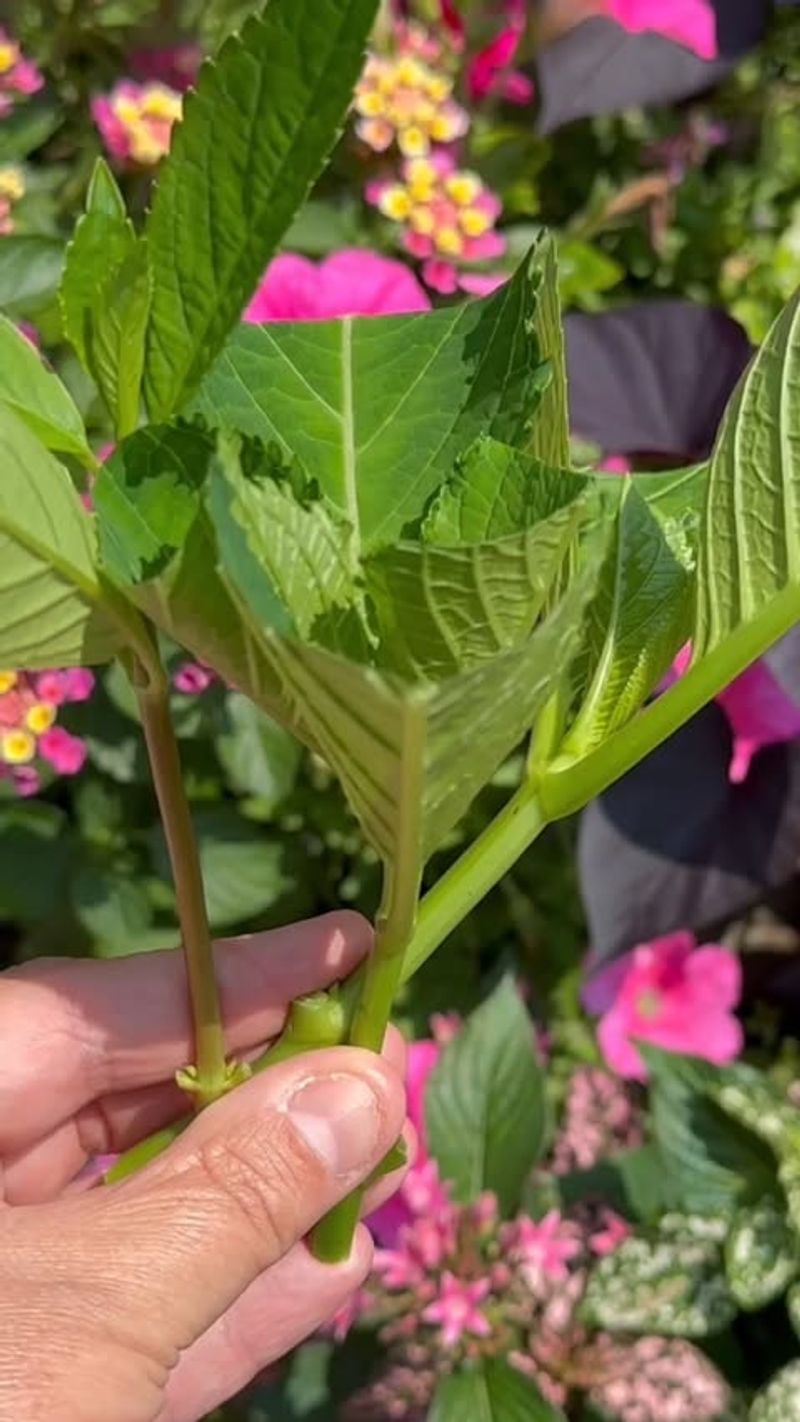
The real signal is the plant itself, not the date on your phone. You want stems that are actively growing, clearly green, and flexible enough to bend gently without snapping.
If a stem bends easily and springs back slightly, it is ready. If it collapses completely or snaps with no resistance, the timing is off in one direction or the other.
Michigan’s Upper Peninsula and northern Lower Peninsula often run two to three weeks behind the southern part of the state in terms of plant development.
Gardeners near Grand Rapids or Detroit may be taking cuttings while those near Traverse City or the UP are still waiting for ideal growth.
Matching your timing to local conditions is far more effective than following a general gardening calendar.
Watching your hydrangeas closely each spring builds the kind of intuition that no article can fully replace.
Once you have successfully propagated a few batches, you will start recognizing that perfect window almost instinctively, and your success rate will climb noticeably year after year in your Michigan garden.
7. Morning Harvest Gives Your Cuttings A Head Start
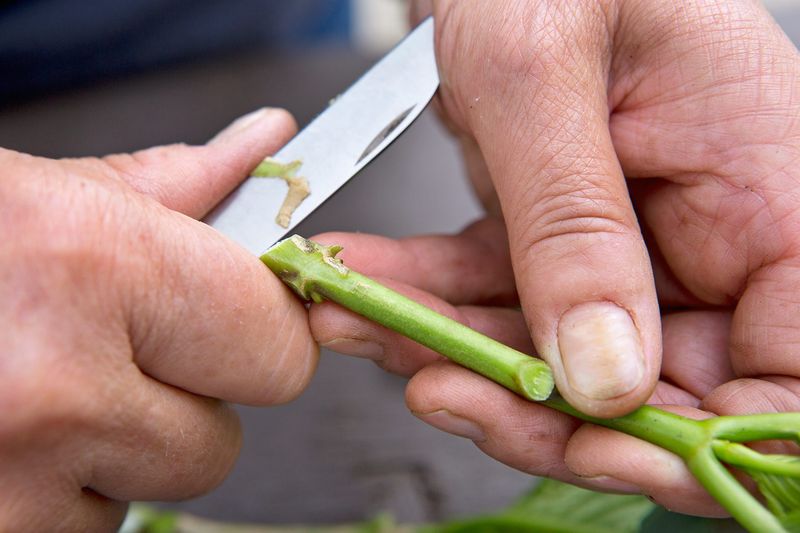
Timing your cutting session to early morning might sound like a small detail, but it genuinely changes your results. Plants are at their most hydrated right after a cool night, before the afternoon sun pulls moisture out of their leaves and stems.
That extra hydration gives your cuttings a stronger start the moment they are removed from the parent plant.
Michigan mornings in late May and June are often cool and dewy, which makes them ideal for this kind of garden work. Head outside before nine in the morning if you can, and bring a jar of clean water with you.
The moment you make each cut, place the stem directly into the water to prevent it from wilting before you get it into propagation mix.
Wilted cuttings struggle to recover, even under a humidity dome. The cells in a wilted stem have already experienced stress, and that stress slows down the rooting process significantly.
Keeping cuttings hydrated from the very first second gives them the best possible foundation for forming new roots.
Once you are back inside, prepare your propagation tray with moist mix before you even start trimming the cuttings to their final length. Working quickly and efficiently keeps the stems in peak condition.
Michigan gardeners who adopt this morning routine often report noticeably higher rooting success rates compared to taking cuttings later in the day.
8. High Humidity Matters More Than Any Rooting Trick
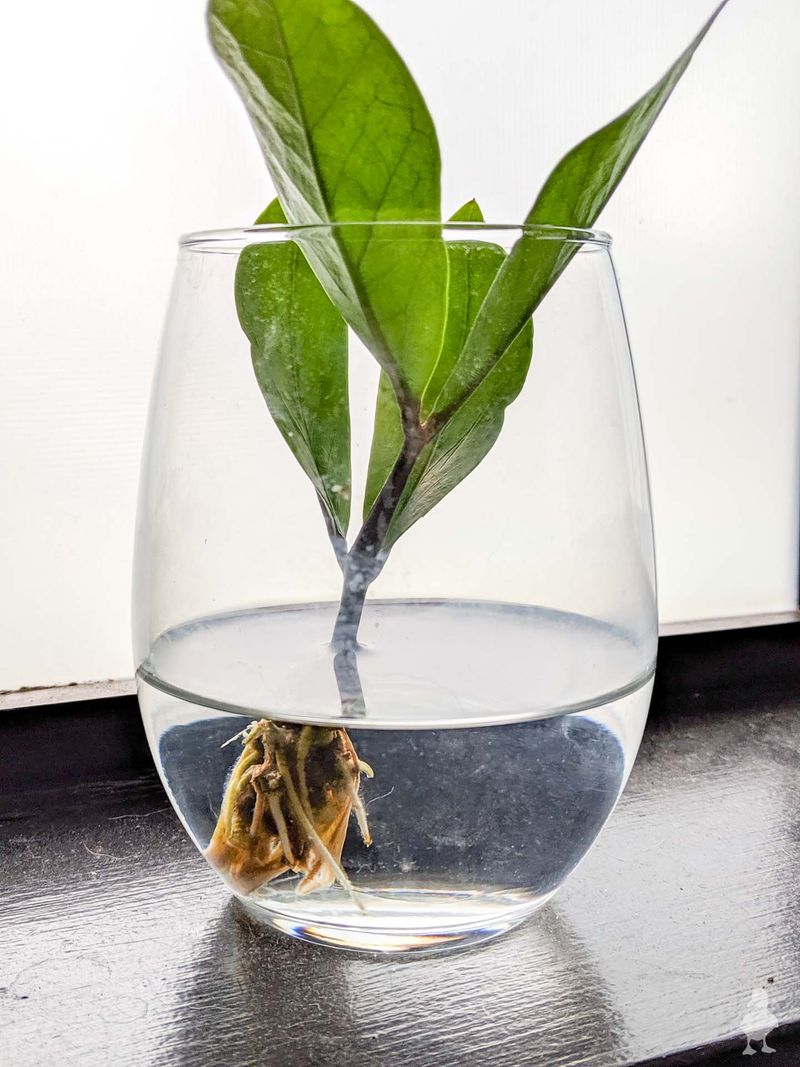
Browse any gardening forum and you will find all kinds of creative rooting tricks, from honey dipped stems to aspirin-infused water.
Some of these ideas are fun to try, but the truth is that none of them come close to the impact of simply maintaining proper humidity around your cuttings. Environment beats chemistry every time when it comes to rooting hydrangeas.
Hydrangea cuttings need high humidity to survive long enough for roots to form. Without it, the leaves lose moisture faster than the stem can compensate, and the cutting collapses before rooting can happen.
A simple plastic humidity dome, an inverted clear plastic bottle, or even a zip-lock bag propped over the tray creates the enclosed environment your cuttings need.
Pair that humidity with bright but indirect light and consistently warm temperatures between 65 and 75 degrees Fahrenheit. Michigan homes in late spring are often in this range naturally, which makes indoor windowsill propagation very practical.
Direct sunlight through glass can overheat the tray and stress the cuttings, so a spot near a bright window rather than directly in it works best.
Check the propagation mix every day or two and mist lightly if the surface feels dry. Proper moisture management and steady humidity create the conditions where roots form naturally and reliably.
Michigan gardeners who focus on environment over gimmicks consistently grow stronger, healthier hydrangea plants ready for the garden by late summer.