Georgia Homeowners Should Check Their Outdoor Faucets Before November’s First Freeze
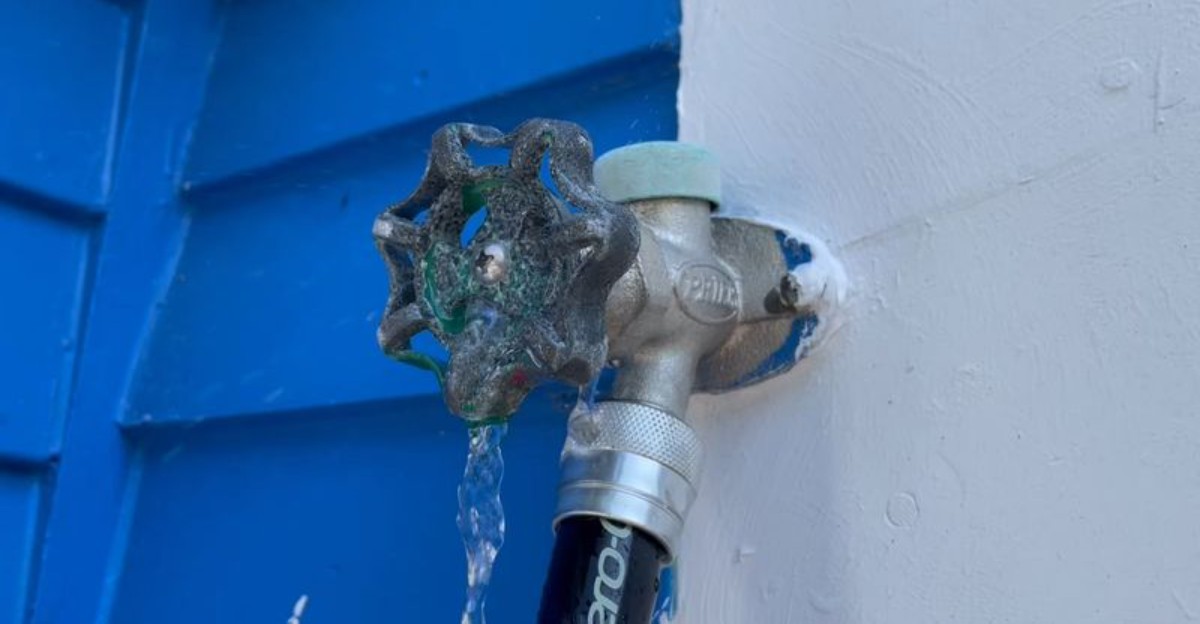
Outdoor faucets are easy to forget until a freezing night leaves you dealing with a plumbing problem. They sit outside through every season, and most homeowners rarely think about them unless they need to water plants or wash something down.
But a sudden temperature drop can turn an ordinary faucet into an expensive headache.
Water trapped inside exposed pipes can freeze and expand, sometimes causing damage that isn’t obvious until temperatures rise again.
In Georgia, November can bring the first freezing temperatures to some areas, especially in the northern part of the state. Even homeowners who rarely experience harsh winters should know which outdoor fixtures are vulnerable.
A faucet that worked perfectly all summer isn’t necessarily prepared for freezing weather.
Before the first cold night arrives, it’s worth checking your outdoor plumbing and understanding which precautions actually help. A little preparation now could spare you an unpleasant surprise later.
1. A Forgotten Garden Hose Can Cause Trouble During A Freeze
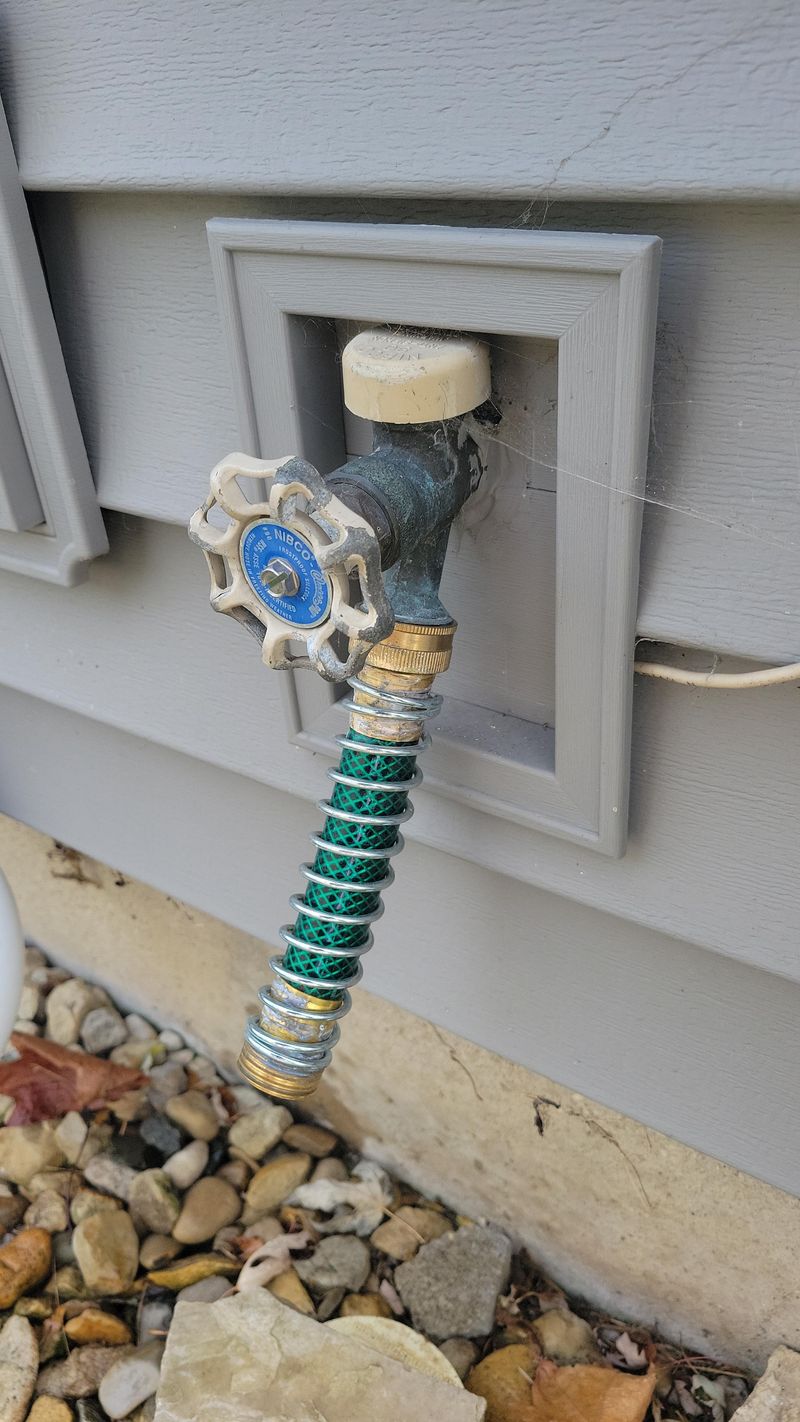
A hose left on the spigot looks harmless, but it can hold water right where the cold hits hardest. When temperatures drop low enough, that trapped water may freeze inside the hose and the faucet.
Ice takes up more space than liquid water, so it pushes outward on everything around it.
Sometimes the hose itself splits, which is annoying but cheap to replace. A bigger worry is the faucet and the short pipe behind it, especially where it passes through the wall.
Frost-free faucets are designed to drain after you shut them off, but an attached hose can keep water from draining out. Plumbers commonly point to this as a reason those faucets crack.
Damage does not happen every time a hose is left on during a cold night.
Whether a pipe cracks depends on how cold it gets, how long the cold lasts, and how exposed the faucet is. A light frost in coastal Georgia may pass with no harm, while a hard freeze can be a different story.
Cracks inside a wall can stay hidden until you turn the water on in spring.
At that point, water may leak into a crawl space, basement, or wall cavity before you notice. Taking the hose off now is a small chore that helps reduce that risk.
2. Disconnect Hoses Before Temperatures Drop Below Freezing
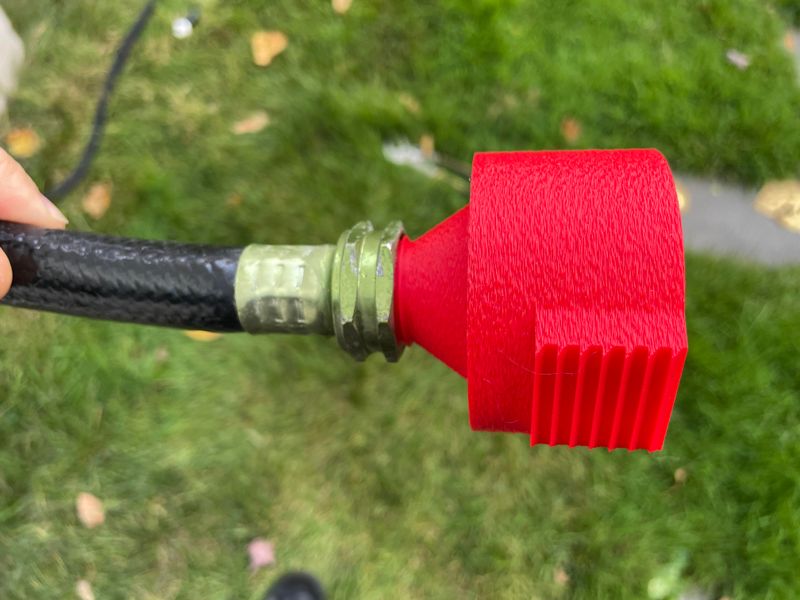
Timing matters more than most people think. Pulling the hose off on a mild afternoon is far easier than wrestling with it on a frosty morning.
Watch your local forecast as fall moves along, since cold fronts can arrive with little notice.
In north Georgia, freezing nights often show up earlier in the season than they do in Savannah or Valdosta. Mountain towns can see frost well before many lowland areas, so it helps to plan around your own location.
Once the hose is off, let it drain fully by stretching it downhill or lifting one end.
Coil it loosely and store it in a garage, shed, or basement if you have room. Keeping it out of the sun and cold can help it last longer.
Leaving the hose loose on the ground is better than leaving it attached. Still, a stored hose is less likely to crack and easier to find in spring.
Spray nozzles and hose timers deserve the same treatment.
Small plastic parts and battery-powered timers can hold water and may crack when frozen. Bring them inside and check the batteries before you put them away.
If you still need water for fall plantings, you can reattach the hose on warm days. Just make it a habit to remove it again before any night that looks close to freezing.
3. Check Outdoor Faucets For Leaks And Worn Washers
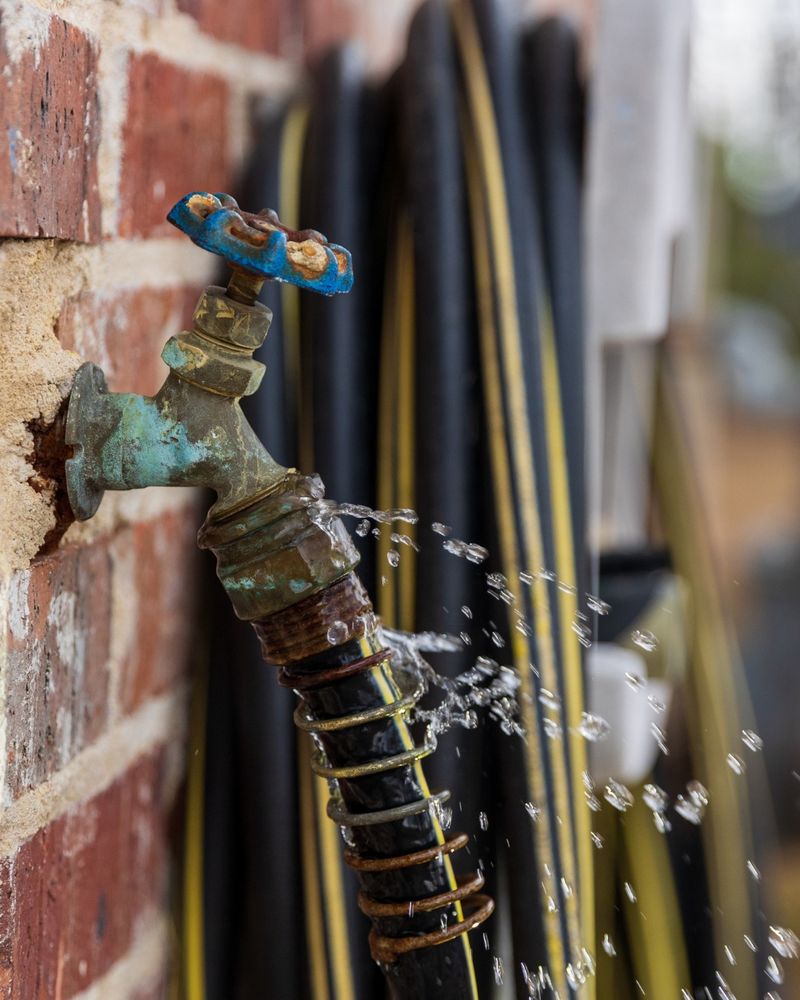
Drips tell a story. A faucet that keeps leaking after you close it often has a worn washer or a tired valve part inside.
Turn the handle off firmly and watch the spout for a minute or two.
Steady drips can matter more as winter approaches in Georgia. Water that keeps creeping into the spout may stay there long enough to freeze on a cold night.
Next, look at the area around the handle stem while the water is running.
Water seeping from behind the handle usually points to a loose packing nut or worn packing. Gently tightening that nut with a wrench sometimes stops the leak, but avoid forcing it.
Washers are inexpensive and sold at most hardware stores.
Shut off the water supply first if you plan to take the faucet apart. Bring the old washer to the store so you can match the size and shape.
Also check the wall around the faucet for stains, soft spots, or peeling paint. Those signs could mean a past leak, though moisture can come from other sources too.
Cracked faucet bodies or corroded pipes are better handled by a licensed plumber.
Fall is a good time to schedule that work, since plumbers tend to get busier after a hard freeze. Fixing small problems now can make winter prep much smoother.
4. Shut Off The Indoor Supply Valve If Your Home Has One
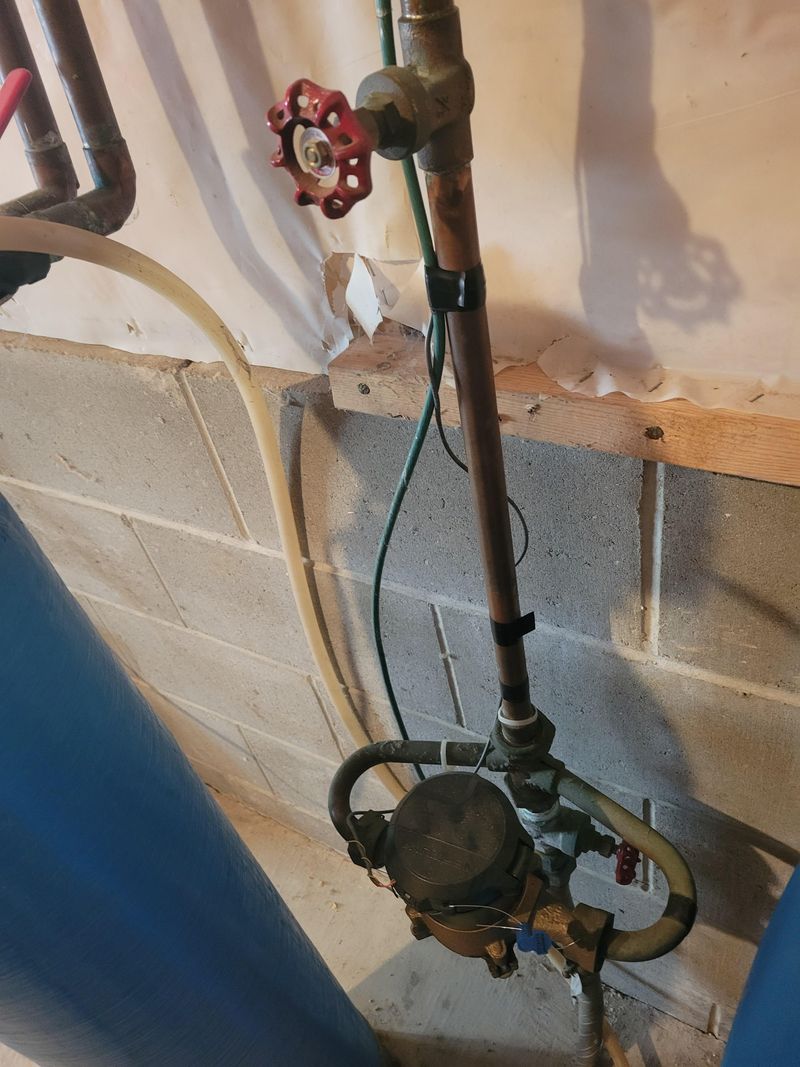
Not every house has one, but it is worth looking. Some homes have a separate shutoff valve that controls water to an outdoor faucet.
You may find it in a basement, crawl space, utility room, or under a sink near an outside wall.
Older Georgia homes and newer builds can differ quite a bit here. Some have a dedicated valve for each spigot, while others have none at all.
Follow the pipe from the faucet inside the wall if you can see it. A small handle or quarter-turn lever along that line is often the outdoor supply valve.
Turn that valve off before the first hard freeze.
Then go outside and open the faucet to let trapped water drain out. Some valves also have a small drain cap that releases water from the line between the valve and spigot.
Leave the outdoor faucet open through the winter if your plumber or valve design calls for it. That gives expanding water somewhere to go if any remains.
No valve at all? Your outdoor faucet may connect straight to the main line, especially if it is a frost-free style.
In that case, the other steps on this list become more important. A plumber can also add a shutoff valve if you want more control in future winters.
5. Drain Remaining Water From Exposed Outdoor Pipes
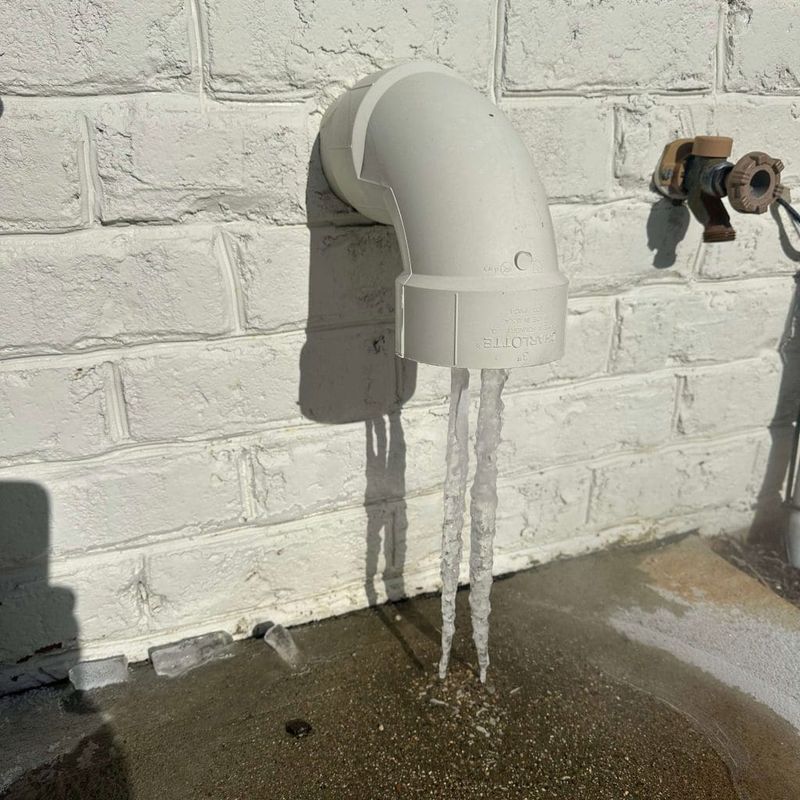
Exposed pipes take the brunt of cold air. Lines running along an outside wall, under a raised porch, or into a crawl space often freeze before buried ones.
After shutting off the supply, open every outdoor faucet on that line to let water escape.
Gravity does most of the work if the pipe slopes toward the spigot. Give it several minutes, and listen for dripping to slow down or stop.
Irrigation systems need attention too.
Many Georgia lawns use sprinkler systems with backflow preventers that sit above ground. Those devices can crack in freezing weather, so check your system manual or call an irrigation pro about winter steps.
Some systems are drained manually, while others are blown out with compressed air.
Compressed air can damage parts if done wrong, so that job is often best left to someone trained. Doing it yourself without the right setup is risky.
Pipes you cannot drain may benefit from foam pipe insulation.
Foam sleeves are easy to cut and slide over most straight pipe runs. They slow heat loss, though they do not fully prevent freezing during long, severe cold spells.
Close crawl space vents or cover them during a hard freeze if your home has them. Reopen them when warmer weather returns to keep moisture in check.
6. Insulated Faucet Covers Add Protection During Cold Weather
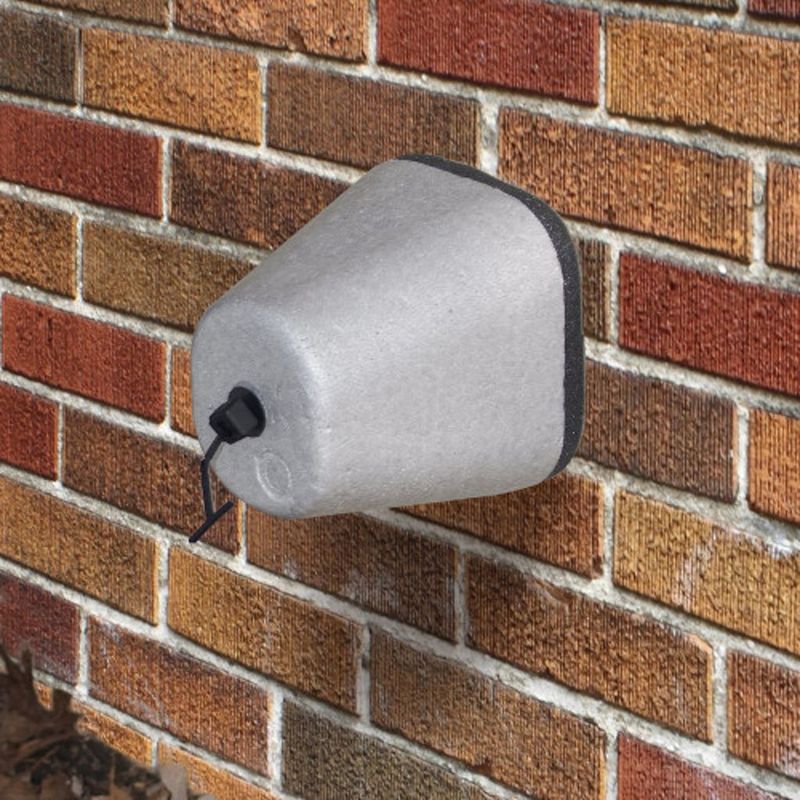
Picture a little foam hat for your spigot. That is basically what an insulated faucet cover is, and it costs only a few dollars at most hardware stores.
Most covers are hard foam domes or soft fabric pouches with a loop that hooks behind the faucet handle.
A tightening strap or screw pulls the cover snug against the wall. A good seal matters, because gaps let cold air reach the metal.
Covers work by trapping some heat that moves out from the house through the pipe.
They help most during short, moderate cold snaps, which are common across much of Georgia. During a long hard freeze, they may not be enough on their own.
Always remove the hose before putting a cover on.
A cover will not fit properly over an attached hose, and the hose can still trap water. Draining the faucet first gives the cover its best chance to help.
Check covers after windy storms. Foam domes can crack or slip, especially if they are a few years old.
Some homeowners wrap faucets with old towels and plastic bags in a pinch.
That can offer short-term help, but wet towels may hold moisture against the faucet. A properly fitted cover is usually the neater and more reliable choice for the season.
7. Frost-Free Faucets Still Need Their Hoses Removed Before Winter
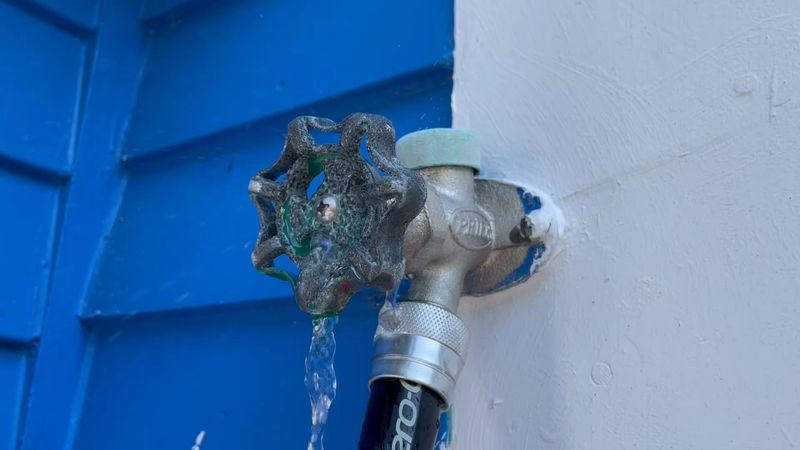
Frost-free does not mean freeze-proof. These faucets have a long stem that closes the valve inside the heated part of the house.
When you shut the handle, leftover water in the barrel is meant to drain out the spout.
That drainage only works if nothing blocks it. A connected hose can hold water in the barrel, where cold air can freeze it and crack the pipe.
Damage from this problem often stays hidden for months.
Homeowners may not notice until spring, when turning the faucet on sends water into the wall instead of out the spout. Watching for wet spots inside after first use is a smart habit.
Installation also affects performance. Frost-free faucets should tilt slightly downward toward the outside so water drains properly.
Not sure what type you have? A long, slim faucet body or a handle sitting at an angle can be clues, though only a look at the pipe confirms it.
Many newer homes in Georgia have frost-free faucets, since they are a common choice in building today.
Even so, removing hoses, checking for leaks, and adding a cover during cold snaps still make sense. Small habits like these can help your outdoor plumbing get through winter with fewer surprises.