The Ohio Arboretums That Stay Beautiful After The Leaves Drop
Everyone drives to an arboretum for the October colors. Almost nobody shows up in December, and that’s a mistake.
Ohio’s best collections look completely different once the leaves hit the ground. Bark stands out like sculpture.
Berries glow against gray skies. Evergreens carry the show, and a few oddball plants bloom when nothing else dares.
Crowds thin out, trails quiet down, and you can finally hear yourself think.
Some arboretums lean into the season with displays built for cold-weather visitors. Others coast on their fall reputation and offer little after the foliage fades.
Picking the right one makes the difference between a memorable outing and a chilly walk past bare sticks.
A few stand out well above the rest.
Bundle up and pick one for your next free Saturday. Winter has its own kind of beauty.
1. Dawes Arboretum, Newark

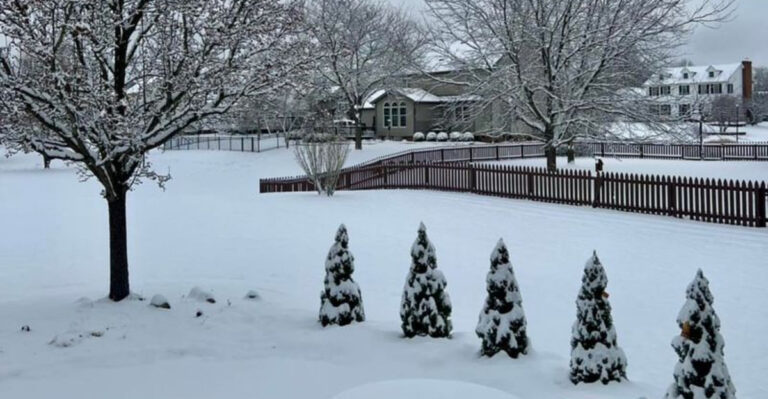
Picture a snowy hill dotted with bright red berries and deep green leaves. That scene is waiting for you at Dawes Arboretum at 7770 Jacksontown Rd, Newark, and it feels like a holiday card come to life.
Holly Hill is the star of that winter show. The glossy hollies hold their color while the red fruit pops against any fresh snow.
Just down the path, Conifer Glen offers a different kind of comfort. Rows of pines, spruces, and firs stay green and fill the cold air with a fresh, piney smell.
Here is a fun surprise for anyone who thinks flowers belong only to spring. Witch-hazels near the main parking lot bloom in winter with small, ribbon-like petals.
Those blooms are easy to miss if you hurry past. Slow down, lean in, and you may catch a light, sweet scent on a chilly afternoon.
Dawes also cares for several nationally accredited plant collections. Maples, dawn redwoods, buckeyes, and witch-hazels each add shape and texture long after summer ends.
Bird lovers will feel right at home here too. The Bird Watching Garden at the Visitors Center is a cozy spot to watch winter visitors stop by for a snack.
Keep your eyes open for dark-eyed juncos hopping along the ground. Golden-crowned kinglets and white-throated sparrows are often spotted during the colder months as well.
A small pair of binoculars makes a big difference. A pocket bird guide or a free birding app can help you put names to the feathered faces.
When the sun goes down, the arboretum puts on one more show. The yearly Winter Wonders Walk lights up trees with LED lights that shine upward into the branches.
The paved trail runs close to one mile, so it works for strollers and young walkers. Live music, ice sculptures, and food trucks make the night feel like a festival.
Dress in warm layers and wear shoes with good grip. A thermos of hot cocoa tucked in your bag can turn a simple stroll into a family tradition.
2. Secrest Arboretum, Wooster

Free admission, free parking, and over 4,000 kinds of plants sound almost too good to be true. Secrest Arboretum at 2122 Williams Rd, Wooster, makes it real, and winter is a sneaky great time to visit.
The grounds cover more than 100 acres of display gardens, woodlands, and research areas. Gates are open daily from dawn to dusk, so early birds and sunset chasers both win.
Now for the real celebrity here, the winterberry. This native holly drops its leaves in fall but keeps its shiny red berries clinging to bare stems.
Secrest has been growing winterberries since the 1950s. That is longer than many of your grandparents have been driving cars!
Over the years, the team has favored tough types like Winter Red and Cacapon. Both are known for big berries that hang on for weeks in the cold.
Against a dusting of snow, those red clusters look like strings of tiny holiday lights. Next to dark evergreens, they glow even brighter.
Speaking of evergreens, the conifers at Secrest come in all sorts of shapes and sizes. Some are tall and pointy, some are round and squat, and some sprawl low like a green blanket.
Common witch-hazel adds another twist to the winter story. Its spidery yellow flowers show up when most plants are taking a long nap.
Look down, too, because the ground layer has plenty to share. Hellebores, ajuga, bergenia, and ferns like autumn fern and Christmas fern keep color and texture going.
Home gardeners can pick up great ideas on a winter walk here. Snap photos of plants you love, then look for similar ones at a local nursery in spring.
A notebook works just as well if your phone battery hates the cold. Jot down plant names from the labels so you remember them later.
Wooster winters can be windy, so bring a hat and gloves. Trails can get muddy during a thaw, which makes waterproof boots a smart choice.
Pair your visit with a stop at a cozy cafe in town. Warm fingers and a full belly make the berry hunt even sweeter.
3. Holden Arboretum, Kirtland
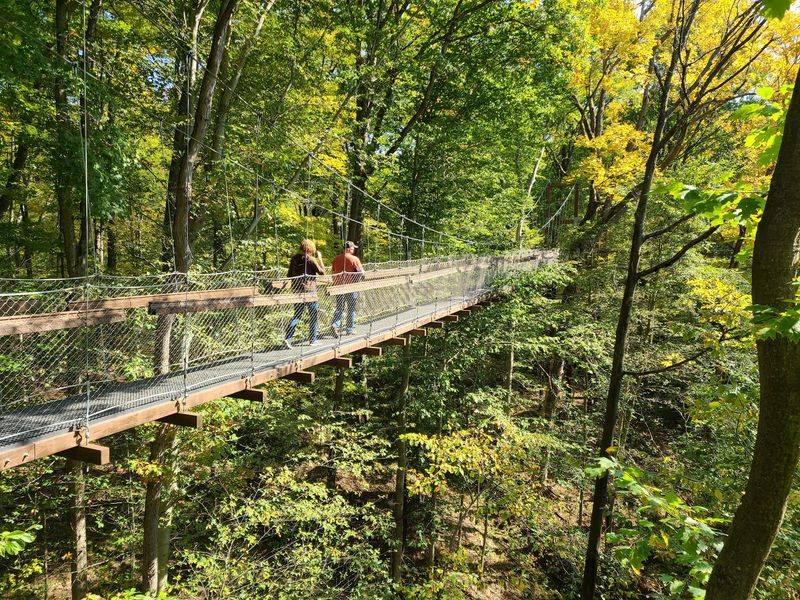
Snow has a funny way of telling secrets. At Holden Arboretum at 9550 Sperry Rd, Kirtland, fresh powder reveals animal tracks winding across more than 3,600 acres of woods and fields.
Winter hikes here let you see the bones of the land. Rock formations, rolling hills, and hidden ravines stand out once the leafy curtain is pulled back.
The Conifer Collection is a must for anyone craving green. Needles range from deep green to cool blue-gray, and they hold that color through the coldest weeks.
Near the Arlene and Arthur S. Holden Jr. Butterfly Garden, look for the Cedar of Lebanon.
Its wide, layered branches look almost like a living sculpture.
Bark is where Holden gets truly creative. The paperbark maple peels in thin curls with rusty, flame-like colors that seem to glow in low sunlight.
Paper birch offers the opposite look with bright white trunks. On a gray day, a stand of birches can feel like someone turned on a light.
Color fans should hunt for golden-twig dogwood. Its yellow-green stems shine like highlighter marks across a snowy page.
Orange-fruited winterberry brings a cheerful twist on the usual red. Clusters of glowing orange fruit cling to bare branches and attract hungry birds.
Keep an eye out for autumn fern, too. Its leaves hold onto warm coppery tones and stand out against the cold ground.
Holden also grows trees that break the rules about conifers. Bald cypress and dawn redwood drop their needles each fall, yet their tall, tapered shapes look stunning in winter.
Try a fun game with kids on the trail. See who can spot the most kinds of animal tracks, from deer hooves to tiny mouse prints.
A simple track guide printed at home helps settle any debates. Bring a small ruler so you can measure prints and compare sizes.
Layers matter on longer hikes, since you warm up while walking. Pack water and a snack, because cold air can make you hungrier than you expect.
Check trail conditions before heading out after a big storm. Some paths may be icy, and good boots will keep your adventure fun.
4. Mt. Airy Arboretum, Cincinnati
Who says you need to leave the city to find a winter escape? Mt.
Airy Arboretum sits at 5190 Arboretum Rd, Cincinnati, and it feels miles away from traffic.
The arboretum itself covers about 30 acres. That size makes it easy to explore in an afternoon without tired legs.
Late winter brings one of the sweetest surprises in town. Winter aconite, a small cousin of the buttercup from Europe, spreads a bright yellow carpet across the ground.
Those tiny blooms often pop up while snow is still melting nearby. Seeing them feels like getting a sneak peek at spring.
Leatherleaf mahonia adds bold greenery during the colder months. Its glossy leaves are pretty but sharp, so admire them with your eyes rather than your fingers.
Another standout is a dwarf sweetbay magnolia called Sweet Thing. It tends to keep its leaves green all winter with little or no cold damage.
Gardeners with small yards should take notes on that one. A compact evergreen that stays tidy is a real treasure in a city garden.
Dogwoods earn attention here in every season. After a fiery fall show, their checkered bark adds a neat pattern to the winter woods.
The dwarf conifer collection is like a tiny forest built for giants. Miniature pines and spruces come in shades of green, blue, and gold.
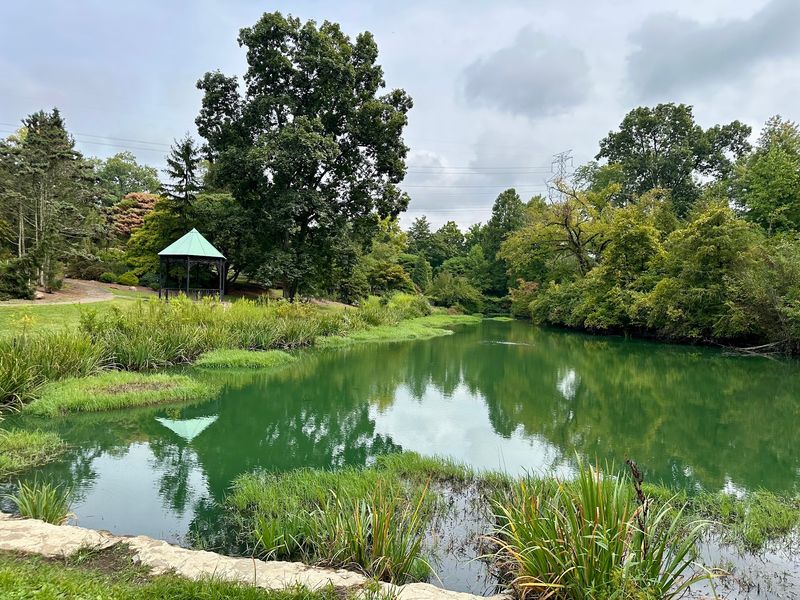
A scenic lake rounds out the visit with calm, glassy views. On a frosty morning, mist can drift across the water and create a dreamy scene.
When snow piles up, the larger forest draws cross-country skiers. If you own skis, Mt.
Airy is one of the handiest places in the region to glide.
No skis? A slow walk works just as well and gives you more time to notice small details.
Bring a thermos and find a bench with a good view. Winter light is softer, which makes it a lovely time for photos.
Parking is easy and the trails are well marked for newcomers. Grab a map near the entrance so you can plan a loop that fits your energy level.
5. Chadwick Arboretum, Columbus
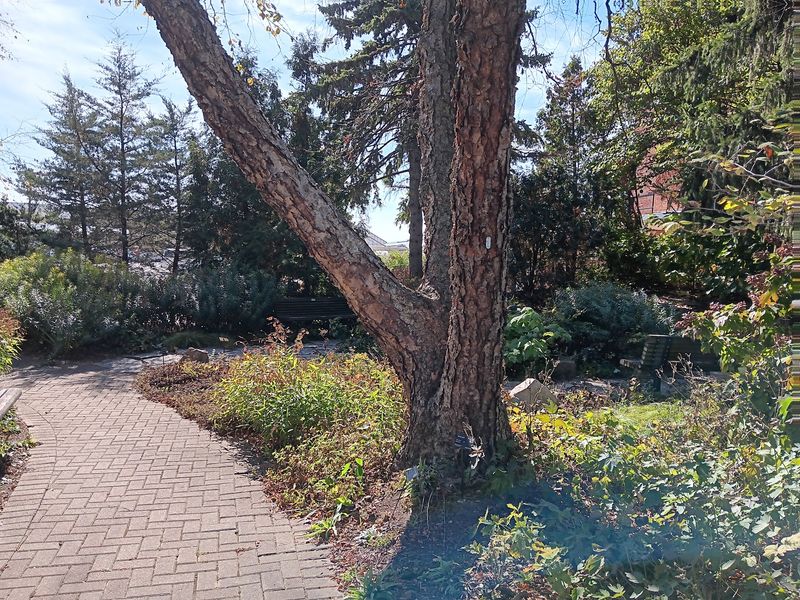
Red, orange, purple, and gold might sound like a fall color list. At Chadwick Arboretum and Learning Gardens in Columbus, those colors shine on willow stems in the middle of winter.
The Willow Collection is the big reason to visit when the trees go bare. Many types of willows grow here, and their bright twigs glow against snow and gray skies.
Willows are fast growers with flexible branches. People have woven them into baskets, fences, and even living sculptures for centuries.
Chadwick sits on Ohio State University’s Columbus campus and covers over 60 acres. It works as an outdoor classroom where students and visitors learn about plants that thrive in central Ohio.
Native and non-native plants share space here. Annuals, perennials, trees, and shrubs give you real-life examples of what can grow in local backyards.
The Columbus Landscape Association Conifer Collection is another highlight. Its evergreens offer shades of green and blue that brighten the shortest days of the year.
Every year, Chadwick hosts a Winter Solstice Labyrinth Walk and Conifer Tour. Walking the winding labyrinth on the darkest day feels peaceful and a little bit magical.
Guides on the conifer tour share stories about each tree. It is a fun way to learn while staying on the move in chilly weather.
Keep your eyes low near the garden beds for hybrid hellebores. Some folks call them Lenten roses or winter roses, and they can bloom for many years.
Their nodding flowers come in shades like cream, pink, and plum. Plant lovers often say they are one of the best winter perennials for Ohio yards.
A 3.5-acre research lake and plantings of native Ohio trees add even more to explore. Ducks and geese often make the lake feel lively on a cold afternoon.
Students looking for a study break will find this spot refreshing. A quick lap through the willows can clear your head before the next exam.
Check event dates online, since the solstice walk can fill up fast. Dress warmly, bring a friend, and enjoy a colorful side of winter.