10 Early Signs Mice Are Moving Into Your Garden Shed As Cold Weather Arrives

Right now, a mouse could be measuring your shed for winter. Gaps the width of a pencil let it slip past your door. After that, it chews your seed packets, feed bags, and glove cuffs.
Those shredded fibers quickly become soft nest lining. You might notice a sharp, musky odor near your stored bins. Tiny dark droppings, shaped like rice grains, gather along your shelves.
Greasy grey smudges can appear where furry bodies brush against your walls. Gnawed handles on your rakes reveal teeth that keep growing.
Quick action matters because mice breed fast and scatter boldly. Spotting clues early protects your seeds, tools, and weekend plans.
Waiting until frost gives these squatters a full season to settle. Imagine reaching for your favorite gloves and finding a warm, squirming nursery. Uncover their remaining clues before they claim your shed for good.
1. Tiny Droppings Along The Floor And Shelves
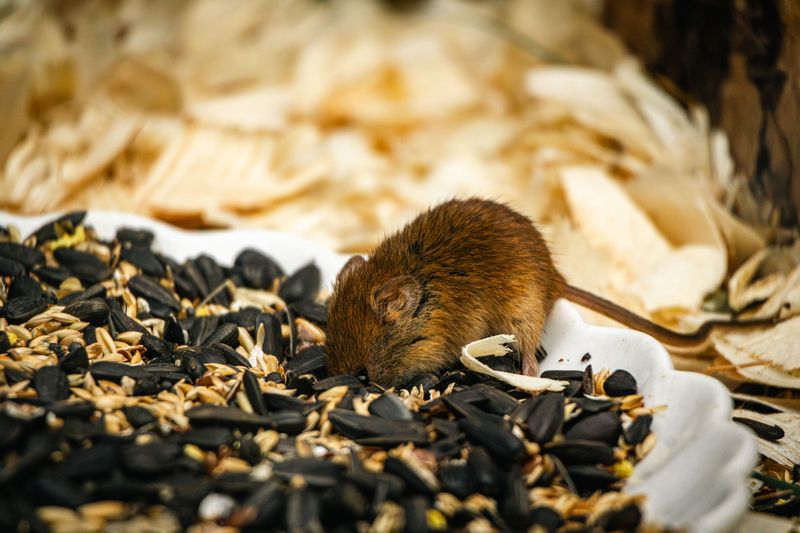
Picture sweeping out your shed and finding what looks like a spilled pile of dark rice. Those little pellets are often among the first clues a mouse leaves behind.
Mouse droppings are about the size of a grain of rice, with pointy ends. One mouse can leave between fifty and seventy-five of them every single day.
Fresh droppings look shiny, black, and a bit soft. Older ones turn gray, dry, and crumbly, which can help you guess how long visitors have been around.
Check along walls, under shelves, and near any bags of seed or fertilizer. Mice like to travel along edges, so droppings often line up like a trail of breadcrumbs.
A small flashlight makes the hunt much easier, especially in dim corners. Shine it low across the floor, and even tiny pellets will cast easy-to-spot shadows.
Please skip the broom, since sweeping can stir up dust that may carry hantavirus. Air out the shed for thirty minutes, put on gloves, and soak the droppings with a solution of one part bleach to ten parts water for five minutes before wiping them up with paper towels.
Clean the area in early September, then check again a few days later. New droppings mean you have active guests settling in for the season.
2. Chewed Holes In Seed Packets And Bags
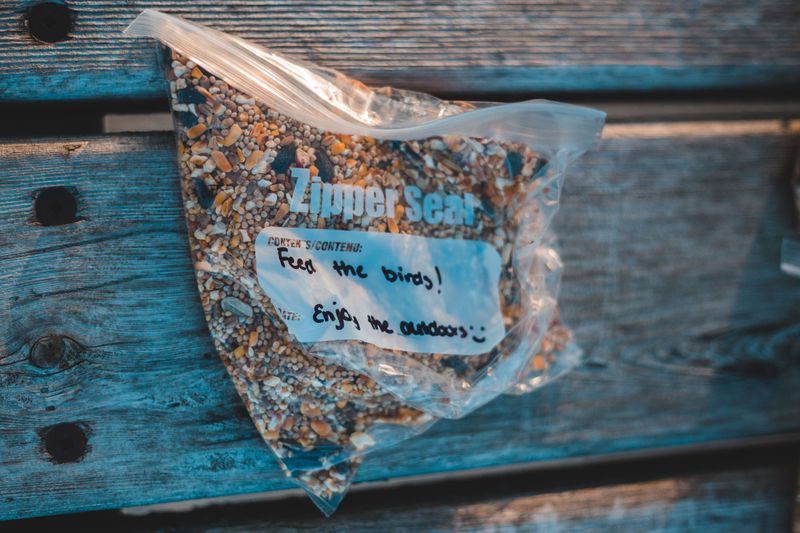
Nothing stings quite like reaching for your prized tomato seeds and finding the packet torn open. Tiny ragged holes and scattered hulls are a clear clue that someone snacked.
Seeds are like candy bars for mice because they pack lots of fat and energy. As temperatures drop in fall, these critters hunt hard for high-calorie meals.
Look closely at paper packets, grass seed bags, and even bulb sacks. Mouse holes are usually small, often smaller than a dime, with rough, chewed edges.
Empty seed shells piled nearby are another sneaky giveaway. Mice often crack seeds open and eat only the soft center, leaving the husks behind like wrappers.
Here is a simple fix that works wonders for gardeners. Move all seeds into glass jars or metal tins with tight lids before the cold really settles in.
Plastic tubs might seem sturdy, but determined mice can chew through thin plastic overnight. Metal cans with locking lids work well for big bags of grass seed and fertilizer.
Label each container clearly with the seed type and date. You will stay organized, and your spring garden will thank you for protecting those tiny treasures.
3. Shredded Nesting Material In Hidden Corners
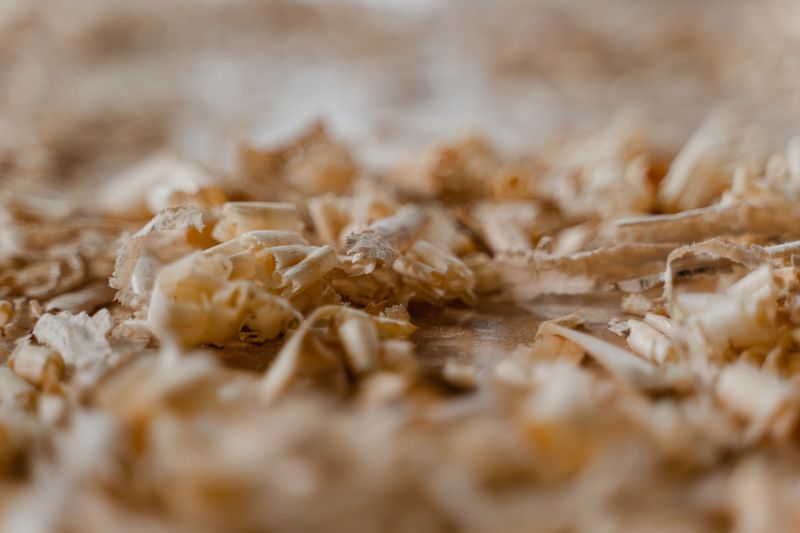
Mice are surprisingly talented interior decorators, at least by their own standards. Their favorite style is a fluffy ball of shredded junk tucked somewhere dark and quiet.
A mouse nest usually measures about four to six inches across. It might contain chewed paper, cardboard bits, fabric threads, dry grass, and even insulation.
Check inside old boxes, under stacked pots, and behind lawn mower bags. Drawers, tool chests, and folded tarps also make perfect hideaways for a growing family.
Under ideal conditions, a female mouse can have up to ten litters a year, though five to eight is more typical. That means one cozy nest in September could become a crowded neighborhood by spring.
Also watch for small piles of fluff or shredded paper that seem to appear from nowhere. Mice gather materials from all over the shed, leaving little bits along their route.
When you find a nest, put on gloves and spray it thoroughly with a bleach solution, then let it soak for five minutes. Once it is soaked, seal it in a plastic bag and toss it in an outdoor trash can with a lid.
Cutting down on clutter helps a lot more than you might think. Fewer cardboard boxes and loose rags mean fewer building supplies for your furry little contractors.
4. Greasy Smudge Marks Along The Walls

Every good detective knows to look for smudges at the scene of the crime. Dark, greasy streaks along walls or baseboards often show exactly where these sneaky visitors travel.
Mouse fur carries natural oils and dirt that can rub off on surfaces, though these marks are fainter than those left by rats. Since mice follow the same paths over and over, those marks can gradually build into faint lines.
You will usually spot them near the floor, along the bottom edges of walls. Look around small gaps, pipe openings, and the corners where shelves meet the wall.
Smudges clustered around a hole or crack are a big warning sign. They often mean mice are squeezing through that spot regularly to get in and out.
A mouse can slip through a gap as small as a pencil’s width. Their bodies are soft and bendy, so if the head fits, the rest follows.
Wipe the smudges clean with soapy water, then check back in a week. If fresh marks appear, stuff the nearby gaps with steel wool and seal them with caulk.
Steel wool works because mice cannot chew through it easily. Pairing it with caulk or expanding foam creates a sturdy barrier long before winter arrives.
5. Gnawed Edges On Wooden Doors And Frames
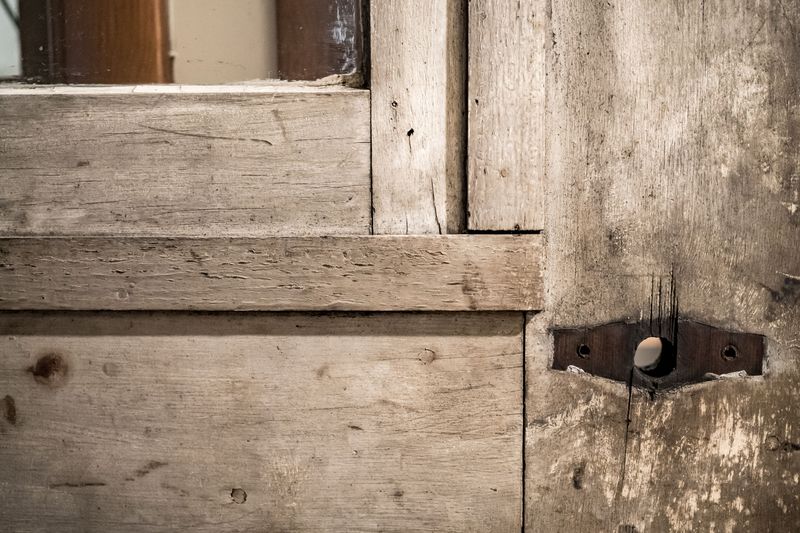
A mouse’s front teeth keep growing for its whole life, a little bit every single day. Chewing is how they keep those teeth short, sharp, and useful.
That constant chewing leaves marks you can spot on shed doors, window frames, and wooden shelves. Look for rough, fresh-looking wood with tiny parallel grooves side by side.
Mouse tooth marks are small, usually about a sixteenth of an inch wide. Rat marks are larger and deeper, about an eighth of an inch wide, which can help you figure out who is visiting.
Pay special attention to the bottom corners of your shed door. Mice love to widen existing gaps there, turning a small crack into a handy front entrance.
Fresh gnawing looks light-colored and clean, while older marks slowly darken over time. Tiny wood shavings on the floor below are another sign the chewing is recent.
Also check plastic items like hose reels, watering cans, and storage bins. Mice are not picky, and they will happily gnaw on almost anything within easy reach.
Install a metal door sweep along the bottom edge to block the gap. Metal kick plates on door corners also stop hungry teeth from making new openings.
6. Faint Scratching Noises In The Quiet Evening

Step into your shed around sunset, stand very still, and just listen. That soft scritch-scratch coming from the walls is not the wind playing tricks.
Mice are most active at night, especially in the hours after dusk. Shorter September days mean they start moving earlier, so evening visits can reveal a lot.
Listen for scratching, scurrying, squeaking, or light rustling in boxes. Sounds often come from inside walls, under floorboards, or up near the rafters.
Mice are also great climbers, so do not ignore noises overhead. They can scale rough wood, wires, and pipes with surprising speed and skill.
A neat trick can make your listening session much easier. Turn off any radios or fans, then tap the wall gently and listen for a shuffle.
Some gardeners set a phone to record overnight inside the shed. Playing it back the next morning can catch sounds you would miss during a quick visit.
Once you pinpoint where the noises come from, set snap traps along that wall. Bait them with a pea-sized dab of peanut butter for the best results.
Place traps with the trigger end facing the wall, since mice hug baseboards. Check them every morning and wear gloves when handling anything.
7. Musky Ammonia Smell Inside The Shed

Your nose might figure things out before your eyes do. A sharp, musty smell that reminds you of a neglected hamster cage is a classic mouse warning.
Mice dribble tiny amounts of urine as they move around, marking their paths. Over time, those little drops add up to a strong ammonia scent.
Closed sheds trap odors, especially as cooler weather keeps doors shut longer. You may notice the smell most when you first open up in the morning.
Follow your nose to find the strongest spot. That area is often near a nest, a food source, or a favorite hiding place.
An inexpensive UV flashlight can help, too. Mouse urine glows under ultraviolet light, showing trails and spots you cannot see in normal daylight, though some other substances glow too.
Open the windows and doors on dry, breezy days to air things out. Disinfect stained areas with a bleach solution first, then use an enzyme cleaner to break down any lingering odor.
Scent matters for another reason, too. Leftover urine smells can attract new mice, so a thorough cleanup helps keep future guests from moving in.
Strong peppermint oil on cotton balls may help discourage visitors for a short time. Refresh them every few days, because the scent fades quickly in a drafty shed.
8. Little Footprints In The Dusty Corners
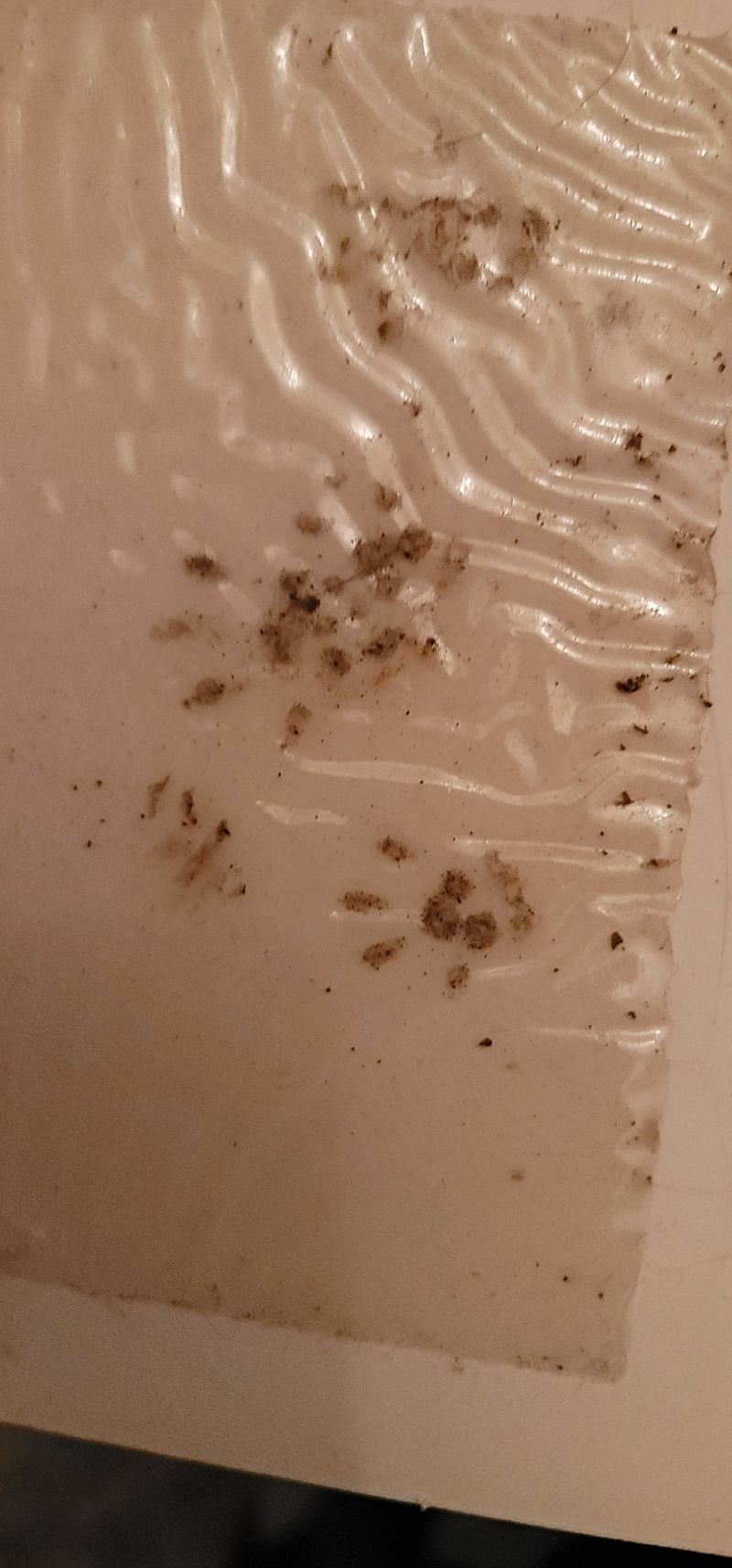
Every shed collects a layer of dust, and that dust can work like a secret notebook. Tiny footprints and tail drags show exactly who has been tiptoeing around.
Mouse tracks are small, usually less than half an inch long. The front feet have four toes, while the back feet have five and look slightly larger.
You might also see a thin line running between the prints. That squiggle comes from the tail dragging behind as the mouse scurries along.
Want to try a simple backyard science experiment? Sprinkle a light layer of flour or baby powder near walls and doorways before bed.
Check the powder the next morning with a flashlight held low. Fresh tracks will show you the busiest routes and where to focus your efforts.
Kids usually love helping with this project, and it teaches real observation skills. Snap a photo of the prints and compare them to track guides online.
Muddy prints on tools or shelves can also reveal climbing spots you might overlook. Wet September mornings make those little footprints even easier to find.
After you learn the main paths, set traps right along them. Sweep up the powder afterward, and repeat the test in a week to measure progress.
9. Missing Birdseed From Stored Bags
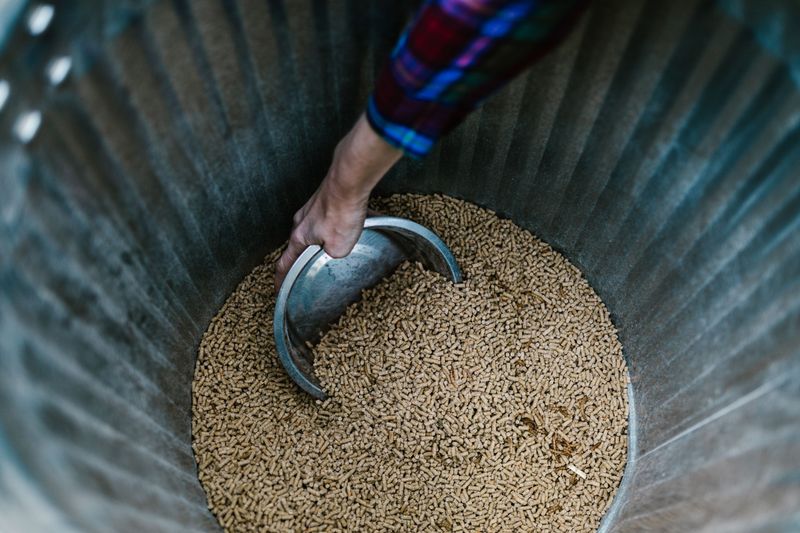
Many gardeners notice their birdseed bags shrinking faster than expected. Often, the cause is a few mice feeding in the shed after dark.
Birdseed, pet food, and chicken feed are some of the tastiest treats a mouse can find. A big bag stored on the floor is basically an all-you-can-eat buffet.
Watch for bags that seem lighter than you remember or seed spilled in odd places. Small piles of food tucked into corners or boots are a telltale clue.
Mice like to stash food for later, a habit called caching. You might find seeds hidden in old gloves, flowerpots, or even the pockets of a hanging jacket.
Fall is prime time for stocking up, so these hidden snack piles show up often in September. Each stash suggests a mouse is planning to stay a while.
Galvanized steel bins are the gold standard for storing any kind of feed. Raise them off the floor on bricks so you can spot droppings and spills underneath.
Scoop up spilled seed right away instead of letting it sit. Even a small scattering on the floor can feed a hungry mouse family for days.
10. Curious Pets Sniffing Around The Shed Base
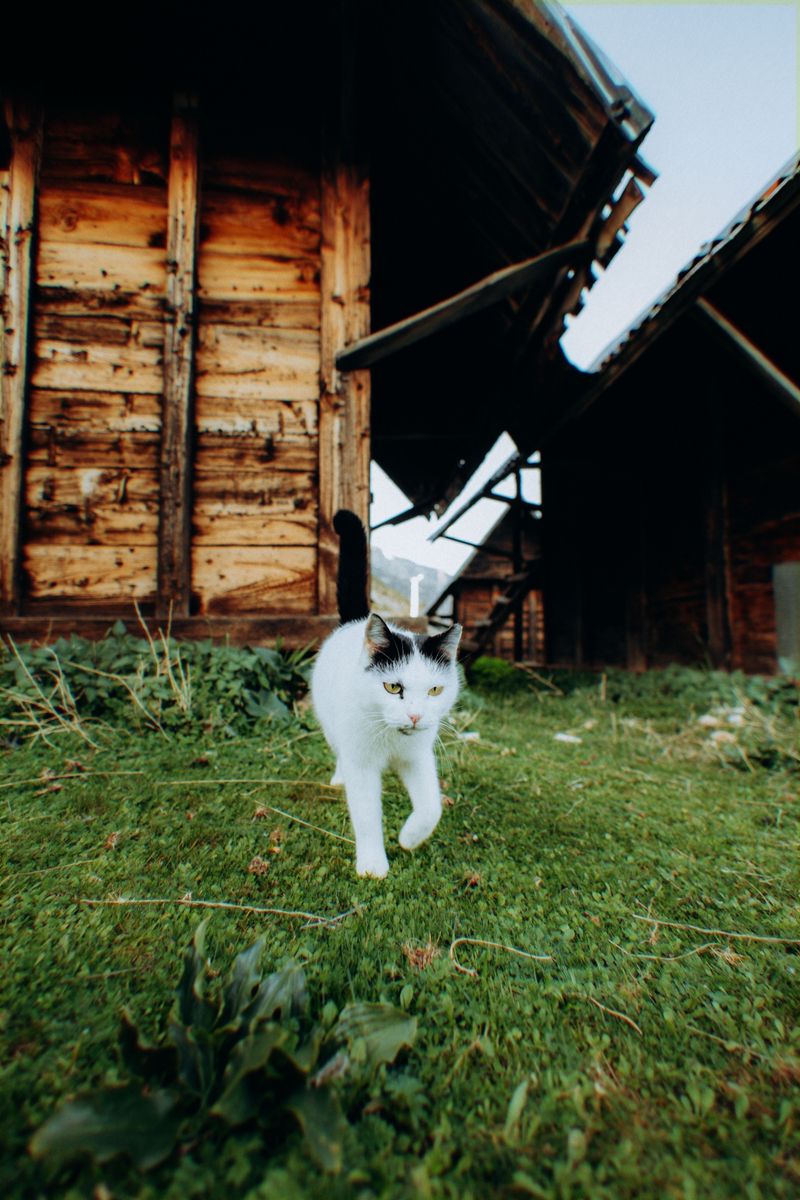
Your dog or cat might be the best mouse detector you will ever own. Pets can hear and smell tiny critters long before humans notice anything unusual.
Cats can hear high-pitched squeaks that people simply cannot pick up. Dogs have noses thousands of times more sensitive than ours, which makes hidden mice easy to find.
Notice if your pet sniffs hard along the shed foundation or paws at one corner. Staring at one spot on the wall for a long time is another clue.
Some pets get so excited they whine, bark, or refuse to leave the shed door. That kind of stubborn interest usually means something small is hiding nearby.
Trust those instincts, but keep your furry helper safe at the same time. Mice can carry fleas, ticks, and germs that you do not want your pet bringing home.
Poison baits are risky around pets, since a curious dog might find them first. Enclosed snap traps or covered trap boxes are much safer choices for pet owners.
Keep a record of where your pet shows the most interest. Those spots are great places to start sealing gaps and setting traps this fall.