8 Easy-Care Plants For Texas Garden Borders That Thrive On Neglect
Not every gardener has hours to spend fussing over their flower beds every weekend, and honestly, most people don’t want to.
Life gets busy, summers get brutal, and the idea of high-maintenance border plants that need constant watering, deadheading, and babysitting starts to feel less like a hobby and more like a second job nobody applied for.
The good news is that a beautiful garden border doesn’t require that kind of commitment. There are plants out there that genuinely thrive when you leave them alone, putting down deep roots, handling drought without drama, and coming back stronger every season without much input from you at all.
In Texas, where the heat alone is enough to test even the most attentive gardener, these kinds of plants aren’t just convenient – they’re practically essential.
Get the right ones in the ground along your borders and the hardest part of the whole thing is choosing which ones to plant.
1. Blackfoot Daisy (Melampodium Leucanthum)
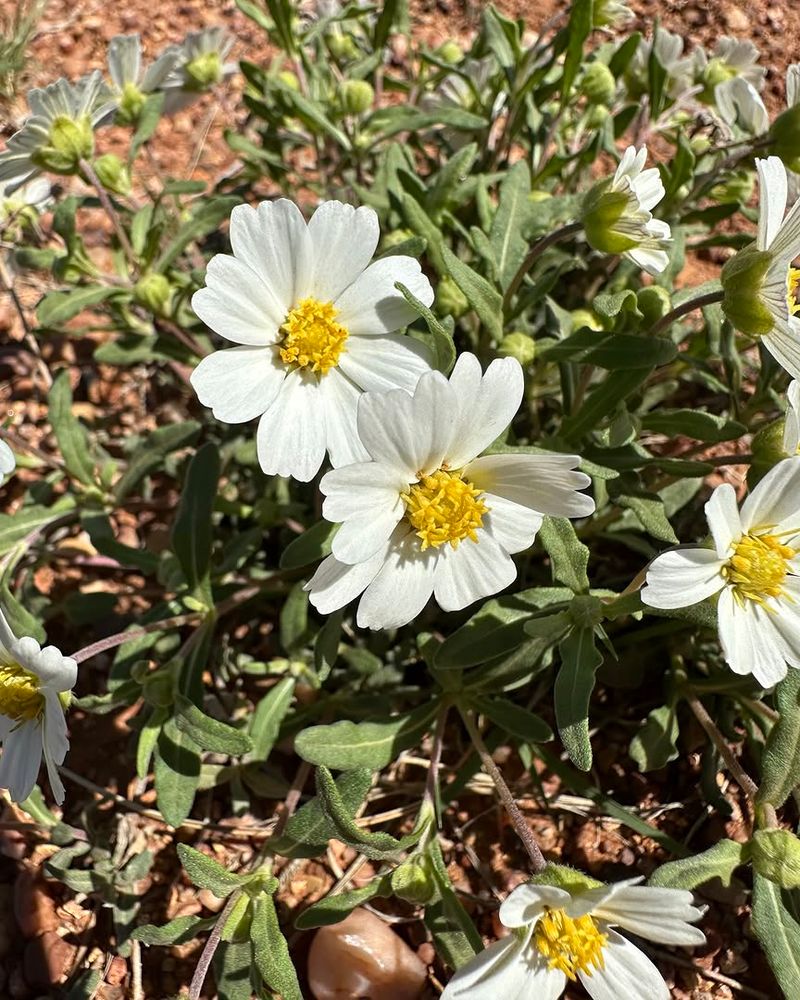
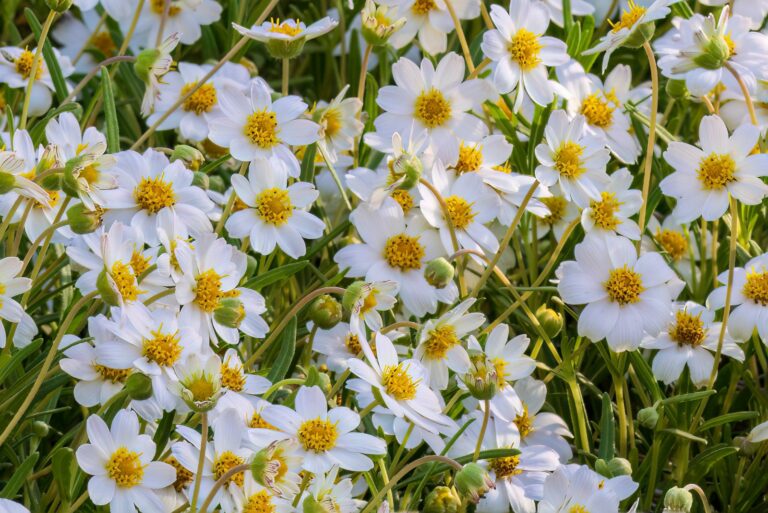
Born and raised in the rocky soils of Texas, the blackfoot daisy is one of the toughest little plants you will ever put in a garden border. It pushes out cheerful white flowers with bright yellow centers almost nonstop from spring all the way through fall.
Most plants need rich soil and regular water to perform like that. This one does it on almost nothing.
What makes the blackfoot daisy truly special is that it actually performs better in poor, lean, rocky soils than in rich garden beds. Give it too much water or fertilizer and it gets floppy and unhappy.
Leave it alone in dry, well-drained ground and it thrives beautifully. It stays compact at about 12 to 18 inches tall, which makes it a natural fit for the front edge of a Texas garden border.
Once established, it handles drought and brutal summer heat without missing a beat. No deadheading is needed to keep it blooming. No fertilizer is required. No fussing at all, really.
It is a Texas native, so the climate here is exactly what it was built for. If you want a low-maintenance border plant that looks like it took real effort, the blackfoot daisy is a fantastic place to start.
2. Autumn Sage (Salvia Greggii)
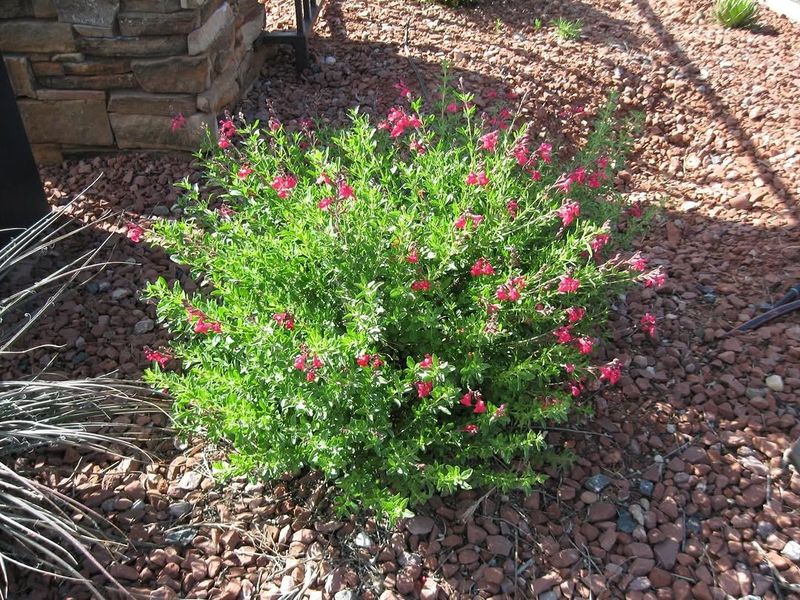
Ask any experienced Texas gardener which border plant they would never give up, and autumn sage is almost always on the list. This tough Texas native perennial blooms repeatedly from spring through fall in rich shades of red, pink, coral, and white.
It handles full sun and serious drought without a single complaint and looks beautiful season after season with almost zero effort from you. What really sets autumn sage apart is the wildlife it attracts. Hummingbirds absolutely love it.
Butterflies flock to it too. Planting a few clumps along a Texas garden border essentially turns your yard into a little wildlife hotspot without any extra work on your part. That is a pretty great deal for a plant that asks for so little.
Care could not be simpler. Cut it back lightly once or twice a year, and it responds with fresh new growth and another flush of color.
Your Texas Garden Changes Every Week. Your Plan Should Too.
Gardening in Texas changes quickly throughout the season. Every Friday you’ll receive a simple weekly plan showing exactly what to plant, prune, fertilize, harvest, and protect so you never miss the right timing.
It thrives in well-drained soils and full sun, which describes most Texas garden borders perfectly. It is drought-tolerant once established and rarely needs supplemental watering during the growing season.
Autumn sage is genuinely one of the closest things to an indestructible border plant that Texas gardeners have available to them, and it earns its place in the garden every single year.
3. Mealy Blue Sage (Salvia Farinacea)
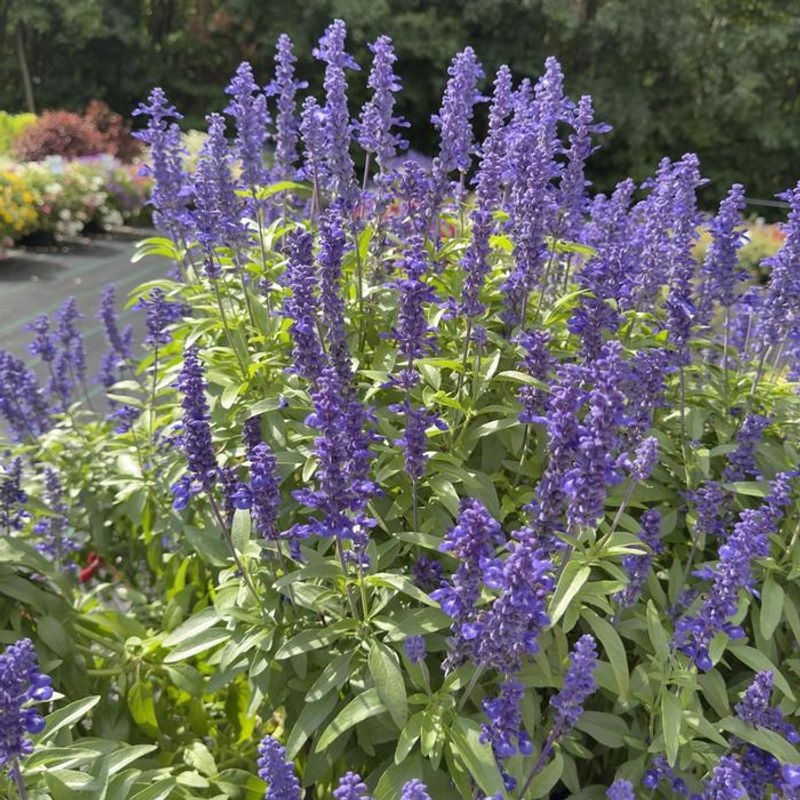
There is something quietly magical about mealy blue sage. It sends up tall, elegant spikes of violet-blue flowers on silvery stems that sway gently in a summer breeze, and it does all of this in Texas heat that would stress most plants into submission.
It is a true Texas native, and it behaves like one, asking for almost nothing in return for months of beautiful color.
One of the most charming things about mealy blue sage is how it behaves in the border over time. It self-seeds gently and naturally, slowly filling in gaps between other plants and creating a relaxed, cottage-garden feel that looks effortlessly designed.
Bees and butterflies show up in impressive numbers whenever it is in bloom, which adds even more life and movement to a Texas garden border.
It thrives in full sun and well-drained soil, tolerates drought once established, and handles poor soils without any trouble. You do not need to fertilize it regularly or water it constantly through the summer.
Deadheading is optional since it self-seeds naturally and keeps producing new flower spikes on its own.
For gardeners across Texas who want reliable, season-long color in a border without putting in a lot of work, mealy blue sage delivers every single time and never disappoints.
4. Agave (Agave Spp.)
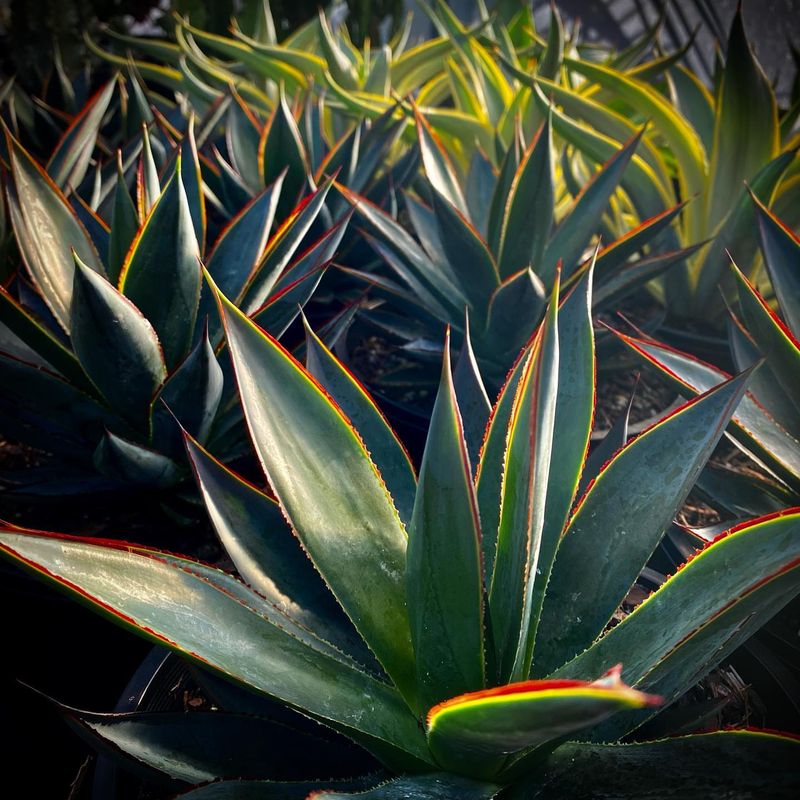
Bold, dramatic, and completely unbothered by neglect, agave is in a category all its own when it comes to low-maintenance Texas garden plants. Once it is established in your border, it needs virtually no water, no fertilizer, no pruning, and no attention of any kind.
It just sits there looking spectacular while everything around it demands your time and energy.
Fun fact: agaves are sometimes called century plants because people once believed they only bloomed once every hundred years. It is not quite that long, but they do bloom just once in their lifetime and then produce offsets, or pups, that carry on in the garden.
For Texas gardeners, the most popular border choices include the classic century plant (Agave americana) for larger spaces and the softer, more compact soft-leaf agave (Agave bracteosa) for smaller borders where a gentler look is needed.
The architectural presence agave brings to a border is genuinely hard to match with any other plant. Those bold rosettes of thick, sculptural leaves create a strong focal point that anchors the whole planting and looks great year-round.
Agave thrives in the hot, dry conditions that Texas summers deliver so reliably, and it actually struggles more from overwatering than from drought. For effortless structure and drama in a Texas border, nothing else quite compares.
5. Turk’s Cap (Malvaviscus Arboreus)
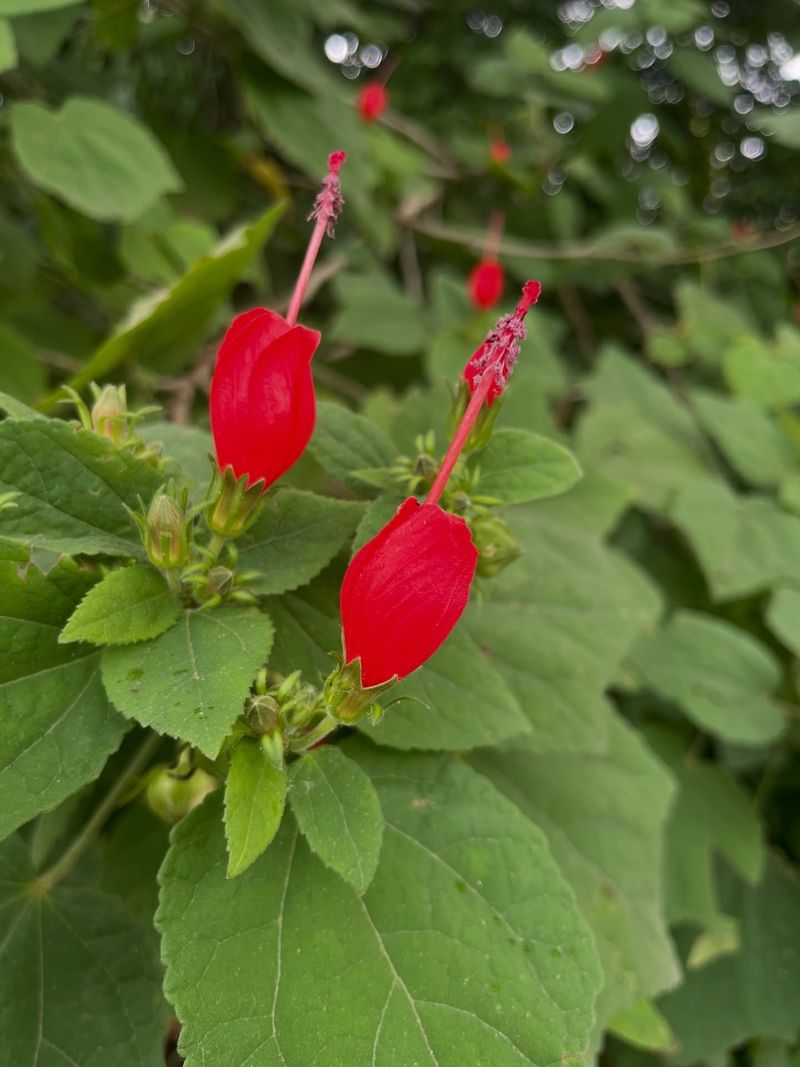
If there is one flowering shrub in all of Texas that genuinely earns the title of most neglect-tolerant, it is Turk’s cap. This remarkable Texas native handles shade, drought, poor soil, and general inattention with complete indifference.
While other plants in the border sulk, wilt, or stop blooming when conditions get tough, Turk’s cap just keeps going and produces its cheerful red blooms from summer all the way through fall.
The flowers are unique and instantly recognizable. The petals never fully open, staying twisted into a bright red tube that looks a little like a tiny Turkish hat, which is exactly where the common name comes from.
Hummingbirds are absolutely wild about those blooms and visit the plant reliably throughout the season, making it one of the best plants in Texas for attracting them to a garden border.
Turk’s cap spreads gradually over time, slowly filling in border spaces with lush green foliage and a steady supply of color.
It works beautifully under trees and in shady spots where most sun-loving plants refuse to perform, which makes it genuinely invaluable in a Texas landscape.
Water it occasionally while it is getting established, then step back and let it do its thing. It will reward your non-effort with years of reliable, colorful performance that most high-maintenance plants cannot match.
6. Lantana (Lantana Camara)
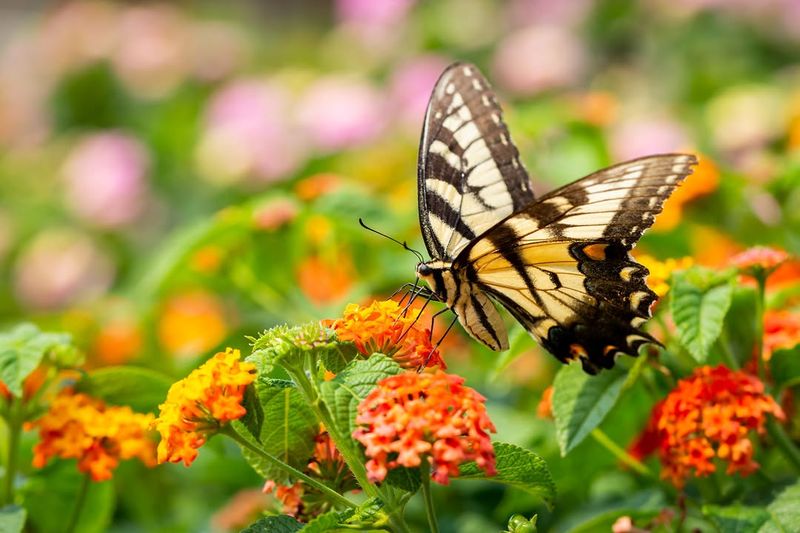
Walk through any Texas neighborhood in midsummer and you will almost certainly spot lantana blazing away in garden borders like it owns the place. And honestly, it kind of does.
Lantana produces nonstop bursts of color in yellow, orange, red, pink, and white from spring all the way through the first frost, and it does this in the kind of scorching Texas heat that would finish off most other flowering plants.
Butterflies absolutely cannot resist it. On a warm summer afternoon, a healthy clump of lantana in a Texas border can look like a living butterfly garden, with dozens of different species feeding on the blooms at the same time.
That kind of wildlife activity adds an incredible amount of energy and charm to any yard without requiring any extra effort from the gardener at all.
Lantana thrives in hot, reflected-heat conditions along sidewalks, driveways, and south-facing borders where other plants struggle badly.
It handles drought once established, requires minimal watering, and needs only an occasional cutback to stay tidy and encourage fresh new growth. Fertilizing is rarely necessary. It just blooms and blooms and blooms.
For Texas gardeners who want maximum color with minimum effort, lantana is one of the most reliable and rewarding border plants available anywhere in the state.
7. Esperanza / Yellow Bells (Tecoma Stans)
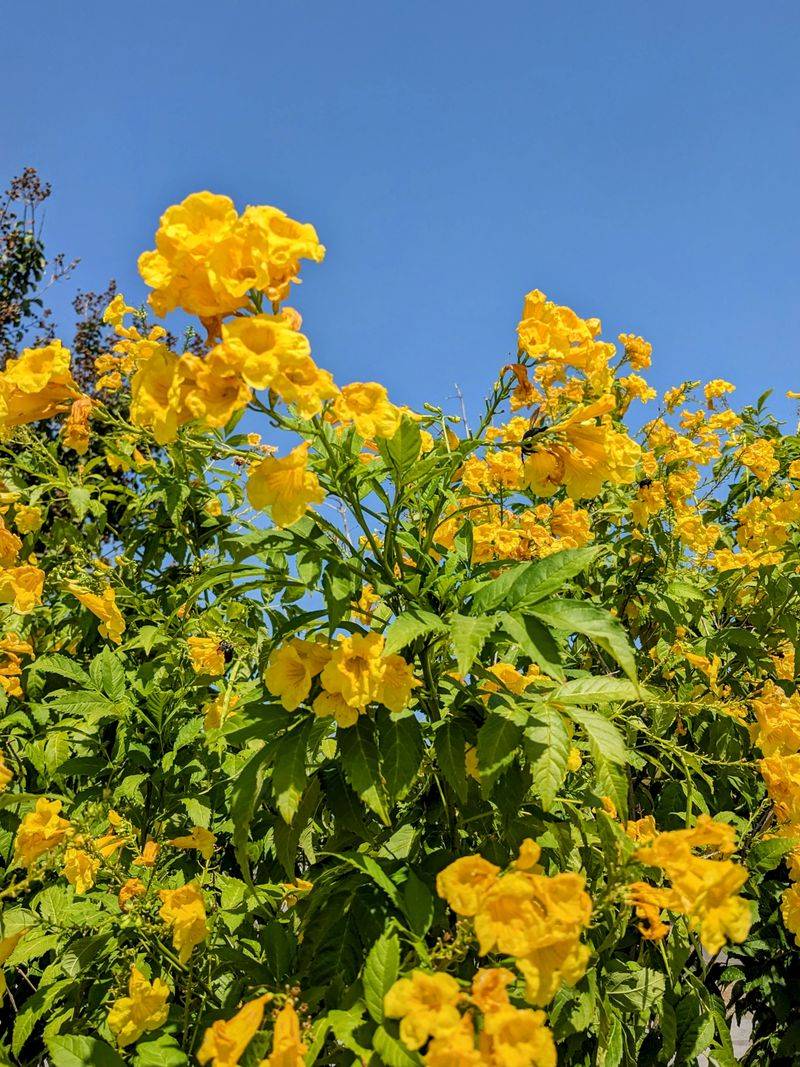
Few plants light up a Texas garden border quite like esperanza. Also known as yellow bells, this stunning perennial shrub pumps out clusters of bright, cheerful yellow trumpet-shaped blooms all summer and fall without asking for much in return.
It is the kind of plant that makes neighbors stop and ask what it is, and the answer is always satisfying: it practically takes care of itself.
Esperanza thrives in full sun and well-drained soil, which makes it a natural fit for most Texas garden borders. Heat does not slow it down. Drought does not stress it out. Poor soils do not bother it at all.
Once established, it essentially runs on autopilot, producing wave after wave of golden yellow blooms that attract hummingbirds and bees throughout the entire growing season.
In most parts of Texas, esperanza dies back to the ground during winter and returns every spring with impressive energy and speed. That cycle makes it one of the most dependable and virtually effort-free border plants a Texas gardener can choose.
No complex pruning schedule is needed, no regular fertilizing program, and no hand-holding through summer heat.
Just plant it in a sunny spot with decent drainage, water it while it gets settled, and then enjoy the show. It is one of the most rewarding plants the Texas landscape has to offer.
8. Liriope / Monkey Grass (Liriope Muscari)
Some plants earn their place in a garden by being flashy and dramatic. Liriope earns its place by being rock-solid dependable.
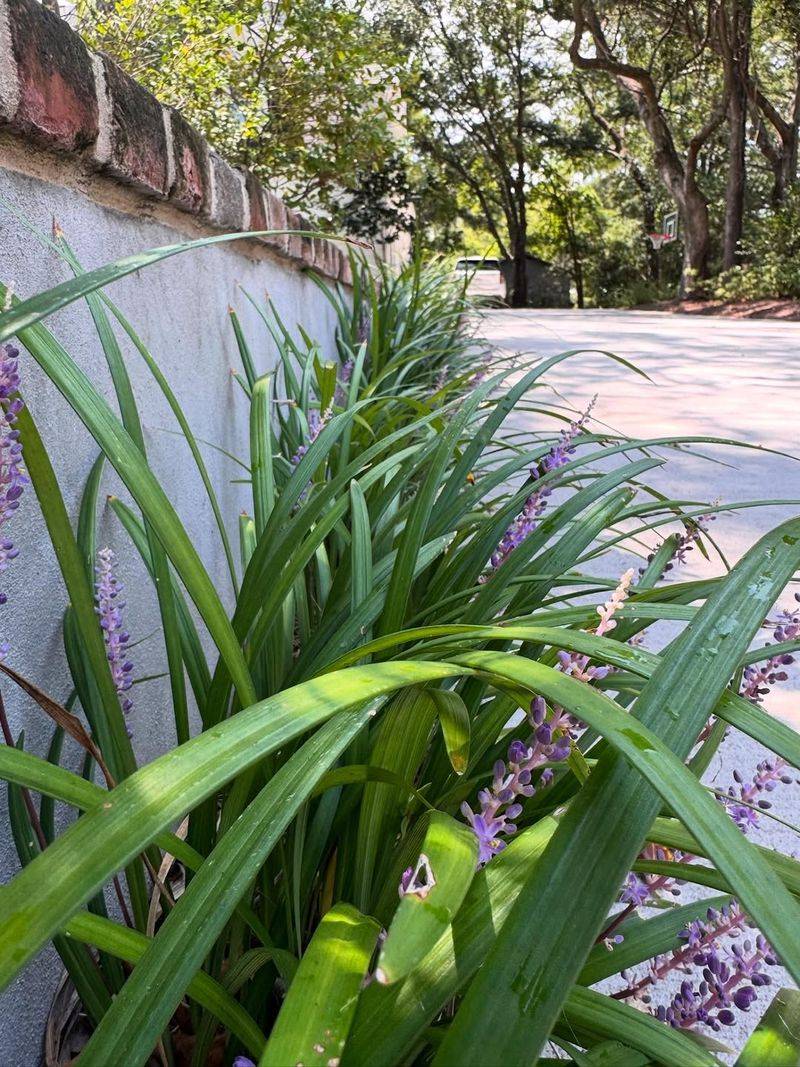
Also called monkey grass, this tough little border plant is one of the most widely used edging plants across Texas, and for very good reason. It forms dense, attractive clumps of dark green strappy foliage that stays neat and tidy almost entirely on its own throughout the year.
Liriope handles a surprisingly wide range of conditions. It grows in full sun and in fairly deep shade, which makes it useful in all kinds of border situations around Texas homes.
It tolerates drought once established and holds up well during the hot, dry summers that are so common across the state.
In late summer it produces pretty spikes of small purple flowers that add a welcome touch of color to the border edge just when many other plants are starting to look tired.
Pest and disease problems are rare with liriope, which is one more reason Texas gardeners keep coming back to it year after year.
The only real maintenance task is cutting it back to a few inches in late winter before new growth begins, and even that step is more optional than mandatory.
For clean, reliable, low-fuss border edging that looks great in nearly every Texas garden setting, liriope remains one of the smartest choices available.