What To Do With Your Bougainvillea In Pennsylvania Before Summer Hits
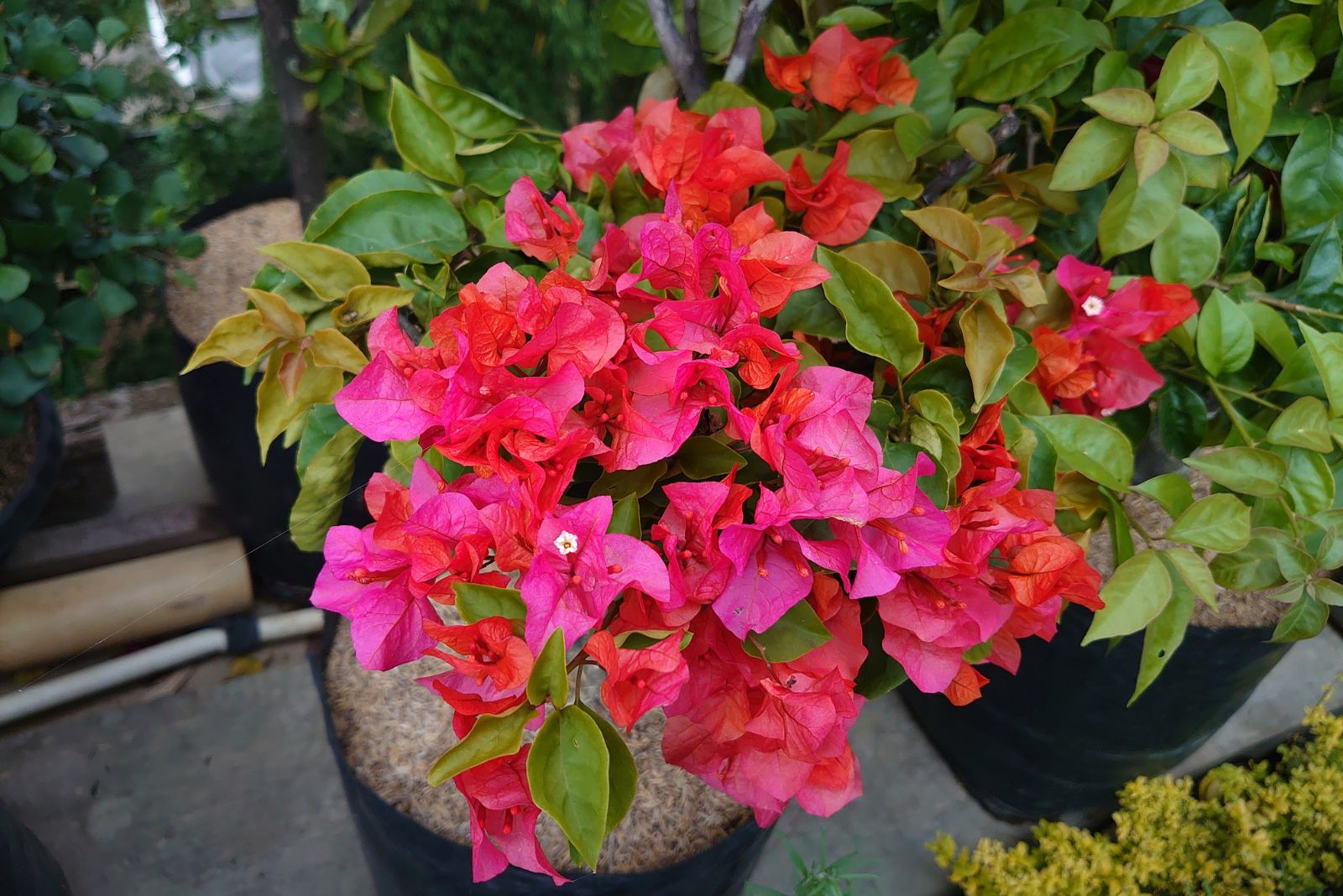
Bougainvillea in Pennsylvania is a commitment that rewards the gardeners who understand what they’re working with and frustrates the ones who treat it like a low-maintenance summer plant and wonder why it never quite delivers.
This is a plant built for warm climates, and growing it successfully in Pennsylvania means working with that reality rather than against it, especially in the weeks leading up to summer when the decisions you make have the biggest impact on how it performs during the hottest months.
Getting bougainvillea ready for a Pennsylvania summer isn’t complicated, but there’s a specific window where the right care steps make a meaningful difference.
Pruning, feeding, repositioning for optimal light, and understanding how this plant responds to Pennsylvania’s transitional spring conditions all factor into whether you end up with a bougainvillea that blooms brilliantly through summer or one that sits there looking green and uninspired while you wonder what went wrong.
The right moves before summer arrives change everything about how this plant performs.
1. Move It Outdoors Slowly
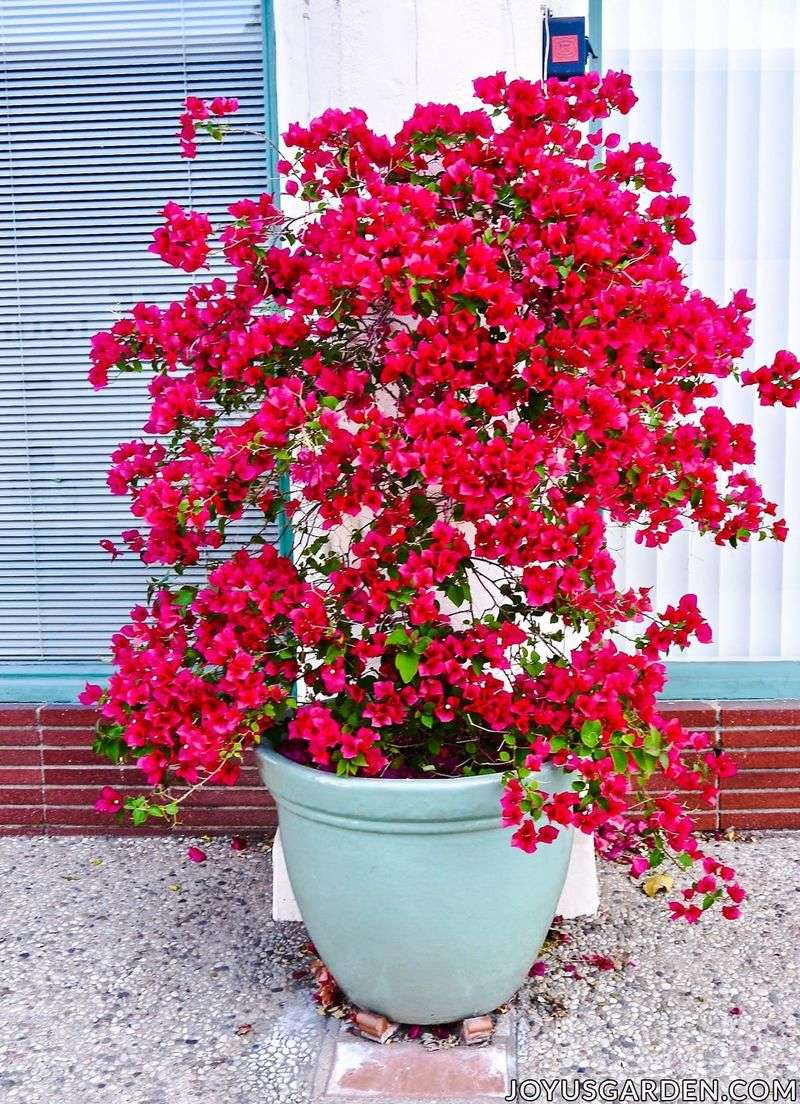
After spending months indoors, your bougainvillea is not ready to face the full force of outdoor sun and wind all at once.
Think of it like someone who has been inside all winter suddenly stepping out into bright afternoon light. The shock can stress the plant and cause leaves to drop or turn yellow.
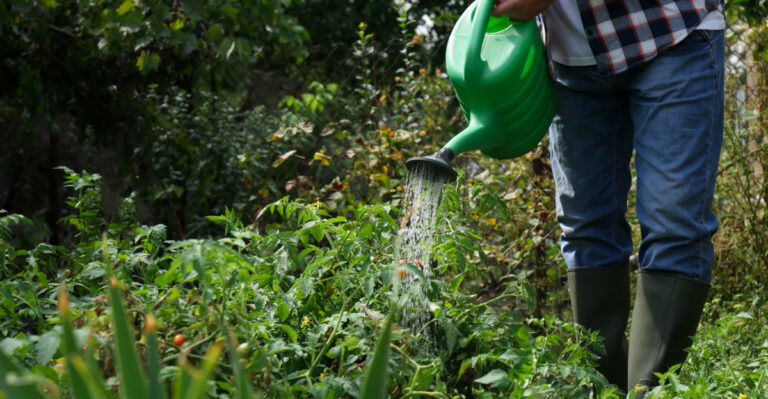
The process of getting a plant used to outdoor conditions is called hardening off. Start by placing your bougainvillea outside in a shaded or partially shaded spot for just a couple of hours each day.
Do this for about one to two weeks before moving it to a sunnier location. Each day, gradually increase the time it spends outside. Pay attention to how the plant responds.
If you notice leaf drop or wilting, pull it back inside for a day or two and then try again more slowly.
Wind can also be surprisingly tough on bougainvillea that has been sheltered indoors all season. Choose a spot that has some protection from strong gusts during those first few days outside.
A corner of a porch or a spot near a wall works great. Patience during this step pays off big later. Plants that are hardened off properly tend to grow stronger and bloom more heavily once they are fully acclimated to outdoor life.
Rushing this step is one of the most common mistakes bougainvillea growers make in spring.
2. Wait Until Nights Stay Warm
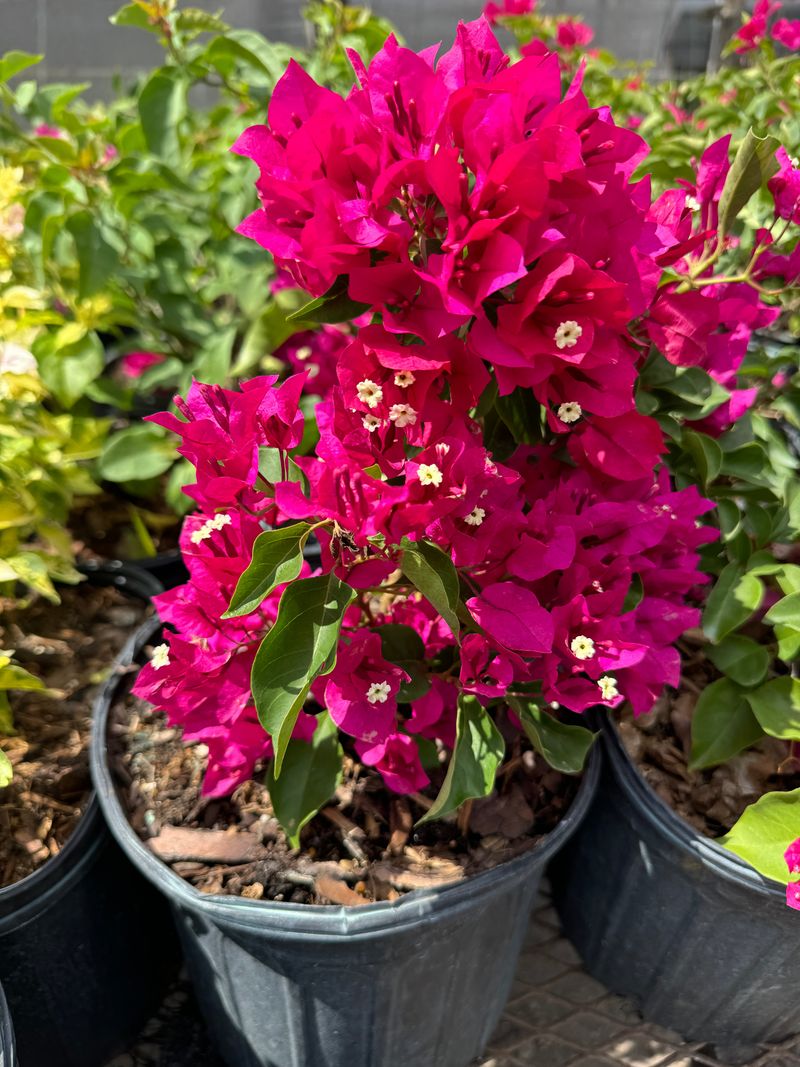
Bougainvillea is a tropical plant at heart, and it has strong feelings about cold temperatures. Even if daytime highs are climbing into the 70s in Pennsylvania, a single chilly night can set your plant back in a big way.
Temperatures below 50 degrees Fahrenheit can stress the roots and slow new growth considerably. In Pennsylvania, late spring can be tricky. Some years, cool nights linger well into May.
Checking the forecast before moving your plant outside permanently is a smart habit. Most experienced growers in the region wait until mid to late May before committing their bougainvillea to an outdoor spot.
Your Pennsylvania Garden Changes Every Week. Your Plan Should Too.
Gardening in Pennsylvania changes quickly throughout the season. Every Friday you’ll receive a simple weekly plan showing exactly what to plant, prune, fertilize, harvest, and protect so you never miss the right timing.
If you move it out too early and a surprise cold snap rolls in, bring the plant back inside overnight. It might feel like extra work, but bougainvillea that gets chilled repeatedly tends to sulk and refuse to bloom for weeks afterward.
A soil thermometer can also be helpful here. When outdoor soil temperatures are consistently above 60 degrees, that is usually a good sign that nighttime air temps are staying warm enough too.
Many gardeners use this as a simple guide for tropical plants. Waiting a little longer than you think you need to is almost always the right call with bougainvillea in Pennsylvania.
Once warm nights are locked in, this plant takes off fast and makes up for lost time with explosive color and growth that lasts all the way through summer.
3. Prune Leggy Winter Growth
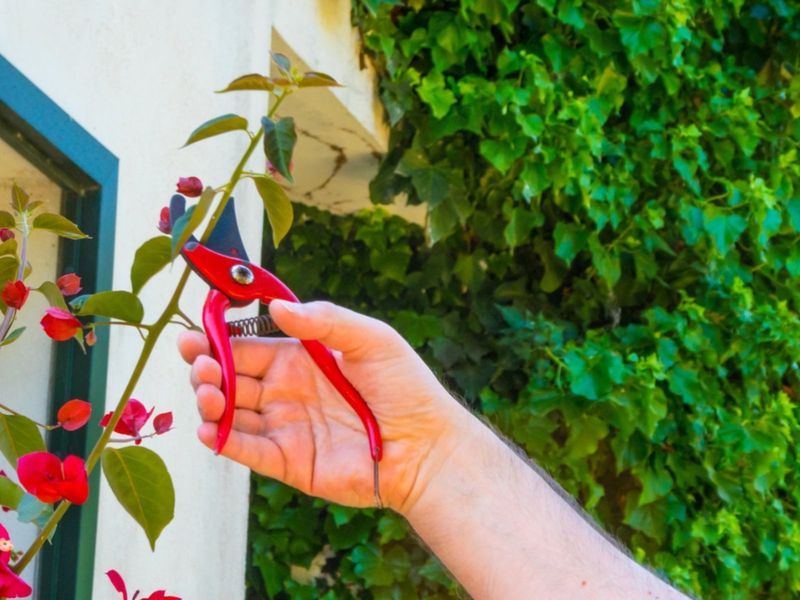
Over the winter months, bougainvillea kept indoors tends to stretch out toward whatever light it can find. The result is long, thin stems that look a bit scraggly and do not produce many blooms.
A light pruning session before summer can completely change how the plant looks and performs.
Grab a clean, sharp pair of pruning shears and trim back those leggy stems by about one-third. Focus on cuts just above a leaf node, which is the small bump where a leaf meets the stem.
New branches will sprout from those points and fill in the plant nicely. Do not go overboard with the pruning. Bougainvillea blooms on new growth, so you want to remove the weak, stretched-out stuff while keeping healthy stems intact.
Heavy pruning right before summer can actually delay blooming if you cut too much at once.
Fun fact: bougainvillea was originally discovered in South America in the 1760s by a French explorer named Louis Antoine de Bougainville. The plant was named after him, and it has been a garden favorite in warm climates ever since.
Its colorful parts are actually modified leaves called bracts, not true flowers. After pruning, give the plant a few days before moving it outside.
This small rest period lets the cut ends heal slightly and reduces the chance of stress when the plant transitions to its new outdoor environment. You will be amazed at how quickly it bounces back with fresh, bushy growth.
4. Switch To A Bloom-Boosting Fertilizer
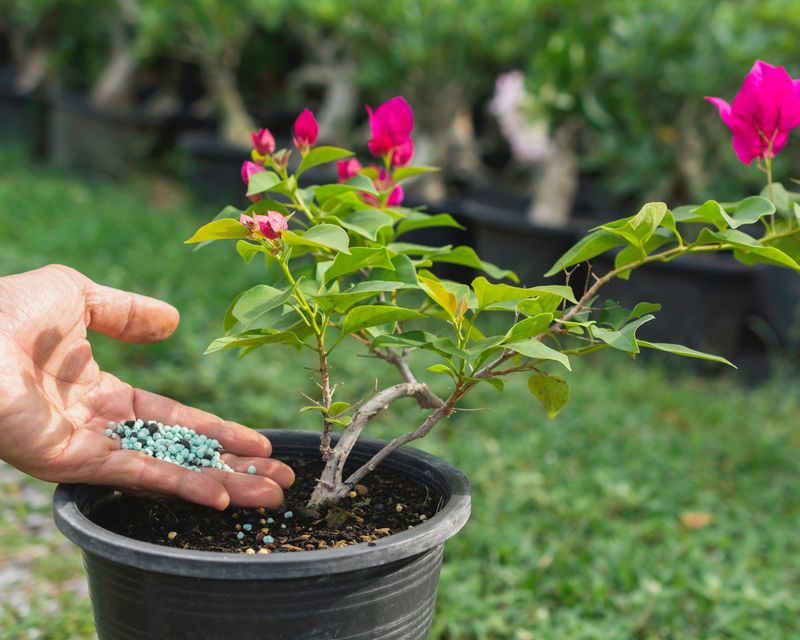
Feeding your bougainvillea the wrong fertilizer is one of the fastest ways to end up with a plant full of lush green leaves but zero color.
Nitrogen is the nutrient that pushes leafy growth, and while some nitrogen is needed, too much of it tells the plant to keep growing stems and leaves instead of producing those vivid bracts it is famous for.
Look for a fertilizer that is specifically labeled for blooming plants or bougainvillea. These products are higher in phosphorus and potassium, which support root health and flower production.
A formula like 6-8-10 or similar works well and can be found at most garden centers. Start fertilizing about two to three weeks before you plan to move the plant outside permanently.
This gives the roots a nutritional boost right when the plant is waking up from its slower winter pace. You will often see new growth appear within days of the first feeding.
During the growing season, fertilize every two to three weeks with a diluted liquid fertilizer. Slow-release granular options also work, but liquid formulas tend to act faster and are easier to adjust if you notice the plant is not responding the way you hoped.
One more thing to keep in mind: bougainvillea actually blooms better when it experiences a little bit of stress.
Slightly dry soil between waterings and modest fertilizer amounts often trigger more blooming than heavy feeding schedules. Less really can be more when it comes to keeping this plant colorful all summer long.
5. Check The Pot Drainage Carefully
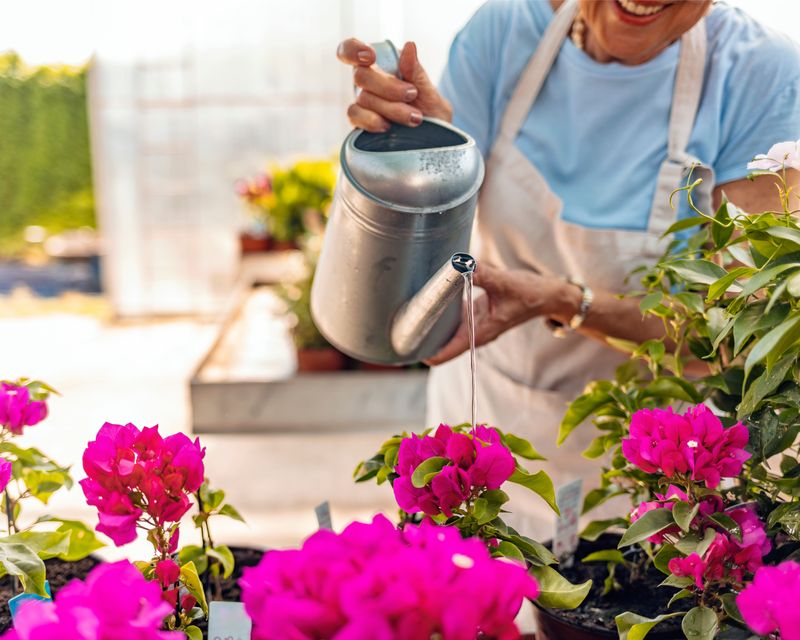
Soggy roots are basically the enemy of bougainvillea. This plant comes from dry, rocky hillsides in South America, where water drains away quickly after rain.
Sitting in waterlogged soil for even a short period can lead to root rot, which weakens the plant and makes it nearly impossible to bloom well.
Before moving your bougainvillea outside, flip the pot over and check the drainage holes. They should be open and unobstructed.
Sometimes roots grow into the holes over winter and block them. If that has happened, gently clear the blockage or consider repotting into a fresh container.
The potting mix matters too. Regular all-purpose potting soil tends to hold too much moisture for bougainvillea.
Mixing in perlite, coarse sand, or a cactus blend helps improve drainage significantly. A good rule of thumb is to use about 30 percent perlite mixed into your standard potting mix.
Terracotta pots are a popular choice for bougainvillea because they are porous and allow the soil to dry out more evenly than plastic containers.
If your plant is currently in a plastic pot with poor drainage, switching to terracotta before summer can make a noticeable difference in how healthy and happy the plant looks.
When you water, always check that the water flows freely out of the bottom of the pot. If it pools or drains slowly, that is a sign the mix needs to be adjusted.
Getting drainage right before summer hits sets the foundation for strong growth and consistent blooming all season.
6. Place It In Full Sun Immediately After Acclimating
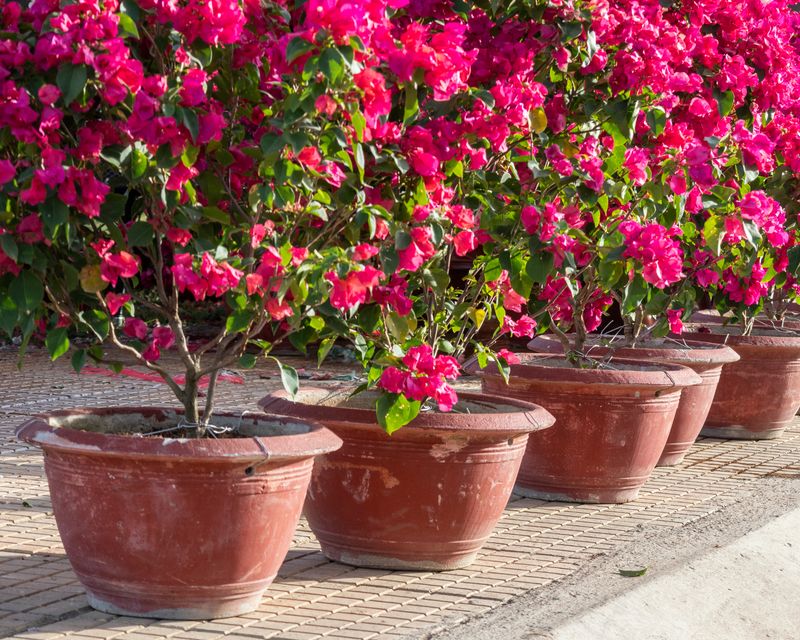
Once your bougainvillea has been hardened off and the nights are reliably warm, it is time to stop holding back.
This plant absolutely thrives in full, direct sunlight and needs at least six to eight hours of it each day to produce its signature burst of color. Anything less and you will likely end up with green leaves and very few bracts.
Find the sunniest spot on your porch, deck, or patio and claim it for your bougainvillea. South-facing and west-facing spots tend to get the most intense sunlight throughout the day in Pennsylvania.
Avoid placing it under a tree canopy or near a wall that casts afternoon shade. Many growers are surprised to learn that bougainvillea blooms more when it is slightly root-bound in its container.
A pot that is too large can hold excess moisture and encourage root growth over bloom production. If your plant has been in the same pot for a year or two and is blooming well, there is no need to size up just yet.
Once placed in full sun, you may notice the plant ramping up quickly. New bracts can appear within a few weeks of consistent sun exposure, especially when combined with the right fertilizer and proper drainage.
The combination of heat, light, and slightly dry soil is exactly what triggers heavy blooming. Keep an eye on the plant during the first week in full sun.
If the leaves look scorched or bleached, give it one more week in partial sun before making the final move. Most well-hardened plants adjust without any trouble at all.