Why You Should Never Fertilize These 7 Vegetables In Your North Carolina Garden
Fertilizing vegetables feels like the responsible thing to do. You want healthy plants and a strong harvest, so adding nutrients seems like it should always help.
With certain vegetables though, fertilizing does the opposite of what you are hoping for, pushing growth in the wrong direction and actually working against the harvest you are trying to build.
North Carolina’s growing conditions make this even more relevant, because the warm season here is long enough that over fertilized plants have plenty of time to go off track before gardeners realize what caused the problem.
Too much nitrogen at the wrong time sends some crops straight into lush foliage production while flowering and fruiting stall out completely.
Others become more attractive to pests or more vulnerable to disease when pushed with extra nutrients they never needed.
These vegetables are the ones North Carolina gardeners most commonly over fertilize, and understanding why each one performs better without it can change how your whole garden produces this season.
1. Beans (Phaseolus vulgaris)
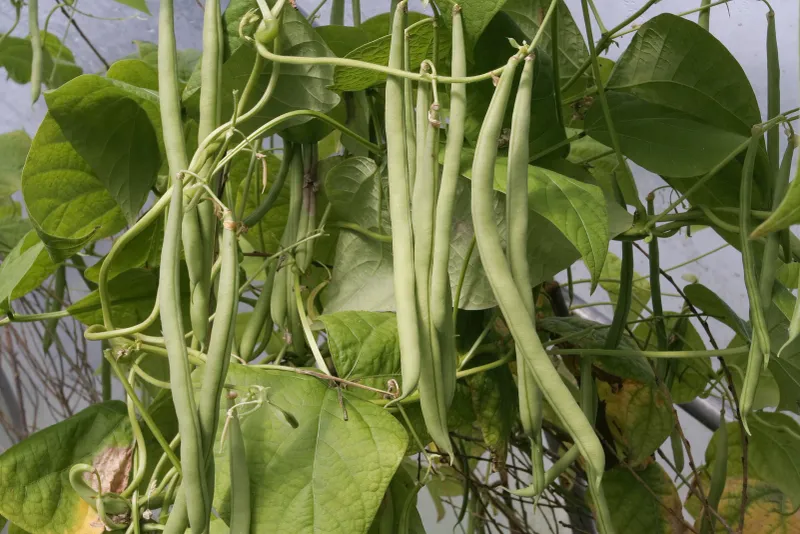
Here is something most North Carolina gardeners do not realize until their bean harvest disappoints them: bean plants are basically their own fertilizer factory.
Beans belong to the legume family, which means their roots form special partnerships with soil bacteria called rhizobia.
These tiny organisms live in little bumps on the roots called nodules, and they pull nitrogen right out of the air and convert it into a form the plant can use.
When you pour nitrogen fertilizer onto your bean patch, you are actually working against this incredible natural system.
The plant senses the extra nitrogen in the soil and slows down its own production, which means fewer nodules and less natural fixing.
Instead of putting energy into producing pods, the plant channels everything into growing big, dark green leaves that look impressive but deliver very little at harvest time.
Before planting beans in your North Carolina garden, prepare the soil by loosening it about 12 inches deep and mixing in a small amount of compost. Compost improves drainage without overloading the soil with nitrogen.
If your soil is extremely poor, a single light application of a balanced fertilizer at planting is acceptable, but once the plants start climbing, put the fertilizer bag away.
Well-prepared, loose soil and consistent moisture are truly all beans need to thrive and produce a generous, satisfying harvest all season long.
2. Peas (Pisum sativum)
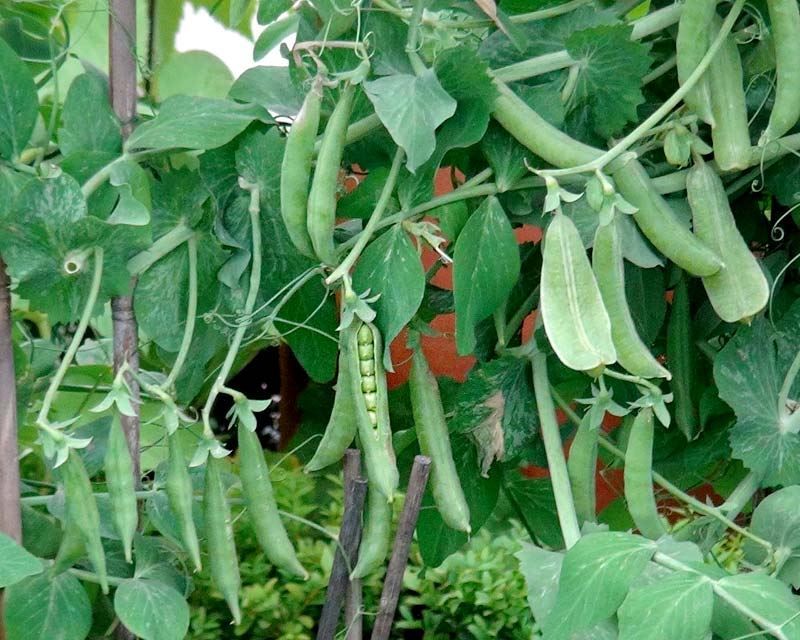
Peas have been growing in gardens for thousands of years, and they figured out long ago how to feed themselves.
Just like beans, peas are legumes with root nodules that capture nitrogen from the surrounding air.
North Carolina gardeners who discover this fact for the first time often feel a little relieved, because it means one less thing to worry about during the busy spring planting season.
Adding nitrogen fertilizer to pea plants sends the wrong message to the entire plant system.
Suddenly, the pea focuses on producing lush, thick vines and dark foliage rather than flowers and pods.
Your North Carolina Garden Changes Every Week. Your Plan Should Too.
Gardening in North Carolina changes quickly throughout the season. Every Friday you’ll receive a simple weekly plan showing exactly what to plant, prune, fertilize, harvest, and protect so you never miss the right timing.
Fewer flowers means fewer peas, and that is the opposite of what anyone wants after waiting patiently through the cool spring weeks for a harvest. The soil already does the heavy lifting when you prepare it correctly before planting.
Getting your soil ready before peas go in the ground makes a real difference in North Carolina gardens.
Work the bed about 10 inches deep and blend in well-aged compost to improve texture and water retention.
Peas prefer a slightly alkaline soil, so testing your pH and adding a little garden lime if needed is a smart move. Once the bed is prepared and the seeds are in the ground, skip the fertilizer entirely.
Consistent watering and good airflow around the vines are what carry peas through to a full, rewarding harvest without any extra feeding required.
3. Carrots (Daucus carota subsp. sativus)
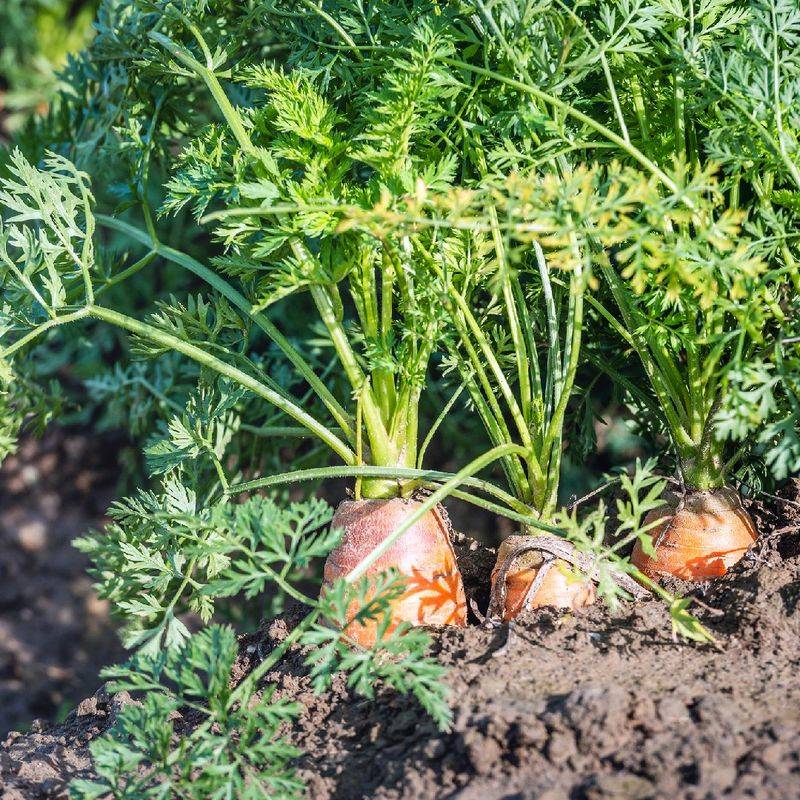
Carrots are one of those vegetables that reward patience and restraint more than anything else. In North Carolina, where the soil can be heavy with clay in many areas, carrots already face enough challenges growing straight and smooth.
Adding too much fertilizer, especially anything high in nitrogen, makes those challenges even worse by triggering a strange and frustrating problem called forking, where the root splits into two or more tangled branches instead of growing into one clean, beautiful carrot.
Excess nitrogen pushes the plant to grow fast and big, but carrots store their energy underground in that familiar orange root.
When nitrogen is too high, the plant prioritizes leafy top growth over root development, leaving you with a gorgeous green bouquet above the soil and a disappointing, stubby root below.
North Carolina gardeners have reported this issue repeatedly, especially in beds that were heavily amended with fertilizer the previous season. Preparing carrot beds properly before planting is the real key to success.
Loosen the soil to a depth of at least 12 to 15 inches, breaking up any clumps and removing rocks or debris that could cause roots to bend.
Mix in a modest amount of finished compost, which adds gentle, slow-release nutrients without spiking nitrogen levels. Avoid fresh manure entirely, as it is too rich and causes the same forking problem.
Sandy, well-drained soil with good depth and minimal fertilizer gives North Carolina carrots the best possible chance to grow long, straight, and flavorful.
4. Beets (Beta vulgaris)
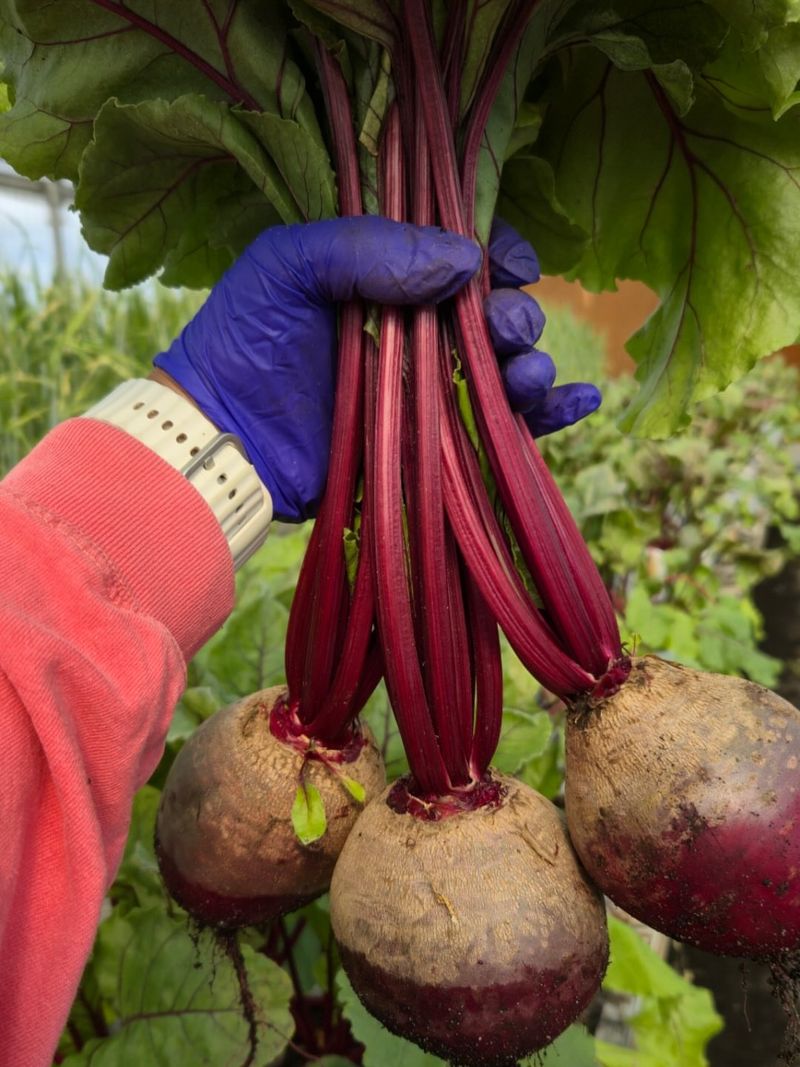
Beets are one of the most misunderstood vegetables in the North Carolina garden. Many gardeners assume that feeding beets heavily will produce bigger, rounder roots, but the opposite tends to happen.
When nitrogen levels in the soil climb too high, beet plants respond by throwing all their energy into producing tall, lush leaves.
The root, which is the part everyone actually wants to eat, ends up small, tough, and sometimes oddly shaped.
The sweet, earthy flavor that makes beets so popular at farmers markets across North Carolina actually develops best when the plant is not overstimulated by fertilizer.
Beets need a balanced supply of nutrients, particularly potassium and phosphorus, to develop properly sized and flavorful roots.
Heavy nitrogen feeding throws that balance completely off and results in a plant that looks healthy from a distance but underperforms where it counts most.
To set your beet bed up for success, start by working the soil about 10 inches deep and removing any large clumps or stones.
Blend in a moderate amount of aged compost to improve soil structure and provide gentle, steady nutrition throughout the season.
If a soil test shows low phosphorus or potassium, a small application of a balanced fertilizer before planting is fine. After that, leave the bed alone and let the plants do their work.
North Carolina beets grown in well-prepared, lightly amended soil almost always outperform those grown in heavily fertilized beds, both in size and in taste.
5. Radishes (Raphanus sativus)
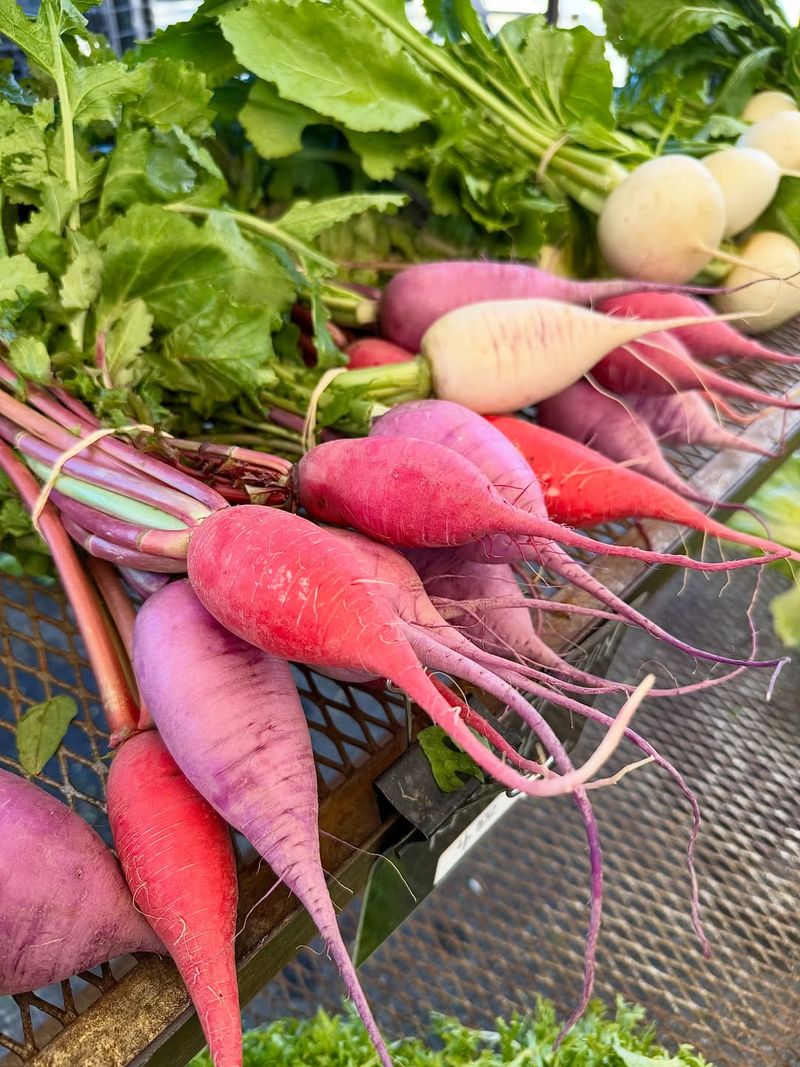
Radishes are the sprinters of the vegetable garden. They go from seed to harvest in as few as 22 days, which makes them one of the fastest-growing crops North Carolina gardeners can plant.
That speedy growth cycle is exactly why fertilizer is almost never needed and often causes real problems.
When you add extra nutrients to a plant that is already racing toward maturity, you push it to grow even faster in the wrong direction.
Overfertilized radishes pour their energy into producing tall, leafy tops that look impressive but signal trouble underground.
The root, which is the entire point of growing radishes, stays small, pithy, and sometimes hollow.
High nitrogen in particular causes this problem because it supercharges leaf production at the expense of root development.
In North Carolina gardens where the soil is already moderately fertile, radishes rarely need any additional feeding at all. Preparing the bed before planting is straightforward and does not take much effort.
Loosen the top 6 to 8 inches of soil and mix in a small amount of compost to improve drainage and texture.
Average garden soil with decent organic matter is honestly perfect for radishes. Avoid planting in beds that were heavily fertilized for a previous crop, because leftover nutrients can still cause problems.
Once the seeds are in the ground, water consistently and step back. North Carolina radishes grown in simple, well-drained, average soil consistently produce crisp, flavorful roots without any fertilizer needed.
6. Lettuce (Lactuca sativa)
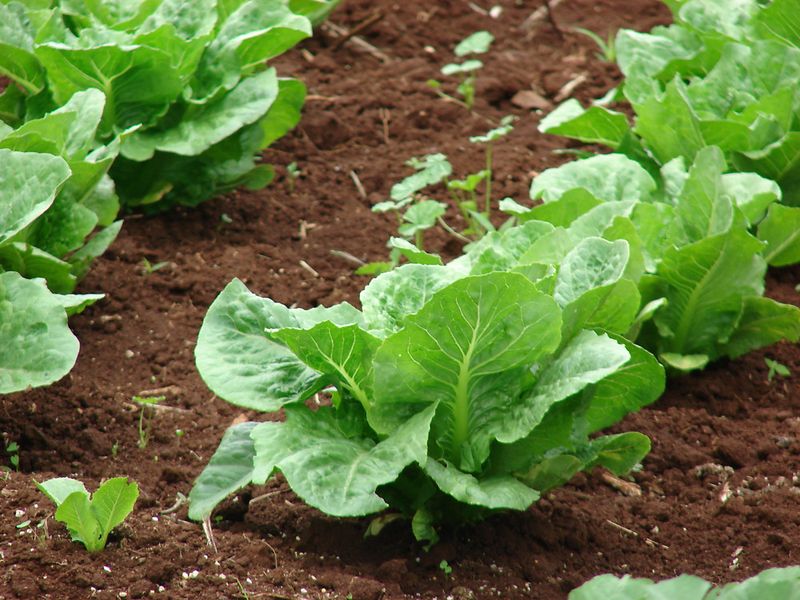
Lettuce has a reputation for being easy to grow, and in most North Carolina gardens, that reputation is well earned.
However, one of the fastest ways to ruin a lettuce crop is to feed it too much fertilizer, especially during the warmer months when the state’s heat starts to build.
Overfertilized lettuce grows quickly, but the growth is soft, weak, and watery rather than crisp and flavorful, which is a real letdown after weeks of careful watering.
North Carolina gardeners also deal with a specific challenge called bolting, where lettuce suddenly shoots up a tall flower stalk and turns bitter almost overnight.
Heavy fertilization speeds up this process by pushing rapid, uneven growth that makes the plant think it is time to reproduce.
Light, well-balanced soil nutrition keeps lettuce growing steadily and calmly, which extends the harvest window and keeps the leaves tasting their best for much longer.
Before planting lettuce, work the bed about 6 to 8 inches deep and incorporate a generous layer of finished compost.
Compost feeds the soil slowly and gently without flooding it with nitrogen. If your soil is particularly sandy or depleted, a very light application of a balanced fertilizer at planting time is acceptable, but keep it minimal.
After that, consistent moisture and partial shade during hot spells in North Carolina are far more valuable than any fertilizer.
Cool, moist, compost-rich soil is the foundation every lettuce variety needs to produce tender, flavorful leaves worth harvesting.
7. Garlic (Allium sativum)
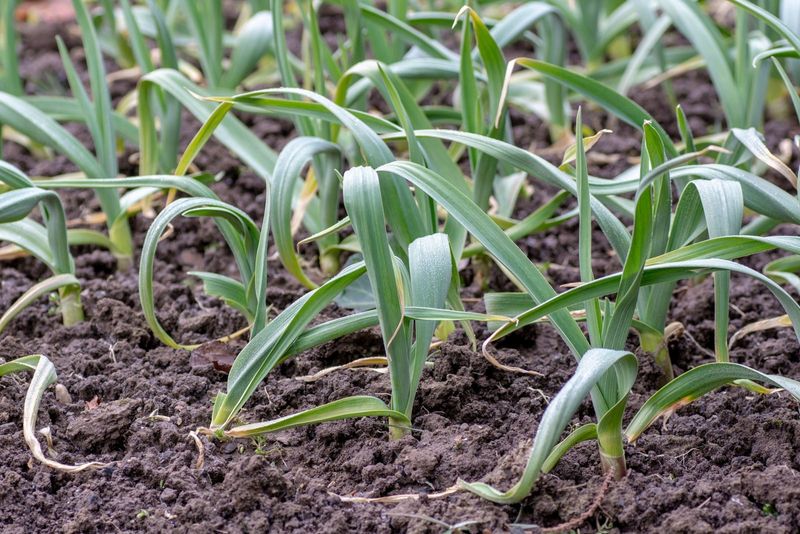
Garlic is one of the most satisfying crops a North Carolina gardener can grow, but timing is absolutely everything when it comes to fertilizing.
Many gardeners make the mistake of continuing to feed their garlic plants well into late spring, thinking more nutrition means bigger bulbs.
The reality is that late-season fertilizing, especially with nitrogen, pushes the plant to keep producing leafy green tops long after it should be shifting its energy toward forming the bulb underground.
When garlic receives too much nitrogen late in its growth cycle, the result is a plant with beautiful, tall, dark green leaves and a disappointingly small bulb at the base.
The leaves and the bulb are in constant competition for the plant’s energy, and heavy nitrogen always tips the balance toward the leaves.
North Carolina gardeners who stop fertilizing once the scapes appear, or once bulb formation begins in late spring, consistently report better harvests with larger, more flavorful bulbs.
Preparing garlic beds properly in the fall, before planting the cloves, sets the entire season up for success.
Work the bed 10 to 12 inches deep and mix in aged compost along with a light application of balanced fertilizer to give the cloves a strong start through the winter.
A small nitrogen boost in early spring when the green tops begin growing is acceptable and helpful. After that, stop feeding entirely and let the plant focus on what matters most.
Well-prepared North Carolina soil gives garlic everything it needs to finish strong without any late-season fertilizer at all.