Ever Notice Water Droplets On The Tips Of Houseplant Leaves In Indiana? Here’s What It Means
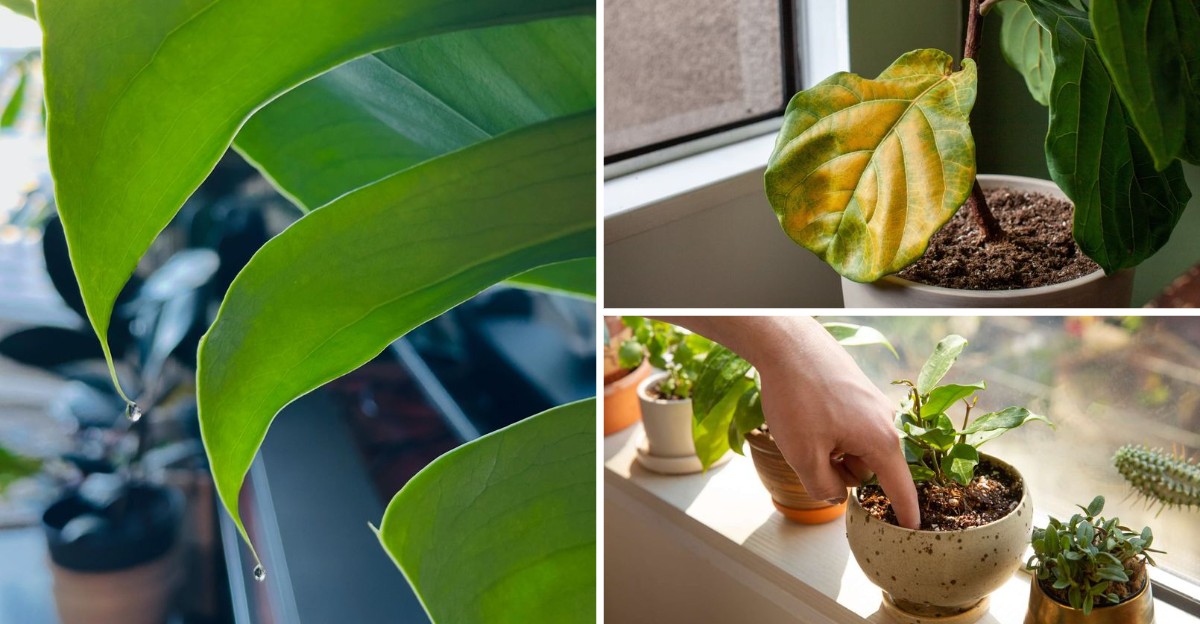
Your houseplant can push water droplets out through special pores at its leaf tips on quiet nights. Those tiny beads are not dew, and they did not come from your watering can either.
The water travels up from the roots and leaves the plant through openings built for this exact job. Botanists have studied these little leaf openings for many years, and they show up on hundreds of plant species.
I spotted my first shiny drops on a big green leaf during a cool Indiana morning last October. You need to look closely at the very tip, and you might see tiny beads hanging like glass.
Fall weather in Indiana brings cooler nights, shorter days, and slower growth for most indoor plants. So are those little drops a happy sign, a warning about your watering, or a bit of both?
Your Plant Is Pushing Out Extra Water Through Tiny Leaf Pores
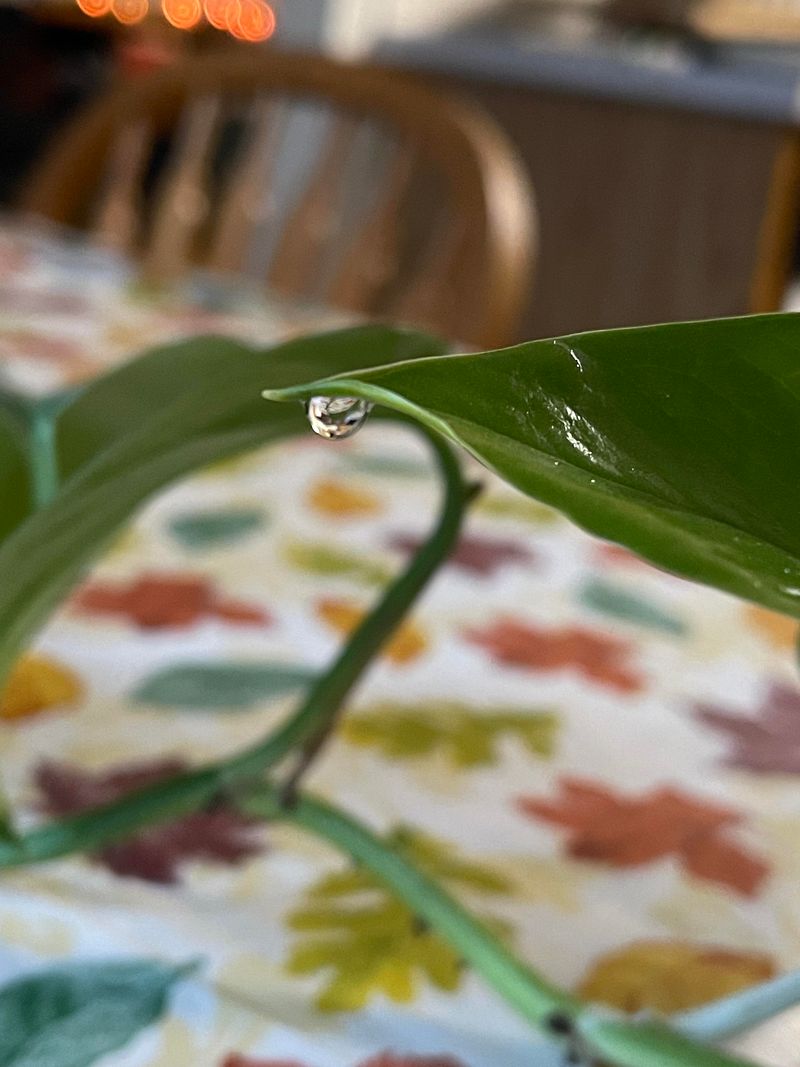
Plant scientists have a pretty fun name for those shiny beads, and the word is simply guttation. It comes from the Latin word gutta, which means a drop, so the name fits nicely.
Many leaves have special pores called hydathodes along their edges or right at their pointed tips. These openings work like tiny release valves, letting extra water escape when pressure builds up inside the plant.
That pressure starts down in the roots, which keep pulling water from the soil even after sunset. Botanists call this upward push root pressure, and it moves water steadily through the stems and leaves.
Hydathodes differ from stomata, the tiny pores plants use for breathing and releasing water vapor during the day. Stomata release water as an invisible gas, while hydathodes release it as actual liquid you can touch.
Plenty of popular houseplants show this habit, including pothos, philodendron, monstera, peace lily, and elephant ear plants. Grasses and strawberry plants outdoors do it too, which is partly why lawns sparkle on some fall mornings.
Many Indiana plant owners first mistake the drops for a leak, a spill, or even a sick plant. In most cases, the plant is healthy and simply getting rid of more water than it needs.
Seeing guttation once in a while is mostly harmless and can even signal that the roots are active. Still the pattern behind those drops can tell you a lot about your care routine this cozy fall season.
You’ll Spot Guttation Most Often At Night Or Early Morning
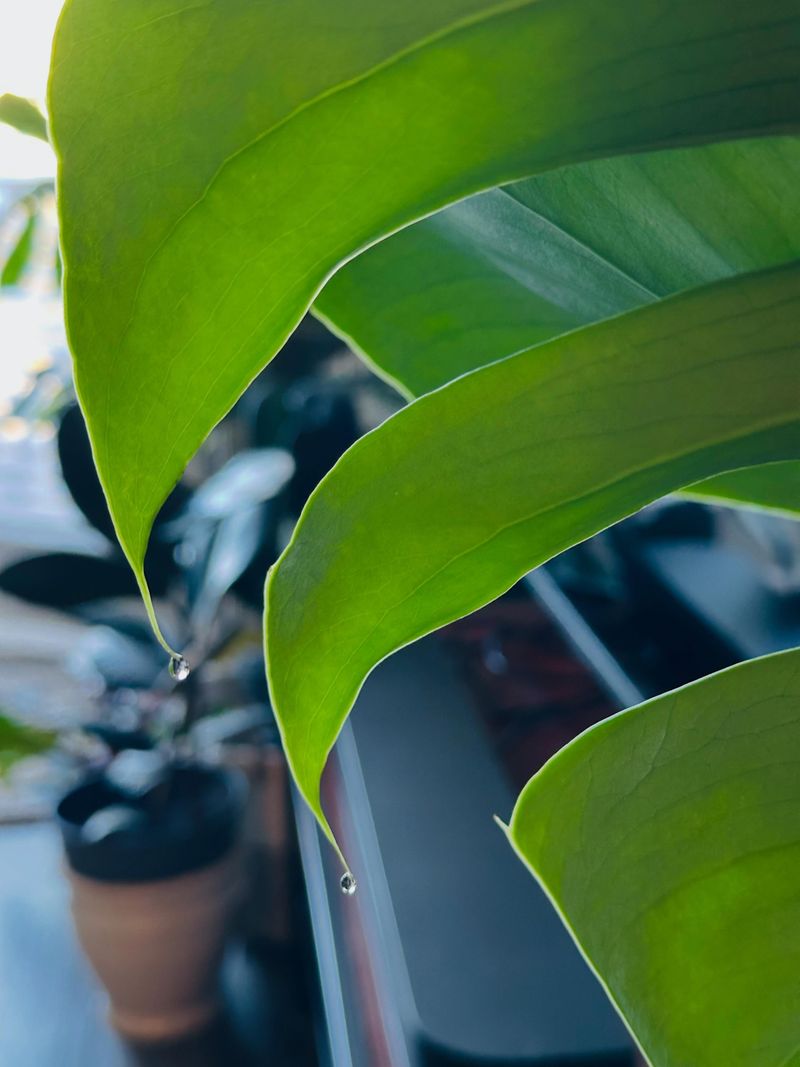
Walk past your plants at bedtime, then check them again at breakfast, and you may notice a difference. Those overnight hours are prime time for droplets, and the reason comes down to plant breathing.
During the bright part of the day, plants lose lots of water as vapor through open stomata on their leaves. Sunlight and warm air keep that process moving, so extra water rarely has a chance to pile up.
Once darkness falls, most stomata close up tight, and the steady loss of water vapor slows way down. The roots keep drawing moisture from damp soil, though, so pressure builds inside the leaves overnight.
Your Indiana Garden Changes Every Week. Your Plan Should Too.
Gardening in Indiana changes quickly throughout the season. Every Friday you’ll receive a simple weekly plan showing exactly what to plant, prune, fertilize, harvest, and protect so you never miss the right timing.
With nowhere else to go, that water slips out of the hydathodes and gathers at the tips. By sunrise, you might see a neat row of beads along a leaf edge or one fat drop.
October nights in Indiana often turn chilly, and cooler air slows evaporation from leaves even more. Plants sitting near drafty windows may show more drops than plants resting in warmer, brighter parts of your home.
Humid rooms add to the effect, since moist air makes it harder for leaves to release vapor. Bathrooms, kitchens, and spots near a humidifier are common places to find dripping leaf tips each morning.
The drops usually evaporate within a few hours after daylight returns and the room warms up. Catching them takes a little timing, so try a quick plant check with your morning coffee or cocoa.
Heavy Watering Plays A Big Role In Those Drops
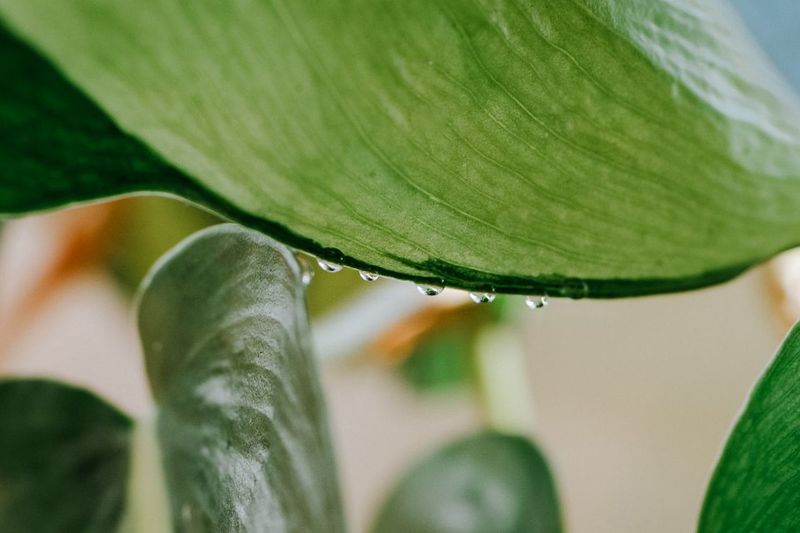
Generous watering feels like an act of love, but your plant may receive far more water than it can use at once. Guttation shows up most when soil stays very moist and roots can grab more water than leaves use.
A big drink right before evening sets the stage, because roots work hard while leaves rest overnight. That combination pushes water up the stems faster than the plant can release it as vapor.
Fall makes this trickier for Indiana houseplant lovers, since shorter days mean plants grow more slowly. Slower growth means plants use less water, so a summer watering schedule can easily become too much.
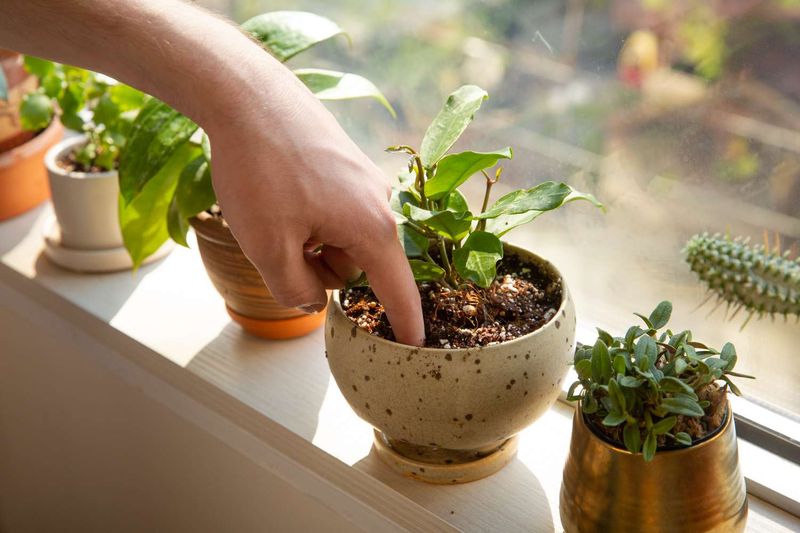
University extension experts often suggest checking soil moisture with your finger before reaching for the watering can. Push a finger about an inch into the soil, and wait if it still feels cool and damp.
Large pots hold moisture longer than small ones, especially when the plant inside has a small root system. Plastic and glazed containers also hold water longer than unglazed terracotta, which lets moisture escape through its walls.
A few drops after watering day are no reason to worry, and many healthy plants do this regularly. Think of guttation as a gentle hint that the soil holds plenty of water for the moment.
Personally, I water my thirstiest plants in the morning during fall, and the overnight drops have mostly faded. Morning watering gives roots and leaves a full day to use the moisture before cool evening arrives.
Frequent Droplets Can Point You Toward Soggy Soil
One morning of droplets is a quirky little show, but drops every single day deserve a closer look. Constant guttation can be a clue that the soil stays wet for too long between waterings.
Roots need air as much as they need water, and soggy soil fills the tiny air pockets. Without enough oxygen, roots start to struggle, and fungi that cause root rot find a perfect home.
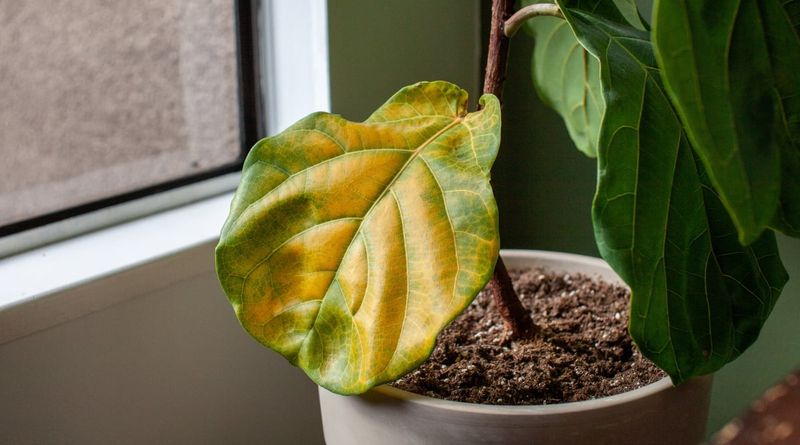
Watch for other signs that travel along with frequent drops, such as yellow lower leaves or limp stems. A sour or musty smell from the pot is another hint that the soil needs time to dry.
Fungus gnats also love damp potting mix, and those black fliers are a familiar sight in Indiana homes each fall. Their larvae feed in wet soil, so a gnat problem often points back to too much water.
Drainage plays a huge part in this story, so check the bottom of every pot for holes. Decorative pots without holes can trap water at the bottom, leaving roots sitting in a hidden puddle.
Saucers deserve attention too, since water collecting there can wick right back up into the soil. Empty them about fifteen to thirty minutes after watering, once the extra water has finished draining out.
I believe these daily drops are a helpful early warning, since they often show up before serious damage appears. Treat them like a friendly nudge, and let the top layer of soil dry before watering again.
Sticky Residue Signals A Different Problem For You
Run a fingertip across that wet leaf tip, and pay close attention to how the drop feels. Guttation fluid feels mostly like water, though it can leave behind faint white crust as it dries.
That chalky crust comes from minerals and salts that traveled up from the soil with the water. Heavy fertilizer use can make the crust more noticeable, and it may even cause slight brown tips.
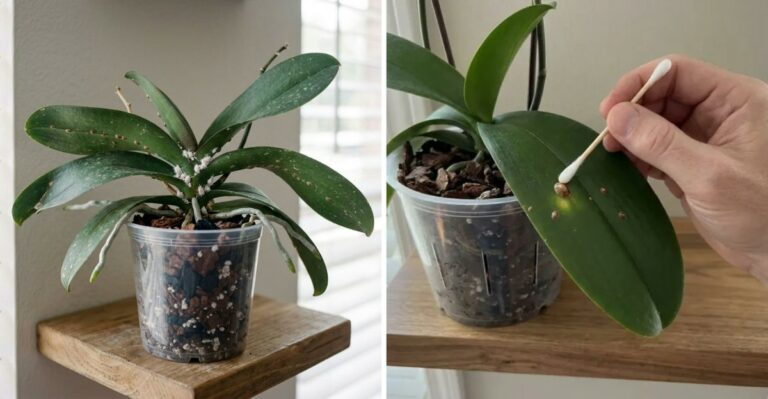
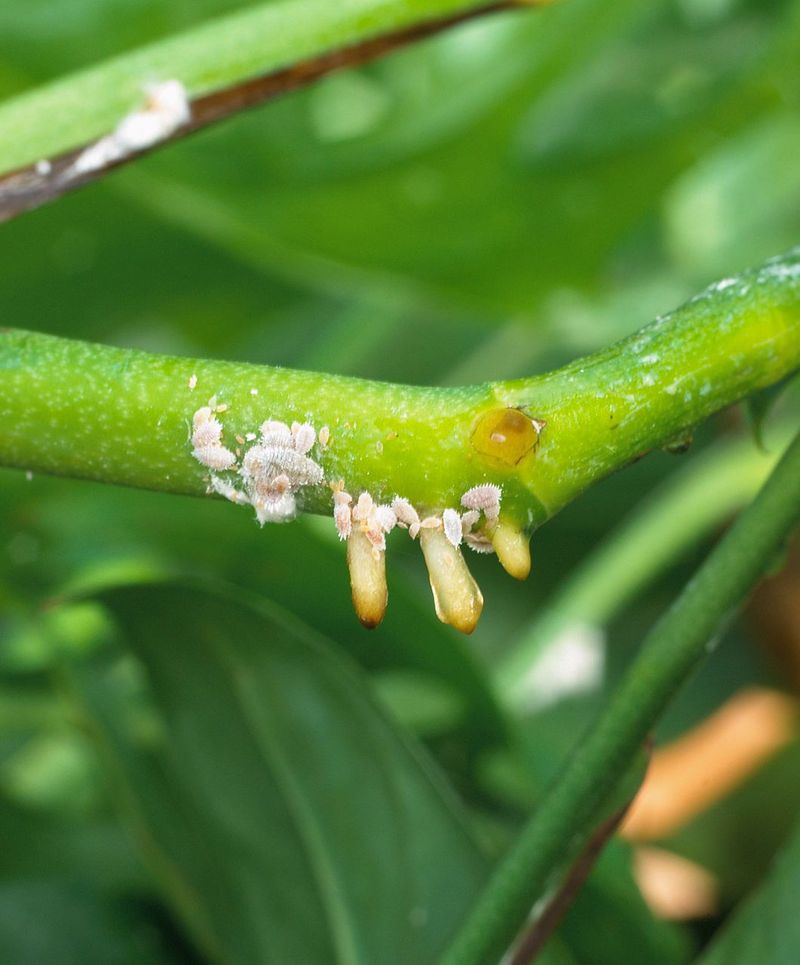
Sticky, shiny spots on leaves or tabletops are a different story, and they usually point to honeydew. Honeydew is a sugary waste made by sap-feeding insects such as aphids, scale, mealybugs, and whiteflies.
Fall is a common time for these pests to sneak inside, often riding on plants that spent summer outdoors. Many Indiana gardeners bring porch plants indoors before the first frost, and hitchhikers can come along too.
Grab a flashlight and check the undersides of leaves, along the stems, and where leaves join the stem. Scale insects look like small brown bumps, while mealybugs resemble tiny tufts of white cotton fluff.
Left alone, honeydew can grow a dark coating called sooty mold that blocks light from reaching the leaf. Wiping leaves with a damp cloth helps, and insecticidal soap can manage many soft-bodied pests on houseplants.
Not every shiny leaf is just extra water from the roots, so it helps to check what the drop feels like. Clear, watery drops usually mean guttation, but tacky spots call for a careful pest inspection right away.
Simple Watering Changes Keep Droplets In Check
A few small tweaks to your routine can calm those morning drips without making your plants go thirsty. October is a great month to start, since most houseplants slow their growth as daylight shrinks.
Water based on how the soil feels, not on a calendar date or a fixed weekly reminder. Many tropical houseplants prefer the top inch or two of soil to dry before their next drink.
Morning watering works well in Indiana during fall, giving plants daylight hours to use up the moisture. Evening watering is fine once in a while, but it often leads to more drops by sunrise.
Pour slowly until water flows from the drainage holes, then let the pot drain fully in the sink. This deep soak followed by a good drying period helps roots grow strong without sitting in soggy mix.
Choose a potting mix that drains well, and add perlite or orchid bark for plants that dislike wet feet. Pick a pot only slightly larger than the root ball, since extra soil holds extra water for longer.
Ease up on fertilizer through fall and winter, because slow-growing plants need far less food right now. Less fertilizer also means fewer salty crusts forming on leaf tips after guttation drops dry out.
Getting to know each plant’s watering rhythm makes a nice fall project. A few stray drops may still appear, and that is perfectly normal for a happy, healthy houseplant.