These Florida Container Combinations Look Designed (Even If You Just Threw Them Together)
A great container garden has a way of making people think you planned every inch. The colors look balanced, the textures play nicely, and the whole pot feels pulled together instead of random.
The funny part? Some of the best Florida container combinations are surprisingly easy to fake.
You just need plants that can handle the same light, heat, and watering routine, then let their shapes do the heavy lifting. A tall plant here, something full in the middle, something trailing over the edge, and suddenly that basic patio pot looks like it came from a designer’s cart.
Florida’s long warm season gives you plenty to work with, from bold foliage to bright blooms and spillover greenery. So before you overthink your next planter, try combinations that look polished without asking for perfection.
1. Hibiscus And Coleus Make Patios Look Instantly Styled
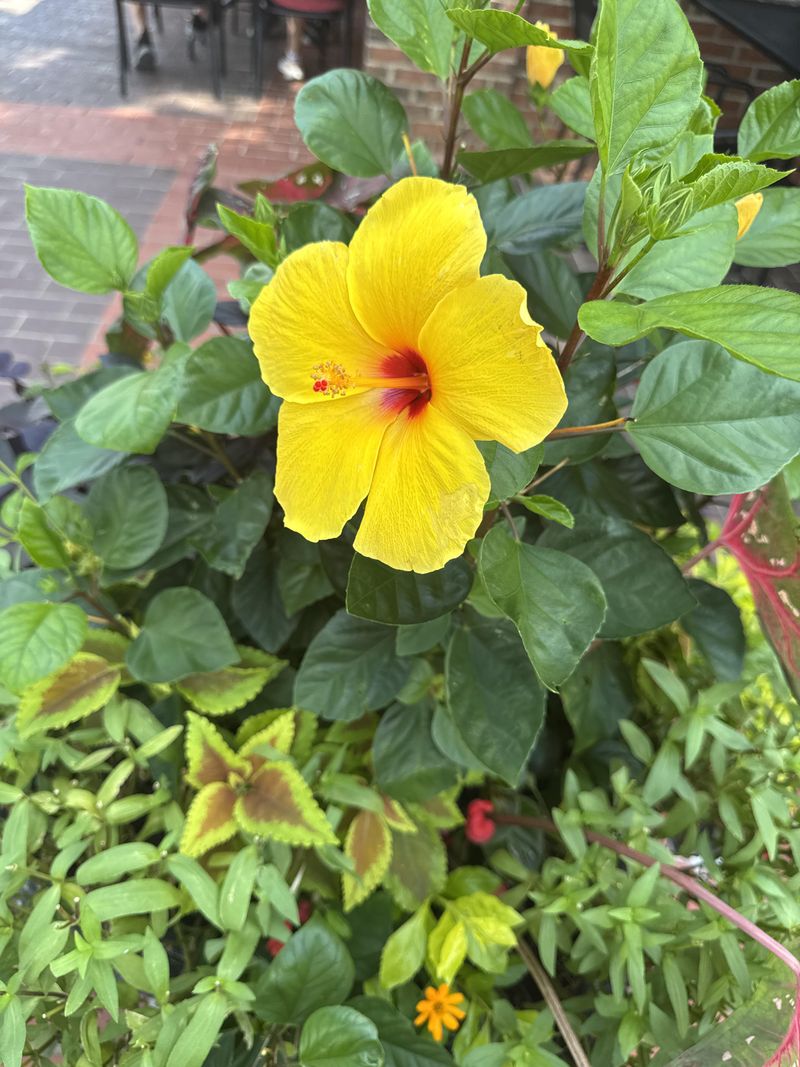
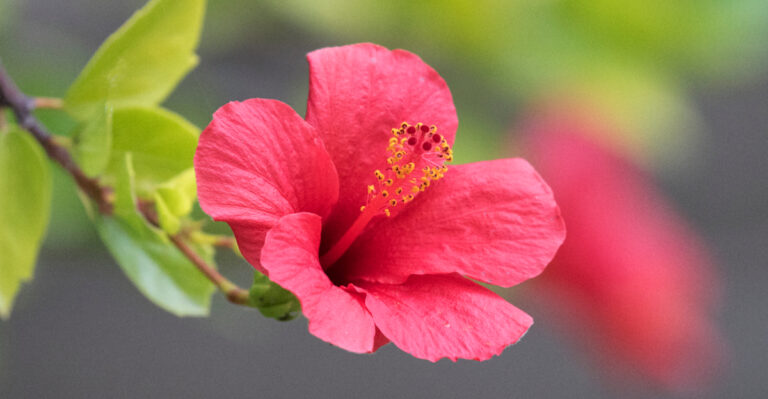
Bright blooms and bold leaves are a hard combination to beat on a sunny patio. Tropical hibiscus brings large, showy flowers that can stop anyone in their tracks.
Pair it with coleus in a rich, contrasting color and the whole container looks like it was styled on purpose.
Coleus is not just a filler plant. It holds its own with vivid leaf patterns in shades of burgundy, lime, copper, and deep red.
Even on days when the hibiscus is resting between blooms, the coleus keeps the pot looking full and finished. That layered color effect is exactly what makes this pairing feel intentional.
Both plants do well in bright light, though coleus can handle a bit more shade than hibiscus. In warmer parts of the state, afternoon shade helps coleus stay vibrant instead of fading or wilting.
North and Central yards may find this pairing thrives in a spot with morning sun and some afternoon cover.
Tropical hibiscus is a Florida-Friendly plant that performs well in containers when given consistent moisture and good drainage. Coleus is also widely used as a container plant in warm climates.
Both are heavy feeders, so regular fertilizing keeps them looking their best through the season.
Choose a large container with drainage holes so both plants have room to grow. Keep soil consistently moist but never waterlogged.
This combination works especially well in Central and South growing areas, where heat and humidity give both plants the conditions they love most.
2. Caladiums And Ferns Turn Shade Pots Into Showpieces
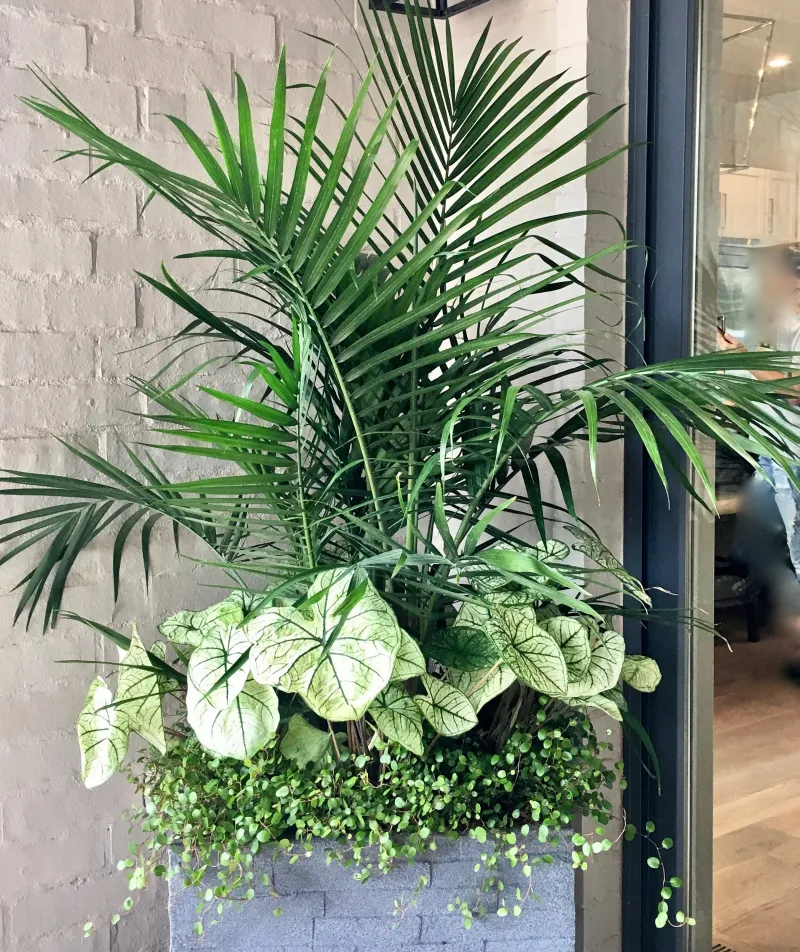
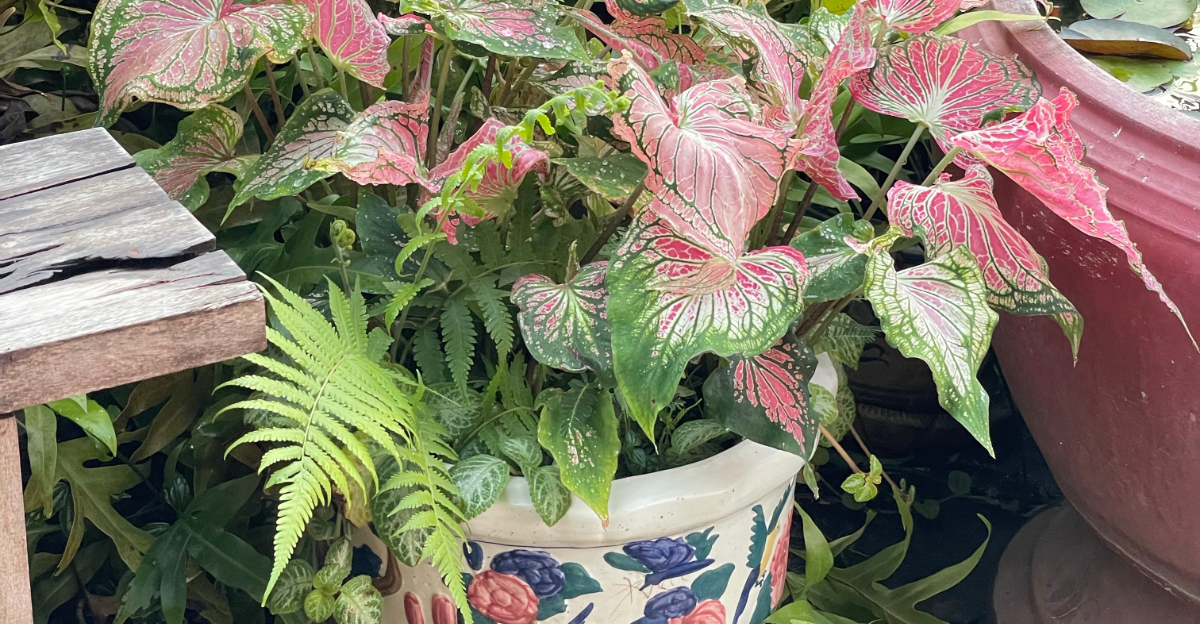
Shaded porches and covered entryways do not have to look dull. Caladiums bring some of the most dramatic foliage available in warm climates.
Their leaves range from soft pink and white to deep red with green edges. Pair them with a fern for texture and movement, and a plain shady corner suddenly feels curated.
The fern adds a softness that balances caladium’s bold patterns. Boston fern is a popular choice for covered patios and screened porches in Central and South areas.
In the Panhandle or North regions, a holly fern or autumn fern may handle the climate better. Check with a local Extension office before choosing your fern variety.
Your Florida Garden Changes Every Week. Your Plan Should Too.
Gardening in Florida changes quickly throughout the season. Every Friday you’ll receive a simple weekly plan showing exactly what to plant, prune, fertilize, harvest, and protect so you never miss the right timing.
Both plants prefer consistent moisture, but the soil should never sit wet. Good drainage is essential.
A container with drainage holes and a well-draining potting mix keeps roots healthy without creating soggy conditions that can cause rot.
Caladiums are tropical plants that thrive in heat and humidity. They are widely used across the state as seasonal container plants and are considered Florida-Friendly for their adaptability and low-maintenance needs in shaded spots.
They prefer indirect light and can scorch if placed in direct afternoon sun.
Keep both plants away from harsh direct sun. A covered porch, shaded patio, or north-facing entryway gives this combination the best chance to shine.
Water consistently, especially during dry stretches, and the reward is a lush, layered pot that looks like it belongs in a garden design magazine. This is one of the easiest shade pairings you can put together.
3. Croton And Pentas Bring Bold Color From Every Angle
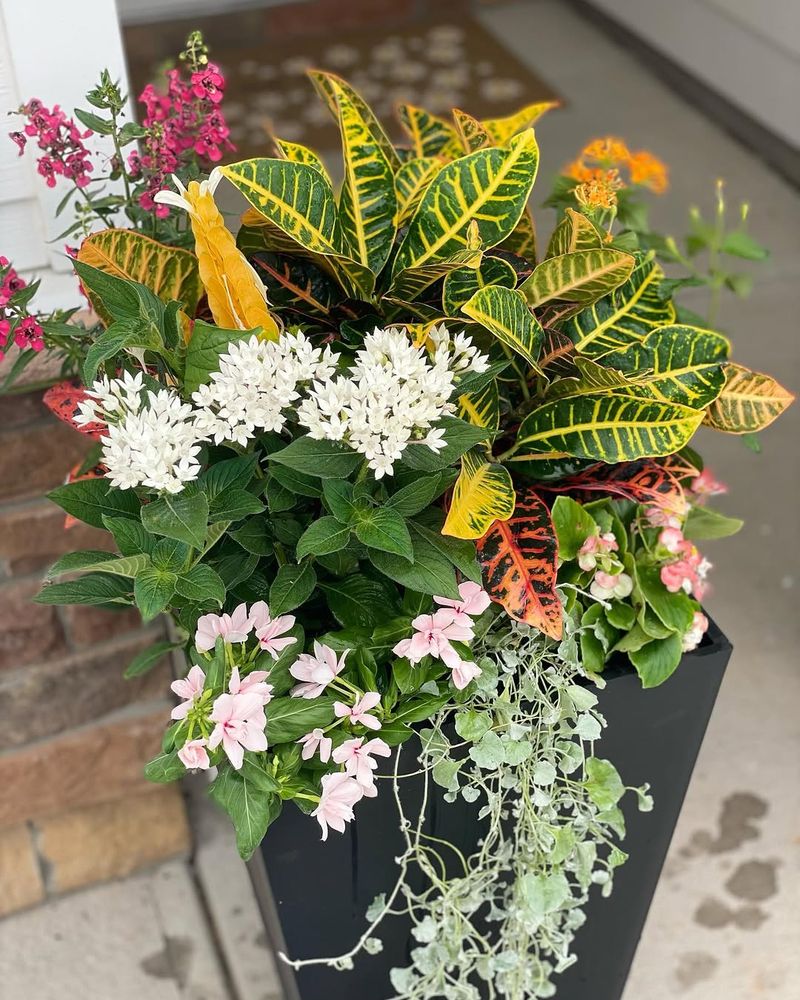
Some plant pairings whisper. This one shouts color from every direction.
Croton is one of the most vivid foliage plants for warm-climate containers. Its leaves can be splashed with yellow, orange, red, and green, depending on the variety.
Add pentas alongside it and you get cheerful clusters of star-shaped blooms that draw butterflies and other pollinators all season long.
Pentas is a Florida-Friendly plant well-documented by UF/IFAS as a top performer in warm-season containers and landscapes. It thrives in full sun and handles heat with ease.
Croton also does well in full sun, though it can tolerate part sun in some situations. Both plants bring strong visual interest, but from completely different sources: one through foliage, the other through flowers.
The contrast between croton’s painted leaves and pentas’s clustered blooms creates a layered look that feels designed without much effort. Choose a pentas color that picks up one of the tones in your croton variety.
Red pentas next to a croton with red and orange tones creates a cohesive palette that looks very intentional.
Containers in full sun will dry out faster, especially during peak summer heat. Check soil moisture regularly and water deeply when the top inch feels dry.
Both plants appreciate good drainage, so make sure your pot is not holding standing water.
This combination performs especially well in South and Central growing areas where heat and sunlight are intense and consistent. In North regions, it still works well during the warmer months.
Fertilize regularly to keep both plants producing their best color and blooms throughout the season.
4. Mandevilla And Bacopa Add Height And Soft Edges
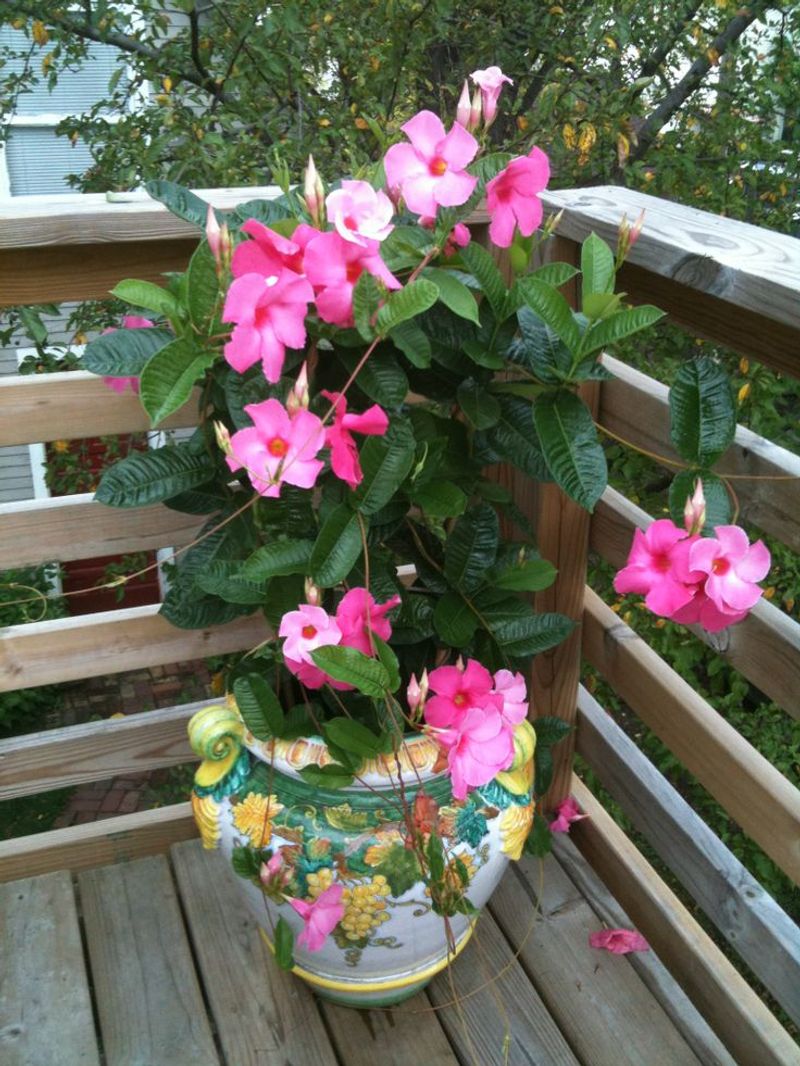
Not every container needs to be a round mound of plants. Sometimes a vertical element changes everything.
Mandevilla is a tropical vine that produces bold trumpet-shaped blooms in pink, red, or white. It climbs naturally when given a small trellis or stake in the center of the pot, giving the container real height and presence.
Bacopa trails softly over the edges with tiny blooms and delicate foliage, creating a completely different visual layer. The combination of an upright climber and a cascading trailer is a classic container design trick, and it looks polished without requiring any special skills.
The height contrast alone makes the pot feel styled.
Both plants prefer bright light. Mandevilla does best in full sun to part sun and is a popular warm-climate container plant known for its heat tolerance.
Bacopa, sometimes listed under the genus Sutera, prefers bright light but may appreciate some afternoon shade in the hottest months. In South and Central areas during peak summer, a spot with morning sun and afternoon shade helps bacopa stay lush and blooming longer.
Mandevilla is not cold-hardy and should be treated as a seasonal plant in North regions or brought indoors before temperatures drop. It is a Florida-Friendly option for warm-season containers and is widely used across the state during the warm months.
Keep the soil evenly moist and fertilize every couple of weeks to support both the climbing growth of the mandevilla and the trailing habit of the bacopa.
Use a large container with good drainage and a sturdy trellis insert so the mandevilla has something solid to climb as it grows taller through the season.
5. Pentas And Angelonia Keep Sunny Containers Blooming
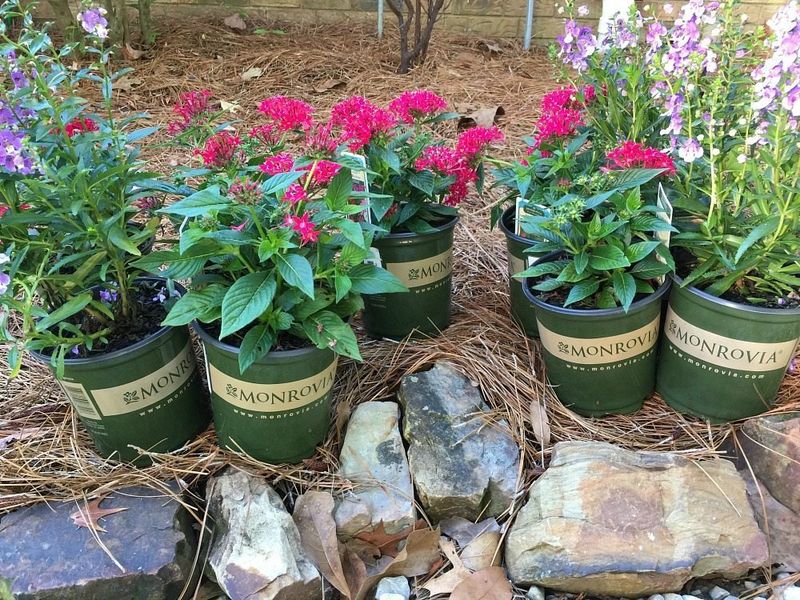
Keeping a container blooming all summer long is a real challenge in the heat, but this pairing is built for exactly that. Pentas and angelonia are both known for their staying power in warm, sunny conditions.
Together, they create a full, colorful pot that barely needs a redesign from early summer through fall.
Angelonia, sometimes called summer snapdragon, produces tall spikes covered in small blooms in purple, pink, white, or bicolor. It is a Florida-Friendly plant recognized by UF/IFAS for its strong performance in warm-season gardens and containers.
Pentas adds rounded clusters of star-shaped flowers at a lower height, creating a natural layered look with angelonia rising above it.
The two plants share similar sun and water needs, which makes them genuinely easy to maintain together. Both prefer full sun and well-draining soil.
They handle heat well and bounce back after dry spells better than many other flowering plants. That reliability is a big part of what makes this combination so satisfying.
Choose complementary colors for a cohesive look. Purple angelonia with red or coral pentas creates a rich, warm palette.
White angelonia with pink pentas feels lighter and more cottage-inspired. Either way, the combination reads as intentional even if you picked both plants in five minutes at the garden center.
Water consistently and use a balanced slow-release fertilizer to support continuous blooming. Deadheading spent pentas flowers encourages fresh blooms.
Angelonia is largely self-cleaning and does not require much deadheading. This pairing works beautifully across Central and South growing areas, and performs well in North regions during the warm season too.
6. Foxtail Fern And Begonias Look Full Without Fuss
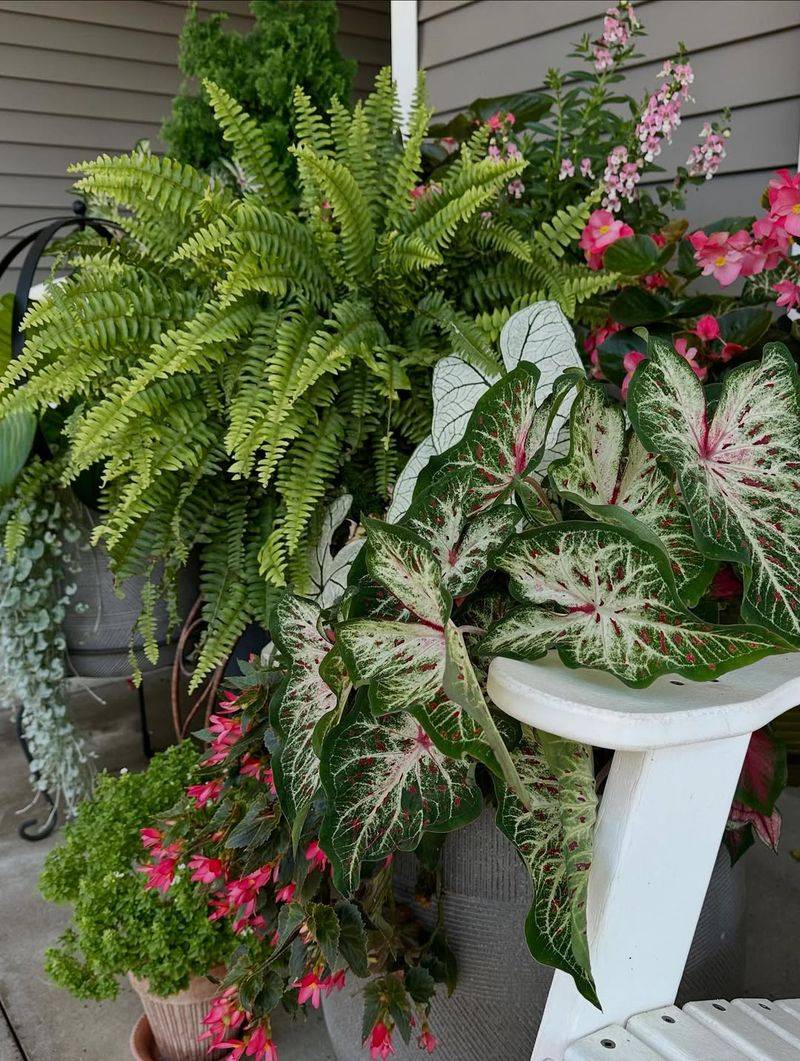
Sometimes the best-looking containers are the ones that seem effortless. Foxtail fern has a feathery, architectural texture that adds structure to any pot without looking stiff or formal.
Pair it with begonias and the container fills out with soft color that complements the fern’s deep green perfectly.
Wax begonias are one of the most reliable warm-season container plants in warm climates.
They bloom consistently, handle heat reasonably well with some moisture, and come in shades of red, pink, white, and coral.
Their rounded, glossy leaves contrast beautifully with foxtail fern’s needle-like plumes. The container gets two very different textures that work together naturally.
This pairing does best in part sun or bright shade. Foxtail fern can handle some direct sun but looks its best with a bit of afternoon protection in hotter regions.
Wax begonias prefer bright indirect light or morning sun, especially in South and Central areas where afternoon heat can stress them. A spot under a tree canopy or on a covered porch often works well for both.
Foxtail fern, also known as Asparagus densiflorus, is not a true fern but a member of the asparagus family. It is widely used in warm-climate containers for its durability and texture.
Note that it can spread aggressively if planted directly in the ground, so keeping it in a container is the smarter choice.
Water both plants consistently and avoid letting the container dry out completely between waterings. The combination looks full from day one and only gets better as the season progresses.
It is a low-effort pairing that delivers high-impact results in shaded or semi-shaded outdoor spaces.
7. Dwarf Citrus And Herbs Make Patio Pots Feel Fresh
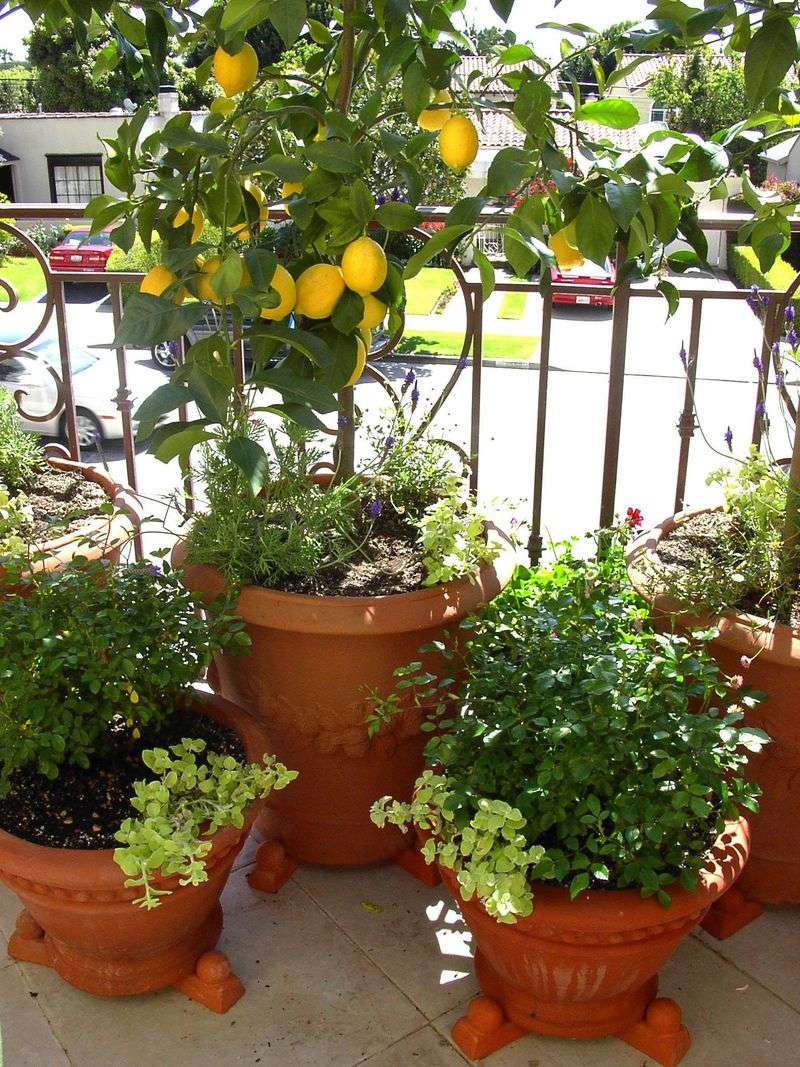
There is something undeniably satisfying about a container that is both beautiful and useful. A dwarf citrus tree anchors a large patio pot with glossy foliage, fragrant blossoms, and colorful fruit.
Tuck a few culinary herbs around the base and you have a combination that looks styled and earns its place on the patio every single day.
Dwarf citrus varieties like calamondin, dwarf Meyer lemon, and dwarf lime grow well in large containers with excellent drainage. They need full sun, at least six hours per day, and consistent watering without waterlogging.
UF/IFAS notes that container citrus requires regular fertilizing with a citrus-specific fertilizer to stay healthy and productive over time.
Thyme, oregano, and rosemary are good herb companions for citrus in a container. All three prefer full sun and well-drained soil, which aligns closely with what citrus needs.
They stay relatively compact and do not compete aggressively with the citrus roots. Avoid herbs that prefer shade or consistently moist soil, such as mint or basil, as their needs conflict too much with citrus preferences.
Keep in mind that citrus in containers needs a large pot, at least 15 to 20 gallons, to give roots enough room. Good drainage is non-negotiable.
Use a well-draining citrus or cactus mix rather than standard potting soil, which can hold too much moisture.
This combination works best in Central and South growing areas where warmth is consistent. In the Panhandle and North regions, be ready to move the container indoors or to a protected spot if temperatures threaten to drop below freezing.
The payoff is a patio pot that smells incredible, looks intentional, and occasionally gives you fruit or fresh herbs for the kitchen.