10 Facts Everyone Should Know About Growing The Sweetest Strawberries
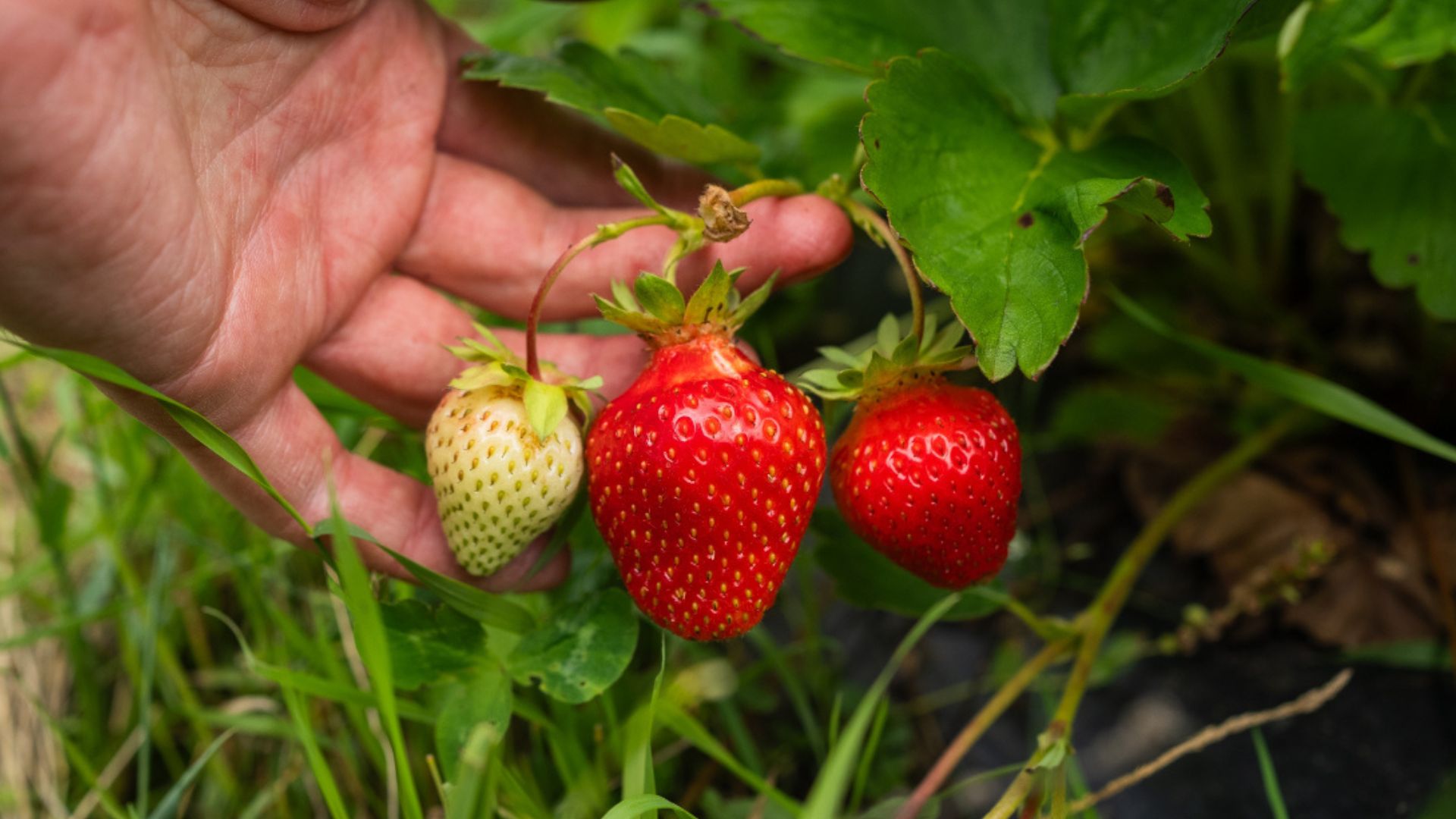
Remember the first strawberry you ever tasted fresh from the garden, warm from the sun and still a little sticky on your fingers?
There’s something about that simple sweetness that brings back mornings spent with kids at the kitchen table, or summer afternoons picking berries with friends.
It’s a small pleasure that feels like it belongs to a lifetime of routines, good food, and family moments.
Growing strawberries that sweet in your own yard doesn’t require a degree in horticulture. With the right soil, sun, and a few practical strategies, anyone can enjoy berries that taste like the ones from childhood markets and local stands.
These plants fit into everyday life, whether it’s adding a handful to breakfast or sneaking a few while checking the garden after work.
We’re about to uncover the little-known tricks that make berries taste incredible, including what to plant, when to water, and how to keep pests away. Stick around, and you’ll see how your next harvest could be the sweetest yet.
1. Perfect Soil Composition Flourishing Beneath Every Berry
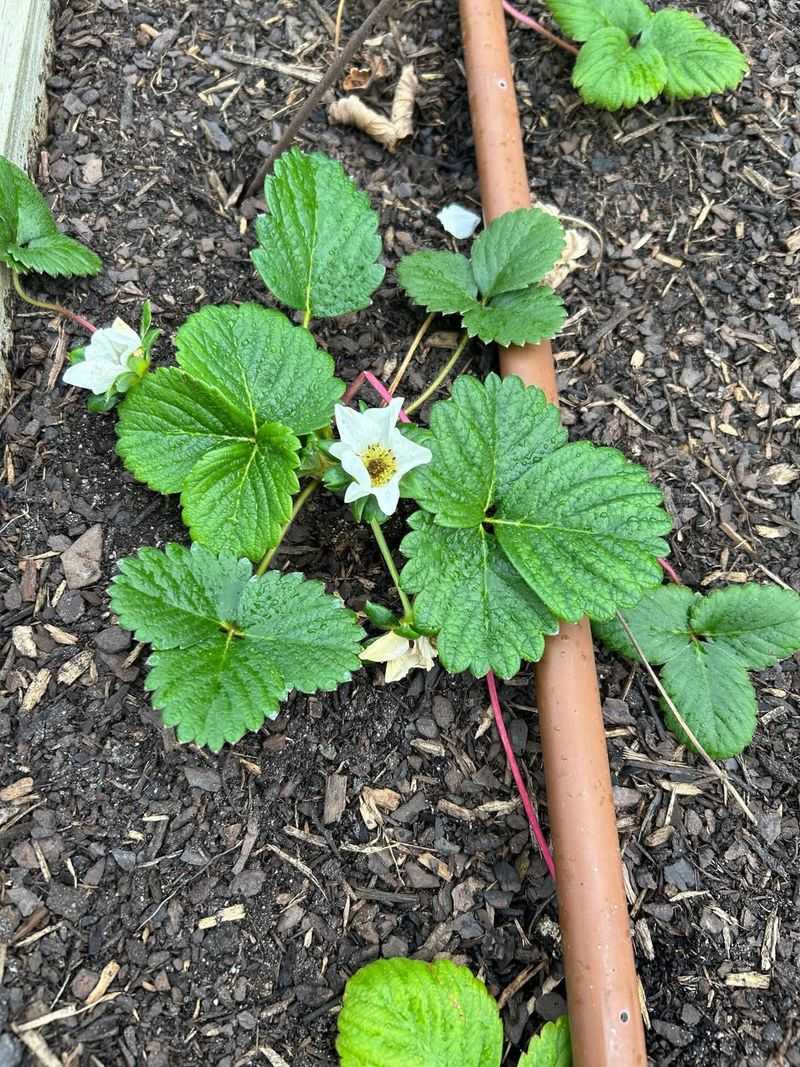
There’s more magic in the dirt than most gardeners realize. Strawberries thrive when roots can breathe, spread, and drink up nutrients without getting waterlogged.
That means loose, well-draining soil with a slightly acidic pH around 5.5 to 6.5. Think of it as a spa retreat for tiny roots.
Mixing in compost or well-aged manure not only enriches the soil but also encourages beneficial microorganisms that help plants absorb nutrients more efficiently. Adding a touch of sand or fine gravel can improve drainage, especially in heavier clay soils.
A raised bed can be a game-changer, giving strawberries the perfect environment while keeping water from pooling at the roots. Don’t forget to test the soil before planting.
It’s an easy step that pays off with healthier plants and sweeter fruit. Mulching after planting further stabilizes soil temperature and retains moisture.
When the foundation is solid, the rest of the strawberry-growing process becomes much more enjoyable. Healthy soil leads to robust plants that resist stress, pests, and disease naturally.
By investing a little time in prepping the soil correctly, gardeners set themselves up for a harvest that tastes just as good as it looks.
2. Sunshine Magic Soaking Up Sweet Summer Rays
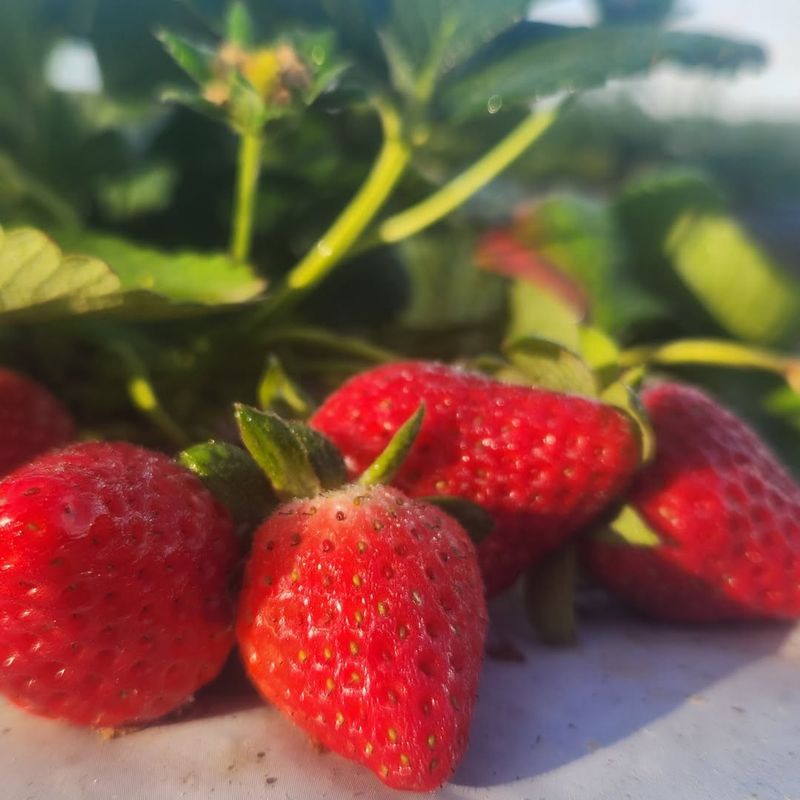
Sunlight fuels the transformation from a delicate blossom into a plump, sweet berry. Strawberries are happiest with six to eight hours of direct sun every day.
Inadequate light can lead to spindly growth and fewer blooms, which directly affects flavor. Early morning sun is especially valuable, drying dew and reducing the chance of fungal diseases.
Selecting a location that isn’t shaded by trees or buildings makes a big difference in both yield and sugar content. Gardeners often notice that berries grown in full sun taste sweeter because sunlight triggers the plant’s natural sugar production.
Companion plants or low ground covers can help reflect light and keep the fruit warmer. Observing how sunlight moves across your yard during the day can help determine the best planting spot.
Over time, strawberries in prime sunlight consistently outperform those in partial shade, producing bigger, juicier fruit and stronger runners for propagation. A sunny plot isn’t just good for the plants, it also makes the garden more enjoyable to spend time in.
Your berries will reward that sunny investment with flavor-packed harvests that make every bite memorable.
3. Watering Wisdom Keeping Every Root Refreshed
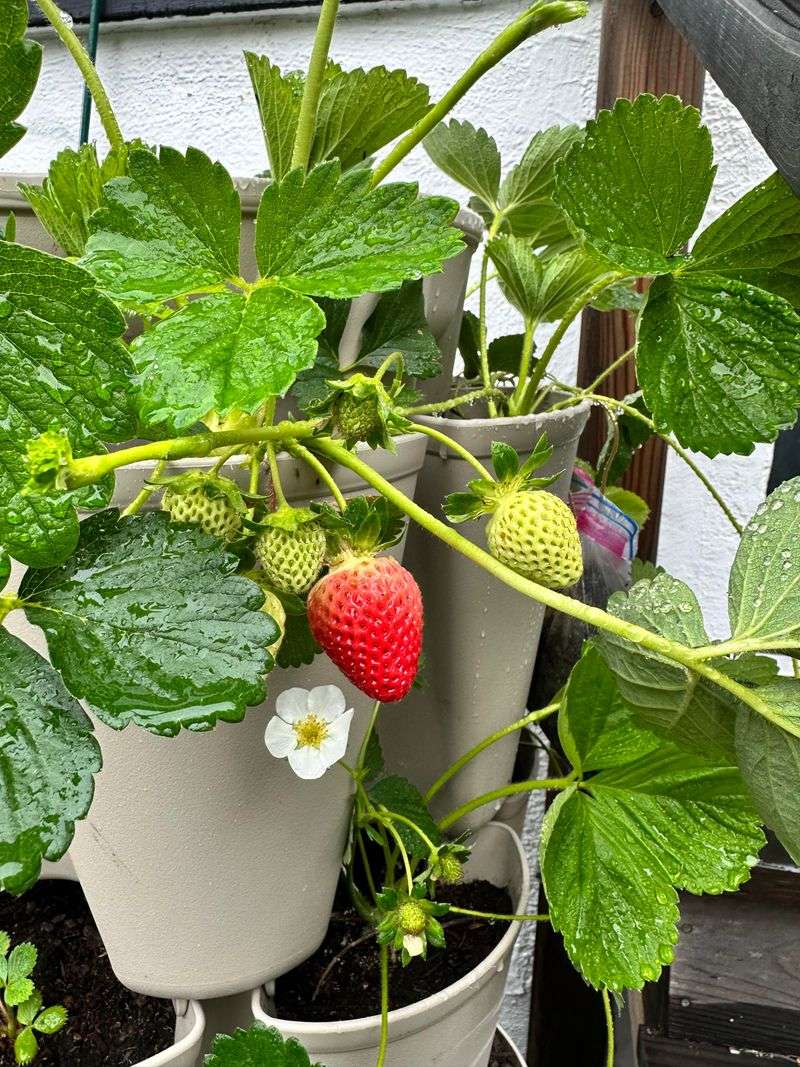
Water management can be tricky, but mastering it is essential for strawberries. They like evenly moist soil without standing water.
Deep watering encourages roots to grow downward, making plants more resilient during dry spells. Drip irrigation or soaker hoses are ideal because they deliver water directly to the roots while keeping foliage dry, reducing the risk of fungal diseases like powdery mildew.
Overhead sprinklers can be used cautiously but may promote leaf wetness and mold. Checking soil moisture with a finger test or small trowel is simple and effective.
Morning watering is preferred, allowing leaves to dry before nightfall and preventing disease buildup. Consistency is key – stressed plants produce smaller berries and fewer flowers.
During peak summer, strawberries may need daily attention, especially in sandy or raised beds that dry out quickly. Mulch helps retain moisture, keeping roots happy and reducing evaporation.
Proper watering also supports pollination, as flowers open fully and attract bees. By treating watering as part of a daily routine rather than occasional guesswork, gardeners create a foundation for juicy, abundant berries every season.
4. Pruning Precision Trimming For Juicy Rewards
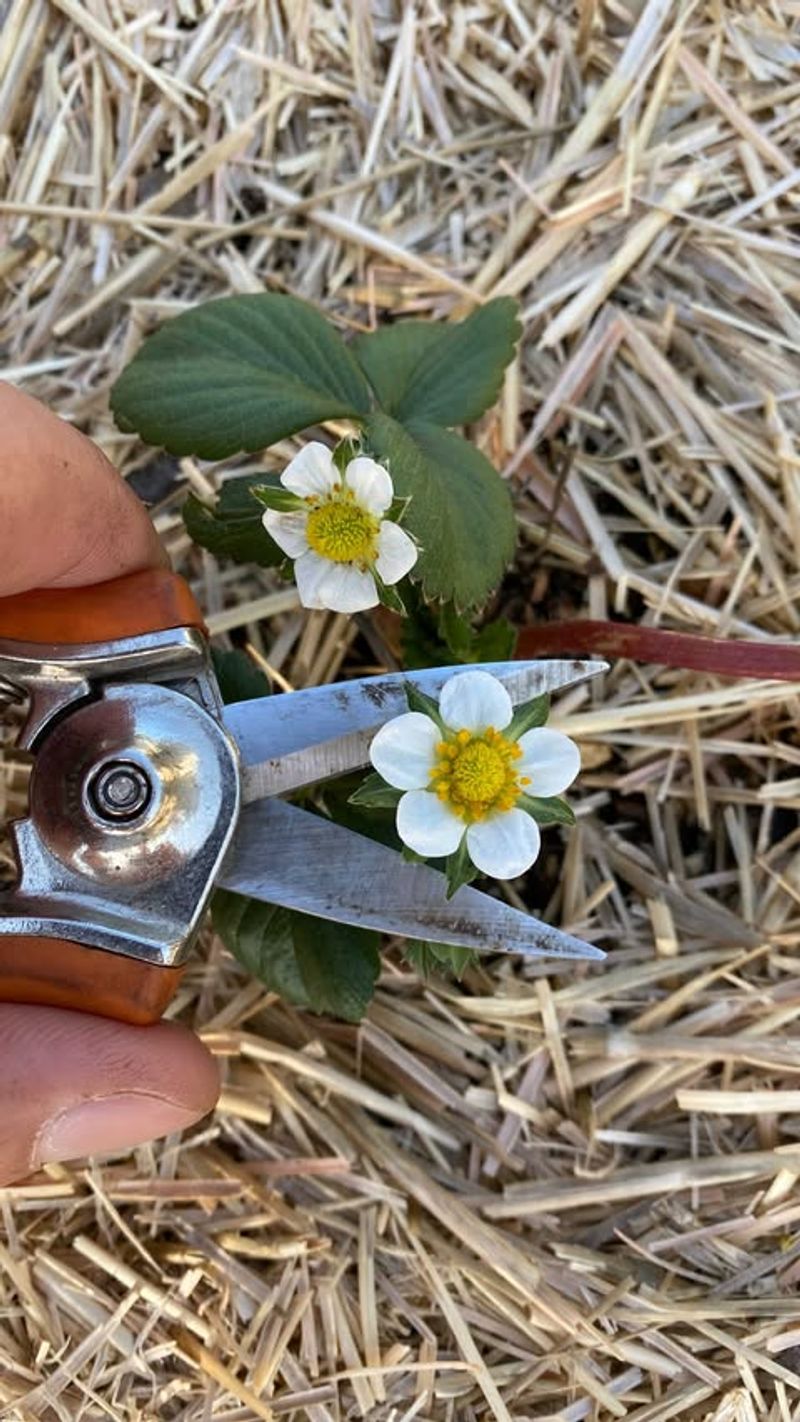
A little attention to detail goes a long way in a strawberry patch. Keeping strawberry plants tidy is more than aesthetics; it directly impacts yield.
Removing old leaves and excess runners prevents overcrowding and allows sunlight and air to reach the main crowns. Overgrown plants may produce smaller berries or suffer from increased disease pressure.
For gardeners using June-bearing varieties, limiting runners during the first growing season ensures energy focuses on establishing strong crowns. Everbearing types benefit from periodic trimming throughout the season to encourage continual fruiting.
Using clean, sharp tools is important to avoid spreading pathogens. When removing runners, consider whether you want to propagate new plants or prioritize current fruit production.
Runners left unchecked can form dense mats that reduce airflow, creating a humid environment that favors mold and mildew. Regular inspection and trimming also make harvesting easier and more efficient.
Pruning can even improve the plant’s overall shape, making the patch more attractive and easier to maintain. In addition, pruning encourages uniform berry size and better flavor because each crown can dedicate more resources to fruit rather than excess foliage.
By giving strawberries a thoughtful haircut, gardeners cultivate healthier plants and a more rewarding harvest each season.
5. Mulching Marvels Hugging Plants With Cozy Comfort
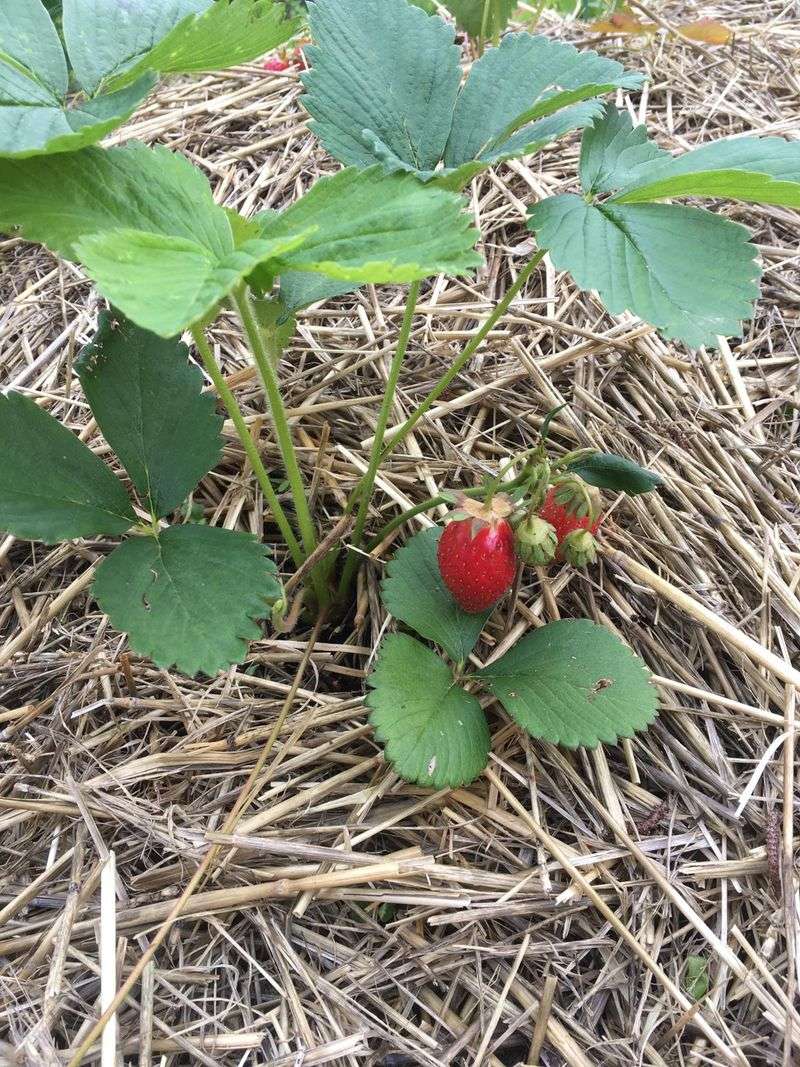
Imagine your strawberry plants wrapped in a cozy, protective blanket. Mulch does far more than make a garden look neat.
Strawberries benefit from a protective layer of organic material like straw, pine needles, or shredded leaves. Mulch stabilizes soil temperature, keeping roots cooler in summer and warmer in early spring.
It also retains moisture, meaning less frequent watering is needed and plants remain hydrated during heat waves. Beyond hydration, mulch acts as a barrier, preventing soil from splashing onto the fruit, which reduces rot and keeps berries clean.
As the organic material breaks down, it adds nutrients back into the soil, improving fertility over time. Properly applied mulch also suppresses weeds, giving strawberries a competitive advantage for nutrients and water.
Thickness matters – around two to three inches is usually ideal, but avoid burying crowns, which can encourage rot. Seasonal renewal of mulch helps maintain these benefits.
Mulching also provides a small habitat for beneficial insects that patrol pests and improves overall soil structure. By layering your beds thoughtfully, you create an environment where strawberries can flourish, leading to bigger, sweeter berries with less maintenance and more enjoyment for gardeners.
6. Pollination Process Helping Bees Make Berry Matches
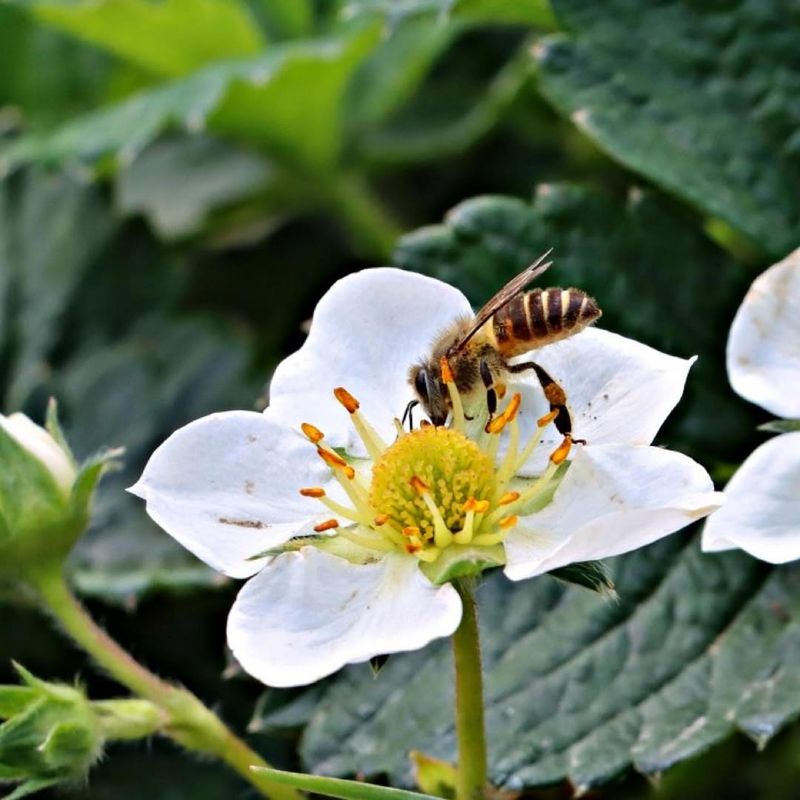
Even the tiniest creatures can make a huge difference in your garden’s success. Strawberries rely on teamwork from insects and nature to produce the best fruit.
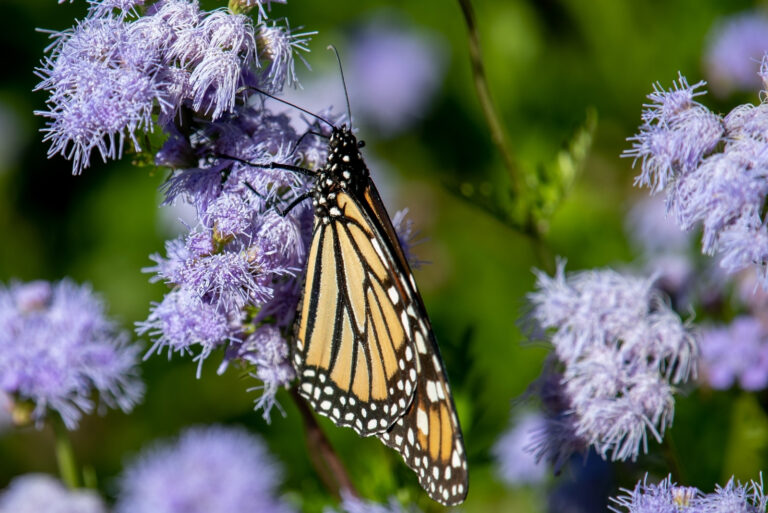
Bees, butterflies, and even small flies transfer pollen from flower to flower, enabling full berry development. Without effective pollination, fruits may be misshapen or undersized.
Planting pollinator-friendly flowers nearby increases visits from these beneficial insects and gives them extra energy for their busy work. A gentle breeze also assists by moving pollen, particularly on still days.
Observing flower bloom times helps gardeners anticipate peak pollinator activity and avoid disrupting their visits with pesticides. Hand pollination with a soft brush is an option for small gardens or indoor plants, ensuring each blossom has a chance to develop properly.
Well-pollinated flowers tend to produce berries that are consistently shaped and sweeter because every seed is viable. Encouraging pollinators improves overall garden biodiversity, attracts other helpful insects, and can even boost yields of nearby vegetables and fruits.
Recognizing the role of these tiny helpers highlights the importance of ecological balance in fruit production. When pollinators thrive, strawberries thrive, resulting in a harvest that is both abundant, visually appealing, and flavorful.
7. Pest Patrol Guarding Every Plant From Sneaky Invaders
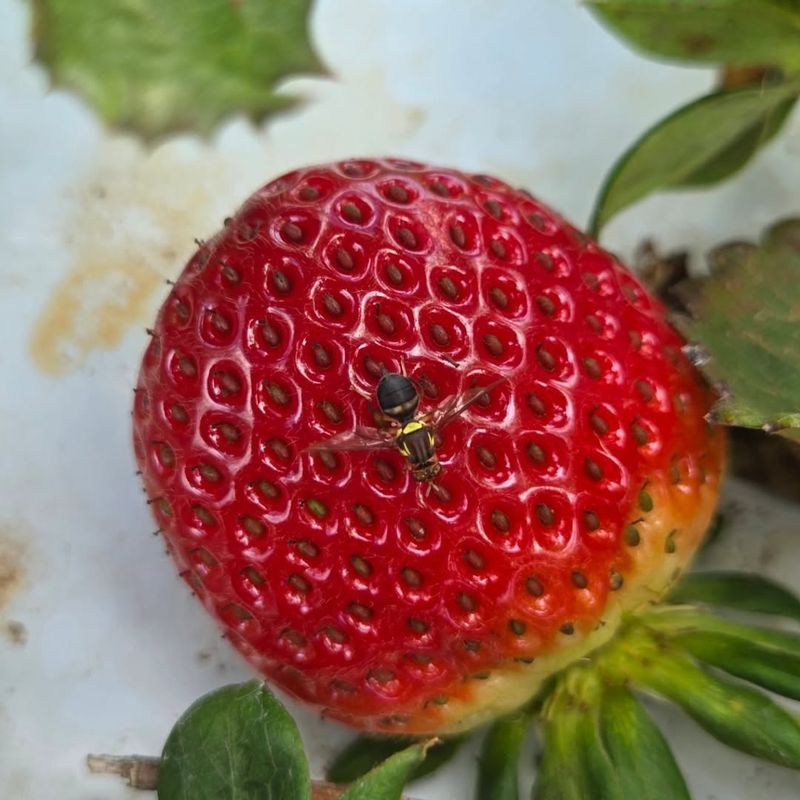
Even the most carefully planned strawberry patch can face unexpected intruders. Garden pests can quickly turn a thriving strawberry patch into a frustrating battle.
Aphids, slugs, spider mites, and caterpillars are among the common culprits that sneak in and damage leaves, flowers, and fruit. Early detection is crucial – regularly inspect leaves, stems, and fruit for damage or signs of feeding.
Organic management strategies include introducing beneficial insects like ladybugs and predatory nematodes, as well as using traps and barriers to limit slug activity. Row covers can help protect young plants from flying pests while still allowing sunlight, air, and rain to reach them.
Maintaining good garden hygiene by removing debris, old leaves, and damaged fruit reduces hiding places and discourages infestations. Rotating strawberry beds each season disrupts pest life cycles and minimizes long-term issues.
Mulch can also create a barrier against crawling pests. Applying approved organic sprays sparingly ensures minimal harm to pollinators while keeping pests under control.
By combining preventive measures, monitoring, and safe interventions, gardeners create an environment where strawberries can grow vigorously without constant pest pressure. Healthy, well-cared-for plants withstand minor infestations more easily and reward attentive gardeners with abundant, flavorful, and high-quality fruit season after season.
8. Harvest Timing Picking Berries At Peak Perfection
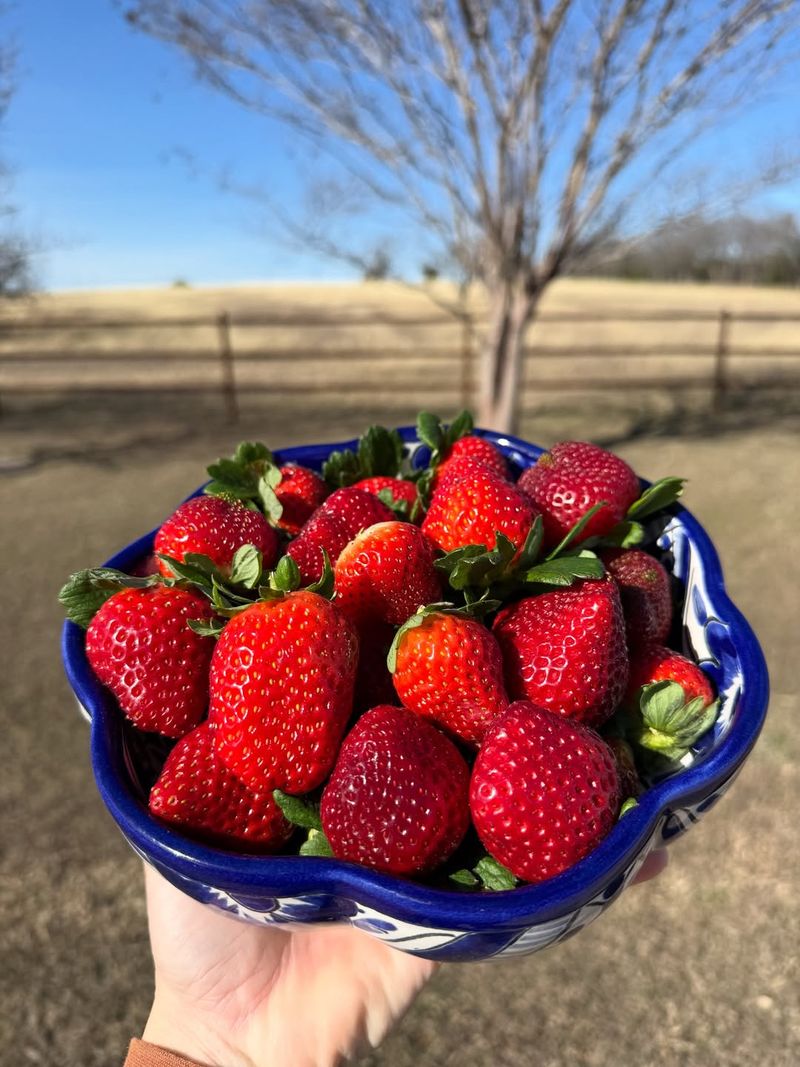
Timing can make or break your strawberry harvest. Knowing the right moment to pick strawberries makes all the difference in flavor.
The best berries are fully red with a slight firmness, signaling peak sugar content. Picking too early results in tart, underdeveloped fruit, while leaving them too long invites pests and overripening.
Daily inspection during the harvest season ensures you catch berries at their peak. Gently lifting and twisting the fruit helps avoid damage to the crown.
Harvesting in the morning often yields the firmest berries because overnight cool temperatures preserve sugar and texture. For gardeners with multiple varieties, staggering picking based on bloom and ripening times keeps fruit fresh and manageable.
Frequent harvests encourage plants to continue producing instead of putting energy into overripe berries. Using small baskets and handling berries gently prevents bruising and keeps them looking their best.
Sharing freshly picked fruit with neighbors or friends can also motivate consistent harvesting. By aligning picking practices with berry readiness, gardeners experience the full reward of their care with fruit that is sweet, juicy, aromatic, and picture-perfect.
9. Variety Selection Showing Off Flavorful Personalities
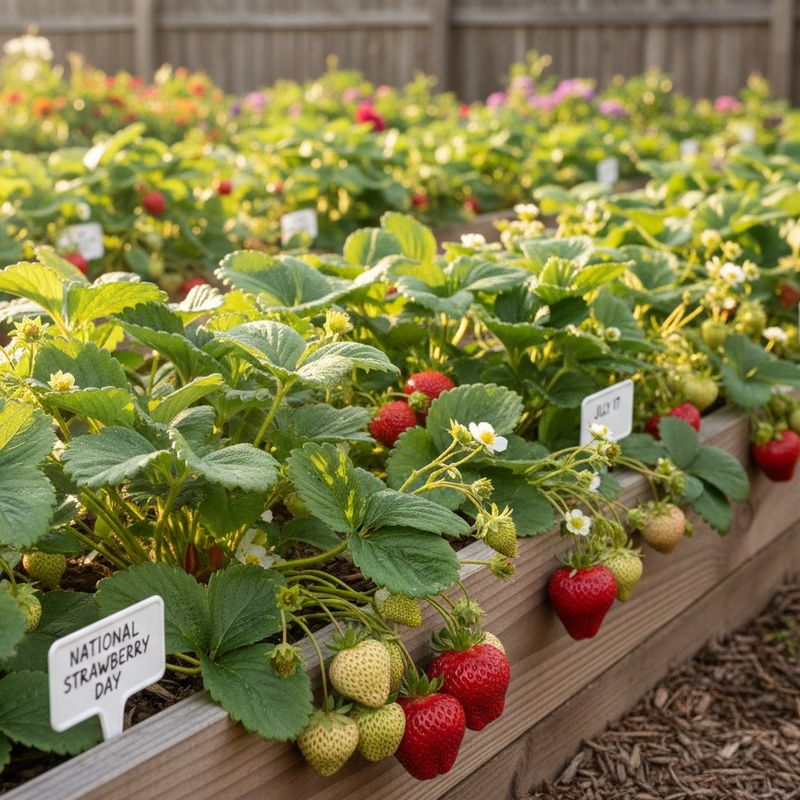
Choosing the right strawberries can feel like picking your favorite candy, but each type has a purpose in the garden. Strawberries come in several types, each suited to different gardening goals.
June-bearing varieties produce a single, large crop in late spring or early summer and are ideal for gardeners wanting a concentrated harvest for freezing or preserving. Everbearing varieties offer two to three smaller harvests over the season, perfect for continuous fresh fruit.
Day-neutral types fruit throughout the growing season regardless of day length, providing a steady supply for snacking or selling at markets. Selecting the right variety involves considering climate, space, and desired yield.
Some varieties are more tolerant of heat, disease, or heavy soils, making them better suited for particular regions. Mixing types can extend the harvest season and diversify flavor profiles.
Local cultivars recommended by state extension services often perform best, producing fruit adapted to regional soil and weather conditions. Gardeners can also experiment with companion planting to support plant health.
Understanding the nuances of each strawberry type helps gardeners plan their beds effectively, manage production, and enjoy consistent, high-quality berries throughout the growing season while maximizing flavor and yield.
10. Disease Defense Protecting Plants For Sweet Success
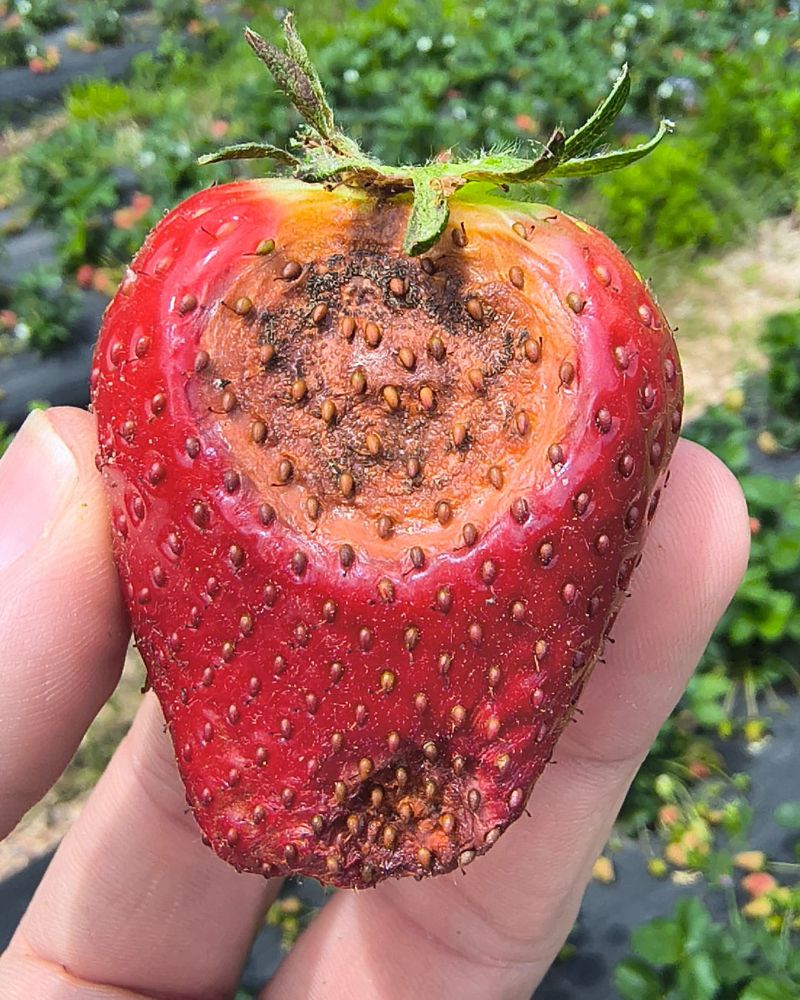
Even the healthiest strawberry patch can face hidden threats from diseases. Strawberries are susceptible to several diseases, including leaf spot, gray mold, powdery mildew, and root rot.
Effective prevention begins with selecting resistant varieties and providing adequate spacing for air circulation. Crop rotation and avoiding planting strawberries in the same bed consecutively reduces the buildup of soil-borne pathogens.
Regularly removing dead or diseased foliage minimizes sources of infection and keeps the patch looking tidy. Mulching with clean straw or other organic material helps prevent soil-borne spores from splashing onto plants during rain or irrigation.
Watering at the base of the plant rather than overhead reduces leaf wetness and lowers disease risk. Observing plants daily for subtle changes allows early detection of problems and more effective treatment.
Monitoring for early symptoms allows for prompt intervention, using organic fungicides approved for fruit crops if necessary. Maintaining overall plant health through proper fertilization, pruning, and pest control strengthens resistance.
Combining preventative practices with attentive observation ensures that plants remain vigorous, produce larger yields, and provide berries that are both flavorful and safe to eat, giving gardeners confidence and satisfaction each harvest season.