8 Fall Flowers New Jersey Gardeners Should Be Planting Right Now
Cold nights hit New Jersey fast, and you notice everything change instantly. Your summer flowers slump over, exhausted and ready to quit. You could simply pack away the trowel and call it finished.
Smart gardeners like you know better than stopping in September. Autumn quietly becomes your busiest, richest planting window of the year. Cool evenings paired with warm soil push your roots down.
Steady rainfall gives fresh transplants exactly what they crave. Garden centers across New Jersey slash prices each September weekend. Budget-conscious gardeners finally get their reward for waiting patiently.
Skipping this window leaves bare mulch and sagging pumpkins behind. Waiting costs you real curb appeal, not just convenience. Neighbors will collect compliments while your yard sits bare and forgotten.
Timing separates thriving landscapes from ones that fade quietly. Turning away now would cost you everything worth having.
1. Chrysanthemums For Bold Autumn Color
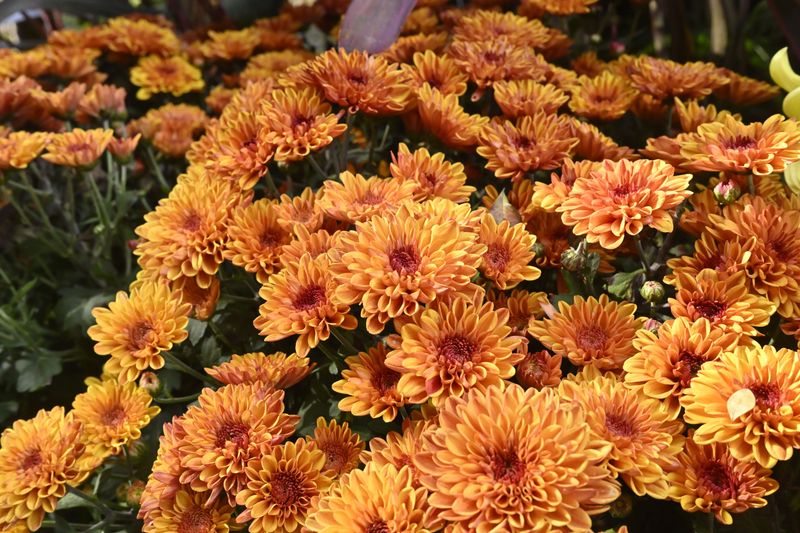
Garden centers across New Jersey stock them heavily every September, and they sell quickly. Mums earn the attention because they bloom hard while the rest of the yard looks worn out.
Look for garden mums labeled hardy instead of the florist types sold as short-term indoor gifts. Hardy kinds can return next year if their roots settle in before the ground freezes solid.
Give them full sun, meaning six hours or more of direct light, and steady afternoon warmth. Space each plant about eighteen inches apart so moving air keeps mildew off the lower leaves.
Water at the soil line two or three times weekly, since pot-grown mums dry out fast. Wilting leaves by noon usually mean the root ball drank everything it had by breakfast.
Pinch off spent blooms weekly to push the plant toward fresh buds instead of seed. That small habit can stretch the color show from early September into the middle of November.
Plant them in the ground rather than leaving them in decorative pots on the porch. Ground-planted mums in Morris or Monmouth County can return thicker the following autumn, depending on winter conditions and drainage.
Mulch two inches deep after Thanksgiving, but keep the mulch off the crown itself. Come spring, cut back the old stems and watch new shoots push through the mulch.
Mums traveled from China centuries ago and were once grown as a medicinal herb. Now they mostly earn their keep by making front steps look festive in October.
2. Asters For Late-Season Pollinator Traffic
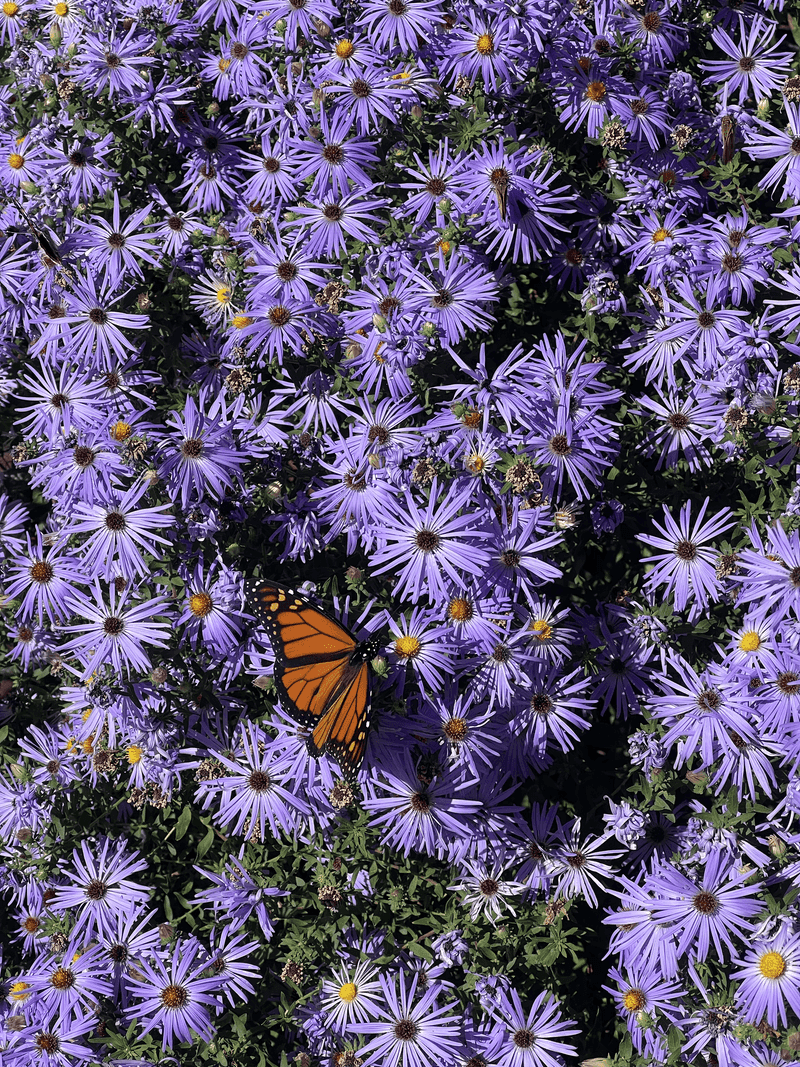
Bees show up late to the party, and asters are the one buffet still open. Native New Jersey asters bloom from September into October, exactly when nectar sources grow scarce.
New England aster waves purple petals with golden centers on stems that can reach four feet. Smooth aster and heath aster stay shorter, which suits tight suburban beds and narrow walkways.
Set new plants in soil that drains well, because soggy winter roots cause most aster losses. Full sun produces the heaviest flowering, though a little afternoon shade is tolerated just fine.
Your New Jersey Garden Changes Every Week. Your Plan Should Too.
Gardening in New Jersey changes quickly throughout the season. Every Friday you’ll receive a simple weekly plan showing exactly what to plant, prune, fertilize, harvest, and protect so you never miss the right timing.
Tall types tend to flop, so stake them or cut the stems back by half in June. Gardeners call that trick the Chelsea chop, and it creates bushier plants with sturdier stems.
Monarch butterflies fueling up for their trip to Mexico stop on asters along the Jersey Shore. Planting a cluster of three or five gives migrating insects a target they can actually spot.
Water new plantings weekly through October so the roots grip the soil before hard frost arrives. Once established, asters handle a dry September stretch without much complaint from the gardener.
Leave the stems standing through winter instead of cutting everything to the ground in November. Hollow stalks shelter native bees, and goldfinches pick seeds from the dried flower heads.
Divide the clumps every three years in early spring to keep the centers from thinning out. Hand the extra pieces to a neighbor whose yard looks a little bare every October.
3. Pansies For Cool-Weather Cheer
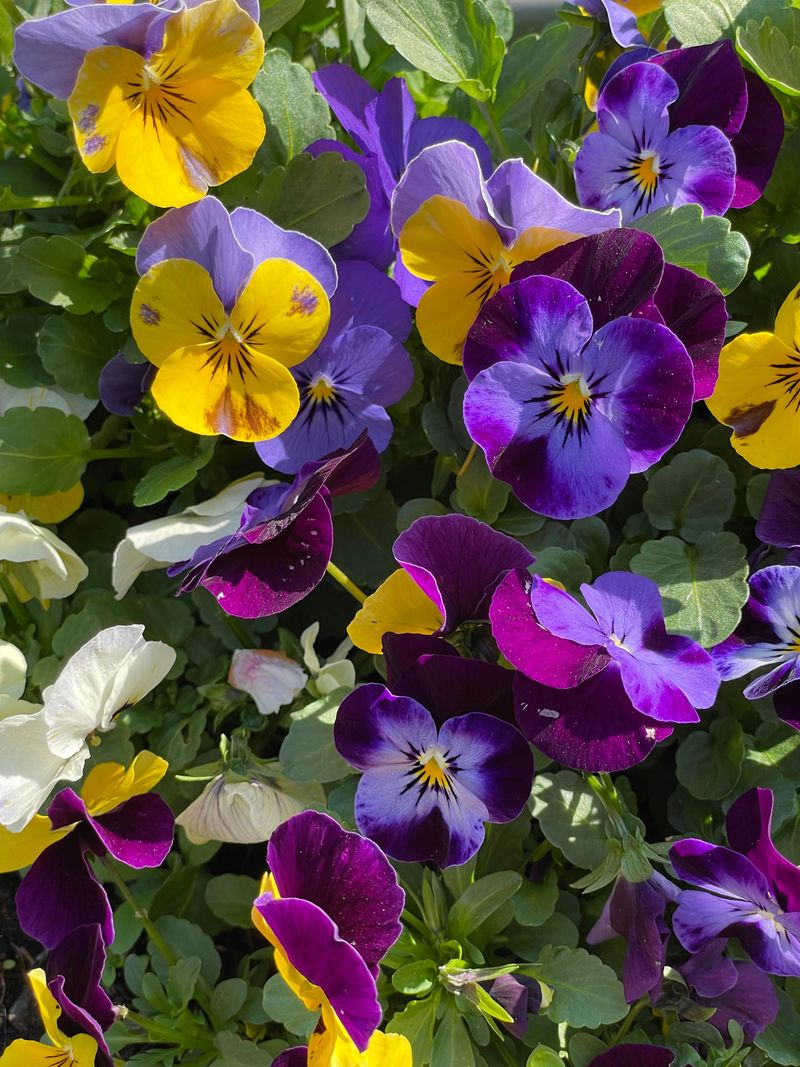
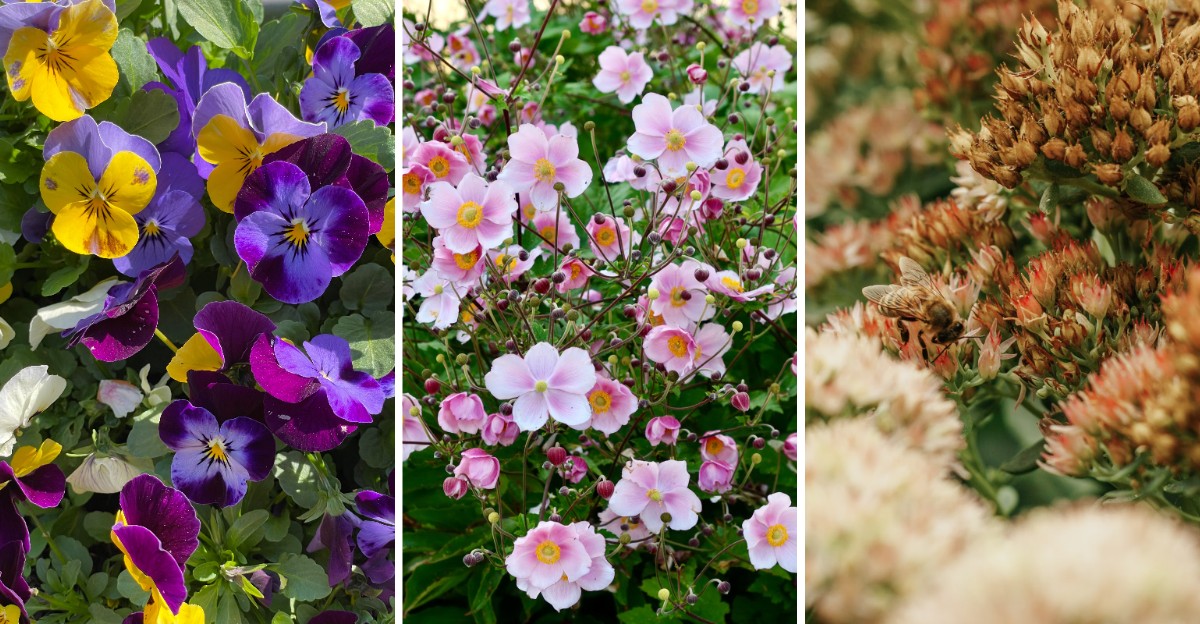
Pansies shrug off frost while the tomato plants are already packing up and heading out. Their little faces, marked with dark blotches, look stubbornly happy through chilly October weather.
Plant them in September, while the soil still holds enough summer warmth to push new roots. Fall-planted pansies across New Jersey often survive the winter and bloom again by early March.
Choose cold-hardy series such as Cool Wave, Matrix, or Delta if you want a spring comeback. Trailing Cool Wave types spill nicely over window boxes and the edges of retaining walls.
Give them six hours of sun and soil loosened with compost so water drains away freely. Soggy ground harms pansy crowns far faster than cold air ever bothers their leaves.
Feed monthly with a balanced liquid fertilizer, because autumn rain washes nutrients out of containers quickly. Skip heavy nitrogen, which grows floppy leaves instead of the blooms you actually want.
Pinch spent flowers off every few days so plants keep producing instead of setting seed pods. Ten quiet minutes of trimming on a Saturday morning pays off for several weeks.
Mulch with straw or shredded leaves after the ground chills to steady the soil temperature. Freeze and thaw cycles in central Jersey can heave young plants right out of the bed.
Pansy petals are edible, and chefs sometimes scatter them across salads and frosted cakes. Grow them without pesticides if you plan to eat any of that colorful garnish later.
4. Ornamental Kale For Frost-Proof Texture
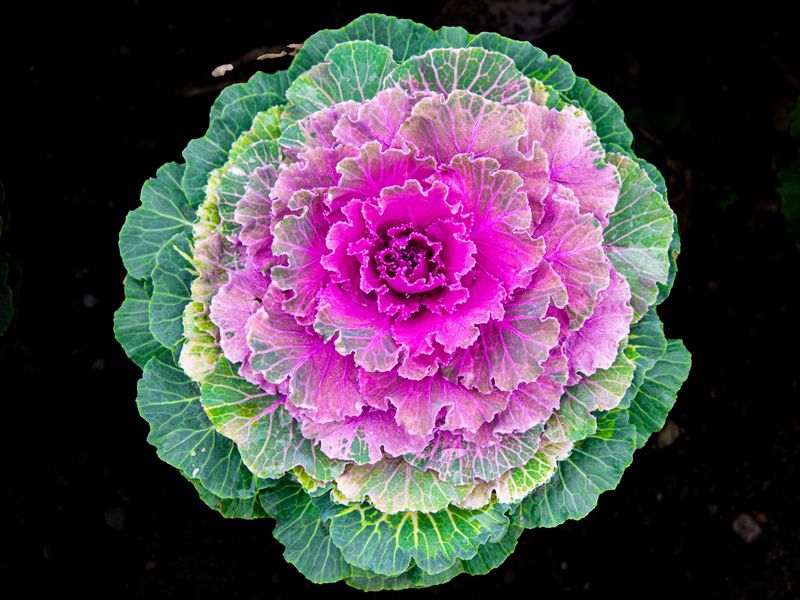
Ornamental kale looks like an oversized rose that somebody dyed purple, cream, and dusty pink. Cold weather actually deepens those colors, so the display keeps improving as November rolls in.
Kale and flowering cabbage are technically edible, though they taste bitter and are grown primarily for looks. Set them out in September so plants size up before the first hard frost.
Plant them at the same depth they sat in the nursery pot, then water them deeply. Six hours of sun keeps the center rosettes tight instead of stretched out and leggy.
Cabbage worms chew ragged holes, so check leaf undersides every week for tiny green caterpillars. A spray of Bt or a quick hand-picking session handles them without any harsh chemicals.
Pair them with mums and small pumpkins for containers that hold up through Thanksgiving weekend. Their low, wide shape neatly hides the bare ankles of taller plants standing behind them.
Colors stay plain green until night temperatures drop into the colder range typical of late autumn. Once that happens, pinks, whites, and purples spread from the center outward.
Space plants twelve to eighteen inches apart in beds so every rosette can show off. Crowded kale stretches upward and loses the flat, layered look people plant it for.
Snow rarely bothers them, and a light dusting on the leaves looks like powdered sugar. By March the plants bolt and send up yellow flowers, which is your cue to compost.
5. Sedum For Sturdy Late-Season Structure
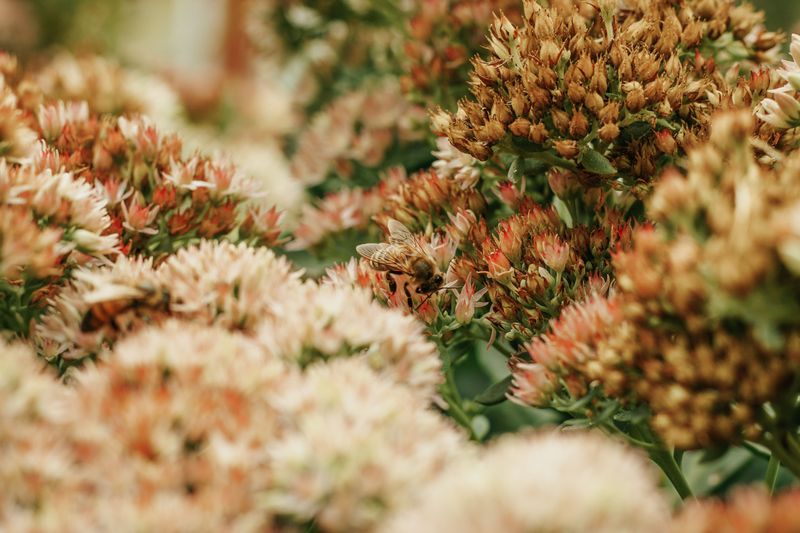
Some plants demand constant attention, but sedum quietly does its job from July through November. Autumn Joy starts pale green, shifts to dusty pink, then finishes in deep coppery rust.
Thick, water-storing leaves mean sedum shrugs off the dry spells New Jersey gets in September. Skip rich soil and heavy watering, both of which make stems flop open in the middle.
Full sun stands as the single requirement worth taking seriously with this genuinely tough perennial. Shade makes the stems stretch, weaken, and split apart like a badly packed suitcase.
Bees and butterflies blanket those flat flower heads on warm October afternoons in the yard. Count the visitors sometime, because a single clump can host a dozen insects at once.
Plant nursery pots now, spacing them about eighteen inches apart in well-drained beds or borders. Roots settle fast in warm September soil, and the plants need very little fuss afterward.
Leave the dried flower heads standing all winter, since they hold snow like tiny shelves. Cut the stems to the ground in March, right before the fresh rosettes push up.
Broken pieces root easily, so a snapped stem stuck in soil turns into a free plant. Gardeners around Bergen County pass Autumn Joy around like a treasured family recipe card.
Deer usually walk right past sedum, which matters a lot in wooded parts of the state. That alone earns it a spot near driveways where hungry herds patrol around dusk.
6. Japanese Anemones For Graceful Tall Blooms
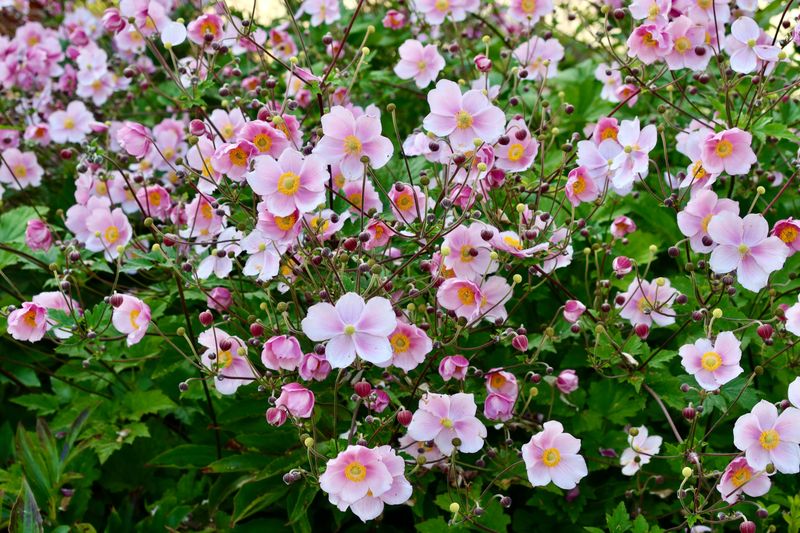
Picture pale pink saucers floating on wiry stems above a shady September border at dusk. Japanese anemones deliver that airy look when most perennials have already quit for the year.
Despite the common name, these plants came from China and reached Europe through Japanese gardens later. Honorine Jobert, a white form dating back to the mid-1800s, still fills nursery benches today.
Morning sun paired with afternoon shade suits them well through hot, humid New Jersey summers. Soil rich with compost and steady moisture keeps the leaves from crisping around the edges.
September planting works well, though give the roots regular water until the ground finally freezes. Young plants sulk through their first season, then expand steadily once they feel truly established.
Spreading underground runners can push anemones into corners of the bed you did not intend. Plant them where a little wandering is welcome, or edge the bed with a buried barrier.
Stems reach three or four feet tall, so set them behind shorter autumn bloomers. They sway in the wind without snapping, which is a big part of their charm.
Deer nibble them occasionally, though the local herd usually prefers hostas and daylilies growing nearby. A light mulch layer in December protects the crowns during a rough, windy Jersey winter.
Cut the faded stems in late fall, or leave the fluffy seed heads for winter interest. Birds pull that fluff apart and carry it away for spring nest building material.
7. Goldenrod For Native Golden Sprays
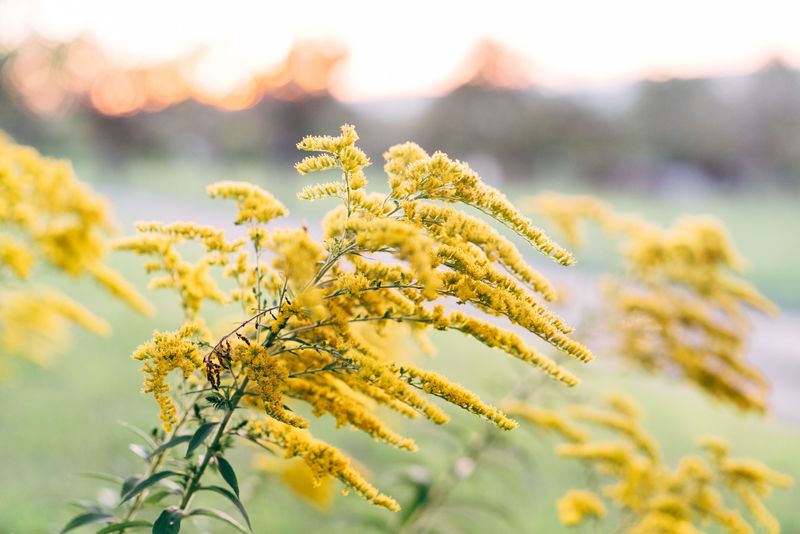
Goldenrod is often blamed for autumn allergies, but the real culprit is ragweed. Ragweed blooms at the same time and sends the actual pollen drifting through the air.
Goldenrod pollen is heavy and sticky, which means insects move it rather than the breeze. Sneezing neighbors can relax while you plant a native that feeds hundreds of insect species.
Solidago rugosa Fireworks stays tidy, sending out arching yellow sprays that resemble bursting sparklers overhead. Seaside goldenrod thrives in the sandy Jersey Shore soil where other perennials give up quickly.
Full sun and ordinary soil are plenty, since rich ground only makes the stems grow floppy. Skip the fertilizer entirely and let this native do what it has done for centuries.
Plant in September while the soil stays warm, then water weekly until real frost settles in. Clumps expand each year, so divide them in spring whenever the middle looks thin.
Monarchs, bumblebees, and tiny native wasps crowd the blooms during the big September nectar rush. Standing beside a patch on a sunny afternoon sounds a lot like a busy airport.
Pair goldenrod with purple asters for a color combination that art teachers call complementary. The clash of yellow and violet makes both plants look brighter than they do alone.
Leave the seed heads standing so goldfinches and sparrows find food straight through cold January. Cut everything back in early spring and the new shoots appear within a few weeks.
8. Daffodil Bulbs For Next Spring’s Reward
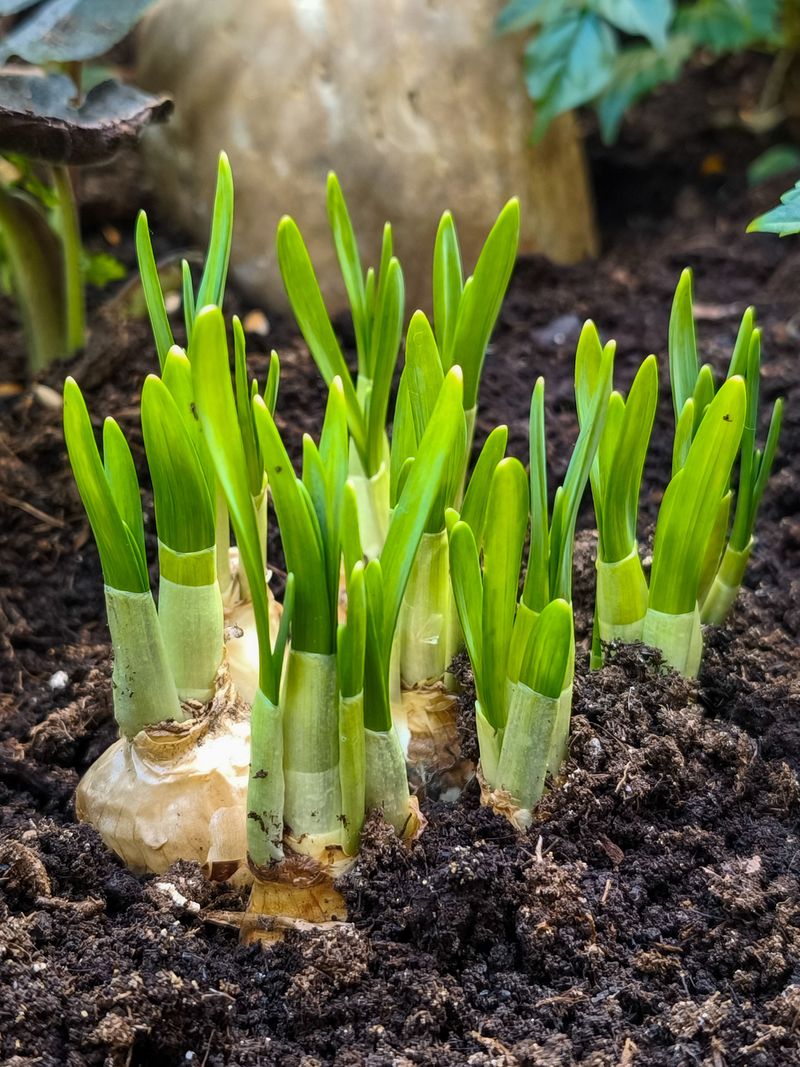
Planting bulbs in October means waiting months to see the results. Six months later, yellow trumpets pop up while the neighborhood still looks brown and grumpy.
Daffodils need many cold weeks underground, which New Jersey winters supply without any help from you. Plant them from mid-October through November, once the soil cools below roughly sixty degrees.
Dig each hole three times as deep as the bulb is tall, pointy end facing up. Skip the bone meal, which mostly attracts curious dogs and digging skunks to your beds.
Squirrels tend to avoid daffodils because the bulbs contain lycorine, a bitter compound rodents generally won’t eat. Tulip growers get robbed, while daffodil growers are less likely to have their bulbs disturbed.
Mix early, middle, and late varieties for blooms that stretch from March into early May. Tete-a-Tete, Ice Follies, and Thalia cover that whole window nicely in most Jersey yards.
Plant them in groups of ten or more rather than lonely soldiers spaced along a walkway. Clusters look intentional, while scattered single bulbs make the bed look like an accident.
Let the leaves yellow naturally after flowering instead of braiding or chopping them off early. Those tired leaves spend six weeks recharging the bulb for next year’s show underground.
Clumps multiply on their own, so one bag today can become a small drift within a few years. Lift and separate crowded groups in June whenever the flowering starts to slow down noticeably.