Don’t rake every leaf off the lawn — here’s the tidy-enough way Oregon gardeners keep the neighbors happy
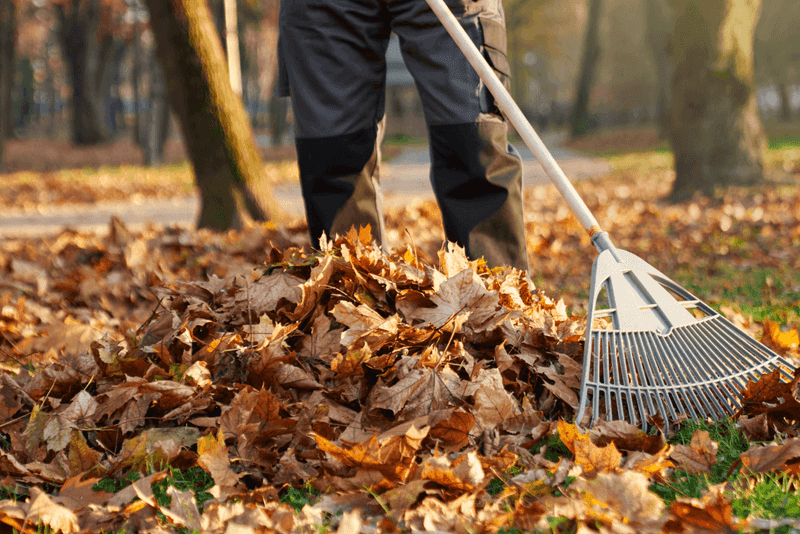
Every fall, Oregon gardeners face the same quiet pressure: the leaves are piling up, the neighbors are watching, and the advice online seems to be either “rake everything” or “leave every leaf alone.” Neither extreme really fits a real yard. The good news is that you have a middle path, one that keeps useful leaf material working for your soil and garden while keeping the yard looking cared-for.
Managing where leaves land, and how thick they pile up, makes all the difference.
Aim for an intentional yard, not a leaf-free yard
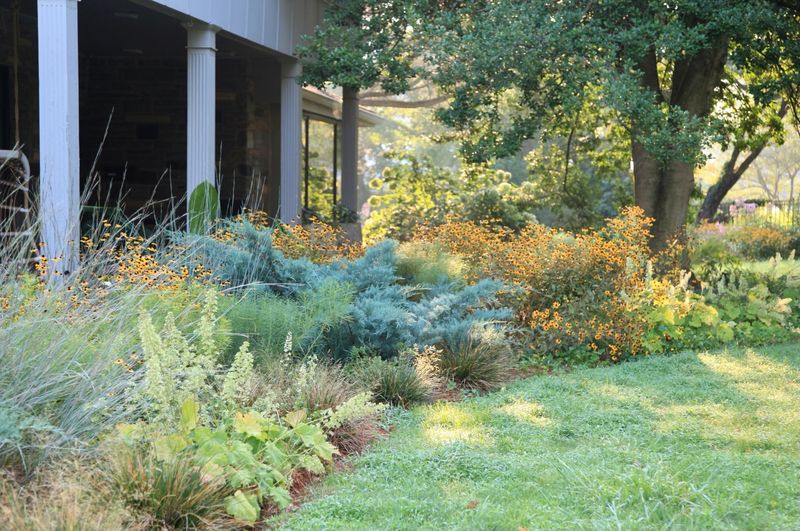
Somewhere between the spotless, bag-it-all approach and the let-nature-take-over philosophy is where most Oregon gardeners actually want to be. The real goal is not a leaf-free yard but an intentional one, where you decide where leaves go instead of letting wind and gravity make that call for you.
Federal conservation guidance recommends keeping a thin layer of leaves on the lawn and moving the rest to trees, shrubs, garden beds or woodland edges, rather than bagging everything for the curb.
Deliberate habitat management looks different from simply refusing to rake. When leaves are concentrated beneath shrubs, tucked into a back bed or gathered into a contained pile, the yard reads as organized.
When leaves drift across the driveway, mat down the front lawn and pile against the foundation, it reads as neglected, regardless of the ecological intent behind it.
Think of your yard in zones. The lawn, high-use paths, entrances, gutters and the area directly around your home all need active management.
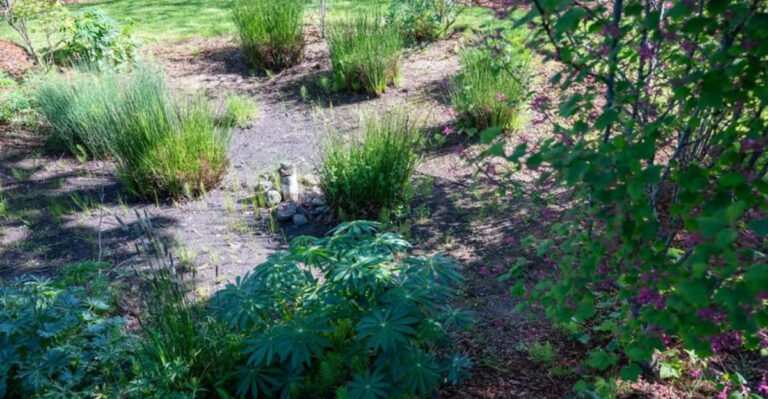
Selected planting beds, the space beneath established trees and shrubs, and back-of-yard areas offer more flexibility.
Sorting your yard into zones, and making a clear decision for each one, is what separates a managed habitat yard from one that just looks like nobody got around to raking yet.
Keep only a thin layer on actively managed lawn
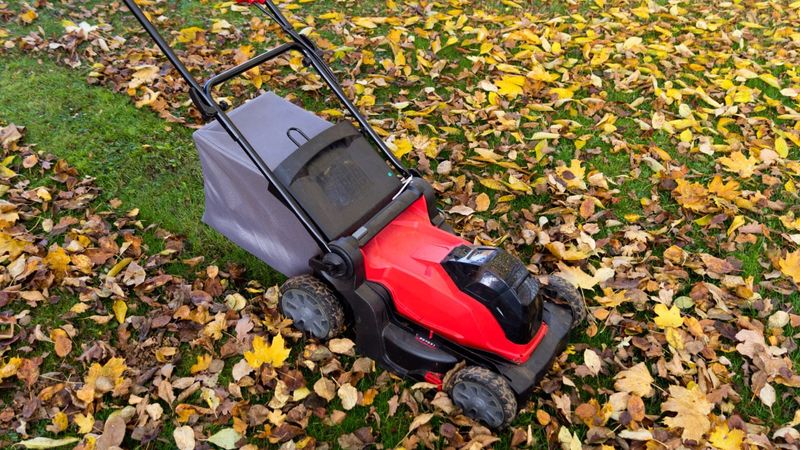
Leaves on turf are not automatically a problem, but a thick, wet mat left sitting on Oregon grass through a rainy November absolutely can be. The approach that works is simple: mow dry leaves directly into the lawn, let the shredded pieces fall between grass blades, and check whether you can still see the grass beneath.
According to Minnesota Extension leaf mulching guidance, mowing works best when leaves are dry, and a second pass with the mower produces finer pieces that settle into the turf more easily. A practical rule of thumb from that same guidance: keep mulching as long as roughly half of the lawn surface is still visible.
When less than 50 percent of the grass can be seen beneath the leaf layer, it is time to start moving the excess elsewhere rather than continuing to mow it in. That benchmark is a useful working guide, not an Oregon regulation or a universal measurement.
Western Oregon adds a layer of complication that gardeners east of the Cascades or in drier climates do not face in the same way. The maritime side of the state gets prolonged fall and winter rain, and OSU turfgrass guidance identifies persistent moisture as a primary driver of moss in lawns.
Your Oregon Garden Changes Every Week. Your Plan Should Too.
Gardening in Oregon changes quickly throughout the season. Every Friday you’ll receive a simple weekly plan showing exactly what to plant, prune, fertilize, harvest, and protect so you never miss the right timing.
A dense leaf mat holds that moisture against the grass, weakening turf and creating exactly the conditions moss needs to move in. Keeping the grass substantially visible is not just about appearances; it is also about giving the lawn room to breathe through a wet Oregon winter.
Leaf type matters too. Large, waxy leaves from big-leaf maples or chestnuts mat down faster than small, papery ones from ornamental trees.
If your yard gets heavy maple leaf falls, you may need to mow more frequently during peak drop, or rake the heaviest accumulations off the grass first before running the mower over what remains.
The mulching approach returns organic matter to the soil and can contribute some nutrients over time, but it will not replace a regular fertilization routine. Think of it as a useful seasonal bonus, not a complete fertility program.
Place intact leaves beneath suitable trees, shrubs and beds
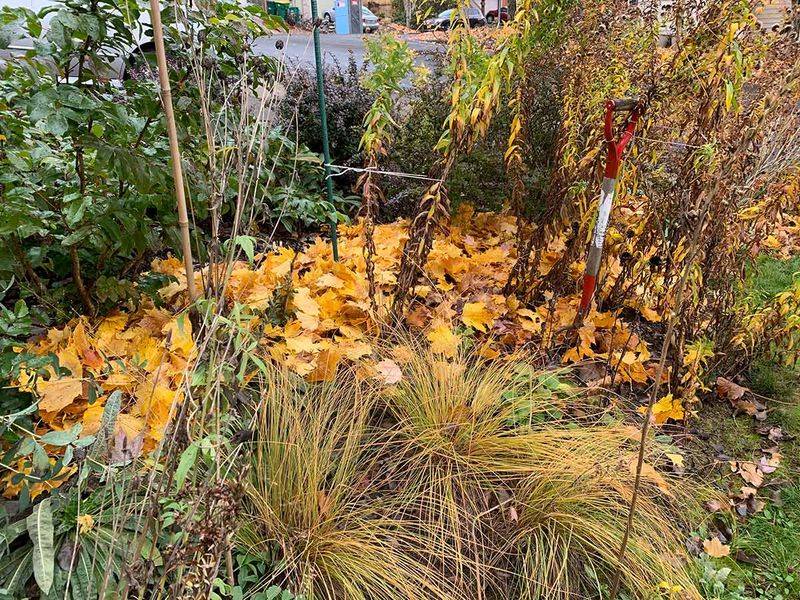
Once the lawn has received what it can handle, the remaining whole leaves need somewhere to go. Beneath established trees and shrubs is a natural first choice.
Leaves that fall under a tree in a forest stay there, breaking down slowly and feeding the soil, and a similar effect happens in a home garden when you rake excess leaves beneath your ornamental trees, hedges or native shrubs.
OSU Extension end-of-season guidance recommends using fallen leaves as mulch around shrubs and on vegetable beds, noting benefits for soil structure, weed suppression and organic matter. The same guidance flags a tradeoff in perennial beds: dense leaf mulch can be a poor fit for plants that need good air circulation at the crown or that are prone to rot in wet conditions.
Tuck leaves under the drip line of a rhododendron or a native fern and you are probably fine. Pile them thick over a crowded perennial border and you may find trouble come spring.
Slugs are a real consideration in western Oregon, where the wet climate keeps slug populations active well into fall and winter. Dense accumulations of leaves or bark near hostas, young seedlings or other slug-prone plants give slugs both shelter and a place to lay eggs.
The answer is not to avoid leaf mulch entirely, but to keep it thin or absent near the plants most at risk and to check those areas periodically through the season.
A contained leaf pile in a back corner of the yard is another good option for overflow. It keeps leaves on-site, where they can break down into useful compost over time, without spreading them into areas where they might cause problems.
USDA habitat guidance also notes that woodland edges and garden borders can support overwintering insects when leaf material is left undisturbed, though it is worth noting that shredded or mulched leaves are not ecologically identical to intact leaf litter. Mulching benefits the soil; leaving some areas of whole leaves undisturbed offers a different kind of value, and both have a place in a managed yard.
Use clean edges to make habitat areas look intentional
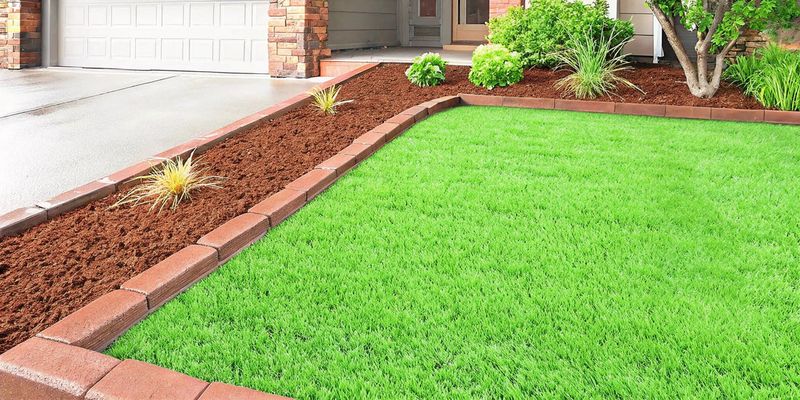
A yard that holds onto some leaves can look completely different depending on how the edges are handled. Clean, defined borders between the lawn and a planting bed signal that someone is paying attention, even when the bed itself contains a layer of leaves.
That visual cue matters on a street-facing property.
The practical routine is straightforward. Edge the lawn where it meets garden beds, keep the grass along paths and driveways trimmed, and make sure the front entrance is clear of leaf debris.
When excess leaves are raked into a bed beneath shrubs or gathered into a back-corner pile, the yard reads as organized rather than abandoned. USDA pollinator and habitat guidance supports concentrating leaf material in defined areas like garden borders and woodland edges, which pairs naturally with this kind of design approach.
Keeping the front path and entry area completely clear is especially worth the effort. Those are the spaces people actually walk through and notice up close.
A leaf-covered walkway or a pile of debris against the front step creates a different impression than a back bed that holds some leaf mulch beneath established shrubs.
This is a practical design suggestion inferred from habitat and safety guidance, not a formally tested landscaping standard, and it will not guarantee any particular reaction from the street. What it can do is make your management choices visible.
A yard with defined edges, a clear lawn and deliberate beds communicates that someone is tending it, even if that tending involves keeping some leaves in place rather than removing every one.
Back-of-yard areas, side beds and spaces away from the street offer the most flexibility for retained leaf material. Prioritizing visibility and cleanliness at the front, then relaxing those standards as you move further from public view, lets you support habitat where it is least disruptive to the yard’s overall appearance.
Remove leaves when disease or dense debris creates a problem
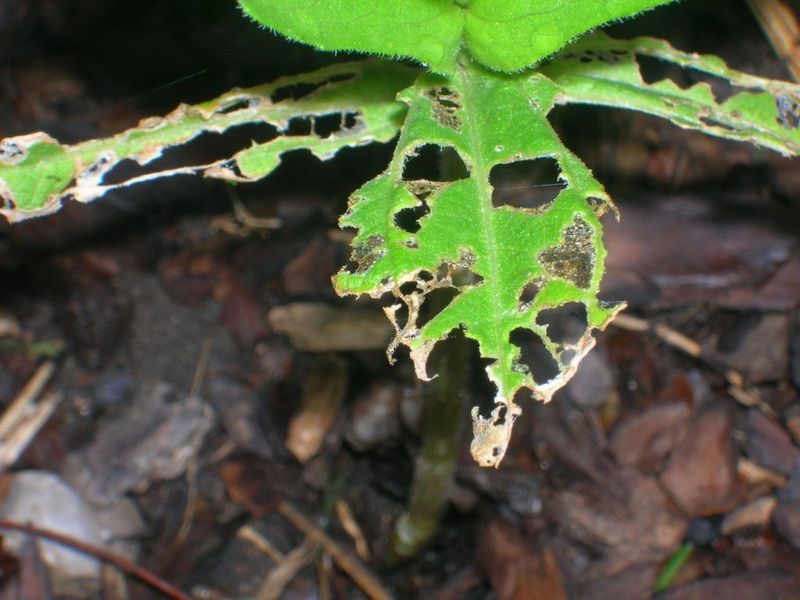
A blanket leave-the-leaves policy breaks down quickly when disease enters the picture. Leaves and stems from plants that showed signs of fungal infection, bacterial problems or other disease during the growing season should come out of the garden, not stay in it.
Leaving infected material in place gives those pathogens a place to overwinter and re-infect plants next spring.
OSU Extension fall garden guidance is direct on this point: diseased plant material should be removed and disposed of through appropriate yard-debris channels, not added to ordinary home compost. A backyard compost pile does not reliably reach the temperatures needed to kill plant pathogens, so putting diseased material in the bin risks spreading the problem when you use that compost later.
Leaves from lawns or gardens that may have been treated with persistent herbicides deserve separate handling as well. Herbicide residues can survive composting and cause damage when the finished compost is spread on beds.
If you are unsure about the history of the leaves you are collecting, especially from a neighbor’s yard or an unfamiliar source, treat them with caution and keep them out of beds where you grow vegetables or sensitive ornamentals. OSU guidance on herbicide-contaminated compost covers the specifics of what to watch for and how to handle suspect material.
Dense leaf accumulations near slug-prone plants are a separate but related issue. Hostas, young transplants, strawberries and many other garden favorites are vulnerable, and a thick mat of leaves nearby gives slugs a warm, moist place to shelter and reproduce through the wet season.
The fix is targeted, not wholesale: thin the leaf layer near those specific plants or keep it away from them entirely, while leaving accumulations in less vulnerable spots undisturbed.
Selective removal, based on what is actually in the debris and what is growing nearby, is more useful than treating all leaf litter as either harmless or harmful.
Put fire safety first around the house
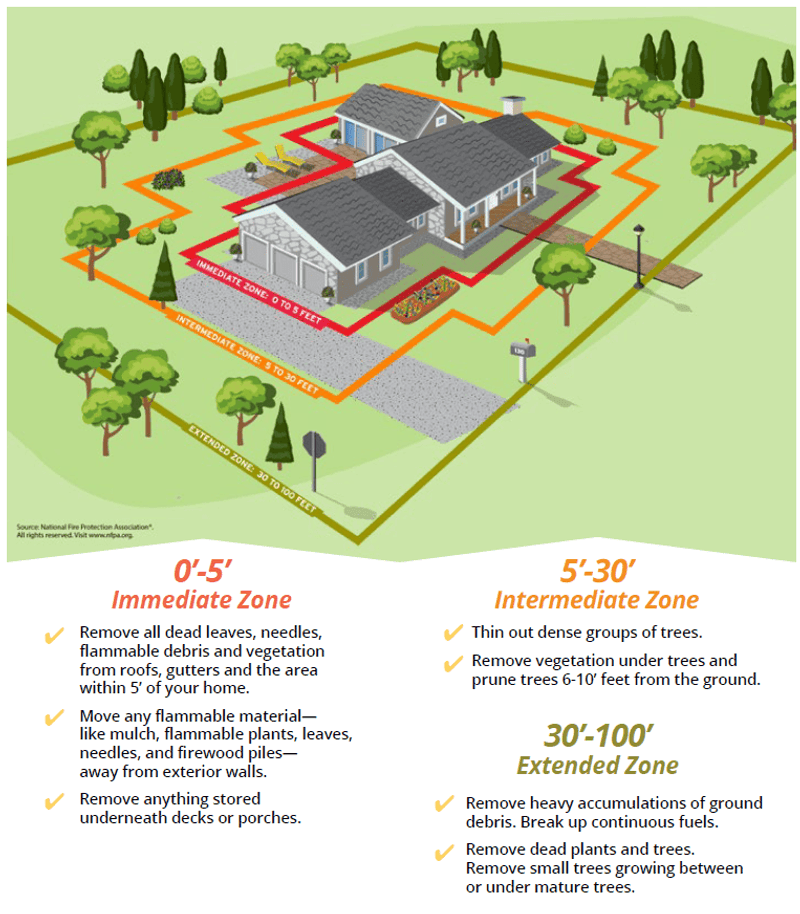
Habitat intentions are worthwhile, but they do not override fire safety, especially for Oregon gardeners who live near forests, in the foothills or in any area with elevated wildfire risk. Around the house itself, the rules are clear and non-negotiable: leaves and combustible debris need to come out.
Oregon State Fire Marshal defensible-space guidance calls for removing leaves and debris from roofs and gutters, clearing debris from beneath decks and patios, and maintaining a five-foot noncombustible buffer around the base of structures. That zone immediately around the house should have no leaf piles, no wood mulch and no plant debris that could carry a flame to the structure.
This is not a design suggestion; it is safety guidance that takes priority over any habitat goal.
The Oregon Defensible Space Technical Guide also addresses ground litter further out from the house, recommending that heavy accumulations of dead leaves and plant material be managed to reduce the chance of fire spreading across the property. Habitat zones can exist on a wildfire-prone property, but they belong away from structures, not adjacent to them.
Gardeners in eastern Oregon and the high desert face conditions that differ significantly from the maritime west side. Drier summers, colder winters and different fire seasons mean that the moisture-driven concerns of western Oregon, such as moss from wet leaf mats, matter less, while fire-season debris management may need to start earlier and cover a larger area.
Advice calibrated for the Willamette Valley should not be applied without adjustment to Bend, Klamath Falls or the eastern slopes of the Cascades.
For gardeners anywhere in Oregon who are uncertain about their property’s wildfire risk or defensible-space requirements, the Oregon State Fire Marshal’s office is the right starting point. Local fire districts often offer free site assessments, and those conversations are worth having before fall debris accumulates.
Follow a simple routine that fits your part of Oregon
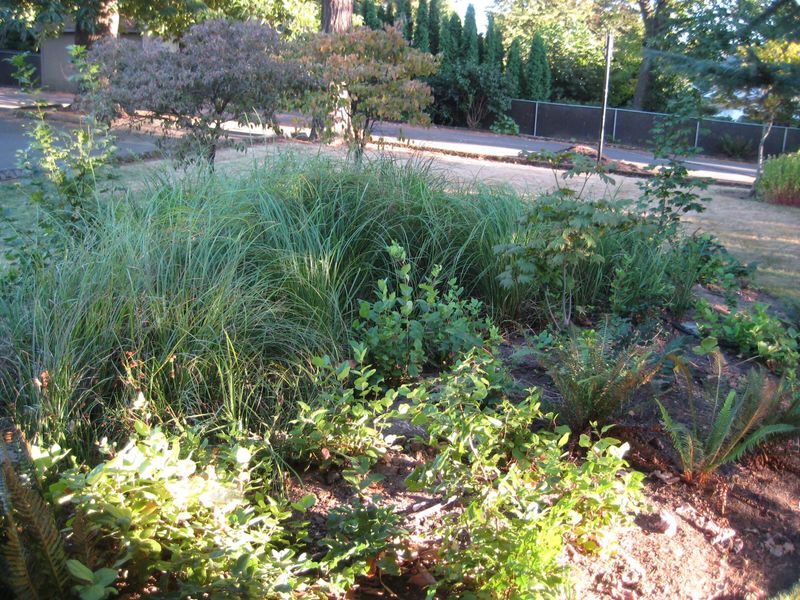
Putting this all together does not require a complicated system. A manageable fall routine, adjusted for where you live in Oregon, covers the essentials without turning every weekend into a major project.
Start with safety and drainage. Clear leaves from gutters, roofs, decks and the area immediately around your home before anything else.
If you are in a wildfire-prone area, follow Oregon defensible-space guidance for what needs to come out and how far from the structure that zone extends. Keep storm drains and downspouts clear so fall rain moves away from the house rather than pooling.
Next, work the lawn. Mow dry leaves into turf, make a second pass if the pieces are still large, and check whether the grass is still substantially visible.
Minnesota Extension leaf mulching guidance suggests stopping when less than half the lawn surface is visible and moving excess leaves elsewhere. In western Oregon, where rain arrives reliably by October, staying ahead of leaf accumulation on turf helps prevent the wet, matted conditions that favor moss.
Move the overflow to compatible spots: beneath established trees and shrubs, along a back bed, or into a contained leaf pile away from the front entrance. OSU Extension fall guidance supports leaves as mulch around shrubs and on vegetable beds, while flagging that dense accumulations near slug-prone plants are worth managing selectively.
Check for diseased material and pull it out rather than leaving it in place or adding it to a home compost pile. Keep leaf layers thin near hostas, seedlings and other slug-vulnerable plants.
Eastern Oregon gardeners should adjust for their own conditions: lower rainfall, colder winters and different fire-season timing all shift the timing and priorities of this routine. USDA habitat guidance applies broadly, but the specifics always come back to your soil, your plants and your corner of Oregon.
A managed yard that holds onto some leaves in the right places can look cared-for and support the garden through winter – without requiring you to chase down every last one.