Fall Garden Habit That Removes Food Migrating Birds Need Most In California
The first genuinely cool morning in California smells like wet pavement, damp soil, and faint woodsmoke. Hands immediately start itching for a weekend project, preferably one that involves very sharp new tools.
Overhead, the sky is far busier than it looks, stuffed with small travelers heading steadily south. They arrive hungry, tired, and shopping hard for somewhere to refuel before the light goes.
Most California yards once offered exactly what those visitors wanted, sitting right there in plain sight. Then a wildly popular weekend routine swept through the neighborhood, loaded down with bags and green bins.
What looks like excellent housekeeping can quietly shut down the only open restaurant for miles around. Somewhere out there, one very small sparrow is filing a formal complaint with management.
Dried Seed Stalks Feed Finches Through Cold Mornings
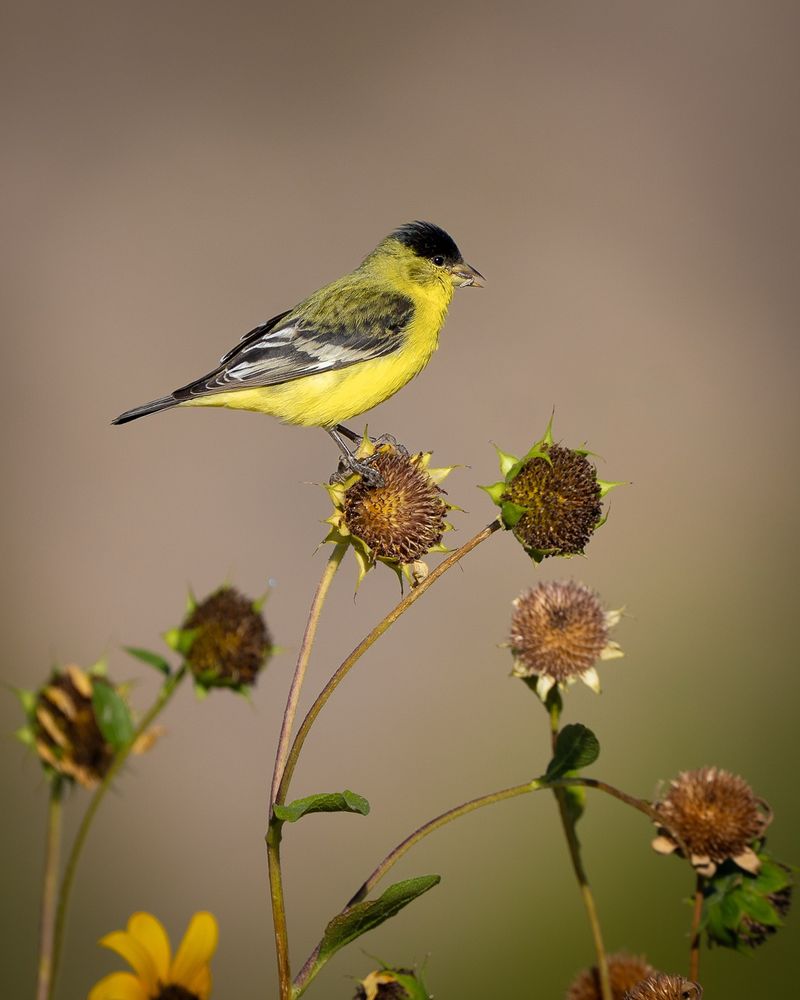
Picture a lesser goldfinch swinging on a dried sunflower head, tugging seeds out one at a time. That single stalk can feed a small flock through several chilly mornings.
California buckwheat, purple sage, gumplant, and tarweed hold their seed long after the flowers fade. Finches, juncos, and towhees treat those brown stems as open-air cafeterias all season.
Snipping them back in September removes the pantry before the first big wave of migrants arrives. Birds then burn precious energy searching elsewhere, which quietly cuts into their fat reserves.
Leaving stalks standing costs nothing and takes zero effort, which is a rare gardening win. Brown stems also catch morning light and look surprisingly good against fall skies.
Hummingbirds want nectar, but many seed-eating migrants like finches and sparrows rely on carbohydrates and fat stored inside small seeds. A quarter-inch seed sounds tiny, but a single bird can work through dozens of them in one sitting.
Try trimming only the front two feet of a border to keep a tidy edge. Everything behind that line can stand upright until late winter without anybody noticing.
Seed-eating birds also scatter leftovers, which sprout into free plants next rainy season. Volunteer wildflowers popping up the following spring is a common side effect of this habit.
A standing seed stalk is basically a vending machine that restocks itself for free. Shears can wait until February, when fresh growth pushes up from the base anyway.
California’s Migration Calendar Runs Longer Than Most Realize
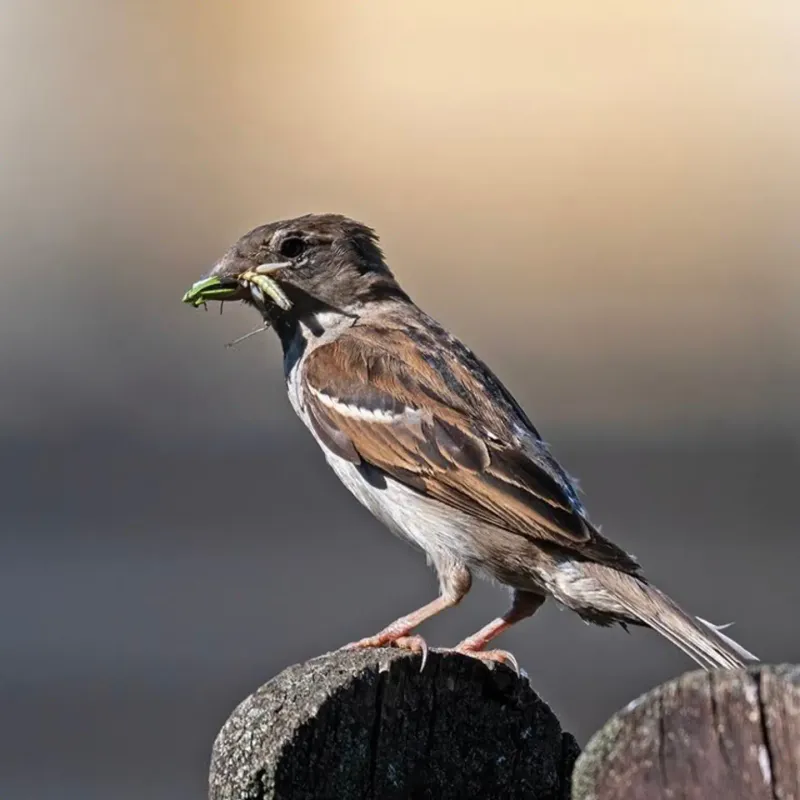
Migration through California is not one weekend event. It stretches from late July into November. Shorebirds move early, warblers peak in September, and sparrows roll in through October.
Cleanup done over Labor Day weekend lands squarely in the busiest stretch of that travel schedule. Feeling productive on that holiday costs visiting birds precisely when their fuel needs spike.
Golden-crowned and white-crowned sparrows arrive from Alaska and Canada, then stay all winter in many yards. They spend months scratching beneath shrubs for fallen seed and small hidden insects.
Holding off until mid-February covers both fast-moving migrants and the sparrows that settle in. By then, native bunchgrasses and perennials are already pushing out fresh green growth.
Coastal gardens and inland valleys run on slightly different schedules, though the broad pattern holds. Foothill yards near oak woodland see heavy traffic during October, when acorns drop.
Your California Garden Changes Every Week. Your Plan Should Too.
Gardening in California changes quickly throughout the season. Every Friday you’ll receive a simple weekly plan showing exactly what to plant, prune, fertilize, harvest, and protect so you never miss the right timing.
Fire safety rules matter too, so clear flammable material within the defensible space zone closest to any building. Wilder plantings can sit farther out, where defensible space guidelines still allow them.
Marking a calendar reminder for Presidents Day weekend keeps the schedule simple and memorable. One date change transforms a yard from bare buffet to reliable roadside stop.
Weather shifts arrivals as well, since early storms push flocks down into the valleys unexpectedly. Food standing in the garden covers those surprise nights without any extra planning.
Early Pruning Cuts Off The Only Food Source Around
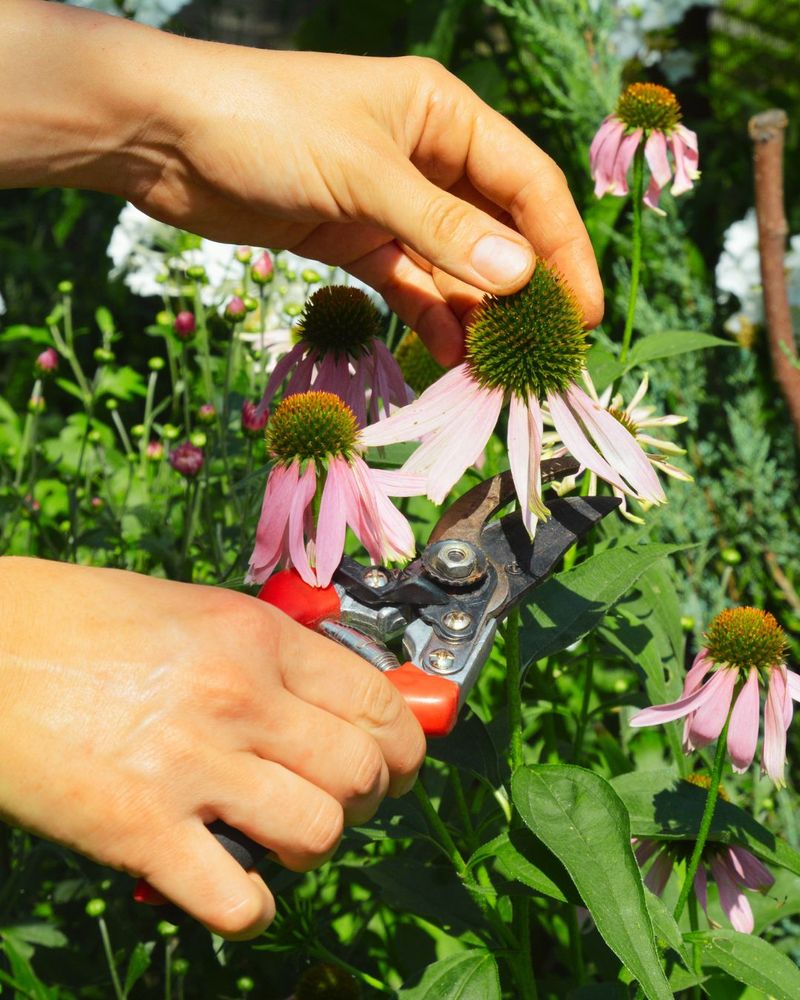
Enthusiasm with a hedge trimmer causes more trouble than any pest in a fall garden. Shearing everything to the ground feels satisfying and undoes months of quiet production.
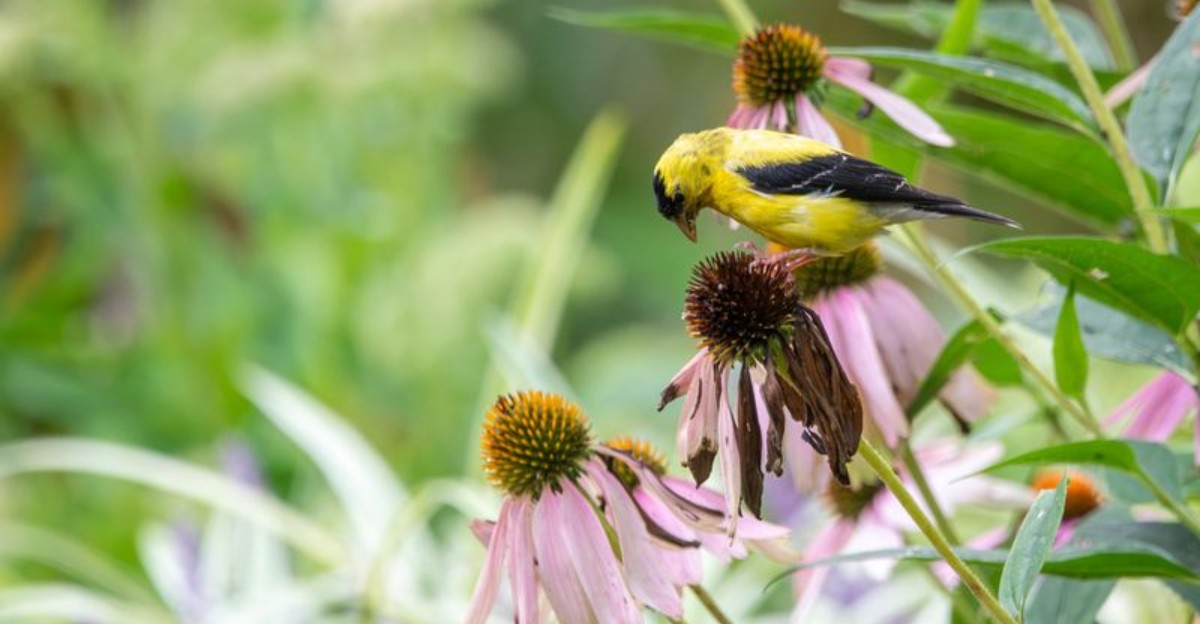
Cutting spent flower heads back in September strips seed before finches ever get a chance at it. That single pass with shears erases weeks of natural food supply overnight.
Another common slip is scalping native bunchgrasses, like deergrass, down to bare crowns. Sparrows hide inside that thatch, and hawks cruise overhead constantly during migration season.
Power blowers set on maximum scatter insects, soil, and seeds far from where birds forage. A rake costs less, makes no noise, and keeps the good stuff in place.
Heavy pruning during warm autumn weather also pushes out tender new shoots before frost arrives. Those shoots get damaged quickly, and the plant wastes stored energy for nothing.
Snipping seed heads early also forces migrating birds to spend more energy searching elsewhere for food. That extra effort cuts directly into the fat reserves they need for the next flight.
Bagging trimmed seed stalks for green waste sends that stored food off site for good. Leaving the clippings in place keeps every last seed within reach of hungry birds.
Slowing down in autumn takes less work, not more, which is honestly the funny part. The garden handles itself while the gardener drinks coffee and watches the show.
Native Plants That Hold Their Seed Into Winter
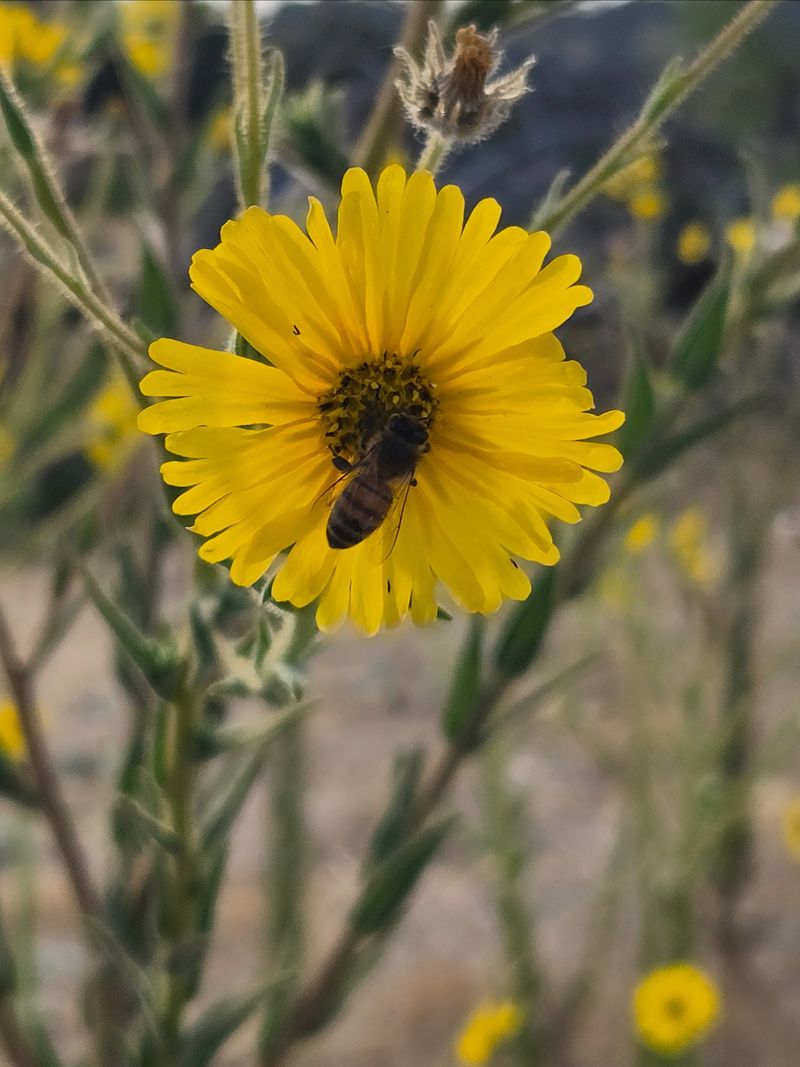
Some plants earn their keep twice, first in full bloom and later as bare winter scaffolding. California fuchsia is a prime example, common in home gardens across the state.
Narrowleaf milkweed holds dry seed pods that local finches pick apart with obvious, noisy enthusiasm. Its hollow stems also shelter overwintering insects that thrushes hunt on cold mornings.
Common sunflower, tarweed, and gumplant produce exactly the oil-rich seeds small songbirds crave. Each grows easily from seed and thrives in the tough, sun-baked soil of inland valleys.
Deergrass and purple needlegrass hold their shape all winter and catch the morning frost beautifully. Sparrows vanish into the base of those clumps the instant a hawk appears overhead.
California buckwheat turns a warm rust-brown in autumn and keeps seed available into January. It quietly earns the nickname workhorse, though that undersells how many creatures it feeds.
Coyote brush blooms very late, feeding pollinators after most other flowers finish for the year. Insects drawn to those blooms become meals for warblers stopping over midroute.
Hold off cutting any of them until February, when fresh basal growth clearly appears. A quick trim then keeps plants full and prevents woody, leggy, hollow centers.
Skipping fall pruning saves water as well, since standing foliage shades the roots and soil. Fewer chores plus lower water bills make this habit easy to adopt.
A Simple Compromise For Tidy Front Yards
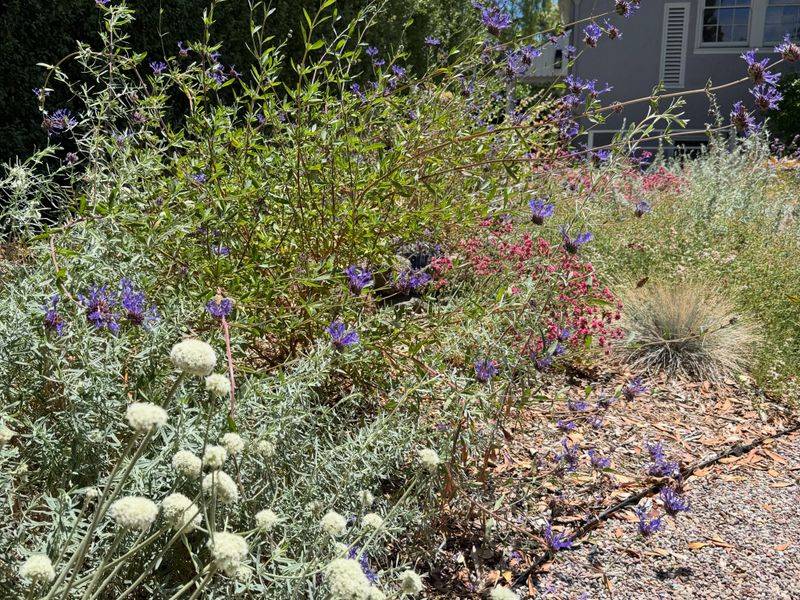
Small lots and strict HOA rules make the messy-garden advice feel impossible for many Californians. Compromise works better than surrender, and it takes about fifteen minutes to arrange.
Divide the yard into a public face and a private back, then tidy only the front. Guests see crisp edges while the hidden half quietly serves as a bird buffet.
Keeping roughly one third of the perennials standing supplies plenty of seed for visiting flocks. Nobody is out there counting stems, so rough estimates work perfectly well.
Apartment balconies count too, because potted buckwheat and dwarf sunflowers still produce real seed. Goldfinches locate potted seed sources surprisingly fast, even several stories up.
Leave one back border of dried stalks untouched instead of clearing the whole bed at once. That single strip still supplies enough seed to keep finches stopping by all winter.
A crisp mowed edge along the front walkway satisfies most passersby without extra effort. Everything standing behind that line can hold its seed heads without a single complaint.
A small sign reading certified wildlife habitat often softens complaints from particularly picky neighbors. Several California cities and groups certify yards, which adds a stamp of legitimacy.
Nobody has to choose between a good-looking yard and a genuinely useful one this autumn. Half-measures still deliver real results here, which is unusual and honestly rather encouraging.
February Marks The Real Reset For The Garden
Gardeners who ease up in autumn notice something odd by April, namely fewer pest problems. Birds that wintered nearby stick around and start hunting aphids for their hungry chicks.
Finches that wintered on standing seed heads often stick around into spring nesting season. A yard that fed them through the cold months tends to keep their company.
Stalks left standing through winter break down on their own by spring, feeding the soil for free. That timing lines up naturally with when most perennials need dividing anyway.
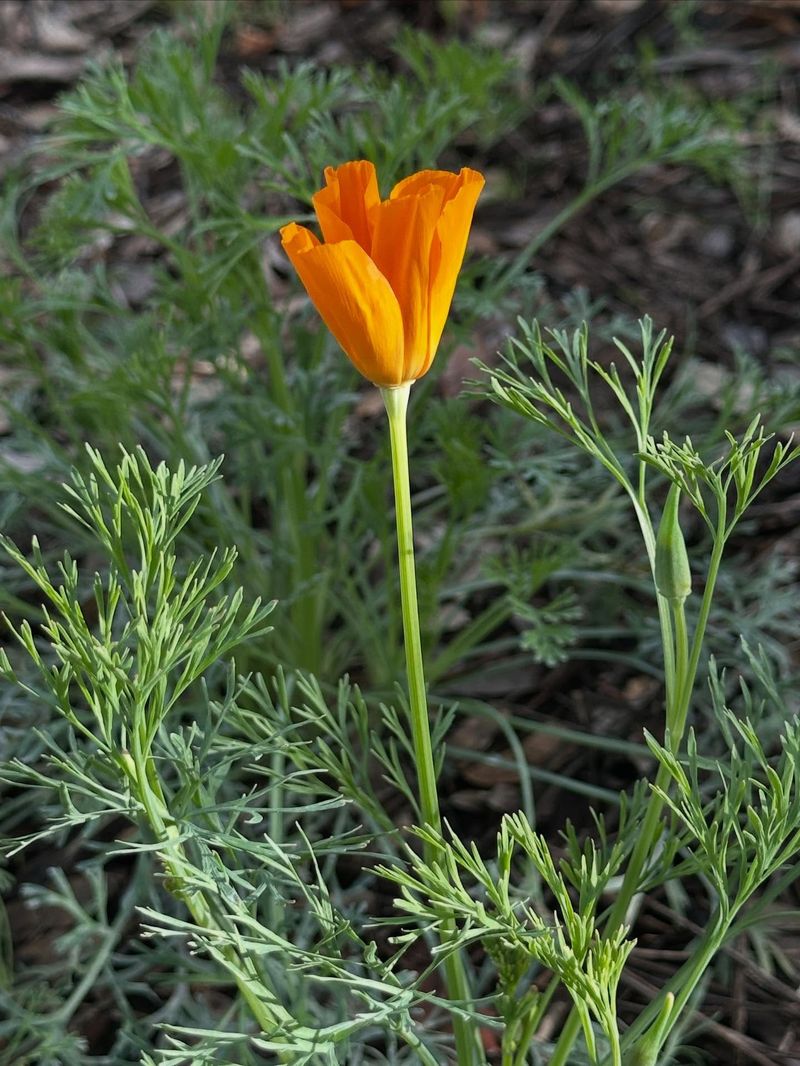
Self-sown seedlings appear in the gaps, offering free plants where bare dirt used to sit. Poppies and clarkia often show up without anyone buying a single seed packet.
Native bees nest inside hollow stems left standing, then pollinate fruit trees each spring. Removing those stems in October carries the next generation off to the green bin.
Yards managed this way tend to hold more bird species, and the morning racket proves it. Birdsong at sunrise easily beats any alarm clock ever manufactured in a factory.
The whole habit asks for patience rather than money, special tools, or complicated new skills. Doing less, at exactly the right moment, turns out to be the trick.
Come February, a single afternoon of cutting resets everything for the growing season ahead. The garden looks sharp again, and the birds already got what they needed.