Feeling the first cold nights, Wisconsin gardeners are wrapping these 8 containers to save the pots
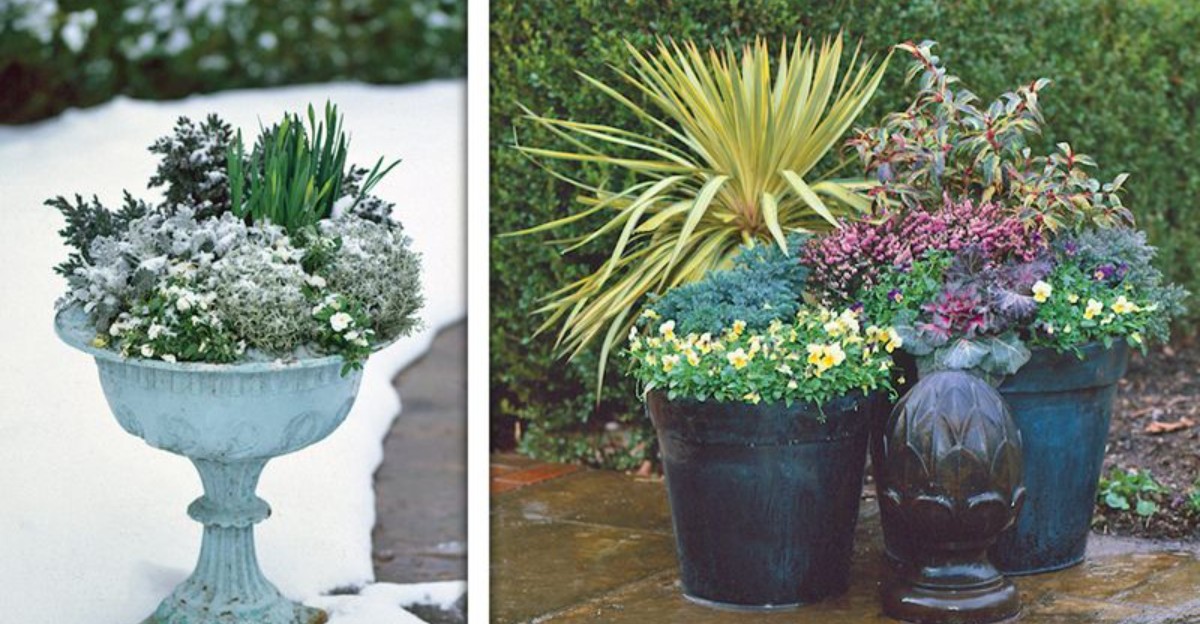
The first frosty nights have arrived across Wisconsin, and gardeners know what that means for their outdoor pots. When water freezes inside porous materials and soil, it expands and cracks even sturdy containers.
Wrapping and prepping your pots now can save them from ending up in pieces by spring. Here are eight containers Wisconsin gardeners are protecting before the deep freeze sets in.
1. Terracotta Pots
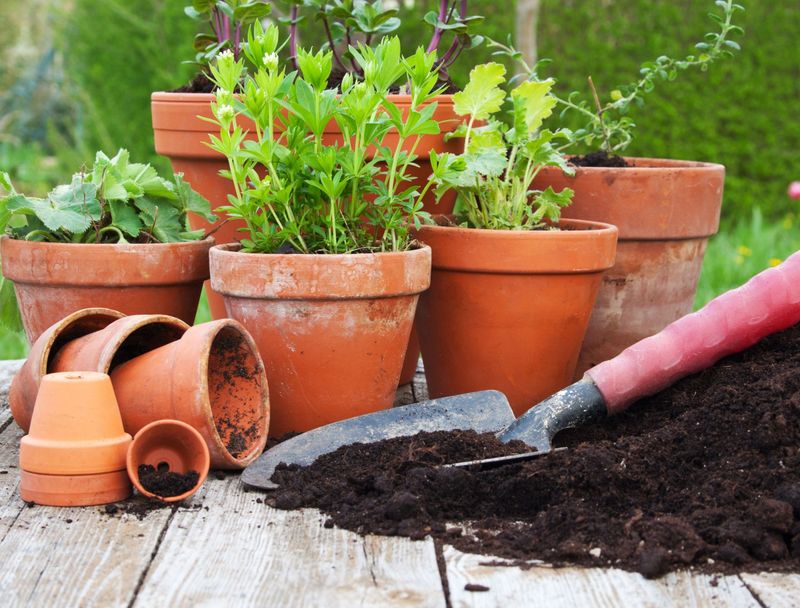
Clay pots have a beautiful, rustic charm, but they are the first casualties of a Wisconsin cold snap. Terracotta is packed with tiny pores that soak up water like a sponge, and once that moisture freezes it pushes outward until the walls split.
Gardeners across Wisconsin wrap these pots in bubble wrap or burlap to slow down how much water sneaks in and to buffer the temperature swings. A snug layer of insulation makes a surprising difference when the thermometer dips overnight.
Fun fact: unglazed terracotta can absorb enough water to noticeably change its weight, which is exactly why it cracks so easily in freezing weather.
2. Thin-walled Glazed Ceramic Pots
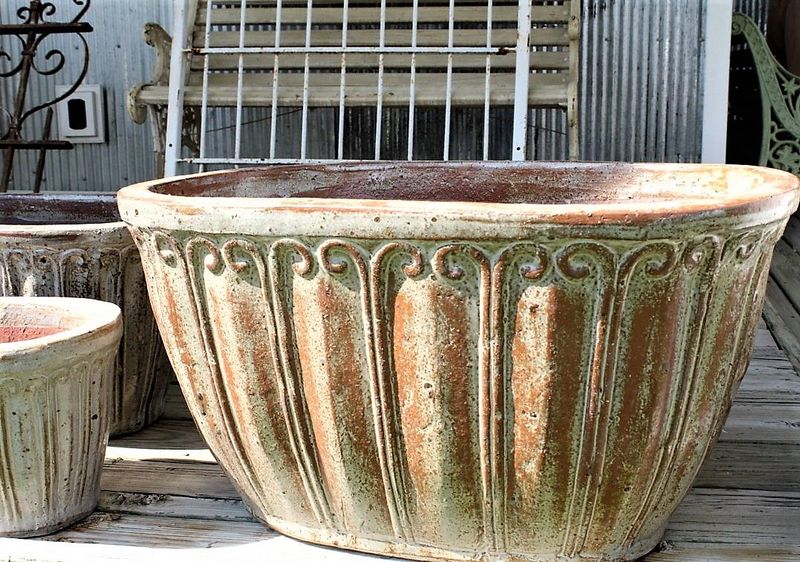
Glazed pots look tough with their glossy finish, but looks can fool you here in Wisconsin. If the ceramic is thin-walled or was not fired hot enough to become fully vitrified, water still creeps into the clay body and cracks it when it freezes.
Smart Wisconsin gardeners handle these two ways. The lighter ones get carried into a garage or basement, while the heavier pieces get wrapped in insulating material and stored off the cold ground.
A quick tap test helps: a high, ringing tone usually means dense, frost-resistant ceramic, while a dull thud hints the pot needs extra babying before winter.
3. Plastic and Composite Pots
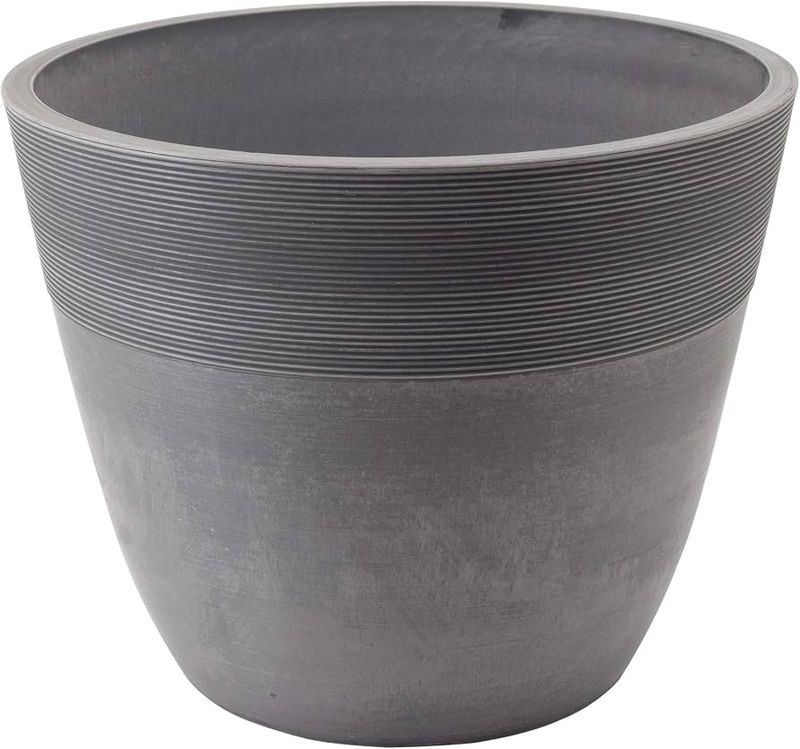
Plenty of folks assume plastic is bulletproof against the cold, but repeated Wisconsin winters tell a different story. Cheaper plastic and composite pots grow brittle after years of freezing and thawing, and one hard frost can leave them with spidery cracks.
Wrapping them in a layer of insulation helps them hold their shape and flex less when temperatures crash. It also keeps the plastic from getting that chalky, sun-and-cold-damaged look.
If a composite pot is empty, tucking it in a shed beats leaving it exposed. Wisconsin gardeners have learned that a little effort now saves buying replacements every couple of springs.
4. Pots with Intricate Designs, Lips, or Depressions
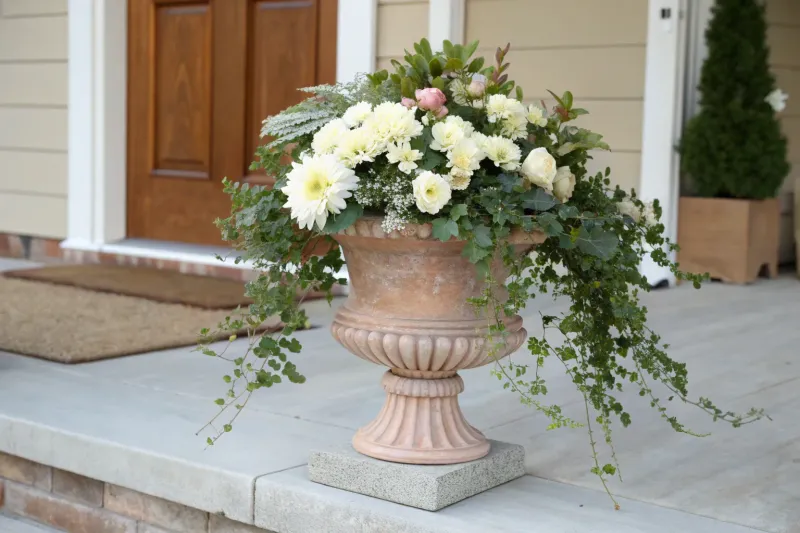
Those fancy urns with sculpted rims and decorative grooves are gorgeous on a porch, yet their fancy details are exactly what gets them in trouble. Every lip, curve, and depression becomes a little cup that traps rainwater, which then freezes, expands, and pries the pot apart.
Wisconsin gardeners deal with this by covering the openings so water cannot pool, or by wrapping the whole pot to shield the vulnerable spots. Tipping smaller ornate pots to drain them also keeps water from settling in the wrong places.
The extra artistry that makes these containers special is the same reason they need the most careful winter attention in a Wisconsin garden.
Your Wisconsin Garden Changes Every Week. Your Plan Should Too.
Gardening in Wisconsin changes quickly throughout the season. Every Friday you’ll receive a simple weekly plan showing exactly what to plant, prune, fertilize, harvest, and protect so you never miss the right timing.
5. Containers with Tender Perennials
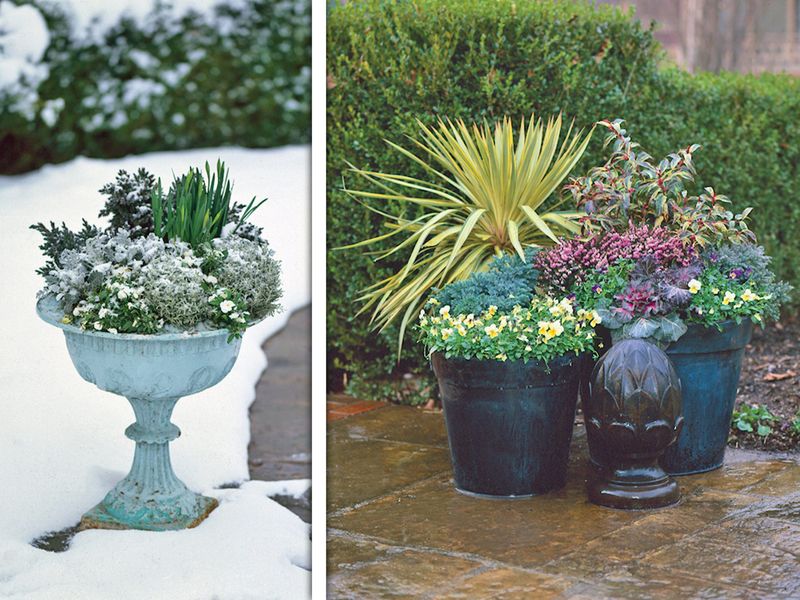
Geraniums and fuchsias steal the show all summer, but come the first cold nights they need real help to survive. Roots sitting in an above-ground pot are far more exposed to cold than roots tucked into garden soil, so both the plant and the container are at risk.
Across Wisconsin, gardeners wrap these pots to insulate the root ball and to keep the freezing soil from expanding hard enough to crack the walls. Grouping several pots together and mounding leaves or mulch around them adds even more warmth.
Saving a beloved tender perennial and the pot it lives in at the same time is a two-for-one win that Wisconsin plant lovers appreciate.
6. Large, Heavy, Immobile Containers
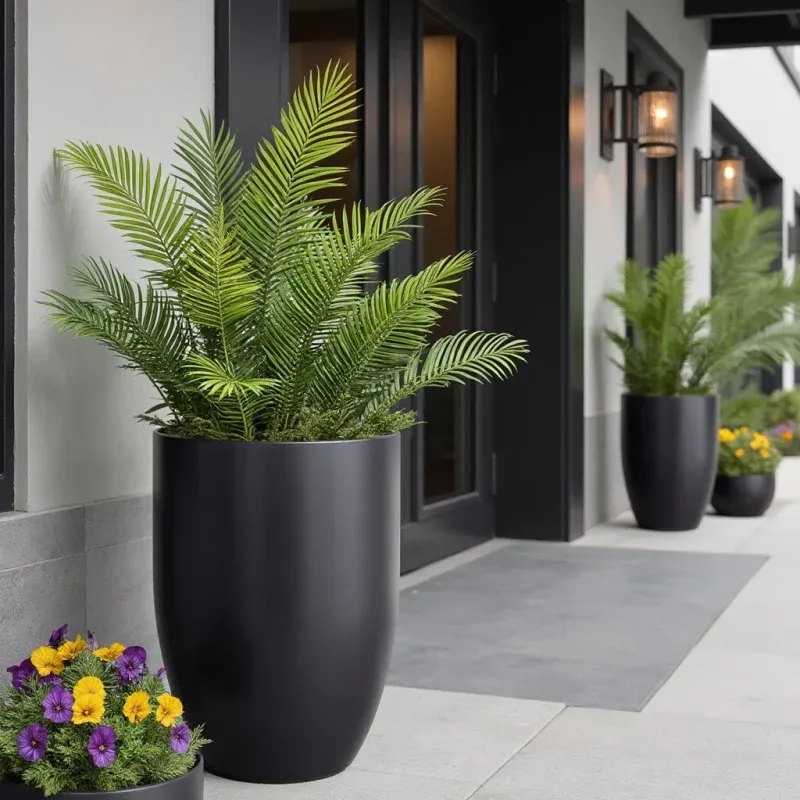
Some containers are simply too big and heavy to haul indoors, and that is where a different game plan kicks in. Thick concrete and chunky glazed ceramic pots often weigh far too much to move, so protection happens right where they stand.
Gardeners in Wisconsin wrap these giants in blankets, burlap, or bubble wrap, then lift them onto pot feet or bricks so they are not sitting in cold, wet soil. Raising them keeps moisture from pooling underneath and freezing against the base.
A heavy planter can cost a small fortune to replace, so this on-site insulation is more than worth the afternoon it takes to set up before winter grips Wisconsin.
7. Self-Watering Containers
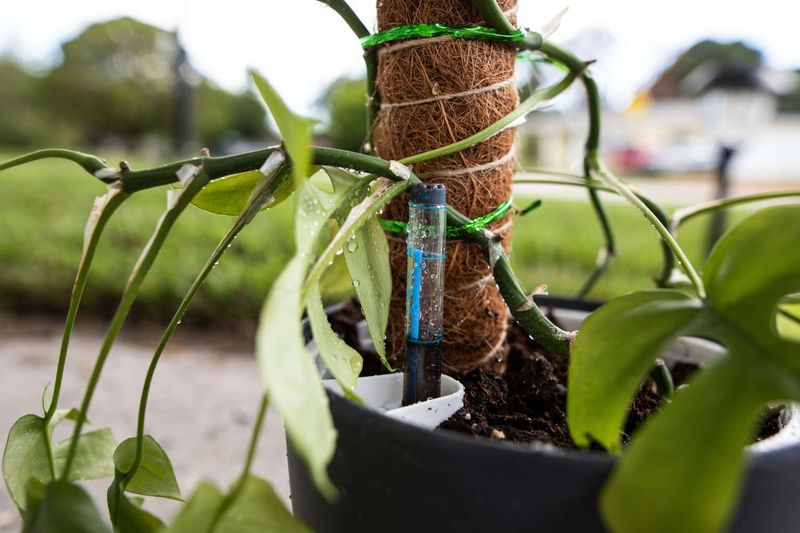
Self-watering pots are lifesavers in July, but they hide a wintertime hazard right inside their base. Those built-in reservoirs hold a stash of water, and if it stays put when Wisconsin temperatures plunge, the ice expands and can crack the container from the inside out.
The fix is refreshingly simple. Drain the reservoir completely before the first hard freeze, pop the drainage plug if there is one, and let everything dry out.
Once emptied, many of these pots store nicely in a garage. Wisconsin gardeners who remember this one step avoid a nasty surprise when they haul their self-watering planters back out in spring.