Fall Is The Last Great Window To Plant These 8 Trees In Georgia Before Winter
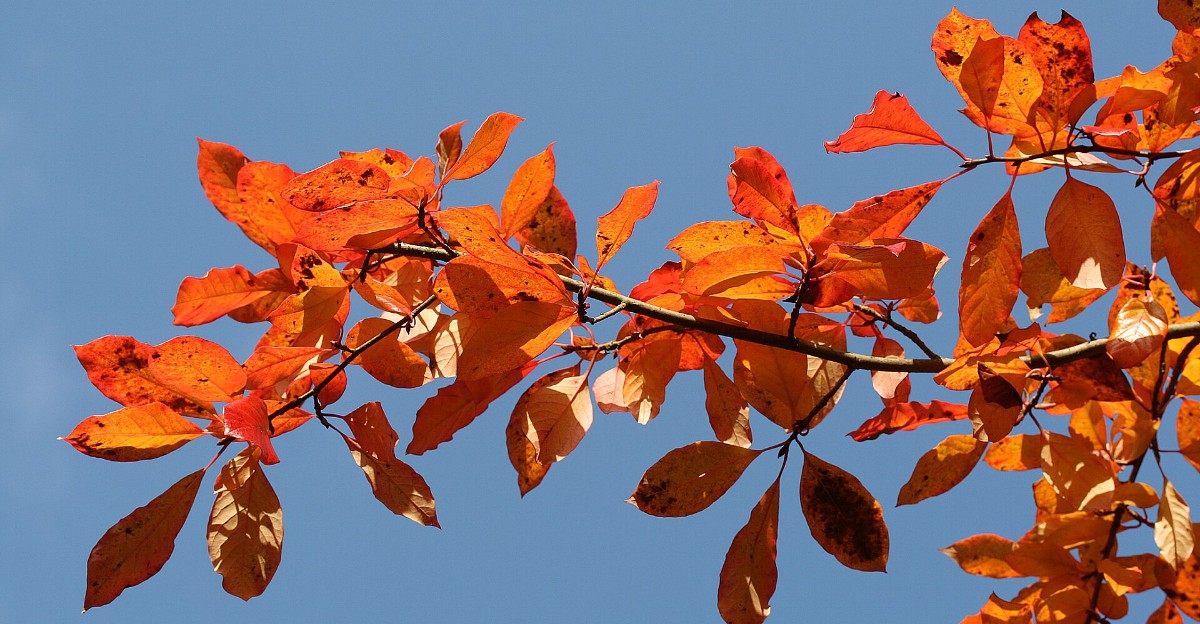
Tree roots keep growing underground long after the leaves overhead have turned brown and drifted away. Soil holds summer warmth for weeks, so roots stay busy while the branches above look sleepy.
University of Georgia Extension experts point to fall and early winter as the best time to plant trees.
Cool air reduces stress on leaves, while warm ground lets fresh roots spread before the brutal summer heat.
I have to admit that I used to plant everything in spring, then watch it sulk through July. I now save my tree shopping for crisp days, and the results have been noticeably stronger.
You might notice your local nursery quietly restocking right now, with eager saplings lined up in neat rows. Which eight beauties deserve a sunny patch of soil before the first hard freeze arrives?
1. Red Maple
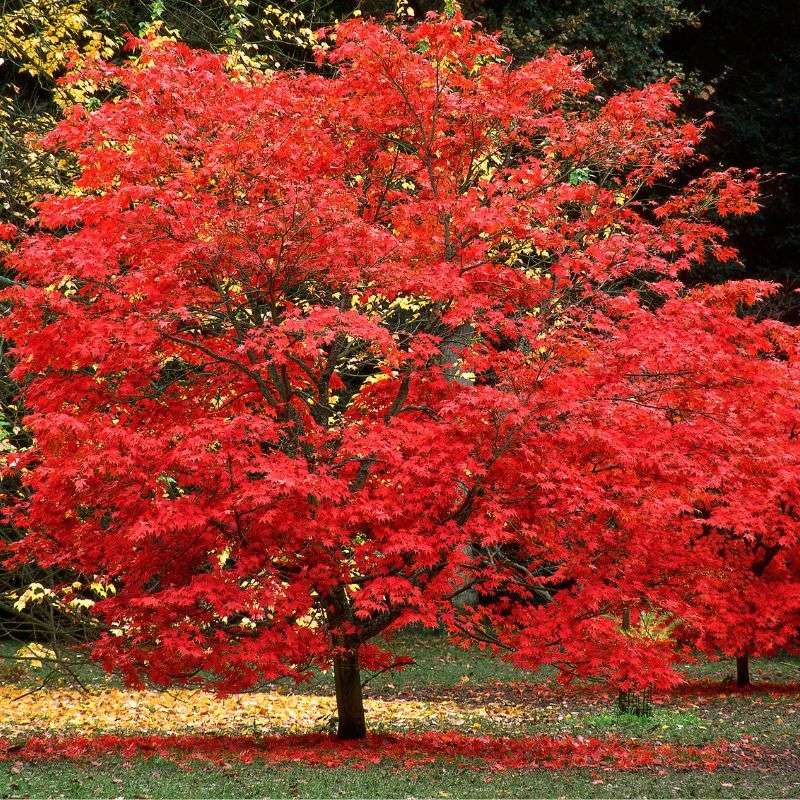
Red maple flowers often open in late winter, painting bare twigs crimson weeks before most trees even stir.
I love spotting that rosy haze along roadsides when everything else still looks gray and chilly.
Acer rubrum is native across the eastern United States and handles sticky heat and stubborn clay with ease.
Fall color varies by tree, so shop in person and pick one already glowing scarlet or orange.
Expect a mature height around 40 to 60 feet, though wild trees sometimes grow much taller. Give it room away from sidewalks and foundations, because the roots tend to spread near the surface.
Full sun brings the best leaf color, though partial shade still produces a handsome, fast-growing shade tree. Slightly acidic soil suits it well, and alkaline ground can cause pale, yellowish leaves over time.
When planting, dig a hole two or three times wider than the root ball but no deeper. Set the root flare level with the ground, then backfill with the same native soil you removed.
Water deeply once or twice weekly through the first two years, especially during dry spells next summer. Spread mulch two to three inches deep, keeping it a few inches away from the trunk itself.
Named cultivars like October Glory and Red Sunset were selected for reliable color and tidy shapes. You can thank me later when neighbors start slowing down to admire your blazing autumn display.
2. Flowering Dogwood
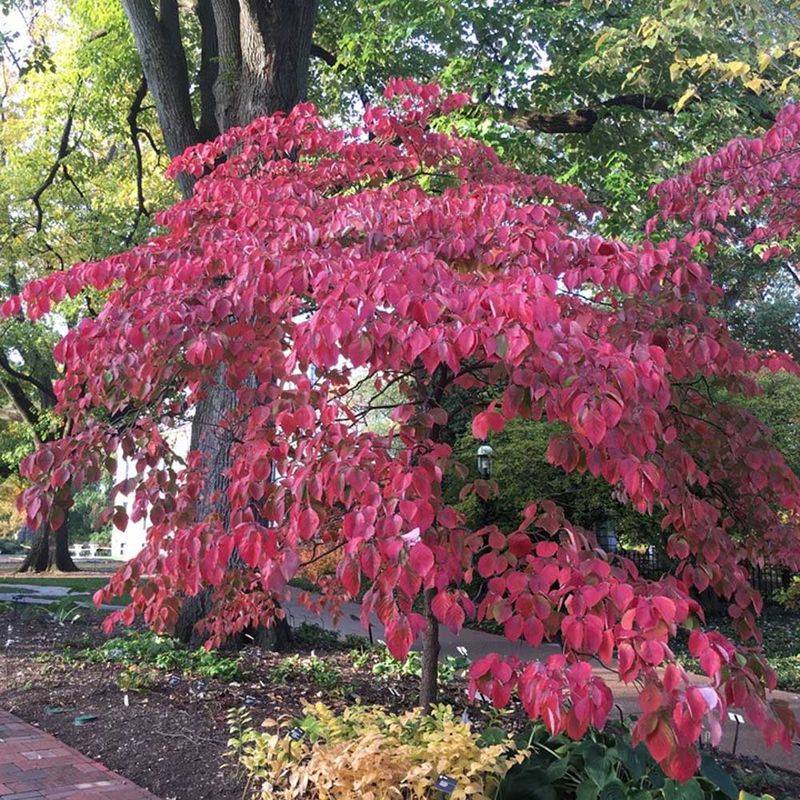
Those famous white dogwood flowers are not really petals at all, but four showy leaves called bracts. The true flowers sit in a tiny greenish cluster at the center, easy to miss up close.
Cornus florida grows wild in woodland edges across the Southeast, usually reaching about 20 to 30 feet.
Its layered, horizontal branches give it a graceful outline that looks lovely even when bare in winter.
I believe dogwoods are happiest when they get morning sun and some relief from the harsh afternoon glare. Too much shade reduces blooms, while scorching sun on hot pavement can stress the shallow roots.
Moist, well-drained, slightly acidic soil works best, so avoid low spots where rainwater sits for days. Mixing a little compost into heavy clay across the wider planting area can help drainage noticeably.
Glossy red fruits ripen in fall and attract hungry birds like robins, bluebirds, and cedar waxwings. Watching a flock strip a tree clean in one afternoon is one of my favorite autumn shows.
Dogwood anthracnose and powdery mildew can cause trouble, so look for resistant selections at your local nursery.
Good airflow and steady watering during summer droughts help keep these leaf diseases under better control.
Fall planting gives the fine, fibrous roots several cool months to settle before spring bracts appear. Keep mulch wide and shallow, and water weekly whenever rain skips your yard for a while.
3. Eastern Redbud
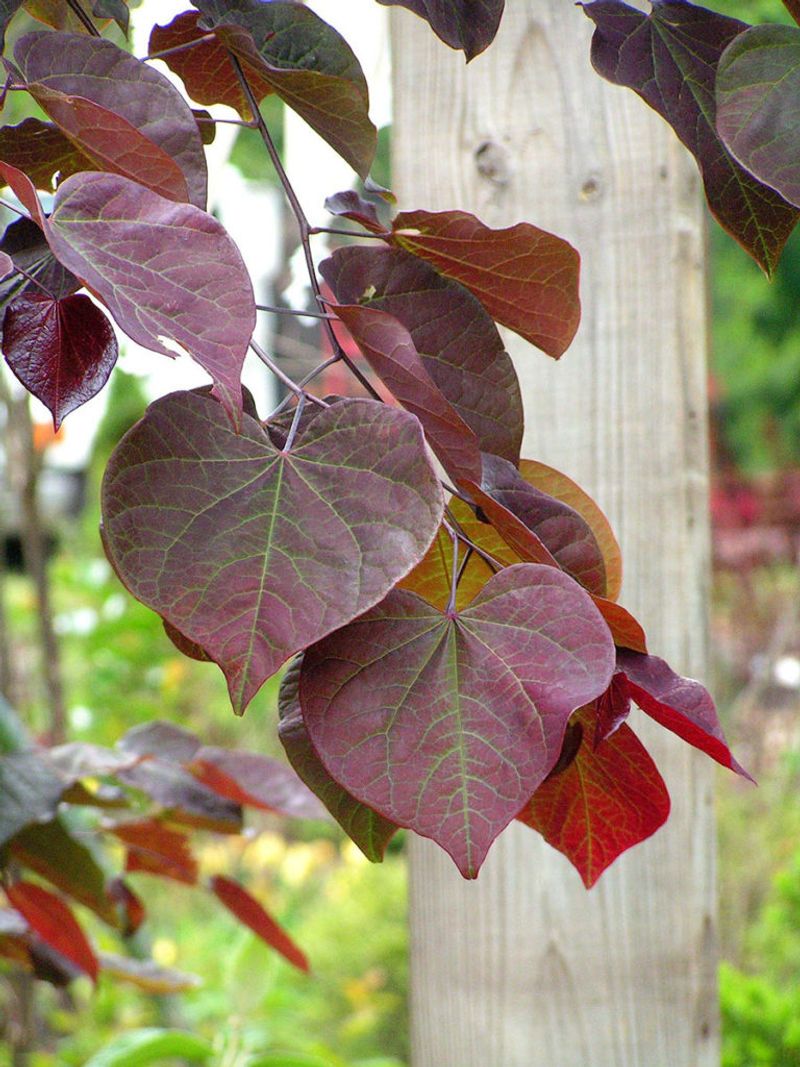
Redbud blossoms pop straight out of the trunk and branches, a quirky habit botanists call cauliflory. I still grin every spring when I spot pink flowers sprouting from bark like tiny surprise parties.
Cercis canadensis is a native understory tree that typically reaches 20 to 30 feet tall at maturity.
Its broad, rounded crown makes it a natural fit for smaller yards and cozy corners near patios.
The heart-shaped leaves arrive after the flowers and turn soft yellow before dropping in the fall. Purple-leaf types like Forest Pansy add rich summer color if you want something a little different.
Redbuds belong to the pea family, and their flat seed pods dangle from branches well into winter. Early flowers offer welcome nectar for bees when few other blooms are open in the neighborhood.
Full sun to partial shade suits them, and afternoon shade helps in the hottest southern areas. Well-drained soil is the key requirement, since soggy roots can lead to disease and slow decline.
Young redbuds transplant much better than older ones, so choose a smaller container tree from the nursery. Smaller trees often catch up quickly and settle in with far less transplant shock than big specimens.
Water deeply about once each week for the first two growing seasons, especially during dry summer stretches.
Personally, I think a redbud planted this fall will reward you with blooms sooner than you expect.
4. American Holly
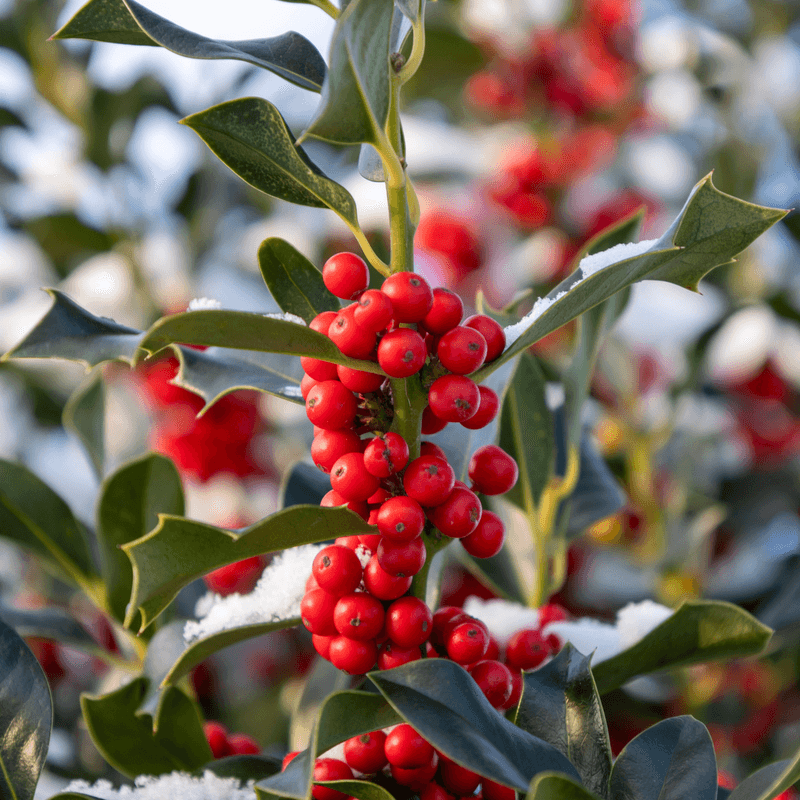
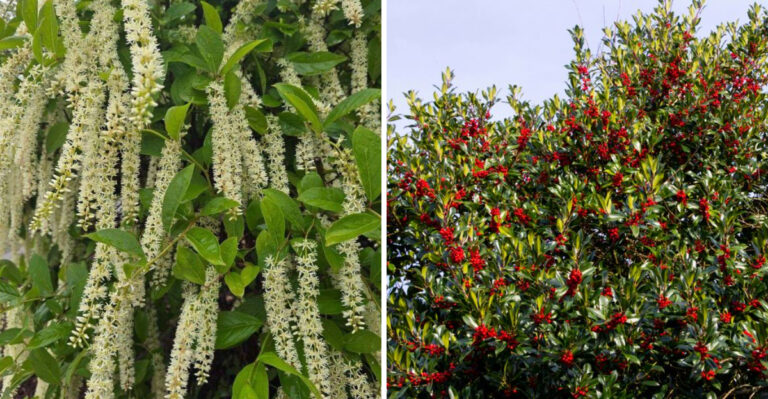
Only female American hollies produce those glossy red berries, which surprises plenty of first-time holly shoppers every year. You will need a male tree nearby for pollination, or your female may stay berry-free for good.
Ilex opaca is a native evergreen with spiny, leathery leaves that stay deep green through every season.
Its tidy pyramid shape works beautifully as a privacy screen or a striking focal point near the house.
Most landscape trees reach about 15 to 30 feet tall, though wild specimens can grow considerably larger. Growth is slow to moderate, so patience pays off handsomely with this long-lived and dependable evergreen classic.
Full sun to partial shade works, but more sunlight usually means denser foliage and heavier berry crops.
Moist, well-drained, acidic soil keeps it happiest, and constantly soggy clay can lead to yellowing leaves.
Birds like mockingbirds and robins eat the berries in winter, once the fruit softens after freezing weather. Dense branches also give small birds a cozy hiding spot from cold winds and passing hawks.
Evergreens keep losing water through their leaves all winter, so fall planting requires careful attention to moisture. Water deeply whenever the soil feels dry a few inches down, even during cool, breezy weeks.
I have to admit that pruning holly with bare hands taught me a prickly lesson about gloves. Wear sturdy gloves, and shape young trees lightly in late winter if you want a fuller form.
5. River Birch
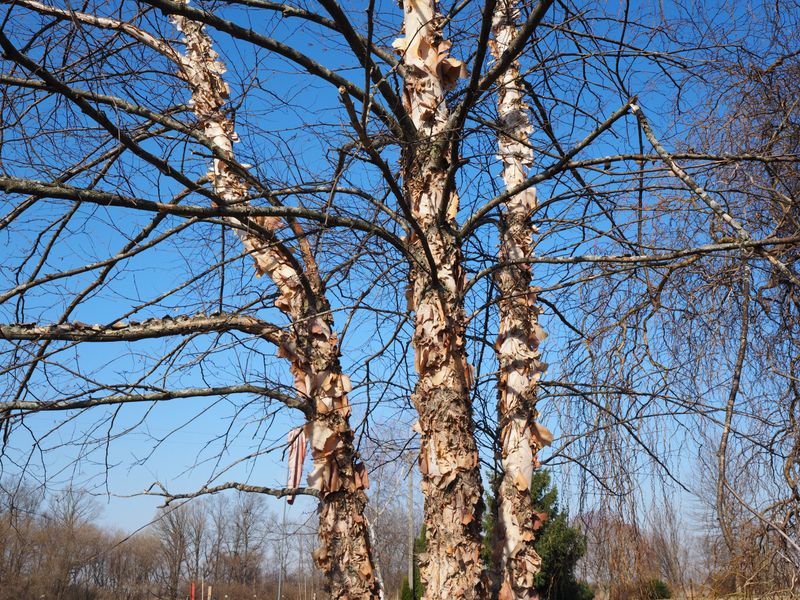
River birch bark peels away in curly, papery sheets of salmon and cream that practically beg to be touched. I can’t walk past one in winter without running my fingers along those shaggy, glowing layers.
Betula nigra is native to stream banks across the Southeast and handles heat far better than northern birches.
It also shows good resistance to the bronze birch borer, a pest that plagues many other birch species.
Expect a fast-growing tree around 40 to 70 feet tall, often sold with several trunks for extra charm. Multi-trunk forms show off the bark beautifully, especially when planted where low winter sun hits them.
Moist, acidic soil makes it happiest, and it tolerates wet spots where many trees would quickly struggle.
Low areas that stay soggy after storms can become a perfect home for this water-loving native.
Full sun to partial shade works well, but avoid spots that bake dry for weeks in summer. Shallow roots stress quickly during droughts, and the tree may drop yellow leaves early as a warning.
Fall leaves turn a soft butter yellow, though the color is usually mild compared to maples. Honestly, the bark carries the show here, especially once the canopy thins and the branches stand bare.
Water deeply each week through the first two years, and keep a wide circle of mulch underneath. Heritage is a popular cultivar known for especially bright bark and strong performance in southern heat.
6. Willow Oak
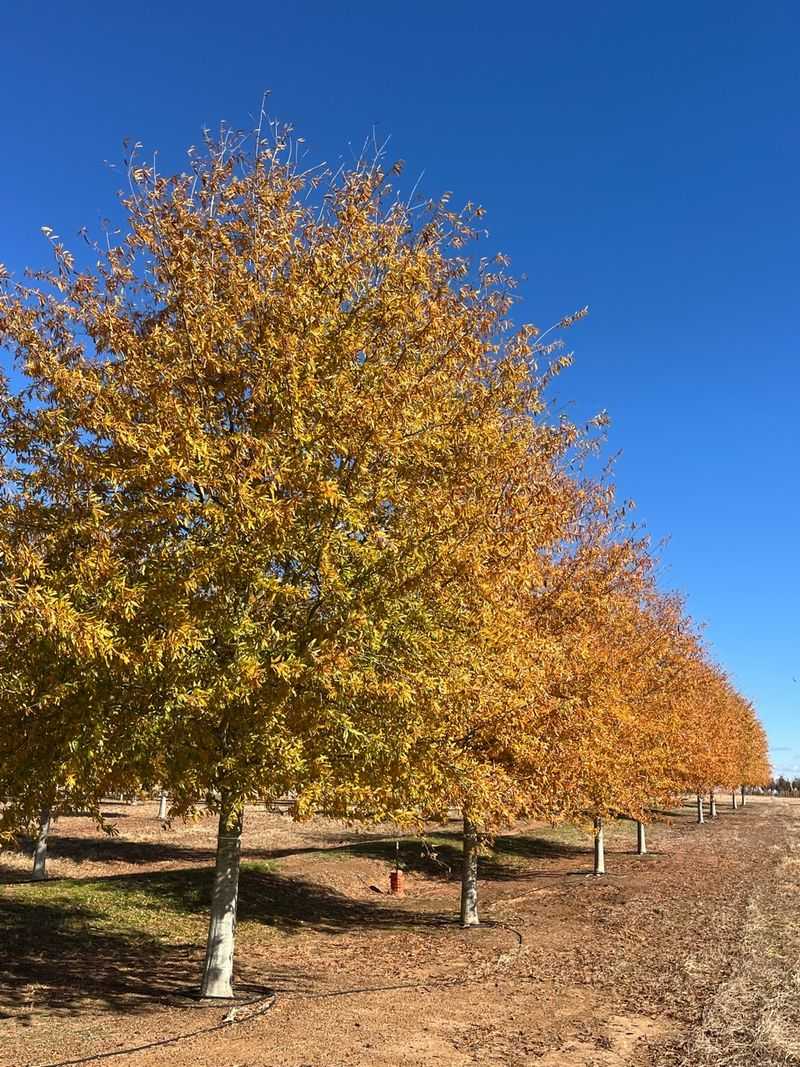
Willow oak leaves are so slim and smooth that many people mistake the tree for a willow.
Spotting acorns underneath usually clears up the confusion, and squirrels make sure you notice them quickly.
Quercus phellos is a native oak that commonly reaches 40 to 75 feet with a rounded crown. It grows faster than many oaks, often adding one to two feet each year in good conditions.
Atlanta streets and older Georgia neighborhoods are lined with these trees, and they earn that popularity honestly. Fine-textured leaves create soft, dappled shade that feels wonderfully pleasant on a sticky Southern summer afternoon.
Full sun brings the best growth, and the tree adapts to clay or sandy soil with surprising flexibility. Slightly acidic soil is preferred, since alkaline ground may cause yellowing leaves from poor iron uptake.
Acorns are small and take two years to mature, feeding deer, wild turkeys, and blue jays. Native oaks also host hundreds of caterpillar species, which in turn become essential food for nesting songbirds.
You need to plan for its eventual size, keeping it at least twenty feet from the house. Overhead power lines and narrow strips between sidewalks are poor choices for a tree this large.
Fall planting lets the roots spread through warm soil while cool air keeps the leaves from stressing.
Water deeply during dry stretches for the first few years, then enjoy generous shade for many generations.
7. Black Gum
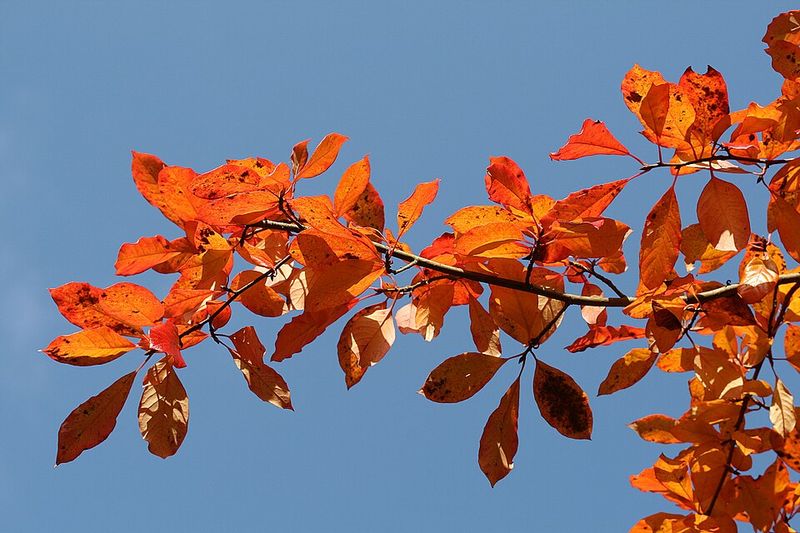
Black gum is often one of the first trees to change color, sometimes showing scarlet leaves by late summer.
I love how a single glowing branch can appear while the rest of the woods still looks green.
Nyssa sylvatica, also called black tupelo, is a native tree prized for its glossy leaves and brilliant fall color. Fiery red often mixes with deep purple on one tree, creating a lovely stained-glass effect in sunlight.
Landscape trees usually reach 30 to 50 feet tall, though wild specimens can grow considerably taller. Growth is slow to moderate, and its branches often form neat horizontal tiers along a straight trunk.
Black gum develops a deep taproot, which makes larger trees tricky to move once they get established.
Choose a young container-grown tree instead, since smaller plants handle transplanting much better than big ones.
Full sun to partial shade suits it, and moist, acidic soil keeps the foliage looking its best. It tolerates wet sites and heavy clay better than many trees, which makes it useful near low spots.
Small blue-black fruits ripen in fall and become a favorite snack for migrating thrushes and other songbirds. Its tiny spring flowers look plain, yet honeybees visit eagerly, and tupelo honey owes much to its relatives.
Water deeply each week during dry spells for the first couple of years after fall planting. Patience pays off, because a mature black gum can live for centuries and grow more beautiful yearly.
8. Downy Serviceberry
Serviceberry fruits taste a bit like sweet blueberries with a hint of almond, and birds clearly agree.
You might need to race the catbirds and cedar waxwings if you want a handful for yourself.
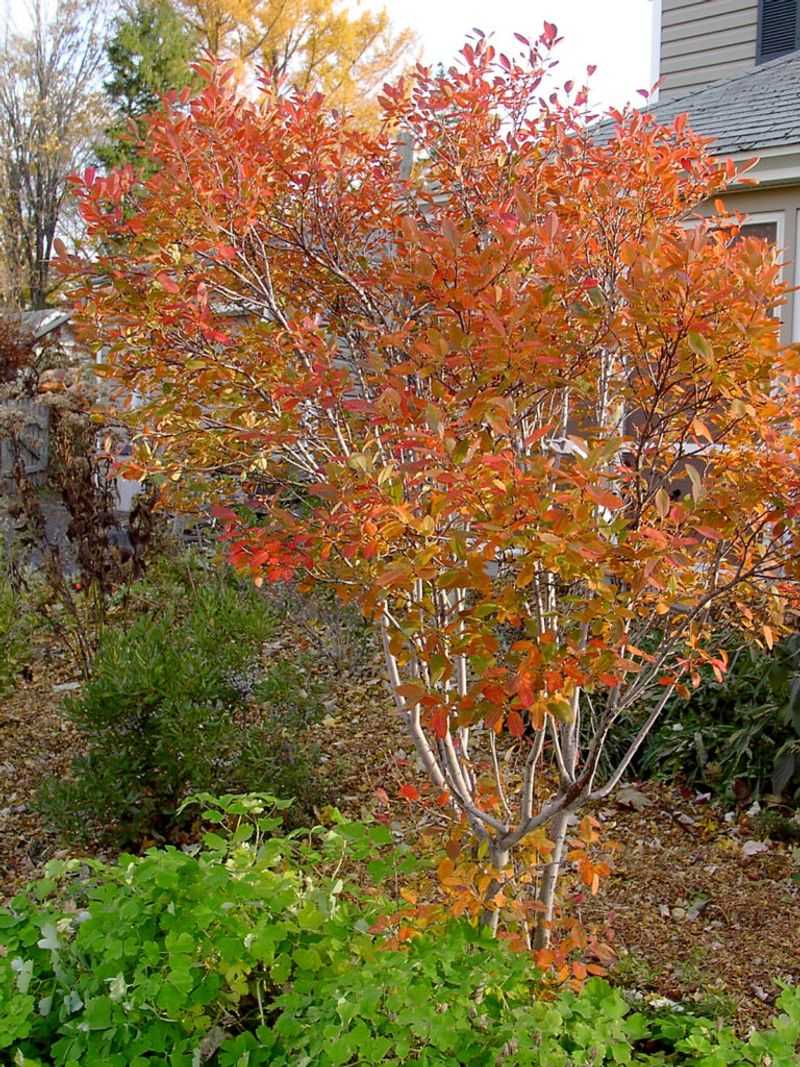
Downy serviceberry, Amelanchier arborea, is native across much of Georgia and usually grows 15 to 25 feet tall. It works beautifully as a small tree or multi-stemmed shrub near patios or along woodland edges.
White, starry flowers open in early spring, often just as the leaves begin unfolding on the branches. Early bees appreciate that nectar, since few native trees bloom so soon after winter fades away.
Common names like shadbush and juneberry come from old seasonal clues about fish runs and fruit timing.
I enjoy how many nicknames this tree has collected, and each one tells a little local story.
Full sun brings the best fruit and fall color, though partial shade is tolerated well enough. Moist, well-drained, slightly acidic soil suits it, and heavy clay benefits from a slightly raised planting spot.
Fall foliage turns warm orange and red, giving the tree another moment in the spotlight before winter. Planting now lets roots settle in, so next spring’s flowers arrive on a happier, stronger tree.
Water weekly through the first year whenever rain is scarce, and refresh the mulch layer as needed. Personally, I believe every yard has room for one, especially if you enjoy sharing berries with birds.