Fall Roof-Rat Check: Trim Branches and Inspect Arizona Attics

Fall brings milder weekends to the low desert, which makes it a good time to walk around your house and look up. Roof rats are good climbers, and a branch that touches your roof can act like a ladder.
A short check of your trees and roofline takes less than an hour. Here is how to do it safely and what it can and cannot do.
Fall is a reminder to inspect, not a proven rat trigger
Cooler weather gives you a handy reason to check your roofline, but it is not a signal that rats are about to flood your attic. Nothing in the Arizona material says cooling nights send roof rats indoors.
Fall simply happens to be a comfortable time to be outside with a ladder and a flashlight.
Here is what is known. According to University of Arizona Cooperative Extension, roof rats do not hibernate and can breed year-round in the low desert.
That means a problem can start in July or in January just as easily as in October.
So think of this weekend check as routine home upkeep, much like testing smoke alarms or changing an air filter. You are looking for easy routes from the yard to the roof and small gaps in the house itself.
Nothing here calls for panic, and none of it needs to be rushed.
The steps in this article can lower the odds of rats getting in. They cannot promise a rat-free home, and that honest limit shapes everything that follows.
Roof rats can reach attics by more than one route

Roof rats earn their name by living above ground. They are agile climbers that travel through trees, along vines and utility wires, and across rooftops.
Once they reach the roof, they look for sheltered spots.
Per the Arizona Extension publication on roof rat ecology, attics, soffits, and other secluded above-ground spaces can become nesting places. Think of the quiet corners where nobody ever looks.
This is why branches near the house deserve a look. A limb that brushes the eaves or hangs over the tiles gives a rat an easy bridge.
Still, a branch is only one of several possible routes.
Walk the property and trace each path a climber could take. Look at the bougainvillea or other vine on the wall, the wire that runs from a pole to the house, and the neighbor’s tree that leans over the fence.
A tidy yard tree does not help much if a vine on the wall is doing the same job.
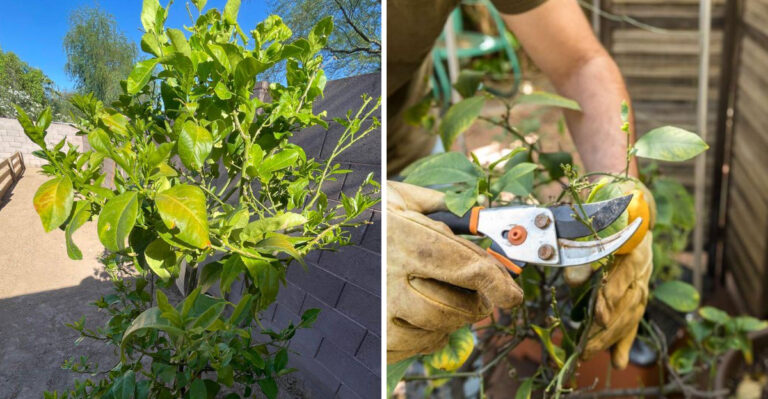
Choose branch clearance without over-pruning
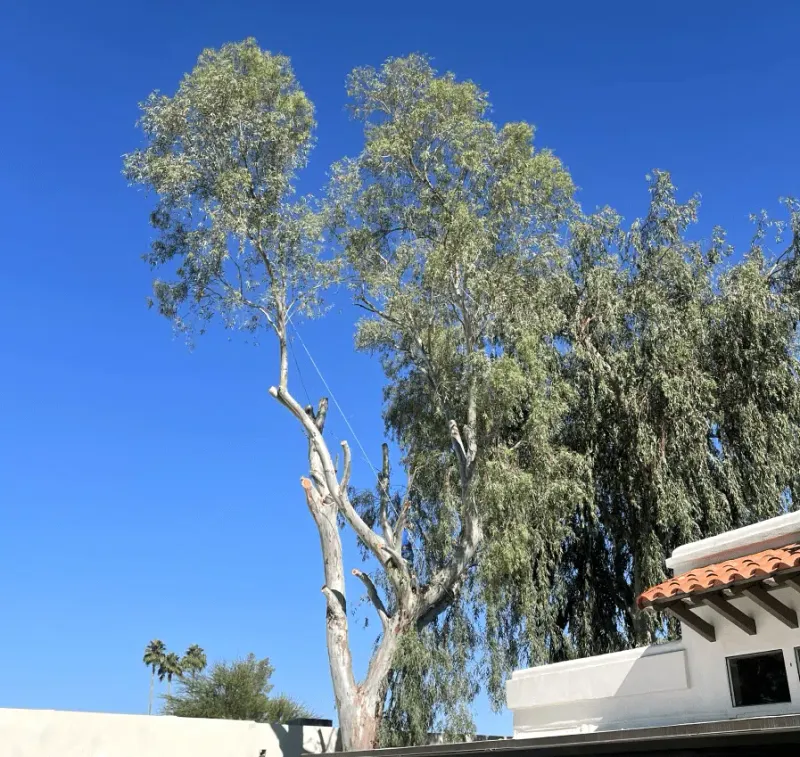
Advice on how far to cut back varies, so it helps to know the differences. Arizona Extension recommends keeping branches from touching walls and rooflines.
That is a sensible minimum for most low-desert yards.
The UC IPM rat guidance goes further. Its quick tips mention pruning limbs within three feet, while its fuller guidance recommends removing limbs within six feet.
Treat six feet as a conservative recommendation from California, not a universal Arizona rule.
Your Arizona Garden Changes Every Week. Your Plan Should Too.
Gardening in Arizona changes quickly throughout the season. Every Friday you’ll receive a simple weekly plan showing exactly what to plant, prune, fertilize, harvest, and protect so you never miss the right timing.
You do not need to butcher a shade tree. Trees like mesquite and palo verde cool your home in summer, and Arizona Extension says removing trees will not reduce roof rat numbers or stop new rats from arriving.
Make targeted cuts to the limbs that touch or hang over the roof.
Clearance reduces one route. It does not guarantee rats stay away, since they can still use wires, vines, and other plants.
Inspect and seal openings as well as branches
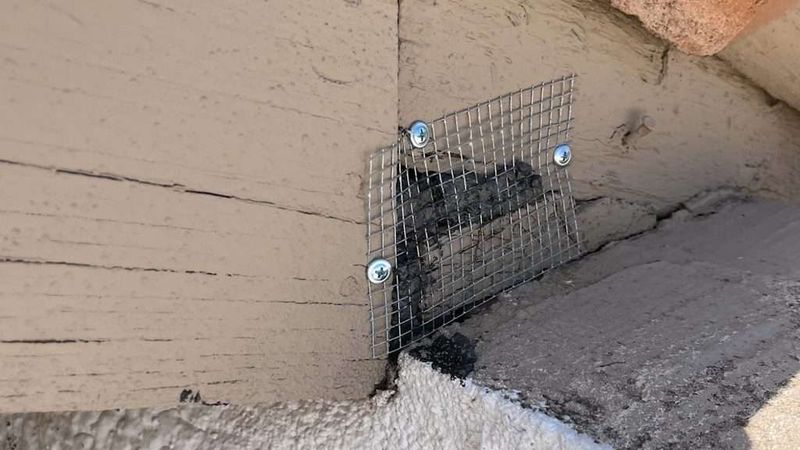
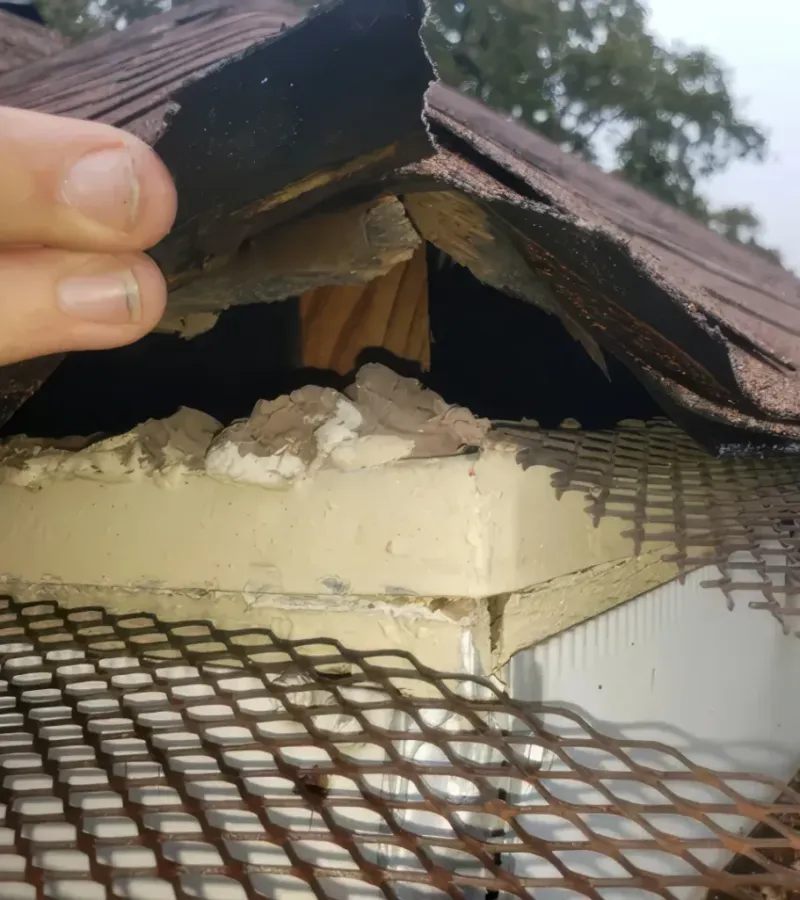
Once the branches are sorted, turn your attention to the house itself. Slowly walk the perimeter and look at roof edges, soffits, vents, and anywhere pipes or wires enter.
A flashlight helps you spot dark gaps and damaged screens.
According to UC IPM, exclusion, which means sealing entry points, is a central part of lasting rat control. It recommends sealing openings larger than a quarter inch.
That is roughly the width of a pencil, so small gaps count.
Make a short list as you go. Note loose vent covers, gaps along the fascia, worn soffit panels, and spaces around cables.
Repair them with durable materials, and consider hiring a pro for anything high or hard to reach.
A quick visual check will not catch everything, and trimming a tree will not seal a gap. Pairing the two steps covers more ground than either one alone, but it still cannot promise a rat-proof home.
Reduce accessible food without removing trees
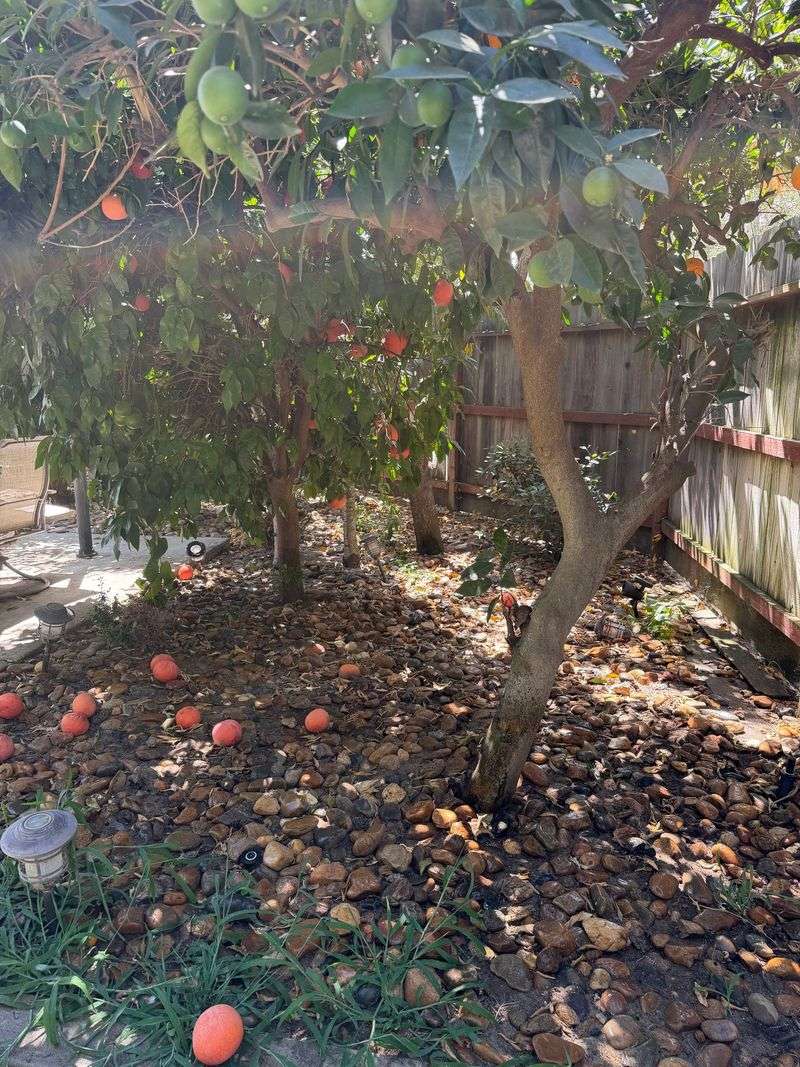
Tidy yards are simply less appealing. Pick up fallen fruit from citrus and other trees, rake up seeds and pods, and keep trash in bins with tight lids.
Pet food and bird seed are also worth bringing in or cleaning up.
Arizona Extension notes in its guide to discouraging roof rats that these steps may make a yard less attractive. Notice the careful wording: less attractive, not rat-free.
Cleanup will not control the local rat population, and it will not stop new rats from arriving. The same source says removing trees or specific food plants is not a reliable solution.
Keep your orange tree and just manage the drop.
A weekly pass with a bucket during harvest season is usually enough. It is a small habit that costs little and keeps the yard looking sharp.
Attic clues do not confirm a roof rat
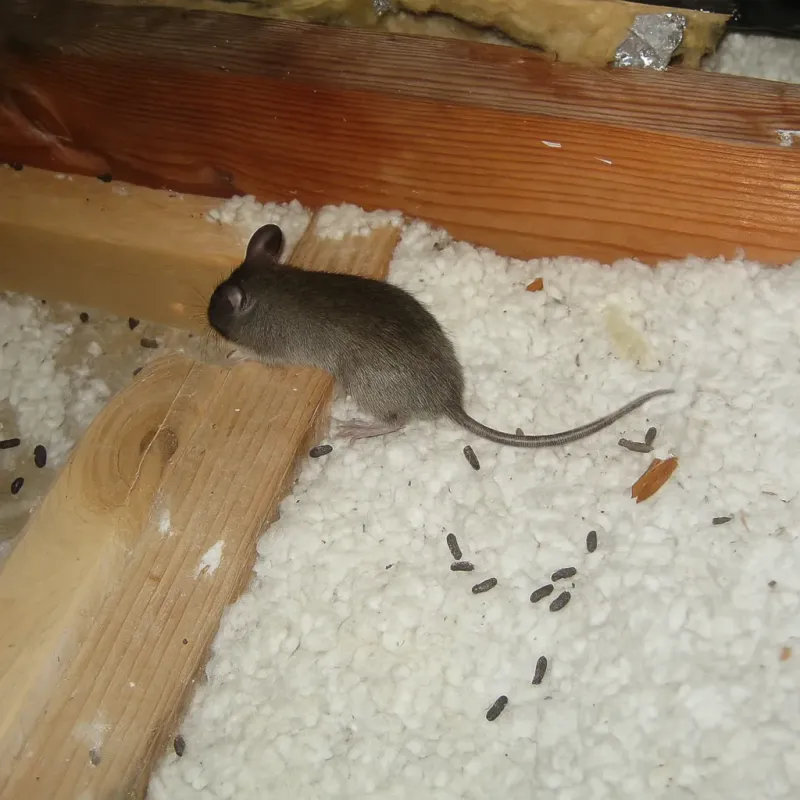
Scratching overhead at night feels like proof, but a sound is not a species ID. Arizona is also home to native pack rats, and the Extension roof rat publication shows that identification takes more than one sign.
Droppings have the same problem. Size and shape can overlap, and a single clue can mislead you.
Avoid declaring that you have roof rats because of what you heard or found once.
You can still act without certainty. Check how animals could reach the roof and look for gaps, just as you would for any rodent.
Those steps help whichever animal is responsible.
If you see droppings or nesting material, do not sweep or vacuum them. Follow the safe cleanup steps in the CDC guidance at cdc.gov/healthy-pets/rodent-control/index.html.
If the situation seems larger than you can handle, a licensed pest professional can identify the animal properly.
Make the weekend check safe and specific
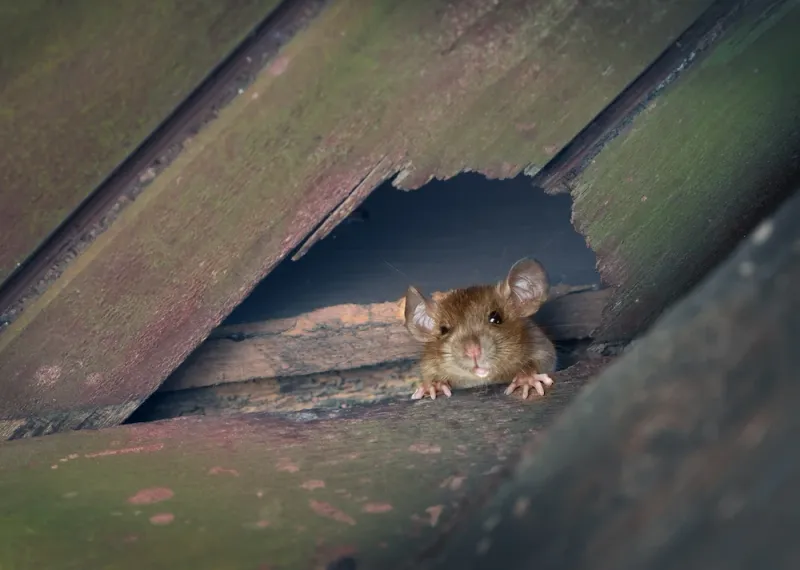
Start with a lap around the house and note every branch touching the roof or walls. Then consider the conservative guidance from UC IPM and decide which limbs to trim back toward six feet.
Next, inspect vents, soffits, and roof edges, then clear fallen fruit and seeds, as Arizona Extension suggests.
Stay far away from power lines. If a branch is near or touching a line, do not prune it yourself.
SRP asks customers to contact the utility so qualified crews can handle the work.
Keep your ladder work on the ground-level and low-roof jobs, and hire help for anything steep or tall.
None of this guarantees a rat-free attic, but each step takes away a little access and appeal. A quiet roofline is usually built from small, boring fixes.