9 Reasons Scorpions Are Sneaking Into Alabama Houses This Season
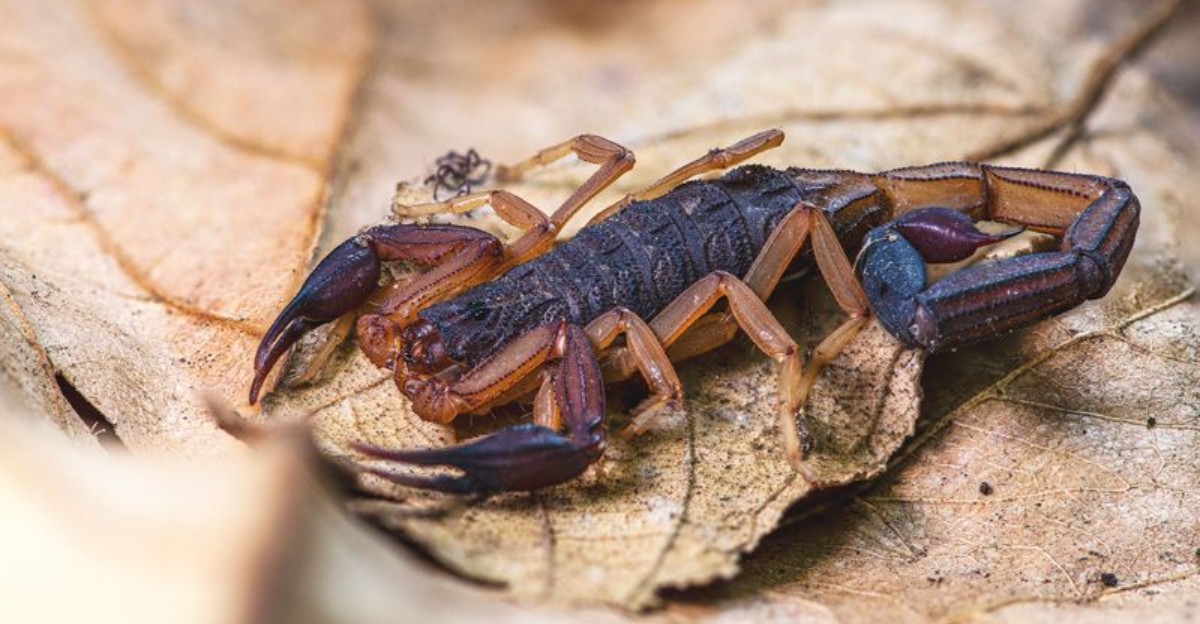
Scorpions don’t knock before they move into your home. Your Alabama evenings turn cool enough to trigger a mass migration indoors. Cracks along your foundation suddenly look like open doors to them.
Baseboards give your walls corridors these creatures find impossible to resist. Laundry rooms hold the hidden moisture your home can’t fully vent. Porch lights near your door lure insects, and scorpions follow close.
Shoes left near your back door can hide an unexpected visitor. Firewood stacked against your exterior walls builds a direct path indoors. Weatherstripping wears down quietly, leaving gaps you’d hardly notice.
Mulch pressed against your foundation gives them a soft landing spot. Older homes across Alabama often skip the sealing your walls need.
Bathtubs trap them fast once they’ve slipped past your home defenses unnoticed. Understanding these patterns shifts you from reactive to prepared. Ignore a single warning sign, and you’ll regret it by morning.
1. Cooling Nights Push Them Toward Warm Walls
Early September in Alabama plays a funny trick. Afternoons still bake, but nighttime temperatures can drop noticeably by early morning.
Scorpions read that swing like a weather report. Their bodies do not make their own heat, so they drift toward whatever surface holds warmth the longest.
Your home is basically a giant heat battery. Brick, concrete slabs, and siding soak up sun all day and release it slowly overnight, creating a cozy strip of warm air right along the foundation.
Once a scorpion settles against that warm wall, it starts probing for openings. A weep hole in brick veneer, a gap behind a downspout, or a crack where the slab meets the frame can all lead inward.
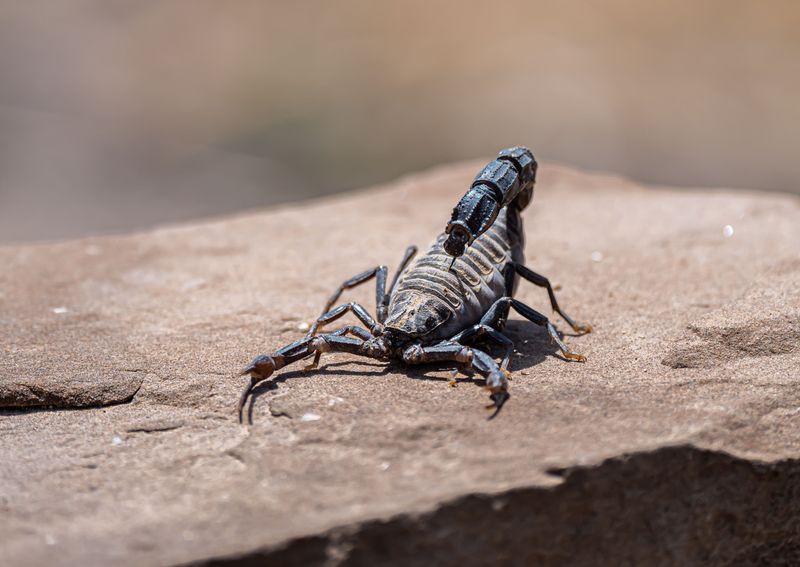
Southern Alabama sees this most in the striped bark scorpion, the species common across the state. Neither is aggressive, but both are curious about temperature gradients.
A practical fix is to walk your foundation with a flashlight after sunset. The low angle of light reveals gaps you would miss at noon, and scorpions fluoresce a distinct blue-green under UV light.
Seal what you find with mortar patch or copper mesh stuffed into weep holes, which still lets brick breathe. Foam alone tends to crumble in Gulf humidity.
Fun bit of trivia: scorpions have existed for roughly 400 million years, and their skill at finding shelter likely plays a role in that survival.
2. Late Summer Storms Flood Their Hideouts
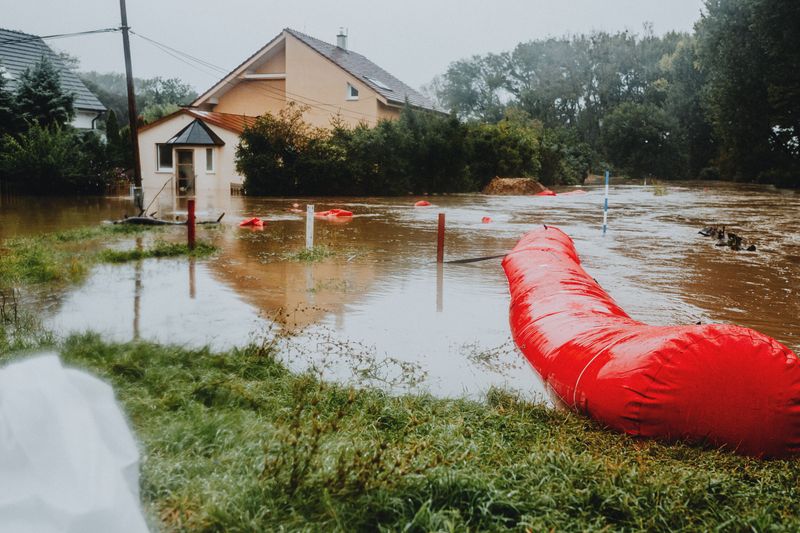
Gulf moisture does not politely knock. September storms can bring sudden, heavy downpours, leaving standing water across the yard in minutes.
Scorpions spend daylight tucked under rocks, in soil cracks, and beneath layers of mulch. Water fills those pockets fast.
When the ground floods, they climb. Sometimes that means a fence post, sometimes a tree trunk, and sometimes the nearest set of porch steps with a dry gap underneath.
Garages take the biggest hit during storm weeks. An overhead door with a worn rubber sweep leaves a quarter-inch channel that funnels rainwater and refugees alike.
Your Alabama Garden Changes Every Week. Your Plan Should Too.
Gardening in Alabama changes quickly throughout the season. Every Friday you’ll receive a simple weekly plan showing exactly what to plant, prune, fertilize, harvest, and protect so you never miss the right timing.
Grading matters more than people expect. Soil that slopes toward the house sends both water and displaced wildlife straight at your walls.
Adding a few inches of fall to the first six feet of soil around the foundation solves two problems at once. Your crawlspace stays drier and the pests lose their emergency shelter.
Check gutters before the next system rolls through. Overflowing downspouts create permanent damp zones that attract the insects scorpions hunt, which turns your flowerbed into a diner.
After a heavy rain, give the garage and mudroom a quick sweep with a flashlight. Scorpions arriving that way often appear disoriented and move slowly, which makes them easy to scoop into a jar with a piece of cardboard.
Relocating them a few hundred feet into a wood line works fine. They rarely make the trip back.
3. Firewood Stacks Turn Into Free Taxi Rides
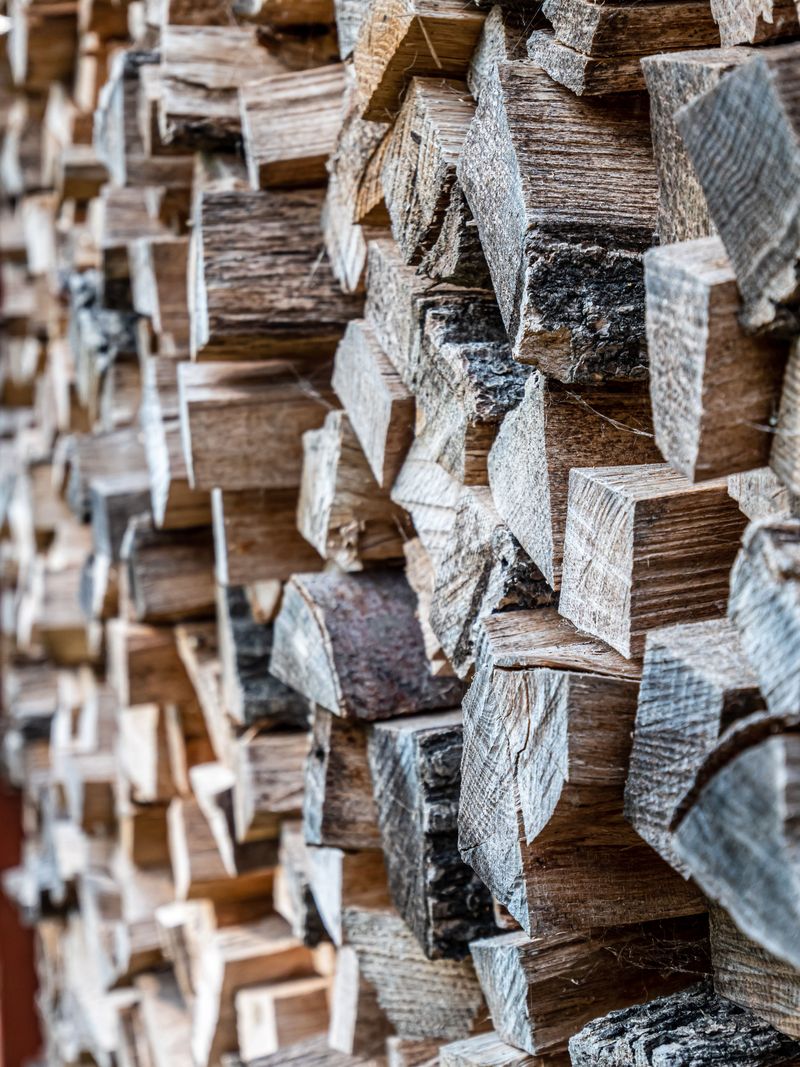
Ask anyone who heats with wood and they will tell you the same story. The first cold snap arrives, an armload of oak comes inside, and something skitters across the hearth an hour later.
Firewood is close to ideal scorpion housing. Loose bark creates thin, dark slots that hold humidity and hide them from birds.
September is when Alabama folks start restocking for winter. That timing lines up perfectly with the season when scorpions are actively hunting for a settled spot.
Stacking wood against the house makes the problem worse. The pile becomes a bridge, and anything living in it is already touching your siding.
Move the stack at least twenty feet from the structure and raise it on a metal rack. Air circulating underneath dries the bark and makes the pile far less appealing.
Bring in only what you plan to burn within a day. Wood that sits in a corner of the den for a week gives hitchhikers time to wander off and settle behind furniture.
Gloves are non-negotiable during handling. Stings usually happen when a hand closes around a log without looking.
Give each piece a quick knock against the ground before carrying it. The vibration sends most residents scattering while you are still outside.
Tarps trap moisture underneath, so cover only the top of the pile. Leaving the sides open lets the stack breathe and keeps the humidity low enough that scorpions look elsewhere.
4. Insect Buffets Under Your Porch Lights
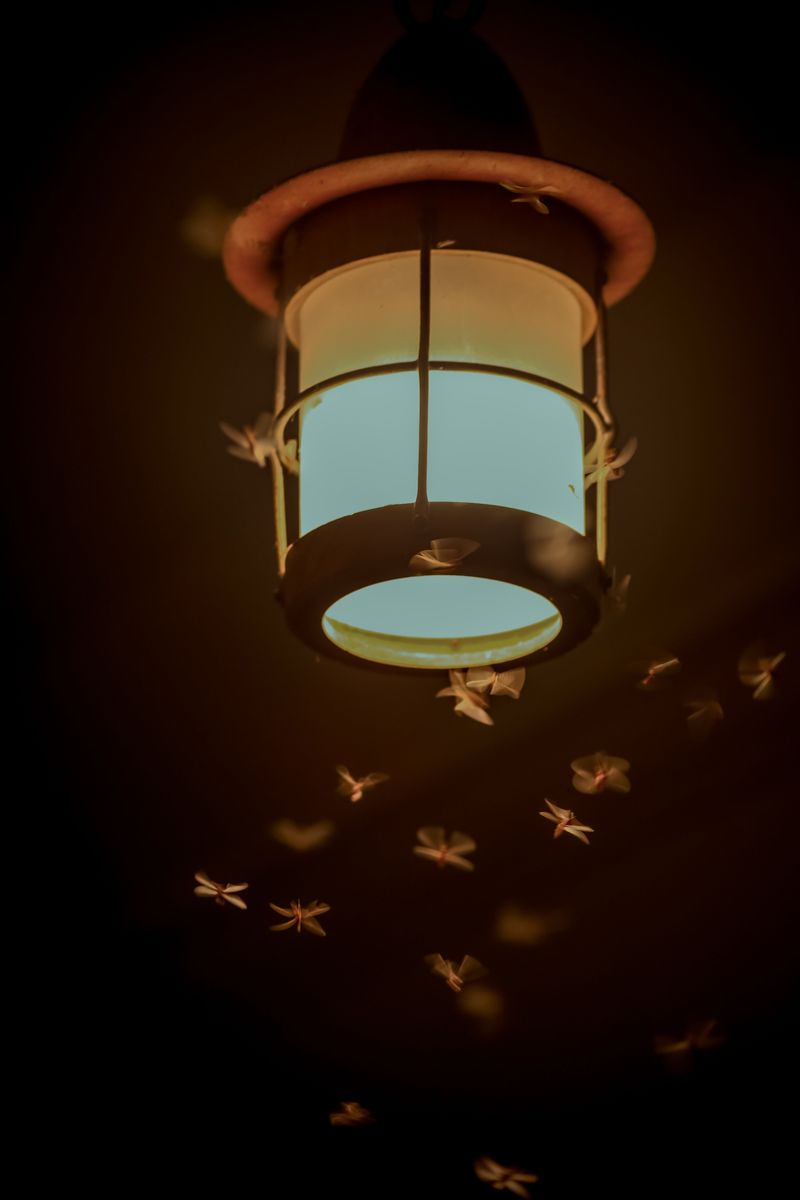
Flip on a porch light in early September and insects gather almost immediately. Moths, crickets, beetles, and roaches swirl in within minutes. Scorpions do not care about the light itself. They care about what the light delivers.
Predators follow prey, and a well-lit doorway becomes a reliable hunting ground night after night. Once a scorpion learns the route, it returns.
Swapping bright white bulbs for warm amber or yellow LEDs cuts insect traffic dramatically. Bugs see ultraviolet and blue wavelengths far better than yellow ones.
Motion-sensor fixtures help too. Light that runs for ninety seconds instead of nine hours never builds the same crowd.
Consider moving the main light source away from the door entirely. A pole lamp fifteen feet out pulls insects toward it and leaves your threshold quiet.
Crickets deserve special attention in Alabama. They are a favorite meal, and a heavy cricket population near the house significantly raises the odds of scorpion visits.
Cutting back tall grass and clearing leaf litter within a three-foot band around the foundation removes cricket cover. Fewer crickets means less reason for anything to linger.
Here is something worth trying on a warm night. Take a UV flashlight outside around 10 p.m. and scan the patio, because scorpions fluoresce a startling blue-green under that light.
Seeing how many are already out there tends to motivate the light bulb swap faster than any article can.
5. Gaps Around Doors Are Bigger Than You Think
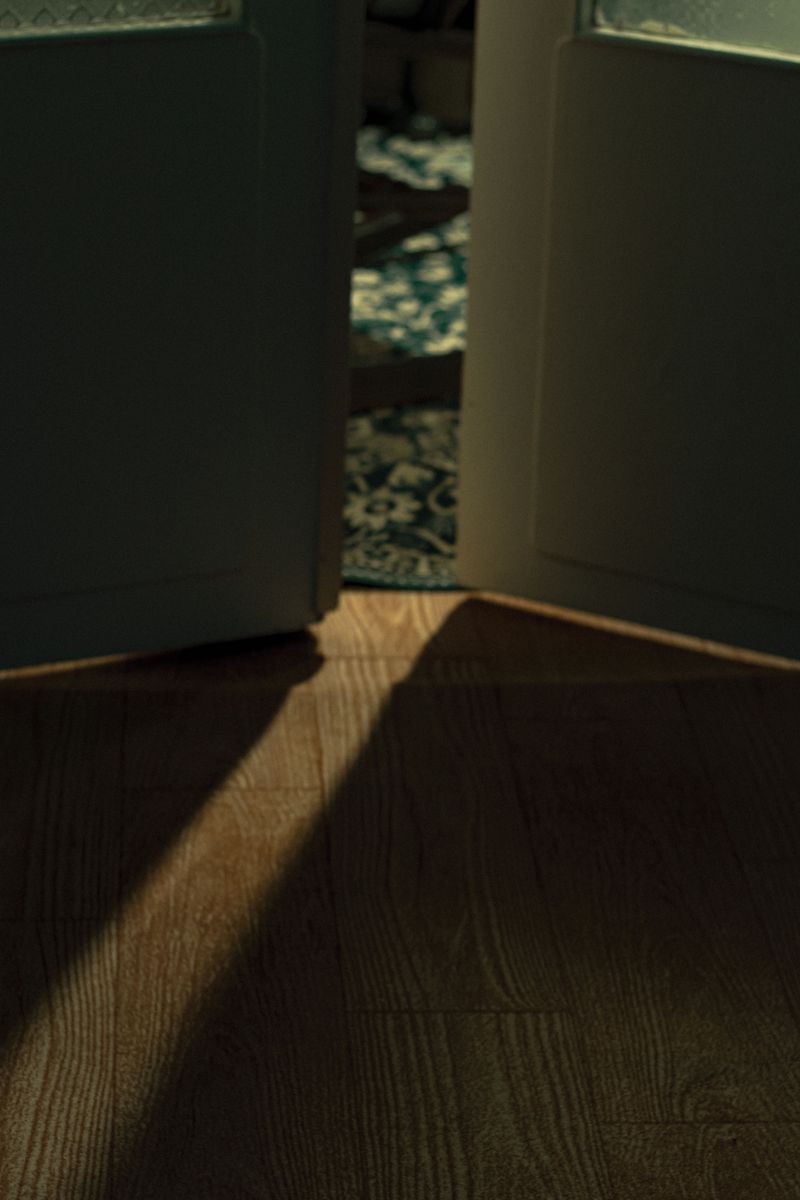
Scorpions can flatten their bodies enough to slip through surprisingly narrow gaps, sometimes no wider than a thin card.
Old thresholds settle. Weather stripping compresses and cracks after a few Alabama summers of heat and humidity.
The classic test costs nothing. Stand inside a dark room during daylight and look at the door frame, because any light you see is a doorway for something small.
Door sweeps are the easiest upgrade on this list. A vinyl or brush-style sweep costs a few dollars and installs with a screwdriver in ten minutes.
Garage doors need the same treatment on the bottom seal and both side jambs. Rodent-proof corner pads fill the notorious triangular gaps at the ends.
Windows matter too. Screens with small tears, missing corner splines, or loose frames offer easy access, especially on ground-floor bathrooms.
Utility penetrations get overlooked constantly. Pipes, dryer vents, cable lines, and outdoor spigots all pass through walls, and the original sealant rarely lasts a decade.
Copper mesh packed into those openings and topped with silicone caulk holds up well against Gulf Coast weather. It also resists chewing from mice, which is a bonus.
Work through the house one wall at a time rather than trying to do it all in an afternoon. Exclusion is boring work, but it is the single most effective thing a homeowner can do. Sealed gaps keep working while you sleep.
6. Mulch Beds and Landscape Rock Make Perfect Motels
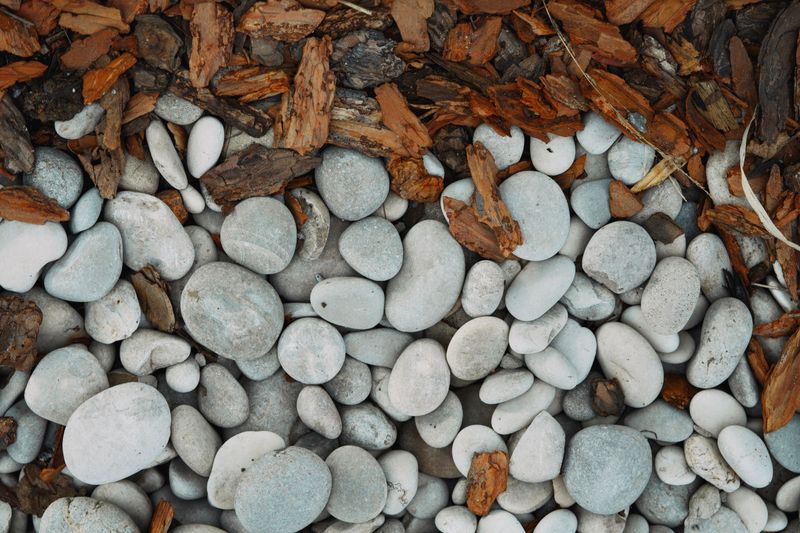
Landscaping choices quietly shape which creatures live near your walls. Thick mulch piled against the foundation creates ideal shelter conditions for scorpions.
The top inch dries in the sun while the layer beneath stays cool and damp. That gradient is exactly what an arachnid wants.
Pine straw is popular across Alabama and holds moisture especially well. Decorative river rock creates similar shelter, with the added perk of solid overhead cover.
You do not have to abandon your flowerbeds. Just pull the mulch back so a bare six-inch strip of soil separates it from the siding.
Keeping mulch depth under two inches also helps. Deeper layers stay wet long after the surface looks dry.
Railroad ties, stacked pavers, and unused planters are worth relocating away from the house. Anything sitting flat on the ground creates a hiding pocket underneath.
Shrubs pressed against brick block airflow and hold humidity. Trimming them back a foot lets sunlight reach the foundation and dries things out considerably.
Watch your irrigation schedule as fall approaches. Running sprinklers on the same summer setting keeps beds soggy when plants need much less.
Fewer damp spots mean fewer roaches and crickets, and fewer of those means less reason for a predator to hang around your porch.
Small landscaping tweaks in September pay off through the whole cool season. Think of it as making the outside of your home slightly boring.
7. Crawlspaces Stay Humid When The Air Turns Dry
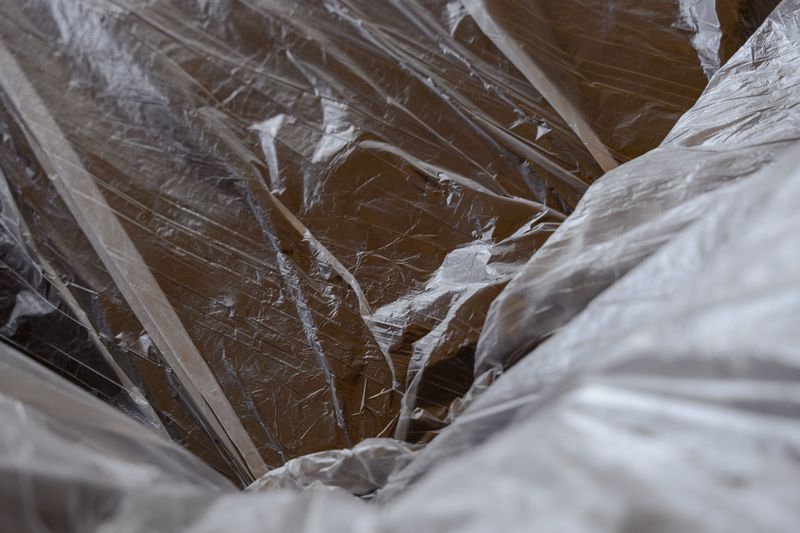
Under many older Alabama homes sits a vented crawlspace with a bare dirt floor. It is dark, it is cool, and it holds moisture like a sponge.
As outdoor humidity drops in fall, that space becomes one of the dampest microclimates on the property. Scorpions relocate accordingly.
Access is rarely difficult. Torn foundation vent screens, a warped access door, or gaps around plumbing give easy entry.
From the crawlspace, the trip upstairs is short. Openings around drain pipes, HVAC chases, and bathtub cutouts lead directly into walls and cabinets.
That explains why so many sightings happen in bathrooms. A scorpion following a pipe eventually finds a sink base or a tub surround.
Installing a heavy vapor barrier over the dirt makes a real difference. Six-mil plastic, overlapped and taped, cuts ground moisture substantially.
Repairing vent screens with quarter-inch hardware cloth blocks larger intruders while keeping airflow. Check for standing water from leaky supply lines while you are down there.
Sealing around pipe penetrations from below is easier than chasing them from inside finished rooms. Expanding foam plus caulk handles most of it.
If crawling under the house sounds unpleasant, a crawlspace encapsulation contractor can evaluate it.
Better moisture control can also improve indoor air quality and reduce energy costs. A drier crawlspace discourages roaches, silverfish, and the predators that follow them upstairs.
8. Renovation Dust And Yard Work Stir Them Up
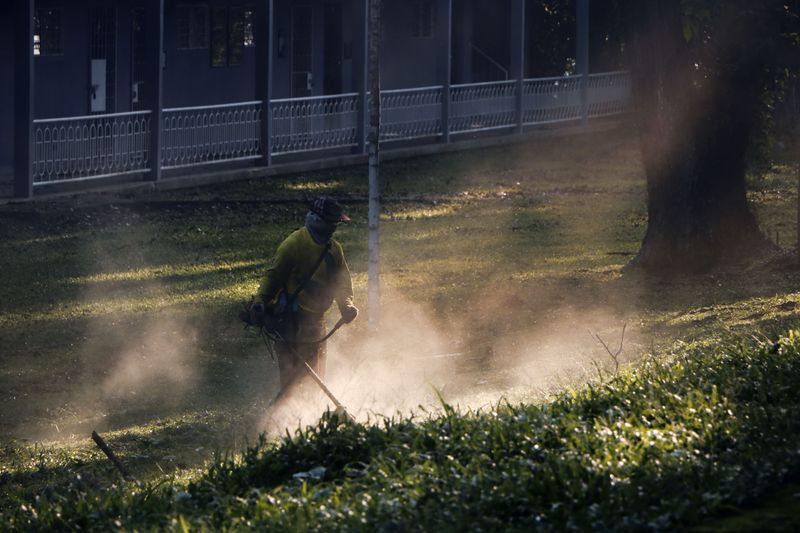
Fall project season kicks off right about now. Deck repairs, brush clearing, stump grinding, and shed demolition all happen once the worst heat breaks.
Every one of those jobs evicts somebody. Scorpions living under a woodpile or inside a rotting fence post suddenly need new quarters.
The nearest structure usually wins. That is often the house standing thirty feet away with a propped-open back door.
Construction next door counts too. A new foundation poured across the street can push displaced wildlife several lots in your direction.
Timing your own work helps. Doing demolition in the morning gives you daylight to spot and relocate anything that turns up.
Keep debris piles off the ground and haul them away promptly. A stack of old boards left for three weeks becomes established habitat.
Close doors while working. It sounds obvious, but a propped screen door during an all-day project is how plenty of pests get their first tour of the living room.
Shake out tarps, buckets, and gloves before use. Anything left outdoors overnight can gain a tenant.
After finishing a big cleanup, do a perimeter check that evening with a UV light. Newly displaced scorpions often gather along the foundation while they search for shelter.
Catching them at that stage, before they find a gap, helps prevent indoor encounters later on.
9. Boxes, Shoes, And Storage Bins Offer Cozy Corners

Once a scorpion is inside, it looks for one thing. A hiding spot that feels like a rock crevice. Cardboard boxes in a garage fit perfectly. So do rubber boots, folded tarps, and bins of holiday decorations.
Attics and closets rank high too. Anything undisturbed for weeks becomes a reliable daytime retreat. Shoes are the classic hazard. A boot in a mudroom is dark, narrow, and slightly warm.
Tap footwear against the floor before slipping it on. Folks in scorpion country do it without thinking. Switching from cardboard to sealed plastic totes removes many hiding spots at once. Cardboard also absorbs humidity, making it more attractive.
Keep stored items off the floor and away from walls. That gap lets you check without moving everything.
Sticky glue boards along garage walls and behind appliances work as an early warning system. Checking them monthly tells you if visitors have arrived.
Shake out laundry sitting in a basket, especially in a basement or garage. Folded towels deserve a quick look too. Checking these spots weekly takes only a few extra minutes total.
Reducing clutter will not solve the problem alone. Paired with sealed gaps, it makes your home a poor choice for hiding.