Should You Keep Mowing Your Alabama Lawn In October? Here’s When To Stop
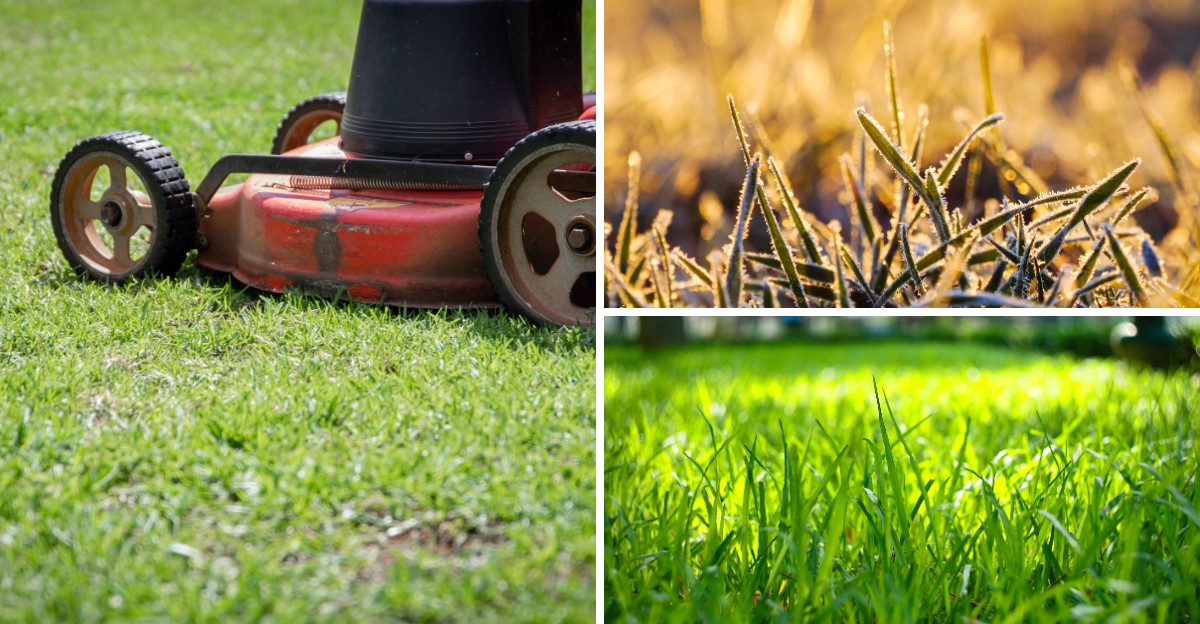
Skip the wrong mow and you will spot bare patches by April. You live in Alabama, where Bermuda, zoysia, and centipede lawns head toward dormancy.
Blades slow, but underground your grass stockpiles carbohydrates for winter survival. Scalp it now and you drain that reserve.
Frost is a key signal, alongside soil temperature and growth rate. In north and central Alabama, that frost usually lands between late October and mid November.
Watch your blades closely, because once they stop gaining height between cuts, you can stop mowing. Lower your deck a notch for that final pass, so you leave tidy turf.
Mulch fallen leaves into the grass and you return free nutrients to the soil. Then clean the blade, drain the fuel, and tuck your machine into the shed.
Late mowing on cold, damp turf tears blades and invites fungus you may need to manage later. Spring will show how your timing worked out.
1. Check Your Grass Type First
Picture two Alabama neighbors arguing over when to quit cutting their yards. Both could be right, because their grass types might be quite different grasses.
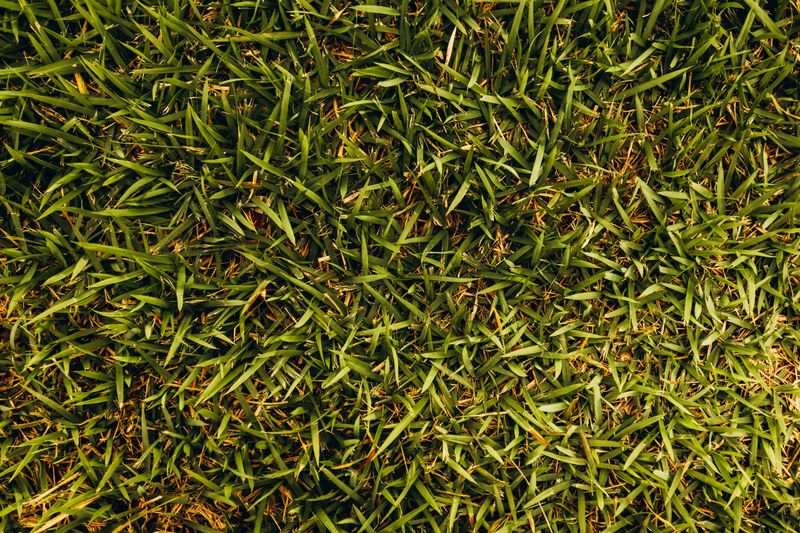
Many lawns here grow warm-season grass like Bermuda, Zoysia, Centipede, St. Augustine, or Bahia. Some north Alabama lawns hold cool-season tall fescue, which keeps growing deeper into fall.
Bermuda is the speedy one of the bunch, growing fast through early fall. You may need to cut it every week or so until mid to late October.
Zoysia is thick and stubborn, and it tends to slow down a little sooner. Many homeowners can stretch the time between cuts to ten days or more.
Centipede grass is known as the lazy lawn of the South. It grows slowly, so you might need only one or two more trims this month, depending on weather.
St. Augustine has wide, flat blades and prefers to stay a bit taller. Cutting it too short in fall can leave it weak when the first cold snap arrives.
Some folks overseed with ryegrass to keep a green lawn through much of winter. In that case, mowing keeps going, because ryegrass loves cool weather and grows steadily.
Check the bag from your last seed purchase or the paperwork from your sod supplier if you saved it.
Mixed lawns are common, so walk the whole property. Shady corners and sunny slopes can hold different grasses that follow different mowing rhythms.
Not sure what you have growing out there? Snap a photo and take it to your local county Extension office, where experts can help you identify it.
2. Watch The Soil Temperature Drop
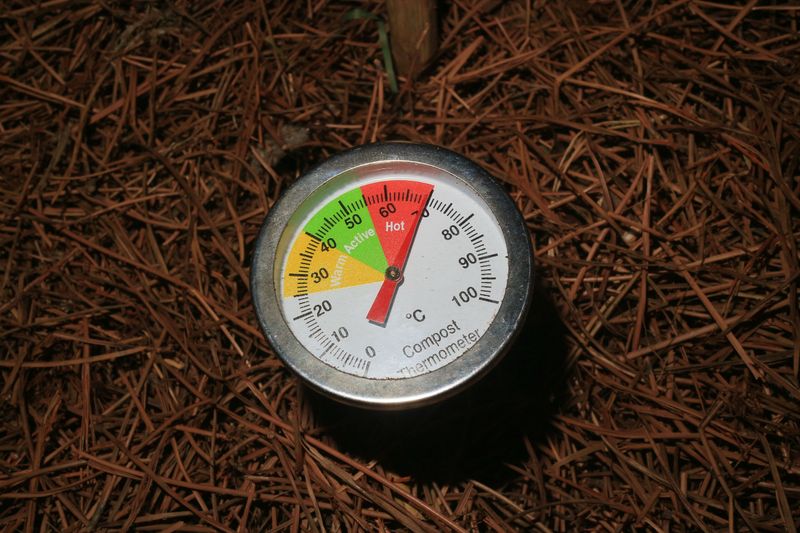
Many people overlook one number, 65 degrees. That is roughly the soil temperature where warm-season grass starts hitting the brakes.
Air temperature can fool you in Alabama. A sunny 80-degree afternoon might feel like summer, but a run of chilly nights pulls the soil reading down over time.
Once soil stays below about 65 degrees, grass growth slows to a crawl. Below 50 degrees, many warm-season lawns slip into their winter rest.
Your Alabama Garden Changes Every Week. Your Plan Should Too.
Gardening in Alabama changes quickly throughout the season. Every Friday you’ll receive a simple weekly plan showing exactly what to plant, prune, fertilize, harvest, and protect so you never miss the right timing.
A simple soil thermometer costs only a few dollars at a garden store. Push it about four inches deep in the morning for a more honest reading.
North Alabama, around Huntsville, usually cools down weeks ahead of Mobile. Gulf Coast lawns may keep growing well into November during a warm year.
Check the reading a few times each week through October. When numbers keep sliding, you will notice your mowing schedule naturally stretching out.
Online soil temperature maps can also help if you skip the gadget. Many weather and university sites update them daily for your area.
Morning readings work best because the ground has settled overnight. Afternoon sun can push the number up and send you the wrong message.
Jot each reading in a notebook or phone note. After a week, the pattern will help you spot when mowing should taper off.
Think of soil temperature as your lawn’s quiet alarm clock. When it rings, the grass is telling you it wants to rest soon.
3. Raise The Mower Blade A Notch
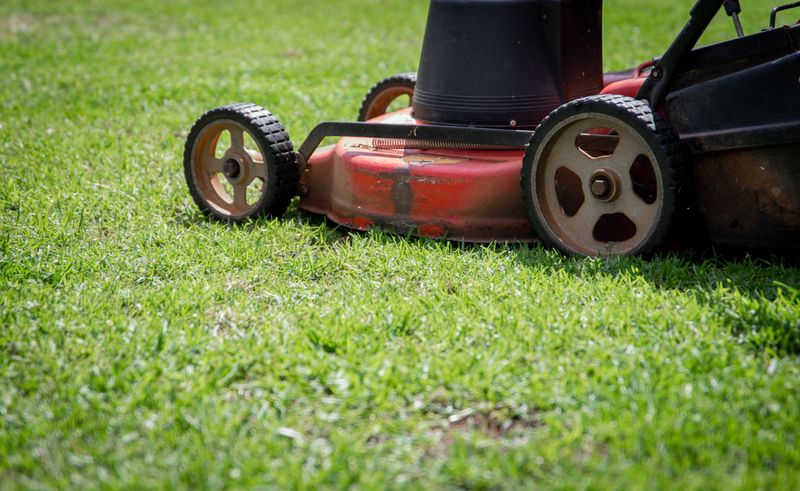
An old saying about fall yards goes, let them wear a sweater. He meant taller grass handles cool weather much better than a buzz cut.
Raising your mower blade in October gives grass more leaf surface. More leaves mean more food stored in the roots before winter rest.
Check the recommended range for your cultivar first. For Bermuda, try moving from one inch up to about one and a half inches.
Zoysia and Centipede do well in the one to two inch range this time of year.
St. Augustine likes to stand taller, often two and a half to four inches depending on cultivar. A taller cut helps it resist cold damage and common winter weeds.
Many mowers have a lever near each wheel for height changes. Turn the engine off and wait for the blade to stop before adjusting anything.
Follow the one-third rule whenever you cut. Removing more than a third of the blade height stresses grass and can cause browning.
Taller grass also shades the soil a little. That shade can help limit weed seeds like henbit and chickweed from sprouting in cool months, though pre-emergent timing matters more.
Check the height after each adjustment by measuring from a flat driveway to the deck edge. Settings can differ between mowers.
Sharp blades matter even more at a taller height. A clean cut helps tall grass heal fast and hold its color into winter.
So give your lawn that cozy sweater now. Come spring, it will thank you by greening up thicker and stronger.
4. Track The First Frost Date
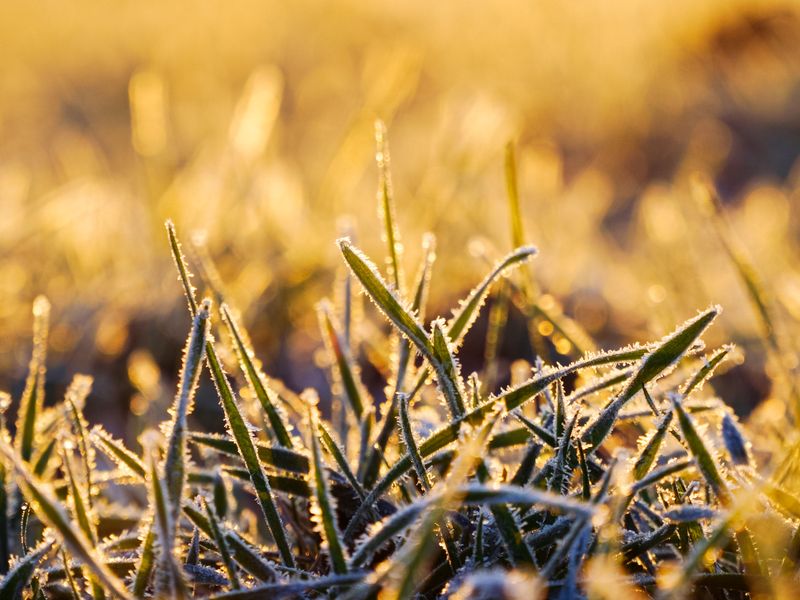
Frost is like the referee blowing the final whistle on your mowing season. Once it shows up, warm-season grass usually heads for the bench.
Alabama’s first frost arrives at different times depending on where you live. North Alabama often sees it in late October or early November.
Central Alabama, near Birmingham and Montgomery, typically gets frost in early to mid November. Coastal areas like Mobile may wait until late November or December.
A hard frost turns Bermuda and Zoysia a tan or straw color fast. That color change is normal and shows the grass is resting, not gone.
Many lawn pros suggest one last cut right before your expected first frost. After that, the grass simply stops growing enough to need trimming.
Look up your area’s average frost date online or ask your Extension office. Then mark it on a calendar so you can plan ahead.
Keep in mind that averages are just good guesses. A warm fall can push frost back, while a cold snap can sneak in early.
Frost pockets form in low spots, where cold air settles first. Your yard may show frost while a neighbor uphill still mows.
A light frost is a nudge, while a hard freeze is a firm stop. Either one tells you the growing season has wrapped up.
Watching the forecast in late October makes a big difference. When frost appears in the ten-day outlook, schedule that final mow.
5. Follow The Growth Rate
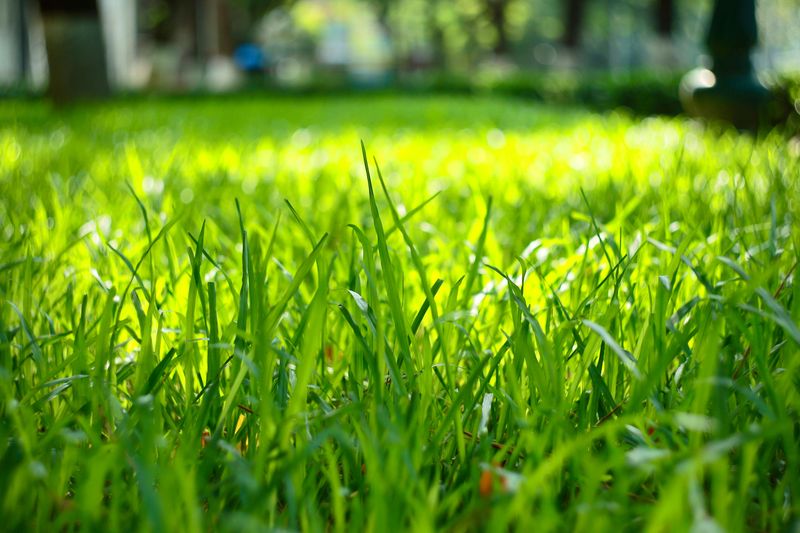
Ever notice your yard looking shaggy in September, then oddly tidy a few weeks later? Your grass is quietly sending you a signal.
In summer, Alabama lawns can grow an inch or more each week. By mid October, that pace often drops to half or less.
A simple way to check is with a ruler from the kitchen drawer. Measure a few spots right after mowing, then again five days later.
If grass grew less than half an inch, you can wait longer between cuts. Mowing short, slow grass adds little benefit.
Many homeowners switch from weekly cuts to a ten to fourteen day rhythm. Late in the month, some only need one trim across a few weeks.
Rain can cause a surprise growth spurt even in fall. A warm, wet week might bring the shaggy look back for a little while.
Pay attention to seed heads too, especially on Bermuda and Bahia grass. Tall seed stalks popping up can mean one more cut is worth doing.
Note how tall the grass stands on mowing day. Over a few weeks, those notes reveal how fast growth fades.
Nitrogen fertilizer applied late can trigger a flush of tender growth right before cold arrives. Hold off on nitrogen now and let the lawn slow naturally.
Your lawn does not run on a calendar, so let it set the schedule. Cutting only when needed keeps grass healthier through the changing season.
6. Mulch The Falling Leaves
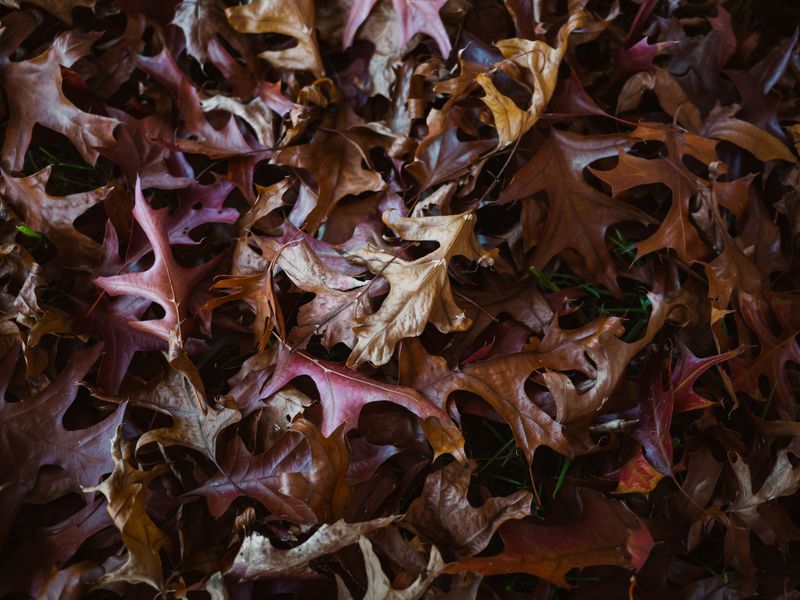
Raking is a chore many people skip. Your mower can handle much of that leafy mess in October.
Alabama maples and sweetgums start dropping leaves this month, and oaks follow into November. A thick pile left on grass blocks sunlight and traps moisture underneath.
That soggy blanket can invite mold and fungus problems. It may also leave bare, yellow patches once spring arrives.
Mulching leaves with your mower chops them into tiny bits. Those pieces settle between grass blades and break down into natural food for soil.
Michigan State researchers, working with cool-season turf, found mulched leaves can help reduce dandelions. A useful bonus for material that often ends up in bags.
For best results, mow when leaves are dry and not piled too deep. Go over the area twice if the pieces still look large.
A mulching blade or mulching kit can make the job smoother. Many newer mowers include one, so check your manual before buying anything.
Shredded leaves also feed earthworms and helpful microbes beneath the turf. Those tiny workers loosen soil and keep nutrients moving toward the roots.
Leaves too thick for your mower can move to garden beds or a compost pile. A few inches around shrubs protects roots.
So even if your grass needs little trimming, leaf duty may keep the mower busy. Think of it as free fertilizer that falls straight from the trees.
7. Skip Mowing Wet Or Frosty Grass
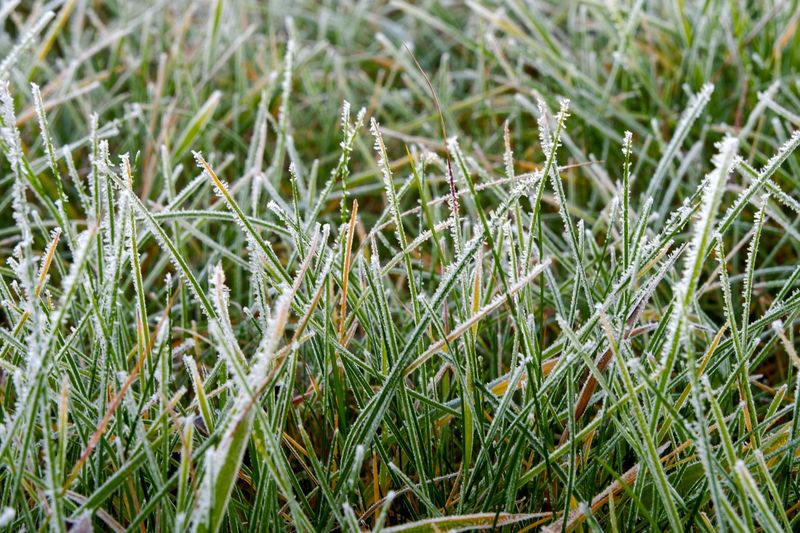
Cool October mornings in Alabama often come with heavy dew or light frost. As tempting as an early start sounds, waiting is better for your lawn.
Wet grass clumps under the mower deck and sticks in thick wads. Those clumps cover patches of lawn and leave an uneven cut.
Damp blades also tear instead of slicing cleanly. Torn tips turn brown and give fungus an easy entry point.
Frosty grass is even more fragile than wet grass. Frozen blades can break and bruise when stepped on or rolled over by wheels.
Walk across a frosty yard and you may see dark footprints later that day. Those marks show damage to cells inside each tiny blade.
The safer plan is to mow in the late morning or afternoon. By then, sunshine has dried the dew and melted any frost.
Wet ground matters too, especially after a big fall rain. Heavy mowers can compact soil and leave ruts in soft spots.
If a morning forecast shows dew, check again around noon. Blades often dry faster on breezy, sunny days than on still, cloudy ones.
Sharp blades help here too. A clean slice leaves less raw edge on each blade, so fungus finds fewer openings.
A good test is the shoe check. If your sneakers come back soaked after a short walk, give the lawn a few more hours.
8. Plan The Final Cut Of The Season
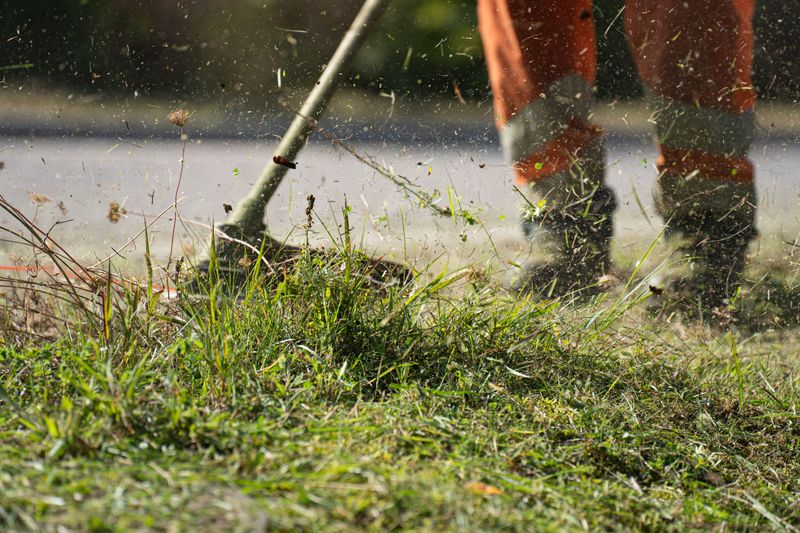
Each season deserves a proper goodbye, and your lawn is no different. That last cut sets the stage for how your yard looks next spring.
For many Alabama lawns, the final mow lands in late October or November. Aim for right before the grass turns tan and stops growing.
Keep the height on the taller side for this last trim. Short grass going into winter is more likely to take on cold damage.
Once you finish, give the mower some love before storing it. Scrape off caked grass from under the deck while the engine is cool.
Sharpen or replace the blade so it is ready next year. A sharp blade cuts cleanly and keeps grass healthier from the first spring mow.
Add fuel stabilizer or run the tank empty before storage. Old gas can leave residue in the engine and make starting difficult when warm weather returns.
Check the air filter and spark plug too. Small fixes now save you from a hard-starting mower in March.
Write the final mow date and height on your calendar. Next fall, that record takes the guesswork out of timing.
Stay ready for a warm spell in December. If grass perks up, a light trim at your final height is fine.
Then roll it into the shed and enjoy your break. Your weekends just got a little quieter, and your lawn can finally rest.